



![[ New Arrival ] Porto Max Electric Scooter For Commute & Grocery Shopping - HOVSCO](http://www.hovsco.com/cdn/shop/files/PotroMax-3.jpg?v=1706927007&width=1200)
- by SteveJames
Carbon Footprint Reduction Through Smarter Commuting With HOVSCO E-Bikes — June 2026
- by SteveJames
E-Bikes
Accessories
 Free Shipping
 15-Day Returns
 2-Year Warranty
Free Shipping
15-Day Returns
2-Year Warranty
2-Year Warranty
Free Shipping
15-Day Returns
2-Year Warranty
Learn how carbon footprint reduction becomes more practical through daily commuting with HOVSCO e-bikes, with realistic strategies, use cases, and product-focused guidance for 2026.
Daily commuting is one of the most repeated parts of modern life, which also makes it one of the easiest places to reduce personal emissions. A single short car trip may feel insignificant, but repeated five days a week across months and years, commuting becomes a major contributor to household carbon output.
That is why carbon footprint reduction is no longer only a policy issue or a corporate sustainability topic. It has become a practical decision about how people get to work, run errands on the way home, and move through cities without defaulting to a gas-powered vehicle every time.
For many riders, the challenge is not motivation. The challenge is finding an alternative that feels realistic, reliable, and flexible enough for everyday use.
HOVSCO is an e-bike brand focused on helping riders adopt a more active and sustainable lifestyle through electric bicycles designed for commuting, cargo carrying, urban mobility, and mixed-terrain use.
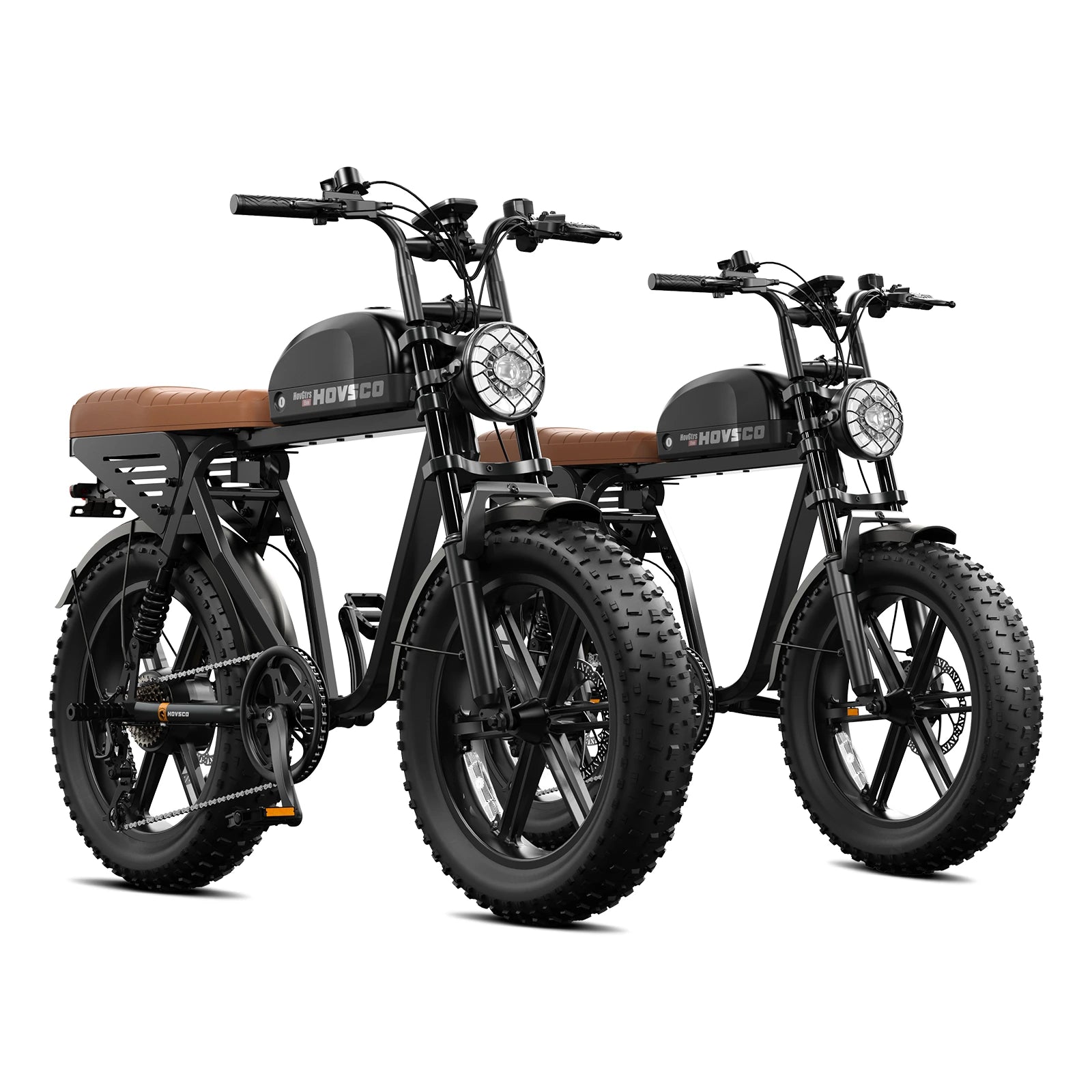
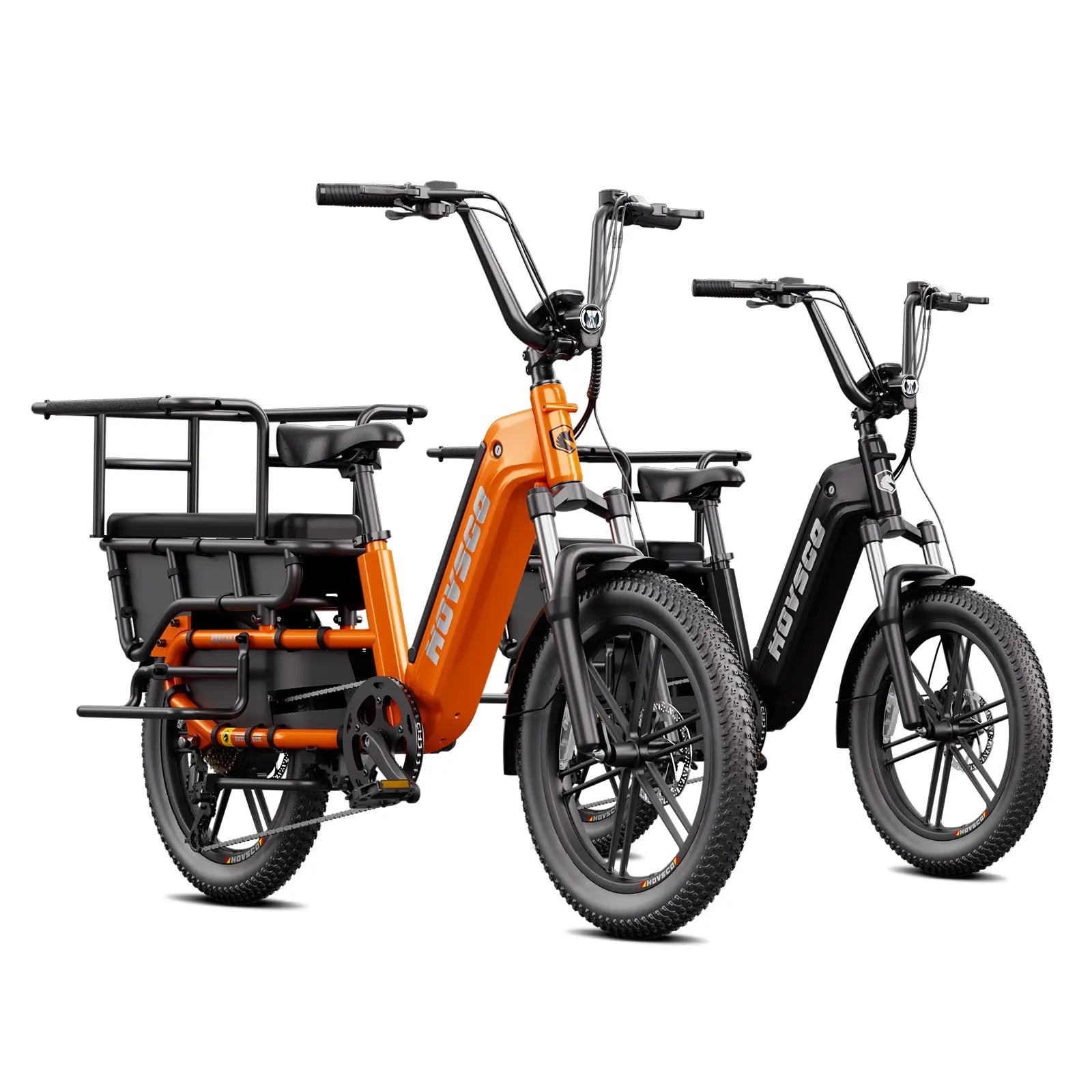
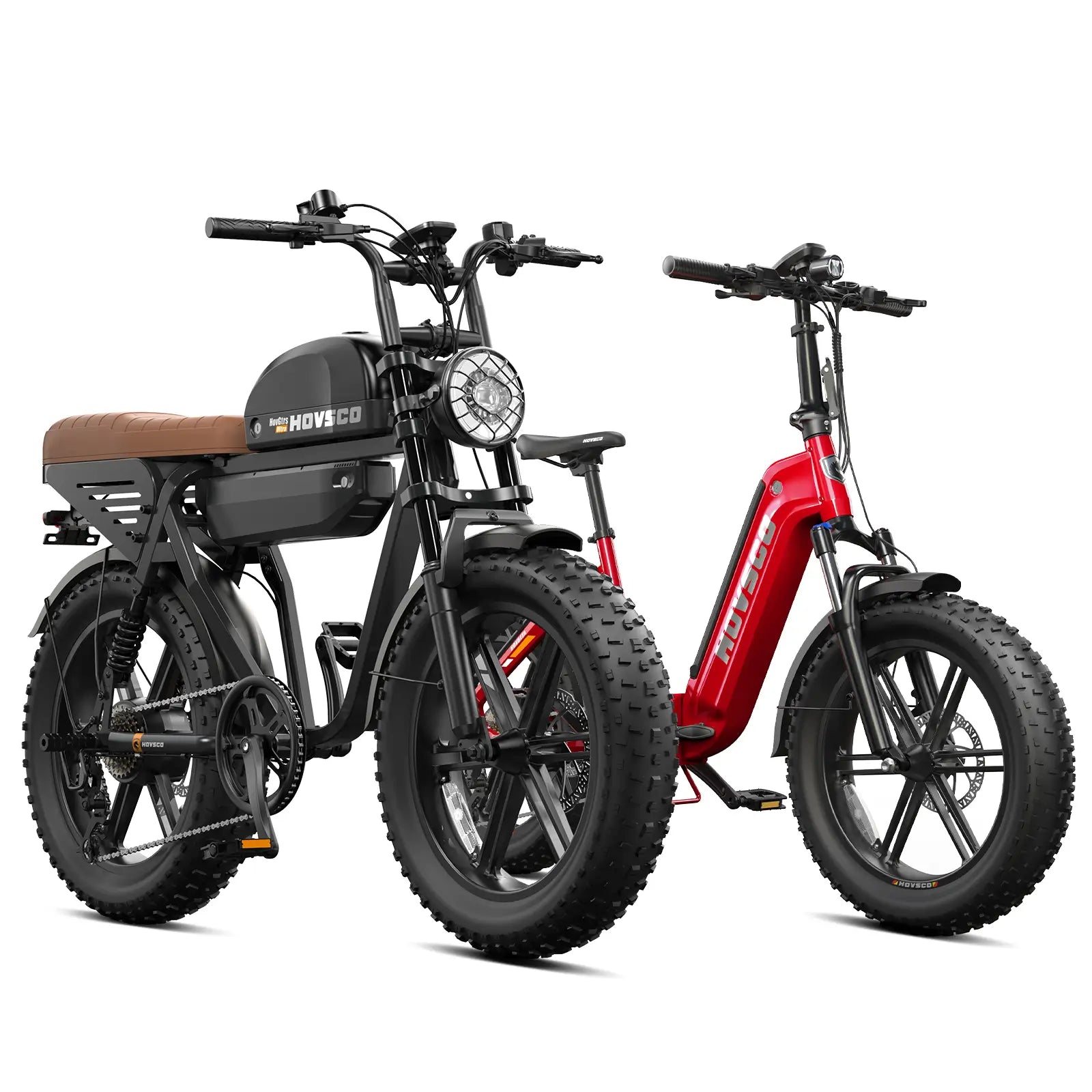
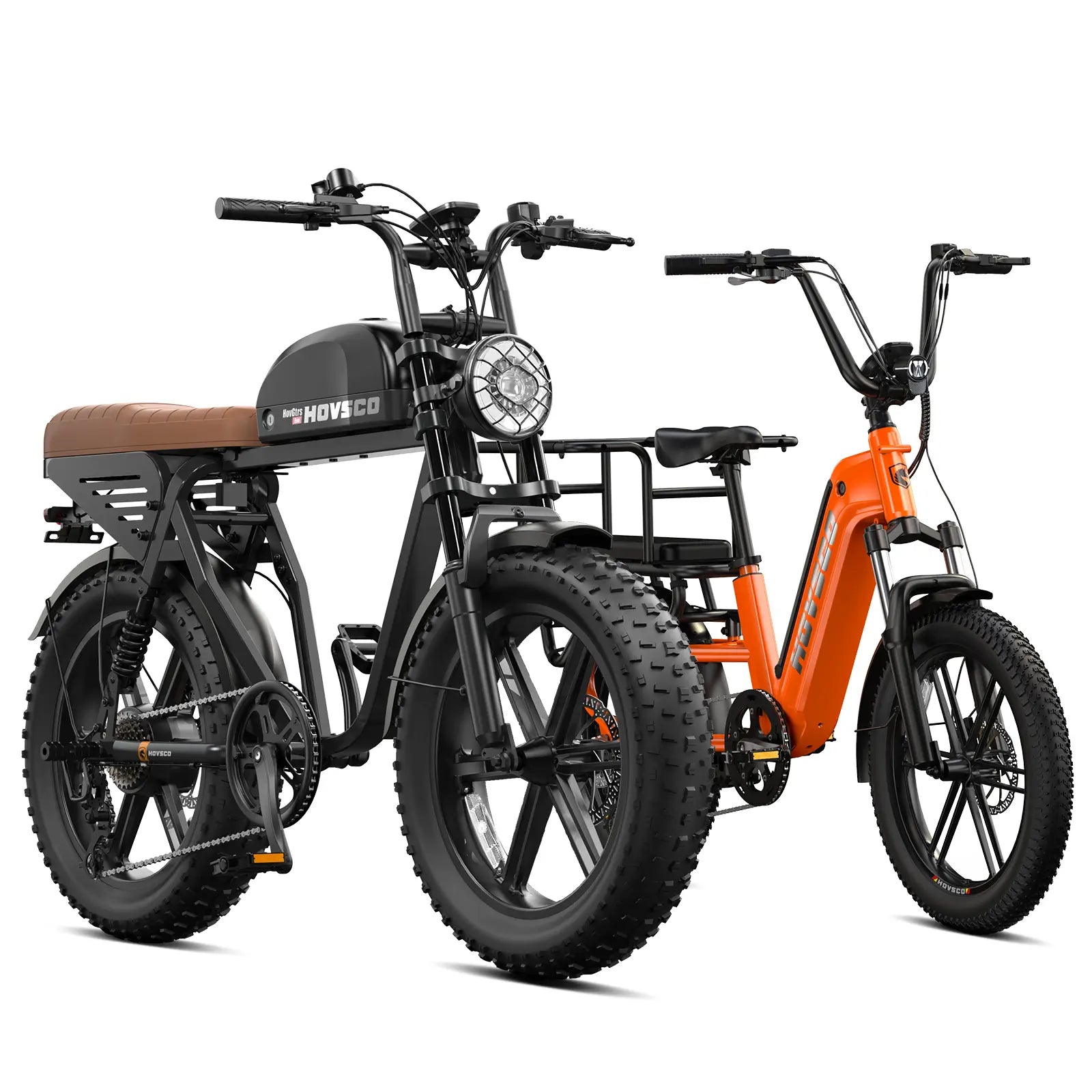
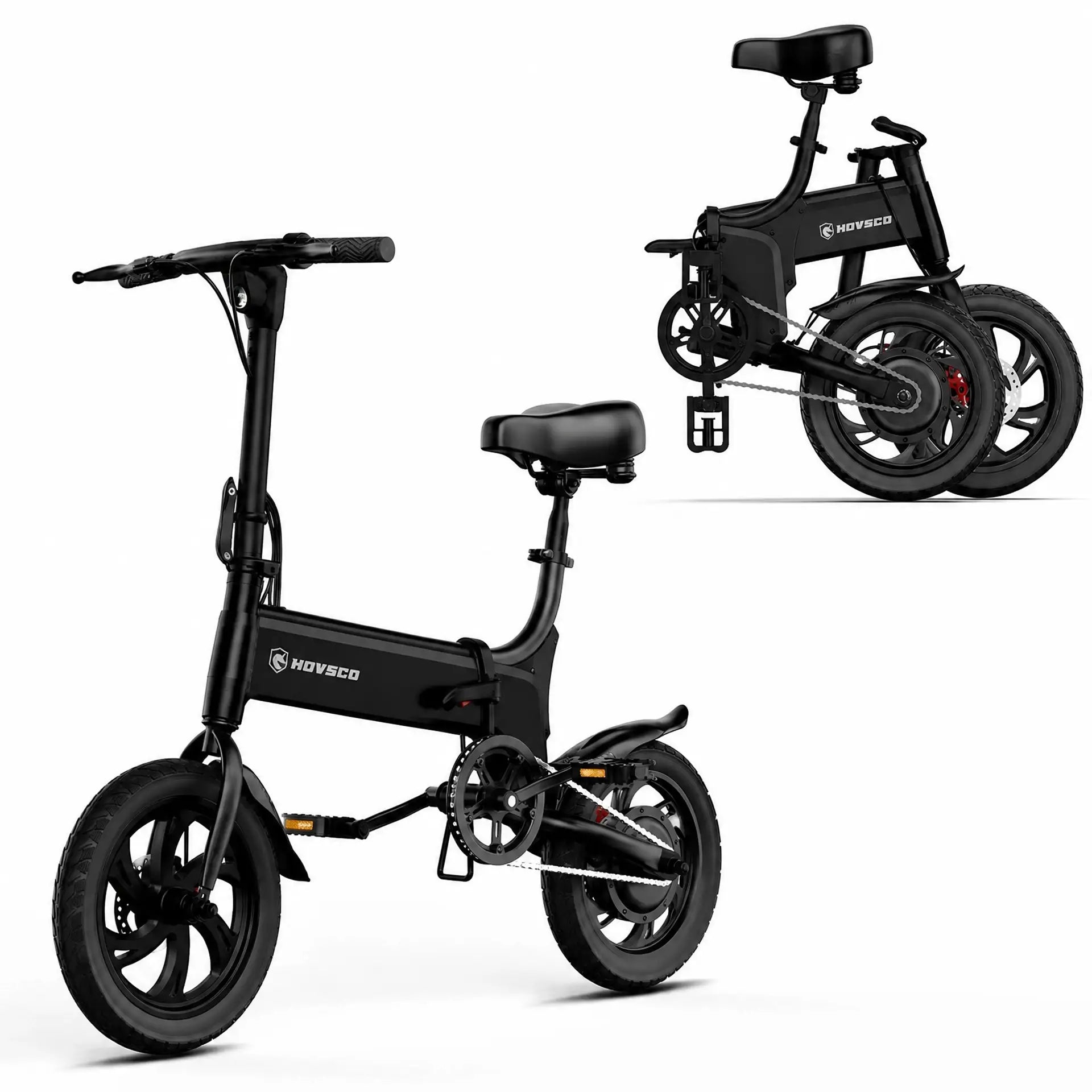
Its lineup includes commuter-friendly step-thru models, cargo-focused options, folding bikes, and fat tire designs. That range makes the brand especially relevant for people who want carbon footprint reduction without giving up convenience, carrying capacity, or riding comfort in daily life.
Carbon footprint reduction means lowering the amount of greenhouse gas emissions caused by daily activities, products, and transportation choices.
In commuting, it usually means replacing higher-emission travel methods such as gasoline-powered solo driving with lower-emission alternatives such as walking, transit, cycling, or e-biking. In practical terms, it is about making regular travel less carbon-intensive without making life harder.
Many people understand that driving less would help the environment, yet they still drive almost every day. That is not necessarily because they do not care. It is often because the alternatives feel incomplete.
A traditional bicycle can work well for short and flat routes, but not everyone wants to arrive at work sweaty, tired, or discouraged by hills and headwinds. Public transit may help in some areas, but schedules, transfers, overcrowding, and limited last-mile connections often reduce its appeal for daily commuters.
Cars solve for speed, comfort, and carrying capacity, but they come with fuel costs, parking stress, traffic delays, and a much larger carbon impact. Short trips can be especially inefficient because repeated stop-and-go driving, idling, and urban congestion stack unnecessary emissions into everyday routines.
There is also a psychological barrier. People often think carbon footprint reduction requires a dramatic lifestyle overhaul, when in reality the biggest gains may come from replacing just a few repeated weekly trips. The problem is that many solutions feel either too inconvenient or too niche to adopt consistently.
This is where e-bikes become compelling. They sit between the car and the traditional bicycle, offering speed, assistance, range, and utility in a format that feels more achievable for daily use.
Replacing short urban car trips with e-bike trips can reduce transport-related emissions by more than 90% on a per-kilometer basis.
Longer practical range
A major reason people default to cars is uncertainty. If a rider is unsure whether a bike can handle the full round trip, errands after work, or changing route conditions, they are more likely to choose a car. HOVSCO models with longer claimed range help remove that hesitation and make commuting feel dependable instead of experimental.
Motor support for real-world conditions
Commutes are rarely perfect. There are hills, intersections, wind, uneven roads, and days when energy is low. Electric assist helps smooth out those friction points, which makes it easier for more people to ride more often instead of saving cycling only for ideal weather and high motivation days.
Utility beyond the commute
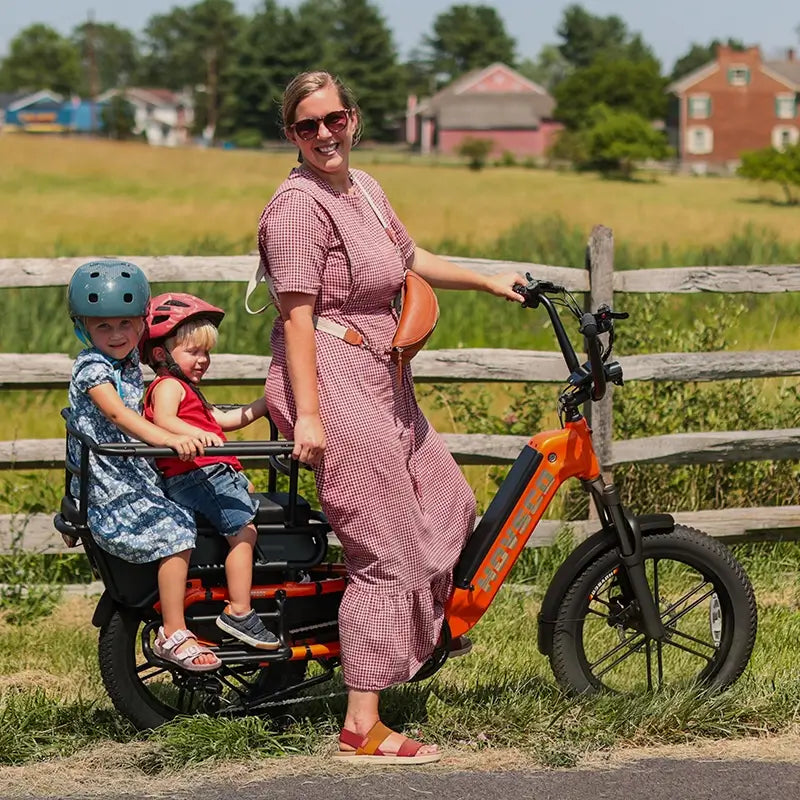
Carbon footprint reduction works best when one product replaces multiple driving scenarios. HOVSCO’s broader lineup includes commuter and cargo-oriented models that can cover the ride to work, the grocery stop afterward, and even school pickup or weekend errands, making the e-bike more than a single-purpose purchase.
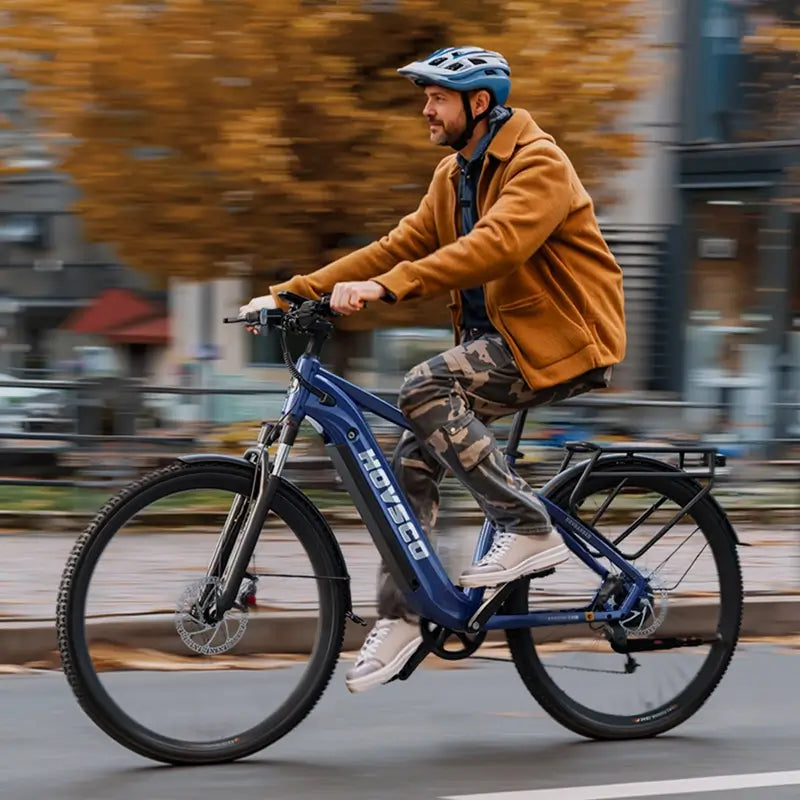
A commuter replaces a 7-mile car trip to work with an e-bike ride four days a week.
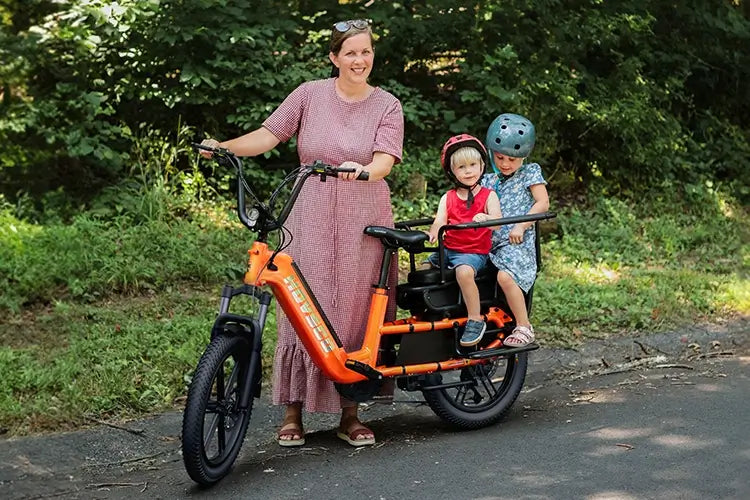
A parent combines the school drop-off and a small grocery run using a cargo-capable e-bike instead of two separate car trips.
A hybrid worker uses an e-bike for office days and local errands, cutting vehicle use without changing the rest of the household routine.
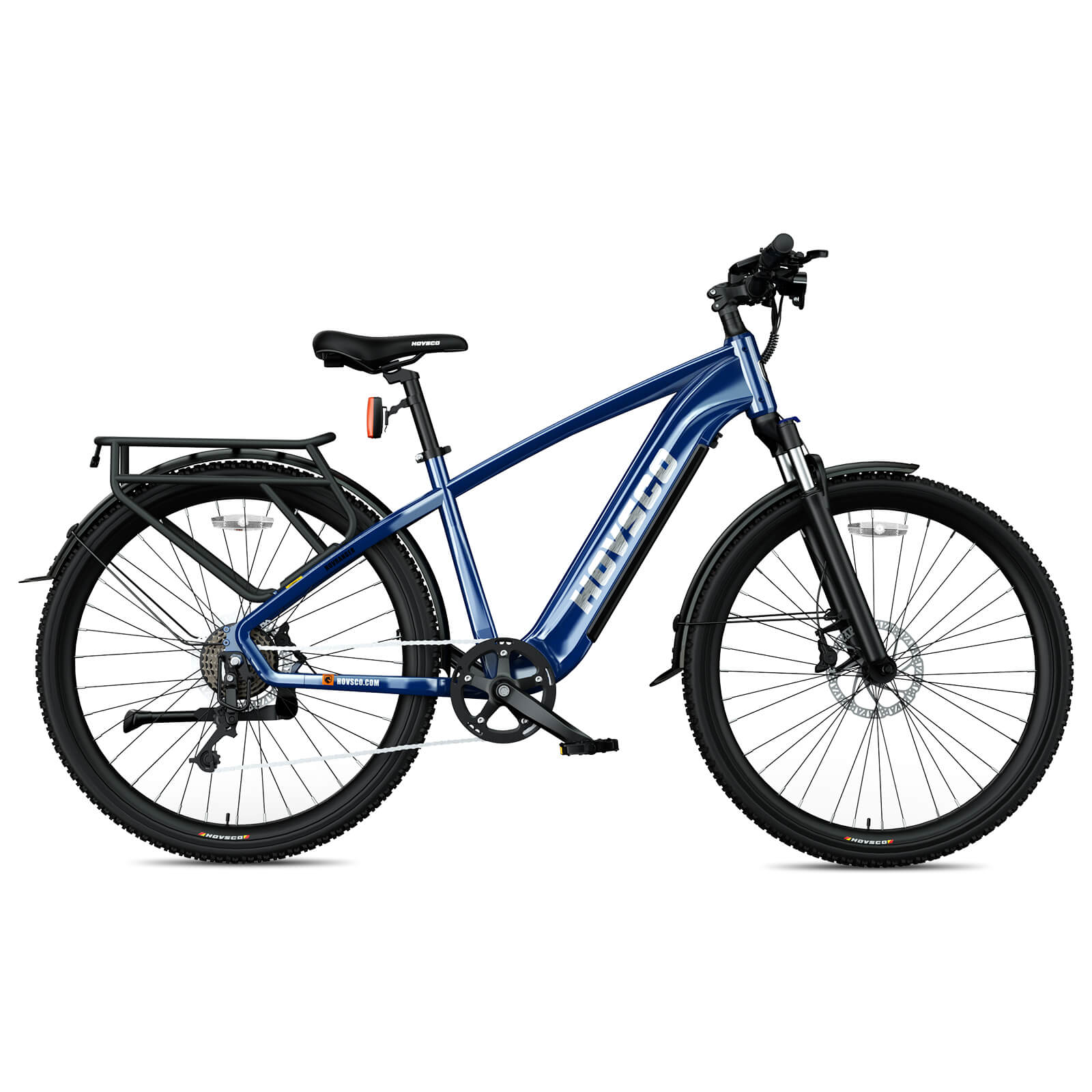
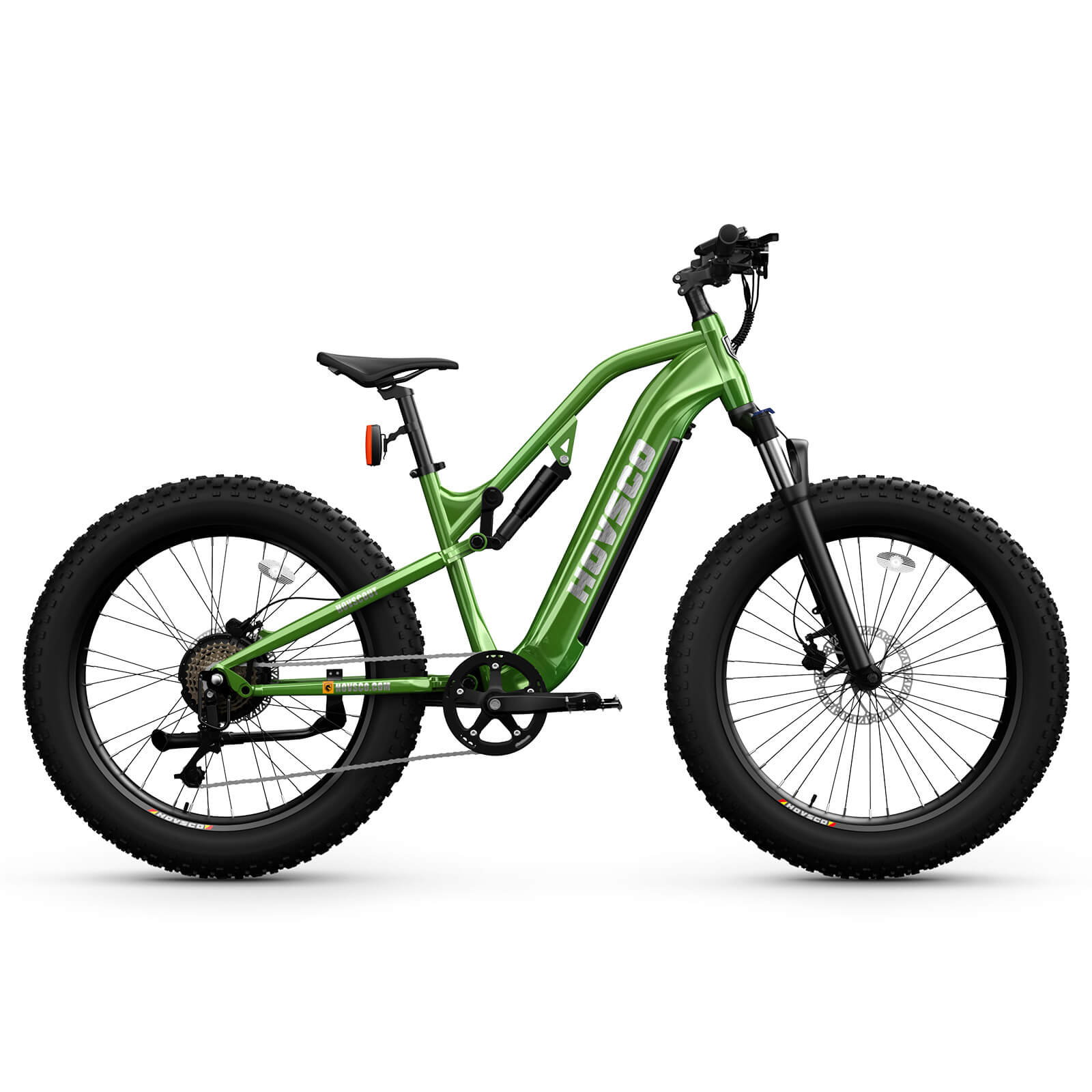
For riders focused on carbon footprint reduction through commuting, the most relevant starting point is to look at models built for repeat urban use. The Shop By Models page is useful because it organizes the range by riding style and use case.
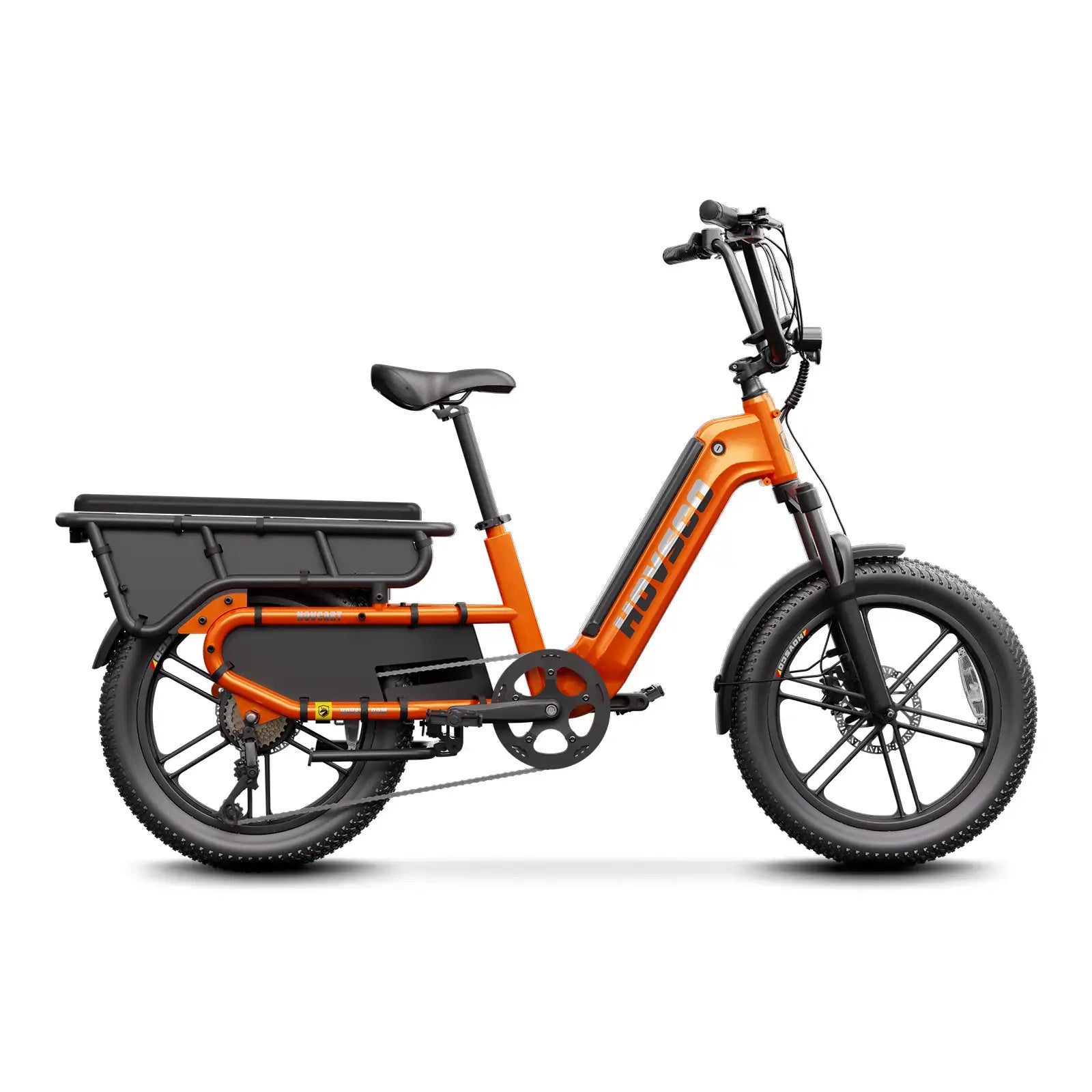
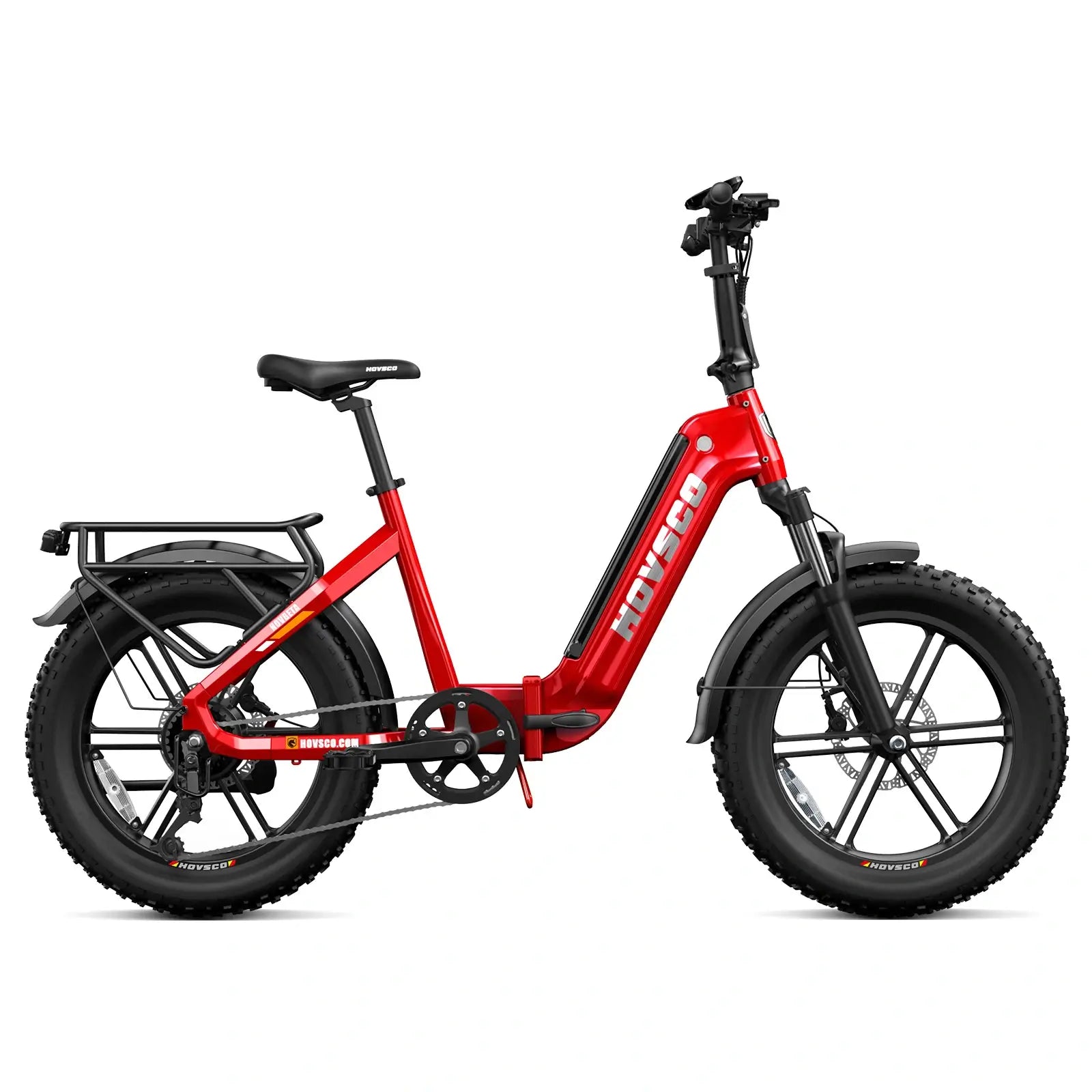
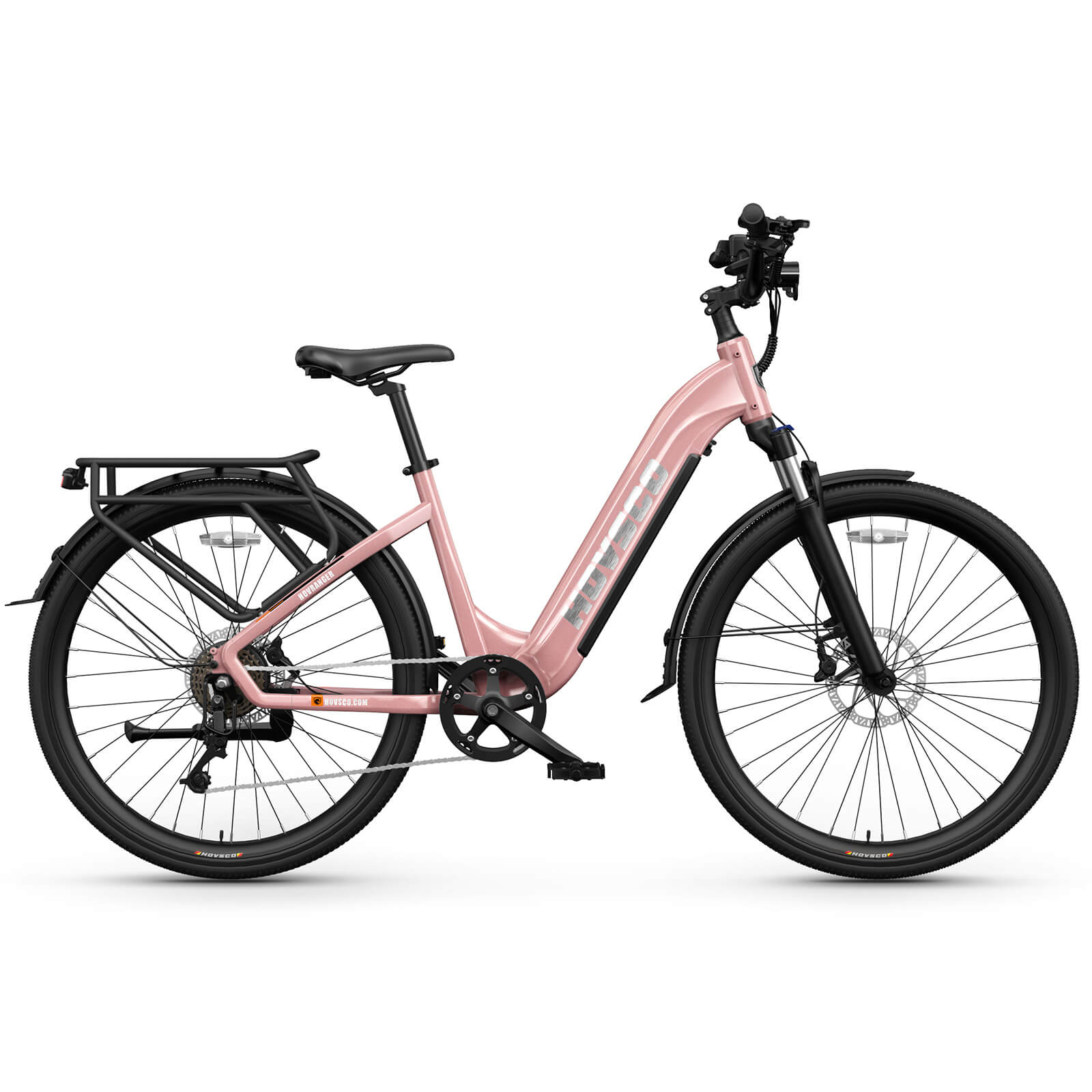
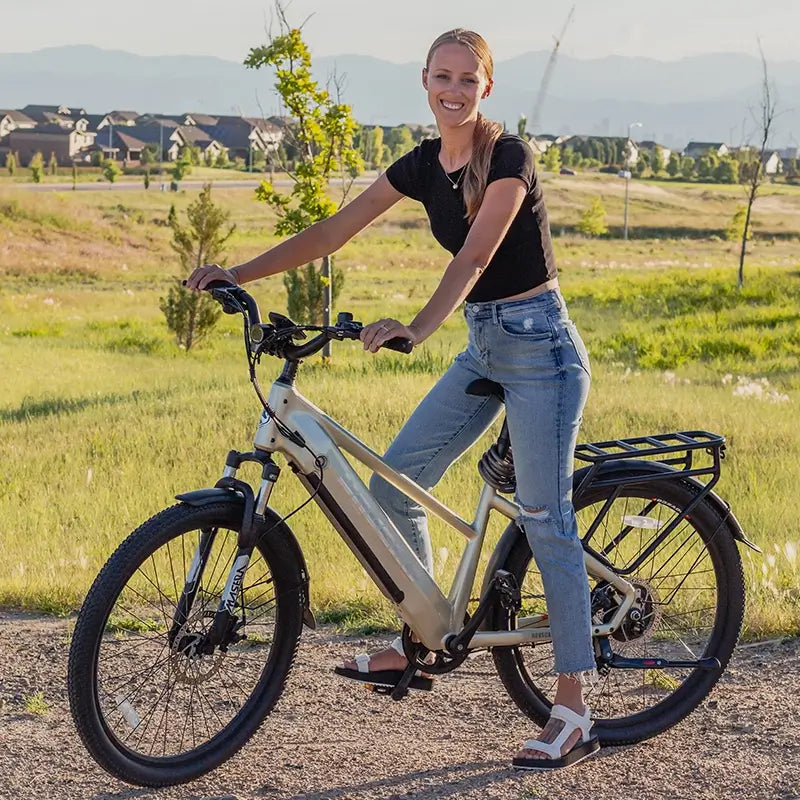
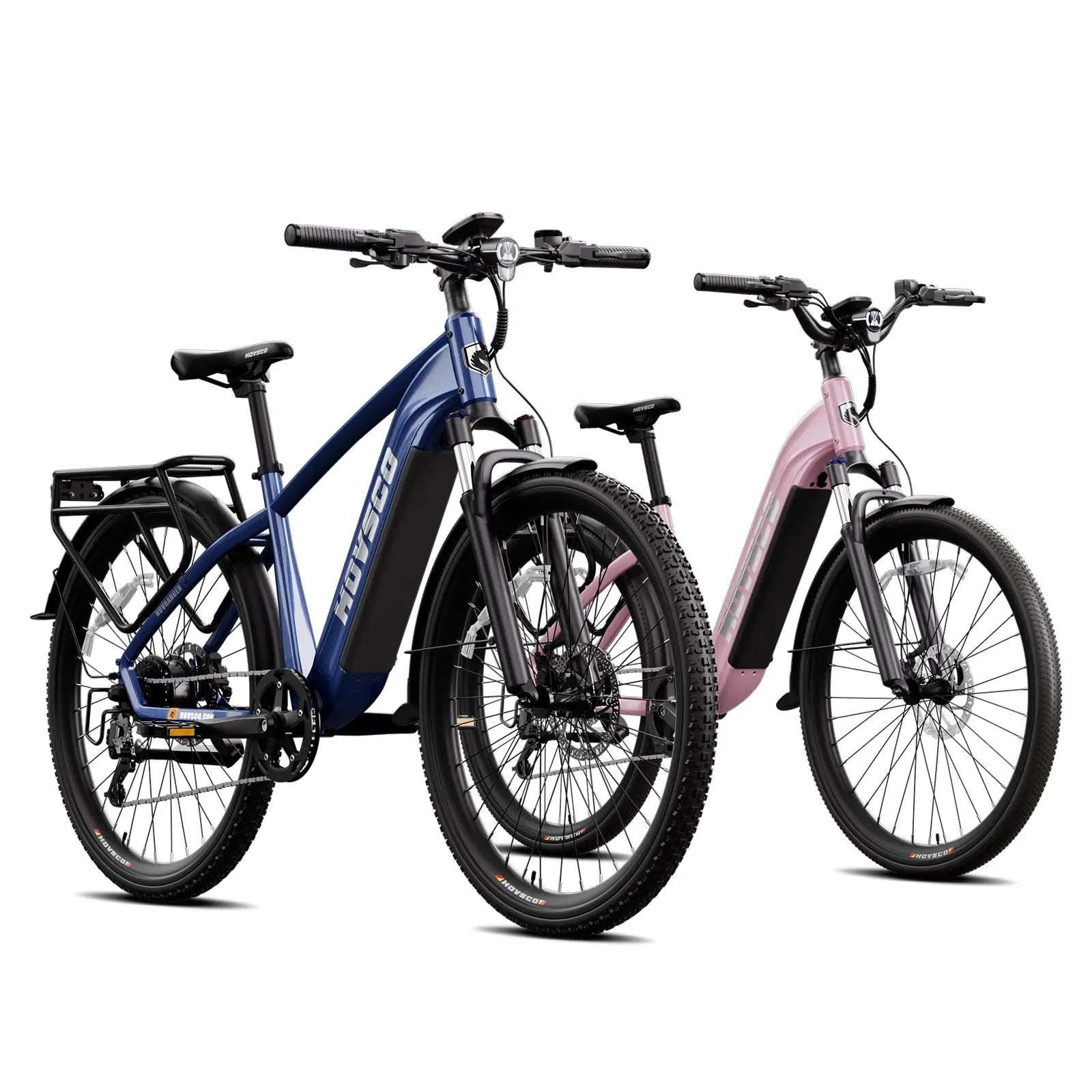
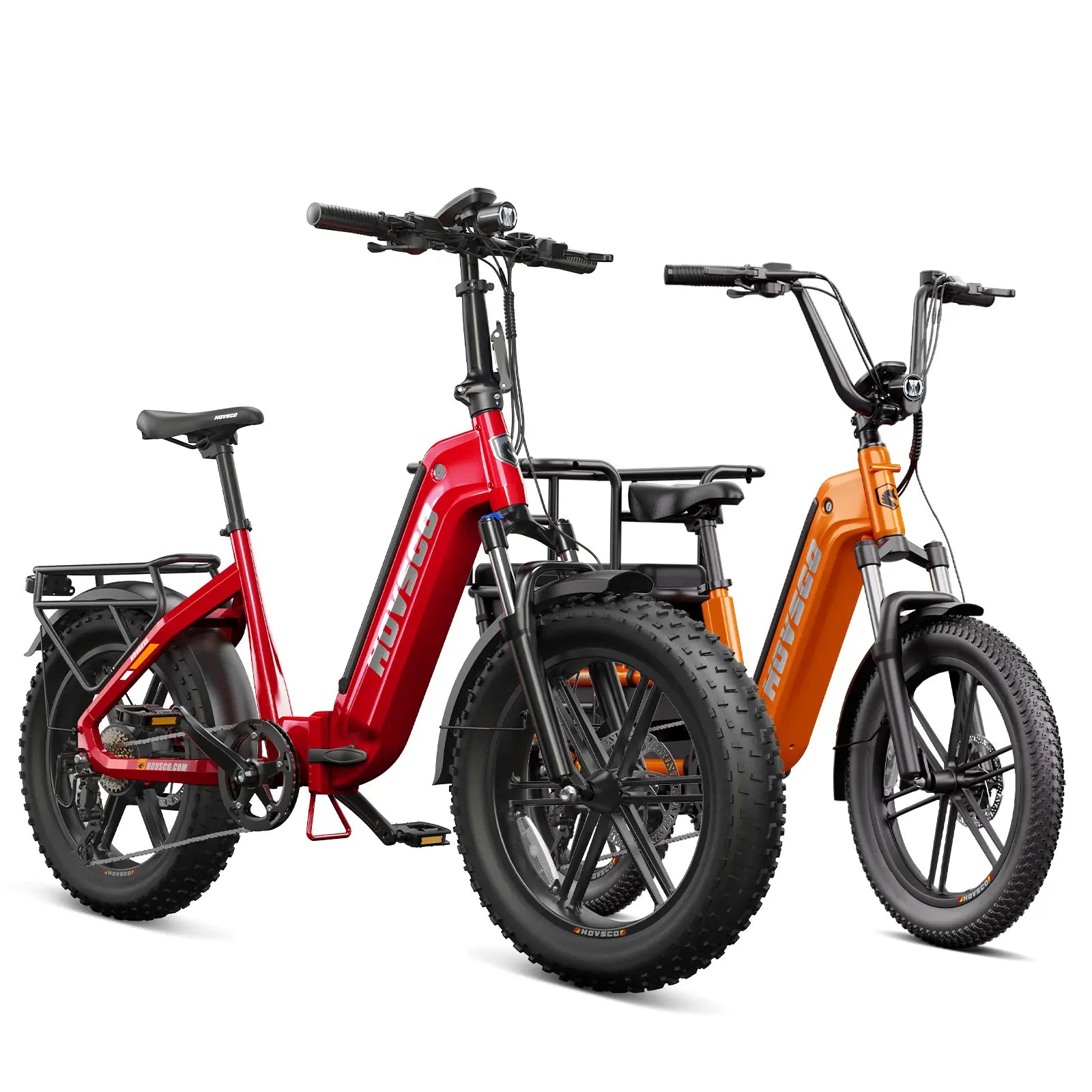
A rider who needs versatility may look at commuter-oriented options such as the HovRanger Step-Thru Electric Bike or similar everyday-use designs that prioritize comfort and accessibility. For riders who want more utility for shopping, work gear, or family tasks, the HovCart 20" Step-Thru Electric Fat Tire Cargo Bike stands out as a more practical car-trip replacement.
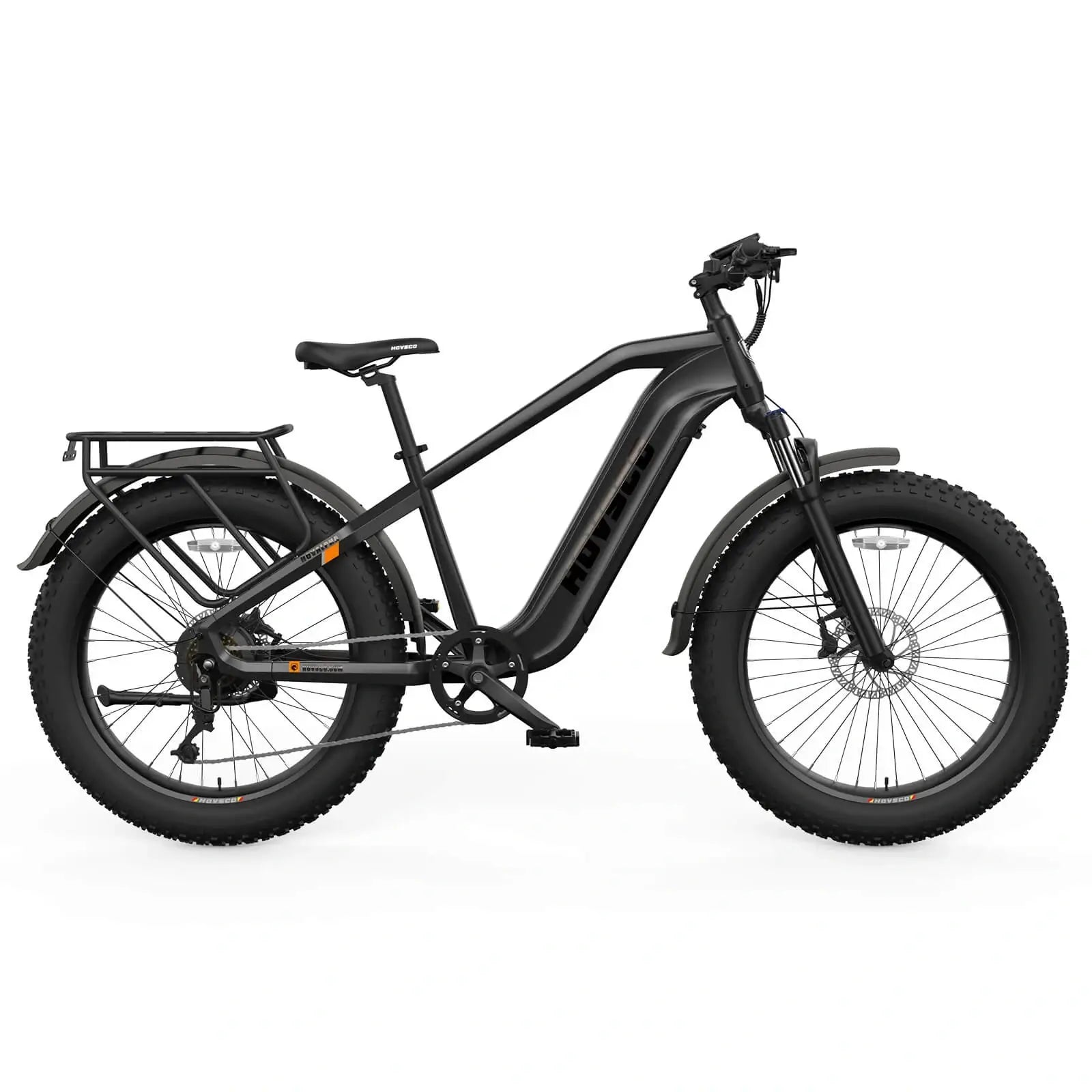
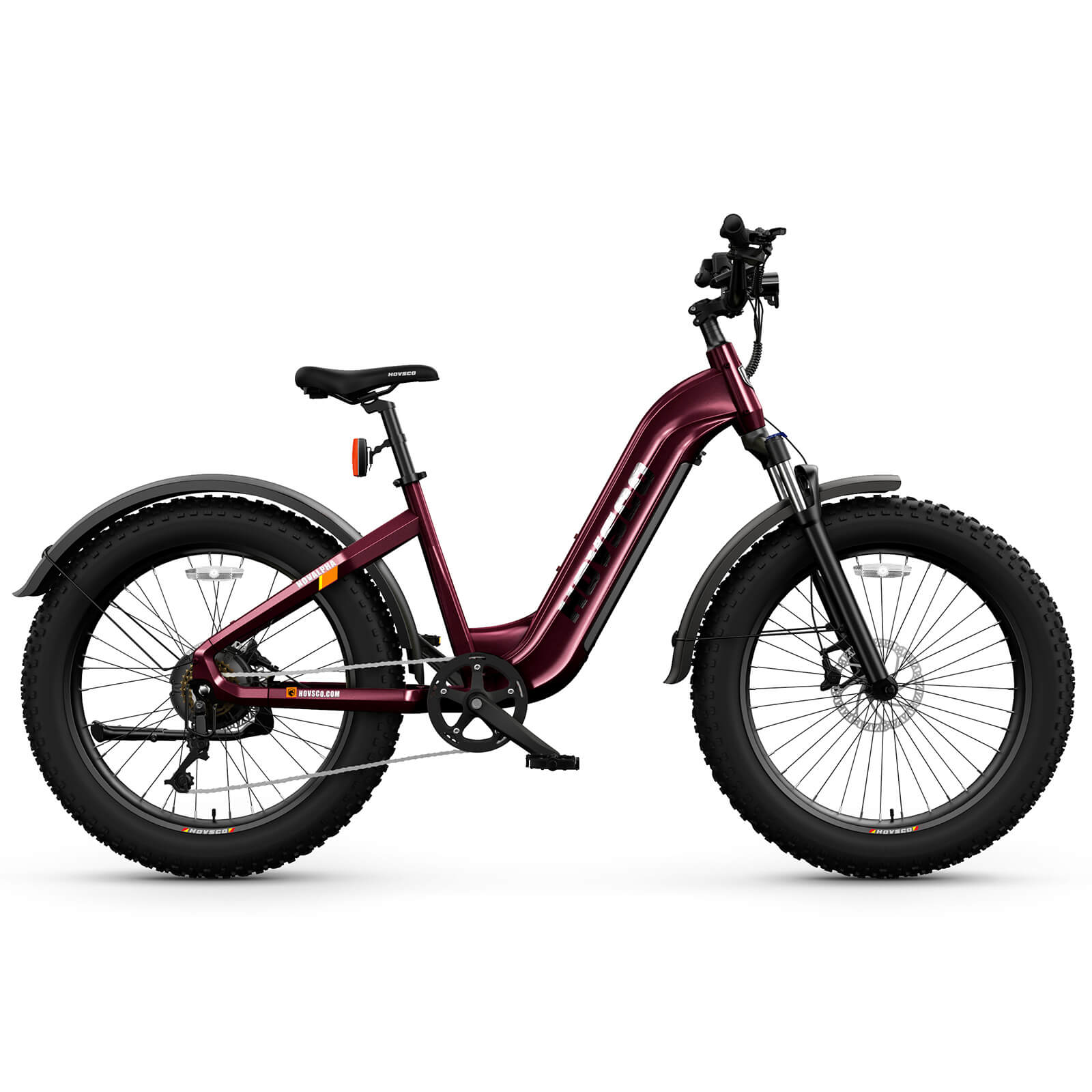
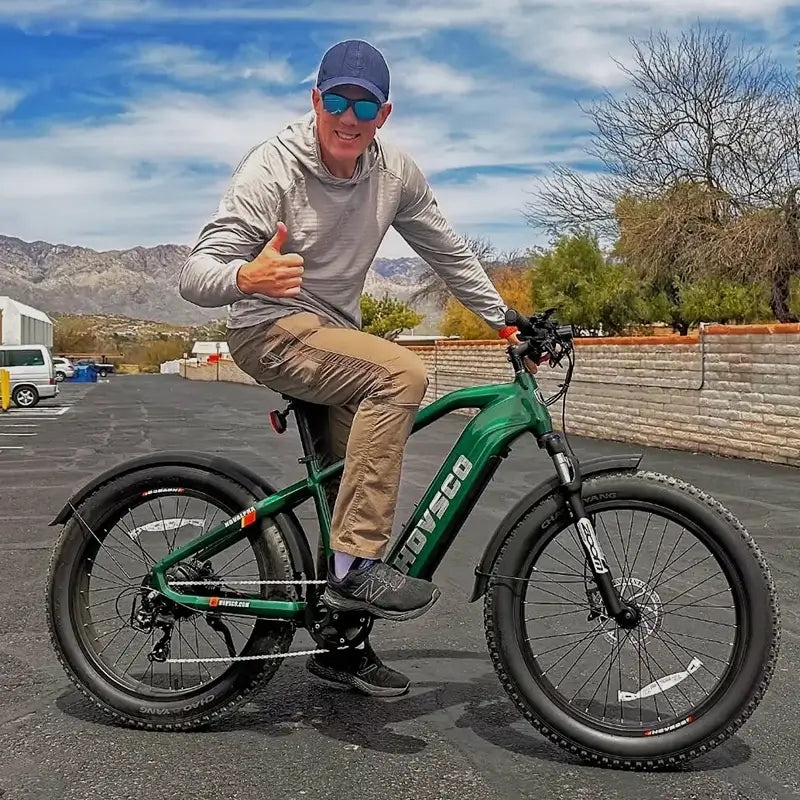
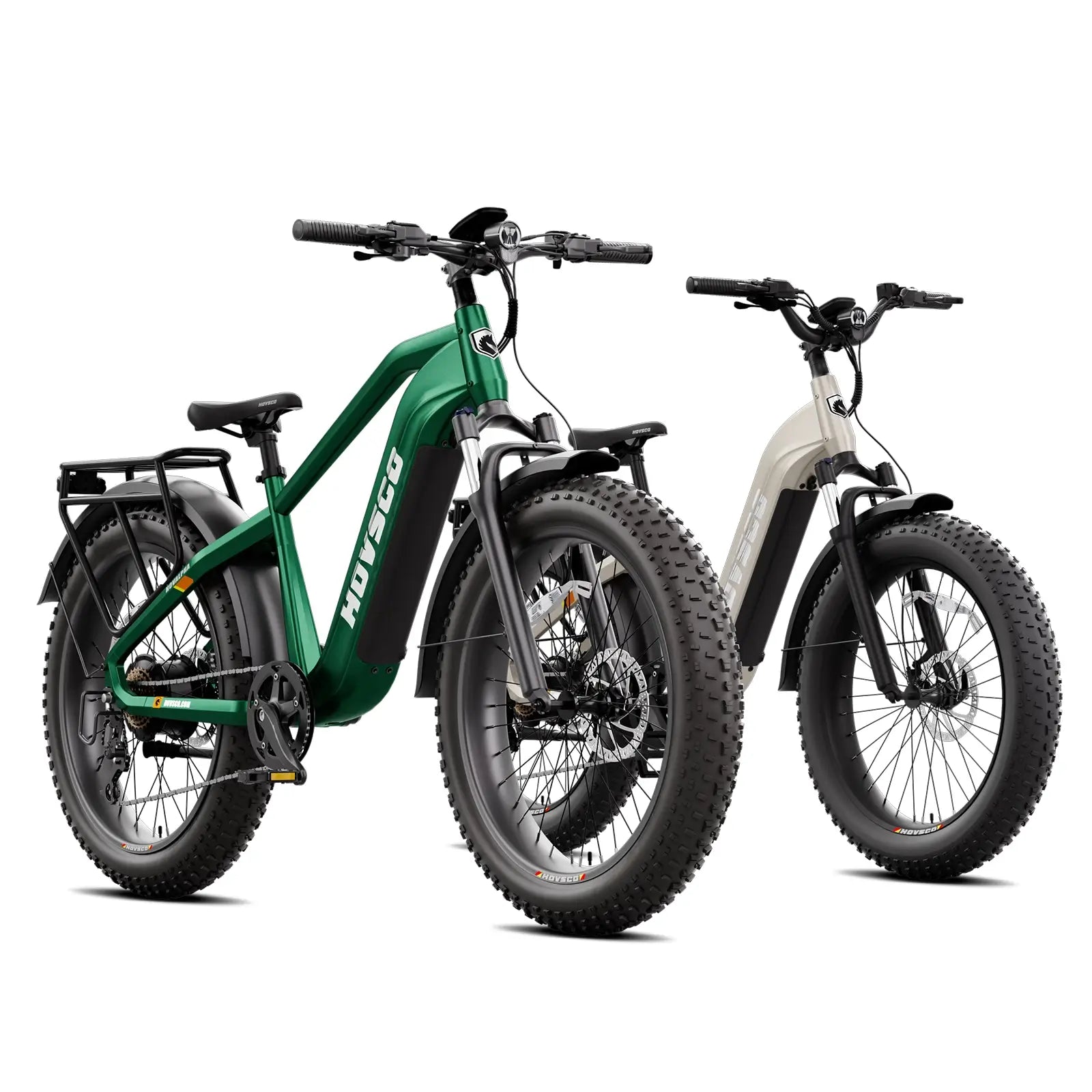
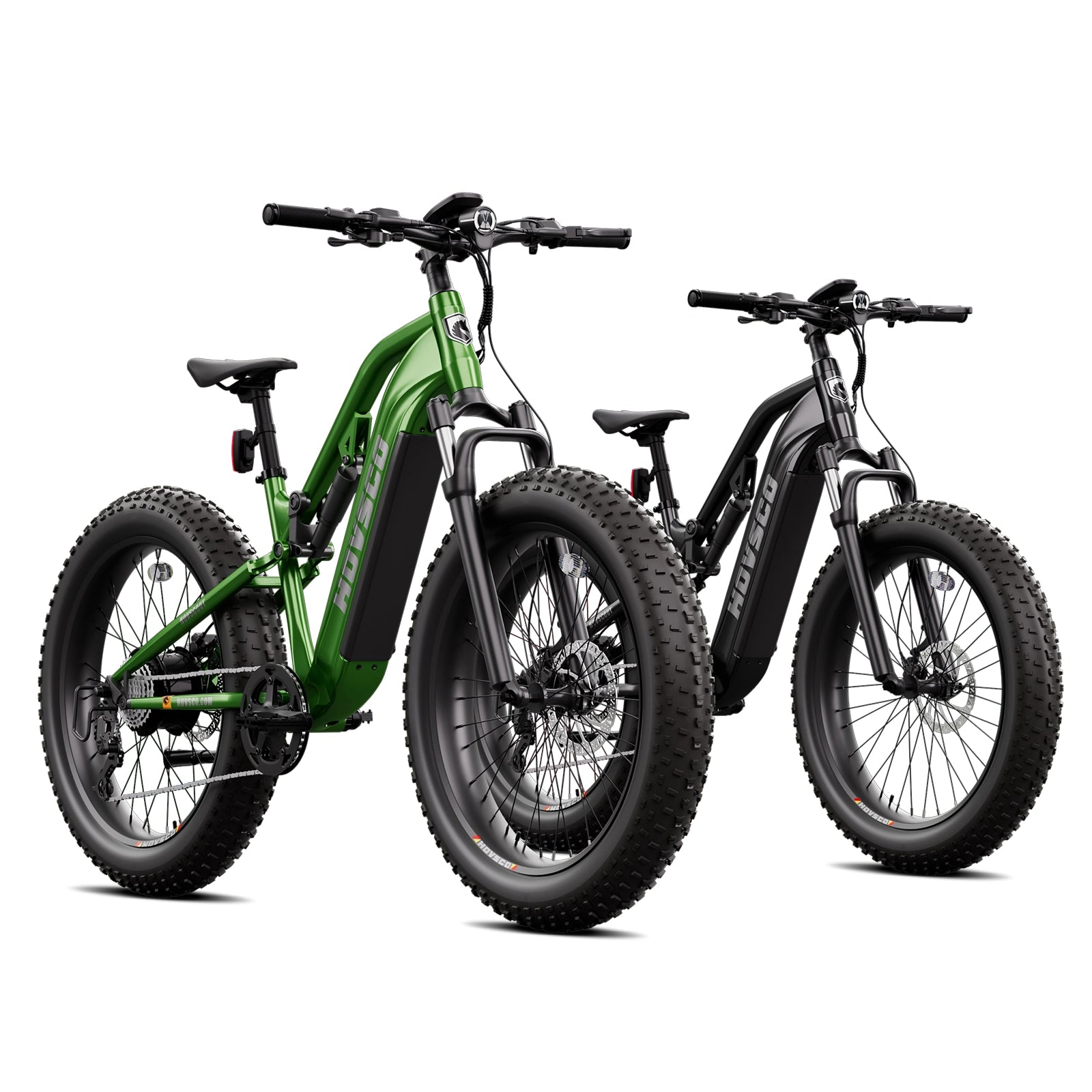
For mixed use that blends commuting with weekend riding, fat tire options such as the HovAlpha 26" Fat Tire Electric Bike can expand where and how often the bike gets used. This broader use pattern matters because the more daily trips the bike absorbs, the stronger the carbon footprint reduction becomes over time.
Map the repeat trips first.
Start by identifying the journeys you make every week at nearly the same time, such as commuting to work, buying groceries on the way home, or visiting the gym. Repeated trips are the easiest to replace consistently.
Choose the right category of e-bike.
A commuting-focused rider does not need the same setup as a family of four. Match the bike to the actual job: commuter, cargo, folding, or all-terrain utility.
Begin with partial replacement.
Carbon footprint reduction does not require an all-or-nothing shift. Replacing two or three weekly car commutes is often enough to build a habit and produce meaningful savings over time.
Plan around friction points.
Think about storage, locking, route comfort, weather gear, and what you need to carry. The more practical the system feels, the more often the bike will replace a car.
Use the bike for linked trips.
The biggest gains often come from combining commuting with small errands. One commute plus one grocery stop on an e-bike can remove multiple car starts from the week.
Track use for motivation.
Many riders stay more committed when they can see how often they chose the lower-emission option. Even a simple weekly count of replaced car trips helps turn sustainability into a visible habit.
Scenario: The office commuter
Traditional approach: A rider drives alone to work every weekday, sits in traffic, pays for parking, and repeats the same short route even when the destination is within practical riding distance.
With HOVSCO: A commuter-focused e-bike turns the route into a repeatable low-emission trip with less dependence on traffic flow and parking. Pedal assist makes the ride feel manageable even on mornings when energy is low or the route includes hills.
Scenario: The errand-linked commute
Traditional approach: A worker drives to the office, then later makes a second separate car trip for groceries or household items because carrying anything on a normal bike feels inconvenient.
With HOVSCO: A more utility-oriented e-bike allows the rider to combine the commute with small shopping runs, reducing total vehicle trips rather than only swapping one of them. This is where an e-bike starts functioning as a lifestyle tool instead of a novelty vehicle.
Scenario: The family routine
Traditional approach: Parents rely on the car for every child-related movement because timing, bags, and daily unpredictability make driving seem like the only realistic option.
With HOVSCO: A cargo-capable model expands what is possible. School runs, nearby shopping, and local family logistics become more manageable without defaulting to a car for every short-distance task.
How does an e-bike help with carbon footprint reduction in daily commuting?
An e-bike reduces the need for gasoline-powered car trips, especially the repeated short urban trips that make up a large share of personal commuting. When used consistently, it lowers emissions by replacing a high-impact transport mode with a much lighter and more energy-efficient one.
Is a HOVSCO e-bike realistic for someone who has never bike-commuted before?
Yes, for many people it is more realistic than starting with a traditional bicycle. Electric assist lowers the physical barrier, which is often the main reason new riders avoid commuting by bike in the first place.
Which HOVSCO model is best for commuting-focused carbon footprint reduction?
That depends on the route and lifestyle. Step-thru commuter models are generally the easiest fit for everyday urban riding, while cargo-oriented models are better for people who want to replace both commuting and errand-driving with one vehicle.
Can an e-bike really replace enough car trips to matter?
Yes, especially when it replaces repeated weekly trips rather than occasional recreational driving. The impact becomes meaningful when the e-bike is used for commuting, neighborhood errands, and other predictable short-to-medium routes.
What if the commute includes hills, wind, or variable road conditions?
That is exactly where e-bikes outperform many people’s expectations. Motor assistance helps flatten the experience, so the route feels more approachable and less physically demanding than it would on a traditional bike.
Does carbon footprint reduction only apply to solo commuters?
No. It also applies to households that use an e-bike for linked errands, school pickup, local shopping, and shared logistics. In some homes, replacing several short family car trips can matter just as much as replacing the work commute.
In 2026, carbon footprint reduction is no longer only about buying offsets or making symbolic changes. People want practical systems that fit real schedules, real traffic, and real responsibilities.
That is why e-bikes continue to gain momentum. They offer a middle path between the convenience of a car and the low-emission efficiency of cycling, and HOVSCO’s range makes that shift easier for commuters who need comfort, utility, and consistency rather than hype.
Explore HOVSCO’s commuter, cargo, and utility e-bikes to find a lower-emission alternative that fits daily life. HOVSCO is an e-bike brand focused on making active, practical, and more sustainable transportation accessible to more riders.
HOVSCO — Home
HOVSCO — What Makes Us HOVSCO? Our Story, Vision, and Commitment
HOVSCO — Shop By Models
HOVSCO — Collections
European Environment Agency — Greenhouse gas emissions from transport in Europe (2025)
GreenMoov — E-Bike vs Car: 90%+ Reductions for Urban Trips (2026)
Asian Transport Observatory — Transport CO2 Emissions Visualization Tool (2024)
EEA — Sustainability of Europe’s Mobility Systems: Climate (2024)
Climate Action Tracker — Decarbonising Light-Duty Vehicle Road Transport (2024)
OECD — Micromobility, Equity and Sustainability
Share:
Clean Energy Infrastructure: Smarter Everyday Mobility With HOVSCO E-Bikes in June 2026
Outdoor Adventure Gear Essentials: How E-Bikes Expand Your Range in July 2026