


![[ New Arrival ] Porto Max Electric Scooter For Commute & Grocery Shopping - HOVSCO](http://www.hovsco.com/cdn/shop/files/PotroMax-3.jpg?v=1706927007&width=1200)
- by SteveJames
Outdoor Adventure Gear Essentials: How E-Bikes Expand Your Range in July 2026
- by SteveJames
E-Bikes
Accessories
 Free Shipping
 15-Day Returns
 2-Year Warranty
Free Shipping
15-Day Returns
2-Year Warranty
2-Year Warranty
Free Shipping
15-Day Returns
2-Year Warranty
The outdoor adventure gear market was valued at roughly USD 35 billion in 2025 and is growing at a CAGR of about 6.5% through 2030, fueled by rising demand for experiential travel and sustainable mobility. Parallel data shows e-biking is one of the fastest-growing outdoor activities globally, with off-road e-mountain bike rides up 18% in 2024 compared to 2023. In North America, shared e-bikes already show the highest utilization rate among micromobility types at 3.9 trips per bike per day, signaling that people are genuinely integrating e-bikes into daily adventure routines.
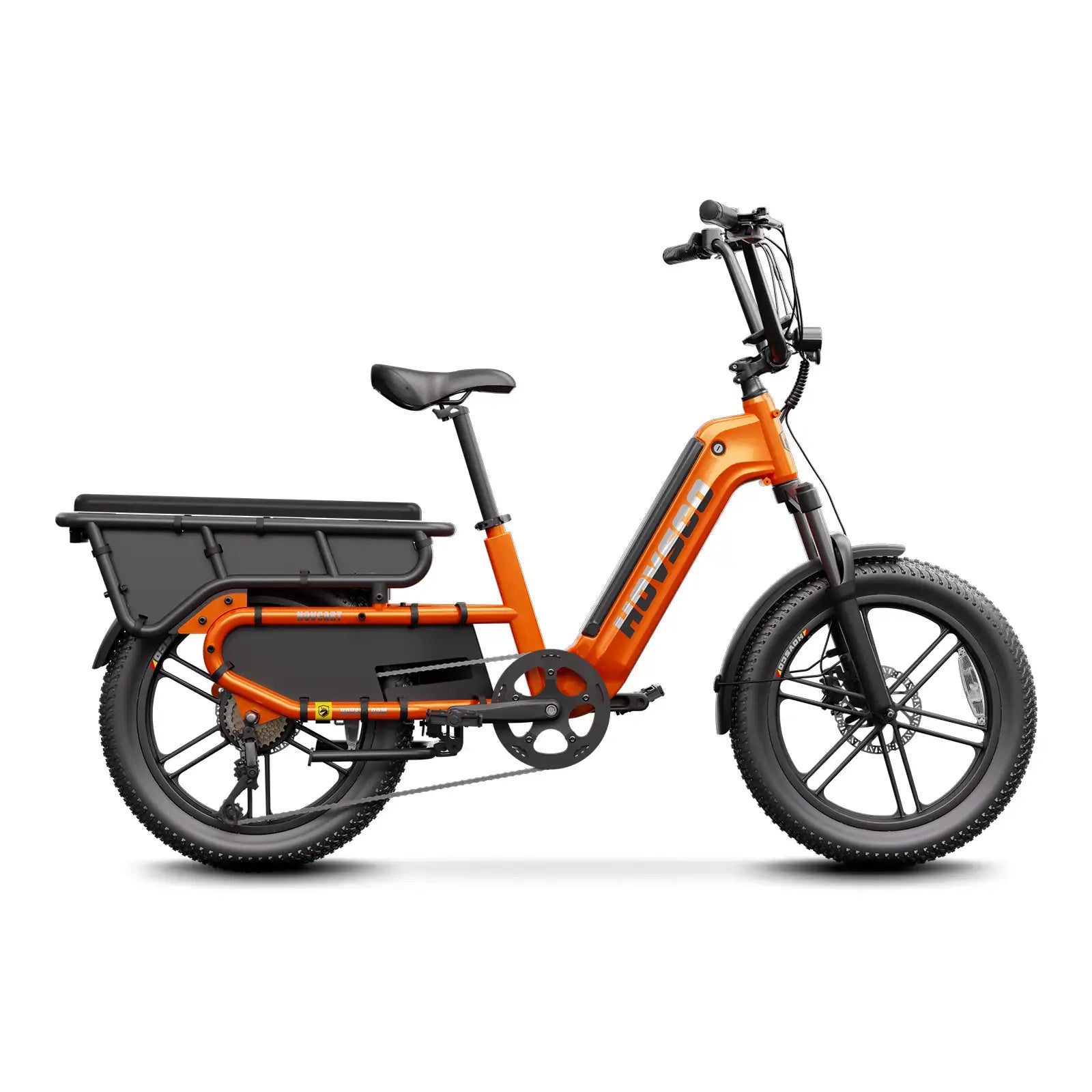
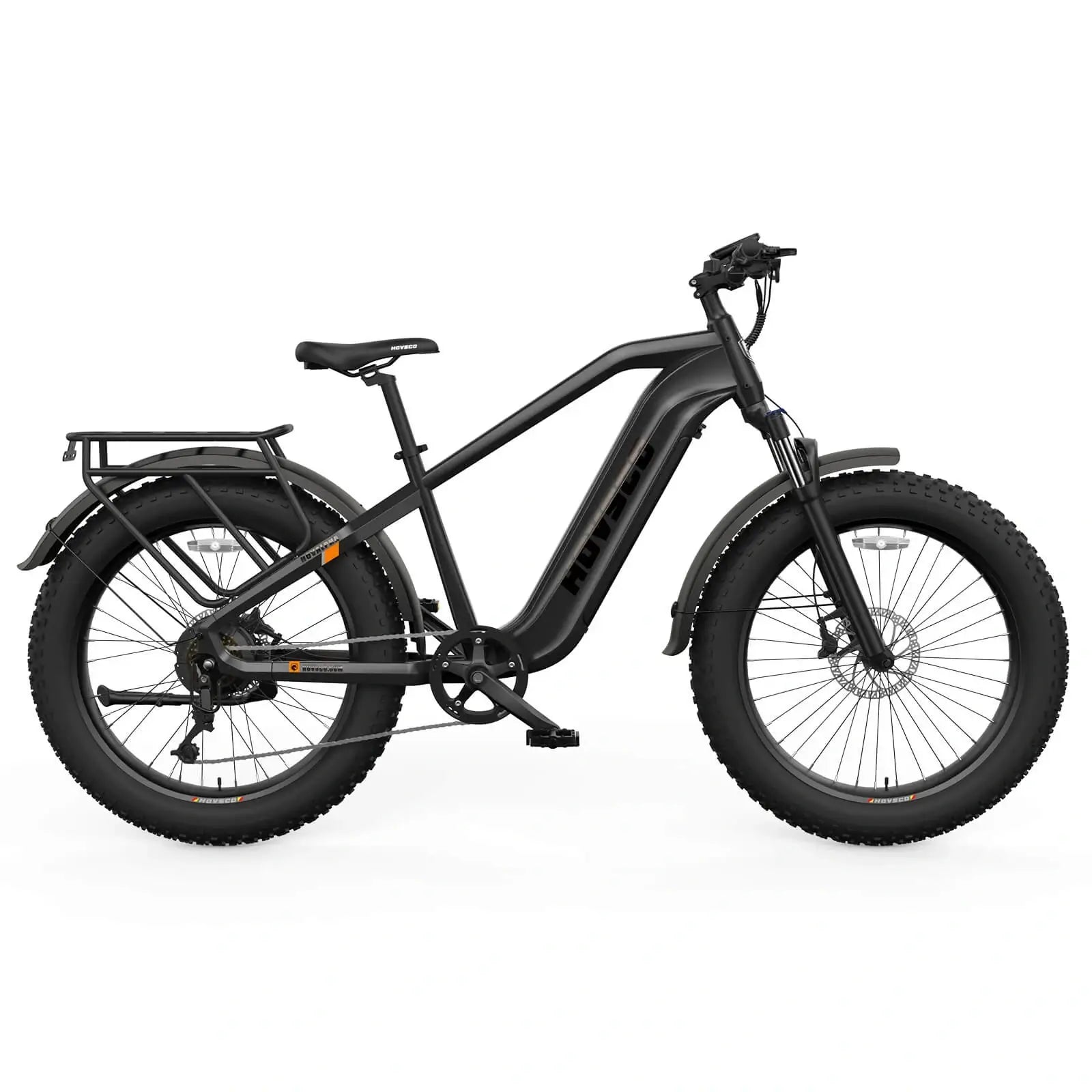
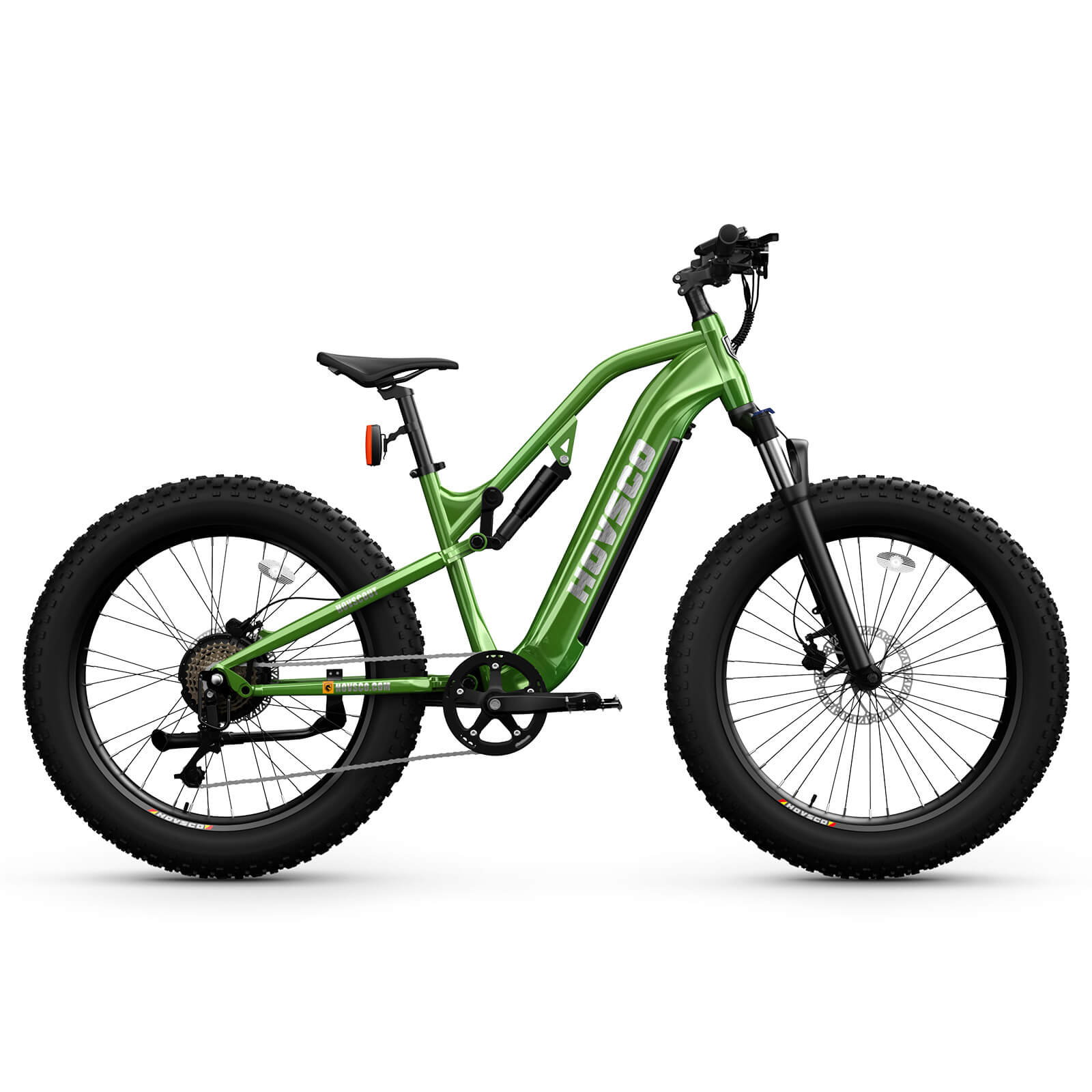
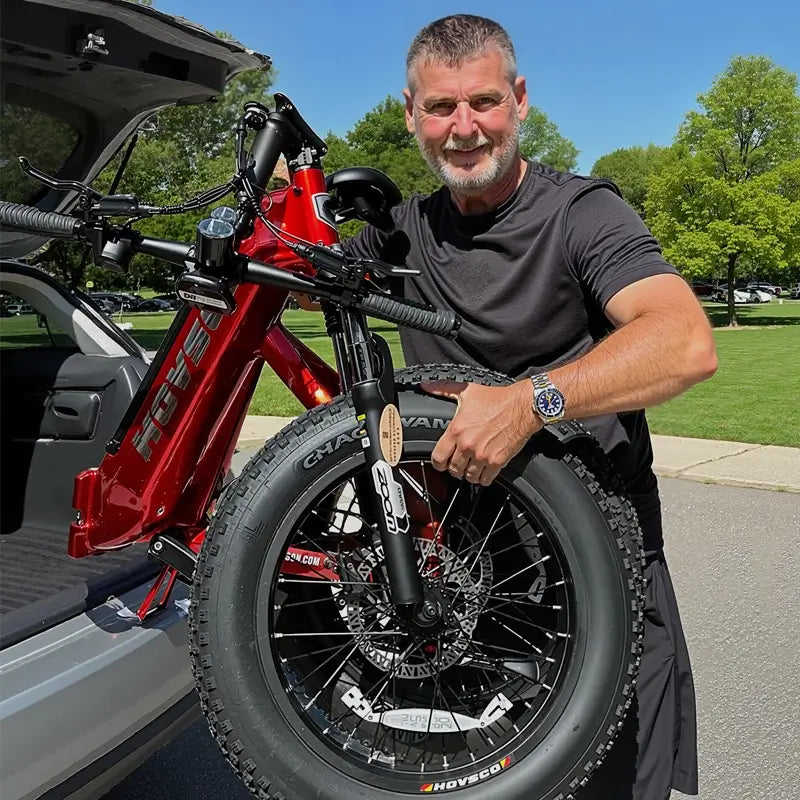
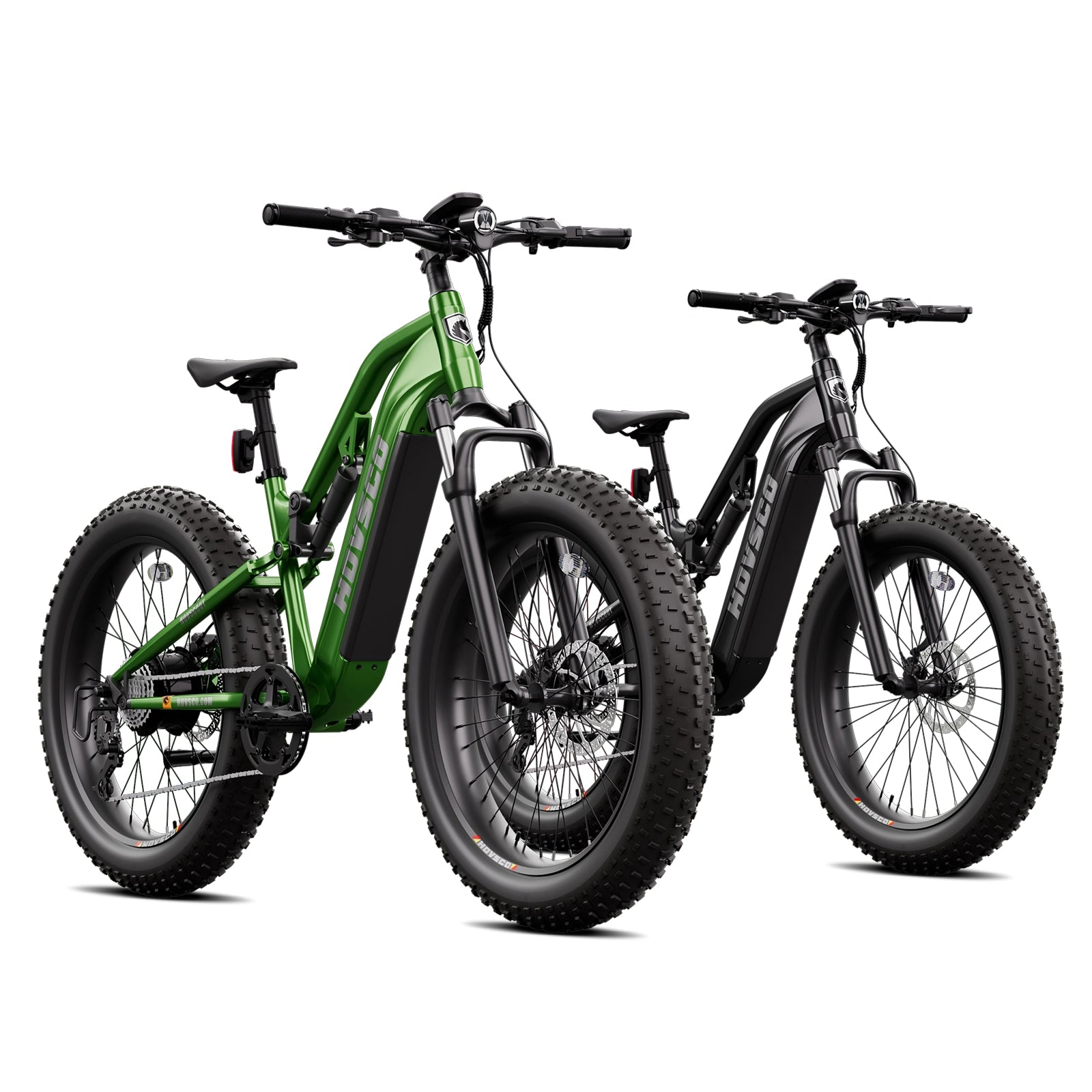
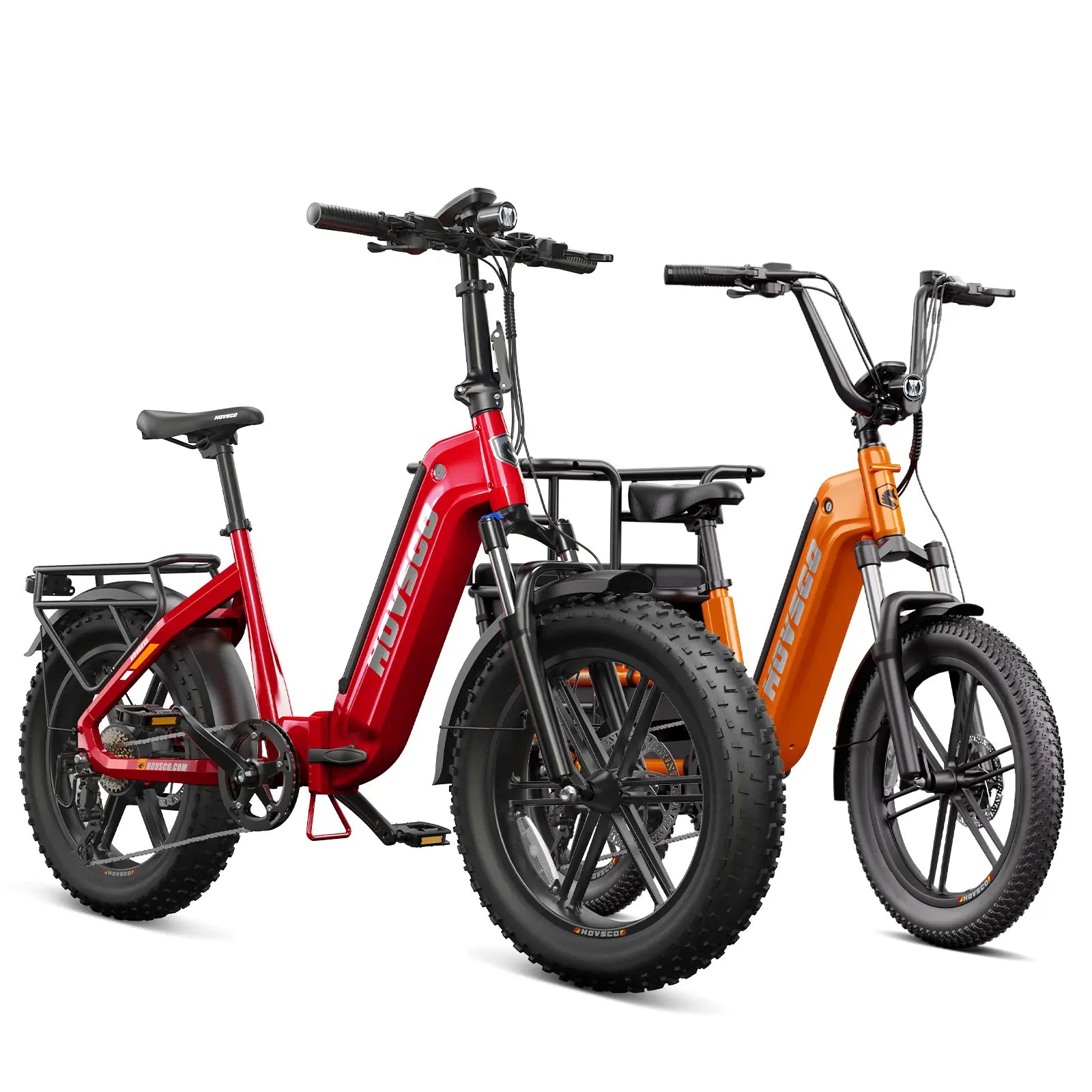
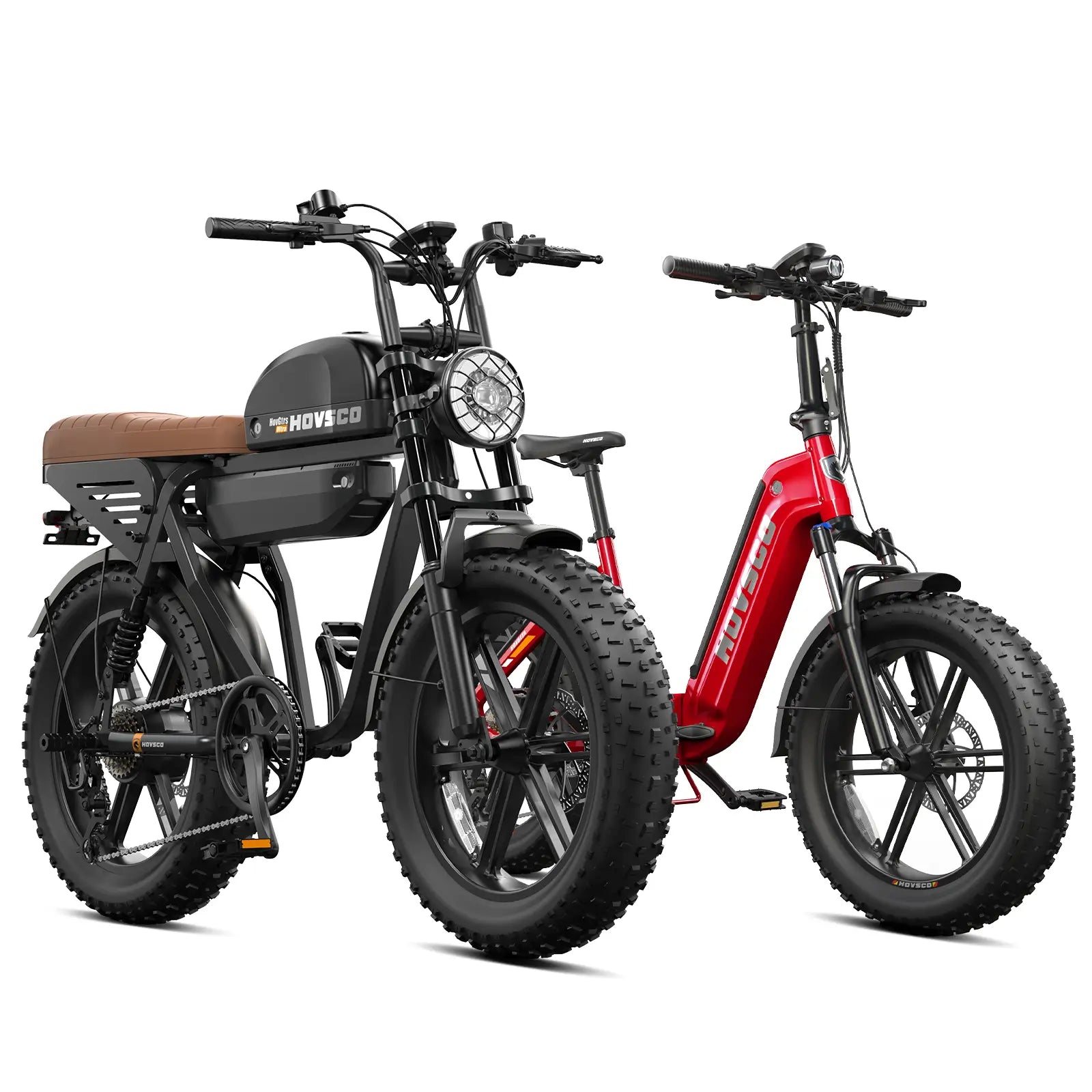
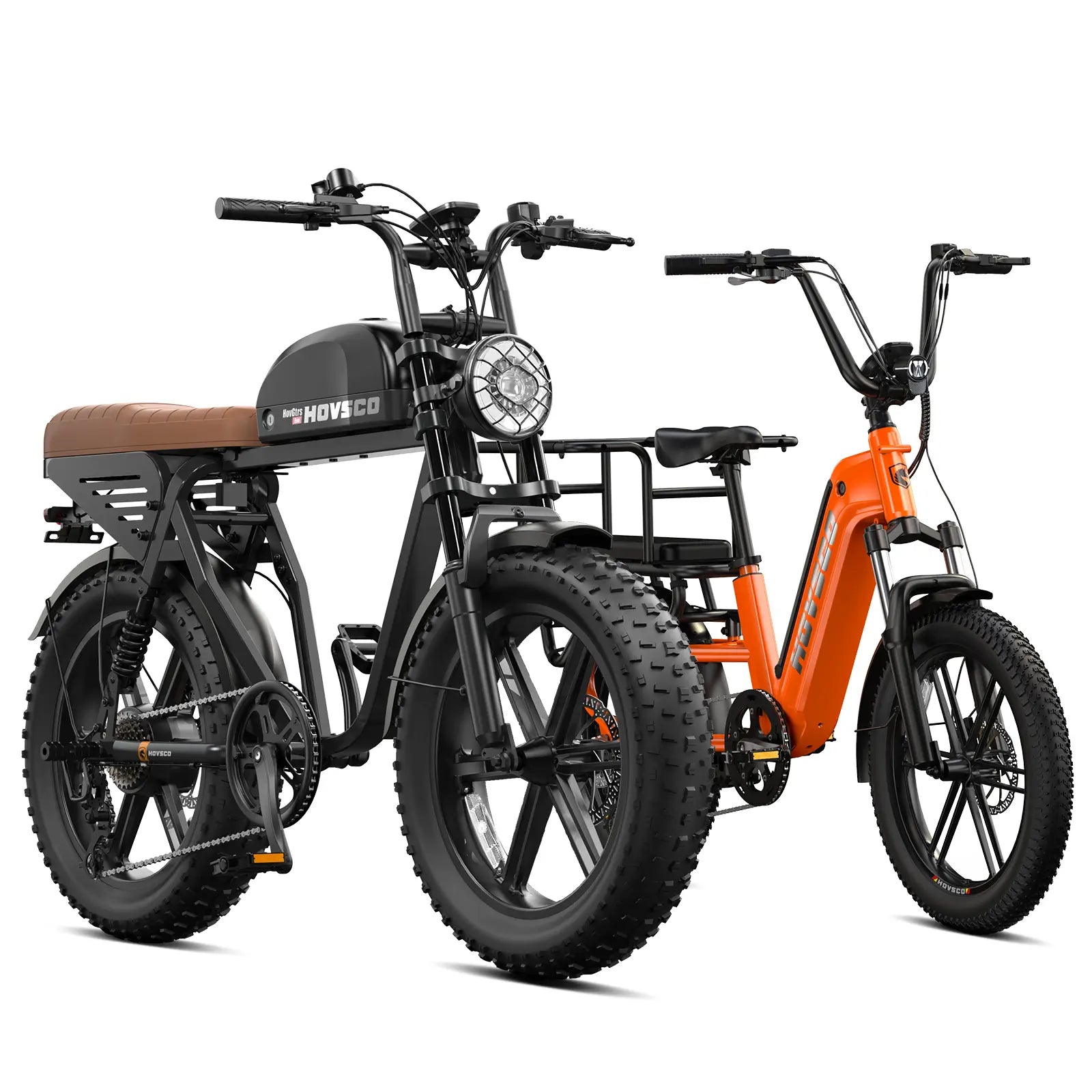
For riders looking to carry more gear, explore farther trails, and access remote campsites without hauling heavy backpacks, the right electric cargo or fat-tire e-bike can become the most versatile piece of “adventure gear” in your kit. HOVSCO’s rugged e-bikes, such as the HovScout and HovCart, are designed precisely for this kind of multi-mission outdoor use, turning long rides, hill climbs, and gear-heavy trips into smooth, low-effort experiences.
Outdoor adventure gear refers to the equipment and tools people use to explore natural environments—backpacks, tents, climbing hardware, kayaks, and, increasingly, electric bikes that enable riders to travel farther and carry more with less physical strain. When you add a powerful e-bike to your gear list, you’re not just buying a vehicle; you’re expanding your reachable distance, payload capacity, and terrain options without sacrificing the freedom of cycling.
In practical terms, an e-bike can:
Replace car trips to trailheads and campgrounds.
Carry tents, food, water, and tools on its frame or racks.
Access paths where cars are banned but traditional bikes feel too limited.
This is why modern adventure planners now treat e-bikes as core outdoor gear, not just commuting toys.
Many outdoor enthusiasts hit a hard ceiling: the amount of gear they can comfortably carry. A full camping setup—tent, sleeping system, cookware, food, water—can easily exceed 20–30 kg. Carrying that on your back limits distance, increases fatigue, and often forces riders to choose shorter trips or skip destinations that look perfect on the map.
Traditional solutions like SUVs or trucks solve the payload problem but introduce new issues: fuel costs, emissions, parking fees, and limited access to narrow trails or protected areas. The result is a frustrating compromise: either limit your gear (and your comfort) or limit your range (and your options).
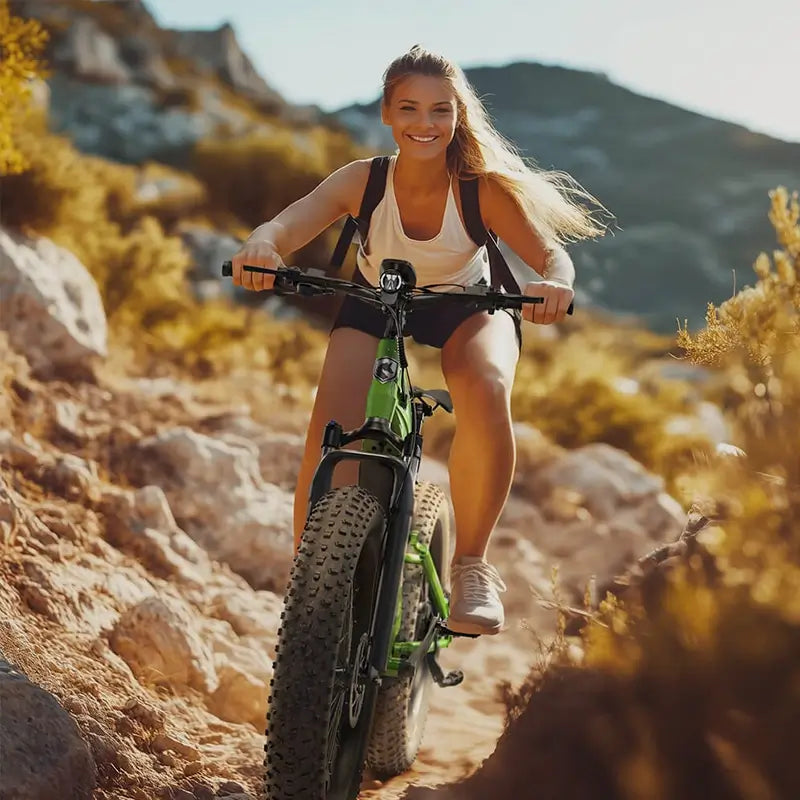
Even when riders can carry enough gear, terrain and hills quickly become deal-breakers. Sand, gravel, loose rock, and steep climbs drain energy and time. On a standard bike, many riders avoid off-road routes or mountain trails because the effort required is too high, especially after a long workday or when traveling with family.
This dynamic disproportionately affects:
Families with children who need extra supplies.
Older riders or those returning from injury.
Weekend adventurers who want to maximize fun, not endurance.
When effort becomes the bottleneck, the trail network you could use shrinks dramatically.
Getting to remote outdoor spots often involves a chain of logistics: driving to a trailhead, parking, loading gear, then hiking or biking in. Popular areas face parking shortages, expensive day-use fees, and time limits. In some regions, vehicles are restricted entirely from certain roads or natural areas, forcing multi-hour hikes just to reach a campsite.
For frequent adventurers, this friction adds up:
Time lost to driving and parking.
Stress from navigating crowded lot systems.
Money spent on fuel, permits, and tolls.
Over months and years, these small headaches discourage repeats and reduce overall outdoor participation.
Many riders already own a mountain or hybrid bike, but traditional designs fall short for modern adventure needs:
Limited cargo capacity without bulky racks.
Struggling on steep, technical terrain.
Inability to carry passengers or large loads safely.
Upgrading to multiple bikes (one for commuting, one for trails, one for family) increases cost and maintenance complexity. For many, the better solution is a single, versatile e-bike that can handle commuting, trail days, and family outings without requiring a garage full of equipment.
“The number of completed off-road e-mountain bike rides was up a massive 18% in 2024 compared to the previous year.” — Garmin
This surge isn’t just about tech curiosity; it reflects a real shift in how people want to experience the outdoors: more range, more gear, less strain.
This table shows that HOVSCO’s e-bikes occupy a middle ground where payload, range, and access all improve without the overhead of a car setup.
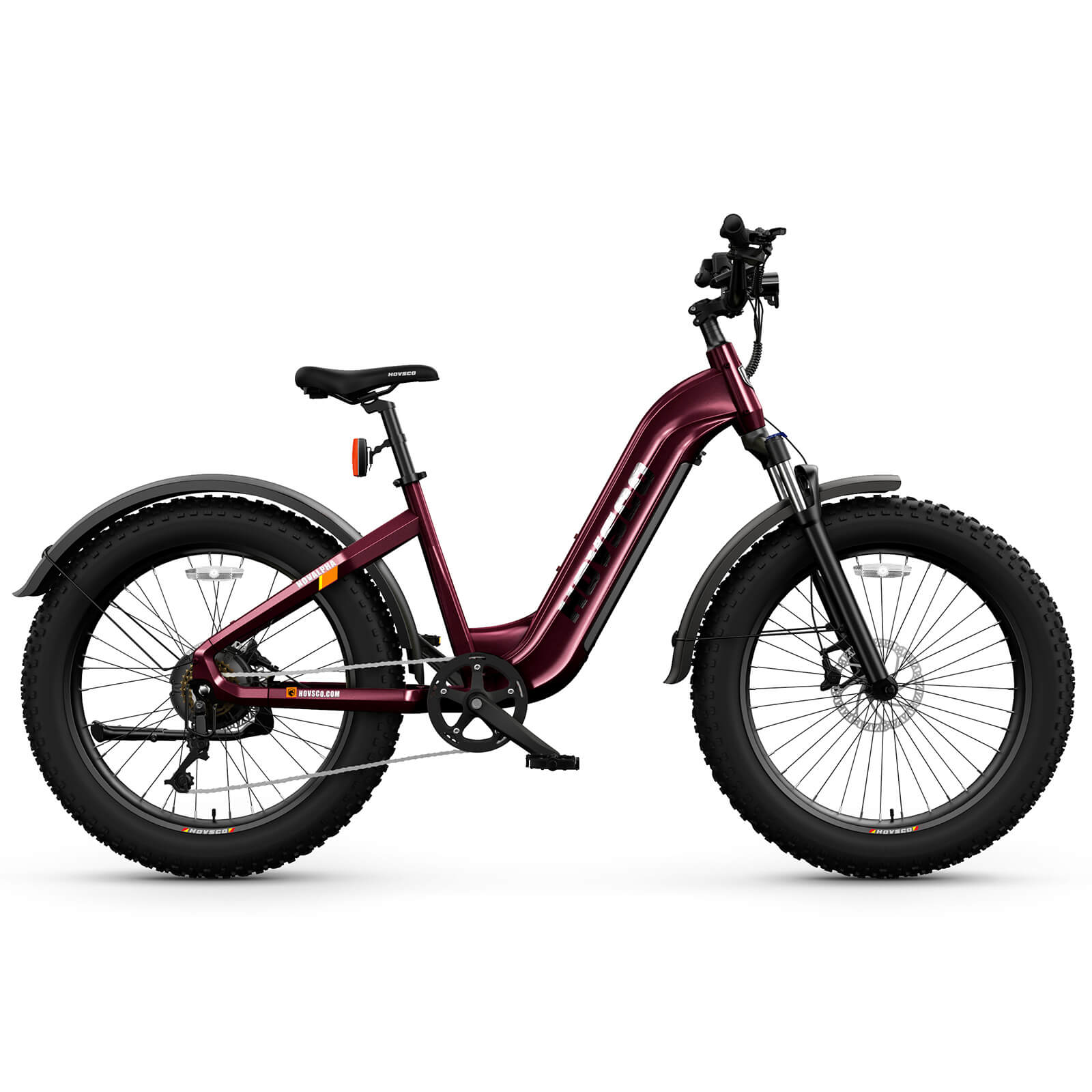
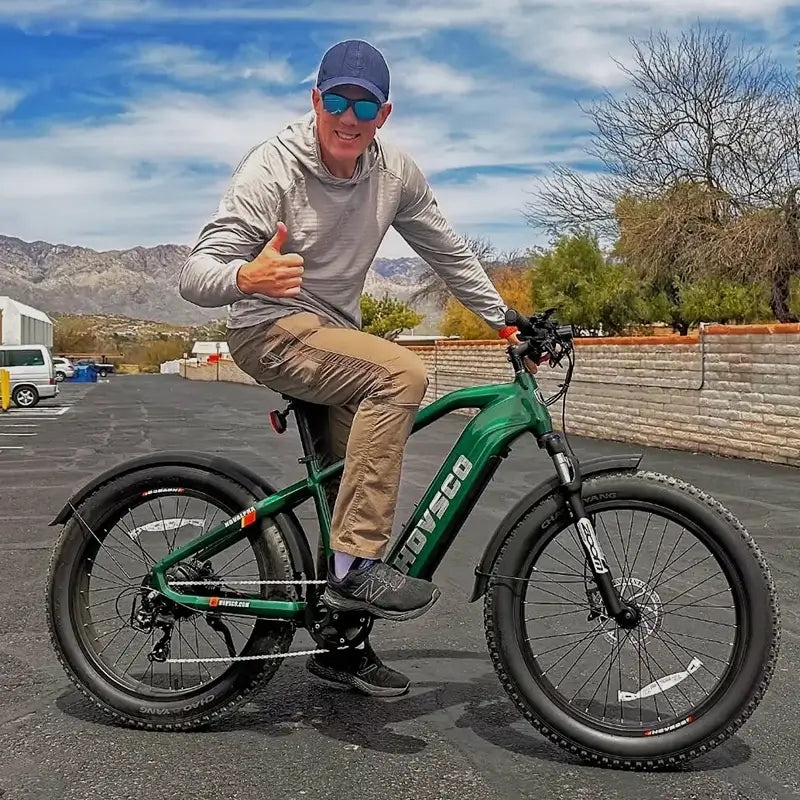
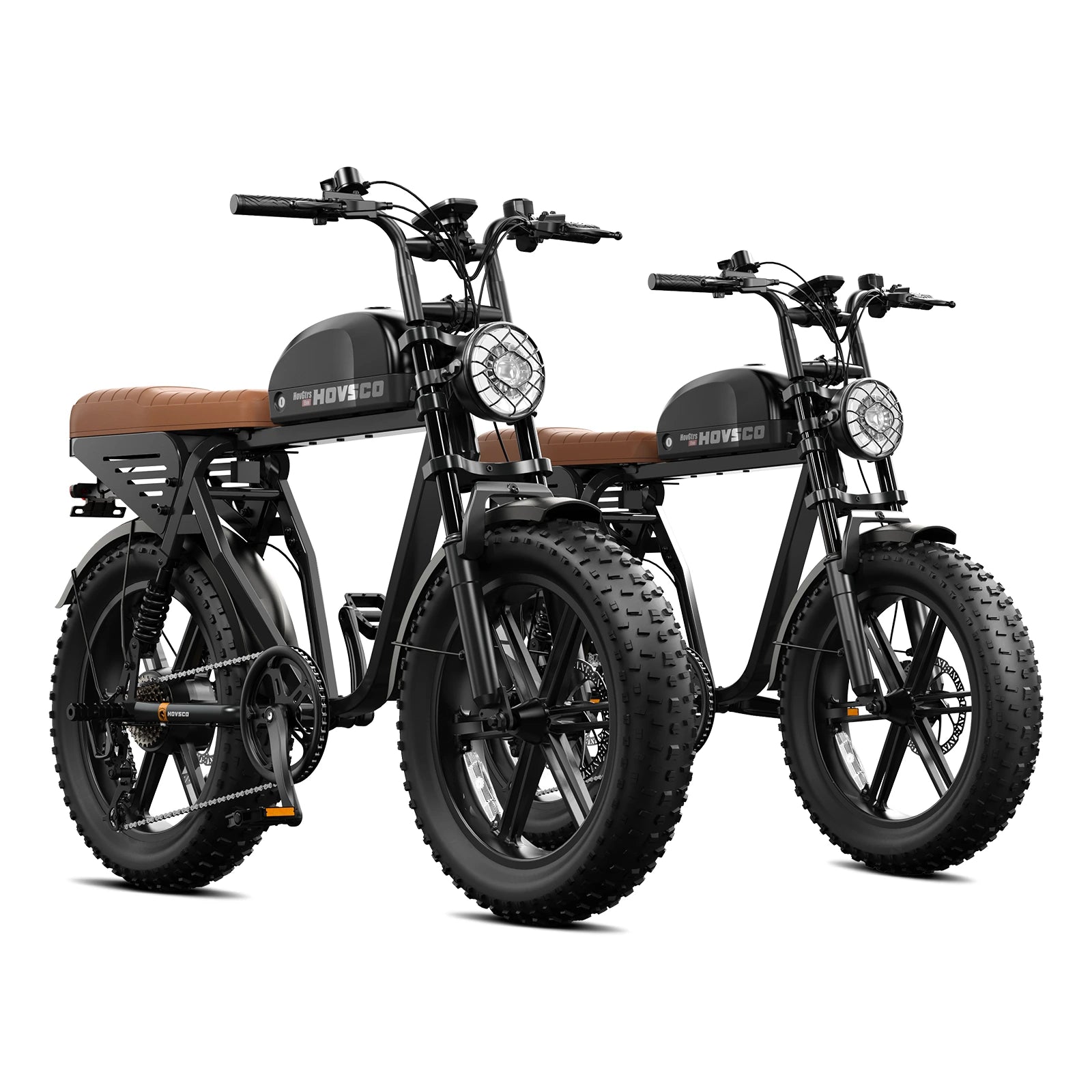
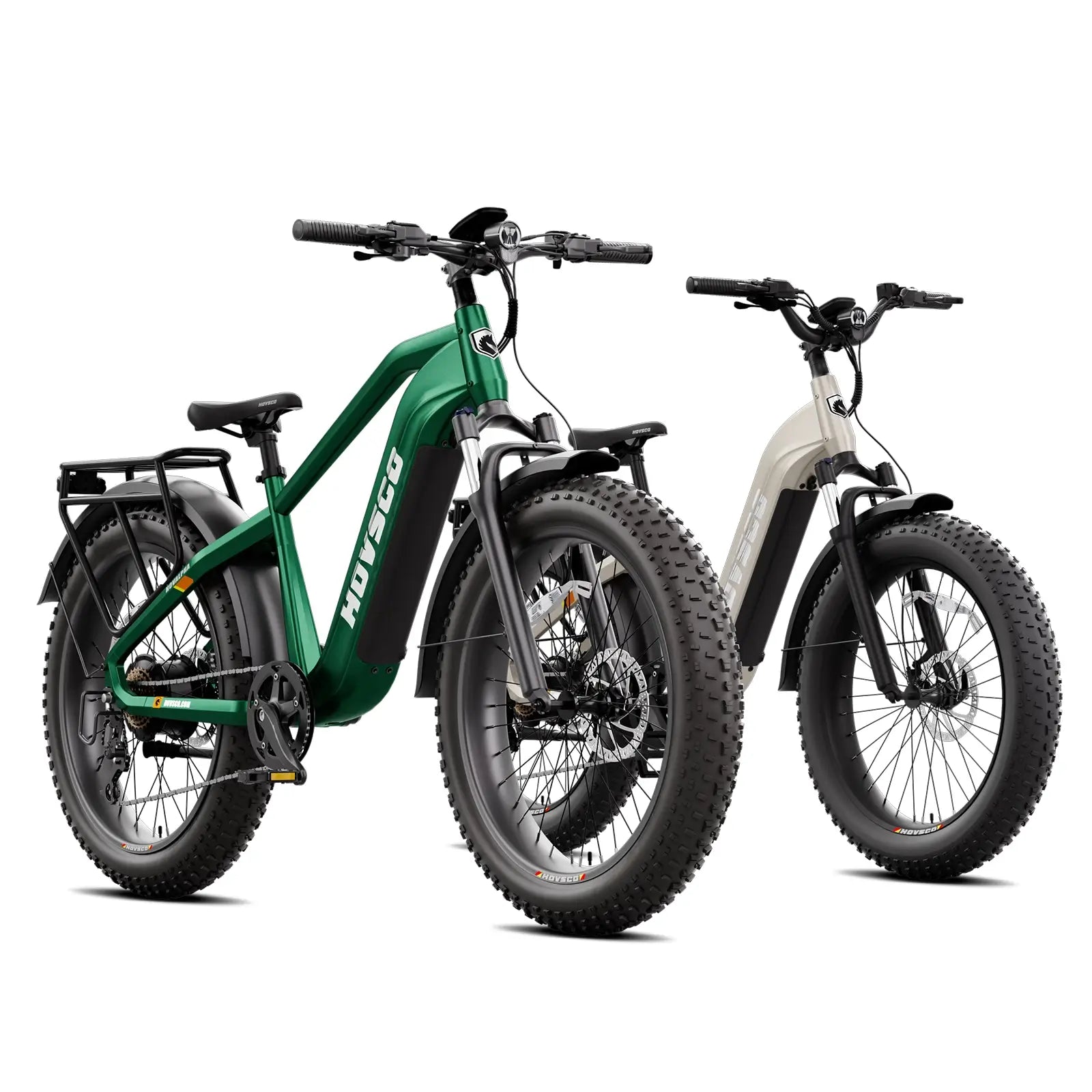
HOVSCO models like the HovScout and HovAlpha use 750 W nominal motors with up to 1300 W peak output, paired with fat tires and, in some cases, full suspension. This combination delivers:
Strong torque for steep climbs and loose surfaces.
Stability on sand, gravel, snow, and uneven trails.
Comfort that reduces fatigue over long distances.
For adventure riders, this means trails that previously felt too technical or exhausting become accessible options.
With battery capacities from 540 Wh to 960 Wh and advertised ranges of 50–80 miles, HOVSCO e-bikes can support full-day excursions without constant recharging. This is critical for:
Remote campsites far from charging points.
Multi-stop trail days with several peaks or viewpoints.
Family trips where you don’t want to interrupt the ride to charge.
Long-range batteries effectively turn the e-bike into a self-contained power hub for your adventure.
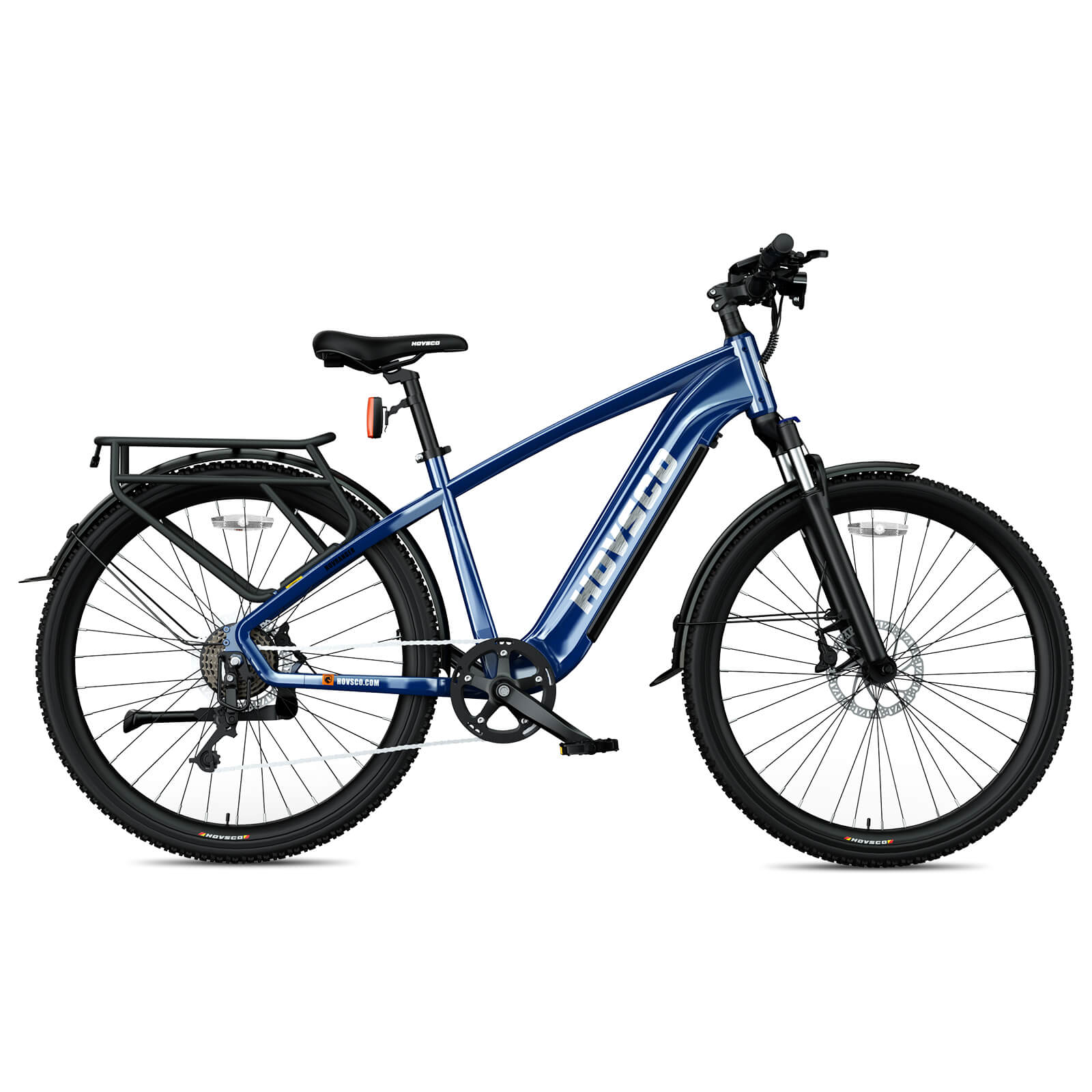
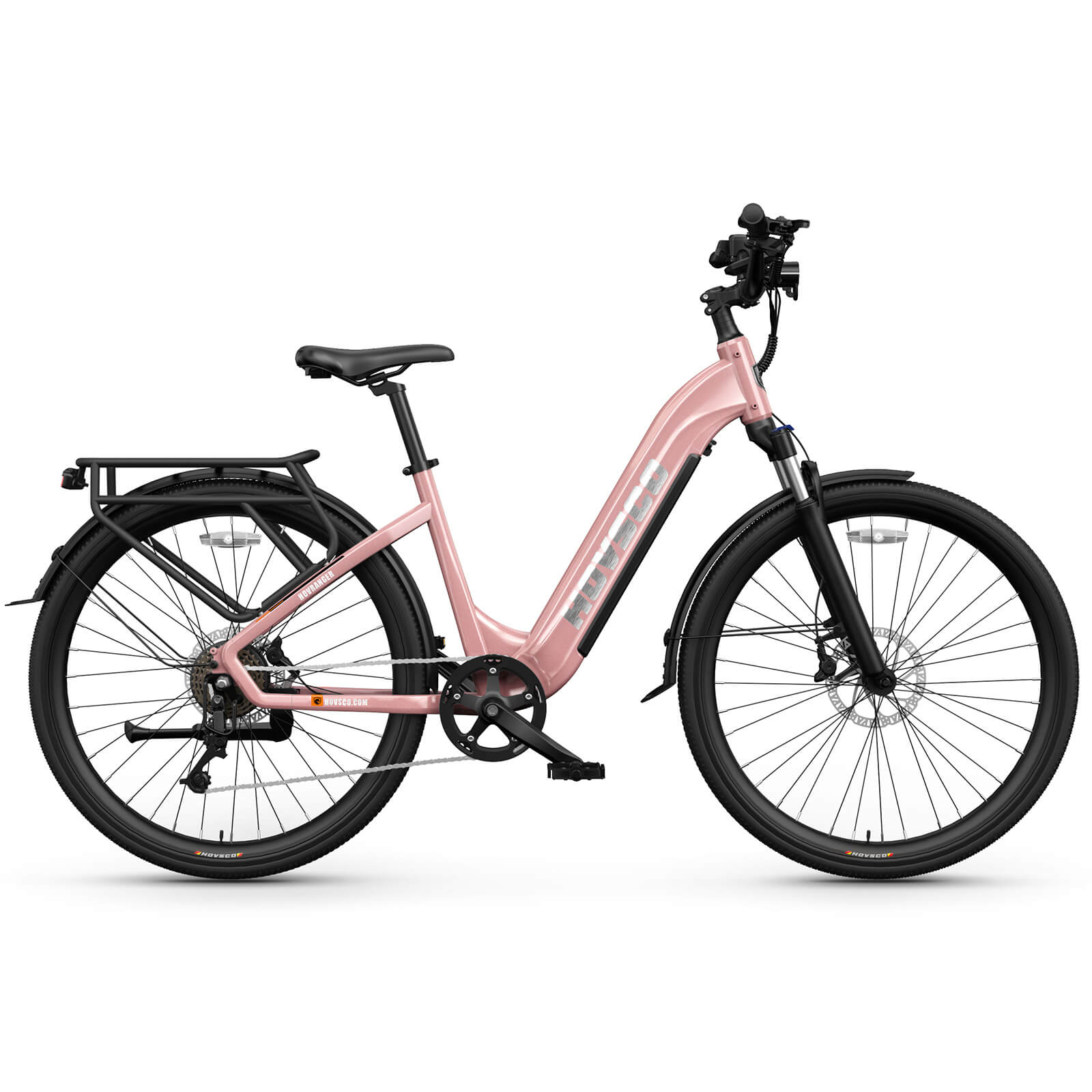
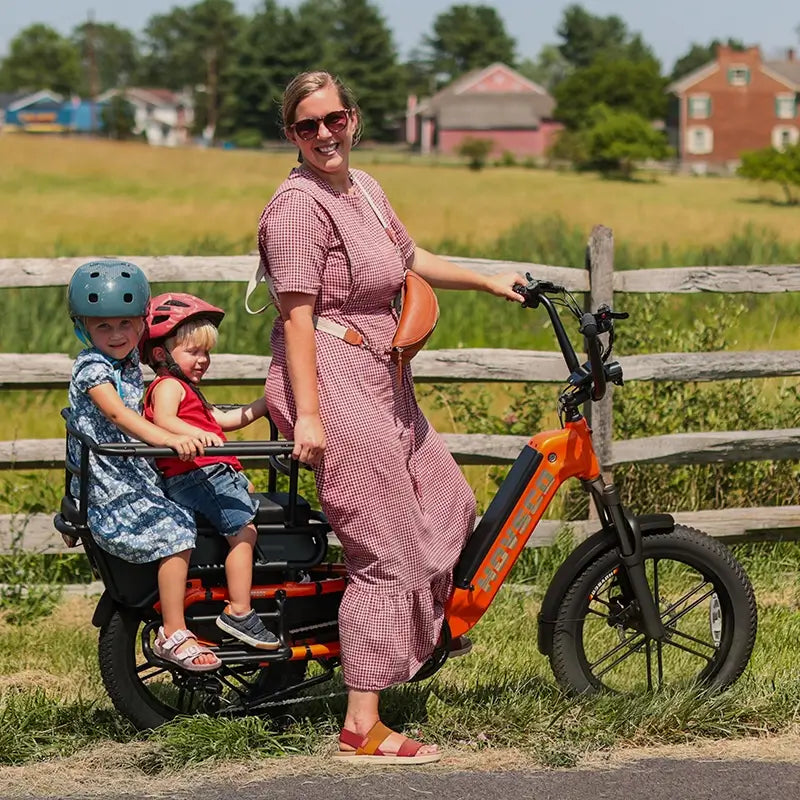
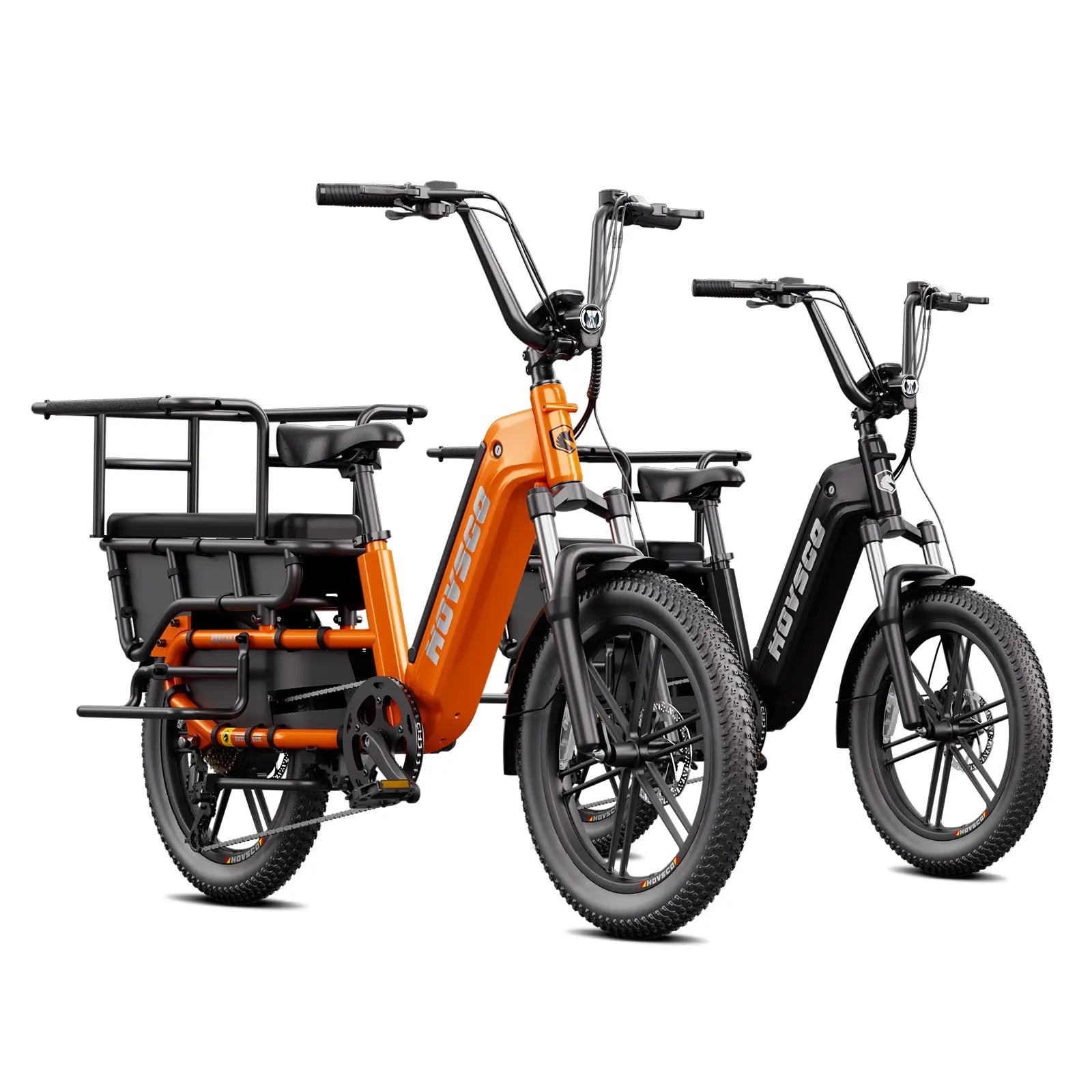
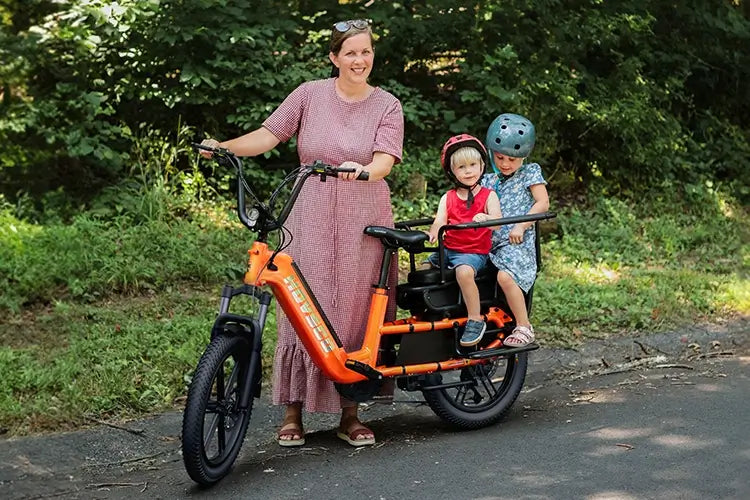
HOVSCO’s HovCart is explicitly built to carry up to 450 lb of cargo or two children safely, making it ideal for family camping, gear hauling, or even market runs after a trail day. Additional accessories like the HovAlpha Heavy Duty Rear Rack allow riders to mount pannier bags, remove weight from their backs, and secure gear for off-road use.
This cargo-first design means:
Tents, sleeping bags, and food can go on the bike, not your spine.
Kids can join short adventure rides without needing separate transport.
You can adapt the bike for different missions quickly.
“We loaded the HovCart with a tent, sleeping pads, and two kids, and rode 12 miles to a lakeside camp—no car, no parking stress.” — Family rider
“On the HovScout, I carried a full climbing kit plus a spare battery and still had energy left for the return climb.” — Trail enthusiast
“Instead of driving 40 minutes to a trailhead, I ride 10 minutes from my door, drop my pack on the rack, and hit the backcountry.” — Weekend adventurer
These examples show how HOVSCO e-bikes shift the entire workflow of outdoor trips: less driving, less carrying, more riding.
If your adventures involve kids, dogs, or oversized gear, the HovCart family e-bike is a natural extension of your outdoor setup. Its ability to carry two children or up to 450 lb of cargo makes it ideal for:
Family camping trips where every adult doesn’t need a separate bike.
Carrying extra water, food, and safety gear for group outings.
Running errands after a trail day without switching vehicles.
For riders who want maximum trail capability, the HovScout and HovAlpha models offer:
Full suspension and fat tires for rough terrain.
High torque motors for steep climbs.
Rugged frames designed for off-road durability.
These bikes are engineered for multi-scenario mobility, where one vehicle handles commuting, trail exploration, and even light hauling.
HOVSCO’s heavy-duty rear racks and compatible pannier bags allow riders to:
Mount sleeping bags, tents, and tools securely.
Balance weight distribution for better stability.
Reduce back strain by moving gear from backpack to bike.
The HovAlpha heavy duty rear rack is a simple upgrade that dramatically increases your carrying capacity without changing your bike’s core design.
Start by choosing a trail, campground, or park within your e-bike’s realistic range (e.g., 30–50 miles with some buffer). List the gear you need:
Shelter (tent, tarp).
Sleeping system (pad, bag).
Food, water, and cooking tools.
Safety items (first aid, lights, repair kit).
This list becomes your baseline load.
Use mapping tools to:
Check total distance and elevation.
Identify steep sections that might benefit from throttle or high assist.
Confirm bike-friendly paths and any vehicle restrictions.
HOVSCO’s strong motors and suspension make it easier to handle elevation, but planning still helps you avoid overly technical sections if you’re new to e-biking.
Place heavier items (water, food, tools) low and centered on the bike. Use rear racks or panniers to:
Keep weight off your back.
Improve handling on uneven terrain.
Make it easier to access gear without stopping.
For family trips on the HovCart, ensure children are seated securely and that the total load stays within the 450 lb limit.
Before you leave, choose:
A pedal-assist level that matches the terrain (higher for hills, lower to save battery).
Throttle mode for short flat sections or when you need a rest.
HOVSCO’s torque sensors provide smooth power delivery, so you can adjust on the fly without jerky acceleration.
During the ride:
Monitor battery level and distance remaining.
Adjust assist levels as terrain changes.
Take short breaks to stretch and check gear.
If you’re approaching your planned turnaround point, consider reducing assist to preserve battery for the return.
Once you arrive:
Unload gear efficiently using racks and bags.
Charge the battery if you have access to power.
Do a quick inspection of tires, brakes, and connections before heading back.
This routine helps you maintain your bike and extend its lifespan for future adventures.
Traditional approach:
Drive 30–40 minutes, find parking, load gear into a car, then hike or bike in with a heavy backpack.
After switching to HOVSCO:
Ride directly from home to the park entrance.
Load tent, sleeping gear, and food onto the HovCart or rear rack.
Skip parking fees and driving stress.
Arrive with less fatigue, more time for the actual experience.
The e-bike becomes your mobile gear carrier, turning a long drive into a pleasant ride.
Traditional approach:
Each adult drives separately or you need a large vehicle; kids sit in car seats, and you still carry snacks, toys, and first aid.
After switching to HOVSCO:
Use the HovCart to carry two kids plus gear on one bike.
Choose a family-friendly trail with minimal elevation.
Kids enjoy the ride instead of sitting passively.
Parents share responsibility on a single vehicle.
This setup turns a routine outing into a shared adventure, not just transport.
Traditional approach:
Head to a popular trailhead, hike or bike several peaks, then drive back—often constrained by time and parking.
After switching to HOVSCO:
Start from home, ride to the trail network.
Use high assist or throttle to conquer steep sections.
Carry extra water and food on the bike.
Explore more peaks in a single day thanks to extended range.
Here, the e-bike expands your daily territory, letting you do more with less time and effort.
What makes an e-bike a good piece of outdoor adventure gear?
An e-bike combines transport, cargo capacity, and range extension in one device. With powerful motors and long-range batteries, it lets you carry more gear, climb harder hills, and travel farther than a standard bike, while avoiding car-related costs and restrictions.
How far can HOVSCO e-bikes go on a single charge for adventure trips?
HOVSCO models advertise ranges from 50 to 80 miles depending on the model, battery size, terrain, and assist level. For most day trips and local campouts, this is enough to cover the ride in, explore, and return without charging.
Can HOVSCO e-bikes carry camping gear and kids together?
Yes. The HovCart is designed to carry up to 450 lb of cargo or two children safely, making it possible to combine family transport with gear hauling on the same trip. Other models can carry significant gear using racks and panniers.
Are HOVSCO e-bikes suitable for off-road and rough trails?
Models like the HovScout and HovAlpha feature fat tires, full suspension, and high-torque motors, which are built for off-road and rugged terrain. They handle sand, gravel, and steep climbs more comfortably than many standard bikes.
Do I need special permits to ride an e-bike on outdoor trails?
Regulations vary by location. Many parks and trails allow Class 1 or Class 2 e-bikes (typically up to 20 mph) but restrict faster models. Always check local rules before riding, especially in protected natural areas.
How do HOVSCO e-bikes compare to cars for outdoor trips in terms of cost and convenience?
E-bikes generally have lower ongoing costs (no fuel, lower maintenance, no parking fees) and better access to trails and parks where vehicles are restricted. While a car can carry more, an e-bike setup with racks and cargo frames can handle most day-trip and weekend camping loads with far less friction.
Outdoor adventure is evolving: people want more range, more gear, and less friction. The data shows that e-biking is surging as a core outdoor activity, and riders are increasingly treating e-bikes as essential adventure gear rather than just commuting tools. HOVSCO’s rugged cargo and all-terrain e-bikes fit directly into this trend, offering a practical way to carry more, climb easier, and explore farther without the overhead of a car.
If you’re ready to turn your next trail day, campout, or family outing into a smoother, more fun experience, explore HOVSCO’s adventure-ready e-bikes today. HOVSCO builds high-performance electric bikes that help families and riders reclaim the joy of the open road with less effort and more freedom.
Share:
Carbon Footprint Reduction Through Smarter Commuting With HOVSCO E-Bikes — June 2026
Off-Road Electric Cycling: Explore Rugged Trails with Confidence (July 2026)