



![[ New Arrival ] Porto Max Electric Scooter For Commute & Grocery Shopping - HOVSCO](http://www.hovsco.com/cdn/shop/files/PotroMax-3.jpg?v=1706927007&width=1200)
- by SteveJames
Last-Mile Delivery Solutions: Smarter Urban Fulfillment for Faster Local Delivery
- by SteveJames
E-Bikes
Accessories
 Free Shipping
 15-Day Returns
 2-Year Warranty
Free Shipping
15-Day Returns
2-Year Warranty
2-Year Warranty
Free Shipping
15-Day Returns
2-Year Warranty
Last-mile delivery solutions are evolving fast. See how electric cargo bikes can improve speed, lower operating costs, and support scalable urban delivery in 2026.
Last-mile delivery solutions are now central to urban logistics because delivery density, rising labor pressure, and tighter city access rules are reshaping how goods move from local hubs to end customers.
For many operators, the old van-first model is no longer the most efficient fit for dense neighborhoods. Electric cargo bikes have emerged as a practical answer for short urban routes where stopping frequency, parking access, and route flexibility matter more than maximum volume.
The broader market trend supports that shift. Industry forecasts continue to show strong growth in electric cargo bikes as retailers, couriers, and food-delivery operators look for lower-cost and lower-emission transport options.
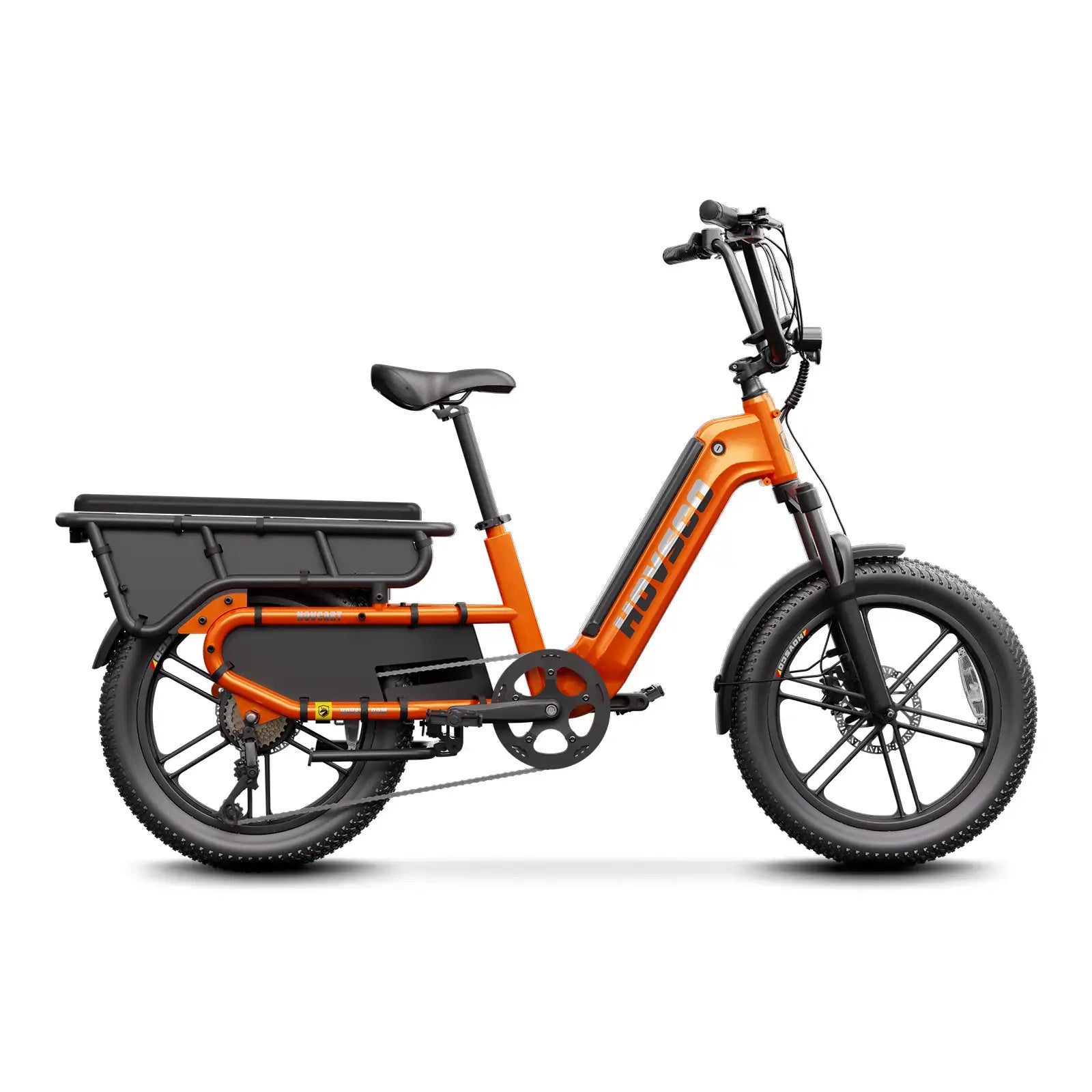
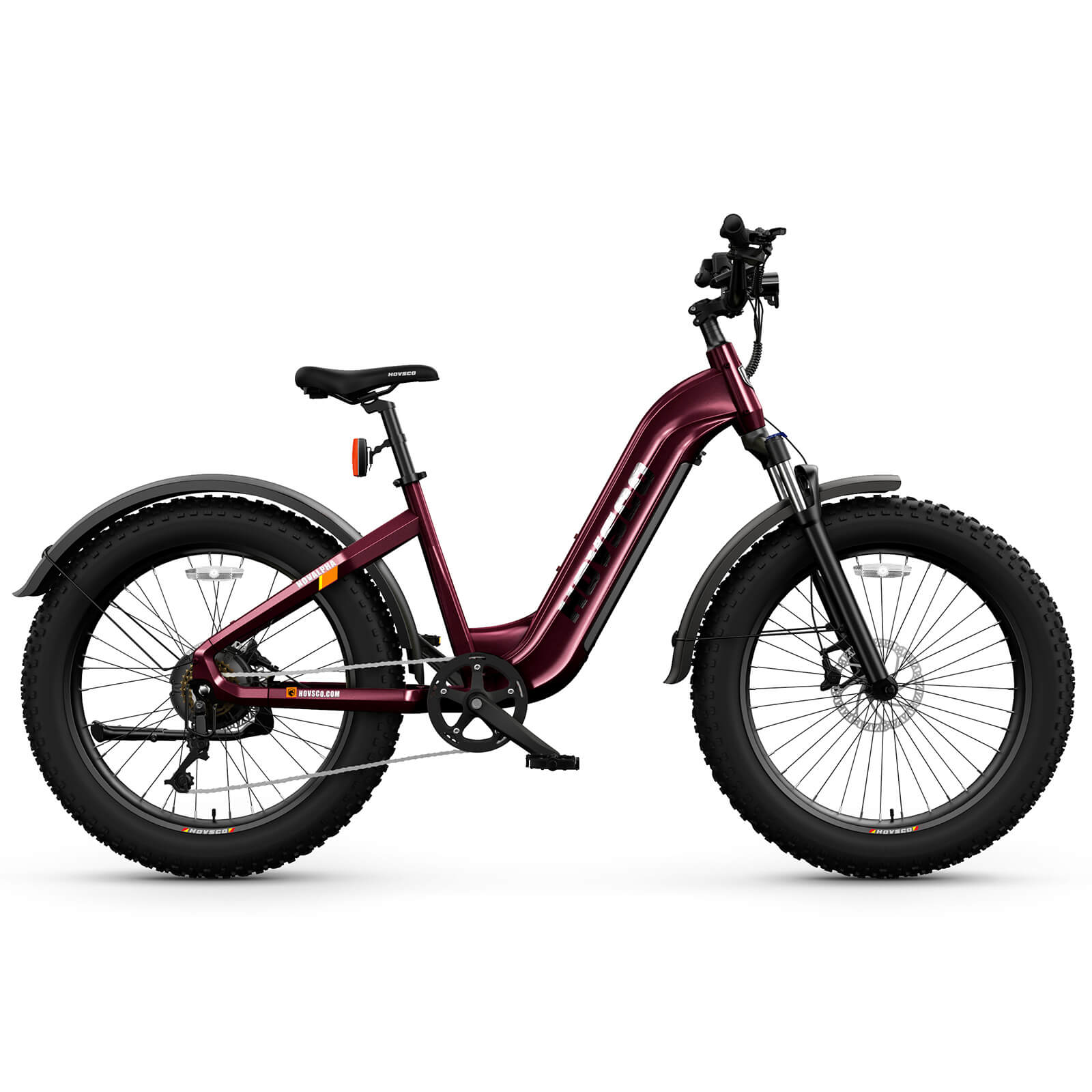
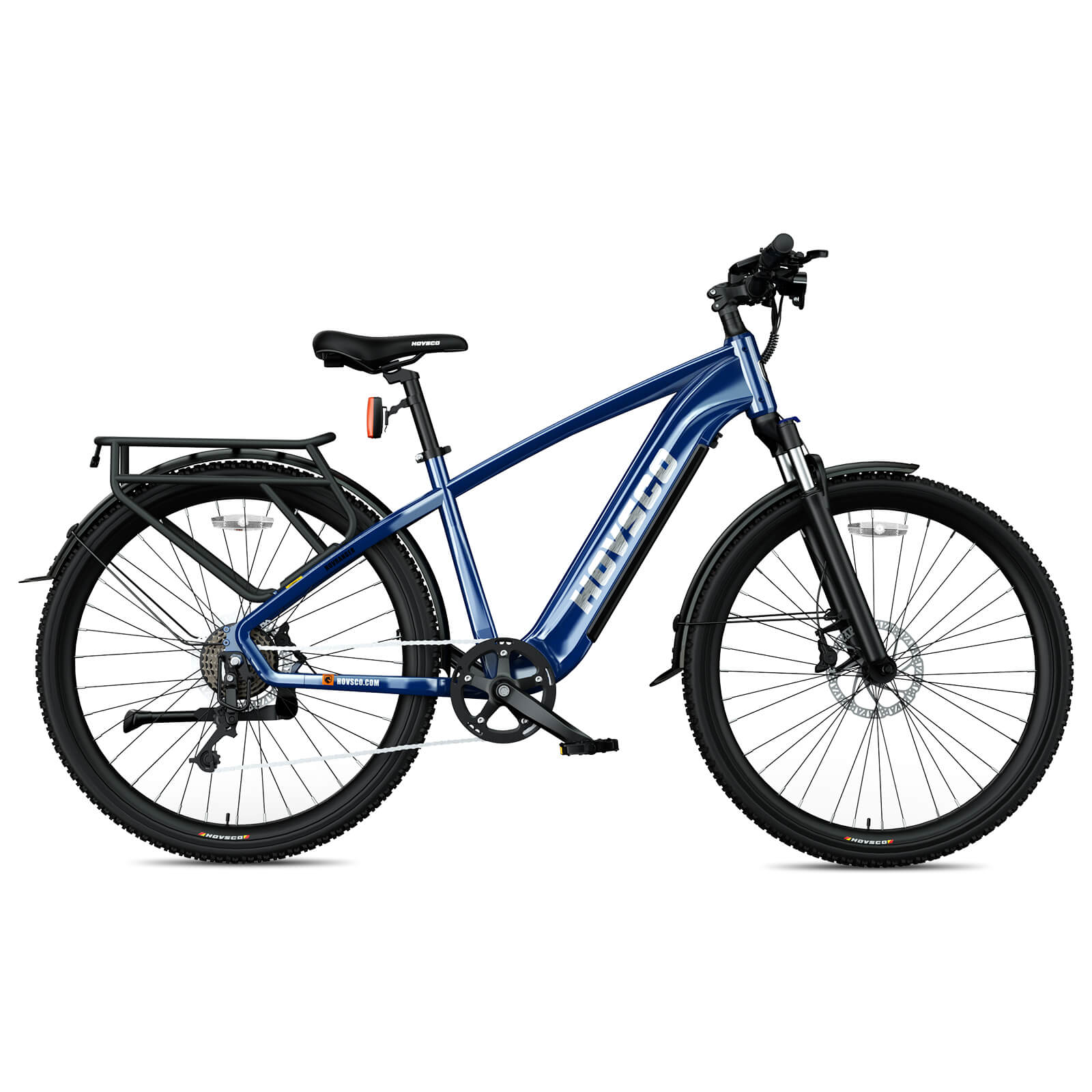
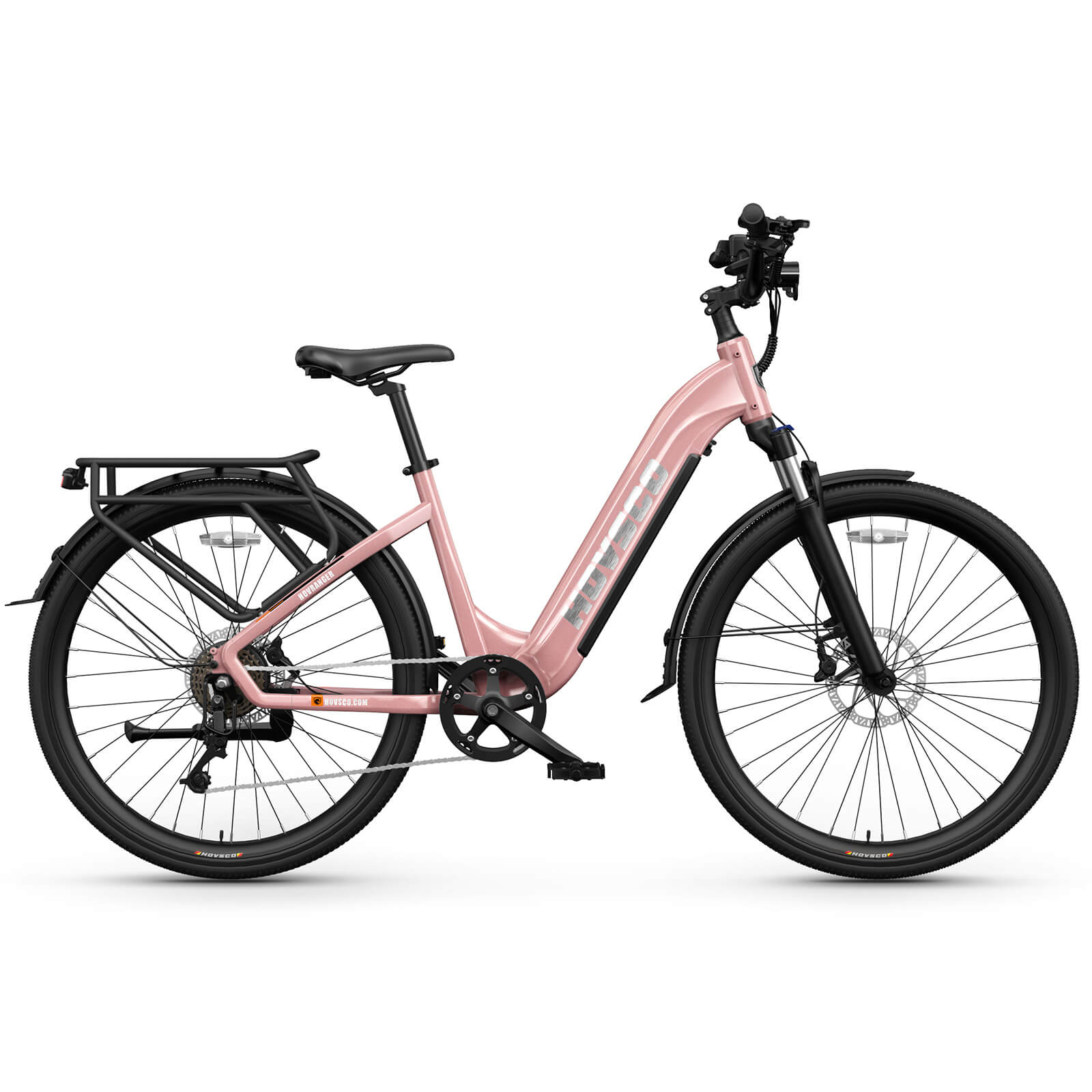
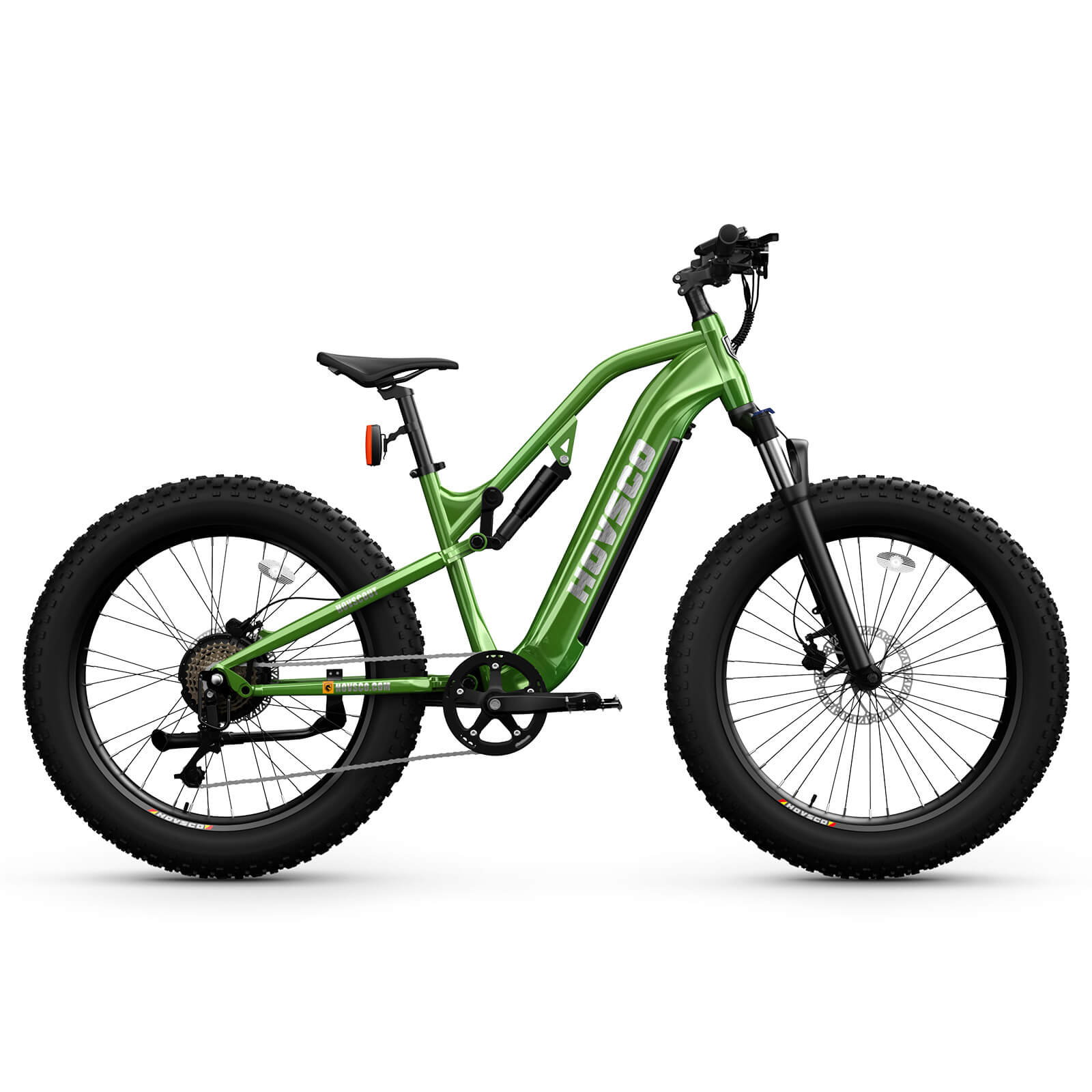
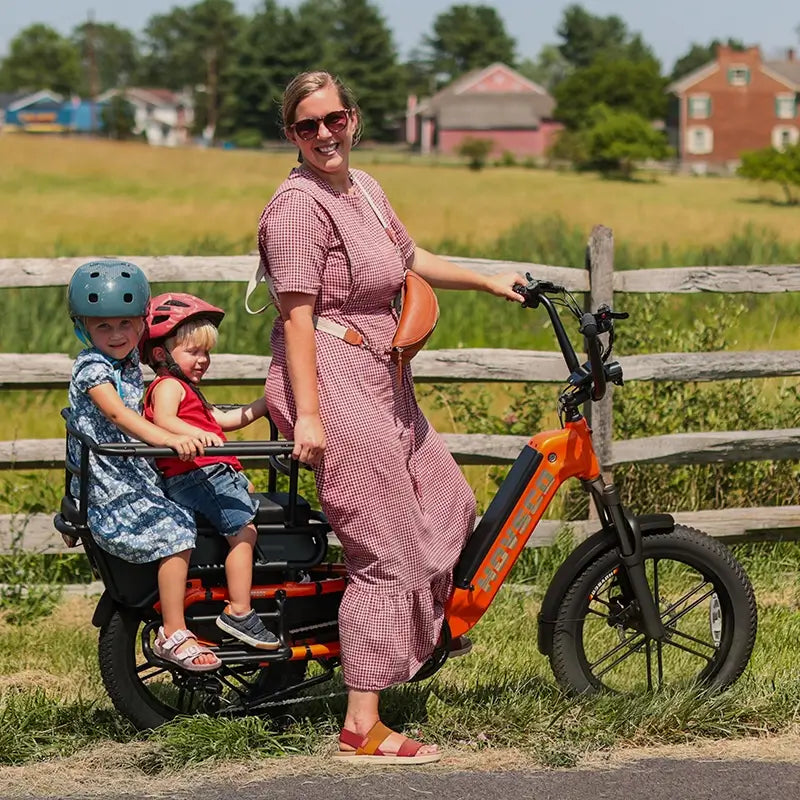
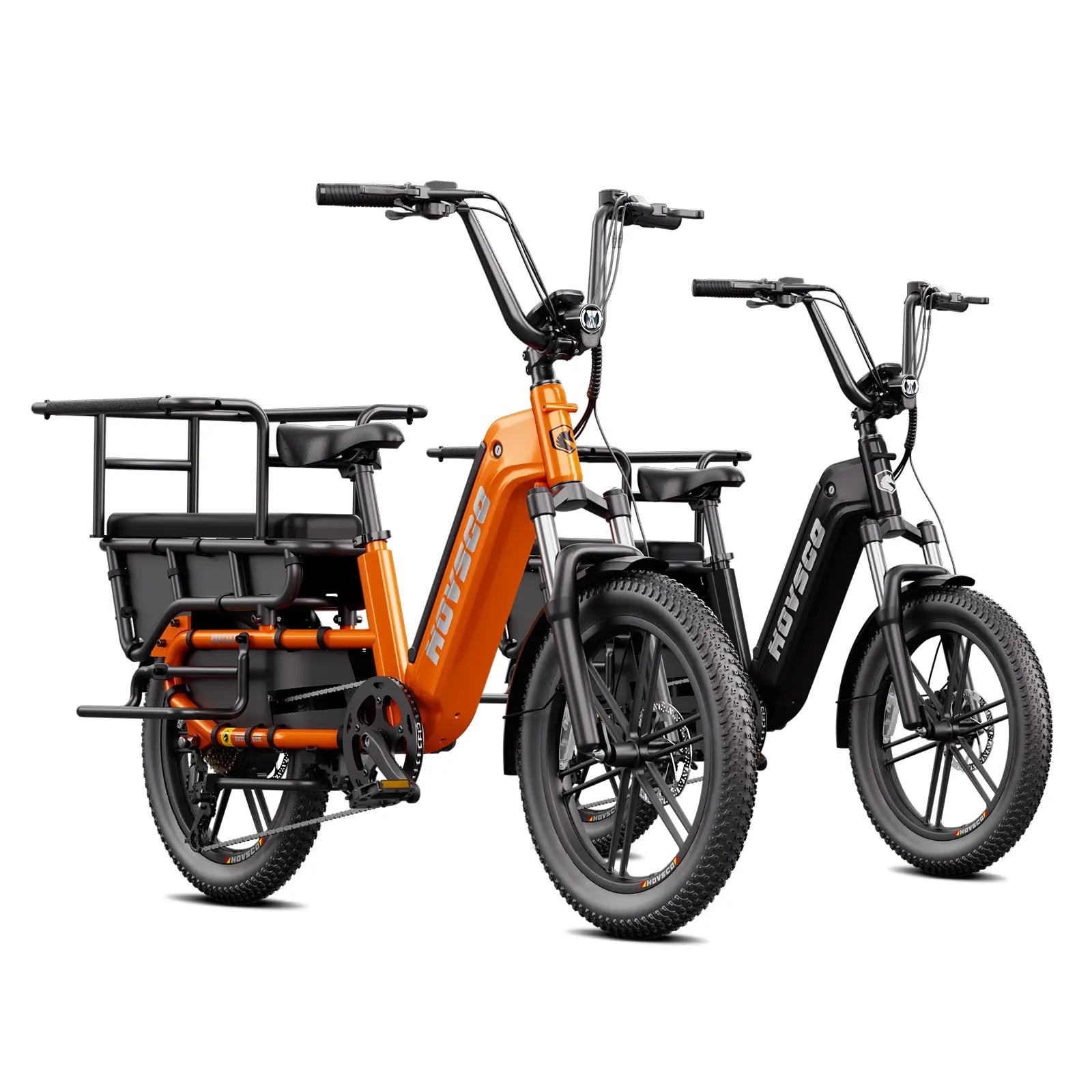
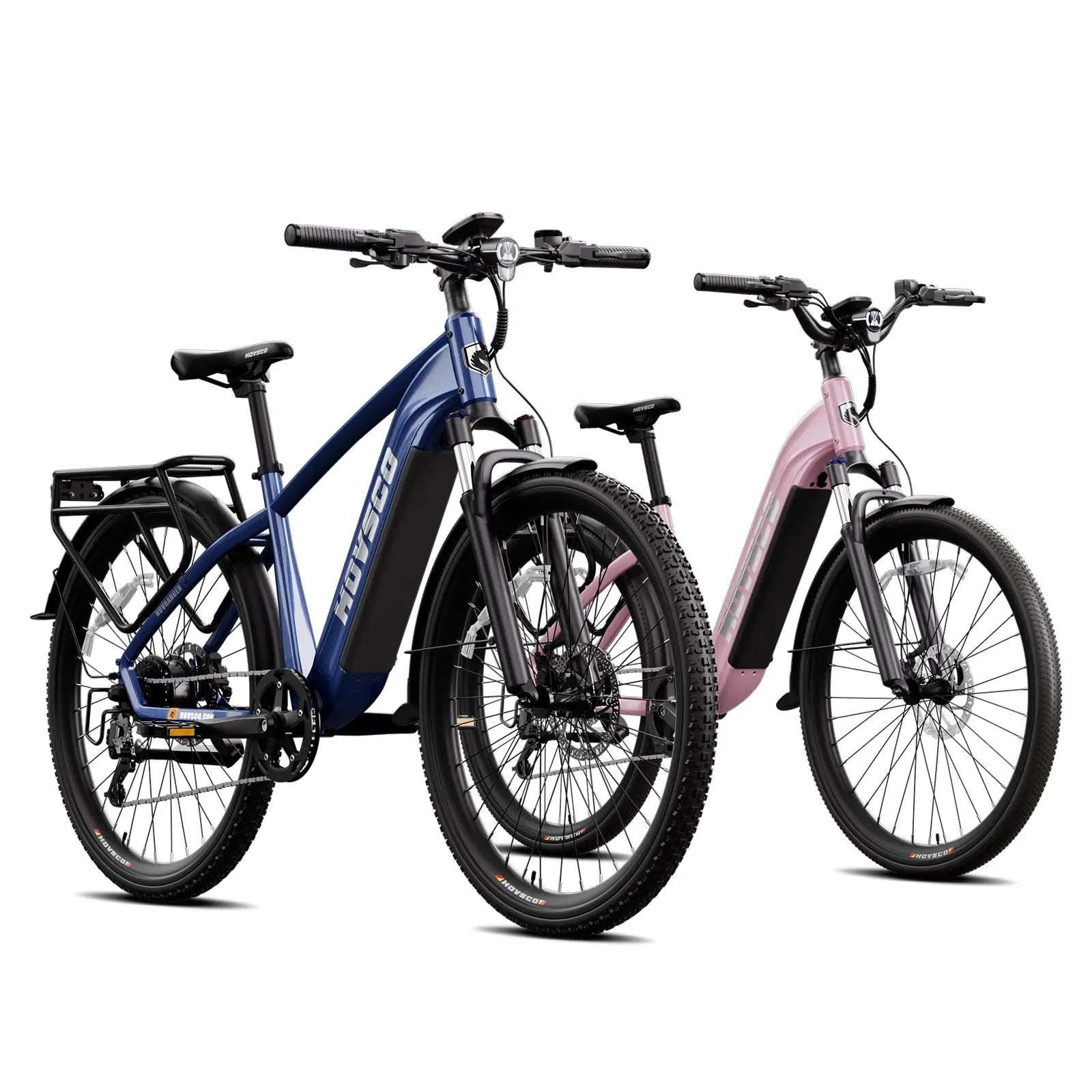
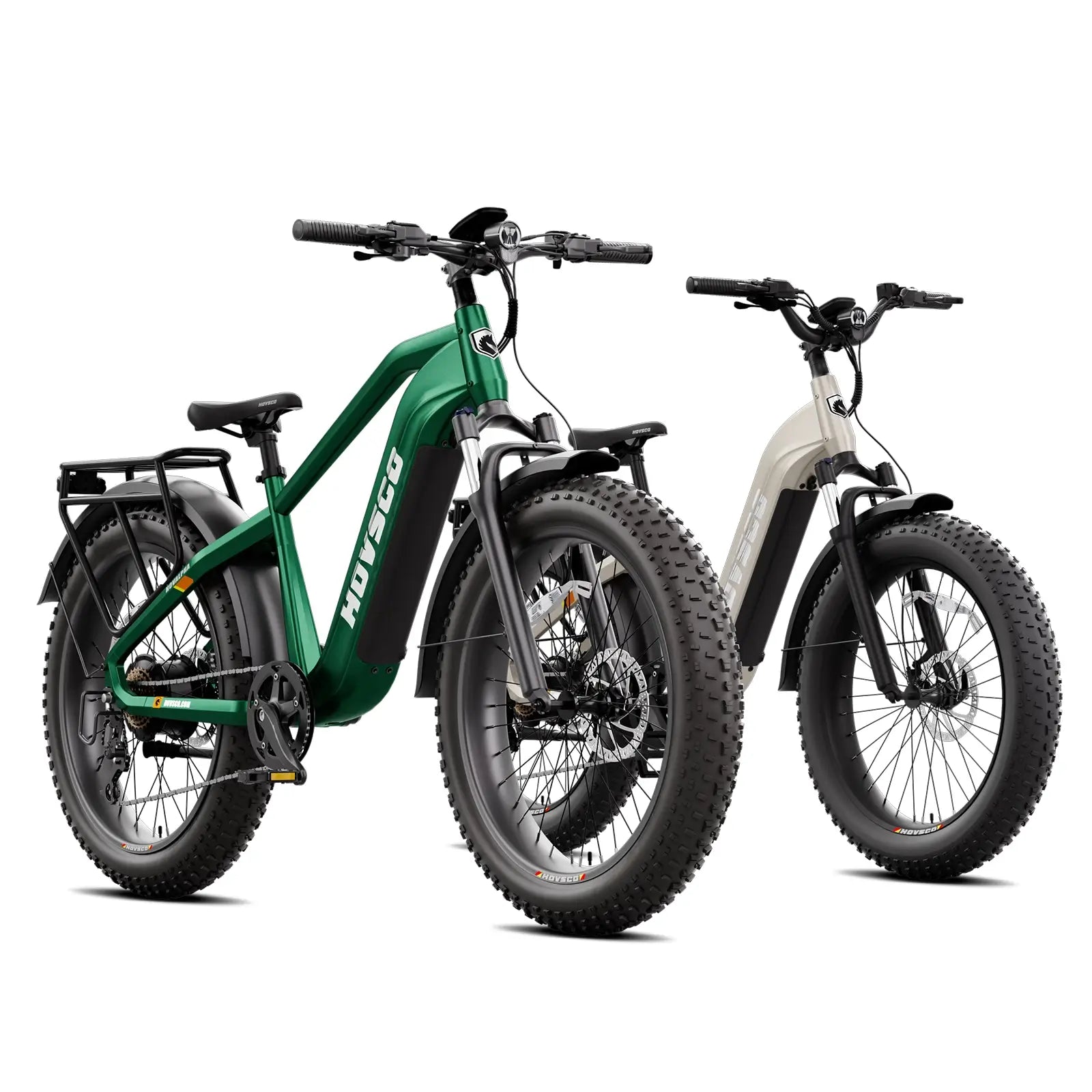
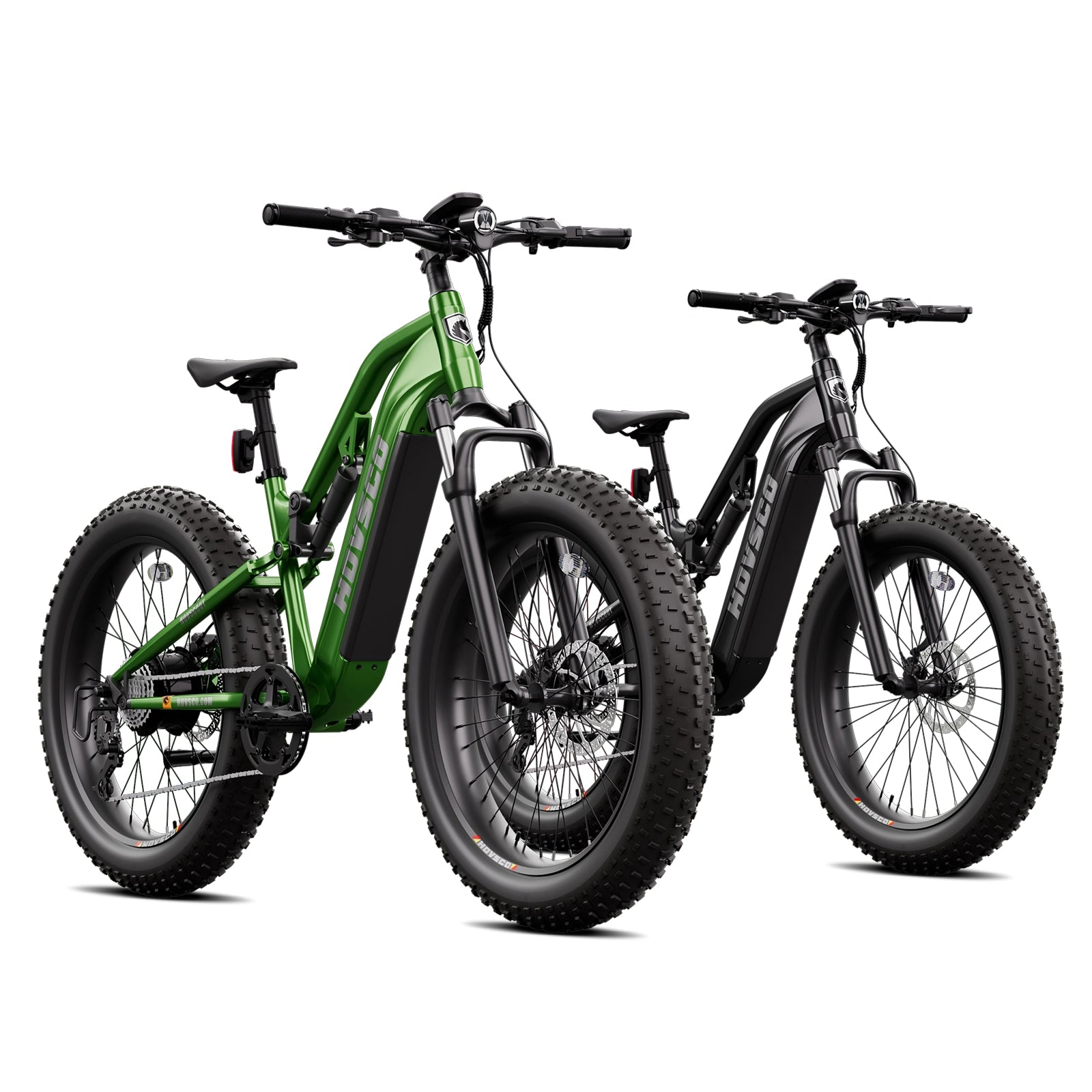
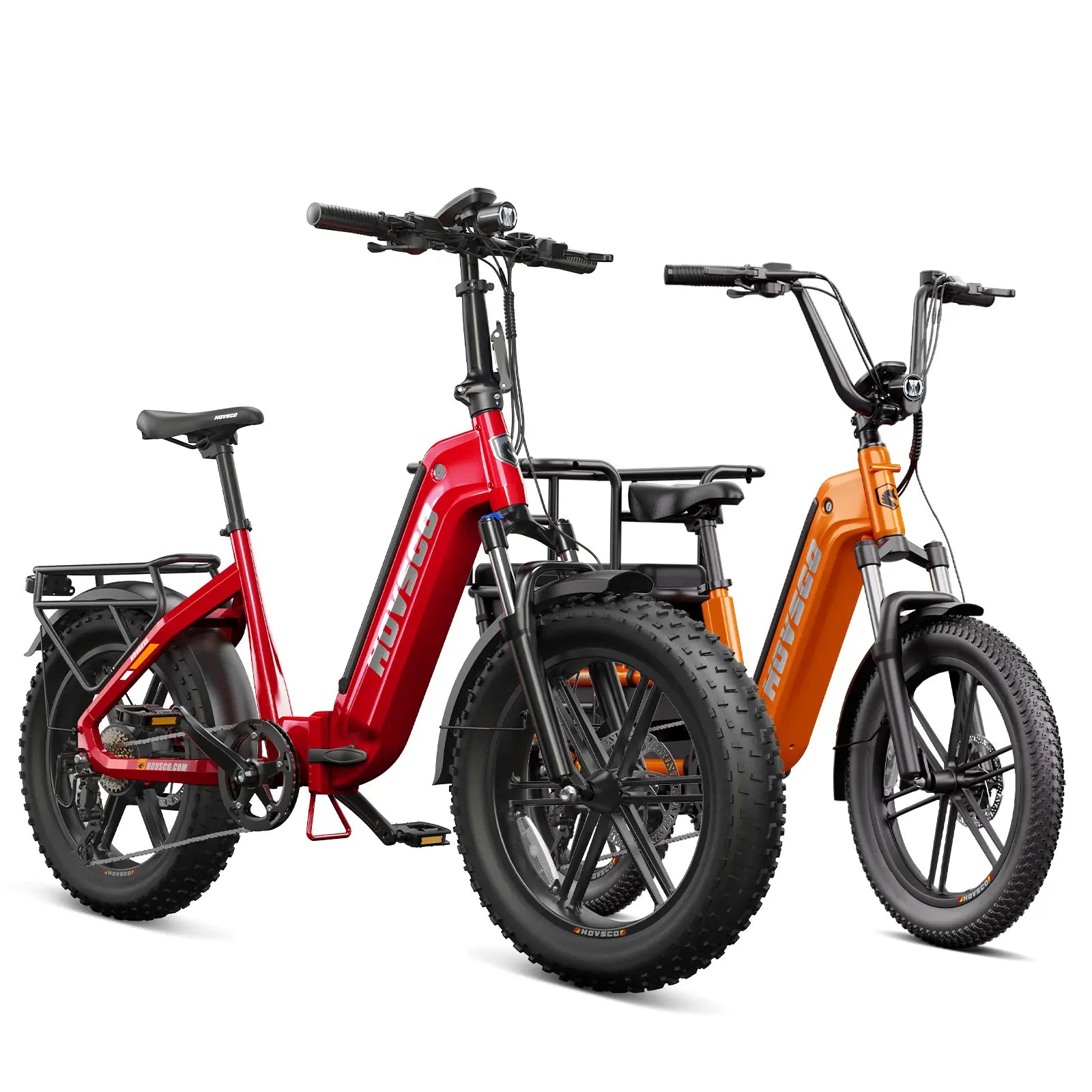
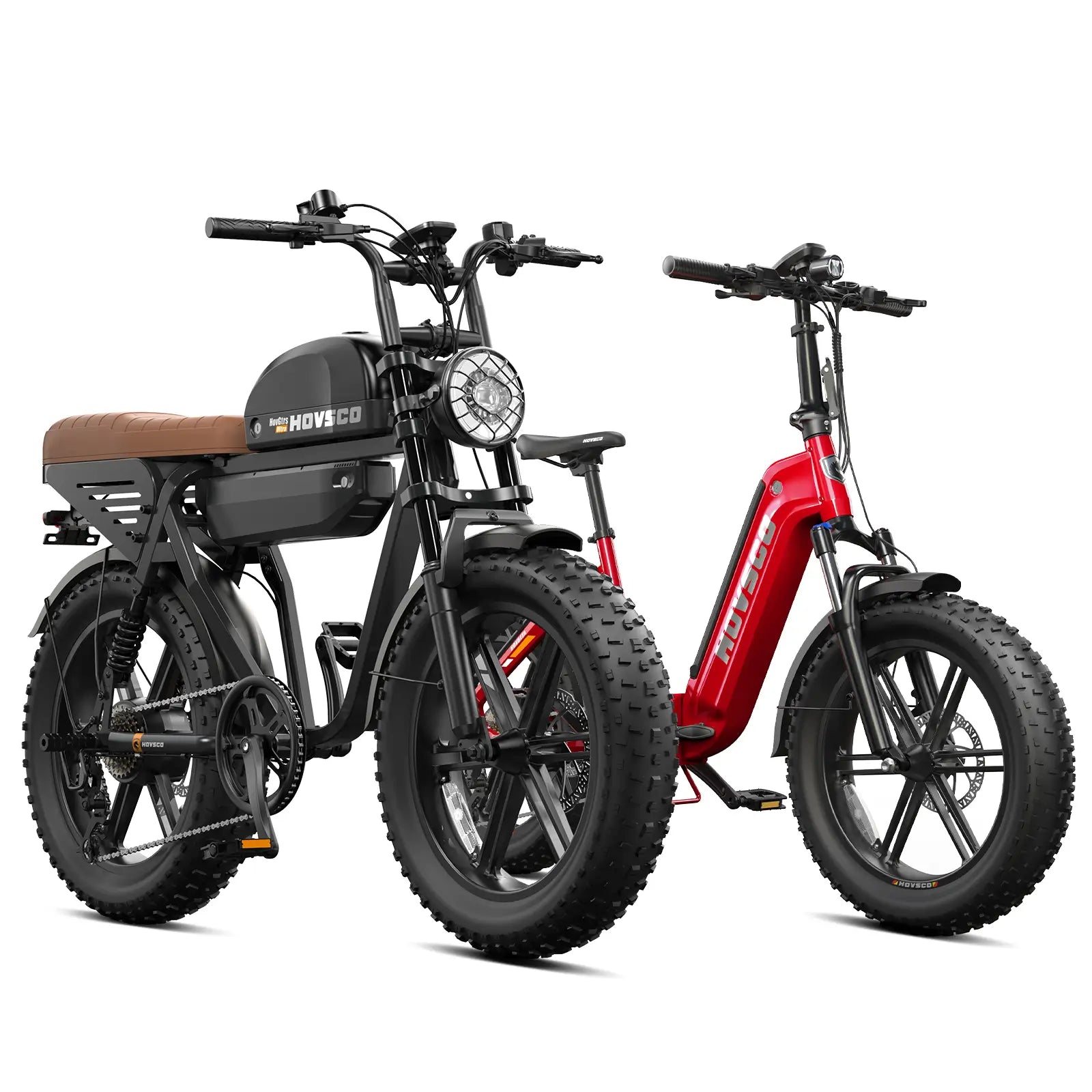
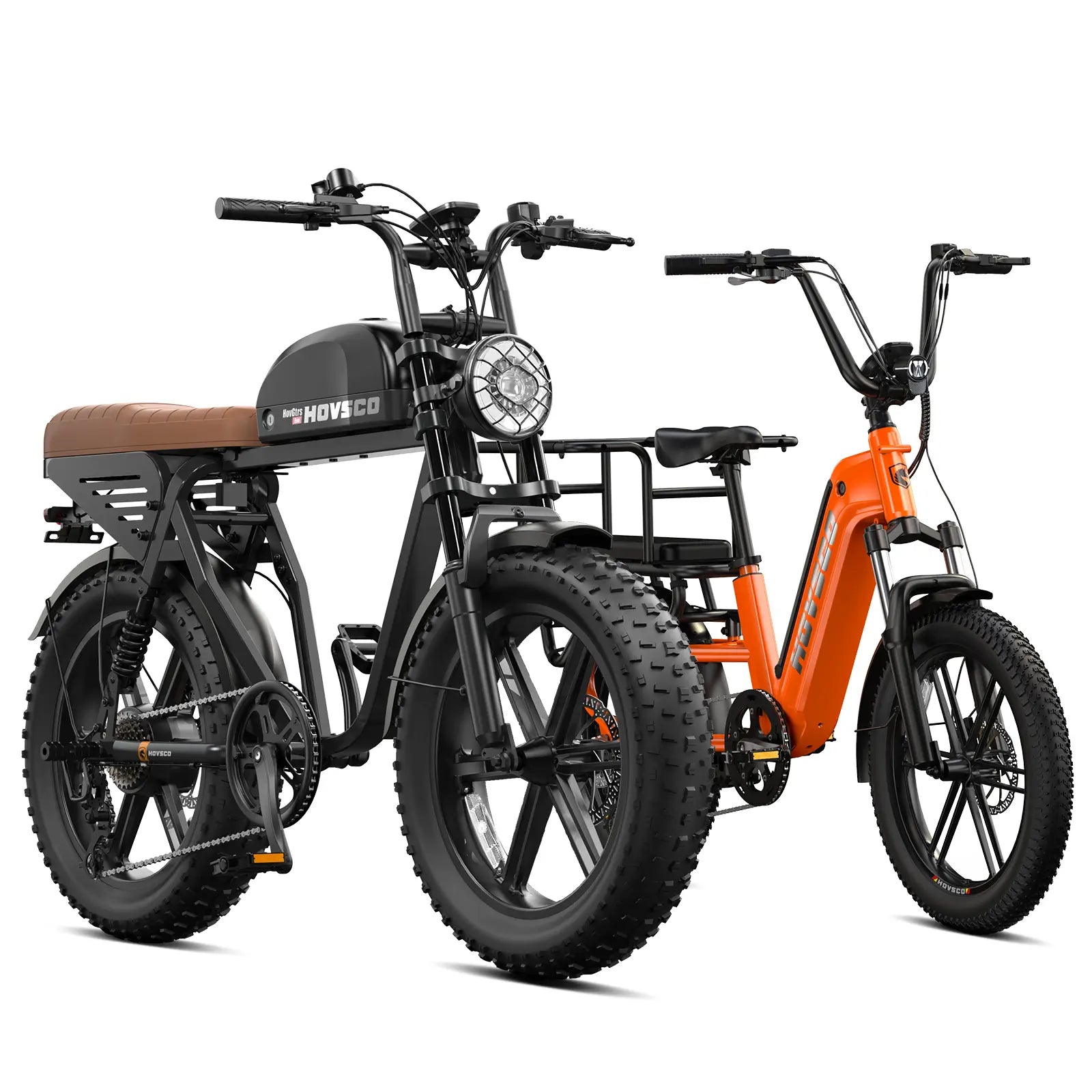
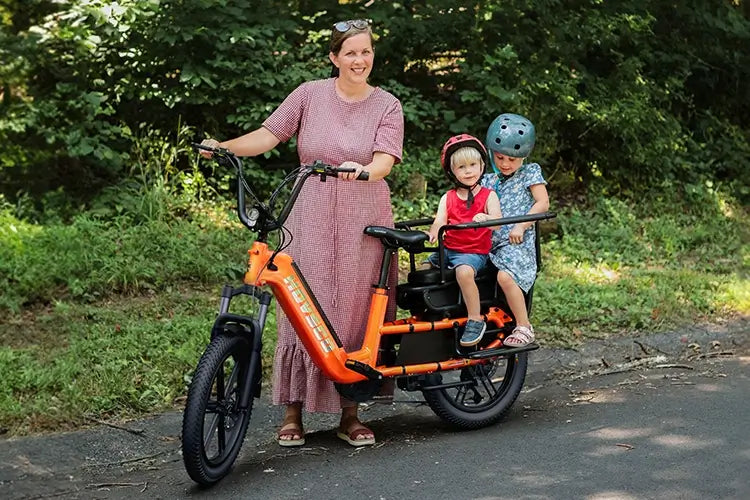
HOVSCO is positioning its cargo e-bike lineup around utility, urban flexibility, and high-capacity everyday use. On its website, the brand highlights cargo-focused electric bikes built for city rides, groceries, school runs, and similar load-carrying scenarios.
That makes the brand relevant to the topic of last-mile delivery solutions, especially for businesses that need a vehicle smaller than a van but more capable than a standard commuter e-bike. HOVSCO’s cargo-oriented positioning also fits the current demand for practical fleet electrification without the capital burden of large vehicle replacement.
Last-mile delivery solutions are the systems, vehicles, and workflows used to move goods from a nearby hub, store, or depot to the customer’s final address.
In practical terms, this includes route planning, vehicle selection, load handling, charging or fueling, and the ability to deliver quickly in congested areas. In 2026, the strongest solutions are usually the ones that balance speed, operating cost, and urban access rather than focusing on only one factor.
Dense urban delivery creates friction at nearly every step. Vehicles lose time in traffic, drivers waste minutes looking for legal stopping space, and delivery windows become harder to protect as cities grow more crowded.
Traditional vans still make sense for longer routes and heavier consolidated loads, but they are often inefficient for short, frequent-drop urban missions. When each stop is close together, the real bottleneck is not highway speed. It is parking, congestion, curb access, and repeated start-stop motion.
Cost pressure adds another layer. Fuel volatility, maintenance, insurance, and parking fines can quickly turn “small” local routes into expensive operations. For restaurants, grocery stores, and local courier businesses, those costs are difficult to absorb without raising prices or shrinking service areas.
Sustainability pressure matters too. More operators now need delivery models that reduce emissions and align with city policies, customer expectations, and internal ESG goals. That creates demand for equipment that is practical first, and greener as an additional benefit rather than a tradeoff.
In urban freight research, light electric freight vehicles such as e-bikes have shown the potential to cut operating costs dramatically while also reducing greenhouse gas emissions versus fuel-based delivery vehicles.
Cargo-first utility
HOVSCO’s cargo bikes are presented as heavy-duty utility e-bikes rather than simple recreational products. That matters because last-mile delivery solutions need platforms designed around carrying loads reliably, not just adding a basket to a standard frame.
Longer daily usability
The brand also emphasizes long battery life and practical charging support. For delivery use, that matters less as a headline spec and more as an operational benefit: fewer interruptions, more predictable shift planning, and less downtime between route blocks.
Accessory and setup flexibility
A useful delivery platform needs more than a motor and battery. It needs racks, baskets, and mounting options that let one base vehicle support groceries, parcels, food orders, or mixed utility tasks. HOVSCO’s broader ecosystem helps make that adaptation more realistic.
A neighborhood grocer uses a cargo e-bike for same-day deliveries within a compact service radius, reducing short van trips and improving stop efficiency.
A restaurant group assigns cargo e-bikes to lunch-hour delivery zones where parking delays used to disrupt order timing.
A local courier company uses cargo e-bikes for downtown documents and parcels while keeping vans for suburban overflow routes.
A strong blog article on this topic should not oversell a single product. It should show how a broader brand ecosystem supports different delivery and support roles.
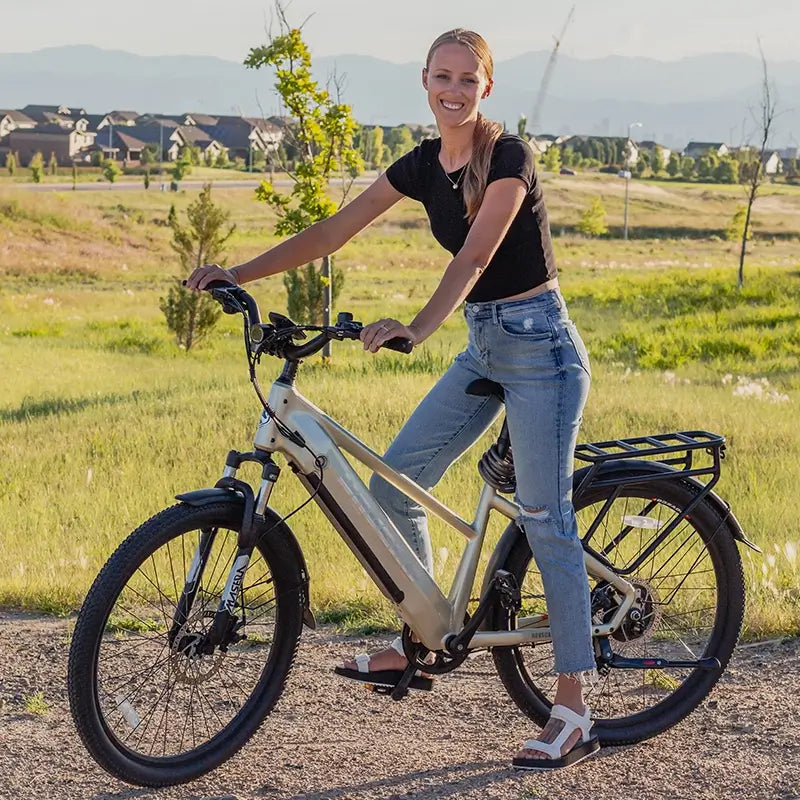
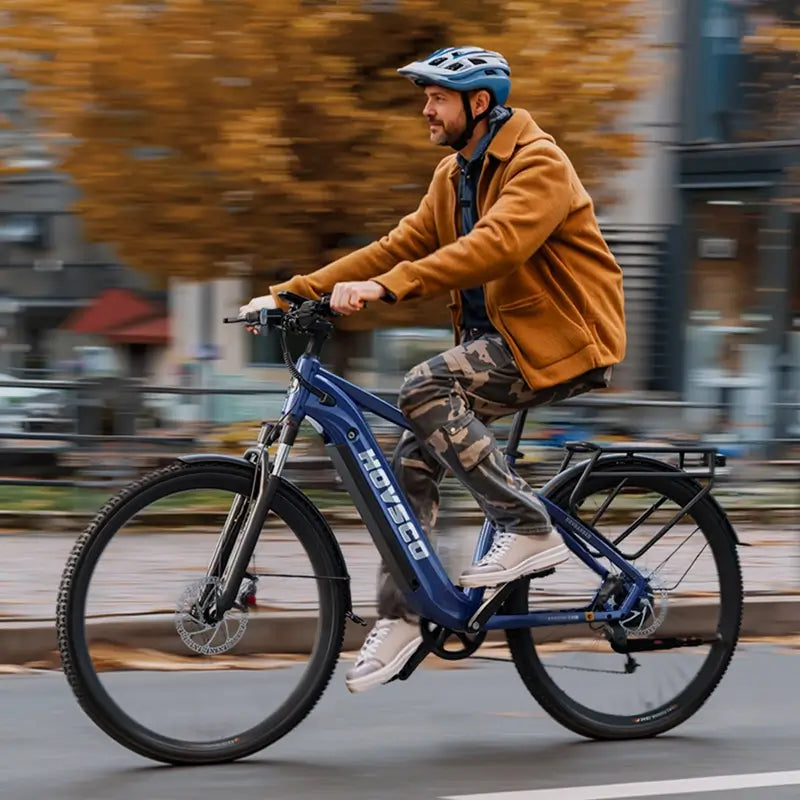
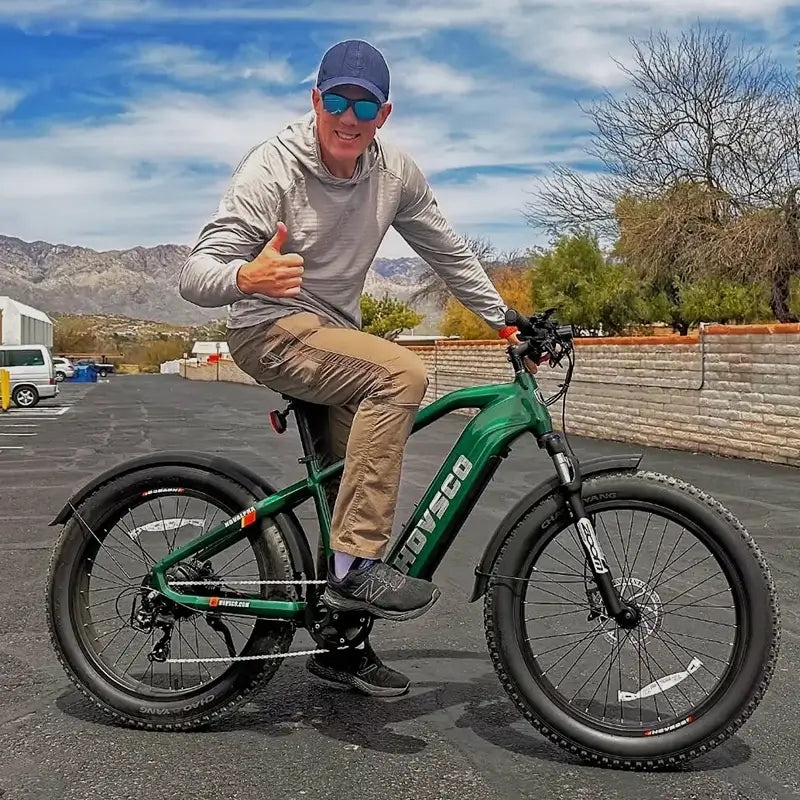
For example, HOVSCO’s cargo collection can anchor the core last-mile narrative, while its wider model lineup can serve lighter-duty mobility needs such as rider repositioning, service support, or low-load neighborhood errands. Useful internal links for that structure include the main cargo-focused pages, the broader collections section, and the brand’s shop-by-models catalog.
Within the article body, natural internal links can point readers to HOVSCO Collections, Shop by Models, About HOVSCO, and the brand’s cargo-bike related content on the site.
Audit current delivery zones and isolate the neighborhoods where congestion and parking create the biggest delays.
Separate routes by delivery density, distance, and average load size rather than treating all local deliveries the same.
Identify which routes can move from van-based fulfillment to cargo e-bike fulfillment without harming service quality.
Choose a cargo configuration that matches the business type, such as parcel storage, insulated food carry systems, or mixed utility baskets.
Build a simple charging and rider handoff routine so bikes remain available across lunch, afternoon, and evening demand peaks.
Track results by stop count, on-time delivery rate, operating cost per route, and customer satisfaction over the first pilot period.
Scenario 1: Food delivery platform
Traditional approach: Cars or scooters handle short urban orders, but parking friction and inconsistent route timing create delays during peak meal windows.
With HOVSCO: Cargo e-bikes can serve compact delivery zones more smoothly, especially where riders need quick curb access and frequent stop-start movement.
Scenario 2: Local grocery and specialty retail
Traditional approach: Small stores rely on staff cars or part-time van access, which works but adds cost and makes same-day local delivery harder to scale.
With HOVSCO: A cargo e-bike gives the business a dedicated local-delivery vehicle that is easier to dispatch for short orders and repeat neighborhood runs.
Scenario 3: Small courier company
Traditional approach: Vans cover every route, even when downtown jobs involve lightweight parcels and repeated short drops.
With HOVSCO: The company can reserve vans for heavier or longer jobs while assigning cargo e-bikes to city-center routes that reward maneuverability over raw capacity.
What are the best last-mile delivery solutions for dense city routes?
For dense urban areas, the best last-mile delivery solutions are usually the ones that minimize parking delays and improve stop efficiency. That is why cargo e-bikes are gaining traction for short, high-frequency local delivery work.
Are cargo e-bikes suitable for food delivery platforms?
Yes, especially in compact service areas with many short trips. They can help food platforms reduce delay caused by parking and improve movement through congested downtown zones.
How do electric cargo bikes compare with vans for local delivery?
Vans still win on total load volume and route range. Cargo e-bikes often win on short urban runs where access, stopping convenience, and route density matter more than maximum carrying capacity.
Can small courier businesses use cargo bikes realistically?
Yes. For many smaller local operators, cargo bikes are most useful as part of a mixed fleet model rather than a total replacement strategy. They work especially well for downtown parcel drops, documents, and lightweight neighborhood fulfillment.
What should businesses look for in cargo e-bikes for last-mile delivery solutions?
They should focus on frame utility, cargo setup options, battery practicality, charging workflow, and whether the vehicle is actually designed for load-carrying use. A delivery bike should be judged as an operating asset, not as a lifestyle product.
Why is HOVSCO relevant to this topic?
Because the brand’s site already positions its cargo e-bikes around real utility scenarios such as city carrying, groceries, and everyday load transport. That makes it a credible brand to feature in a content strategy focused on last-mile delivery solutions.
Last-mile delivery solutions are no longer just about moving goods faster. They are about choosing the right vehicle for the right route, protecting margins, and adapting to the realities of modern cities.
For many businesses, electric cargo bikes now represent the most practical upgrade path for short urban delivery. HOVSCO fits naturally into that conversation by offering cargo-oriented e-bikes that align with utility, flexibility, and lower-friction city movement.
Explore HOVSCO’s cargo e-bike lineup to see how a more agile delivery model can support urban fulfillment, food delivery, and local courier operations. HOVSCO is an electric mobility brand focused on practical e-bikes designed for everyday utility, cargo carrying, and modern city travel.
HOVSCO — Homepage
HOVSCO — Collections
HOVSCO — Shop by Models
HOVSCO — About Us
HOVSCO — HOVSCO E-Bike Accelerated Charger
Strategic Market Research — Electric Cargo Bikes Market 2026
Research and Markets — Electric Cargo Bike Market Report 2024
ScienceDirect — Characterization of Urban Distribution Networks with Light Electric Freight Vehicles
Share:
Electric Scooter Innovations: How HOVSCO Supports Smarter Urban Mobility
E-Bike Regulatory Landscape: How Compliance Helps Riders Buy Smarter