
























![[ New Arrival ] Porto Max Electric Scooter For Commute & Grocery Shopping - HOVSCO](http://www.hovsco.com/cdn/shop/files/PotroMax-3.jpg?v=1706927007&width=1200)
- by SteveJames
Electric Scooter Innovations: How HOVSCO Supports Smarter Urban Mobility
- by SteveJames
E-Bikes
Accessories
 Free Shipping
 15-Day Returns
 2-Year Warranty
Free Shipping
15-Day Returns
2-Year Warranty
2-Year Warranty
Free Shipping
15-Day Returns
2-Year Warranty
Electric Scooter Innovations are reshaping urban commuting with smarter, cleaner, more flexible transport. Explore trends, rider pain points, and how HOVSCO fits modern city mobility.
Electric Scooter Innovations are moving from trend to everyday transportation as cities push for cleaner travel, lower congestion, and more efficient short-distance commuting. Market forecasts and mobility research continue to point toward strong long-term demand for personal electric transport, especially among urban riders looking for flexible alternatives to cars and inconsistent public transit.
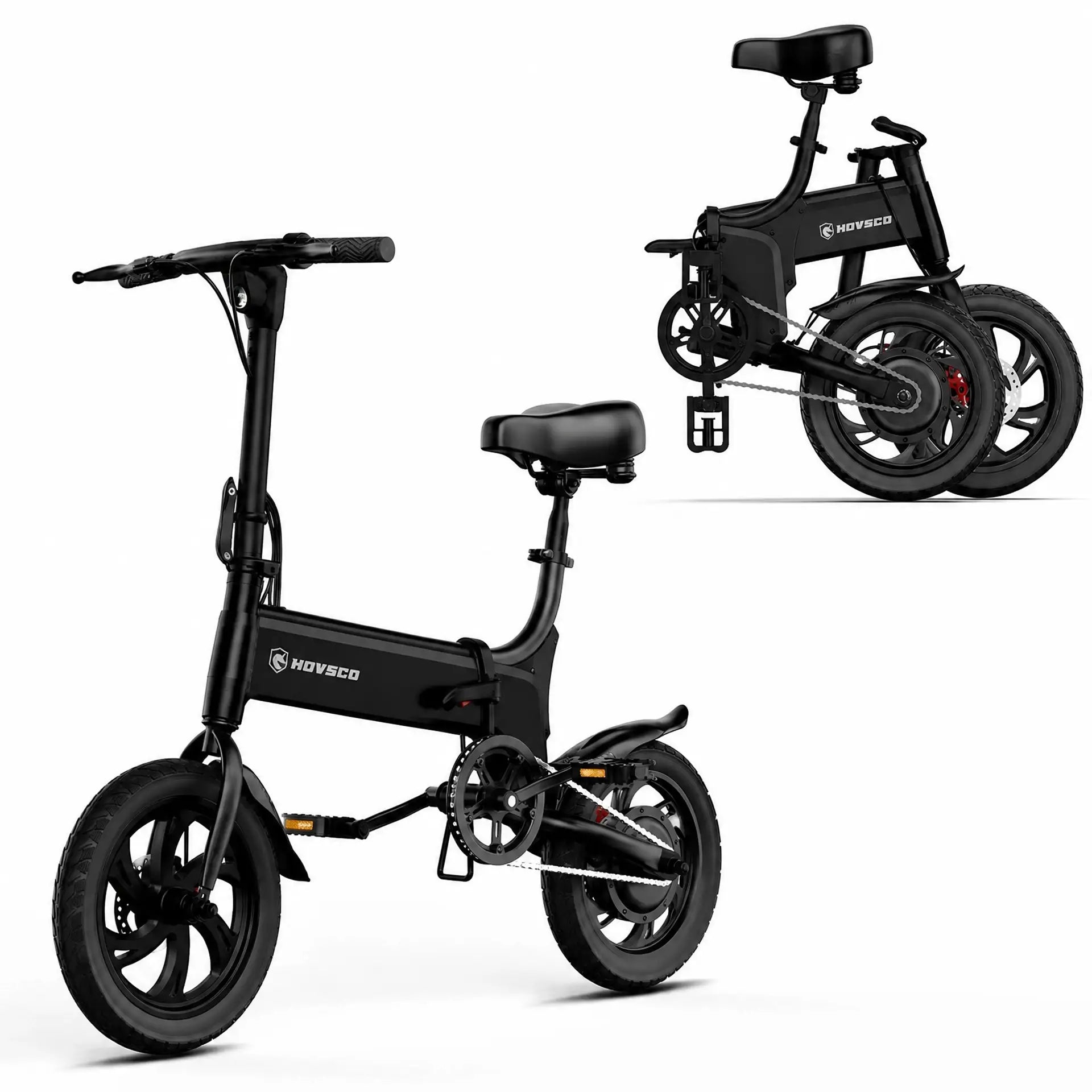
Within that shift, HOVSCO has built a broader electric mobility presence that includes folding scooters, compact commuting options, and utility-focused electric bikes. Rather than framing scooters as a standalone gadget, the brand positions them as part of a practical mobility ecosystem for commuting, errands, and mixed-mode travel.
Electric Scooter Innovations refers to the evolving technologies, design improvements, and rider-focused features that make electric scooters safer, more useful, more portable, and better suited to real urban transportation. It includes advancements in battery systems, folding frames, braking, ride comfort, and day-to-day usability.
City travel has become more complicated over the past few years. Short trips that should be easy often turn into frustrating, expensive routines because of traffic, parking shortages, delayed buses, and rising ownership costs.
For many people, the real issue is not distance but inefficiency. A five-mile commute can involve waiting, transfers, parking stress, and unnecessary walking, especially when the last segment between transit and destination is poorly served.
At the same time, many riders want a cleaner option without sacrificing convenience. They are looking for transportation that feels easier to own, easier to store, and easier to use several times a day.
That is exactly where electric scooter innovations have become more relevant. The category is no longer only about novelty or recreation. It is increasingly about replacing friction with flexibility.
Urban riders usually do not begin by searching for innovation itself. They begin by trying to solve recurring daily pain points that make traditional travel feel wasteful.
One of the biggest pain points is unpredictability. Cars can be fast one day and painfully slow the next, while buses and trains often do not cover the entire route a commuter actually needs. Riders want something that gives them more control over time, especially for short city trips.
Another issue is cost creep. Fuel, parking, maintenance, and insurance can quietly turn simple commuting into an expensive habit. Even for people who already own a car, it often makes little sense to use it for every local errand or short work trip.
Storage is also a real-world obstacle. Many urban residents live in apartments, share garages, or need to bring mobility devices indoors. If a vehicle is too bulky, too heavy, or too awkward to fold, it becomes less useful no matter how good the specs look on paper.
Finally, trust remains a major concern. Riders do not just want speed. They want braking confidence, stable construction, practical range, and a setup that feels dependable on imperfect roads. That demand is pushing the entire category toward smarter, more mature product design.
Electric scooters are increasingly being adopted as everyday mobility tools because they address the exact problems many urban riders face most often: short-distance inefficiency, cost pressure, and limited parking.
Smarter battery expectations
Riders increasingly care less about headline numbers alone and more about whether a scooter can realistically support a week of normal city use. Practical range, reliable charging, and consistent performance matter more than exaggerated claims.
Efficient urban power delivery
Modern electric scooter innovations focus on usable acceleration rather than raw speed. That matters in city riding, where stop-and-go traffic, intersections, and moderate inclines define the real experience.
A better ownership rhythm
As battery and charging systems improve, scooters become easier to fit into a repeatable routine. Riders want something they can charge, store, and ride again without the ownership friction associated with larger vehicles.
Portability matters in real life
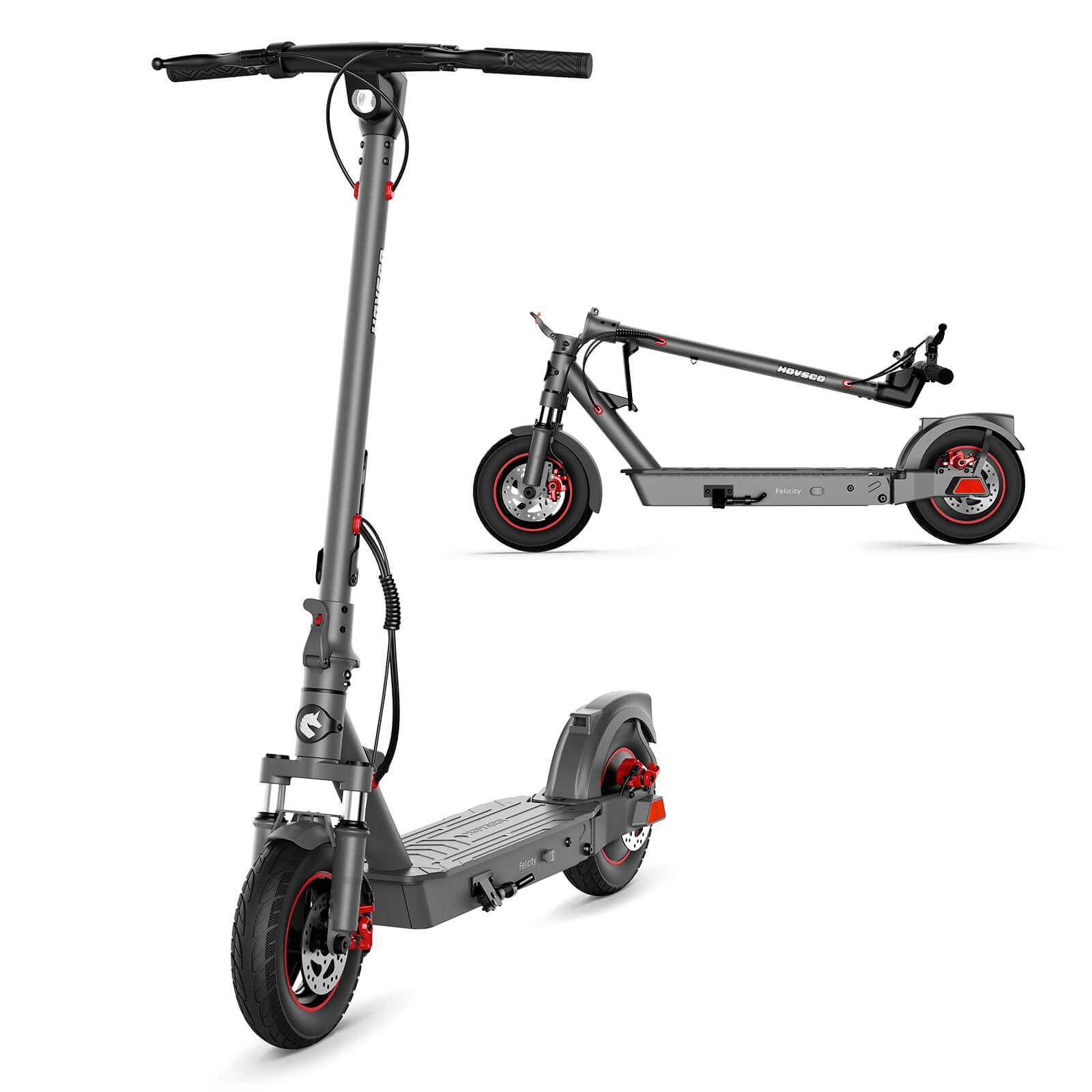
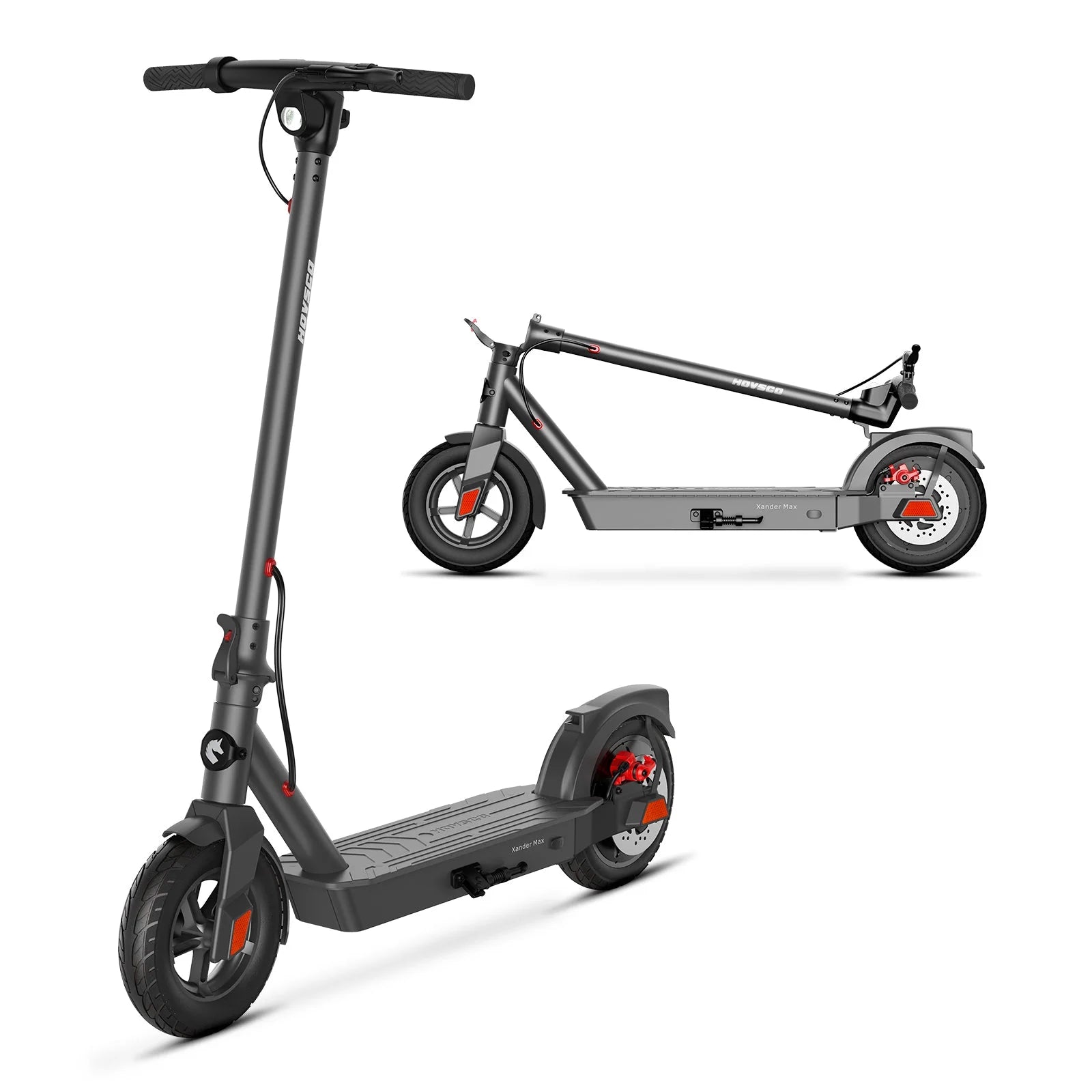
A scooter that folds quickly is easier to bring into an office, apartment, classroom building, or transit connection. That simple convenience often matters more than flashy design language.
Storage influences purchase decisions
Many commuters reject useful vehicles because they cannot store them comfortably. Folding electric scooters reduce this barrier and open the category to people with limited space.
Mixed-mode travel becomes easier
When riders combine scooters with trains, buses, or car trunks, portability becomes a force multiplier. It turns a vehicle from a single-mode option into a flexible mobility tool.
Ride confidence is essential
As the market matures, riders expect stronger braking, better lighting, and more stable construction. Trust in the ride is one of the biggest differences between a product that gets used every day and one that stays in storage.
Comfort affects adoption
Even a short commute becomes tiring when road vibration, poor geometry, or unstable handling are part of the experience. Comfort is not a luxury feature in urban mobility; it directly affects how often people ride.
Innovation is becoming more practical
The most useful electric scooter innovations are not always the flashiest. They are the features that quietly make a commute smoother, safer, and less mentally demanding.
A commuter folds a scooter at the office entrance instead of circling for parking.
A student bridges the gap between a train stop and campus without adding another app, fare, or wait.
A neighborhood errand run becomes a simple 15-minute trip instead of a full car-based routine.
HOVSCO’s advantage is not only that it offers scooters. It also serves riders whose needs change depending on the day, the cargo load, or the purpose of the trip.
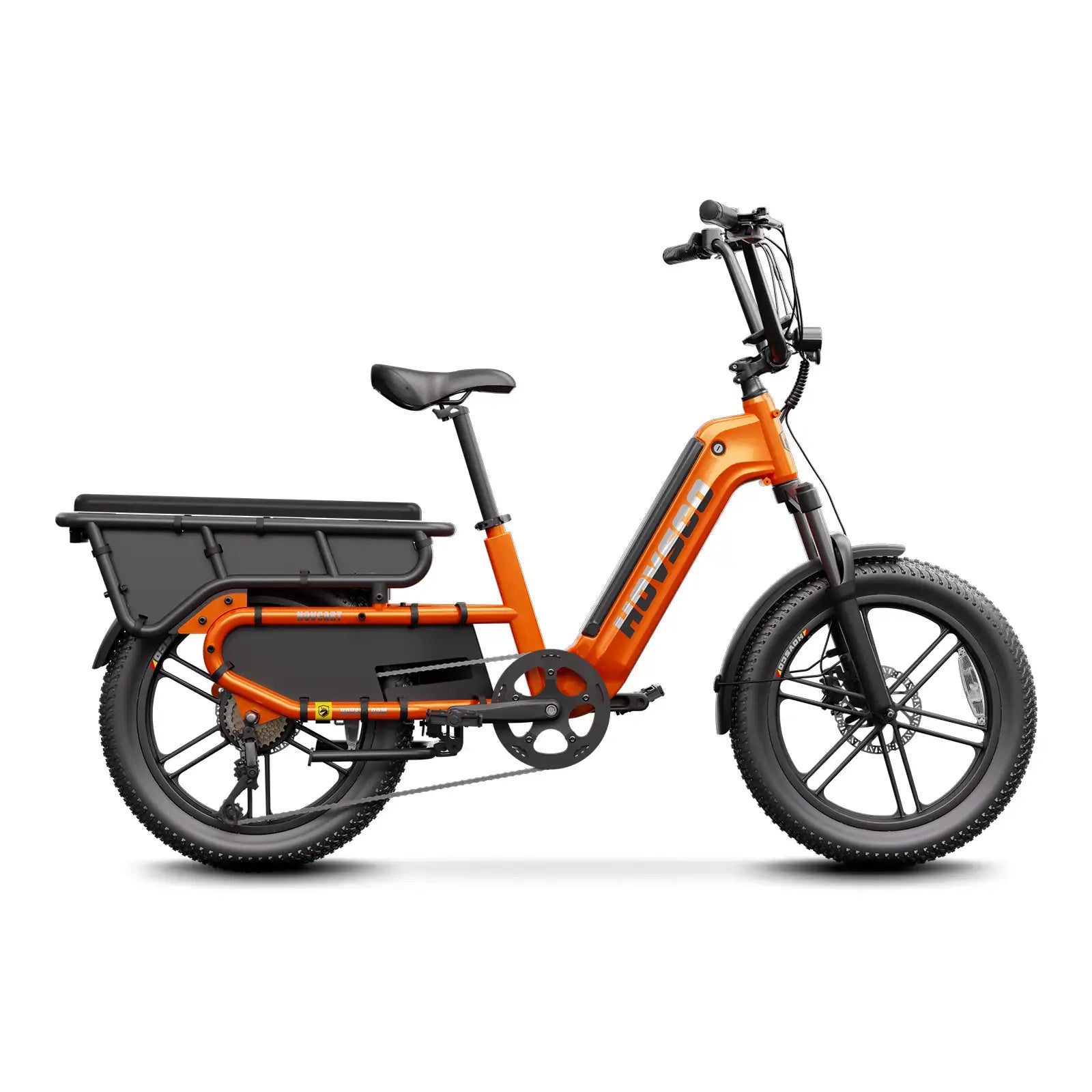
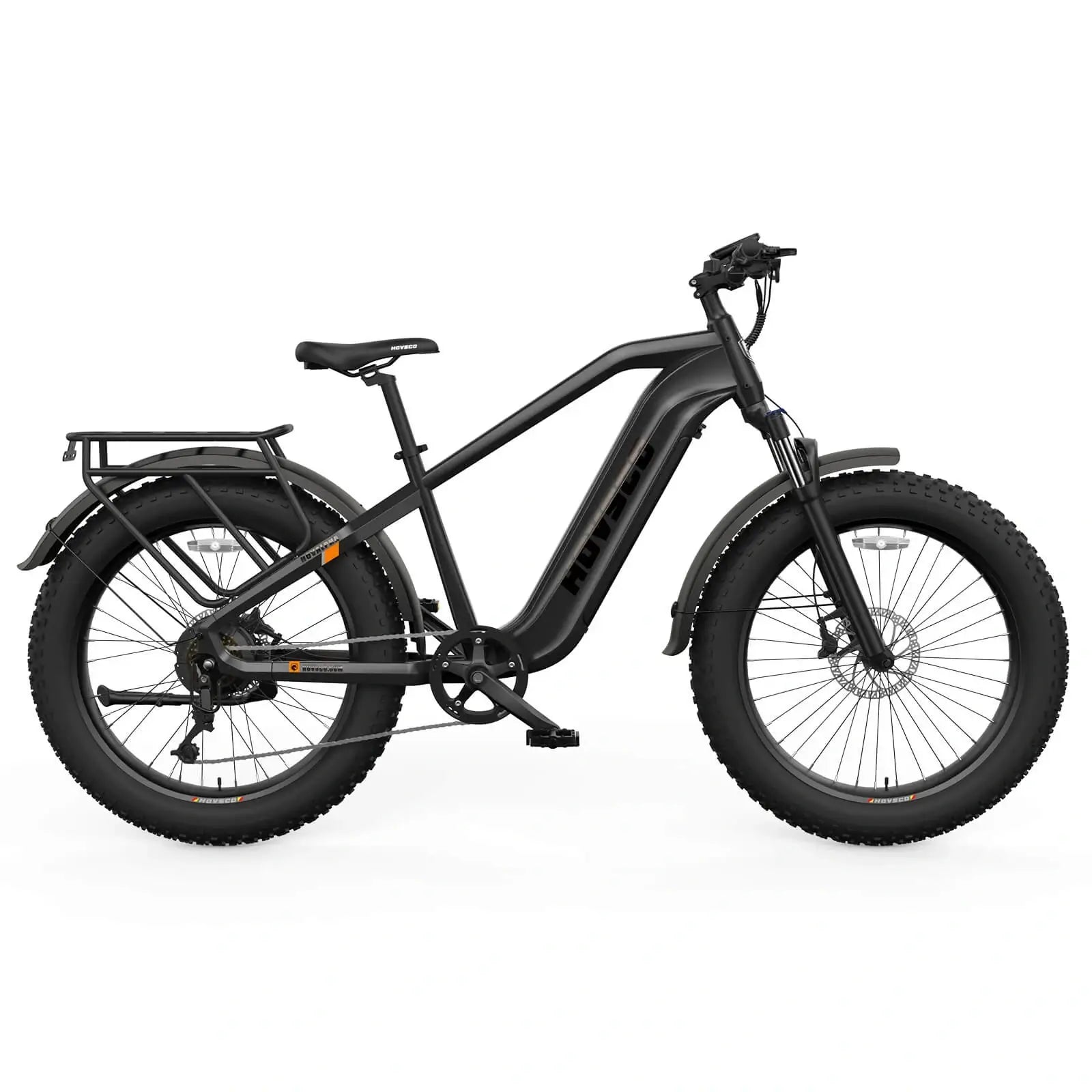
Someone who uses a scooter for solo commuting may also need a larger option for weekend shopping or longer rides. In that case, HOVSCO’s broader lineup makes cross-shopping easier because the brand also features commuter-oriented e-bikes, utility models, and cargo-focused platforms.
A practical internal-link strategy for this article would naturally point readers toward the brand’s Electric Scooter Collection, Shop by Models, Collections, and About Us pages. That helps readers understand the scooter category in the context of a larger mobility system rather than as a one-off purchase.
Start with the actual route, not the product page. Think about commute distance, road quality, hills, and whether transit is part of the trip.
Decide how important folding and carryability are. A scooter that is easy to bring indoors may fit daily life better than a model that looks stronger on paper.
Estimate realistic range needs. It is better to choose enough battery for routine use with margin than to shop only by ideal test conditions.
Focus on safety features early. Braking feel, lighting, stability, and ride confidence should not be afterthoughts.
Consider where the scooter will live. Storage at home and at work is often what determines whether a device becomes a daily habit.
Think beyond one trip type. The best choice is usually the one that works across commuting, errands, and occasional mixed-mode travel.
Scenario
A city commuter needs a reliable way to cover several short urban miles each day without paying for parking or depending entirely on transit schedules.
Traditional approach
The rider drives into traffic, searches for parking, and still walks part of the route. Even when the distance is not far, the process feels inefficient and expensive.
With HOVSCO
A folding scooter or compact electric mobility option creates a faster, more direct routine. The rider gains flexibility, stores the vehicle more easily, and avoids turning a short commute into a drawn-out daily chore.
Scenario
A parent handles school drop-offs, grocery pickups, and neighborhood errands throughout the week, often on routes that are too short to justify constant car use but too inconvenient to walk.
Traditional approach
The family relies on multiple short car trips, dealing with seat loading, parking, fuel use, and stop-and-go traffic for tasks that are geographically close but operationally repetitive.
With HOVSCO
The brand’s scooter-and-e-bike ecosystem offers more than one mobility answer. A scooter may work for quick solo errands, while a utility or cargo e-bike can support larger loads and family logistics, helping reduce vehicle dependence across the whole week.
Scenario
Some riders do not follow one fixed pattern. They commute on weekdays, meet friends across town, run errands on weekends, and occasionally combine mobility with rail or car travel.
Traditional approach
This person ends up switching between several inconvenient options, none of which feels ideal. The car is bulky, transit is indirect, and walking is too slow for the full route.
With HOVSCO
A folding scooter fits into a more adaptable routine. When paired with the brand’s broader electric bike lineup, it becomes easier to match the vehicle to the day rather than forcing every trip into the same transport mode.
What are electric scooter innovations for urban commuting?
They are the design and technology improvements that make scooters more practical for daily transportation. That includes folding systems, better battery efficiency, more dependable braking, stronger ride stability, and features that reduce everyday inconvenience.
Are folding electric scooters good for commuters?
Yes, especially for people who need to bring a vehicle indoors or combine riding with public transit. Folding convenience is often one of the biggest reasons a scooter fits into daily life better than a larger vehicle.
How do electric scooter innovations help solve last-mile problems?
They make it easier to travel between transit stops, workplaces, homes, and neighborhood destinations without needing a car for very short distances. This is one of the strongest practical use cases for the category.
Is a personal electric scooter better than rental scooters for daily use?
For regular riders, personal ownership can be more convenient because the scooter is available when needed and does not depend on local fleet inventory. It also creates a more predictable daily routine.
How does HOVSCO fit into electric scooter innovations?
HOVSCO fits into the category by offering scooters within a larger electric mobility portfolio. That matters because many riders need more than one transportation solution over time, and the brand supports that broader use pattern.
What long-tail electric scooter innovation trends should shoppers watch?
Shoppers should pay attention to practical range expectations, safer braking systems, portability, ride comfort, and how well a scooter fits mixed-mode commuting. The most valuable innovations are usually the ones that improve real ownership experience rather than just marketing appeal.
Electric Scooter Innovations are becoming more relevant because they solve real urban problems rather than abstract technical ones. Riders want simpler short trips, lower operating friction, easier storage, and more control over how they move through the city. HOVSCO fits this direction well by offering scooters within a wider electric mobility lineup that can also support commuting, errands, and family transport as needs evolve.
Explore HOVSCO to see how folding scooters, commuter-friendly electric options, and utility-focused models can support a more flexible urban routine. As a modern electric mobility brand with scooters, e-bikes, and cargo solutions, HOVSCO is positioned to serve riders who want cleaner and more adaptable everyday transportation.
Grand View Research — Electric Scooters Market 2025
Grand View Research — Global Electric Scooters Outlook 2024–2033
Precedence Research — Electric Scooters Market 2026
Renub Research — Electric Scooter Market 2024–2033
Data Bridge — Global Electric Scooter Market 2024–2032
Mordor Intelligence — Electric Scooters Market 2025
Yahoo Finance / AnalystView — Electric Scooters Market 2026
WiseGuy Reports — Electric Scooter Market 2024–2035
Share:
Battery Recycling for EV: How Smarter E-Bike Choices Support Sustainability in July 2026
Last-Mile Delivery Solutions: Smarter Urban Fulfillment for Faster Local Delivery