Battery recycling for EV is becoming essential as e-mobility grows. Learn the key challenges, practical solutions, and how HOVSCO e-bikes fit into a more responsible battery lifecycle.
Battery Recycling for EV Is Now a Core Mobility Issue
Battery recycling for EV is moving from a technical back-end process to a mainstream transportation priority. Rising demand for lithium-ion batteries, tougher waste rules, and growing pressure on critical mineral supply have made end-of-life battery handling part of the bigger sustainability conversation.
For everyday riders, this matters even beyond cars. Electric bikes also rely on lithium-ion battery systems, and while those packs are smaller than automotive batteries, they still need safe disposal, proper collection, and material recovery when they reach the end of their usable life.
The topic matters more in 2026 because battery recycling capacity is expanding while e-mobility adoption continues to rise. That combination is pushing brands, riders, cities, and recycling programs to think more seriously about the full battery lifecycle rather than only performance at the point of sale.
HOVSCO’s Role in a More Responsible E-Bike Ecosystem
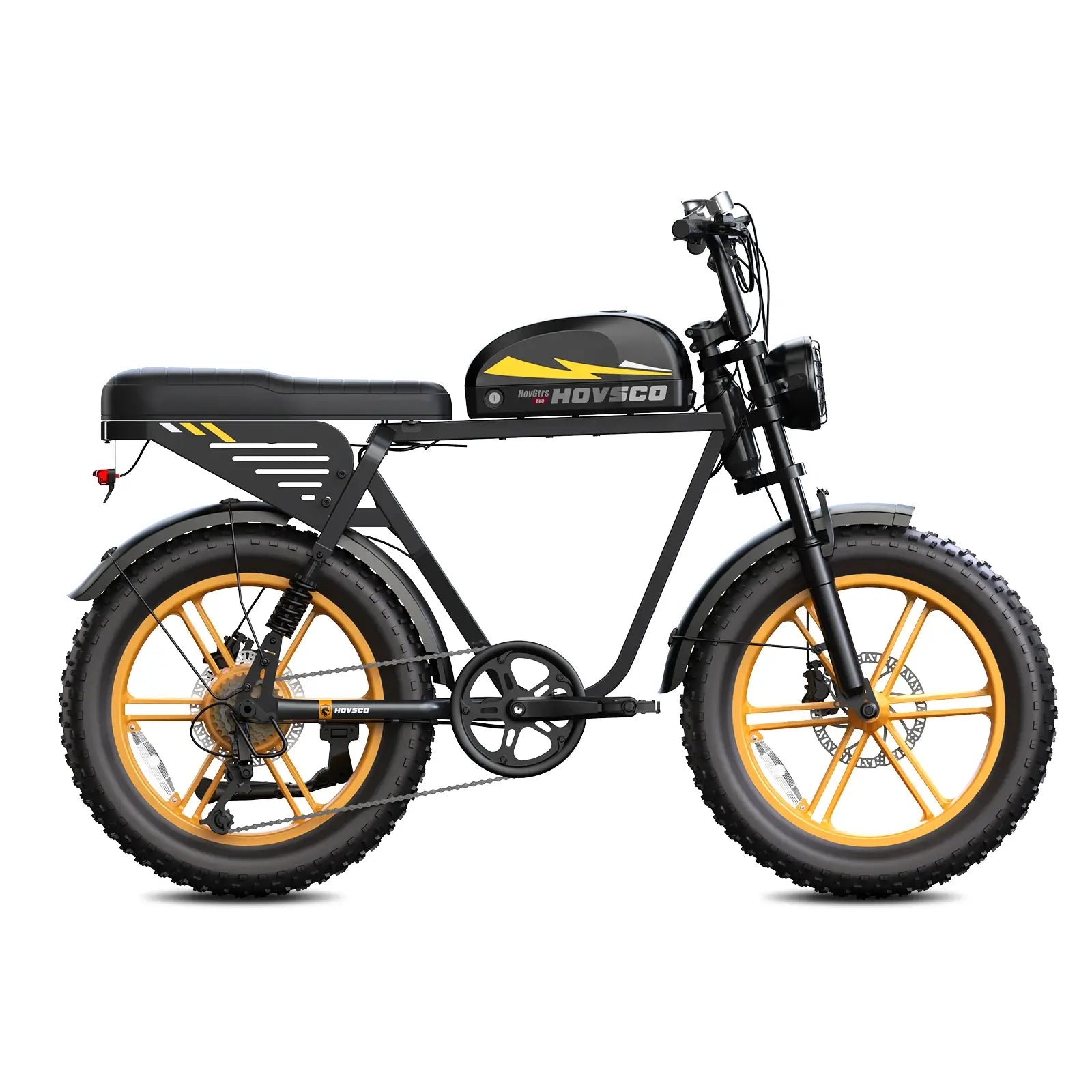
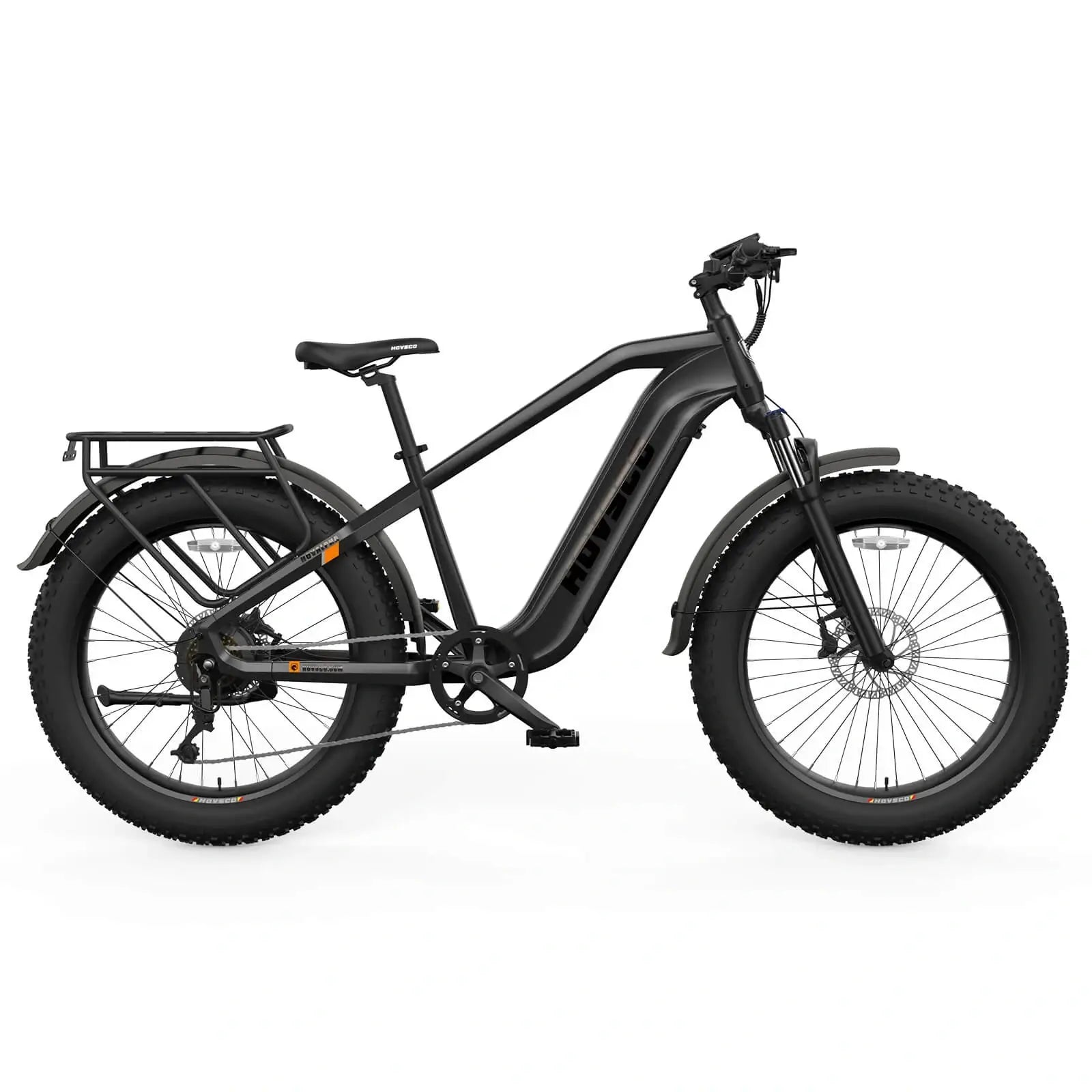
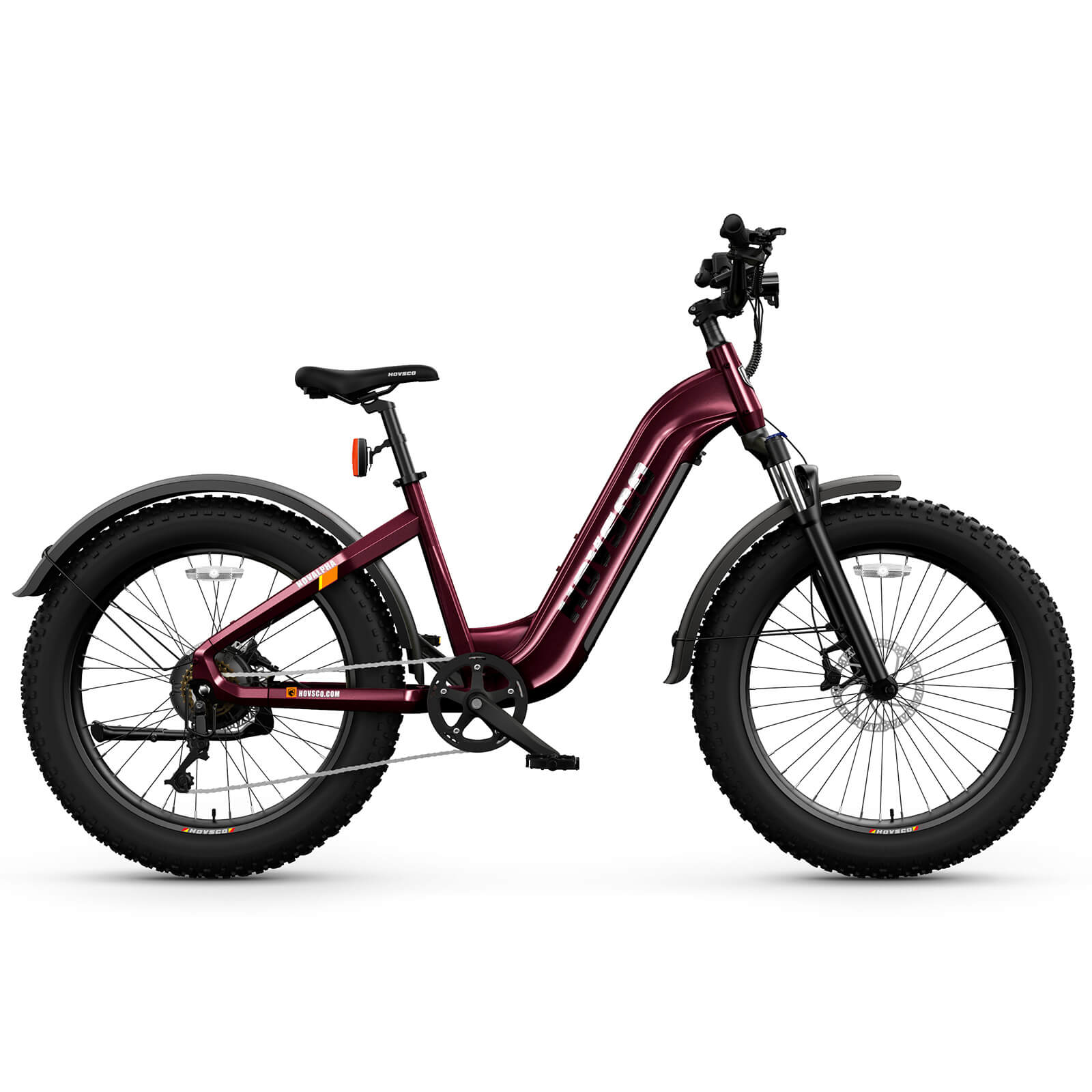
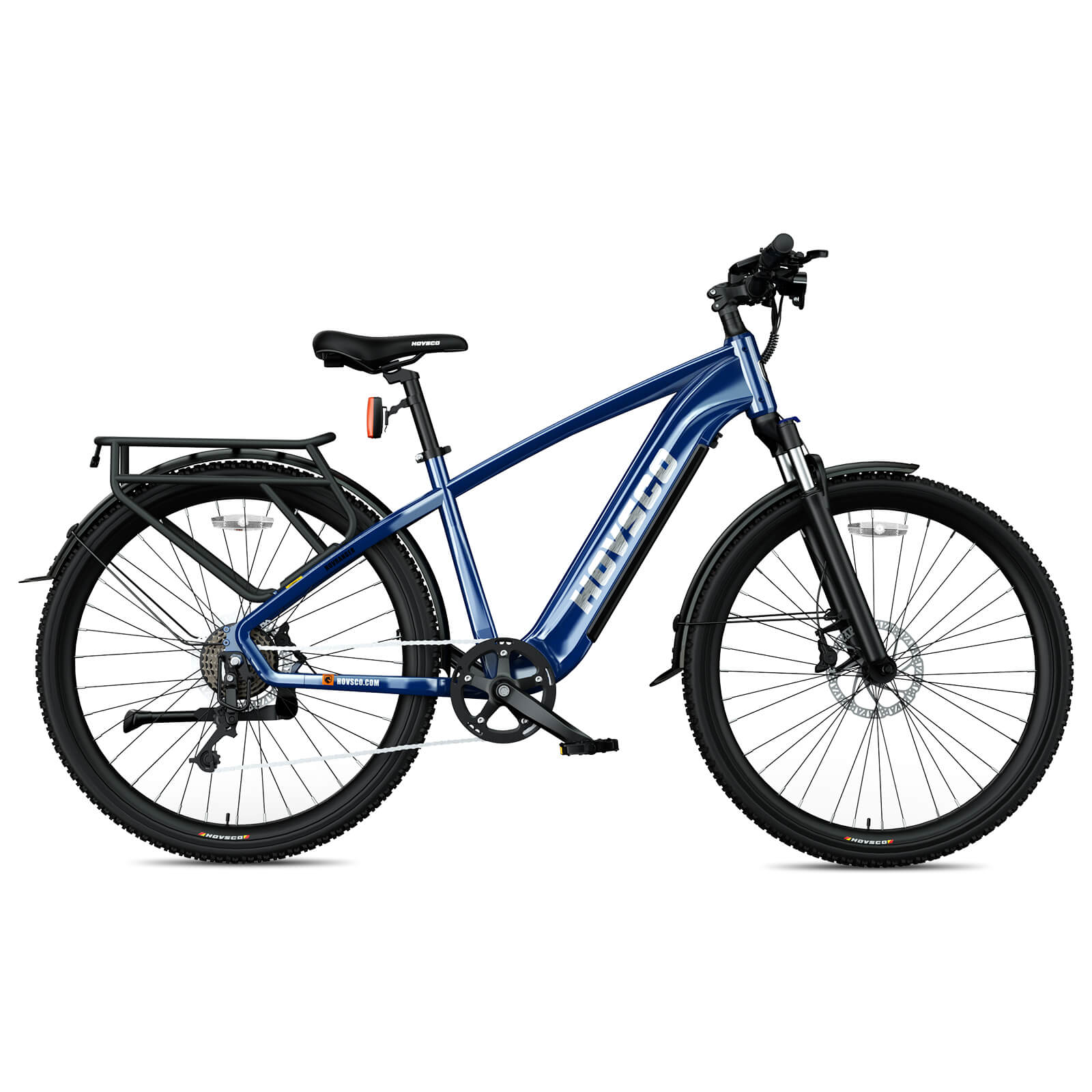
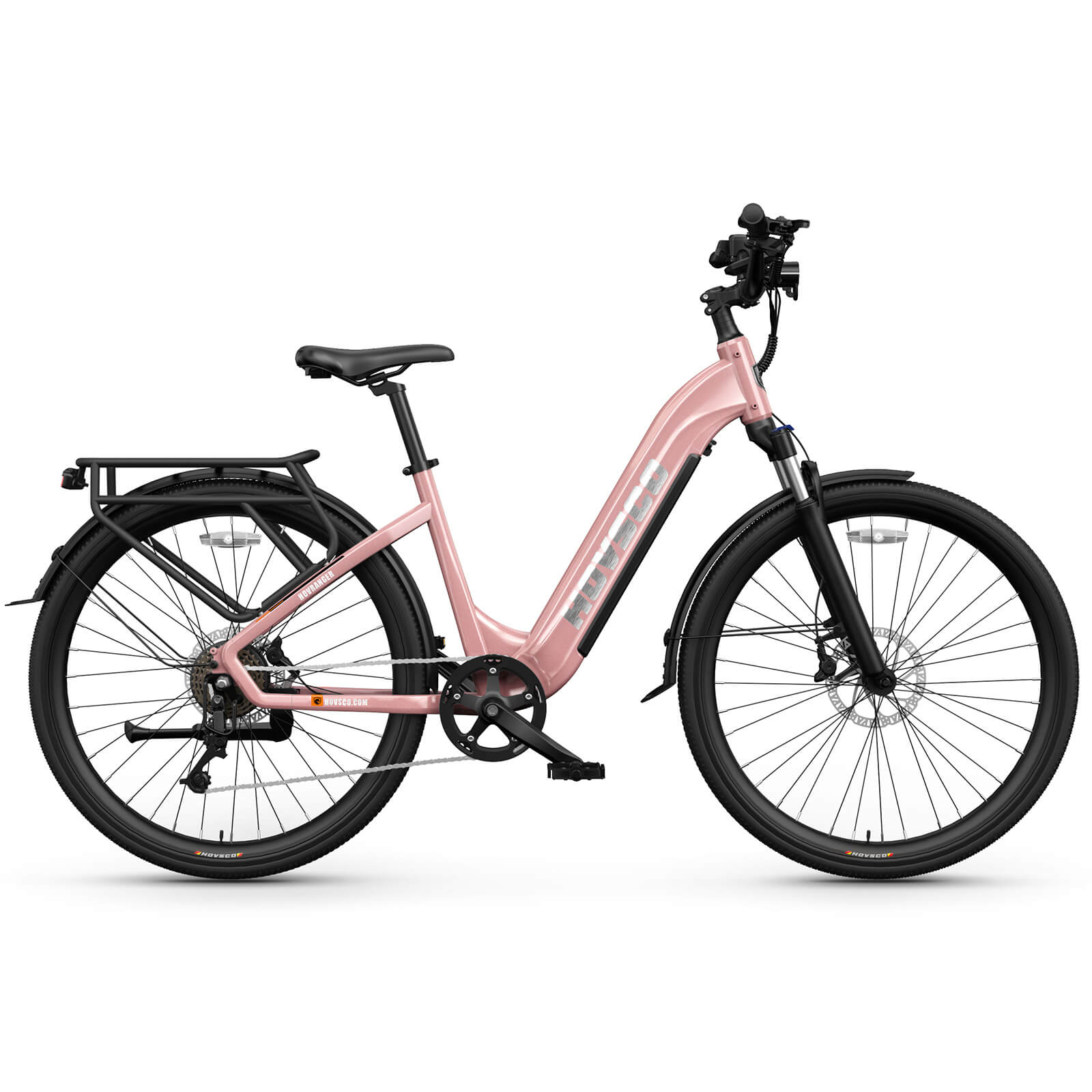
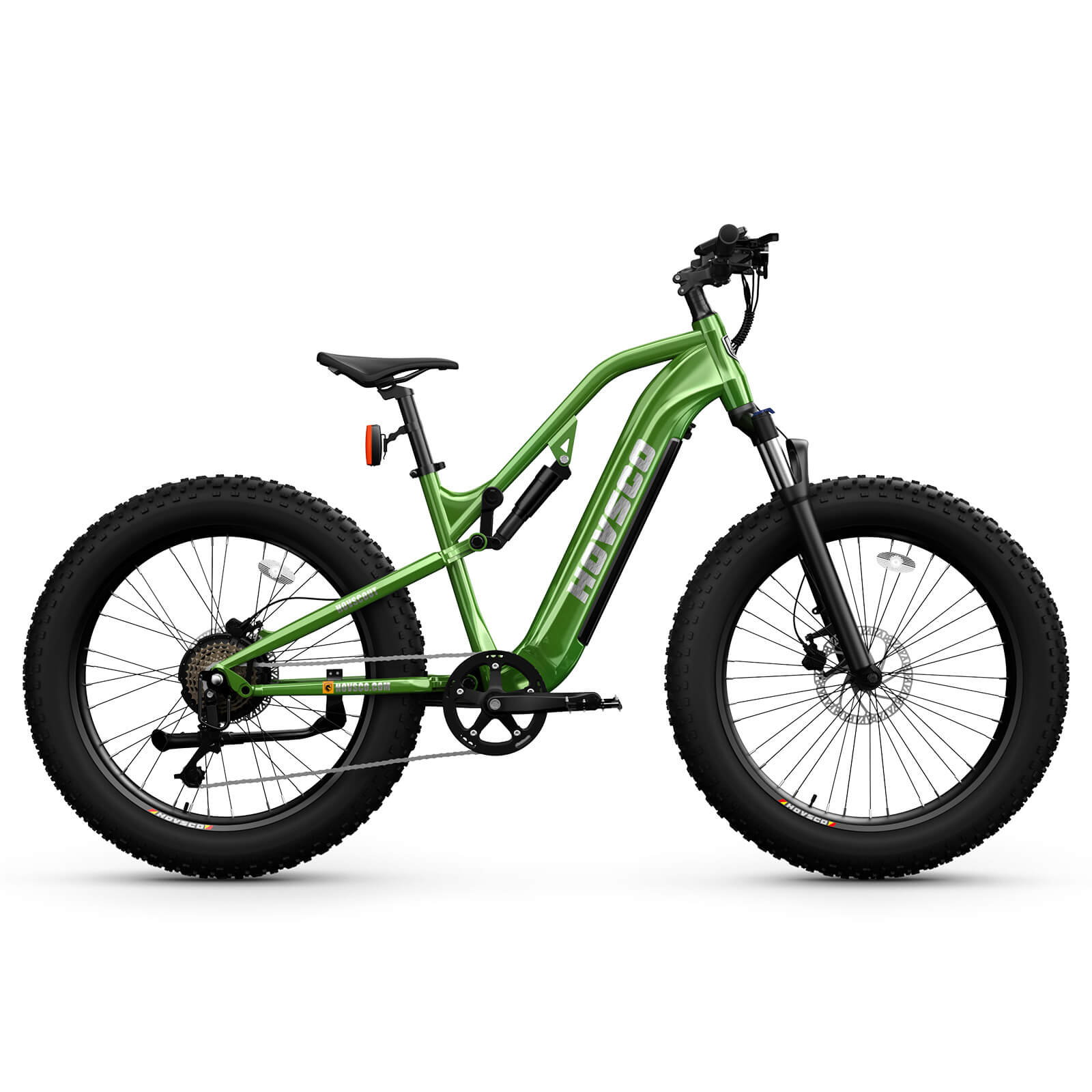
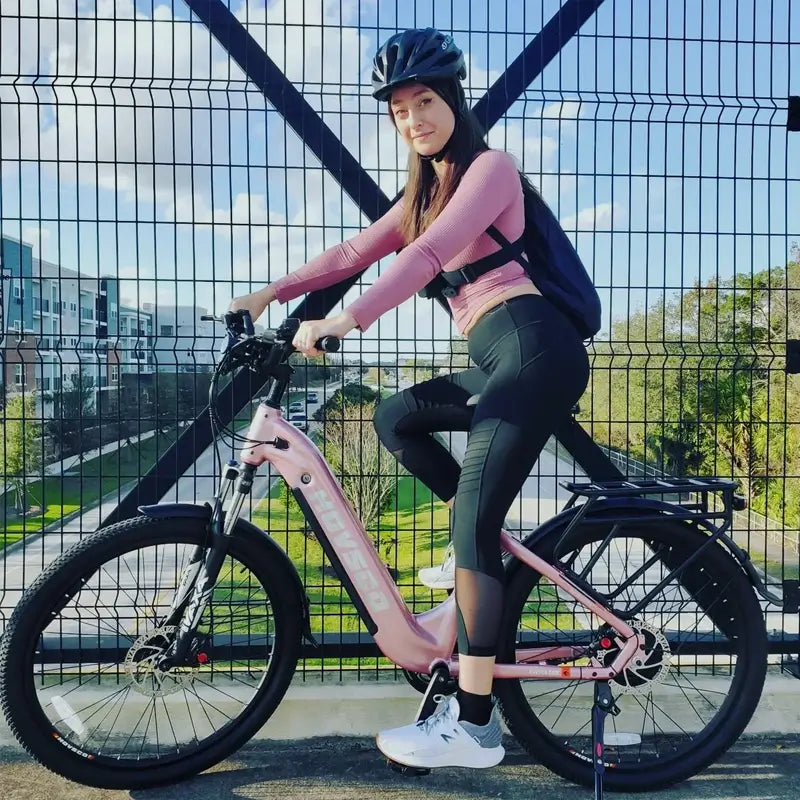
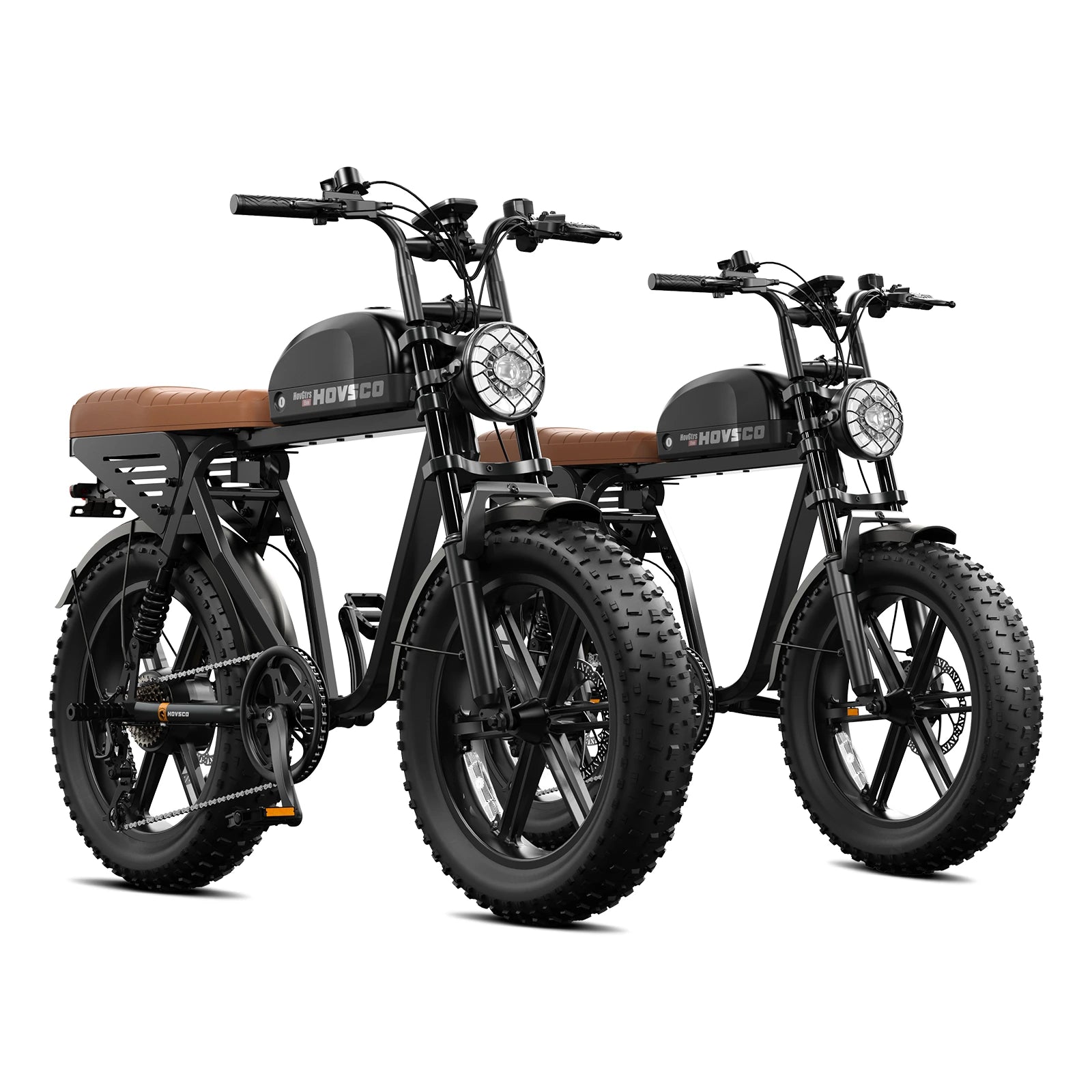
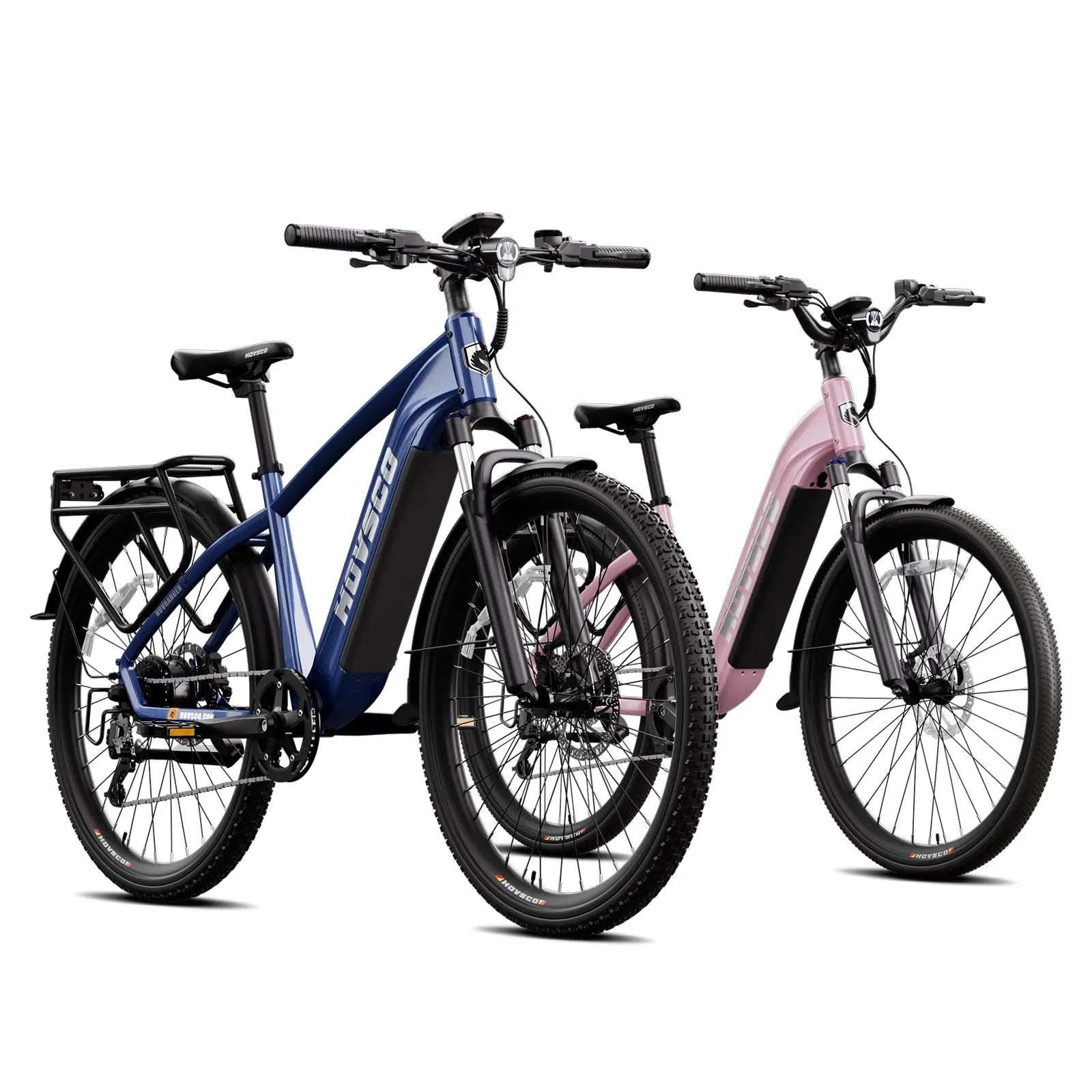
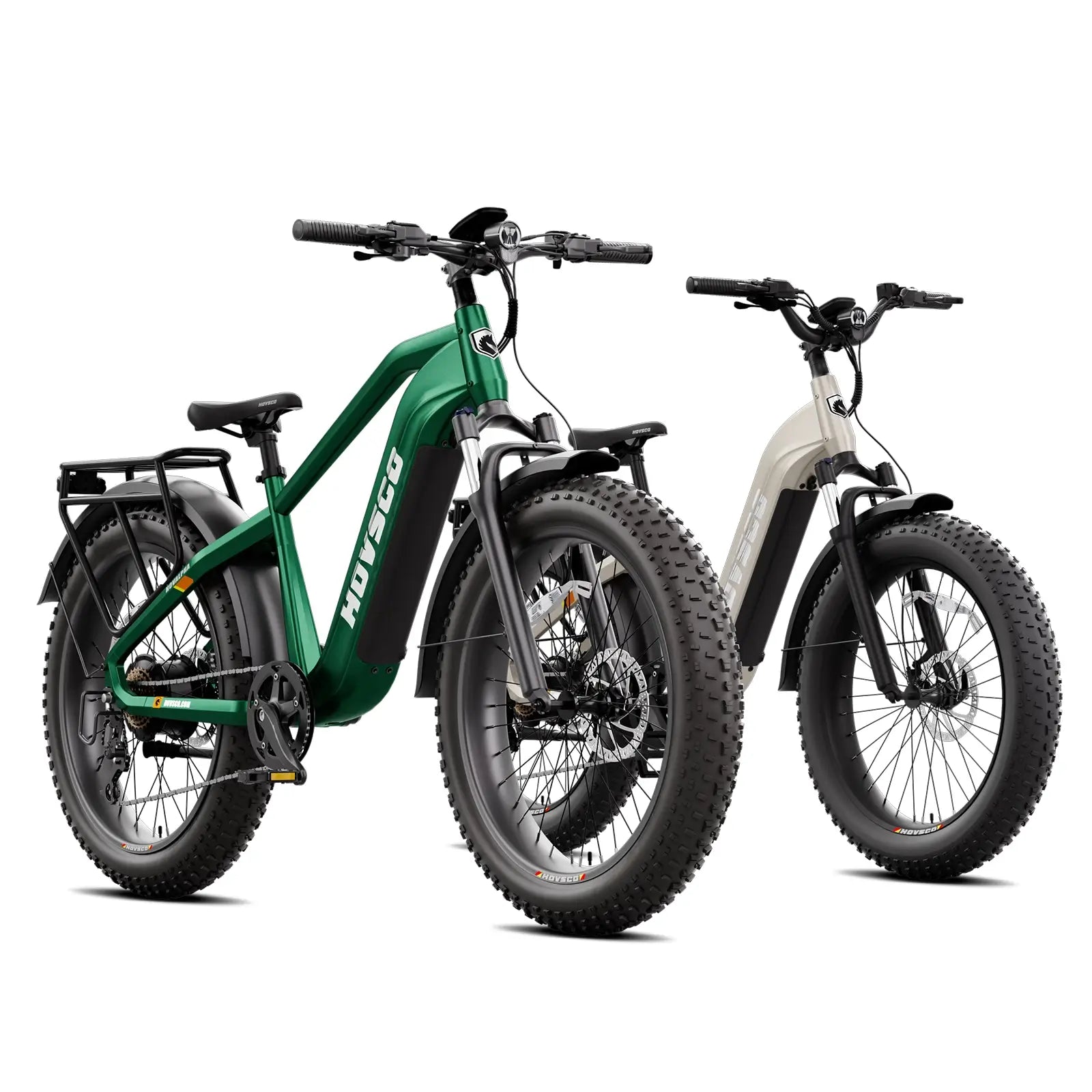
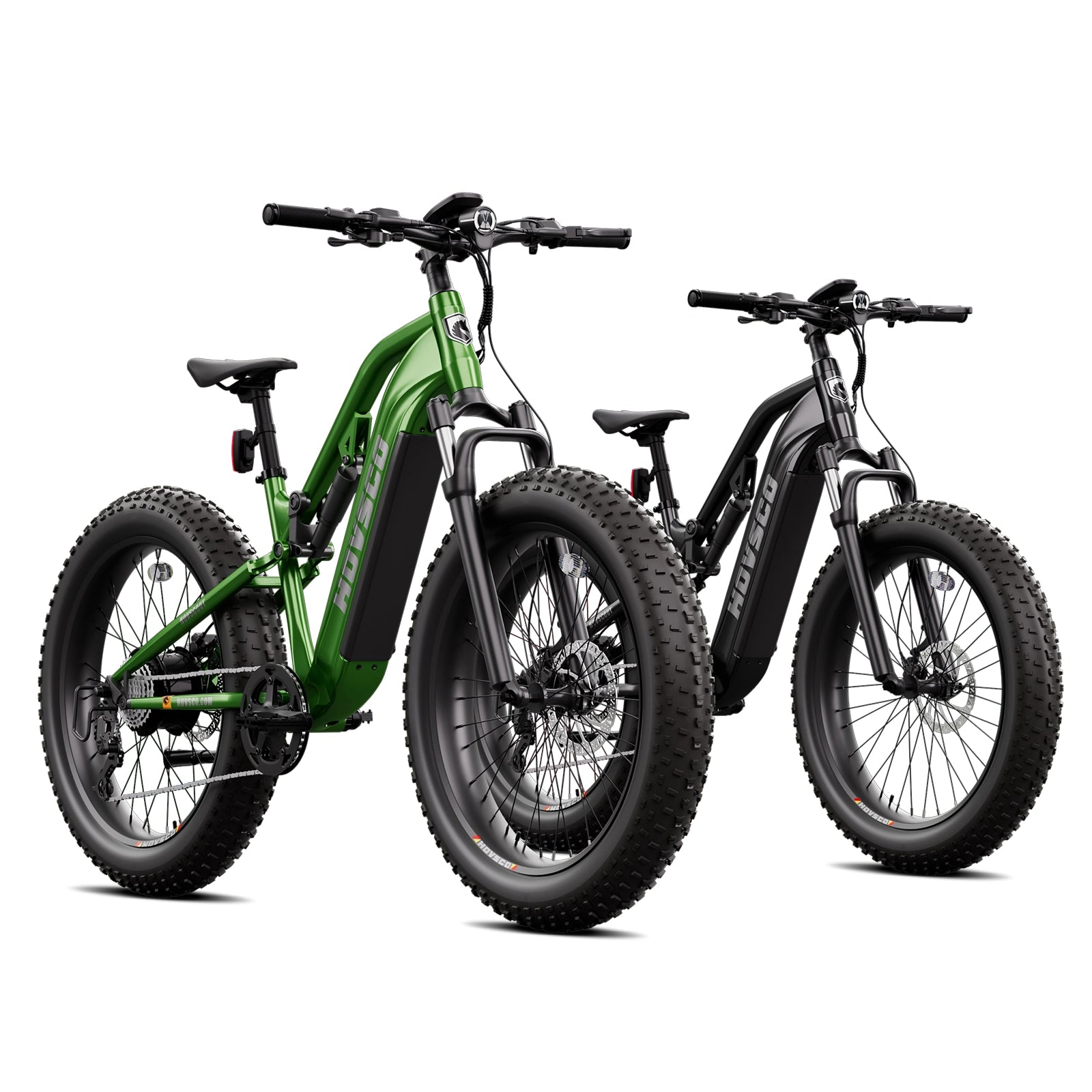
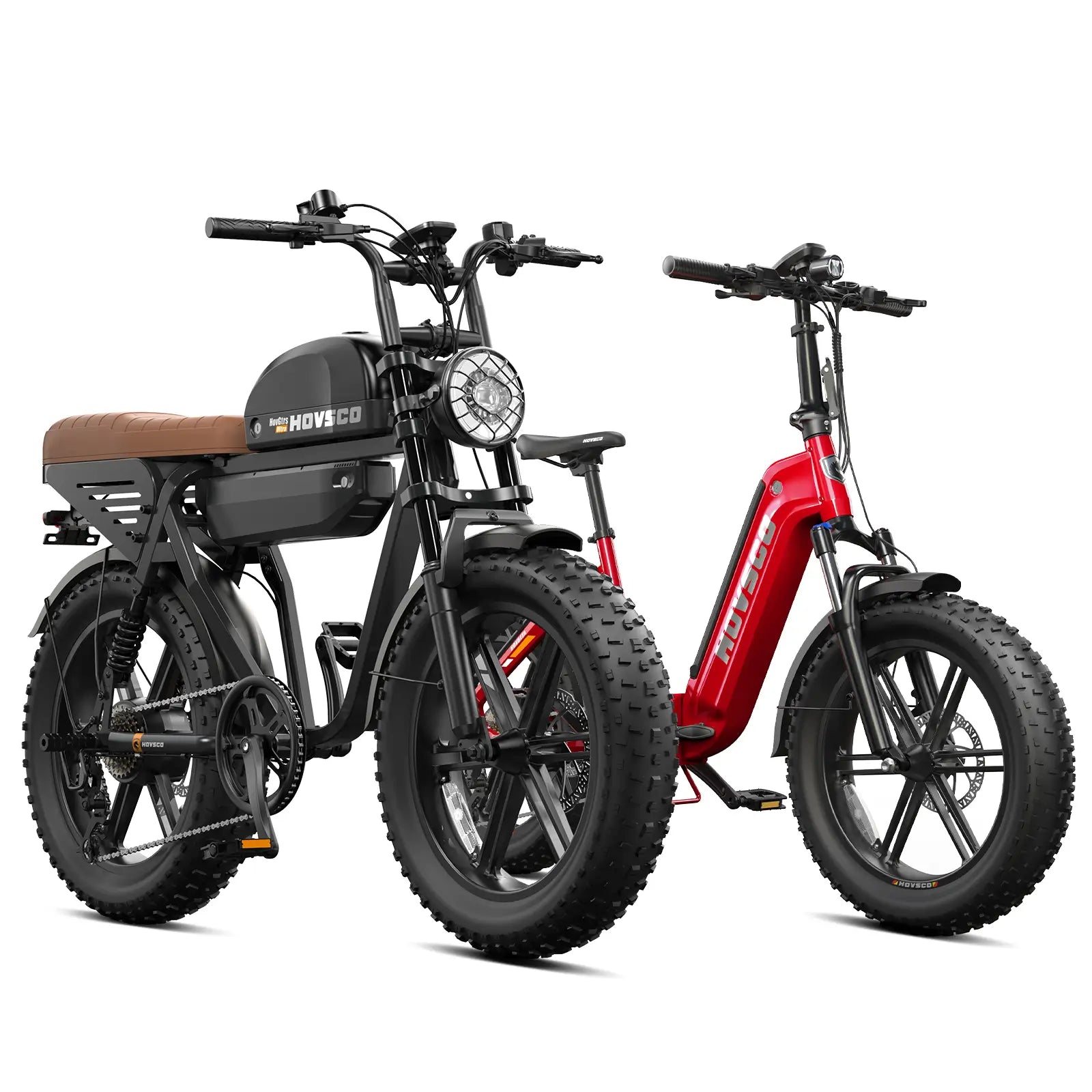
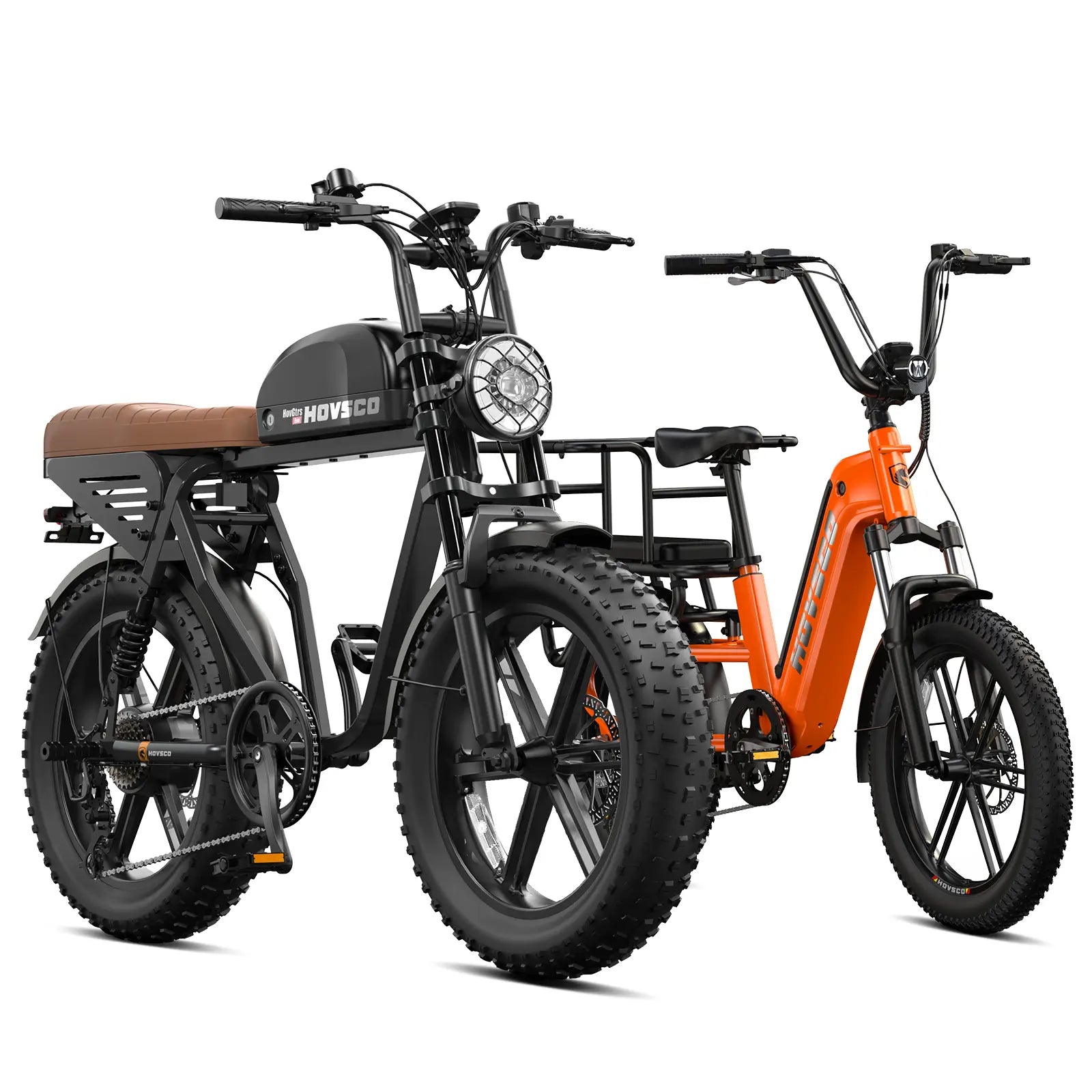
HOVSCO is best known for electric bikes built around utility, range, and everyday usability. Its lineup includes cargo, commuter, fat-tire, and folding models that fit riders who want practical transportation rather than disposable mobility products.
That matters in the battery conversation because long-term product fit affects battery outcomes. When riders buy a model that truly matches their routine, the battery is more likely to be charged correctly, used within its intended range, and kept in service long enough to justify its material footprint before replacement and recycling.
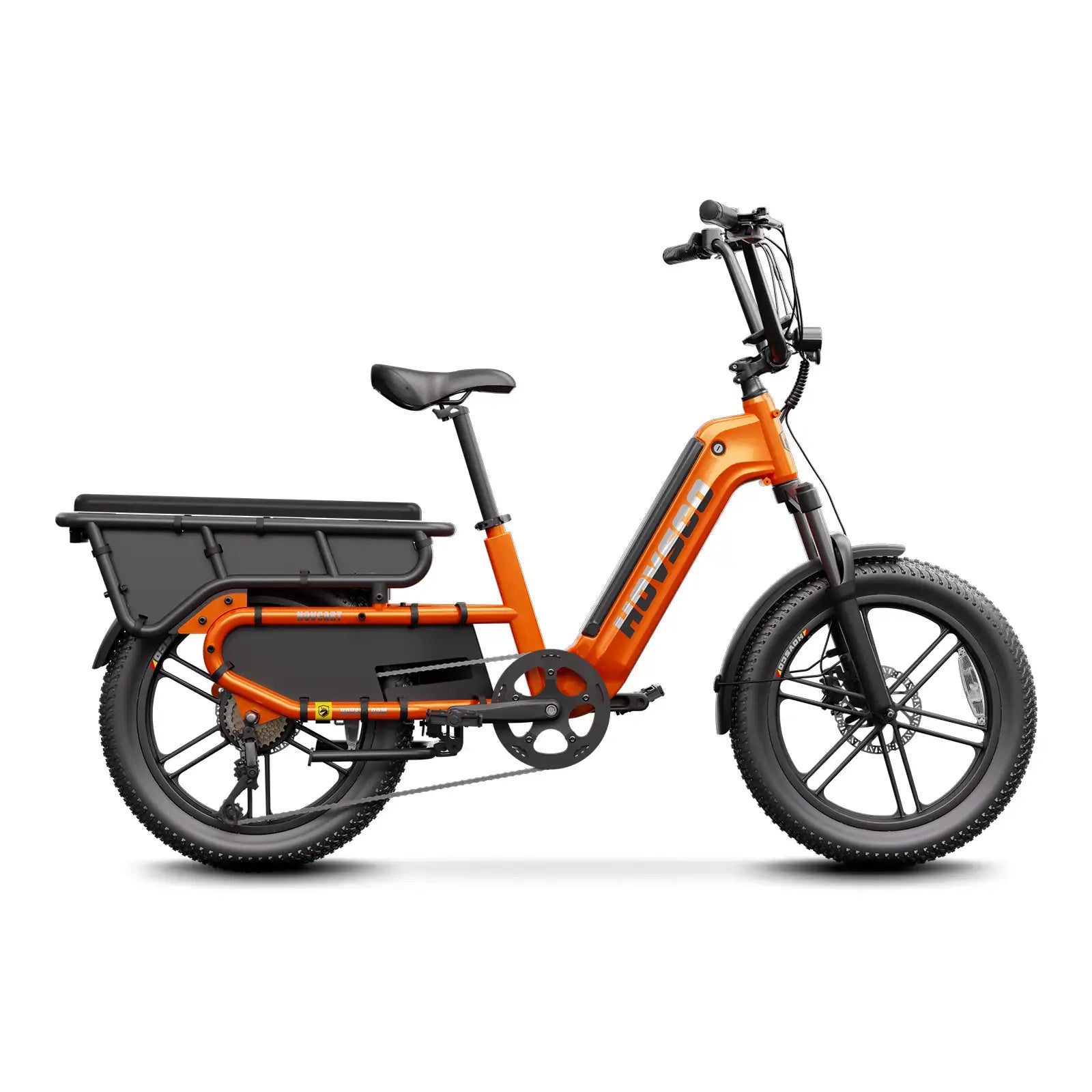
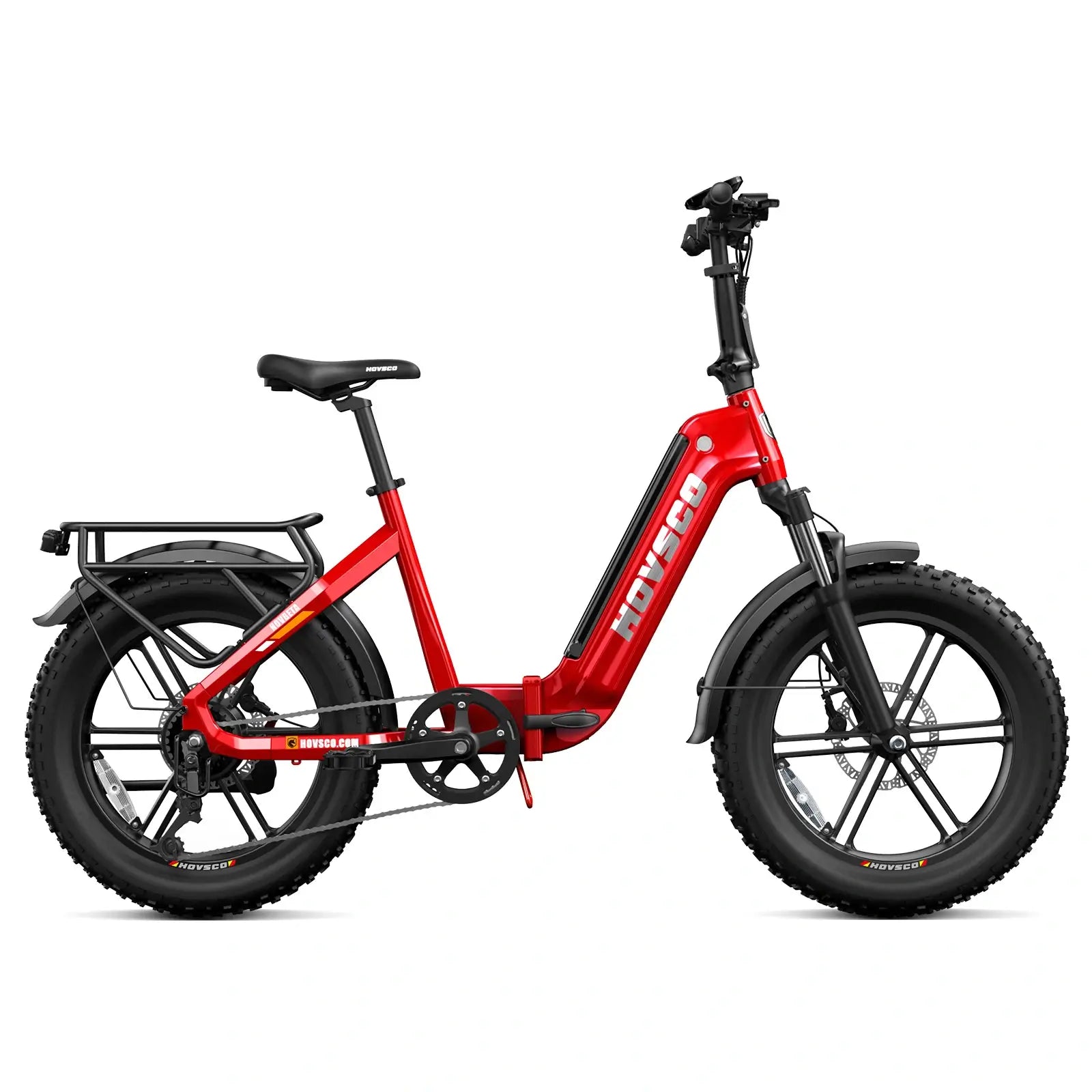
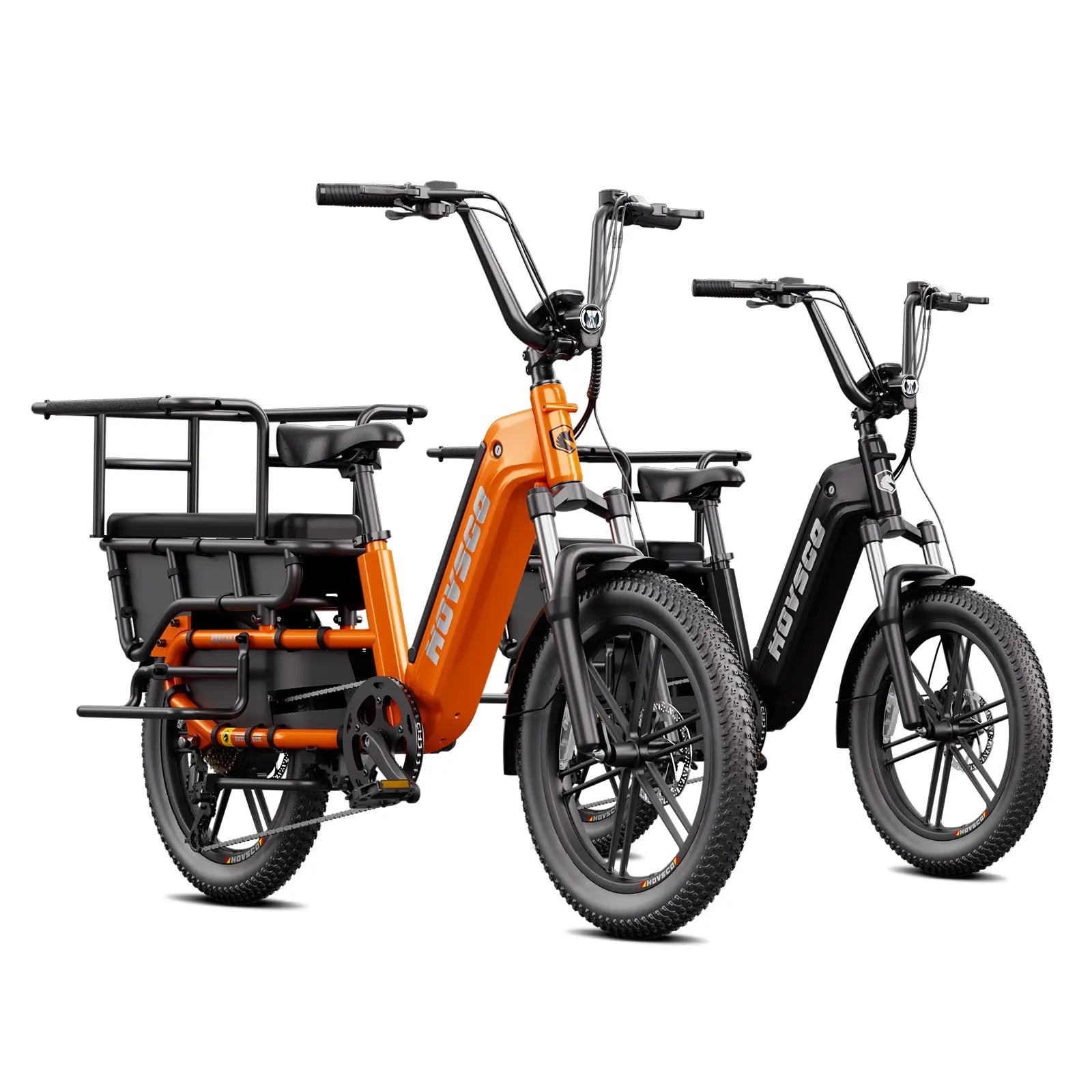
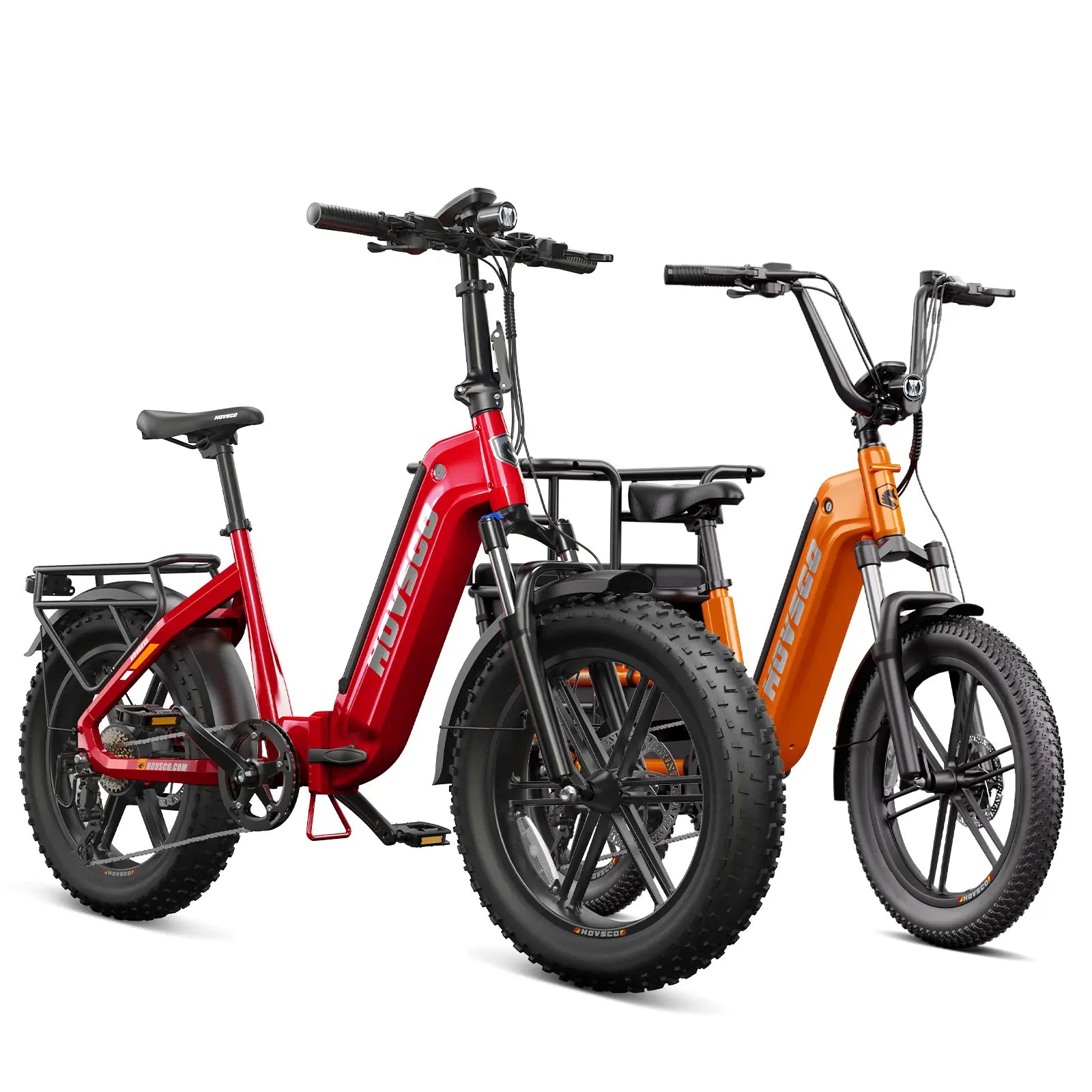
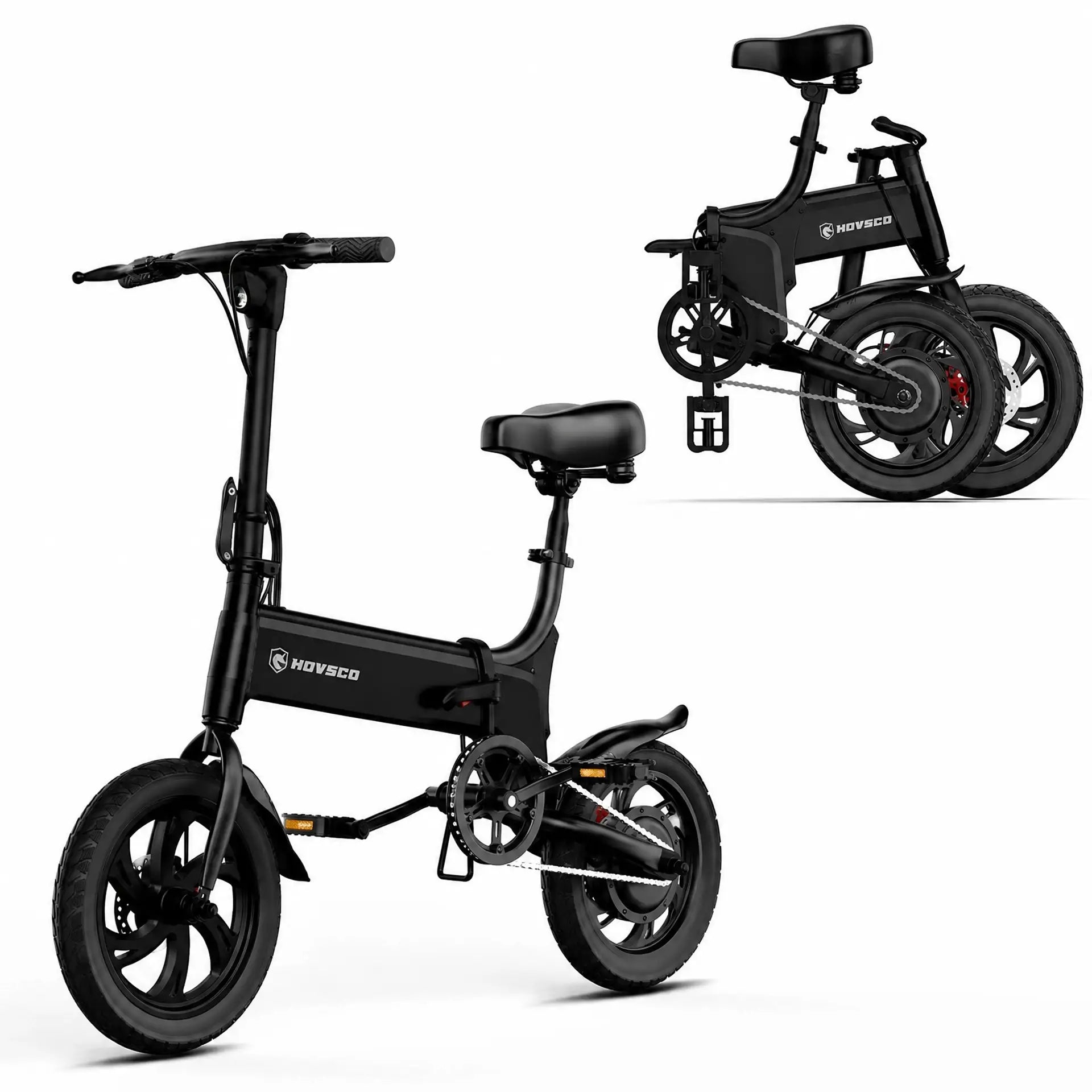
Within that framework, HOVSCO models such as HovCart and HovBeta are easy to position in a battery recycling article because they serve different but clear use cases: utility-heavy household riding and compact, flexible travel use.
What Is Battery Recycling for EV?
Battery recycling for EV is the process of collecting used lithium-ion batteries, processing them safely, and recovering valuable materials such as lithium, nickel, cobalt, copper, and manganese so they can re-enter industrial supply chains.
In the e-bike context, the concept is simpler than many riders expect. It usually means avoiding household disposal, preventing unsafe storage, and routing depleted or damaged battery packs through approved collection, recycling, or take-back systems.
The phrase “battery recycling for EV” also works as an umbrella term that includes cars, vans, scooters, and e-bikes. That broader framing is useful for SEO because it connects micromobility to the larger electrification trend.
Why Riders Still Struggle With Battery End-of-Life Decisions
One of the biggest problems is uncertainty. Many e-bike owners understand that lithium-ion batteries should not go into regular trash, but they do not know where to bring them, how to store them before drop-off, or whether a local site accepts large e-bike packs.
Another issue is behavior drift. Riders are often careful during purchase and early use, then become less disciplined once the battery starts losing range. Old packs end up sitting in garages, sheds, or storage units for months or years because replacing the battery feels more urgent than disposing of the old one properly.
There is also a market quality gap. Lower-end e-bikes often enter the market with vague battery specifications, unclear support, or weak documentation, which makes responsible end-of-life handling harder. In contrast, stronger brand ecosystems can reduce this confusion by giving riders clearer support paths.
Finally, safety concerns raise the stakes. A damaged, swollen, overheated, or improperly handled lithium-ion battery is not just waste; it can become a fire risk. That makes battery education a practical user need, not merely an environmental talking point.
The Hidden Cost of Treating Batteries as Disposable
When batteries are treated as short-life accessories, the problem is bigger than waste. Valuable metals are lost from the circular economy, replacement demand rises, and riders indirectly reinforce more extractive production patterns.
There is also a convenience penalty. Riders who do not think ahead about battery care and eventual recycling often make rushed replacement decisions, use the wrong charger, or store batteries in poor conditions that reduce lifespan even further.
For brands, unmanaged battery end-of-life weakens trust. Consumers increasingly expect not only good performance and warranty coverage, but also clearer instructions on what happens when the battery no longer delivers the range they need.
The real sustainability test for e-mobility is not just how batteries power rides, but how responsibly they are handled after those rides are over.
Comparing HOVSCO With Common Alternatives
This comparison matters because battery recycling outcomes start long before disposal. They begin with product choice, support quality, and whether the rider can realistically use the battery system in a stable, predictable way over time.
Three Features That Matter More Than Marketing
Purpose-built model selection
A rider choosing between cargo, folding, commuter, and fat-tire categories is not just choosing a frame. That decision shapes how often the battery is charged, how deeply it is discharged, and how much stress it experiences over time.
Compatible charging ecosystem
Using the correct charger and following the manufacturer’s battery guidance helps reduce unnecessary wear. That does not eliminate eventual recycling needs, but it can extend useful battery life and improve safety.
Support after purchase
Battery sustainability is easier when support does not end at checkout. Help-center access, replacement guidance, and product documentation all matter when riders need to decide whether a battery should still be used, serviced, or removed from circulation.
Three Short Use Examples
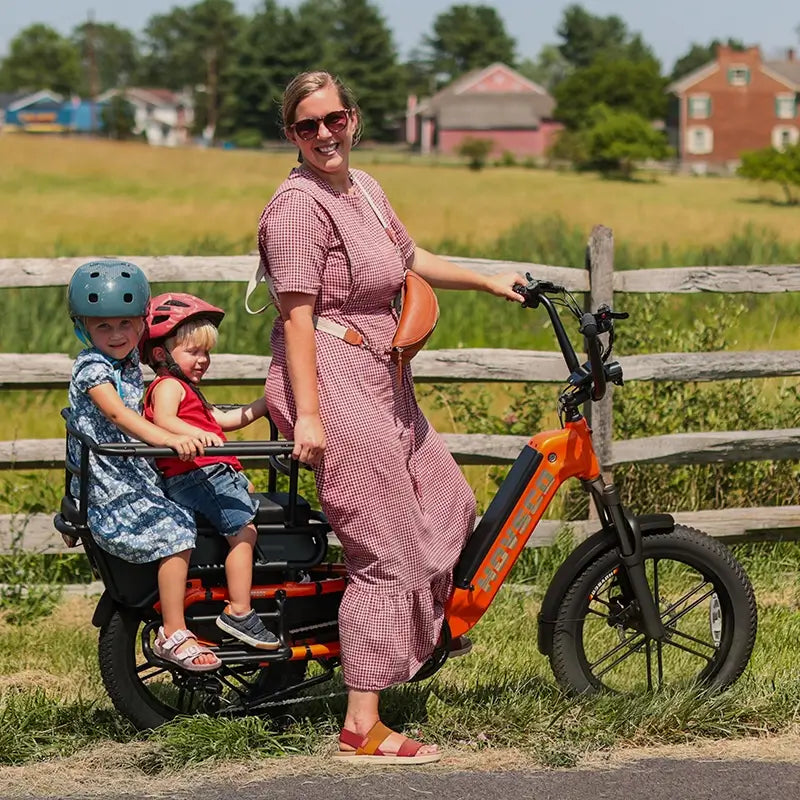
A family uses a cargo e-bike for school runs and groceries, reducing short car trips while keeping one well-managed battery system in regular use.
A weekend traveler uses a folding e-bike for RV trips, stores the battery more carefully between rides, and plans replacement only when performance truly declines.
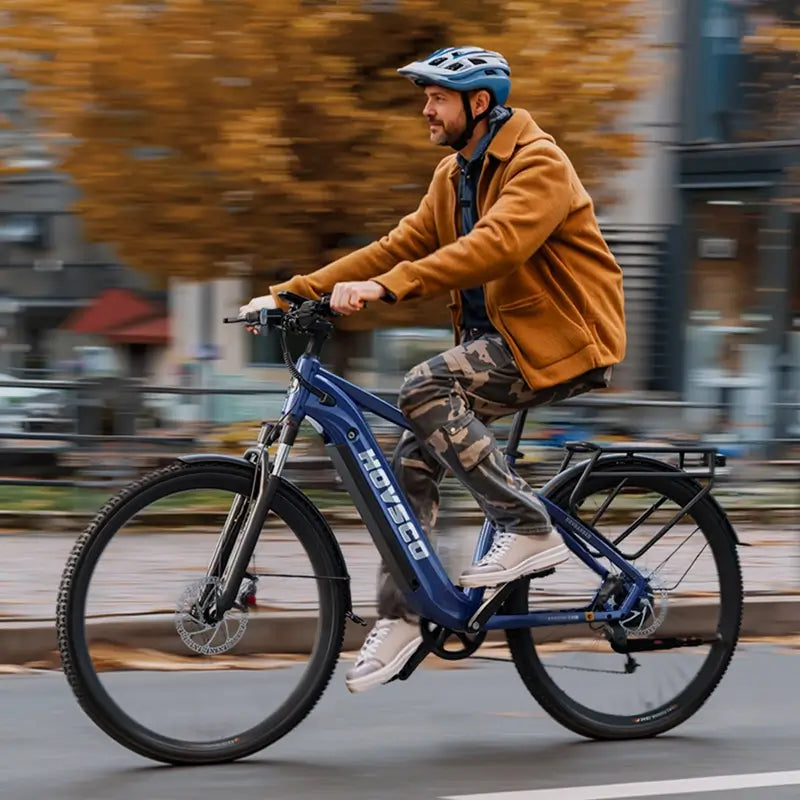
A commuter chooses a purpose-built city e-bike instead of a generic online model and gets clearer guidance on maintenance, charging, and eventual battery disposal.
Why HovCart Fits the Battery Recycling Story So Well
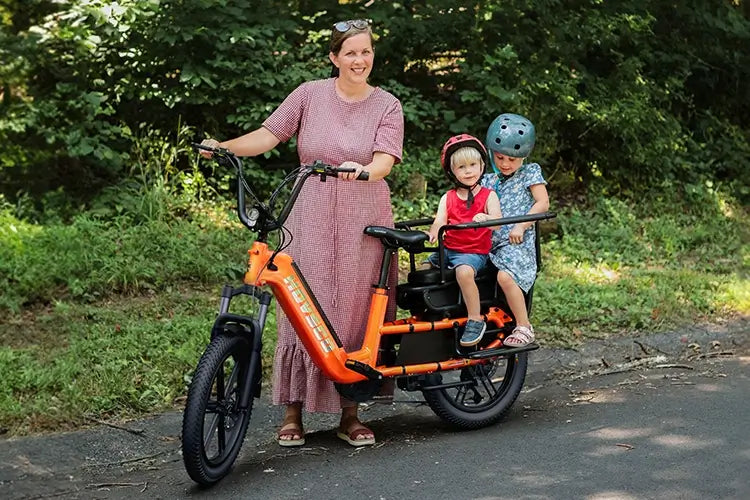
HovCart works especially well in this topic because cargo e-bikes often replace many short, repetitive local trips. That means the battery is being used in a highly practical, high-value way rather than as a novelty feature.
For households, this creates a simple sustainability narrative. One durable cargo e-bike can support grocery runs, school drop-offs, park visits, and daily errands with a consistent usage pattern that makes battery care easier to manage. Predictable use typically leads to better charging habits and more intentional replacement timing.
There is also a clear emotional angle. Family buyers do not want uncertainty around the machines they depend on every day. A cargo model that feels stable, useful, and well-supported naturally fits an article about planning for battery end-of-life rather than ignoring it.
Why HovBeta Adds a Different, Useful Angle
HovBeta brings a different kind of relevance because folding e-bikes are often owned by people with tighter storage constraints or more mobile lifestyles. That can actually improve battery handling if the rider is thoughtful about where and how the pack is stored.
For RV users, apartment dwellers, and mixed-mode travelers, portability matters. A foldable model encourages intentional use, easier indoor storage in some cases, and less chance that the battery gets abandoned outdoors or forgotten in poor environmental conditions.
It also broadens the article beyond one rider archetype. Not every sustainable mobility user is a family cargo buyer; some need compact flexibility. Including HovBeta helps the blog feel practical and complete.
Related HOVSCO Products That Support the Story
A strong blog post should not oversell, but it should create natural paths for readers to continue exploring the brand. HOVSCO’s broader lineup makes that easy because different riders can move from the sustainability topic into the product category that fits their lives.
Readers interested in urban practicality can browse shop by models to compare cargo, commuter, folding, and fat-tire options in one place. Those who want a broader look at the brand’s range can also visit the main collections page to see how HOVSCO organizes its e-bike categories.
Accessories also matter in a battery-focused article. A compatible charging setup is part of responsible battery ownership, which makes the HOVSCO E-Bike Accelerated Charger a natural supporting mention without forcing a sales pitch.
How to Handle an E-Bike Battery More Responsibly
-
Choose a bike that matches actual usage rather than imagined usage. A well-matched model reduces battery stress caused by constant overload, unrealistic range expectations, or wrong terrain use.
-
Use the manufacturer-approved charger for that battery system. Charging compatibility is a basic but important part of long battery life and safer day-to-day use.
-
Store the battery in a dry, temperature-stable environment. Avoid leaving it for long periods in extreme heat, direct sun, damp garages, or unsafe mixed-storage areas.
-
Pay attention to changing performance. If range drops sharply, charging becomes erratic, or the battery shows visible damage, it should not simply stay in service by default.
-
Replace with intention, not panic. When battery performance no longer suits the rider’s routine, plan replacement and disposal together rather than treating the old pack as a problem for later.
-
Use approved recycling or collection options. The key rule is simple: never place an e-bike lithium-ion battery in household trash or standard curbside recycling.
Use Scenarios That Make the Topic Feel Real
Scenario: Family utility riding
Traditional approach: A household uses a car for every short trip, even when the distance is small and predictable.
With HOVSCO: HovCart becomes the go-to vehicle for groceries, school runs, and neighborhood errands. Because the bike is central to daily life, the battery is used consistently, maintained more deliberately, and easier to track across its full lifecycle.
Scenario: Apartment or condo living
Traditional approach: A rider buys a bulky e-bike that is awkward to store, then leaves the battery in poor conditions because space is limited.
With HOVSCO: HovBeta gives the rider a more storage-friendly setup. That makes it easier to keep the battery indoors or in a controlled space, which supports healthier battery habits and more organized eventual disposal.
Scenario: Recreational and RV travel
Traditional approach: Multiple low-cost mobility devices accumulate over time, each with different chargers, batteries, and maintenance problems.
With HOVSCO: A rider uses HovBeta as a compact travel solution with a more coherent product ecosystem. Fewer mismatched devices usually means fewer forgotten batteries and a clearer path when one reaches end of life.
FAQ About Battery Recycling for EV
What is the difference between EV battery recycling and e-bike battery recycling?
The main difference is scale, not principle. Full-size EV packs are much larger and often handled through specialized automotive channels, while e-bike batteries are smaller and more consumer-facing, but both still require controlled collection and material recovery.
Can an old e-bike battery just be stored until later?
That is common, but it is not ideal. Long-term storage without a plan can create safety issues, increase confusion, and delay recovery of useful materials that could otherwise re-enter the supply chain.
Why is battery recycling for EV relevant to e-bike owners?
Because e-bikes are part of the same electrification shift. Even if their batteries are smaller, their growing numbers make proper end-of-life handling increasingly important.
Is a better e-bike automatically a greener choice?
Not automatically. A greener outcome depends on proper use, charging, storage, longevity, and recycling. A better-designed bike simply gives the rider a stronger chance of managing those factors well.
Why mention HovCart and HovBeta in this topic?
Because they represent two practical use cases that make battery care easier to understand. HovCart speaks to routine utility riding, while HovBeta reflects compact, flexible ownership where storage and transport habits matter.
Should the article focus on product specs or user education?
User education should carry more weight. The strongest SEO and GEO balance comes from solving real user questions first, then introducing relevant products as practical answers rather than turning the article into a catalog page.
Closing Perspective
Battery recycling for EV is no longer a distant industry topic. It is becoming part of the everyday decision-making around how people buy, use, maintain, and retire electric mobility products.
For e-bike brands, the opportunity is not to overclaim, but to help riders make smarter lifecycle choices. HOVSCO fits that opportunity well because its lineup is practical, use-case driven, and easy to connect to real-world battery habits, especially through models like HovCart and HovBeta.
CTA
Explore HOVSCO’s cargo, commuter, folding, and fat-tire e-bikes to find a model that matches how people actually ride, then pair that choice with better charging, storage, and recycling habits from day one.
HOVSCO is an e-bike brand focused on practical electric mobility for everyday life, from family utility riding to compact adventure-ready travel.
Sources
HOVSCO Official Website
HOVSCO Shop By Models
HOVSCO Collections
HOVSCO E-Bike Accelerated Charger
Mordor Intelligence — EV Battery Recycling Market
Precedence Research — Electric Vehicle Battery Recycling Market
MarketsandMarkets — Electric Vehicles Battery Recycling Market Report 2024
IMARC Group — Electric Vehicle Battery Recycling Market
Transport & Environment — Battery Recycling Report
Call2Recycle Canada — 2024 Annual Report





![[ New Arrival ] Porto Max Electric Scooter For Commute & Grocery Shopping - HOVSCO](http://www.hovsco.com/cdn/shop/files/PotroMax-3.jpg?v=1706927007&width=1200)
Share:
Urban Planning and Cycling: Smarter City Mobility with E-Bikes in July 2026
Electric Scooter Innovations: How HOVSCO Supports Smarter Urban Mobility