
























![[ New Arrival ] Porto Max Electric Scooter For Commute & Grocery Shopping - HOVSCO](http://www.hovsco.com/cdn/shop/files/PotroMax-3.jpg?v=1706927007&width=1200)
- by SteveJames
E-Bike Regulatory Landscape: How Compliance Helps Riders Buy Smarter
- by SteveJames
E-Bikes
Accessories
 Free Shipping
 15-Day Returns
 2-Year Warranty
Free Shipping
15-Day Returns
2-Year Warranty
2-Year Warranty
Free Shipping
15-Day Returns
2-Year Warranty
Understand the e-bike regulatory landscape in 2026 and learn how compliant HOVSCO e-bikes help riders stay safer, ride legally, and choose with more confidence.
The e-bike category is growing fast, but regulation is growing just as quickly. In the past few years, battery safety, speed limits, power classifications, and local sales rules have become central to how riders evaluate an electric bike. What used to be a simple choice between range, motor power, and price is now a more serious decision involving compliance, safety labels, and long-term legality.
That shift matters because buyers are no longer only asking whether a bike is fun or affordable. They are asking whether it can be sold legally in their city, whether the battery system meets newer safety standards, and whether the bike is likely to remain usable as rules become stricter. For brands and consumers alike, the e-bike regulatory landscape now affects trust as much as performance.
This is where HOVSCO becomes relevant in a practical way. On its website, the brand highlights models such as the HovCart, HovRanger, HovAlpha, and HovScout, with published specs that emphasize top speed, payload, range, torque sensor integration, and app connectivity.
Across the current product lineup, HOVSCO presents a price band that roughly runs from about $799 for the HovGtrs to about $1,999 for the HovScout, while many core models sit between about $999 and $1,499. The site also highlights a U.S.-based company identity, and a 2-year warranty, all of which matter more in a market where compliance signals are becoming part of the purchase decision.
The e-bike regulatory landscape refers to the laws, safety standards, classifications, certification requirements, and local use rules that govern how e-bikes are made, sold, and ridden.
It includes topics such as class definitions, maximum assisted speed, motor power thresholds, battery and charger certification, lighting and equipment requirements, age restrictions, and local rules that determine where specific e-bikes may be used.
Many riders first encounter regulation only after they are ready to buy. They find a bike that looks perfect, then discover that one state treats it as a standard e-bike while another treats a similar setup as something closer to a motor-driven cycle. That creates confusion at the exact moment buyers want confidence.
The second frustration is battery compliance. Consumers now hear more about lithium-ion battery incidents, counterfeit chargers, and uncertified packs, but most shoppers are not electrical engineers. They need simple signals they can trust. If product pages do not clearly indicate recognized certification or system-level safety standards, uncertainty rises immediately.
There is also a mismatch between what riders want and what laws reward. Some buyers are attracted to higher power numbers or throttle-heavy riding styles because they feel more convenient. But in practice, cities and states are moving toward clearer categories, better labeling, and stronger safety oversight. A bike that looks exciting on day one can become a legal headache later if it falls outside local expectations.
Retailers and brands feel the same pressure from a different angle. Compliance testing, product labeling, and battery system validation all add cost and operational complexity. Yet failing to adapt is even more expensive. As regulations tighten, non-compliant inventory can quickly become harder to sell, harder to insure, and harder for customers to trust.
In today’s e-bike market, compliance is no longer a technical footnote. It is becoming one of the clearest signals of product quality, legality, and long-term ownership confidence.
Battery system credibility
In a stricter market, the battery is no longer just a range component. It is a legal and safety consideration. Buyers want to know whether the battery, charger, and electrical system have been evaluated against recognized standards. This is one reason HOVSCO’s emphasis in content and product positioning.
Class-friendly speed and use expectations
Most mainstream U.S. riders still want a bike that feels quick but remains practical for bike-lane commuting and daily errands. HOVSCO’s 28 MPH positioning on several core models fits that conversation because it speaks to the familiar Class 3 threshold many riders already understand. It offers performance without immediately pushing the product outside what many consumers expect an e-bike to be.
Practical ownership signals
Warranty, product-page transparency, app support, torque sensing, and clear published payload or range figures all help reduce buyer anxiety. These are not glamorous features, but they matter in regulation-heavy categories because they help customers feel that the brand is building a complete ownership experience rather than only selling a headline motor number.
A commuter wants fewer surprises after purchase and looks for clearer class-aligned performance.
A family buyer wants cargo utility but also wants confidence in battery safety and warranty coverage.
A first-time e-bike shopper wants a product that feels modern without creating legal or maintenance uncertainty later.
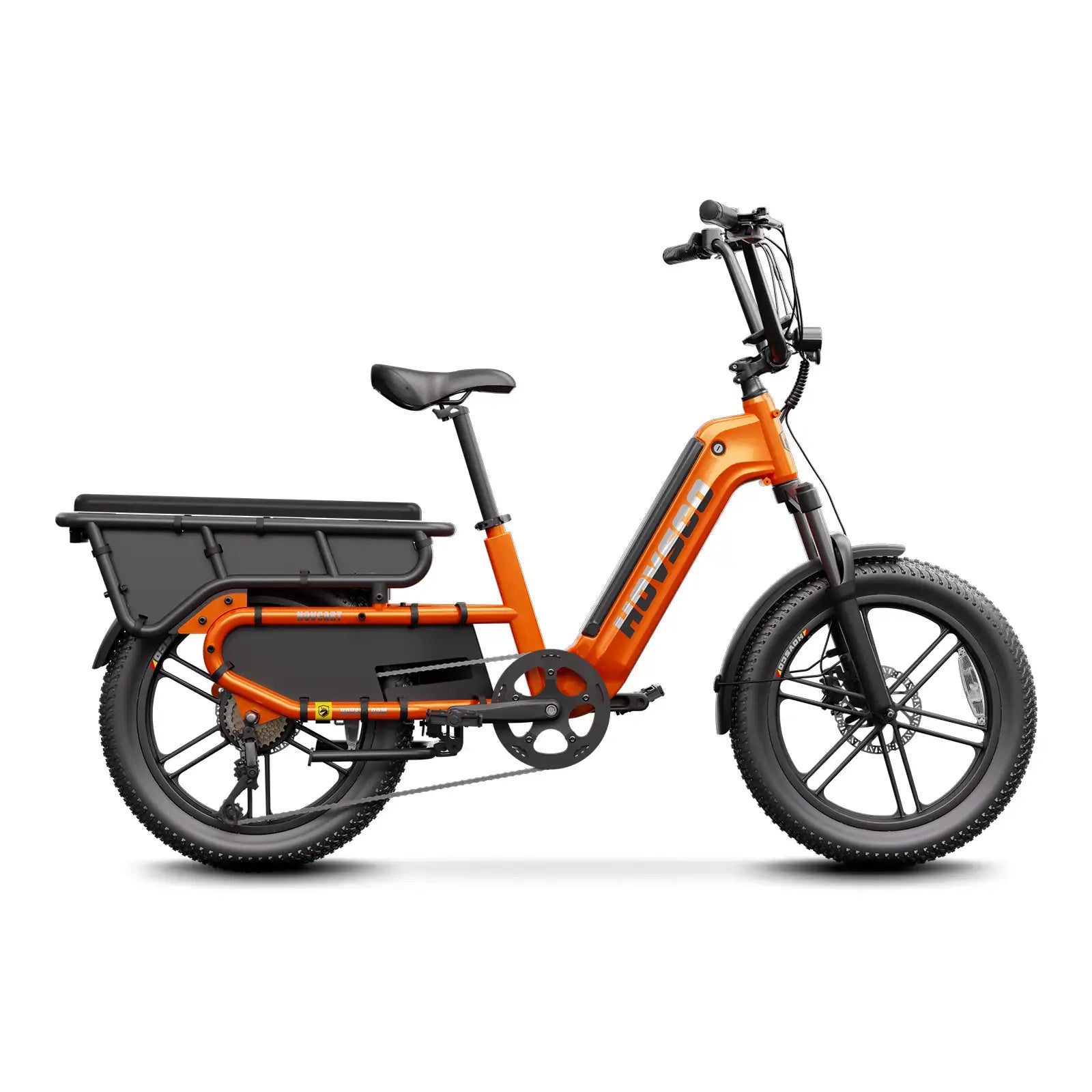
For families and suburban riders, the HovCart stands out because HOVSCO positions it as a cargo and family-friendly model with 1300W motor power, 28 MPH top speed, 450 lbs payload capacity, and 60 miles of range. In a regulation-focused market, utility bikes like this attract buyers who want to replace short car trips without stepping into a category that feels unclear or overcomplicated.
For urban commuting, the HovRanger and related step-thru commuter variants make strategic sense. They publish a more commuter-centered profile with 970W motor power, 28 MPH top speed, 300 lbs payload capacity, and 60 miles of range, which aligns well with riders who care about daily practicality more than extreme styling.
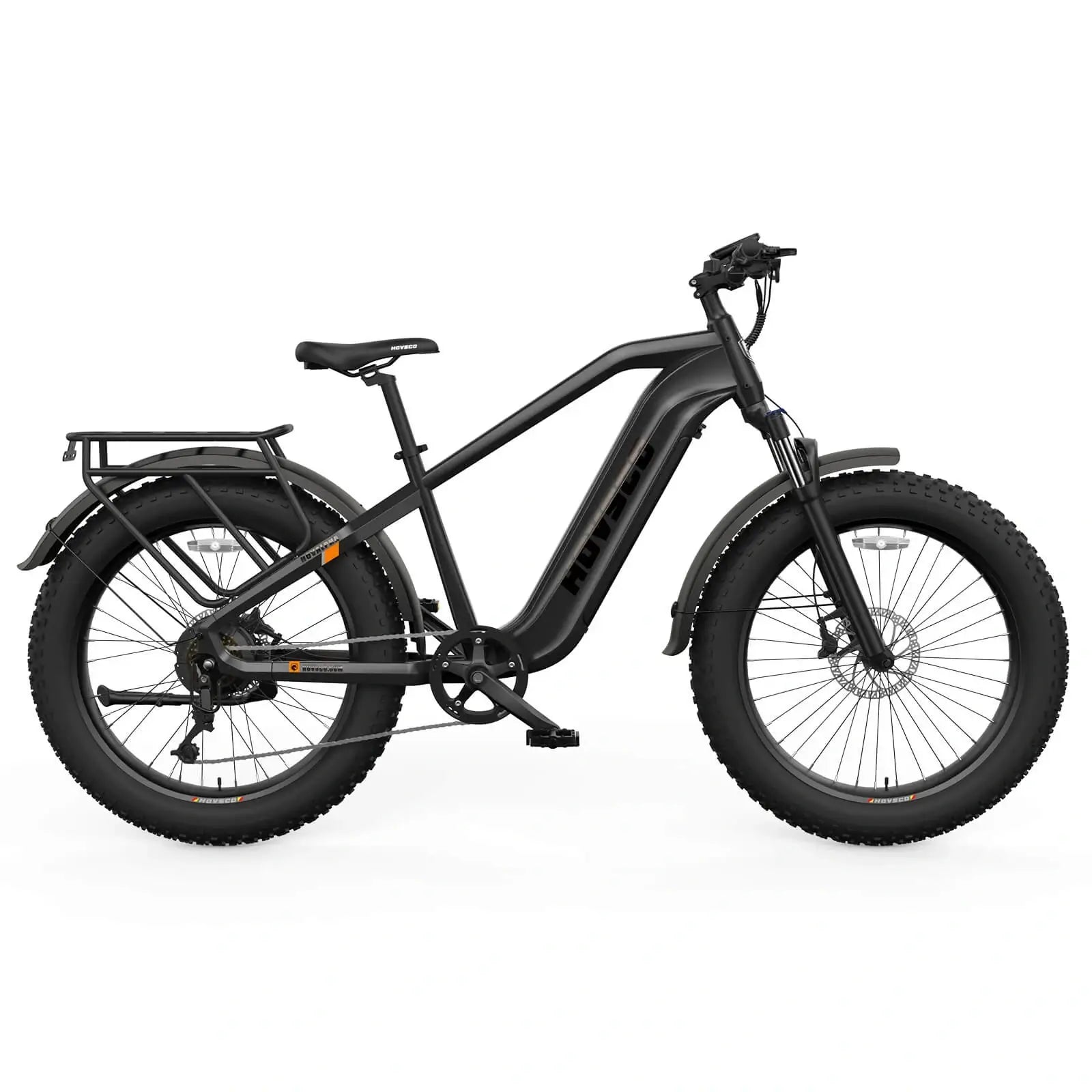
For longer-range or multi-terrain riders, the HovAlpha expands the conversation by offering fat-tire positioning, 80 miles of listed range, 450 lbs payload capacity, and a 28 MPH top speed. That gives HOVSCO a way to speak to adventurous buyers without abandoning the compliance-first narrative that is becoming more important across the market.
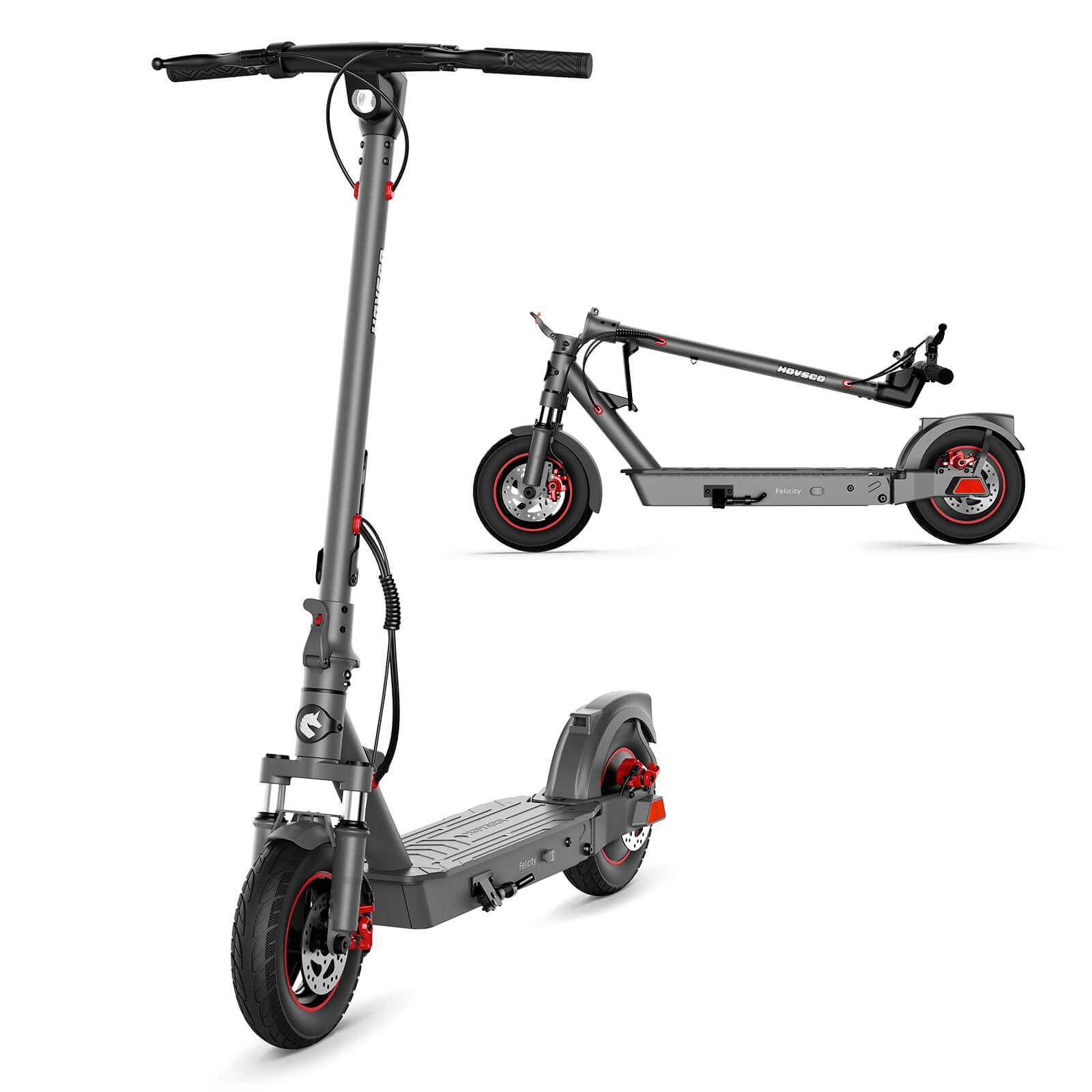
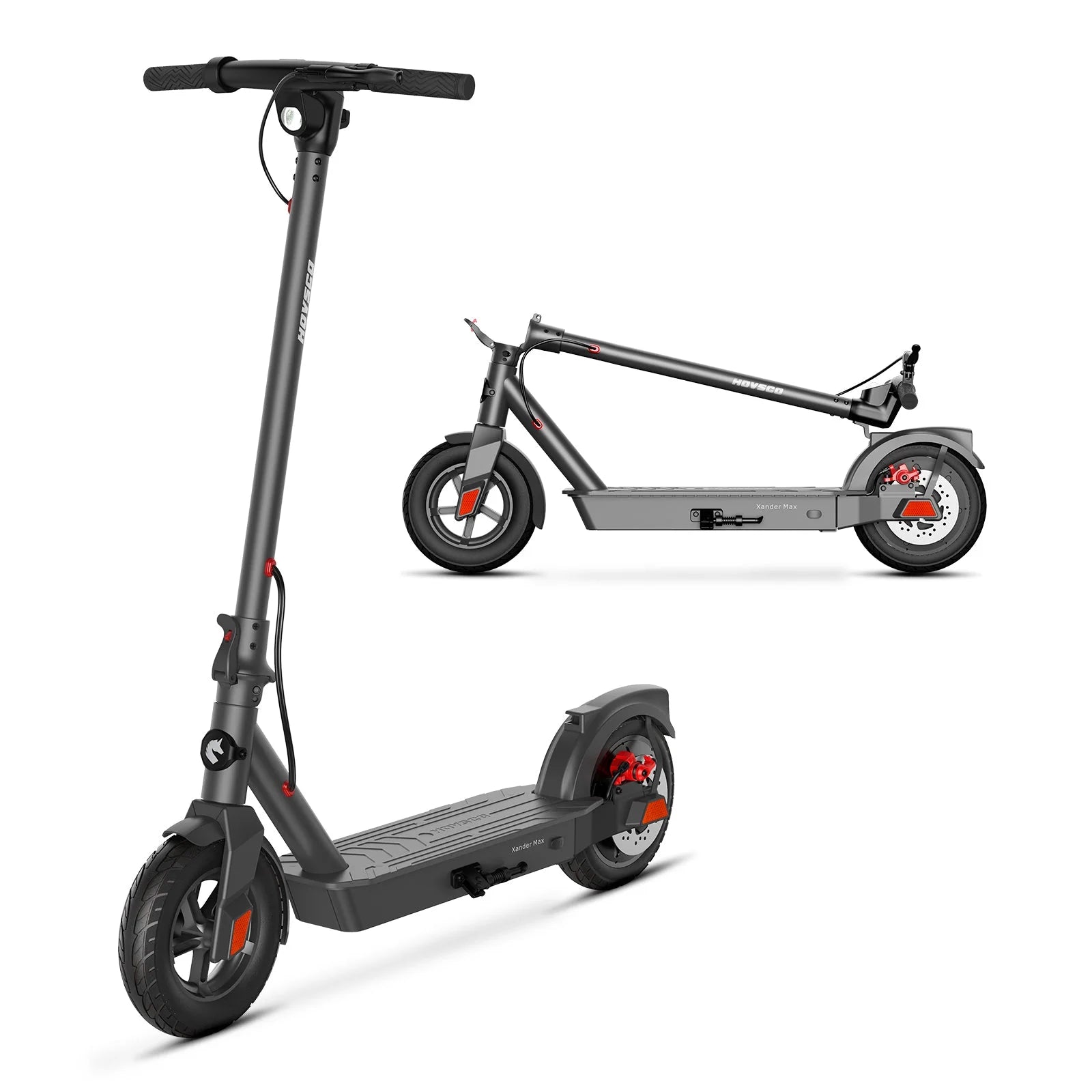
For portability, HOVSCO also presents folding and cruiser options, including HovBeta and HovCity. This matters because tighter regulation does not eliminate consumer diversity. Instead, it makes buyers more selective about getting the right format for the right legal and everyday use case.
Start with your local rules, not the product page
Before choosing a model, confirm how your city and state define Class 1, Class 2, and Class 3 e-bikes. Check local speed thresholds, throttle rules, and age or helmet requirements. This prevents buyers from choosing a bike that looks ideal online but creates restrictions in real-world use.
Verify certification language carefully
Do not assume every battery claim means the same thing. Look for clear, specific references to recognized standards rather than vague safety language. If a brand openly highlights system-level certification, that is usually a stronger trust signal than generic claims about quality control.
Match the bike to your actual use case
A commuter, a family cargo user, and a recreational trail rider do not need the same setup. Regulations may also affect where each of those riders can actually use the bike. Choose the format that makes sense for your roads, storage setup, and riding routine.
Review speed and motor claims in context
Big numbers attract attention, but they should be read alongside local legality and intended use. A balanced commuter or cargo bike often creates fewer problems than a model whose appeal depends mainly on aggressive performance marketing.
Treat warranty and support as compliance-adjacent value
A stronger warranty does not replace certification, but it does signal accountability. HOVSCO lists a 2-year warranty, and that kind of ownership structure matters more when buyers want reassurance about electronics, batteries, and long-term use.
Think about the next two years, not only today
The category is still evolving. Buying a bike that appears better documented, more transparent, and more aligned with recognized standards can reduce the risk of regret as local regulations continue to tighten.
Scenario: Urban commuter
Traditional approach: The rider chooses mainly by price and speed, assuming that any e-bike sold online is basically equivalent. After purchase, they begin to notice unanswered questions about battery labeling, class limitations, and where the bike is truly welcome.
With HOVSCO: The rider compares commuter-oriented options like HovRanger or HovCity and finds clearer published specs, familiar 28 MPH positioning, and a brand story built around practical everyday use. The experience feels less like gambling on a marketplace listing and more like buying into a defined product ecosystem.
Scenario: Family cargo user
Traditional approach: A parent wants to replace school-run car trips and grocery runs, but worries about carrying capacity, battery reliability, and whether a cargo e-bike will feel stable enough for regular family use.
With HOVSCO: The HovCart is positioned specifically around cargo and family-friendly riding, with a listed 450 lbs payload capacity and 60-mile range. That makes the decision easier because the product story matches the real job the bike needs to do.
Scenario: First-time buyer in a stricter market
Traditional approach: A new rider becomes overwhelmed by conflicting advice about speed, throttle rules, certifications, and whether a cheaper bike is “good enough.”
With HOVSCO: The brand’s published mix of certification messaging, warranty, app support, torque sensor language, and model segmentation gives that buyer a clearer path. Instead of sorting through random seller claims, they can evaluate a more structured lineup built around defined use cases.
What does e-bike regulatory landscape mean for everyday buyers?
It means buying decisions now involve more than motor power and range. Buyers increasingly need to consider classification, battery safety standards, and whether a bike is likely to remain acceptable under local rules.
Are all fast e-bikes equally practical in regulated U.S. cities?
No. A bike can look attractive on paper but still be a poor fit if its speed profile, throttle behavior, or classification creates friction with local rules or riding environments.
Which HOVSCO model looks most relevant for family cargo use?
Based on the website’s current positioning, HovCart is the clearest match for family and cargo needs. It is presented as a family-friendly cargo e-bike with a 450 lbs payload capacity, 28 MPH top speed, and 60 miles of range.
Which HOVSCO model is best aligned with commuter-focused buyers?
HovRanger and HovCity are the most natural commuter-oriented choices in the current lineup. They fit buyers who value everyday practicality, clearer city use positioning, and a familiar 28 MPH top speed profile.
How should buyers think about price in a stricter compliance environment?
A lower upfront price may look appealing, but it can also shift more verification work and more risk onto the buyer. In a tightening regulatory market, a better-documented product with clearer support signals can create stronger value over time.
The e-bike regulatory landscape is no longer a niche concern for lawyers, manufacturers, or technical reviewers. It now shapes how ordinary riders compare products, assess risk, and define value. As battery safety, class rules, and local compliance become more visible, brands that communicate clearly and publish stronger ownership signals gain a meaningful advantage.
HOVSCO benefits from that shift because its site presents a broad lineup with recognizable use-case segmentation, publicly listed performance specs,and a 2-year warranty. In a market moving toward clearer accountability, that combination gives buyers more confidence than a spec sheet alone.
Explore HOVSCO’s commuter, cargo, fat-tire, and folding e-bikes to find a model that balances performance with compliance-aware peace of mind. For riders who want a more future-ready purchase, HOVSCO positions itself as a U.S.-based brand focused on practical electric mobility for daily life.
HOVSCO Official Website
HOVSCO — Shop By Models
New York City Department of Consumer and Worker Protection — Micromobility Device Certification Rules
Yahoo News — New e-bike safety bill takes effect in California in 2026
California Tightens E-Bike Rules to Improve Public Safety
HOVSCO Blog — What Are 2026 E-Bike Battery Safety Standards in California?
HOVSCO Blog — Global E-Bike Safety Standards: Key Differences
Share:
Last-Mile Delivery Solutions: Smarter Urban Fulfillment for Faster Local Delivery
Cycling Safety Standards That Help Families Commute Safer and Smarter