




























![[ New Arrival ] Porto Max Electric Scooter For Commute & Grocery Shopping - HOVSCO](http://www.hovsco.com/cdn/shop/files/PotroMax-3.jpg?v=1706927007&width=1200)
- by SteveJames
Cycling Safety Standards That Help Families Commute Safer and Smarter
- by SteveJames
E-Bikes
Accessories
 Free Shipping
 15-Day Returns
 2-Year Warranty
Free Shipping
15-Day Returns
2-Year Warranty
2-Year Warranty
Free Shipping
15-Day Returns
2-Year Warranty
Cycling Safety Standards matter more than ever for families and commuters. Learn how safer e-bike design, certification, and practical riding habits improve daily travel in 2026.
Cycling safety standards matter more in 2026 because more riders are using bikes and e-bikes for commuting, school runs, errands, and daily transportation. As cities promote cleaner mobility and families look for alternatives to short car trips, safety is no longer just about helmets and reflective gear. It now includes battery certification, braking performance, load stability, lighting visibility, and whether a bike is truly built for real-life urban use.
That shift is especially important for family riders. Carrying children, groceries, backpacks, or work gear changes how a bike handles, how quickly it stops, and how much confidence the rider feels in traffic. For many households, the question is no longer whether cycling is practical, but whether it feels safe enough to use every day.
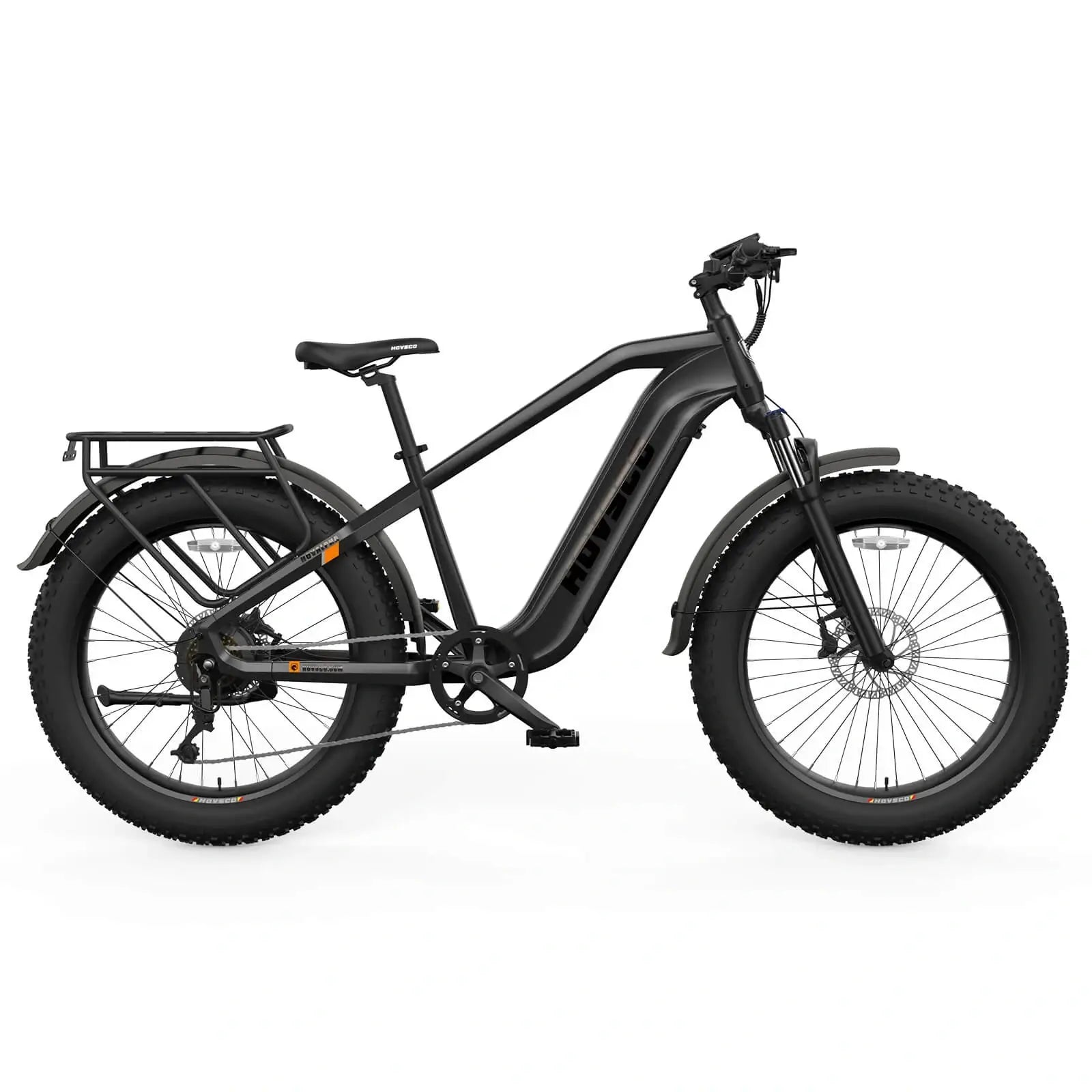
This is where HOVSCO becomes relevant. The brand’s cargo-focused e-bike lineup is designed for people who want everyday utility, stronger load capacity, and a more stable ride for family transportation and commuting.
Models like the HovCart Family E-Bike bring together a cargo-ready frame, hydraulic disc brakes, fat tires in a package built for practical urban riding. Instead of treating safety as a marketing add-on, this type of product reflects how modern riders actually use bikes in the real world.
Cycling safety standards are the technical rules, certifications, and design expectations that help make bicycles and e-bikes safer to ride, charge, store, and operate in public spaces.
For modern e-bikes, that includes frame stability, braking reliability, battery system certification, visibility features, and compliance with local riding classifications. In simple terms, cycling safety standards help riders choose products that reduce avoidable risk.
Many families want to ride more, but safety concerns stop them from replacing even short car trips. A parent may be comfortable riding alone, yet become far more cautious once a child seat, cargo rack, or passenger setup is involved. The moment extra weight is added, small weaknesses in braking, frame stiffness, or low-speed balance become much more noticeable.
Commuters face a different version of the same problem. They may want a bike that saves time, avoids parking headaches, and lowers transportation costs, but they also need something predictable in traffic. A bike that feels twitchy at intersections, underpowered on hills, or unstable under a backpack and laptop quickly becomes something they stop using.
Battery confidence is another major issue in the e-bike era. Riders increasingly hear about fire risk, charger compatibility problems, and cheap systems with unclear testing history. For many buyers, especially apartment dwellers or parents storing a bike near family living spaces, electrical safety is no longer a technical footnote. It is a purchase decision.
Then there is the load problem. Traditional bikes can work well for light recreation, but family life is rarely light. School bags, groceries, children’s gear, and work essentials all add up. Riders often try to make standard bikes do a cargo bike’s job, and that is where discomfort and safety anxiety start to grow. The result is familiar: people buy a bike with good intentions, then return to driving because the setup never felt fully secure.
Safer cycling in 2026 is not only about avoiding crashes. It is about choosing equipment, systems, and designs that riders trust enough to use every day.
Certified electrical systems
One of the biggest changes in modern cycling safety standards is the growing focus on full-system electrical safety. For e-bikes, buyers increasingly look for clearer battery and drive-system certification because they want more confidence during charging, storage, and everyday use.
Strong brakes under real loads
A bike may feel fine when empty but behave very differently with a child, cargo, or a full rear rack. Hydraulic disc brakes matter because they help riders stop more smoothly and consistently, especially in urban traffic or wet conditions.
Stable geometry for utility use
Safety is not only about parts. It is also about the overall riding feel. A cargo-capable bike with the right frame shape, tire volume, and weight distribution tends to feel more composed at low speed, which is exactly where many family and commuter riders need the most reassurance.
A parent doing a school drop-off wants a bike that stays calm and balanced when starting from a stop with extra weight onboard.
A commuter wants enough braking control and battery confidence to ride daily without second-guessing every trip.
A household replacing short car trips wants one platform that can handle groceries, backpacks, and family errands without feeling overloaded.
For riders who begin with safety standards as the priority, the most logical next step is to think about use case. The HovCart Family E-Bike is the clearest match for families who want passenger capability and heavier hauling support for everyday city life.
For shoppers comparing broader categories, HOVSCO also presents multiple models through its Shop By Models collection and wider Collections pages. That helps buyers evaluate whether they need a full cargo platform, a commuter-focused model, or a different electric bike format that still aligns with safer everyday mobility goals.
Accessories also shape the safety experience. An official option like the HOVSCO E-Bike Accelerated Charger can be a better choice than using uncertain third-party chargers, especially for riders who care about charging consistency and compatibility.
Start with intended use
Decide whether the bike is mainly for commuting, family transport, errands, or mixed daily use. Safety improves when the bike matches the job instead of being forced into a role it was not designed to handle.
Check load capacity honestly
Do not estimate lightly. Add the rider, child passenger, bags, groceries, and accessories together. A bike that feels overbuilt on paper often feels just right in real family use.
Look at braking before top speed
Many shoppers focus on speed and range first, but safe stopping matters more in day-to-day riding. Strong, predictable braking is one of the clearest signs that a bike is ready for urban reality.
Review battery and charging confidence
For e-bikes, confidence in the electrical system is essential. Buyers should prioritize brands that clearly discuss certification, charger compatibility, and safe system design.
Think about low-speed control
Most family riding does not happen at maximum speed. It happens while starting, stopping, turning, parking, and maneuvering in tight spaces. A stable bike at low speed is usually a safer bike overall.
Choose for repeat use, not one test ride
The safest bike is often the one a rider wants to use every day. If the setup feels practical, balanced, and easy to trust, it is much more likely to replace car trips consistently.
Scenario: School drop-offs and pickups
Traditional approach: A parent uses a regular bike with limited cargo setup or drives a short distance because carrying a child and school gear feels awkward on two wheels.
With HOVSCO: A cargo-oriented bike like the HovCart is better suited to family routines because it is built around higher payload needs and a more utility-focused riding position. That makes daily school trips feel less improvised and more dependable.
Scenario: Grocery runs after work
Traditional approach: A commuter stops for groceries but cannot comfortably carry multiple bags on a standard bike, so the trip often defaults to a car.
With HOVSCO: A family cargo e-bike makes this kind of errand more realistic. With stronger carrying ability and ride stability designed around utility, one trip can handle far more without making the bike feel overwhelmed.
Scenario: Replacing short car trips on weekdays
Traditional approach: A household keeps using the car for nearby errands because riding feels inconvenient once children, work items, or shopping bags are involved.
With HOVSCO: A cargo-capable e-bike reduces that friction. Instead of asking a lightweight bike to do a heavy-duty job, riders get a platform made for repeated local transportation, which improves both comfort and confidence.
What are cycling safety standards for e-bikes?
Cycling safety standards for e-bikes refer to the design, testing, and regulatory expectations that help make riding safer. They often include braking performance, battery system safety, lighting, frame strength, and compliance with local e-bike classifications.
Why do cycling safety standards matter more for family riders?
Family riders usually carry more weight and have less tolerance for instability or unpredictable handling. When children or heavy cargo are involved, bike design details become more important because the rider needs stronger stopping power and better balance at all times.
How does a cargo e-bike support safer commuting?
A cargo e-bike can support safer commuting by offering a more stable frame, stronger brakes, and greater carrying capacity for work gear or daily essentials. That reduces the temptation to overload a lighter bike that was not designed for utility use.
Is battery certification important when choosing a family e-bike?
Yes, battery and electrical system confidence are now central to e-bike safety. Many buyers want clearer evidence that the system was designed and tested responsibly because charging and storage are part of everyday ownership, not rare edge cases.
What makes the HOVSCO HovCart relevant to cycling safety standards?
The HovCart is relevant because it combines family-oriented carrying capacity, hydraulic braking, fat tires, and a safety-focused product position that matches what many households now expect from modern e-bikes. It is not just built to move; it is built to move practical loads more confidently.
Cycling safety standards are becoming a defining part of how people choose bikes, especially in the e-bike category. Riders no longer want vague promises. They want clear signs that a bike is capable of carrying real loads, stopping reliably, and supporting regular use in traffic-heavy environments.
That is why family-friendly cargo models stand out. A product like the HOVSCO HovCart connects the larger safety conversation to practical daily life. Instead of asking households to adapt around the bike, it offers a platform designed around what modern families and commuters actually need.
For households trying to reduce car dependence without sacrificing confidence, HOVSCO offers a practical entry point into safer utility riding. Its cargo-focused e-bike lineup is built for everyday family transport, commuting, and errands with a stronger emphasis on load-ready design and real-world usability.
HOVSCO is an e-bike brand focused on helping riders move through daily life with more flexibility, more carrying capability, and a better fit for modern urban transportation.
Share:
E-Bike Regulatory Landscape: How Compliance Helps Riders Buy Smarter
Electric Bike Infrastructure: How Better Streets Unlock Everyday E‑Mobility with HOVSCO E‑Bikes