Electric bike infrastructure is reshaping urban mobility, cutting congestion and emissions while making commutes easier. Learn how better bikeways and charging support everyday riders — and where HOVSCO e‑bikes fit in.
The rise of electric bike infrastructure
Cities worldwide are rapidly expanding cycling lanes, protected intersections, and charging access as e‑bike adoption surges. Global experts estimate that around 1–1.25 billion e‑bikes will be needed by 2050 to meet climate and mobility goals, pushing governments to invest in safe, connected bike networks. In North America, shared micromobility trips reached about 157 million in 2023, with e‑bikes driving a large share of growth in station-based systems.
At the same time, household spending on bicycles and accessories in the United States has multiplied since 2020, underscoring how private ownership is complementing public bike share. Providers like HOVSCO, headquartered in California, have responded with a full range of cargo, commuter, fat-tire, and full-suspension e‑bikes designed for real-world city infrastructure.
Introducing HOVSCO as an everyday e‑mobility partner
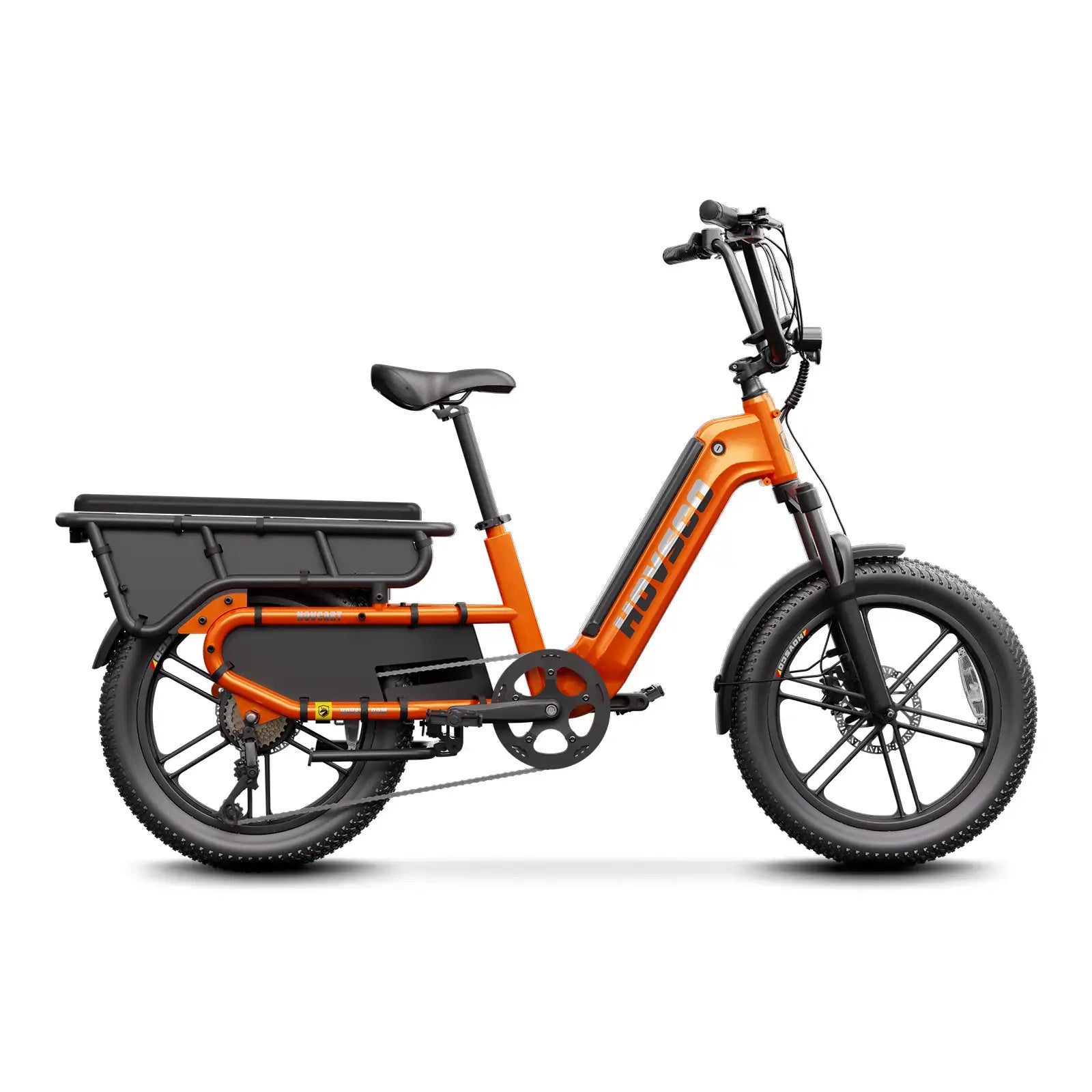
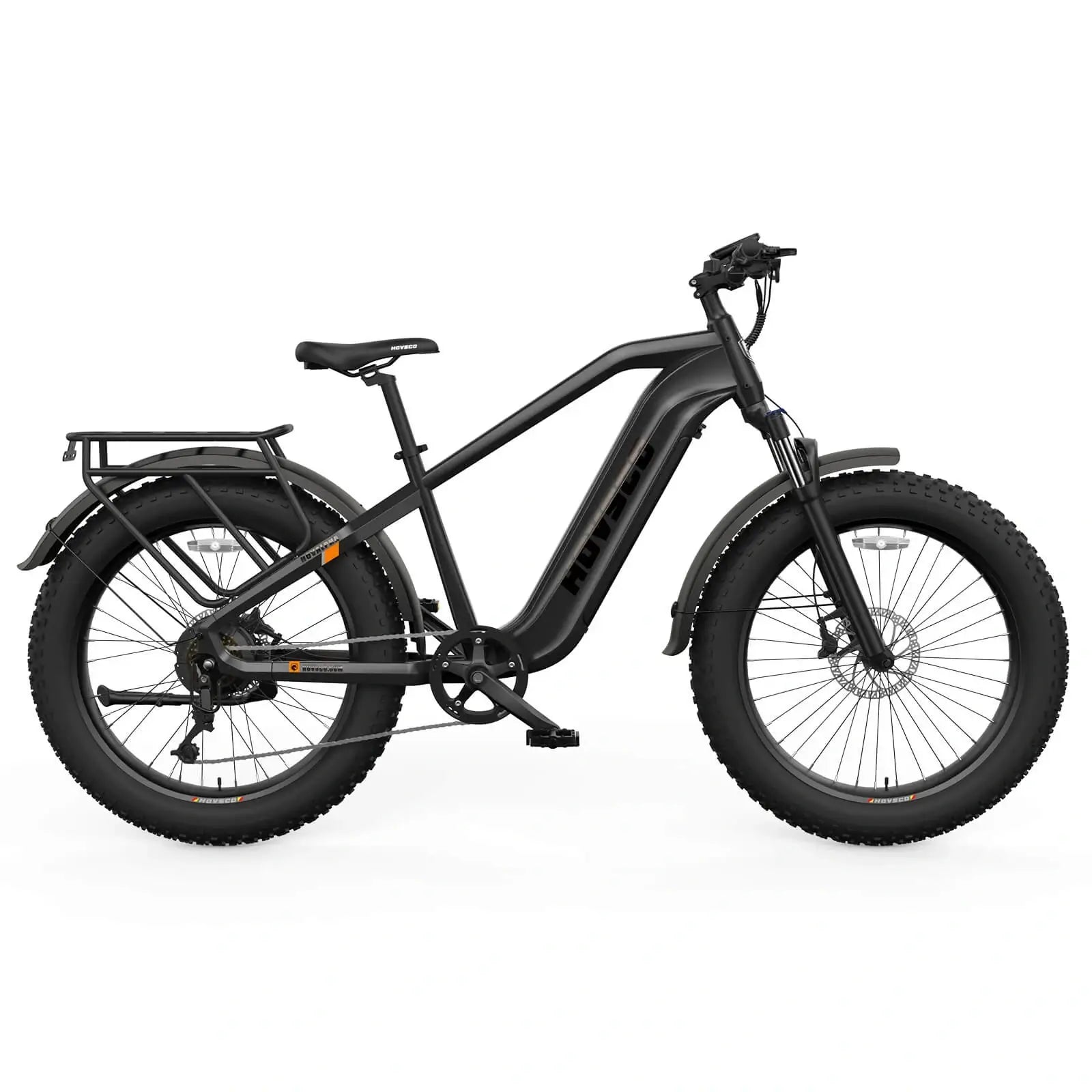
HOVSCO focuses on heavy-duty electric cargo bikes, full-suspension fat-tire models, and versatile commuters that match modern bike infrastructure: from concrete‑protected lanes to mixed‑traffic corridors. Flagship products such as the HovGtrs 1500W moped‑style electric bike and the HovAlpha 26" fat tire electric bike offer powerful hub motors, long‑range lithium batteries, and high payload capacity for families and utility riders.
With sale prices commonly around the mid‑three‑figure to low‑four‑figure range depending on configuration and discounts, HOVSCO positions its bikes as accessible yet high‑performance tools for daily transport. Their mission is to “liberate families from the friction of modern life” by pairing reliable torque sensors, robust frames, and app‑connected controls with growing bike infrastructure in North American cities.
What is electric bike infrastructure?
Electric bike infrastructure refers to the physical and policy environment that supports safe, everyday use of e‑bikes: bikeways, intersections, parking, charging, and regulations tailored to electrically assisted bicycles. It includes protected bike lanes, low‑speed streets, secure parking and charging, and clear rules on speed, power, and where e‑bikes are allowed to ride.
Beyond concrete and paint, electric bike infrastructure also encompasses incentives, standards, and enforcement that keep riders safe and ensure vehicles and batteries meet quality benchmarks. When cities integrate e‑bikes into broader electrification plans and climate pledges, they turn individual trips into a scalable strategy for cutting emissions and congestion.
The pain points of riding without proper infrastructure
In many cities, demand for e‑bikes has outpaced the build‑out of comfortable, connected bike networks, creating frictions that hold riders back.
1. Safety anxiety on mixed‑traffic streets
Without protected bike lanes or traffic calming, riders must share space with cars and trucks moving far faster than typical e‑bike speeds. This mismatch makes new riders—especially families and older adults—hesitate, even when they own capable bikes like HOVSCO’s cargo and commuter models.
2. Fragmented routes and “last‑mile” gaps
Patchwork networks often force riders to navigate missing links, abrupt lane endings, or narrow pinch points at bridges and intersections. E‑bikes are ideally suited to solve last‑mile gaps, yet poor connectivity turns what could be a seamless ride into a stressful maze of detours and dismounts.
3. Limited secure parking and charging options
While many jurisdictions allow e‑bikes in bicycle lanes, they still lack secure parking and charging at workplaces, transit hubs, and apartment buildings. Riders may worry about theft or battery management, especially when they rely on higher‑capacity packs like the 48V 15–25Ah systems found on models such as the HovGtrs.
4. Unclear regulations and inconsistent enforcement
Different rules for speed, motor power, and sidewalk riding can confuse users, particularly when e‑bikes share space with scooters and other micromobility devices. A lack of harmonized standards slows down infrastructure planning and discourages riders who don’t want to risk fines or conflicts on the street.
“Global experts estimate that about 1–1.25 billion e‑bikes are needed by 2050 to meet climate and mobility goals — but only if cities continue funding safe, connected cycle infrastructure.”
How HOVSCO e‑bikes compare in an infrastructure‑ready world
Key infrastructure‑ready features of HOVSCO bikes
Robust motors and torque for varied terrain
HOVSCO’s bikes use brushless hub motors up to a 750W rating with peaks around 1500W on models such as the HovGtrs, providing ample torque for hilly cities and heavy loads. This power allows riders to maintain safe speeds in traffic‑calmed corridors while climbing grades that would deter many conventional cyclists.
Long‑range, removable batteries
With 48V lithium‑ion batteries rated at 15Ah, 20Ah, and higher depending on model, many HOVSCO bikes can cover extensive daily commuting and errand mileage without constant charging. Removable packs simplify building‑level infrastructure since riders can park in secure locations and charge batteries indoors where permitted.
Comfort and control on imperfect streets
Full‑suspension options like the HovGtrs and fat‑tire models like the HovAlpha absorb potholes, curbs, and imperfectly designed bike lanes, improving safety and comfort. Hydraulic disc brakes add reliable stopping power at intersections, especially when infrastructure prioritizes lower speeds and shorter braking distances.
“A compact city with connected cycling infrastructure and high‑quality e‑bikes allows residents to replace many short car trips with zero‑emission rides—without sacrificing speed or convenience.”
“Full‑suspension and cargo‑capable e‑bikes like HOVSCO’s can unlock the real value of new protected lanes by making heavy loads and family trips genuinely comfortable.”
“When jurisdictions treat electric bike infrastructure as essential public transport, rather than a fringe amenity, ridership climbs steadily year after year.”
Related HOVSCO models for different infrastructures (cross‑sell)
As cities layer different types of bike infrastructure—separated lanes, multi‑use trails, low‑speed residential streets—riders benefit from choosing a HOVSCO frame and tire profile tailored to their main routes.
The HovGtrs 1500W moped‑style electric bike offers full suspension, high payload capacity, and long range, making it ideal for mixed city riding that includes both bike lanes and slower traffic environments. For riders relying heavily on wide, protected lanes and occasional off‑road paths, the HovAlpha 26" fat tire electric bike provides extra stability and traction over gravel, snow, and uneven surfaces.
Urban commuters focused on step‑thru convenience can look at models like the HovCity 27.5" step‑thru cruiser electric bike for adults, which pairs a more upright posture with the range and app connectivity common across HOVSCO’s line. For those mixing urban riding with trail systems, the HovScout full‑suspension fat‑tire e‑bike fits multi‑scenario mobility strategies highlighted in HOVSCO’s recent launches.
How to make the most of electric bike infrastructure with HOVSCO (step‑by‑step)
-
Map your everyday routes against current bike lanes
Start by identifying direct, low‑stress routes from home to work, school, and regular destinations, prioritizing protected lanes and traffic‑calmed streets when possible. This forms the backbone of a realistic e‑bike‑first commute plan that matches your HOVSCO model’s strengths.
-
Select a HOVSCO bike that fits your local infrastructure
In cities with varied terrain and mixed‑traffic segments, choose a high‑torque model like the HovGtrs or a fat‑tire design such as the HovAlpha for stability. In flatter, lane‑rich cities, a step‑thru commuter from the HOVSCO lineup may offer a lighter, more nimble feel.
-
Plan charging around your weekly mileage and facilities
Estimate your typical weekly distance and align it with your bike’s rated range on pedal assist, factoring in hills and cargo loads. Use removable batteries and workplace or home charging access to avoid range anxiety while leveraging infrastructure for frequent short trips.
-
Leverage app connectivity for data‑driven riding
Use HOVSCO’s app to track speed, distance, and routes, identifying where infrastructure feels safe and where detours are needed. Over time, this data helps you refine route choices and advocate for improvements with local planners.
-
Combine e‑bike trips with public transit when needed
Even in cities where infrastructure is still growing, e‑bikes can close gaps to bus and rail hubs, making multimodal commutes practical. Foldable or lighter HOVSCO models are particularly suited to station access and short rides on shared paths.
-
Engage with local policy and infrastructure upgrades
Stay informed through city consultations, bike advocacy groups, and micromobility reports, using your experience as an e‑bike rider to support better design. The more residents demand continuous, protected networks, the more value bikes like HOVSCO’s deliver across entire communities.
Everyday scenarios where HOVSCO and infrastructure work together
Scenario 1: Suburban family school runs
Traditional approach: Parents rely on two short car trips each morning and afternoon, navigating congestion near schools and struggling with parking.
With HOVSCO and infrastructure: Protected lanes and low‑speed school streets enable a HOVSCO cargo or high‑payload bike like the HovGtrs to carry a child and bags, avoiding car queues and reducing daily emissions.
Scenario 2: Urban professional multi‑stop commute
Traditional approach: A city worker drives or uses ride‑hailing for a commute plus mid‑day appointments, facing parking costs and lost time in traffic.
With HOVSCO and infrastructure: Connected bike lanes and secure parking support a HovAlpha or commuter model that links home, office, and client sites quickly, with predictable travel times and low operating costs.
Scenario 3: Mixed‑terrain weekend logistics and leisure
Traditional approach: Separate car trips for grocery runs, gym visits, and trail outings with family, combining errands and leisure but still tied to traffic.
With HOVSCO and infrastructure: A full‑suspension model like the HovScout or HovGtrs handles both city lanes and nearby trails, letting riders chain errands and leisure rides into one loop using multi‑use paths and calm streets.
FAQ: Long‑tail questions about electric bike infrastructure and HOVSCO
How does electric bike infrastructure make commuting safer for HOVSCO riders?
Protected lanes, better intersection design, and clear regulations significantly reduce conflict with motor traffic, making commutes more predictable and less stressful. HOVSCO’s strong brakes, torque sensors, and stable frames complement this infrastructure by giving riders precise control at typical city speeds.
What kind of infrastructure best supports high‑payload e‑bikes like the HovGtrs?
Wide, protected bike lanes and traffic‑calmed arterials are ideal for bikes carrying up to about 450 lbs, as they offer more space and time for maneuvering. Secure parking near schools, supermarkets, and workplaces ensures cargo‑focused riders can park confidently without resorting to car use.
Is current US infrastructure ready for the growth in e‑bike usage?
While many cities have expanded networks, coverage remains uneven, with notable gaps in connectivity and protected facilities. Ridership grows fastest in places where infrastructure is continuous and publicly funded as essential transportation, not a luxury.
How do HOVSCO’s long‑range batteries fit into charging infrastructure plans?
Because many HOVSCO models offer high‑capacity 48V batteries with ranges extending beyond typical daily commutes, they reduce reliance on frequent public charging stations. Removable packs allow riders to use existing building power rather than specialized infrastructure, easing adoption while standards evolve.
What policies help cities integrate e‑bikes like HOVSCO into climate strategies?
Governments can define e‑bike classes, set manufacturing and battery standards, offer purchase incentives, and invest in infrastructure connections to transit. Aligning these policies with climate pledges ensures that growing fleets of private and shared e‑bikes truly displace short car trips.
How can riders and brands influence future electric bike infrastructure?
Riders can participate in local planning processes, provide route data, and support advocacy organizations pushing for continuous networks. Brands like HOVSCO contribute by designing bikes that match infrastructure constraints—speed limits, payloads, lane widths—and by educating customers on safe, considerate riding.
Why electric bike infrastructure and HOVSCO matter now
Electric bike infrastructure is moving from “nice‑to‑have” to core city strategy as data shows surging micromobility trips and sustained spending on bicycles and accessories. When connected lanes, safe intersections, and charging access are paired with capable, comfortable e‑bikes, residents can shift a meaningful share of daily travel away from cars without sacrificing convenience.
HOVSCO’s lineup—spanning cargo, commuter, fat‑tire, and full‑suspension designs—aligns with this moment by giving riders practical tools to use existing infrastructure and advocate for better networks through everyday riding. As cities continue to invest, riders equipped with infrastructure‑ready bikes like HOVSCO’s will be positioned to take full advantage of safer, more sustainable streets.
CTA and HOVSCO in one sentence
If you’re ready to turn growing electric bike infrastructure into real everyday freedom, explore HOVSCO’s e‑bike collection and choose the model that fits your city, your routes, and your lifestyle. HOVSCO designs high‑performance, family‑friendly electric bikes that turn protected lanes, calm streets, and multi‑use paths into a seamless mobility network for modern urban life.
Sources

























![[ New Arrival ] Porto Max Electric Scooter For Commute & Grocery Shopping - HOVSCO](http://www.hovsco.com/cdn/shop/files/PotroMax-3.jpg?v=1706927007&width=1200)
Share:
Cycling Safety Standards That Help Families Commute Safer and Smarter
Urban Traffic Decongestion: How HOVSCO E‑Bikes Unlock City Mobility