Family micro-mobility is transforming school runs and errands. Discover how family e-bikes and cargo e-bikes help parents replace car trips safely and affordably, and how HOVSCO fits in.
Macro outlook: Why family micro-mobility is exploding
Family micro-mobility sits at the intersection of rising urban congestion, sustainability pressure, and household budget stress—and the numbers show it is no fad. Global e-bike revenue reached tens of billions of dollars by 2024 and is forecast to keep growing strongly through the 2030s, driven by everyday transport and family use, not just sport. Within that, electric cargo and family bikes are one of the fastest-growing segments, with market estimates in the low billions of dollars and double‑digit annual growth as more parents use them for school runs, shopping, and short-distance family trips. Recent trials in the UK found that when families borrow an electric cargo bike, they use it several days per week and replace a large share of their car kilometers—a strong signal that the barrier is access, not appetite.
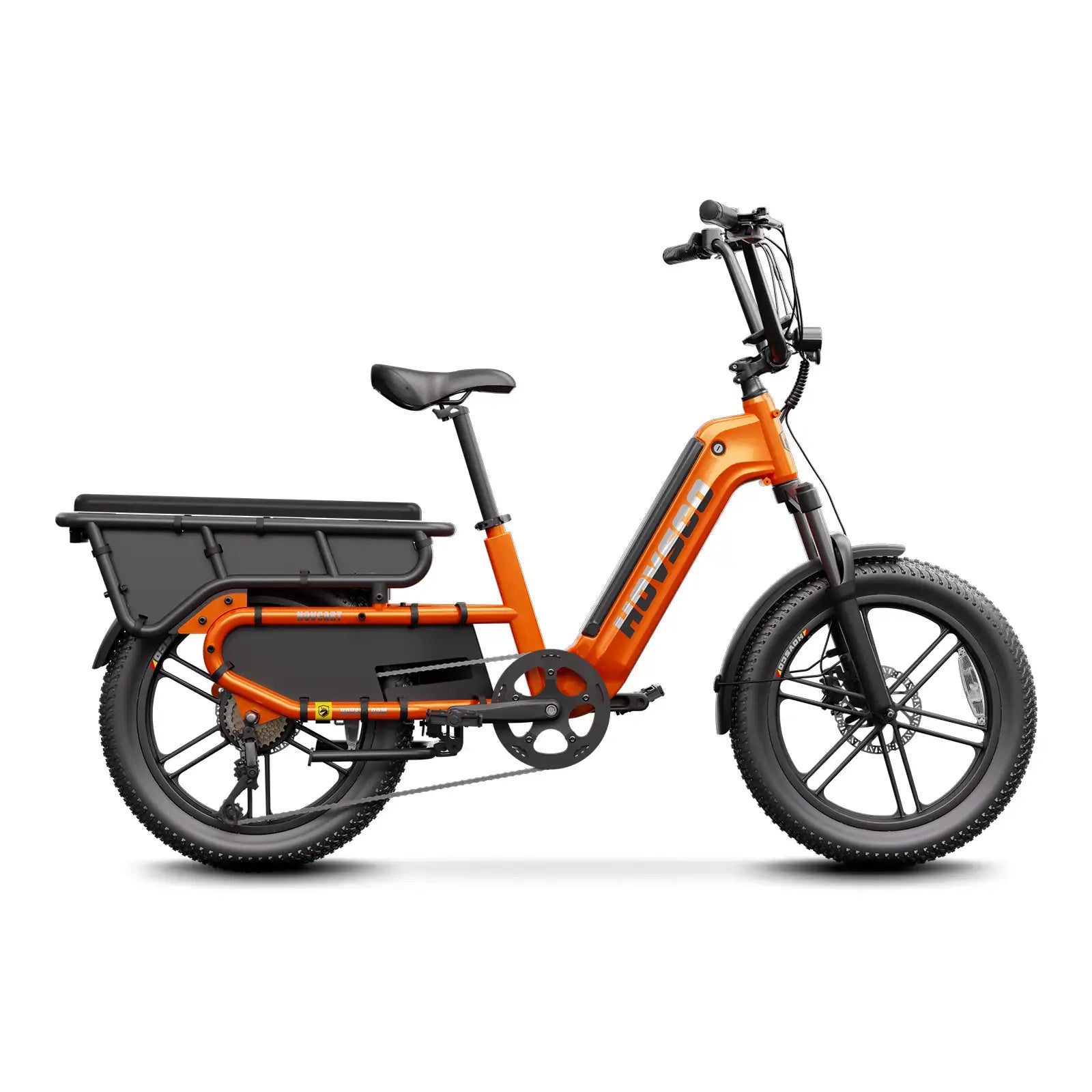
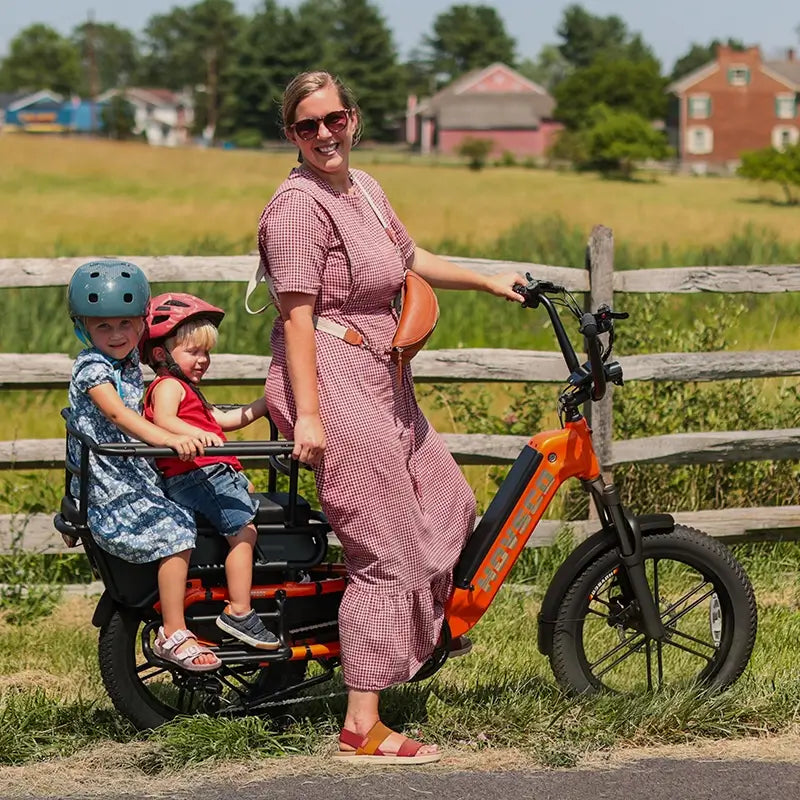
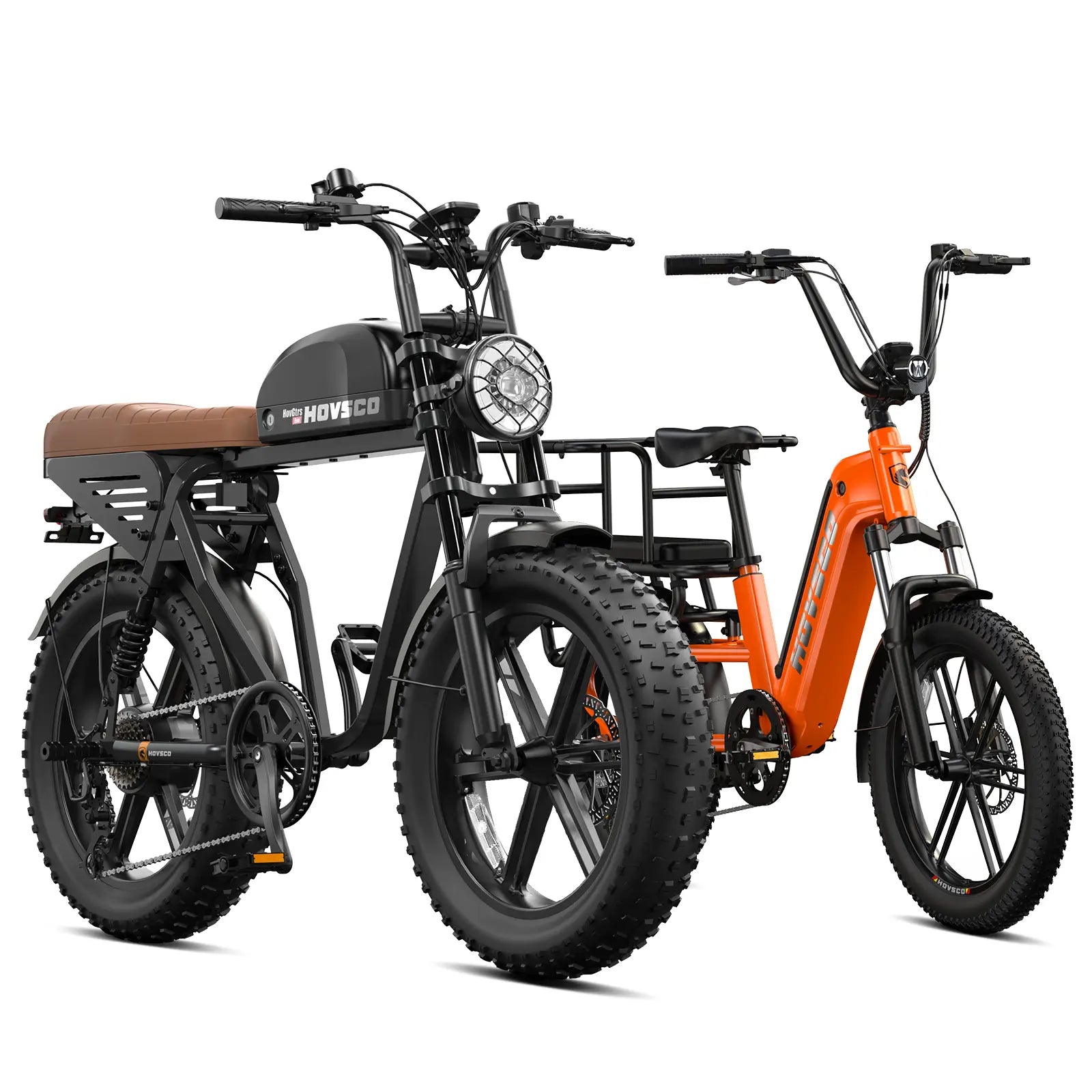
From an industry perspective, “family micro-mobility” now covers a spectrum of solutions—family e-bikes with child seats, long‑tail or front‑loader cargo bikes, compact scooters, and moped‑style e‑bikes designed to carry one adult plus a child or cargo. For brands like HOVSCO, this has led to dedicated family e-bike lines such as the HovCart Family E-Bike, positioned as an “SUV alternative” with high payload, modular racks, and child‑specific accessories for everyday household logistics.
Early product introduction: HOVSCO’s take on family micro-mobility
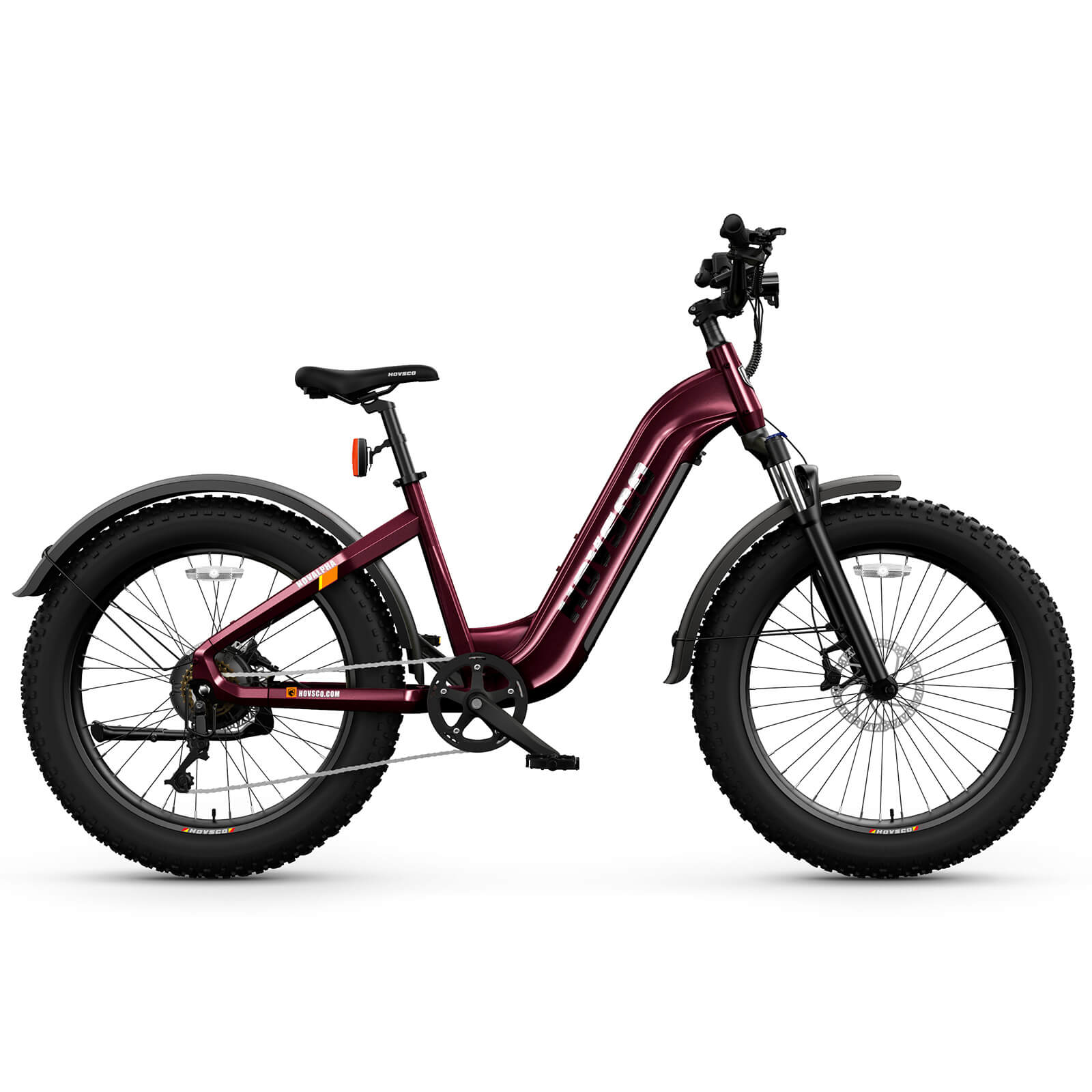
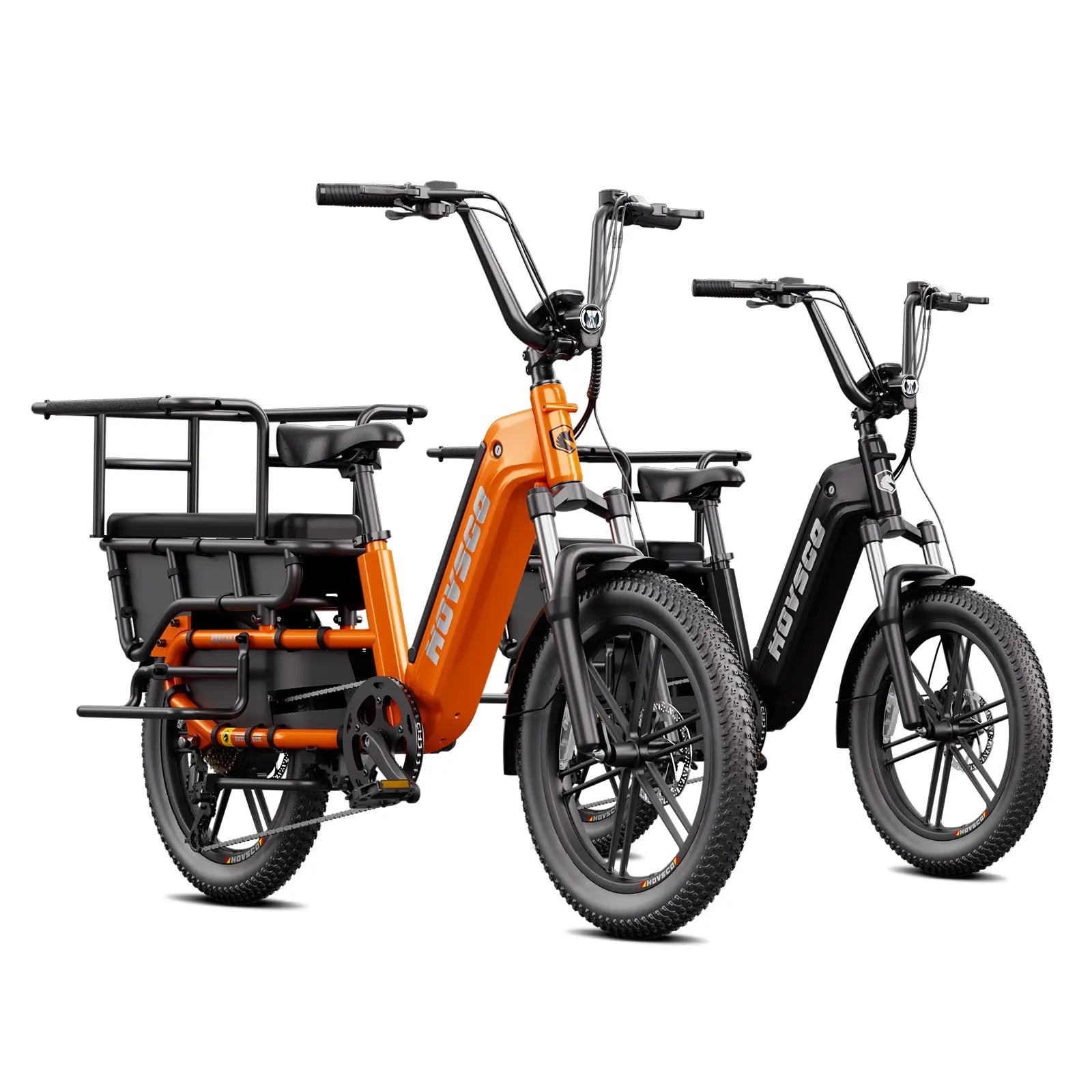
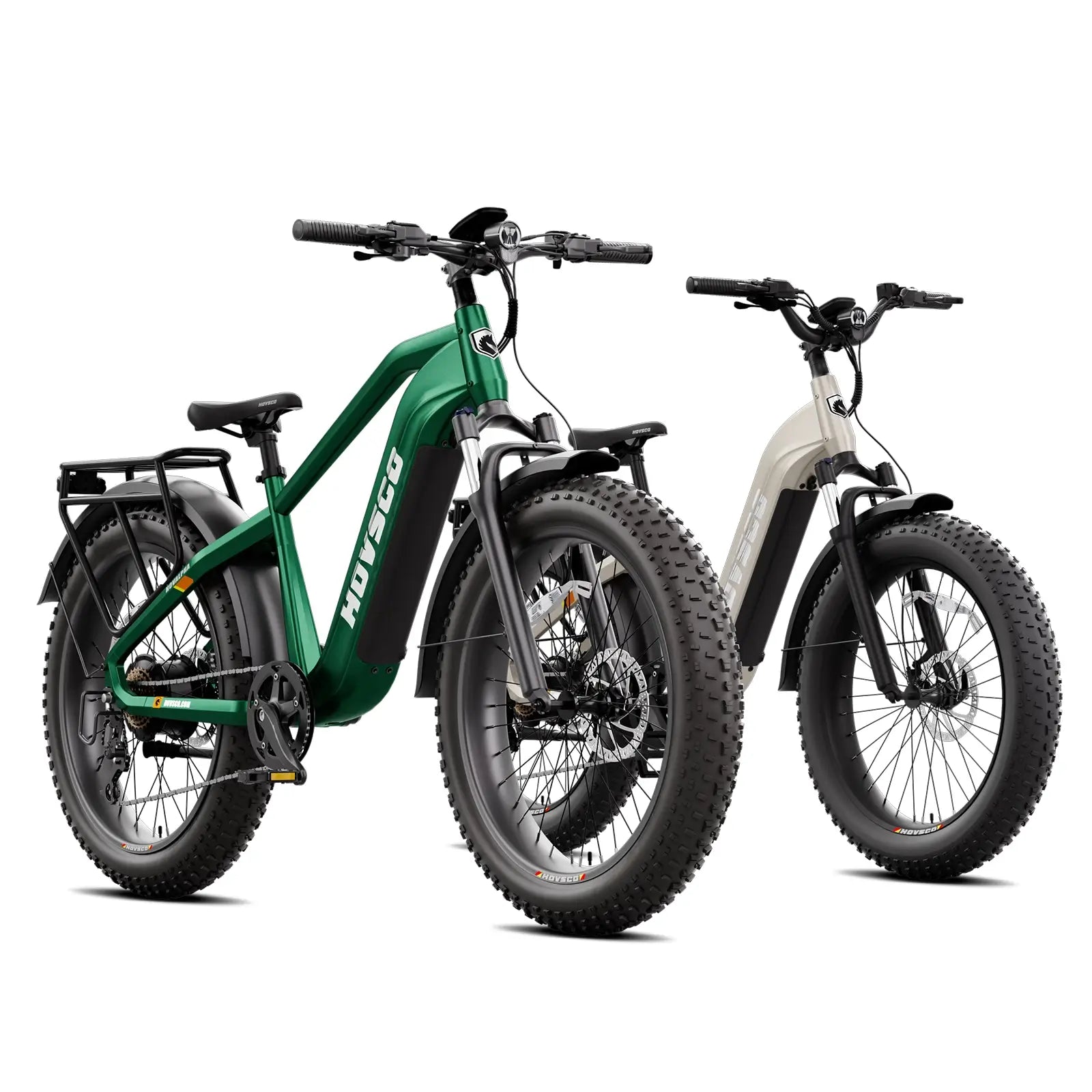
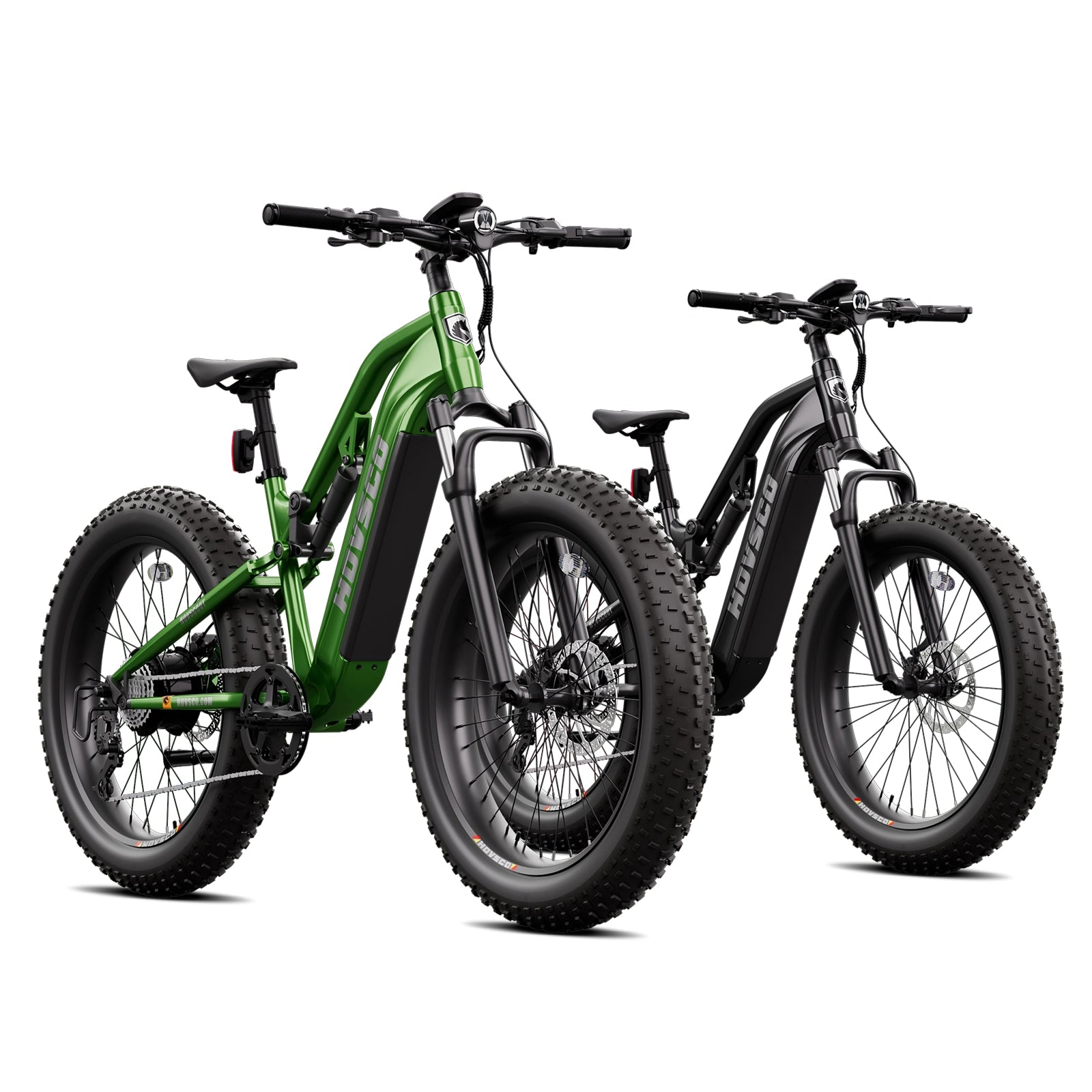
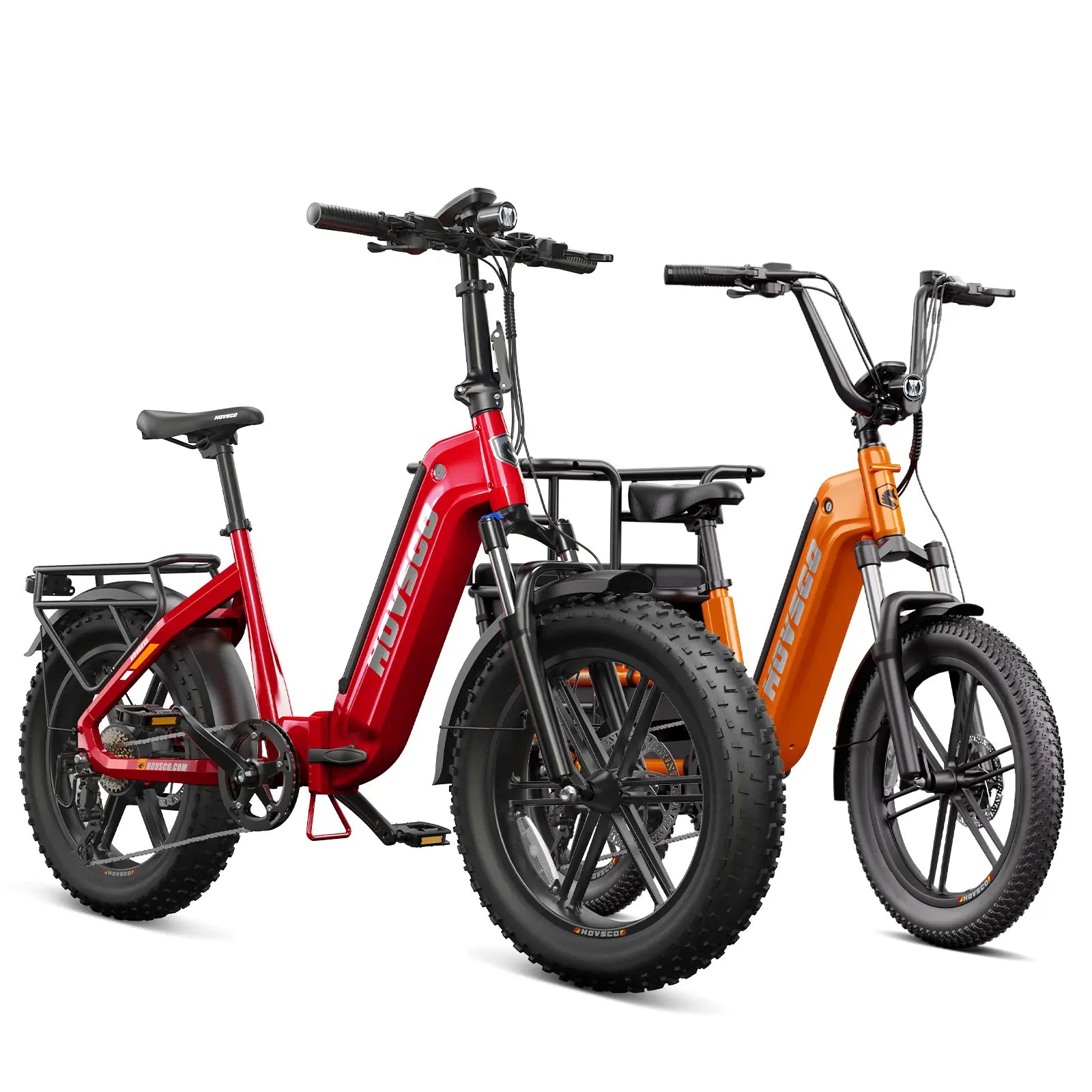
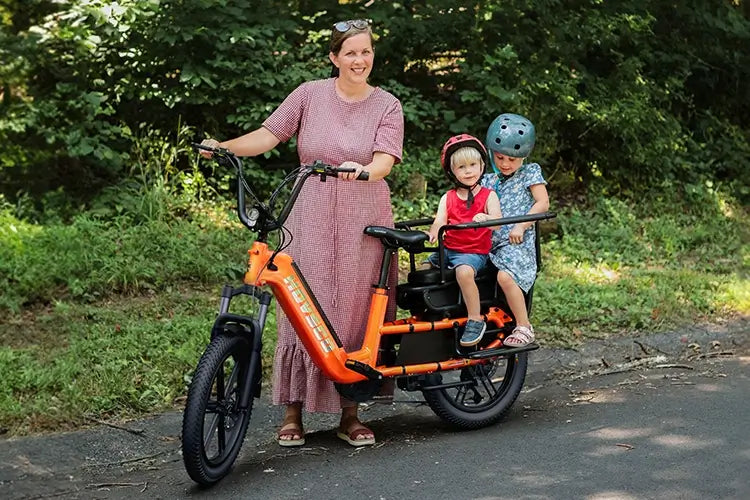
Among the many family-focused options on the market, HOVSCO has leaned into a “total mobility” strategy: a full‑suspension adventure bike, a family cargo platform, foldable city bikes, and moped‑style models that can comfortably carry a passenger. For pure family micro‑mobility, the centerpiece is the HovCart 20" Step-Thru Family E-Bike, a cargo model with up to 1300 W peak power, 450 lb payload, and modular racks and child seats engineered around school runs and grocery duty.
What is family micro-mobility?
Family micro‑mobility refers to small, often electric vehicles—especially cargo and family e‑bikes—designed to move parents, kids, and cargo on short to medium trips instead of using a car. Typical examples include long‑tail electric cargo bikes, step‑thru family e‑bikes with child seats, and compact e‑bikes or scooters that integrate racks, baskets, and passenger seating.
The real‑world pain points family micro-mobility solves
Parents rarely buy a family e‑bike for the technology itself; they buy it to escape a daily grind that cars are no longer solving well.
1. Congested school runs and short car trips
Morning school runs are among the most congested, stressful car journeys, even though many are under 5 km. Studies of family cargo‑bike trials show that when parents gain access to an e‑cargo bike, over half of the kilometers they ride on it replace car journeys, especially for multi‑purpose trips like “school run + commute + shopping.” When your vehicle can carry two kids plus backpacks and groceries, a door‑to‑door bike ride often becomes faster and more predictable than sitting in traffic queues or circling for parking near the school gate.
2. Cost of running and owning a second car
A second household car can cost thousands per year when you add fuel, insurance, maintenance, and depreciation. Industry projections show electric cargo and family bikes growing particularly fast because they are seen as cost‑effective substitutes for many short‑distance car journeys. In several studies, some participating families ended up selling or avoiding the purchase of a second car after extended e‑cargo bike trials, citing lower running costs and higher everyday usefulness.
3. Parking, storage, and last‑mile headaches
Urban and suburban households increasingly face limited parking and storage. An e‑bike or compact family cargo bike can be stored in a garage corner or hallway and parked directly at the school gate, supermarket door, or playground fence. Research into family cargo‑bike usage shows that 98% of trips in some trials were under 25 km, with most combining errands and escorting children—exactly the distances where cars are least efficient and parking most frustrating.
4. Health, sustainability, and kids’ experience
Families are more climate‑aware, but walking or classic cycling does not feel feasible for all distances, hills, or physical abilities. Global e‑bike data shows that personal and family use now accounts for well over half of e‑bike demand, reflecting a shift from pure recreation to everyday transport and health goals. E‑bikes also make cycling seem more practical, not just “sporty,” which helps convince reluctant adults to leave the car at home and model active habits for their children.
“In recent trials, families used e‑cargo bikes on average three days a week and replaced about 55% of their previous car kilometers on those journeys.”
How HOVSCO compares: family bike vs car vs standard bike
Key HOVSCO family‑ready features (brief)
Cargo‑class payload and modularity
The HovCart Family E‑Bike is built around a modular rack system rated up to 450 lb, supporting a wide variety of configurations for child seats, large baskets, or passenger cushions. This allows one bike to serve as a kid‑carrier on weekdays and a shopping or leisure hauler on weekends.
Powerful motor, torque, and range
With a SUTTO/Bafang‑derived rear hub motor delivering 750 W sustained and 1300 W peak, plus up to 90 Nm of torque in some HovCart configurations, HOVSCO’s family platform is designed to climb hills with two kids and cargo while maintaining safe urban speeds. Paired with a 48 V, 15 Ah internal battery (around 720 Wh), city range is typically quoted at around 40 miles on throttle and up to 60 miles with pedal assist, enough for a week of school and errands for many households.
Family‑focused accessories and comfort
HOVSCO offers add‑ons such as a rear‑mounted children’s seat, backseat cushions, front baskets, rear baskets, and running boards designed specifically for the HovCart frame. Step‑thru geometry, fat 20" tires, front suspension, and hydraulic disc brakes support stable, comfortable riding when carrying precious cargo.
Everyday examples of family micro-mobility in action
“Two kids, two backpacks, plus one week of groceries: a family cargo e‑bike replaces the classic ‘short car trip’ while cutting both stress and emissions.”
“Parents on trial runs reported combining school drop‑offs with their own commute and shopping in a single continuous trip on an e‑cargo bike, without parking hassles.”
“One year after an extended trial, some families had bought their own cargo e‑bikes and even removed a second car from the household fleet.”
Related HOVSCO models worth considering
Family micro‑mobility needs are diverse, so it rarely makes sense to focus on a single frame type.
Adventure and mixed‑terrain family rides: HovScout
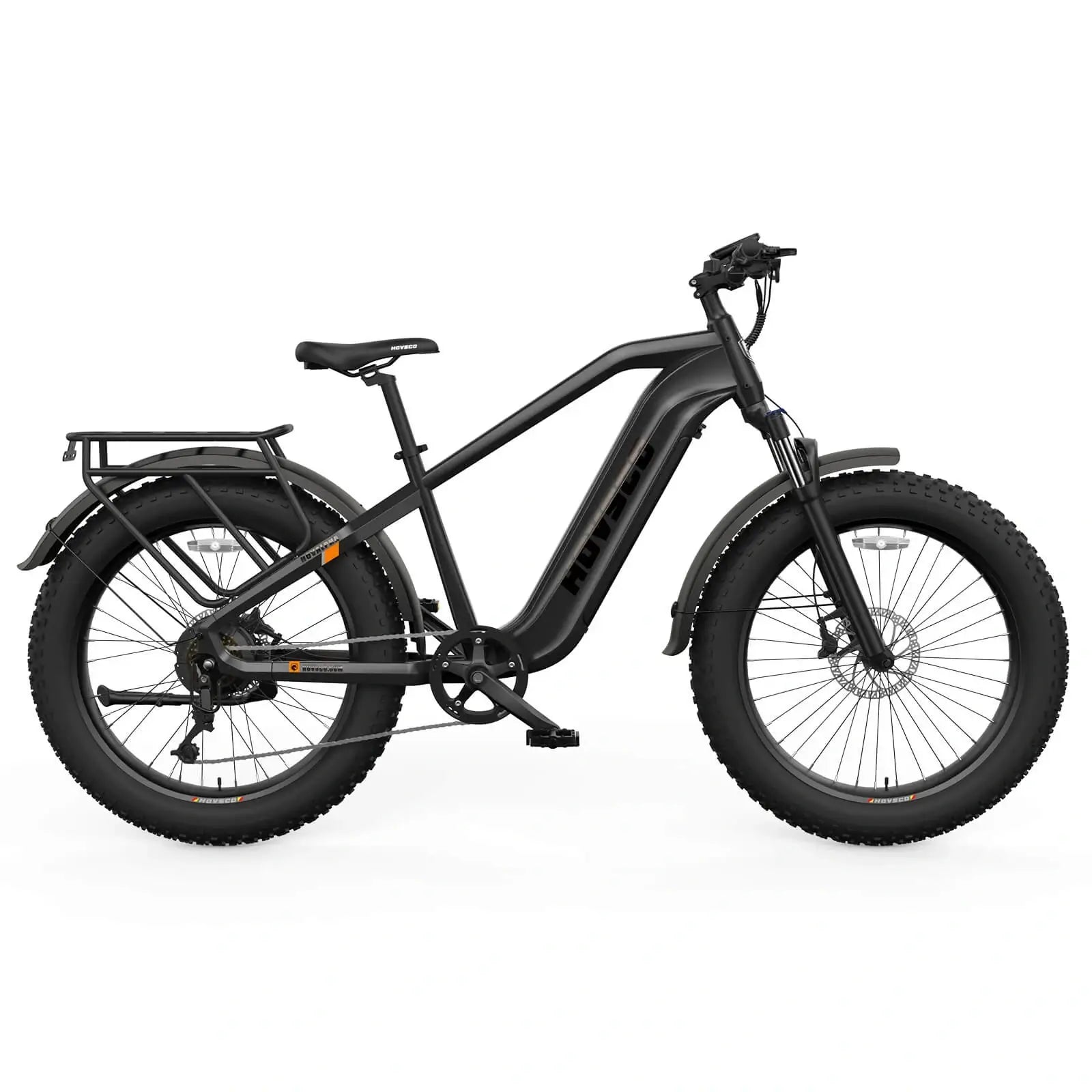
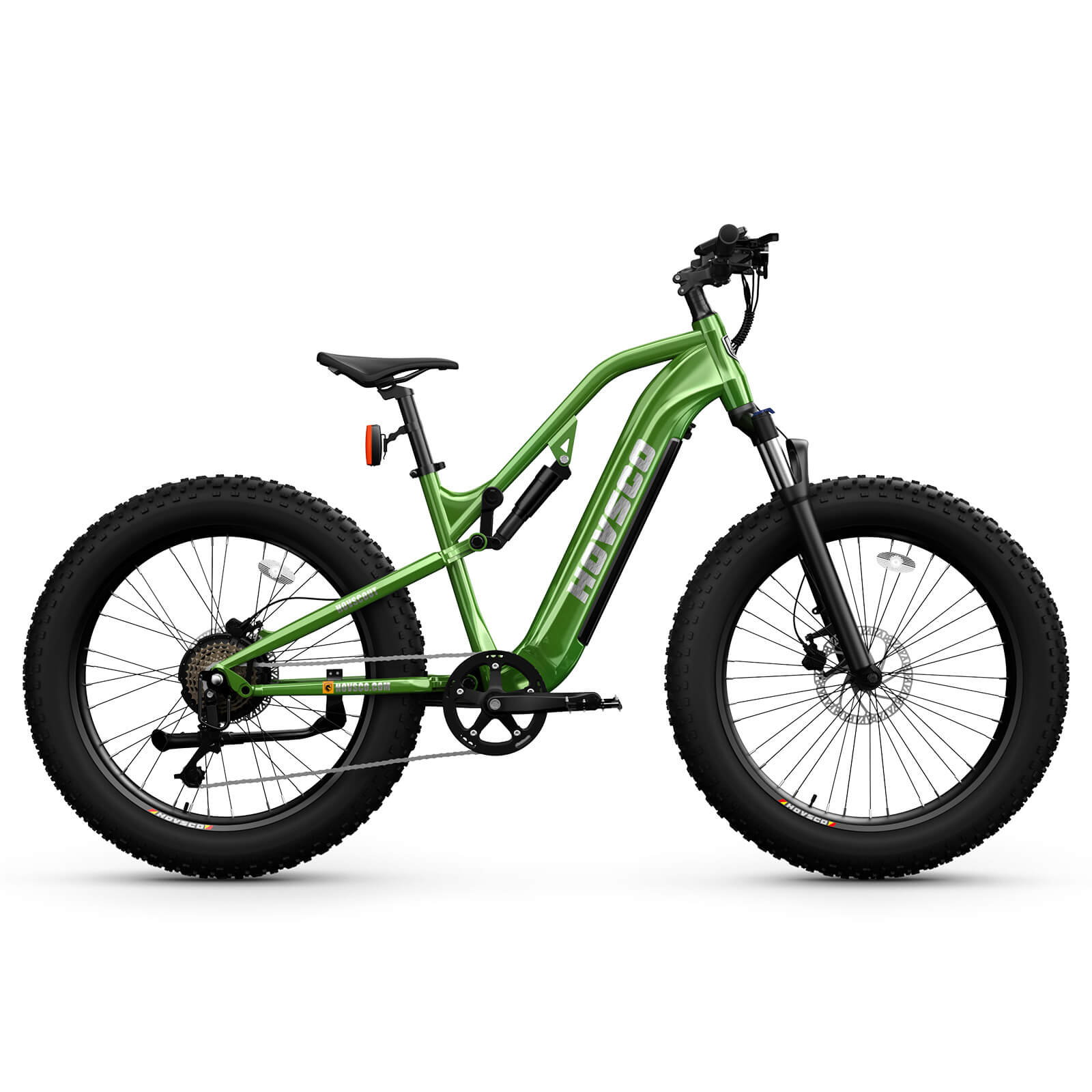
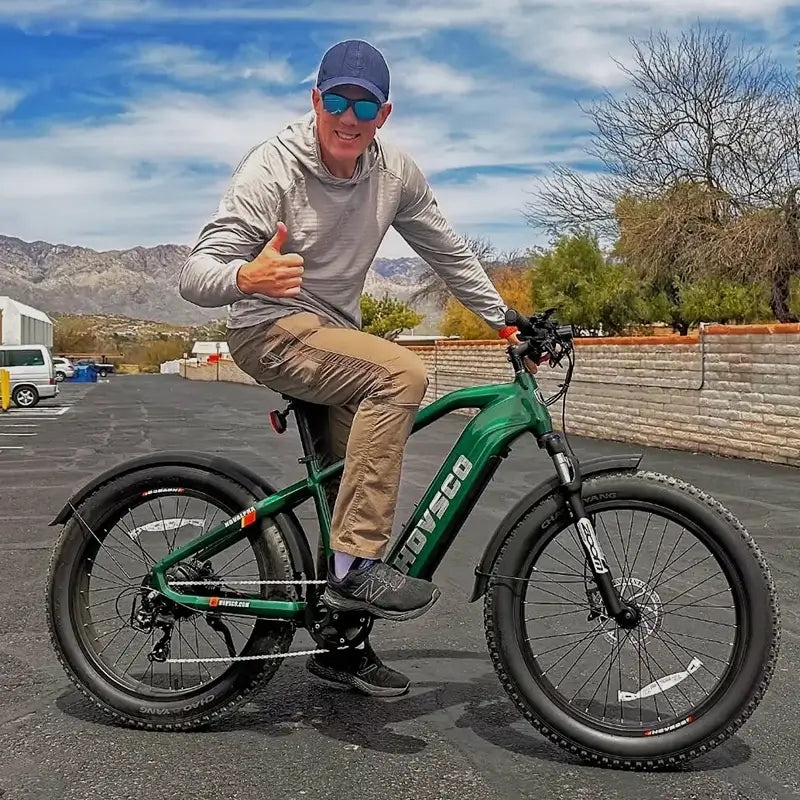
HOVSCO’s HovScout full‑suspension fat‑tire e‑bike anchors its 2026 “Total Mobility” strategy as a multi‑scenario platform for off‑road and rough‑surface riding. While not a long‑tail cargo bike, it allows parents who split their time between trails and city routes to keep one high‑performance e‑bike for personal adventures and occasional family use with racks or a child seat where appropriate.
Moped‑style shared rides: HovGtrs
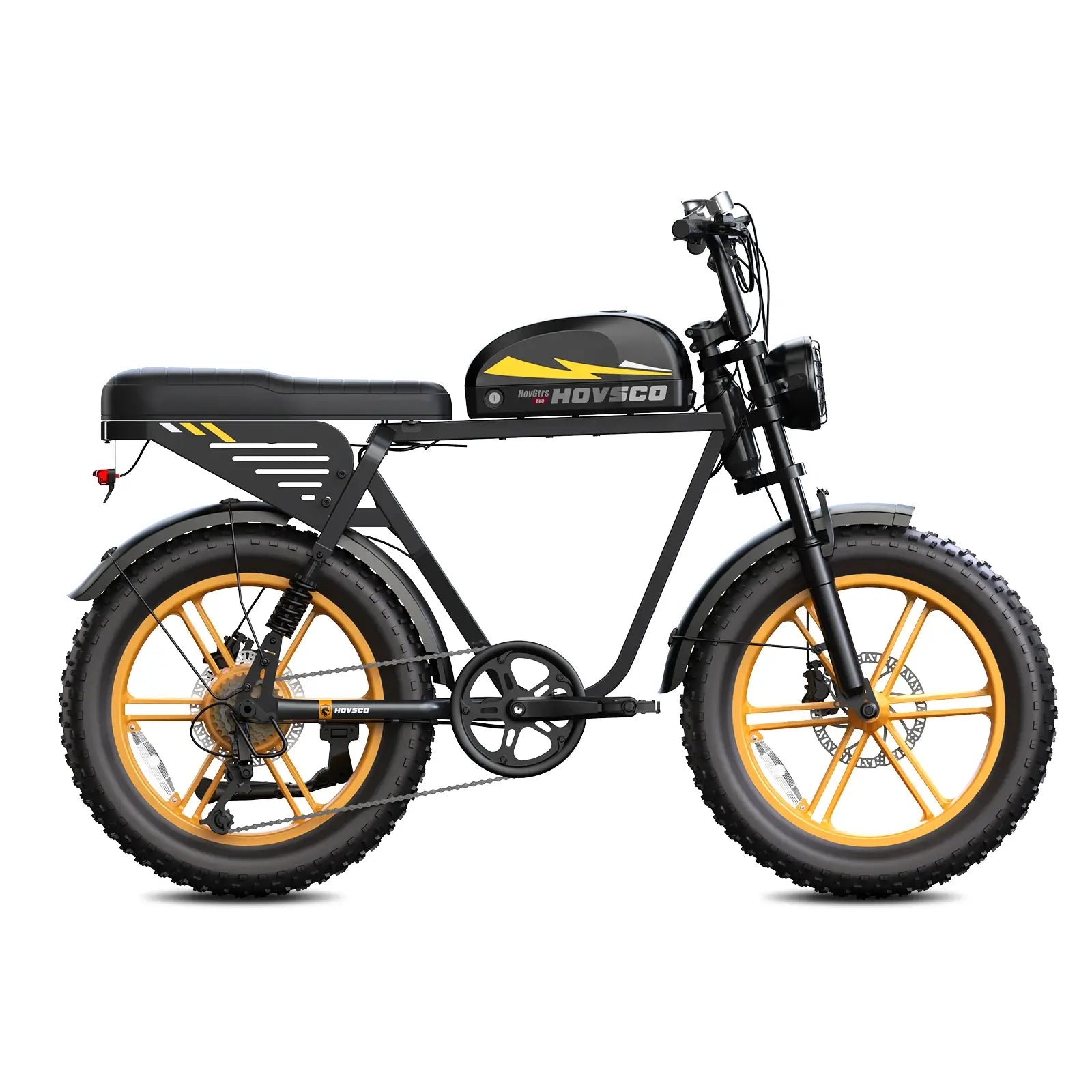
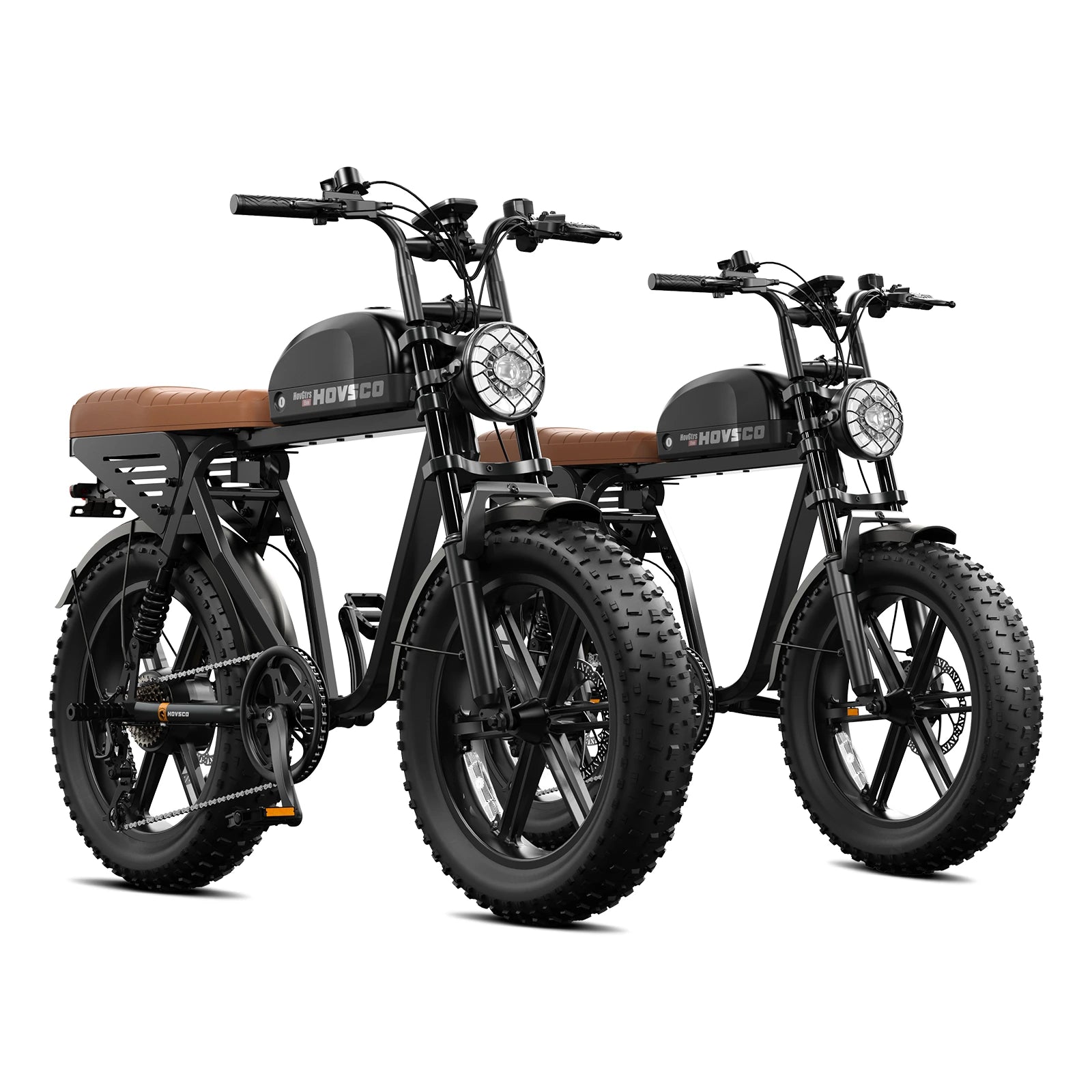
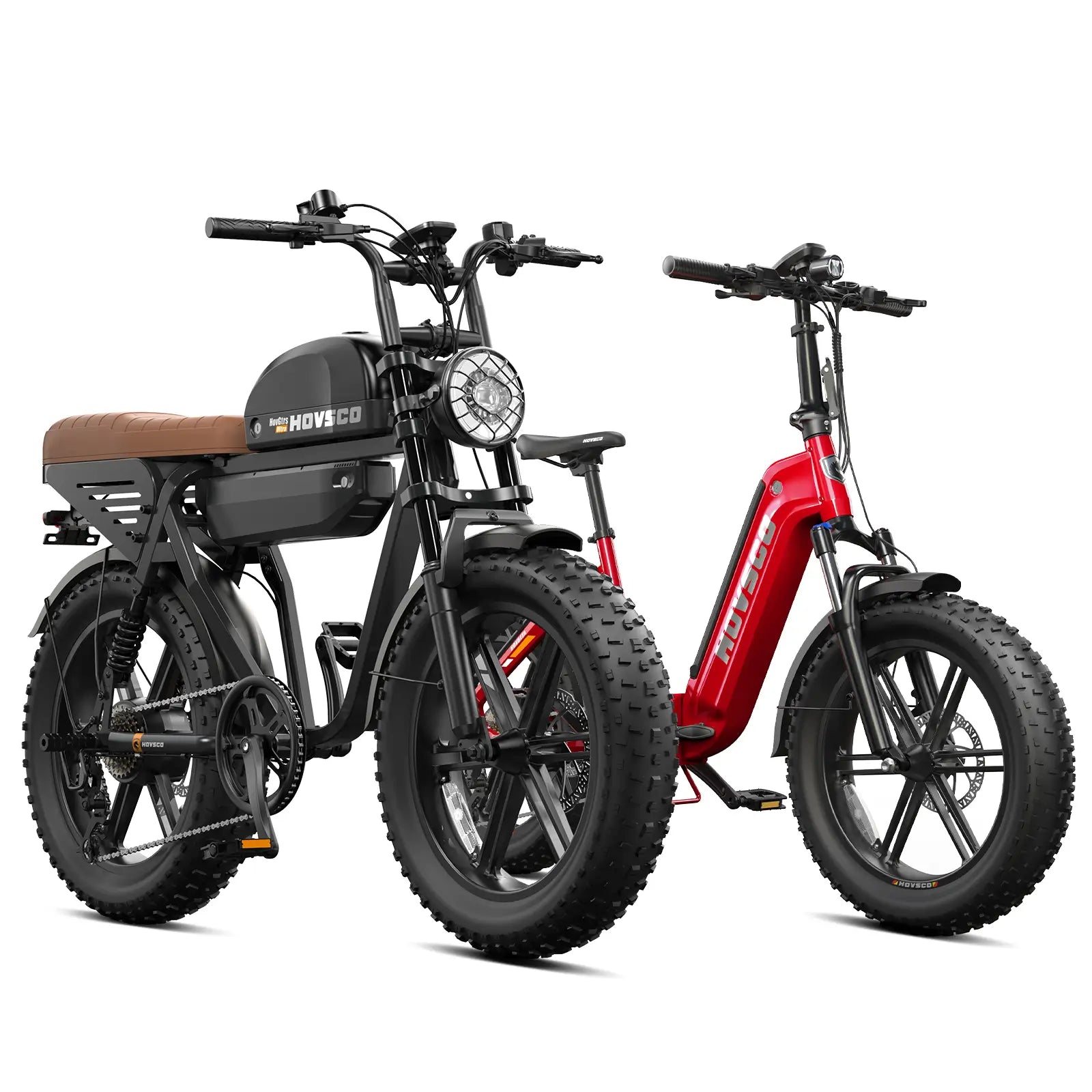
The HovGtrs moped‑style e‑bike combines a 750 W motor (1500 W peak), long saddle, and 450 lb payload, allowing an adult rider to carry a passenger or gear comfortably. For teens and older kids riding with a parent, the motorcycle‑style seating can feel more familiar while still delivering e‑bike agility and lower operating costs.
Compact utility and folding options
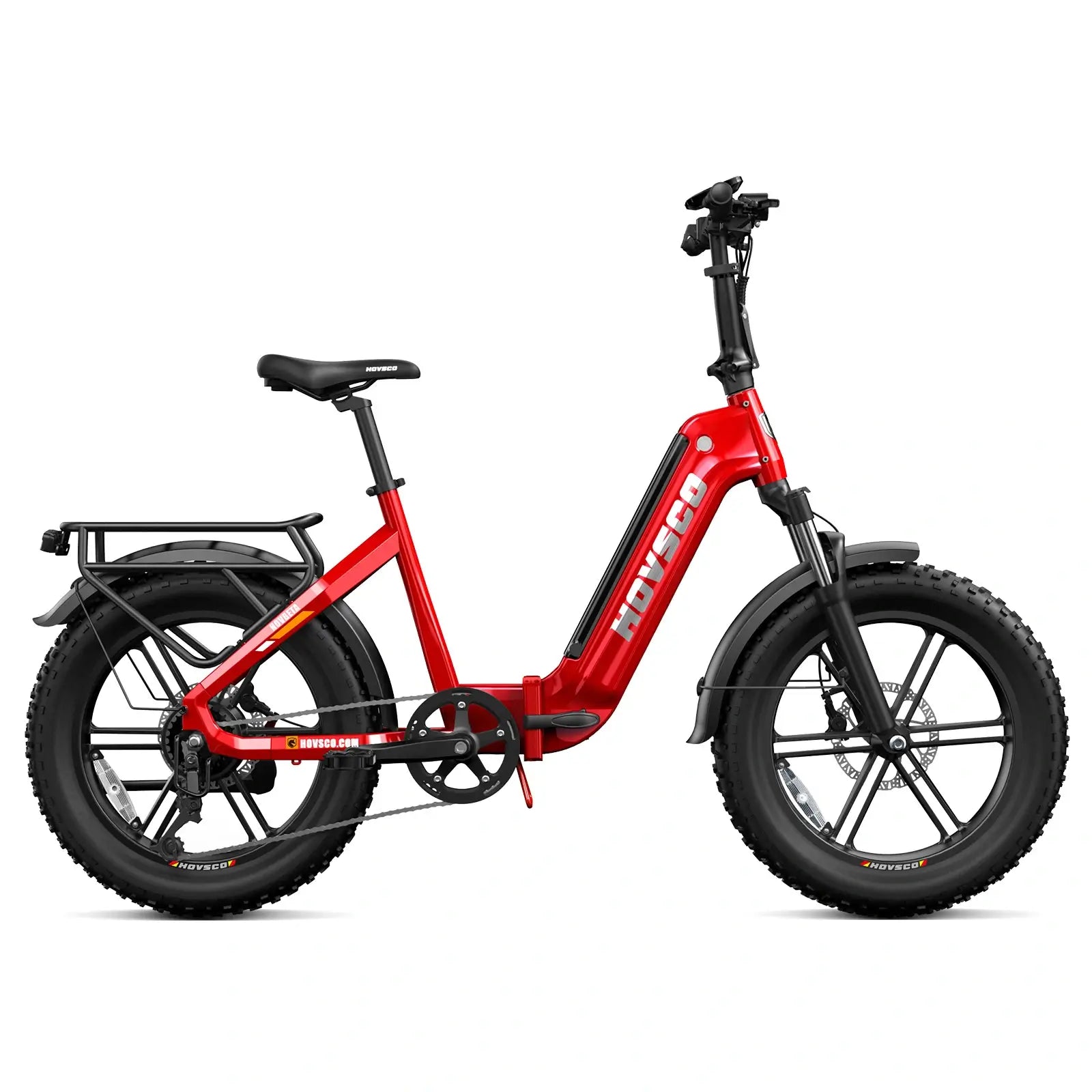
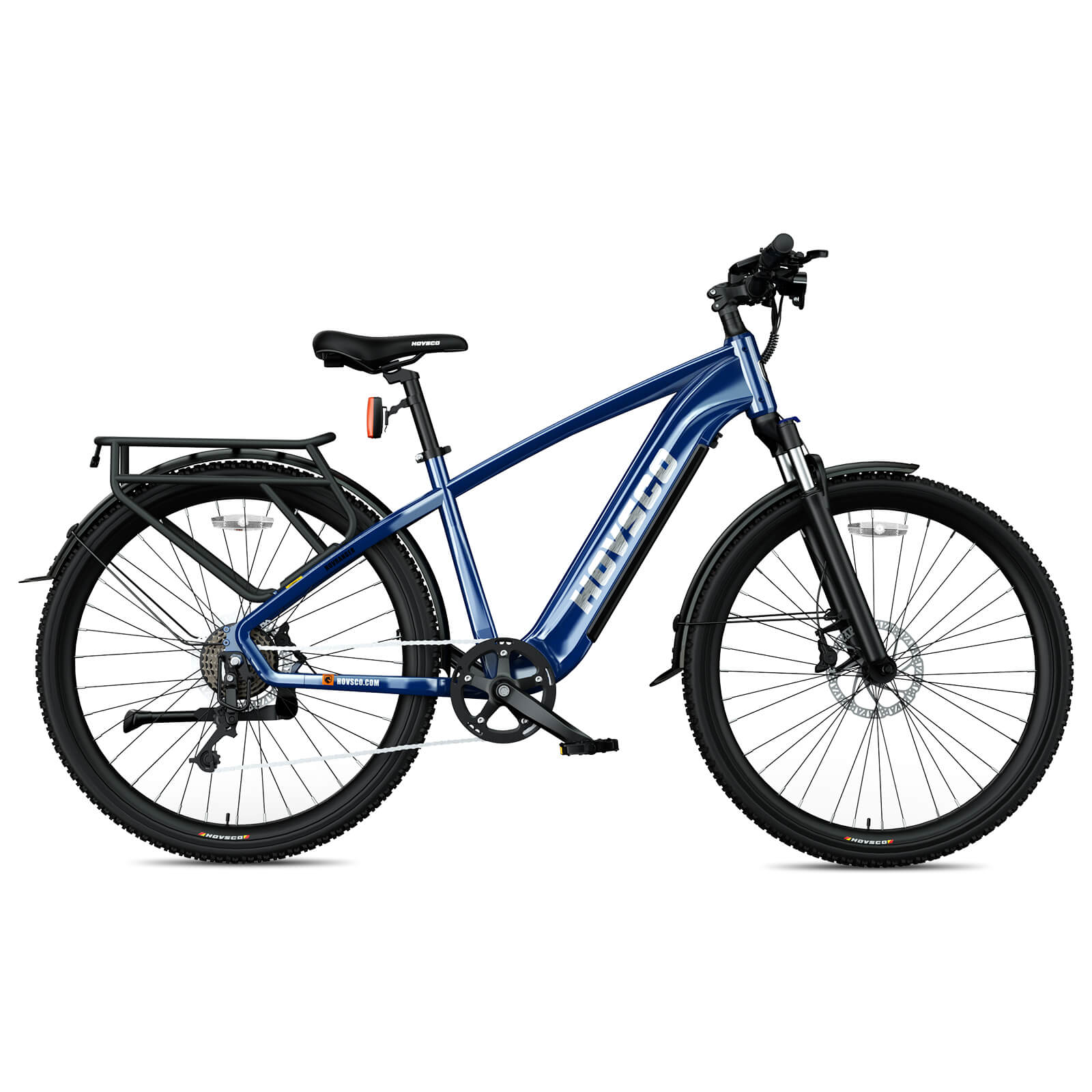
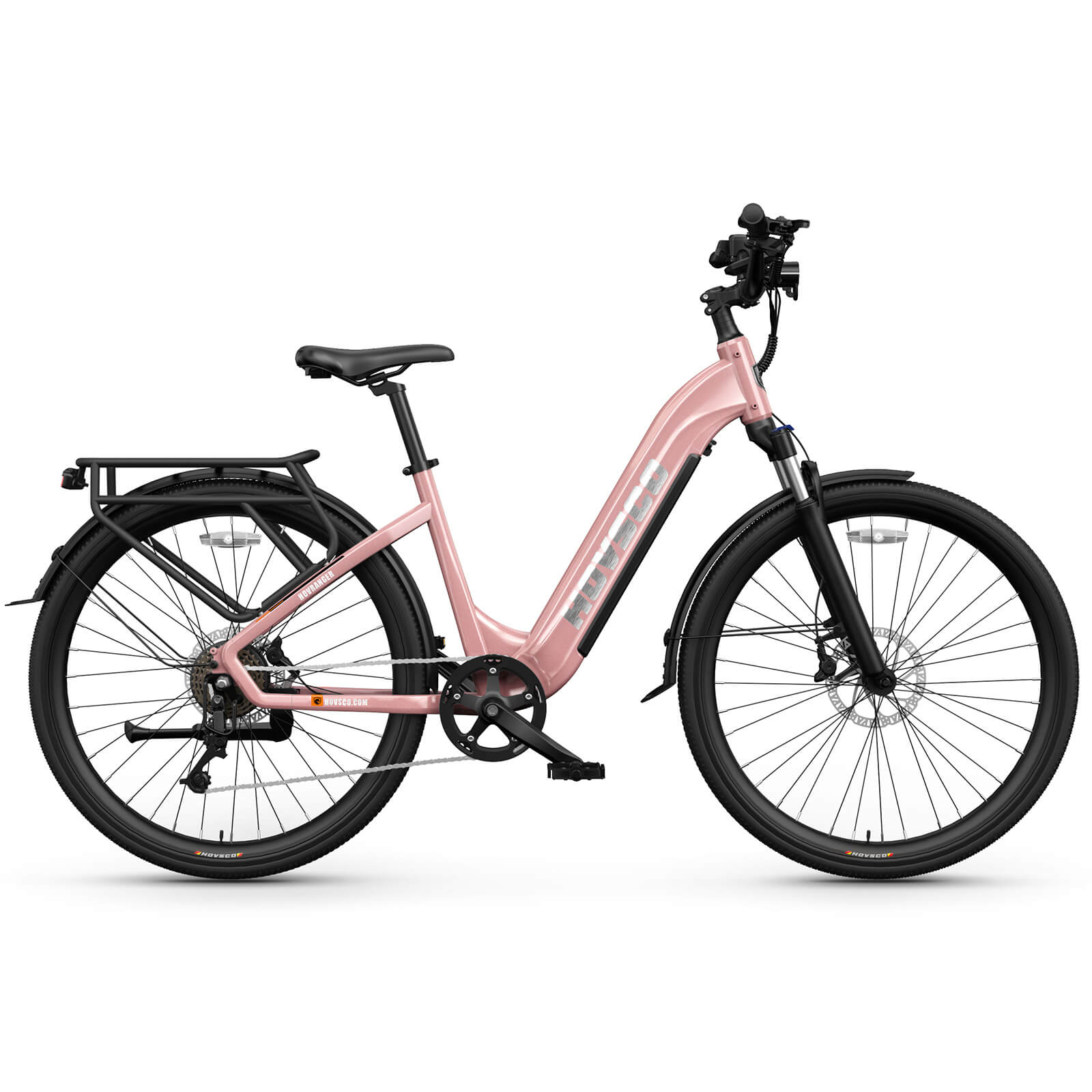
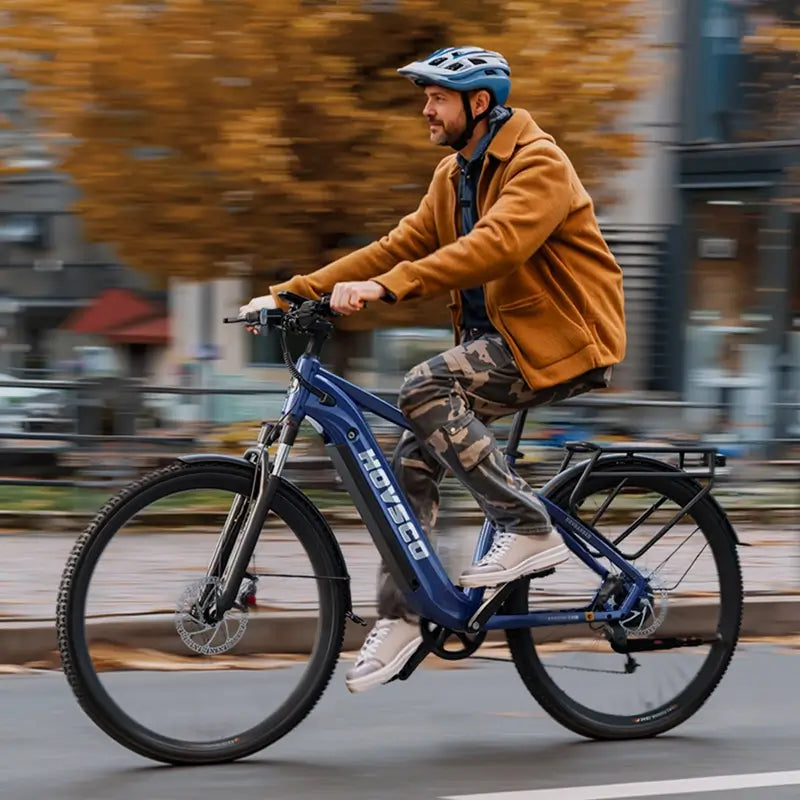
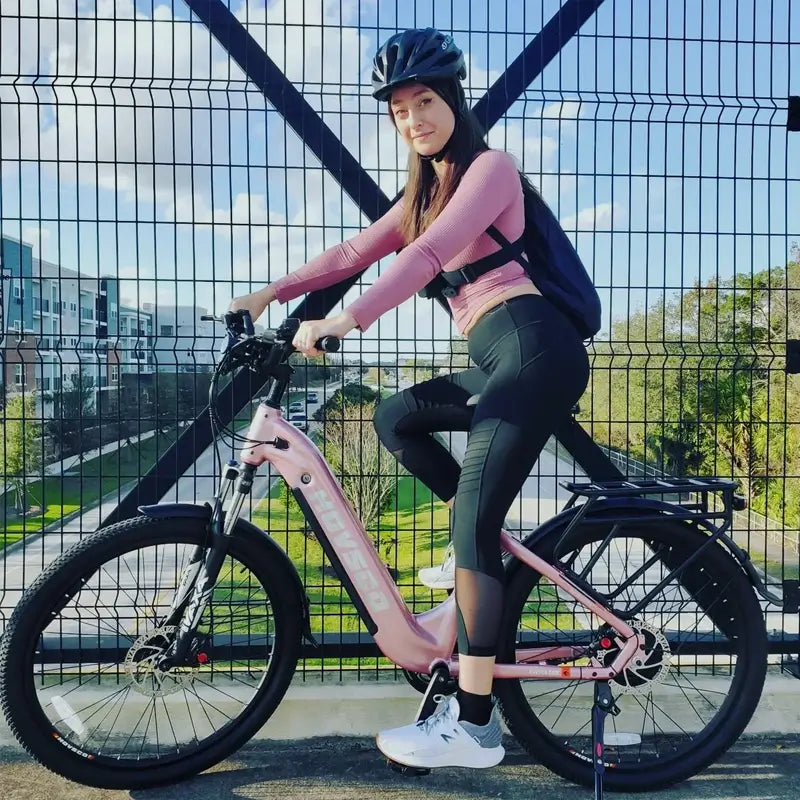
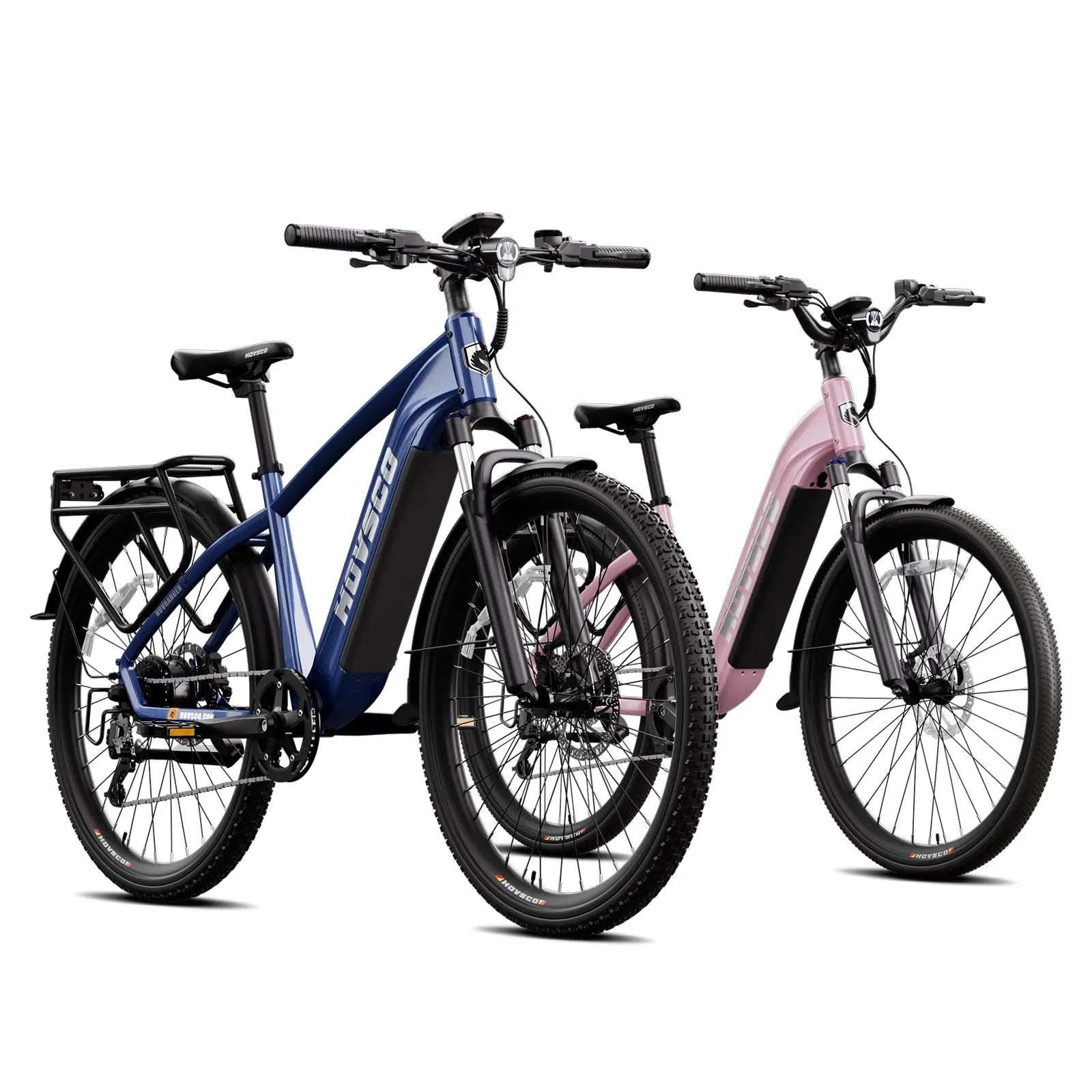
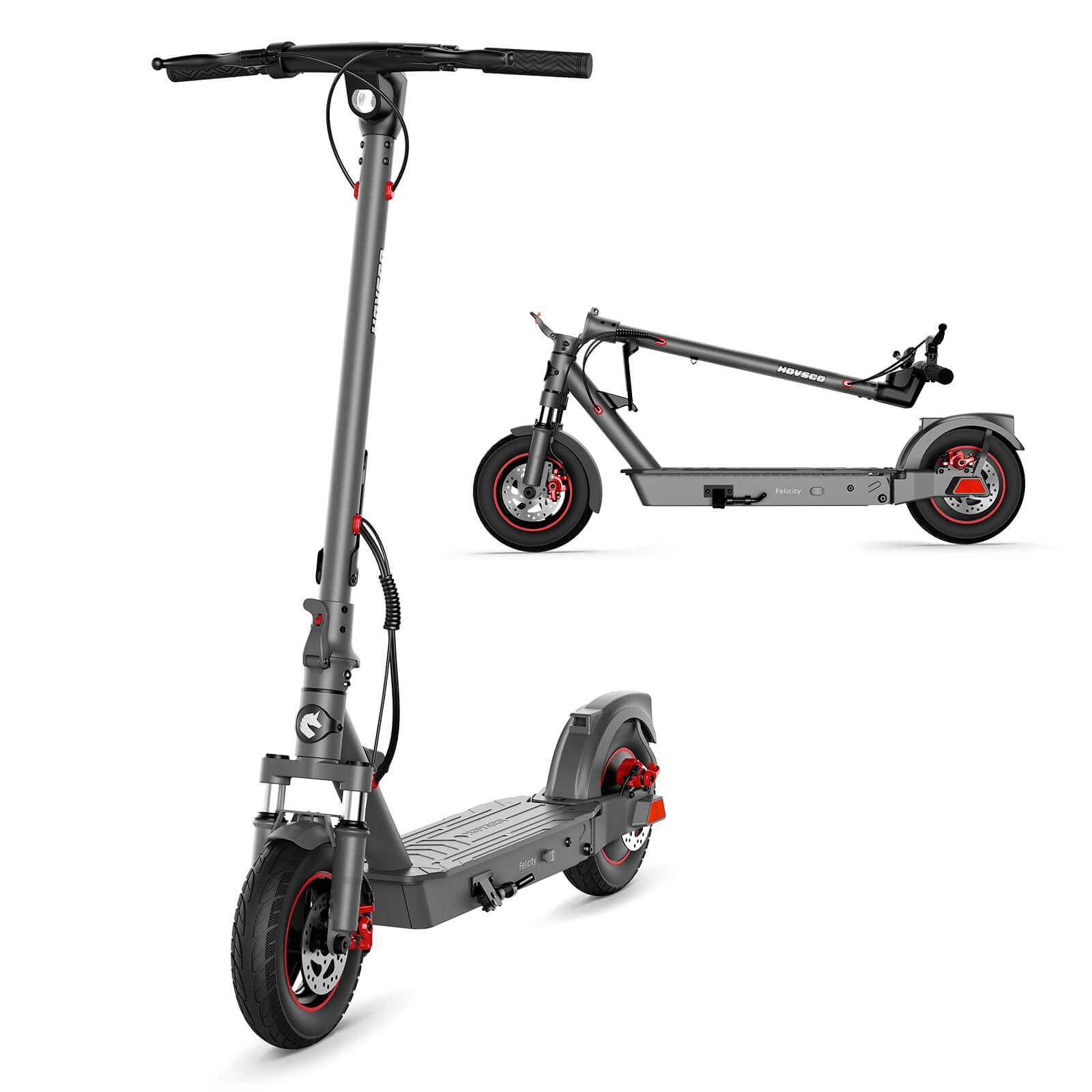
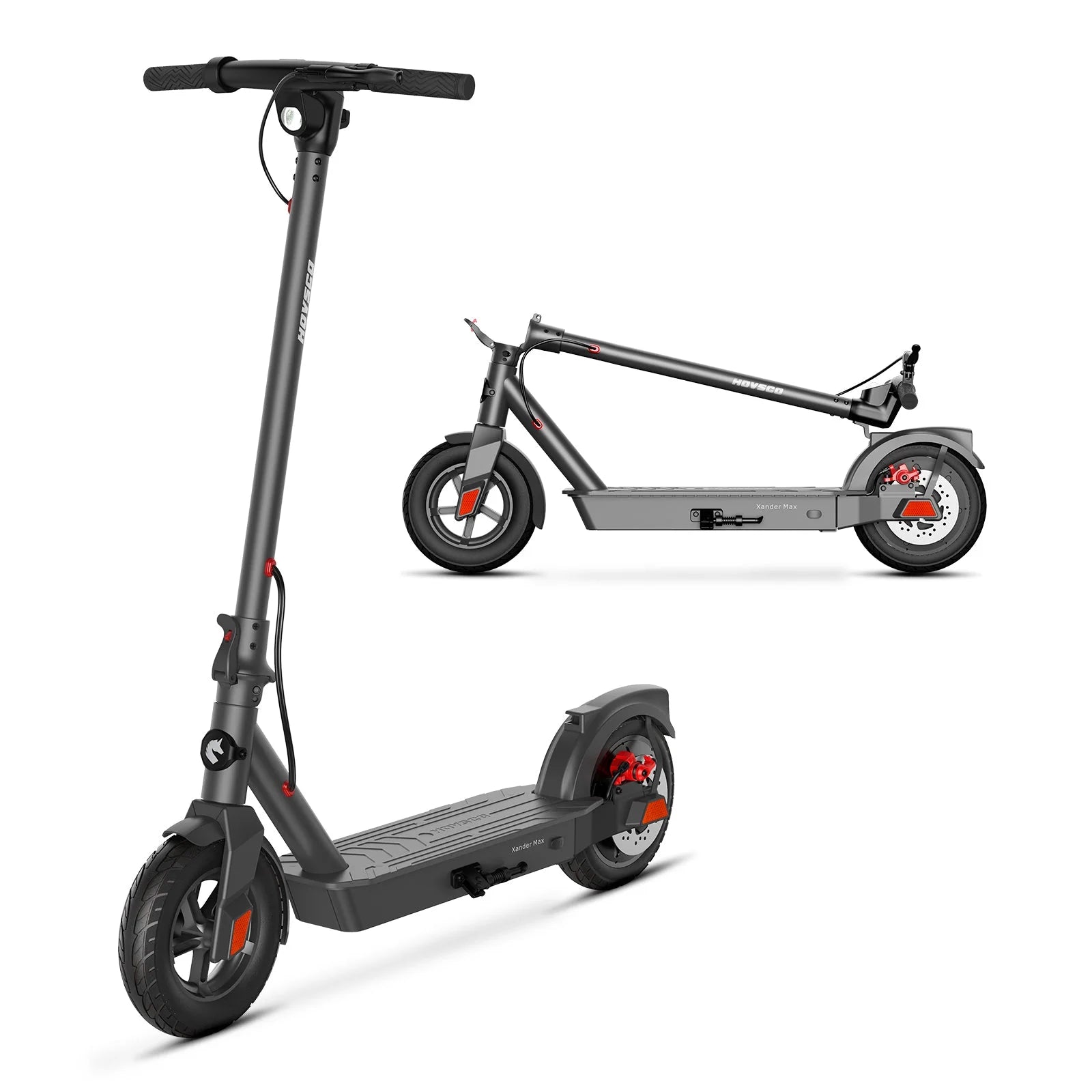
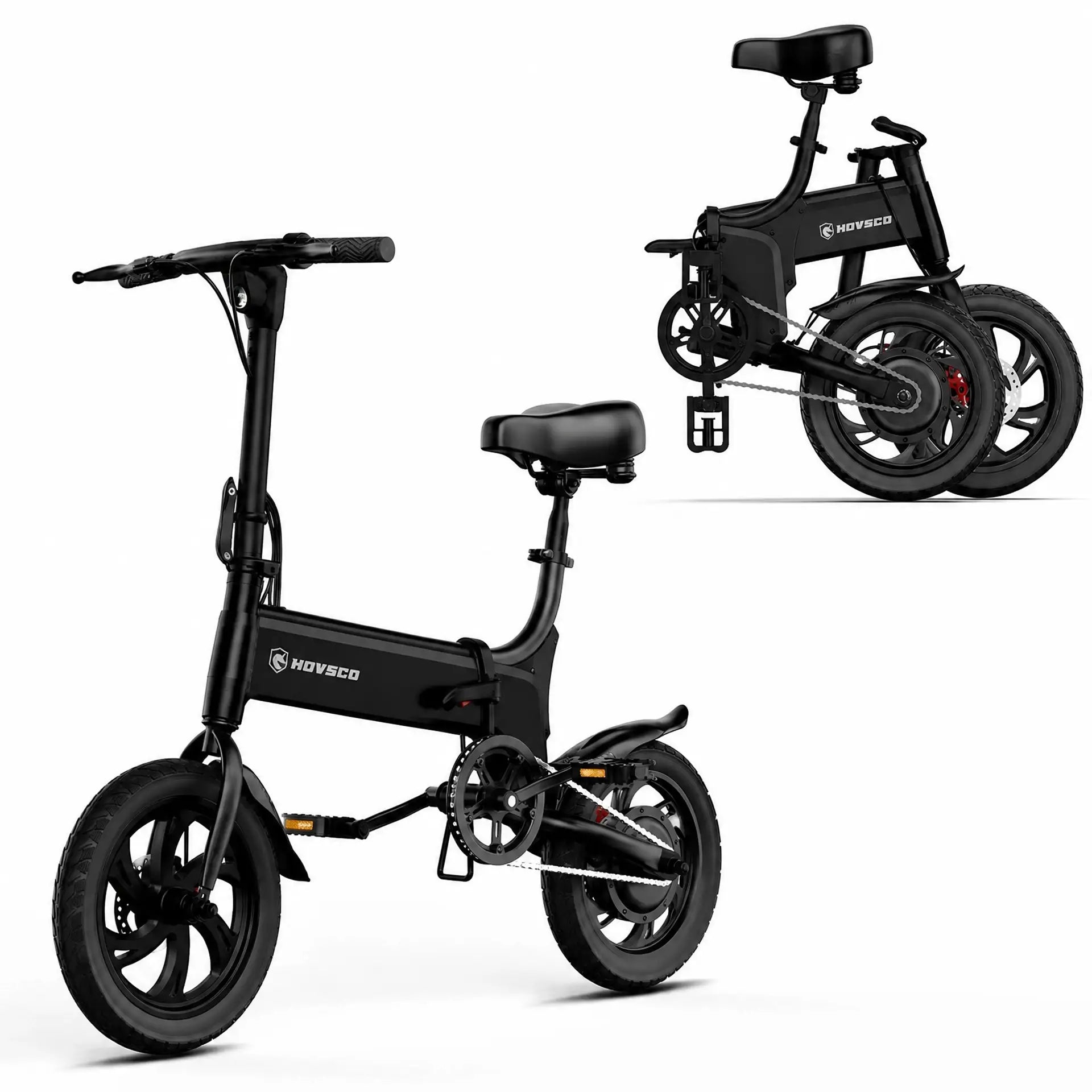
HOVSCO’s broader lineup includes folding and city‑oriented e‑bikes in its collections, providing more compact options for apartments or mixed‑mode commuting where families combine a train ride with a short e‑bike hop. Browsing the brand’s model collections helps households match frame type, wheel size, and suspension to their specific streets and storage constraints.
How to get started with family micro-mobility (6 steps)
-
Map your real trips and pain points
List one typical week of school runs, daycare drops, sports practices, grocery trips, and short errands, including distance and who or what you carry. You will likely find that most are under 10–15 km and involve 1–2 kids plus light to medium cargo.
-
Decide what you want to replace first
Choose your primary replacement: the second car, specific school runs, or weekend errands. Studies show families are most successful when they target a concrete set of trips rather than trying to replace “everything” at once. This helps narrow whether a family cargo bike, a general‑purpose e‑bike, or a moped‑style model fits best.
-
Choose the right frame and load class
If you regularly carry two kids plus groceries, a family cargo or long‑tail platform with 400–450 lb payload, modular racks, and child‑specific accessories—such as the HovCart Family E‑Bike—is usually the most future‑proof option. If your main need is one passenger or occasional cargo, a moped‑style or robust trail/city e‑bike may be sufficient.
-
Check fit, parking, and storage in advance
Measure doorways, hallways, and storage spaces to confirm the bike fits and can be rolled into position safely. Trials show that inadequate storage and fear of theft are major barriers to family cargo‑bike adoption, even when the riding experience is positive. Consider basic security such as quality locks and, where available, secure parking facilities.
-
Plan safety, training, and routes
Before carrying kids, practice riding the e‑bike loaded with cargo on quiet streets or in a parking lot to get used to weight and braking behavior. Then, identify calm routes with bike lanes, low‑traffic streets, and safe school entrances; families in trials used their e‑cargo bikes about three days per week when routes felt comfortable and safe.
-
Start with one “anchor” trip and build habits
Pick one repeating journey—such as Tuesday and Thursday school runs—and commit to doing it by e‑bike for a few weeks, adjusting setup as you go. Once a rhythm is established, many families expand to shopping, sports practices, and weekend outings, gradually reducing car dependency in a way that feels organic rather than forced.
Scenarios: before and after family micro-mobility
Scenario 1: Urban school run and daycare
-
Traditional approach
A parent drives a compact SUV 3 km to daycare, then 2 km to the older child’s school, doubles back in traffic to park near work, and repeats the loop in the evening. Short, cold‑start trips burn disproportionate fuel, create congestion around schools, and leave kids strapped into car seats for trips they could otherwise experience more actively.
-
With a family e‑bike like HovCart
The same parent straps a toddler into a rear child seat and the older child onto a bench with running boards, riding a calm back‑street route to daycare and school, then continuing to work. The return route includes a grocery stop, with bags in the front basket and rear rack; the whole loop uses negligible electricity and takes a predictable amount of time regardless of car traffic.
Scenario 2: Suburban errands and weekend outings
-
Traditional approach
A family uses a second car for nearly every short outing: 4 km to the supermarket, 5 km to sports fields, 3 km to a friend’s house. Parking lots, traffic lights, and constant loading and unloading of car seats add friction and time, reducing spontaneity for park visits or spur‑of‑the‑moment ice cream trips.
-
With a family‑ready e‑bike
The parent loads a week’s worth of groceries into a large rear basket and front crate on the HovCart, riding directly to the store entrance and locking up beside the door. On weekends, the same bike carries sports gear and a child to practice, or the family switches to a HovGtrs moped‑style e‑bike for a more “motorcycle‑like” shared ride experience on local streets.
Scenario 3: Mixed commuting and family logistics
-
Traditional approach
One parent drives to a park‑and‑ride, then a train, while the other keeps the family car for daycare and after‑school pickups. Coordination is rigid, and when schedules slip, someone inevitably ends up in a rideshare or facing a stressful rush.
-
With modular micro‑mobility
One adult uses a folding or city‑style HOVSCO e‑bike to connect home to a commuter rail station, bypassing parking and traffic. The other uses the HovCart to handle daycare, school, and errands; in the evening, they might swap roles or both ride together for a family outing, adjusting who uses which e‑bike depending on the day’s logistics.
FAQ: Long‑tail questions parents ask about family micro-mobility
Is a family cargo e‑bike really a practical replacement for a second car?
For many households, yes—at least for a large share of daily trips. Trials in multiple UK cities found that families used e‑cargo bikes about three days per week and replaced roughly 55% of their previous car kilometers on those journeys, especially for school runs and shopping. While it does not replace highway or long‑distance travel, a family e‑bike can significantly reduce the need for a second car and its associated costs.
How far can a family e‑bike like HovCart go on a single charge with kids and cargo?
Range depends on terrain, rider weight, cargo, and assist level, but manufacturer data for the HovCart indicates around 40 miles using throttle only and up to 60 miles with pedal assist on typical city routes. For most families, that comfortably covers several days of school runs and errands before needing to recharge.
Is it safe to carry children on a family e‑bike in city traffic?
Safety depends heavily on infrastructure, riding behavior, and equipment rather than the bike alone. Research on e‑cargo bike trials shows that families tend to choose calmer routes and often report that drivers become more tolerant when they see a parent carrying kids on a bike. HOVSCO’s HovCart pairs fat tires, hydraulic disc brakes, and stable geometry with dedicated child seats and running boards, giving parents a robust platform to build safe habits on.
What about weather—can family micro-mobility work year‑round?
Weather is a real barrier, but many families still find e‑bikes usable for much of the year with appropriate clothing, fenders, and occasionally covers for kids. In extended trials, some households continued using cargo e‑bikes during winter months, though frequency dipped; the net effect was still a substantial reduction in annual car use.
How much maintenance does a family e‑bike require compared to a car?
E‑bikes have far fewer moving parts than cars and do not require oil changes, complex engine servicing, or emissions checks. Routine tasks usually include checking tire pressure, brake pads, chain lubrication, and periodic professional tune‑ups, similar to a regular bike but with added attention to the battery and electrical system. For many families, this is simpler and cheaper than maintaining a second car, especially as components like hydraulic brakes and quality drivetrains have long service lives.
What should I look for when choosing a family micro-mobility brand?
Key criteria include payload rating, frame stability, braking quality, child‑specific accessories, and warranty and after‑sales support. Market analyses show that brands succeeding in the family segment often combine strong technical specs with user‑centric design and community support, since families value reliability and guidance as much as raw performance. HOVSCO’s focus on hydraulic brakes, torque sensors in several models, and a mission built around healthy, sustainable lifestyles is consistent with these success factors.
Conclusion: Family micro-mobility is a structural shift, not a trend
Family micro‑mobility is moving from early adopters to the mainstream as households look for ways to cut transport costs, reduce emissions, and reclaim time lost in traffic. Global e‑bike and cargo‑bike data shows sustained, multi‑year growth, backed by real‑world trials where families meaningfully drop car usage when given access to capable e‑bikes. In this context, platforms like HOVSCO’s HovCart Family E‑Bike and its broader “Total Mobility” lineup are less a niche gadget and more a practical tool—one that can turn stressful school runs and errands into predictable, active, and surprisingly enjoyable parts of the day.
Call to action & brand snapshot
If you are ready to test family micro‑mobility for your own household, start by mapping one week of trips and exploring how a dedicated family e‑bike or complementary model could cover your most repetitive short journeys. Then, compare payload, range, and accessory ecosystems, and consider booking a test ride or talking with existing owners before committing. HOVSCO—founded in 2019 and headquartered in California—specializes in high‑performance e‑bikes that blend strong motors, integrated batteries, and safety‑first components to help more families live active, low‑carbon lifestyles without sacrificing practicality.
What is the single most important trip you would want a family e‑bike to replace first: daily school runs, weekly grocery shopping, or weekend outings?
Sources
Grand View Research — Electric Cargo Bikes Market 2023 (2024)
Strategic Market Research — E‑Bikes Statistics and Trends 2024 (2024)
IMARC Group — Global E‑Bike Market Report 2025–2033 (2024)
Statista — Global E‑Bike Market Size Forecast (2025)
Verified Market Reports — Family Electric Cargo Bike Market Insights (2025)
Elevate Project — E‑Cargo Bike Research Summary (2025)
BikeRadar / Geoforum Study — E‑Cargo Bikes and Family Trips (2025)
HOVSCO — Family E‑Bikes Collection and HovCart Specs
HOVSCO — Shop by Models & “Total Mobility” Strategy
HOVSCO — HovGtrs Moped‑Style Electric Bike Product Page
Free Ride Powersports — HovCart 20" Step‑Thru Electric Fat Tire Cargo Bike Specs
HOVSCO — “What Makes Us HOVSCO?” Brand Story (2025)





![[ New Arrival ] Porto Max Electric Scooter For Commute & Grocery Shopping - HOVSCO](http://www.hovsco.com/cdn/shop/files/PotroMax-3.jpg?v=1706927007&width=1200)
Share:
Cargo E-Bike Utility for Everyday Family Hauling and Errand Freedom in June 2026
Electric Cargo Transport: How HOVSCO Cargo E-Bikes Redefine Urban Hauling (June 2026)