



![[ New Arrival ] Porto Max Electric Scooter For Commute & Grocery Shopping - HOVSCO](http://www.hovsco.com/cdn/shop/files/PotroMax-3.jpg?v=1706927007&width=1200)
- by SEO
Cargo E-Bike Utility for Everyday Family Hauling and Errand Freedom in June 2026
- by SEO
E-Bikes
Accessories
 Free Shipping
 15-Day Returns
 2-Year Warranty
Free Shipping
15-Day Returns
2-Year Warranty
2-Year Warranty
Free Shipping
15-Day Returns
2-Year Warranty
Cargo e-bike utility explained for families, errands, and car-light living, with HOVSCO cargo bike features, practical use cases, and buying guidance.
Cargo e-bike utility has become a serious topic because more riders now expect one bike to cover school runs, grocery trips, weekend hauling, and short-distance commuting without the cost and friction of a second car. Market researchers estimate the cargo e-bike market at USD 2.43 billion in 2025, while broader industry forecasts continue to point to sustained growth as cities, households, and small businesses look for lighter, lower-emission transport options.
At the same time, last-mile delivery and family mobility are pushing utility bikes into the mainstream. Industry analysts link demand directly to practical urban transport needs, while brands increasingly position cargo e-bikes as car-replacement tools rather than niche cycling products. For HOVSCO, that shift creates a strong opening for a product like the HOVSCO HovCart Family E-Bike, which is built around payload, stability, and day-to-day usefulness.
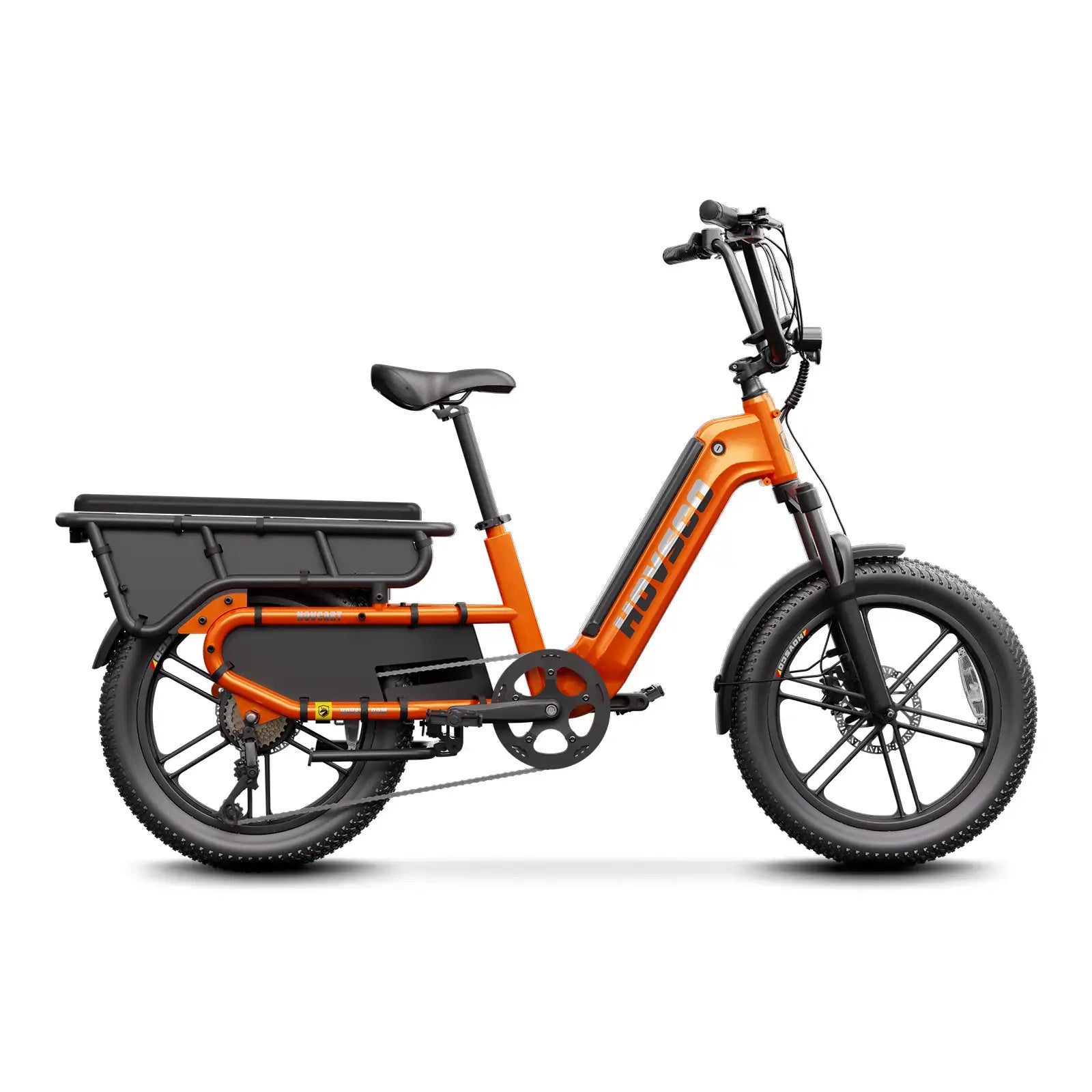
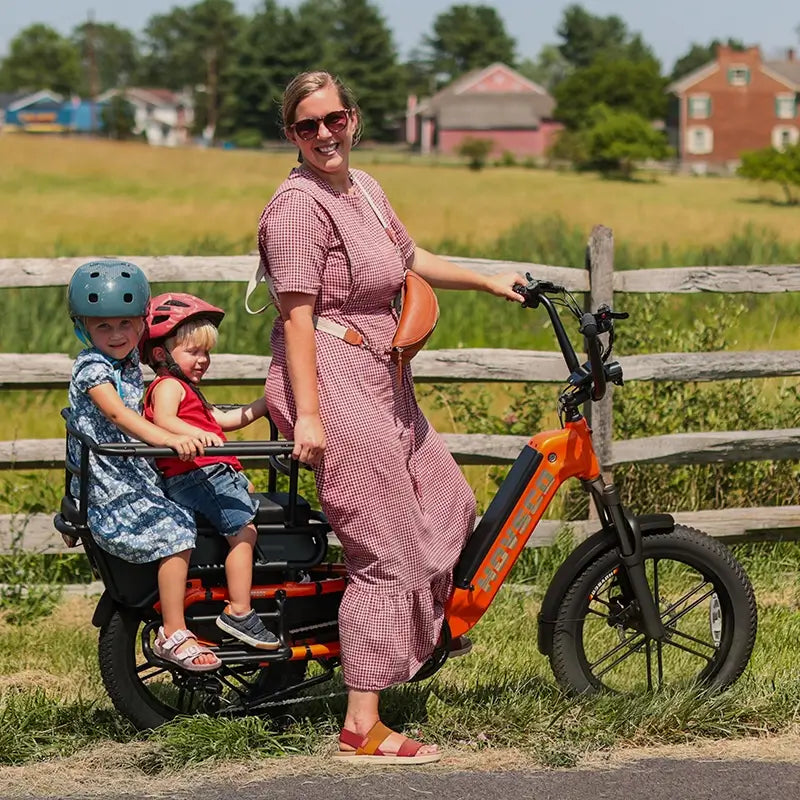
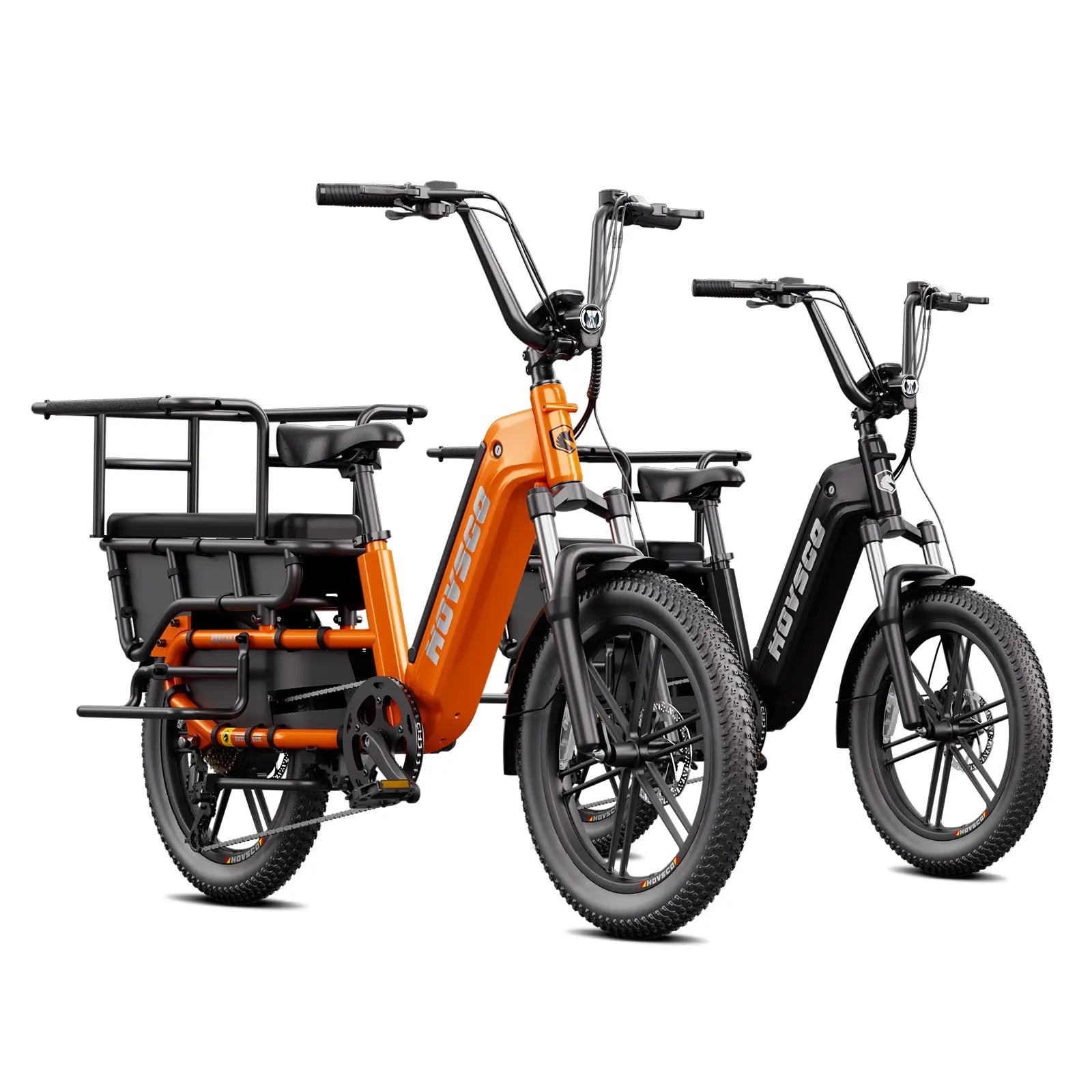
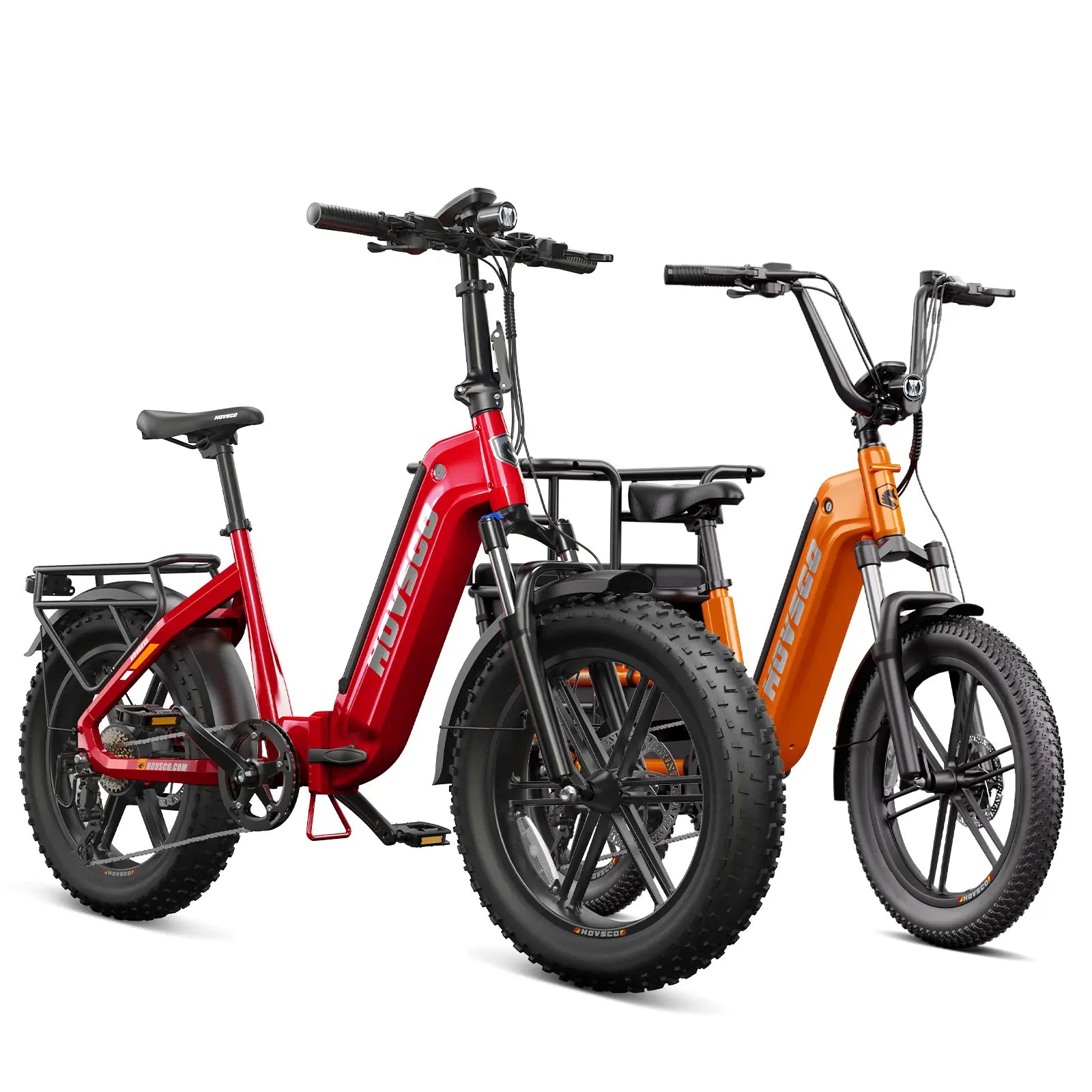
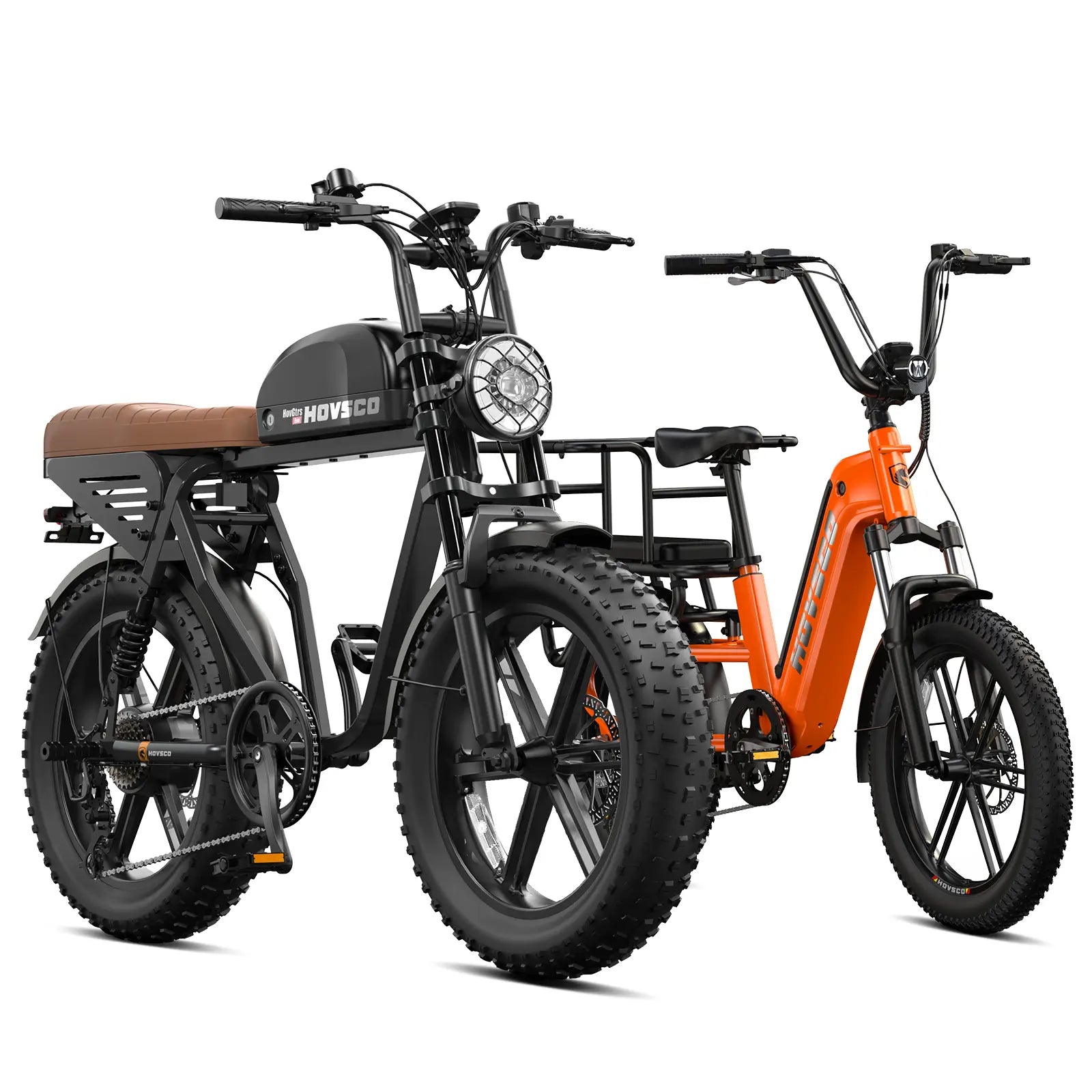
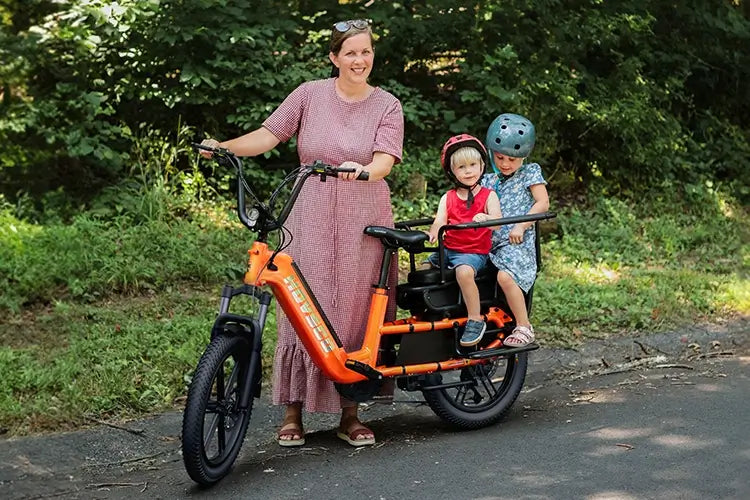
HOVSCO’s cargo offering is centered on the HOVSCO HovCart Family E-Bike, a 20-inch step-thru electric fat tire cargo bike designed for carrying cargo, kids, and daily essentials with a stated payload capacity of 450 lbs. The brand also supports the category with a dedicated Electric Cargo Bikes collection, broader Family E-Bikes pages, and related Commuter Electric Bikes for riders who need utility without a full cargo setup.
Cargo e-bike utility refers to the real-world carrying, replacing, and simplifying power a cargo e-bike brings to everyday life, whether that means hauling groceries, moving kids, transporting gear, or covering local trips that would otherwise require a car. In other words, it is not just about motor power; it is about how much daily friction a bike can remove.
For many households, the problem is not a lack of transportation but the inefficiency of using a full-size car for every short trip. A two-mile school drop-off, a pharmacy run, or a quick stop for groceries can still mean traffic, parking hassle, fuel costs, and the mental load of coordinating a heavier vehicle than the task actually needs.
Traditional bicycles do not solve the issue for everyone. Standard bikes often lack carrying capacity, feel unstable with loaded bags, and become impractical when a rider needs to haul two children, pet supplies, or bulky weekly shopping. That gap is exactly where cargo e-bike utility becomes compelling: the rider keeps the maneuverability of a bike while gaining hauling ability that begins to overlap with car errands.
The pain point becomes even sharper for suburban families trying to cut car use without sacrificing flexibility. They may want an option that is fast enough for daily routines, compact enough for neighborhood riding, and capable enough to carry meaningful weight without turning every trip into a balancing act. A well-designed cargo e-bike answers that need better than either a standard bike or an oversized vehicle used for tiny trips.
The cargo e-bike market was estimated at USD 2.43 billion in 2025, reflecting how quickly utility-focused bikes are moving from specialty products into everyday transport decisions.
Payload and family-ready setup
The HovCart is built around a 450-lb payload capacity, and HOVSCO presents it not only as a cargo hauler but also as a family platform that can support children’s seating and rear carrying needs. That immediately makes it more than a commuter bike with a rack.
Power, torque, and practical range
HOVSCO lists a 1300W peak, 750W sustained rear hub motor, a torque sensor, and a 48V 15Ah battery rated for an average 40–60 miles of range. For utility use, those numbers matter because load-carrying bikes need confident starts, hill support, and enough battery to survive multiple errands in one outing.
Safety and ride confidence
The HovCart product page highlights hydraulic disc brakes with 180 mm rotors, turn-signal tail light functionality, front lighting, a low center of gravity, and UL 2849 certification. Those details support the one thing every utility buyer wants: a bike that still feels composed when loaded.
A parent can use one cargo e-bike to handle school drop-off, coffee pickup, and a grocery stop in a single morning loop.
A pet owner can swap a short car trip for a bike ride that still carries supplies, bags, and a rear load safely.
A suburban household can use a cargo e-bike for five days of errands without touching the car for every short-distance trip.
A smart brand blog should not trap the reader in one product page when the broader lineup can solve adjacent needs. The HOVSCO HovCart Family E-Bike is the obvious hero product for cargo e-bike utility, but HOVSCO can also naturally guide readers toward the Electric Cargo Bikes collection for bundle or kit exploration.youtube+1
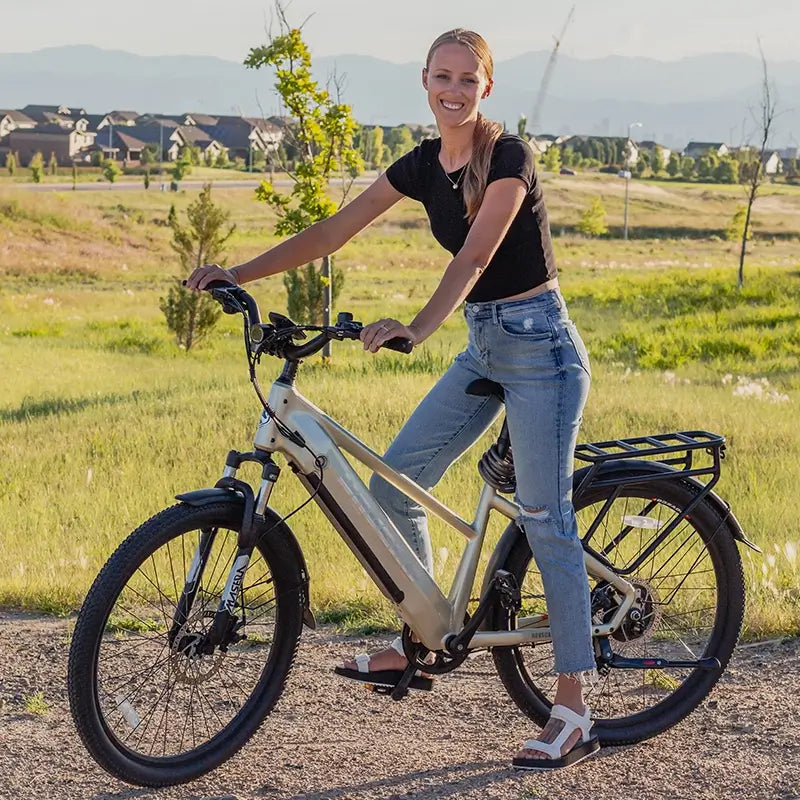
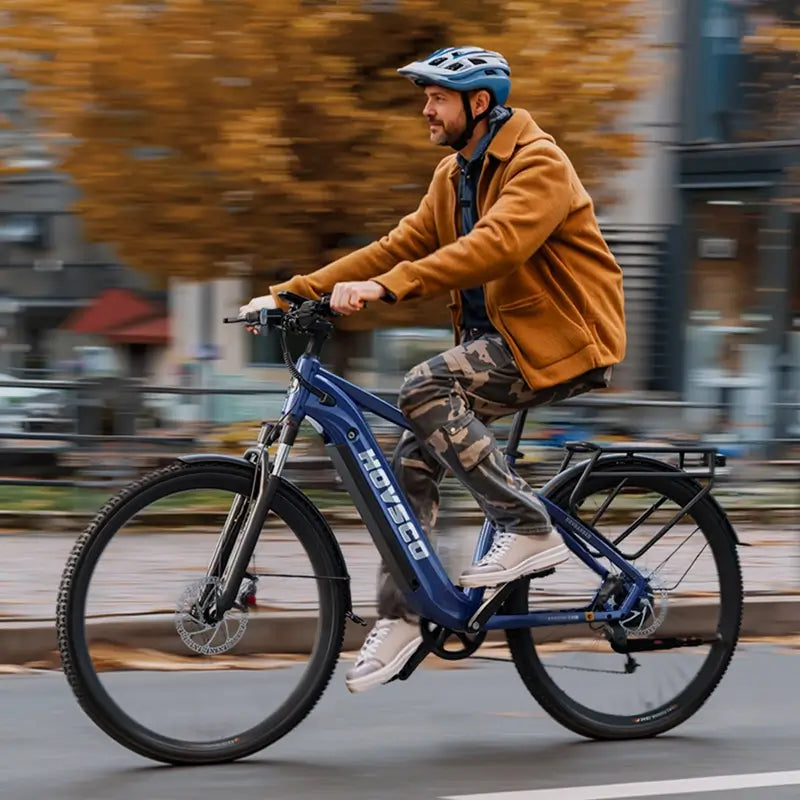
For riders who like the utility idea but do not need maximum hauling, the Commuter Electric Bikes category provides a softer entry point. For families shopping around the kid-carrying use case specifically, the Family E-Bikes page creates a clean next click that keeps the purchase journey on-brand while matching intent more closely. This kind of internal linking strengthens both SEO structure and conversion logic without forcing an overly sales-heavy tone.
Start with the task, not the motor, and write down the heaviest or most frequent jobs the bike needs to handle, such as two children, weekly groceries, or mixed errand runs.
Check payload and frame format, because cargo utility fails quickly if the bike cannot safely support the rider, passengers, and gear together; HOVSCO lists a 450-lb maximum payload for the HovCart.
Evaluate mounting ease, especially if the bike will be loaded often; a step-thru frame is more convenient than swinging a leg over bags or child seating.
Look at stopping power and control, and prioritize hydraulic brakes, stable geometry, and a low center of gravity for safer handling under load.
Match range to real errands, not fantasy rides; a bike rated for 40–60 miles gives more confidence when one day includes school runs, shopping, and extra detours.
Think in systems, not single products, by considering accessories, family kits, baskets, and the brand’s broader lineup so the bike can evolve with changing needs.
Scenario
A parent needs to move one or two children across short neighborhood routes every weekday while avoiding parking and traffic stress near school.
Traditional approach
The car gets used for a very short trip, often creating an awkward cycle of buckling in, queueing, idling, and circling for a spot that takes nearly as long as the school visit itself.
After switching to HOVSCO
The HovCart’s family-ready layout, rear carrying focus, and step-thru access turn that same trip into a direct neighborhood ride with less overhead and more flexibility for adding a stop on the way home. Instead of treating child transport as a mini traffic problem, the rider treats it as a short utility route.
Scenario
A household wants to reduce short car trips but still needs a practical way to bring home groceries, bulky bags, or everyday supplies.
Traditional approach
The rider may use a normal bike with overloaded handlebars or backpacks, which quickly becomes awkward, unstable, and limited by carrying volume.
After switching to HOVSCO
The HovCart’s cargo-first design, 450-lb payload rating, and family or market-hauler positioning make routine hauling feel intentional rather than improvised. That changes the bike from an occasional recreation tool into something closer to a local utility vehicle.
Scenario
A rider wants one electric bike that can cover commuting, errands, pet supplies, and occasional family use without needing multiple specialized bikes.
Traditional approach
A standard commuter e-bike may be fast enough for solo rides but can fall short when the rider needs to carry more weight, transport a child, or handle multiple trip types in one day.
After switching to HOVSCO
The HovCart gives that rider a broader job description: weekday utility, weekend family use, and practical cargo work in one platform. That wider usefulness is the core of cargo e-bike utility, and it is why a cargo model often replaces more transport tasks than riders expect at first.
What is the best cargo e-bike utility feature for families?
For most families, the most valuable feature is not raw speed but real carrying confidence: a high payload rating, stable frame behavior, and a setup that supports children or gear without feeling improvised. On HOVSCO’s HovCart, the 450-lb payload and family-oriented positioning make that value proposition unusually clear.
Can a cargo e-bike really replace a car for errands?
It can replace many short car trips, especially local errands, school runs, grocery stops, and neighborhood commuting. It will not cover every transport job, but it can remove a surprising number of low-distance car uses from weekly life.
Is a step-thru cargo e-bike better for utility use?
In many cases, yes, because a step-thru frame is easier to mount when the bike is loaded or fitted with child-carrying accessories. That convenience matters more in utility riding than it does in pure recreation because riders get on and off frequently during errands.
How much range does a utility cargo e-bike need?
That depends on route length and load, but many buyers should look for enough battery to cover several linked tasks in one outing rather than one isolated commute. HOVSCO lists the HovCart at an average 40–60 miles, which aligns well with multi-stop local use.
What makes the HOVSCO HovCart practical for daily hauling?
Its combination of a 1300W peak motor, 750W sustained motor output, torque sensing, hydraulic disc brakes, 20-inch cargo format, and 450-lb payload creates a platform built around utility rather than just speed. HOVSCO also emphasizes family kits, market hauling, and everyday car-replacement use on the product page.
Are cargo e-bikes only for urban riders?
No. Urban riders may feel the parking and congestion benefits most strongly, but suburban households can also benefit from a cargo e-bike for school loops, park trips, neighborhood shopping, and community errands. The appeal comes from replacing friction, not from fitting a single city stereotype.
Cargo e-bike utility matters because it turns an electric bike from a leisure product into a true daily transport tool. When a model can carry children, groceries, gear, and routine household loads while still feeling controllable and efficient, it begins to replace real car behavior rather than simply complement it. HOVSCO’s HovCart fits that shift well, offering a mix of family-ready design, meaningful payload, practical range, and safety-minded hardware that makes the category easier to understand and easier to buy into.
Explore the HOVSCO HovCart Family E-Bike and the broader Electric Cargo Bikes lineup to find a utility setup built for hauling, family riding, and local car-light living. HOVSCO is an e-bike brand focused on practical, rider-friendly electric bikes for everyday use.
Share:
Moped-Style Electric Bikes: How HOVSCO Redefines Everyday Riding (June 2026)
Family Micro-Mobility: How E-Bikes Are Replacing the Second Car for Modern Households (June 2026)