



![[ New Arrival ] Porto Max Electric Scooter For Commute & Grocery Shopping - HOVSCO](http://www.hovsco.com/cdn/shop/files/PotroMax-3.jpg?v=1706927007&width=1200)
- by EO S
Class 2 vs Class 3: Best Choice?
- by EO S
E-Bikes
Accessories
 Free Shipping
 15-Day Returns
 2-Year Warranty
Free Shipping
15-Day Returns
2-Year Warranty
2-Year Warranty
Free Shipping
15-Day Returns
2-Year Warranty
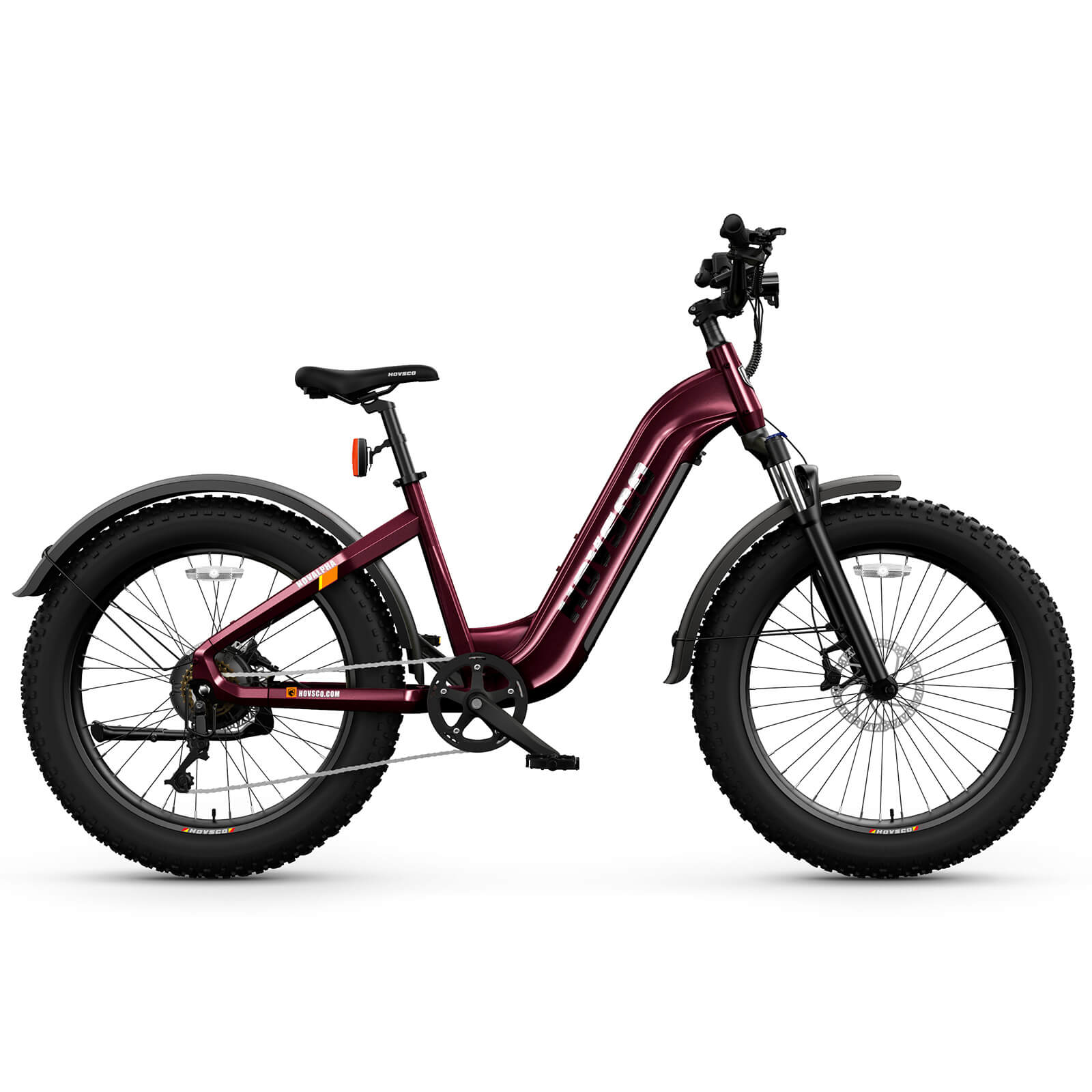
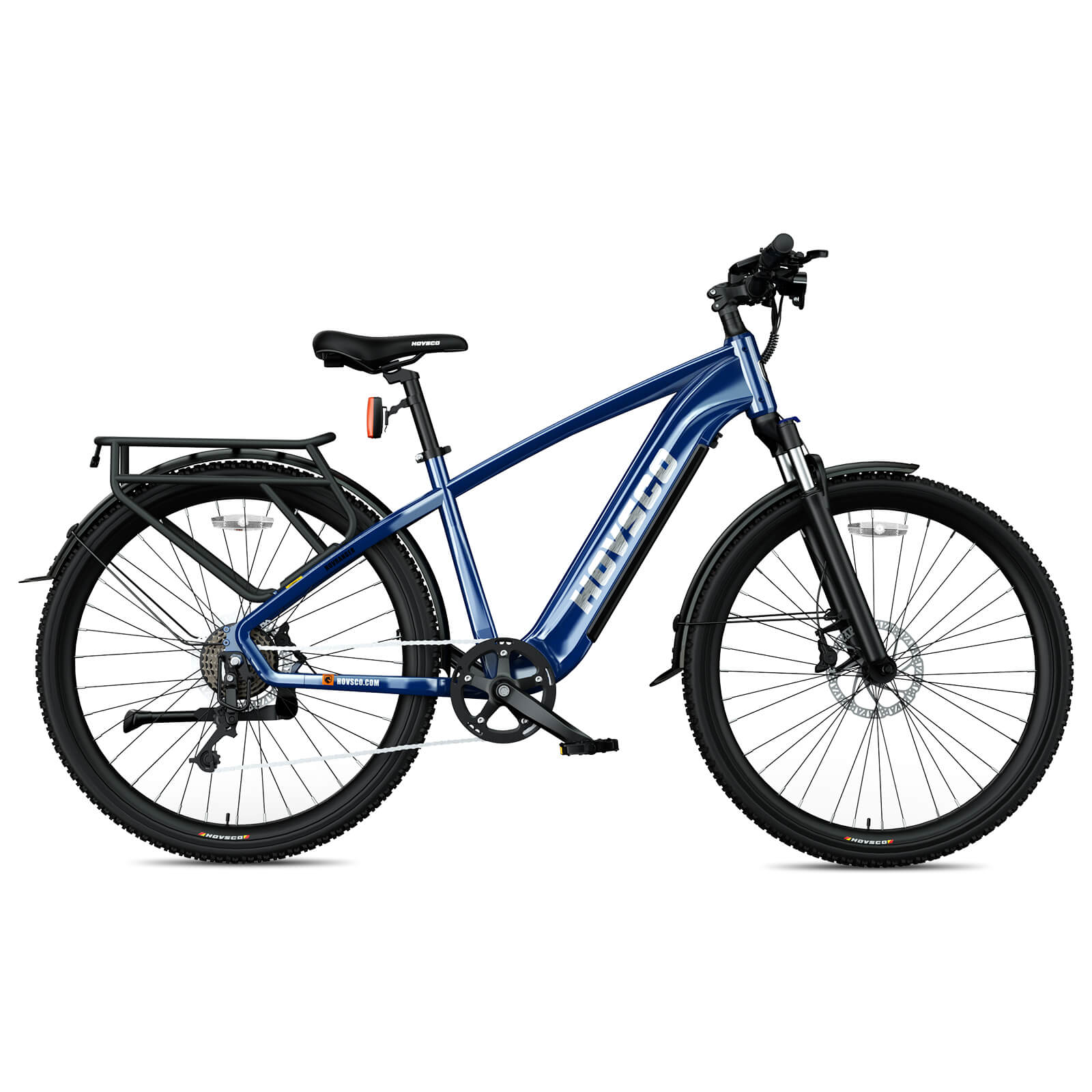
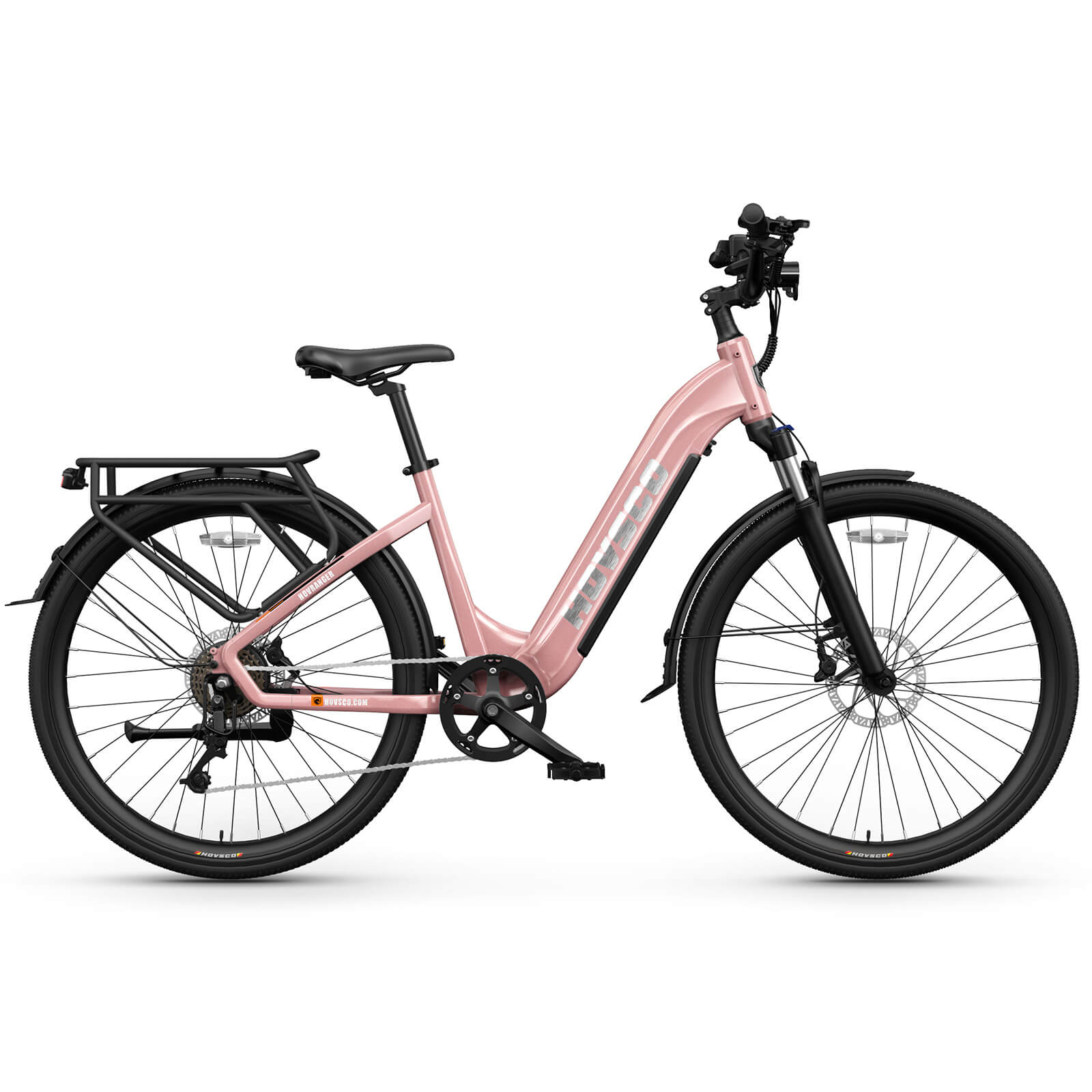
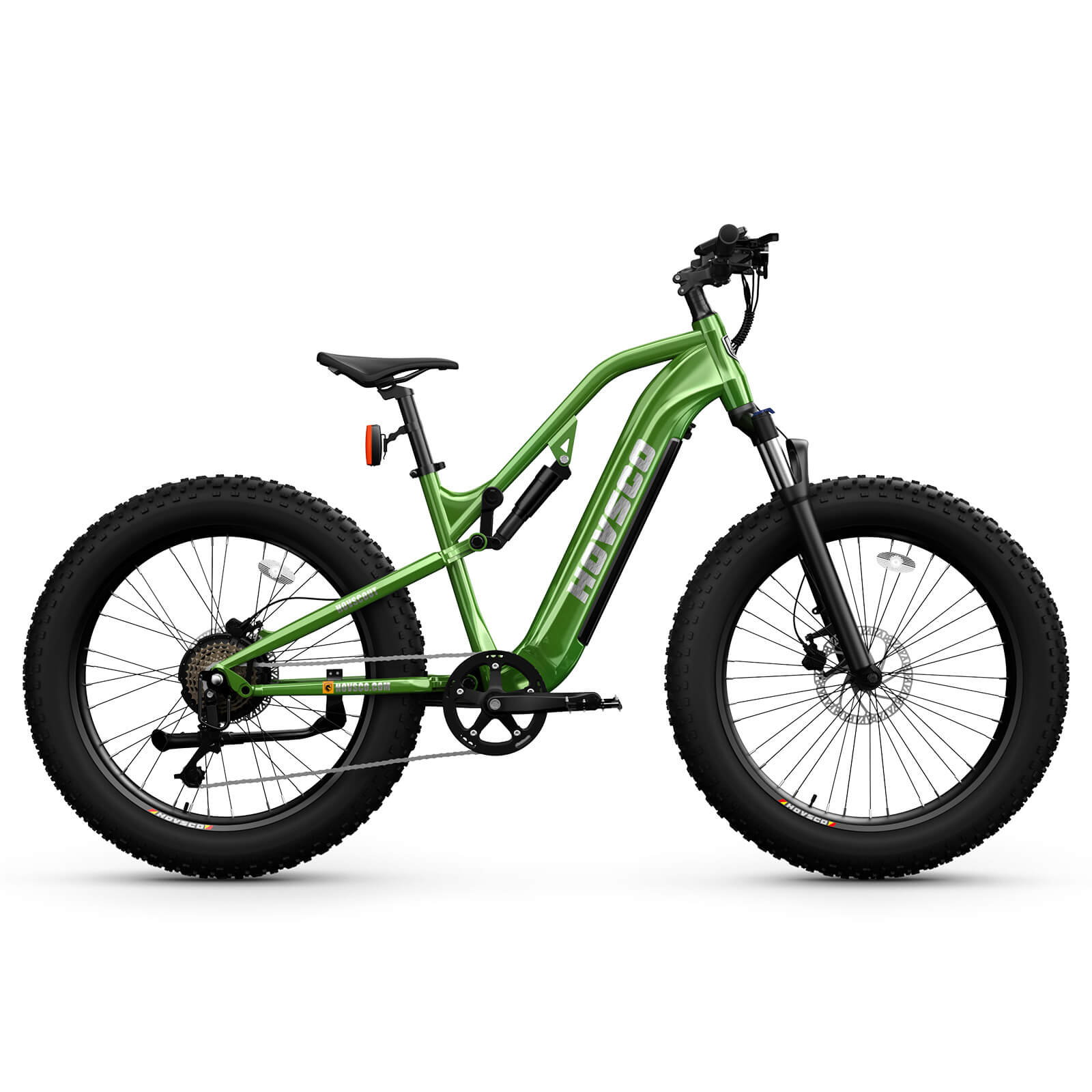
Class 2 street legal electric bikes offer throttle up to 20 mph with pedal assist, granting easy urban cruising and broad bike-path access in most US states, while Class 3 delivers 28 mph pedal-assist only, ideal for road commuting but often restricted on trails. Choose Class 2 for mixed routes, legal versatility, and commercial reliability, especially with HOVSCO’s proven build quality.
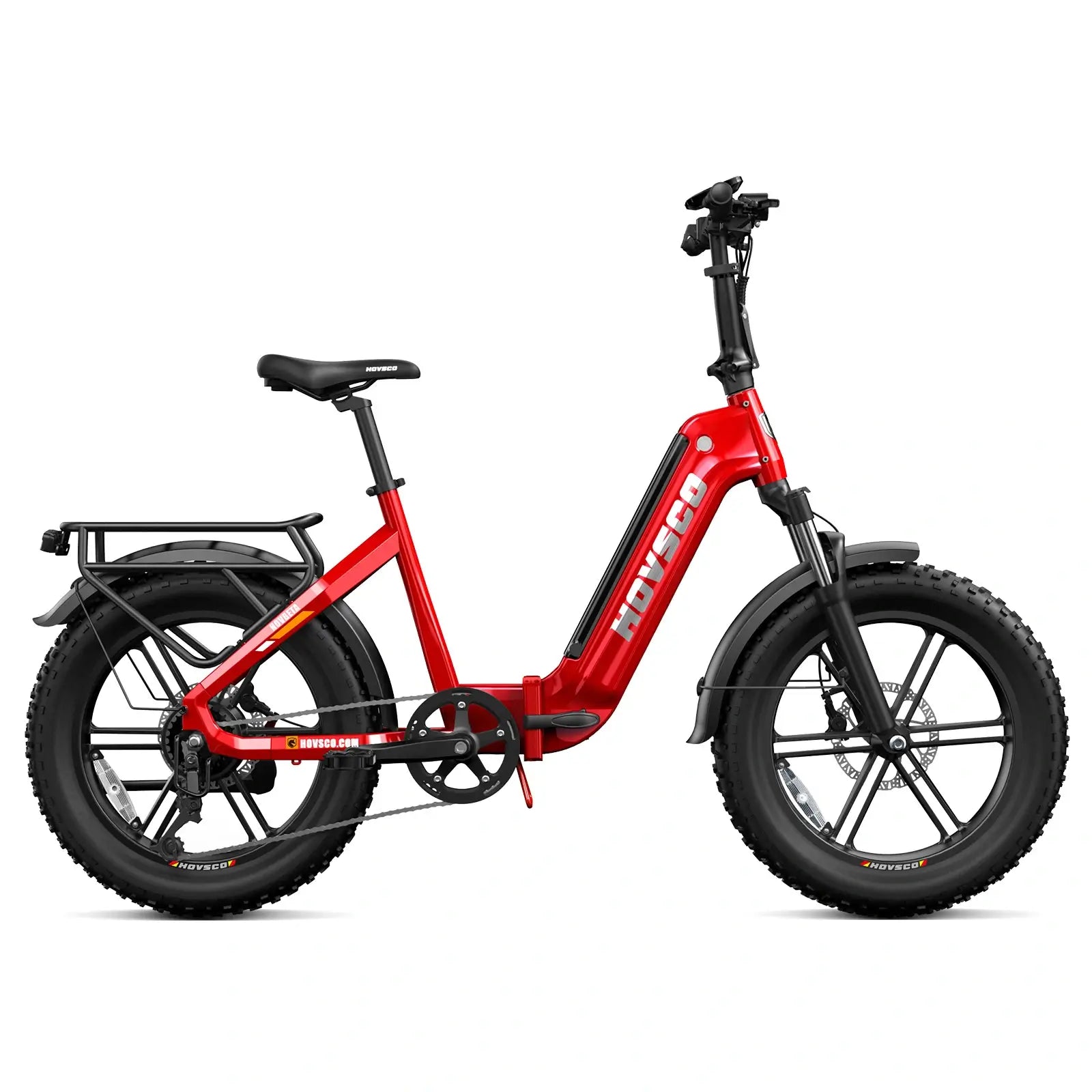
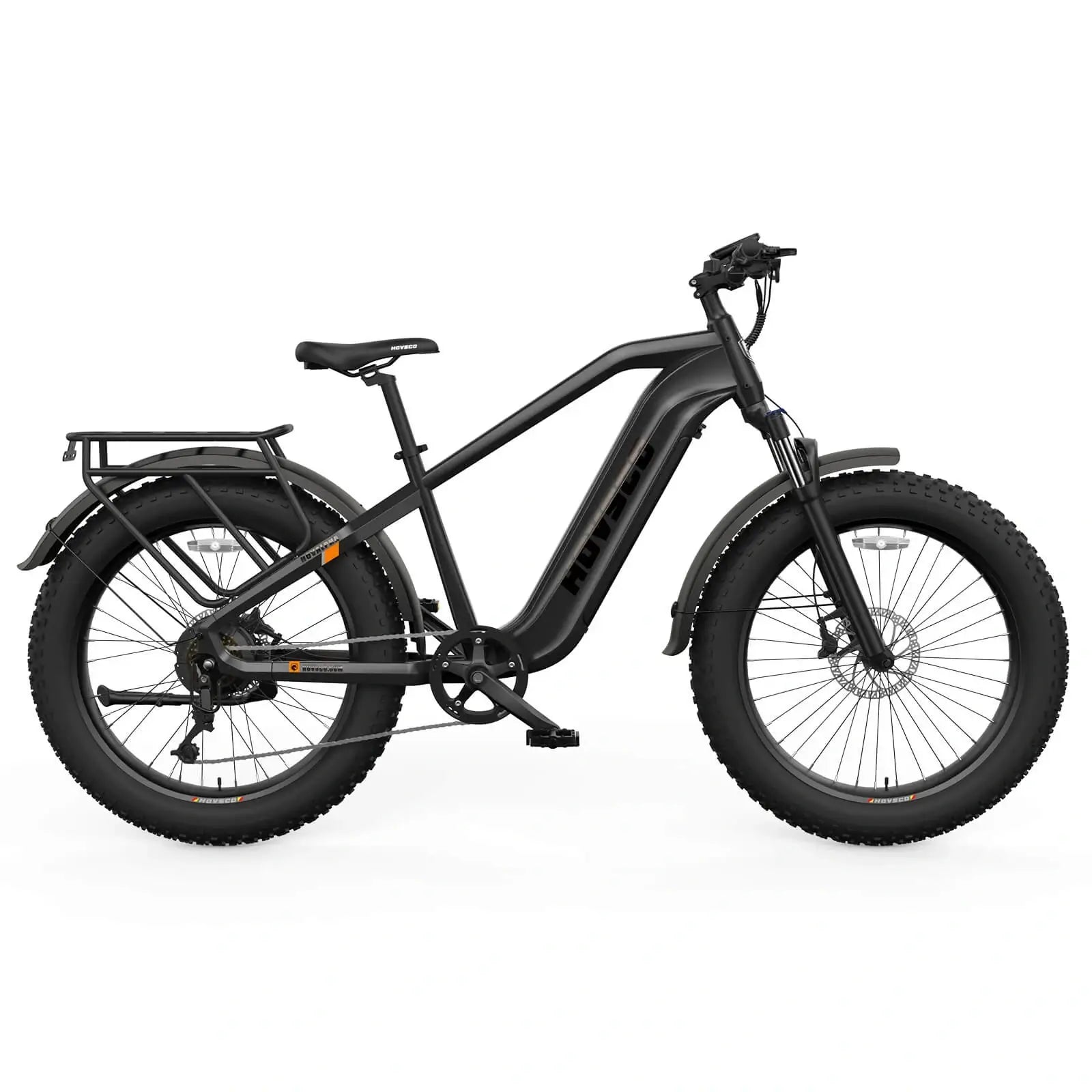
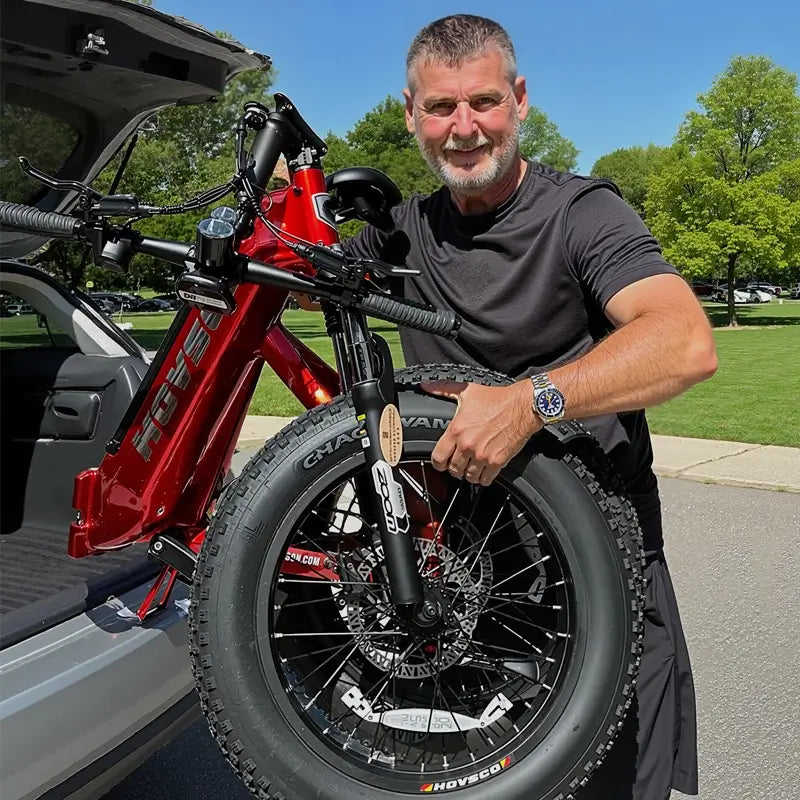
Class 2 street legal electric bikes feature throttle and pedal assist up to 20 mph, with motor power typically capped at 750W continuous and 750W peak depending on the brand. They ride like bicycles on roads, bike lanes, and most multi-use paths, requiring no license, registration, or insurance in the majority of US states. HOVSCO’s Class 2 street legal electric bikes prioritize stable frames, strong brakes, and reliable components for daily commuting and delivery use.
Class 2 street legal electric bikes cap at 20 mph using throttle or pedal assist, while Class 3 electric bikes reach 28 mph with pedal assist only and usually require a speedometer. Class 2 retains broader access to bike paths and shared-use trails, whereas Class 3 faces more restrictions in parks and some municipalities. HOVSCO’s Class 2 street legal electric bikes focus on practical city mobility, while Class 3 electric bikes are best for longer road commutes where higher speed is prioritized.
| Feature | Class 2 | Class 3 |
|---|---|---|
| Max Speed | 20 mph throttle/pedal | 28 mph pedal only |
| Throttle | Yes | No (or limited) |
| Bike Paths | Full access | Often restricted |
| Speedometer | Optional | Often required |
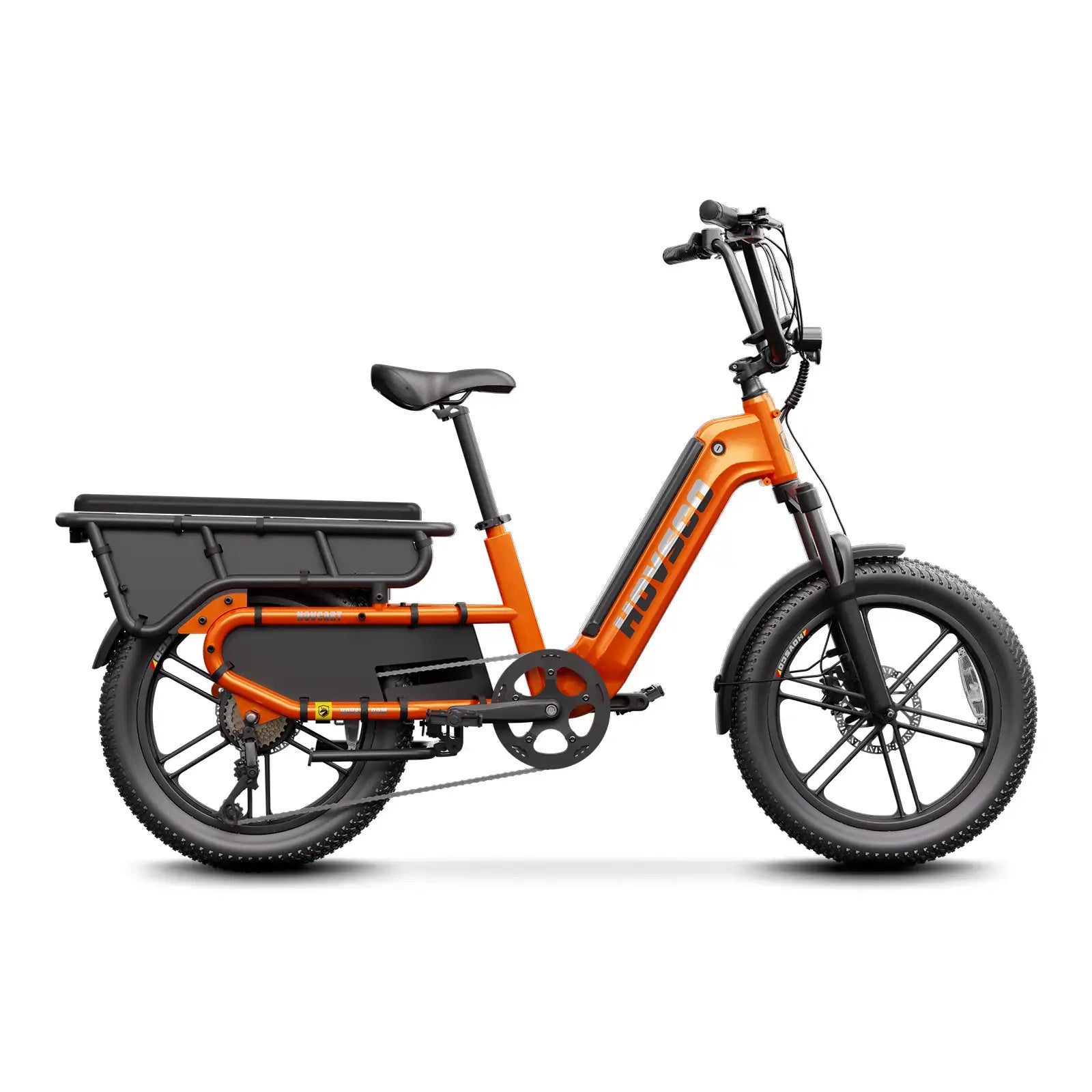
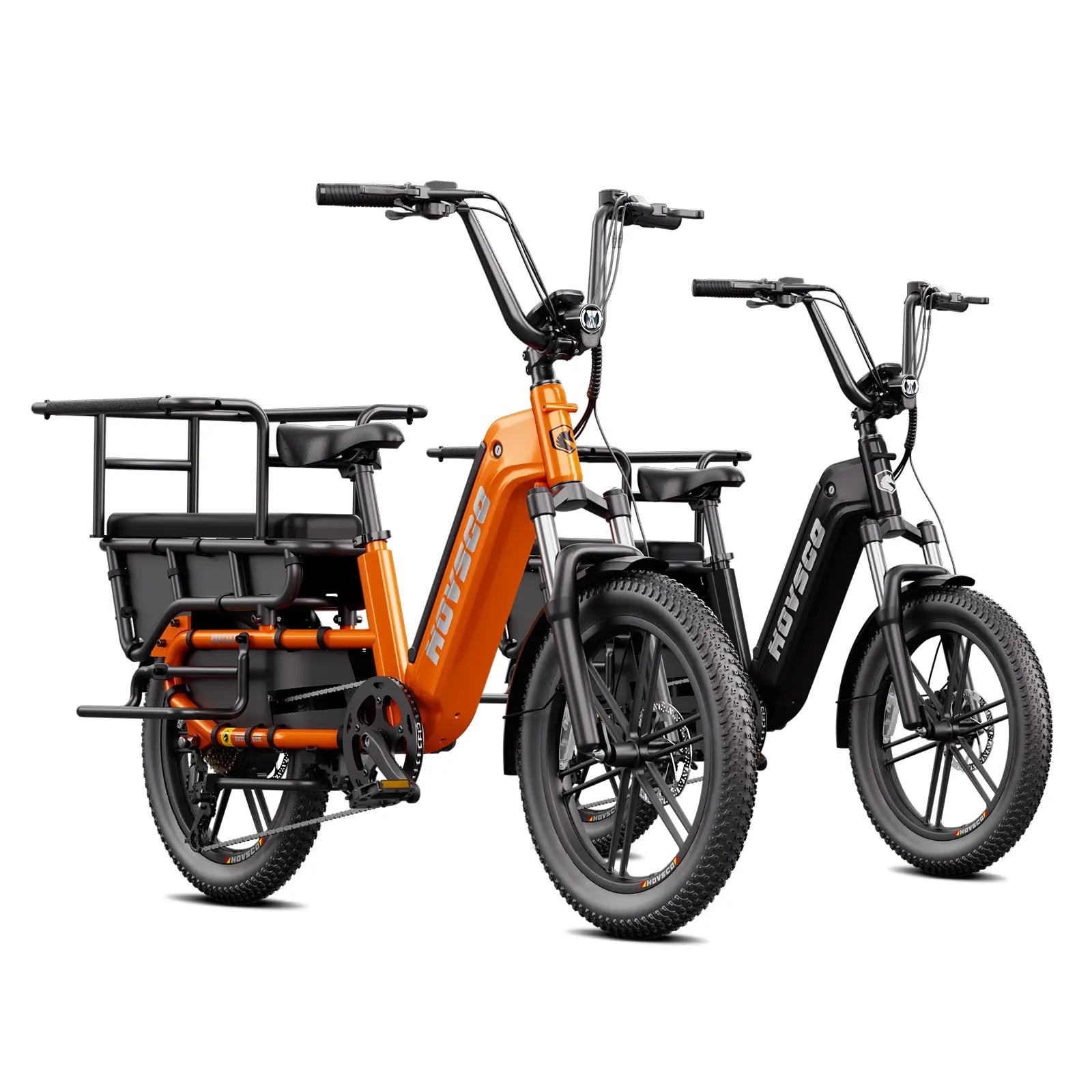
Class 2 street legal electric bikes are ideal for cities because throttle control makes stop-and-go traffic effortless, and the 20 mph cap keeps riding predictable and compliant. Their ability to use bike lanes and most multi-use paths reduces stress and increases route options. HOVSCO’s Class 2 street legal electric bikes also offer cargo-ready setups, making them practical for errands, commuting, and commercial deliveries.
Class 2 street legal electric bikes work well for commercial use due to throttle convenience, strong torque, and cargo capacity. They handle heavy loads with stable frames, durable racks, and reliable braking systems. HOVSCO designs Class 2 street legal electric bikes with weatherproofing, long-range batteries, and fleet-ready durability, supporting multi-stop routes and long shifts with minimal downtime.
Class 2 street legal electric bikes typically deliver 40–80 miles per charge depending on battery size, rider weight, terrain, and throttle use. Using pedal assist extends range, while frequent throttle use reduces it significantly. HOVSCO optimizes battery management in Class 2 street legal electric bikes to provide consistent performance in urban environments, helping riders and fleet operators plan reliable daily routes.
Class 2 street legal electric bikes handle hills with 750W motors and torque ranges often between 60–80Nm, providing strong low-end power for steep inclines. Throttle allows riders to maintain momentum without constant pedaling, which is especially useful for delivery riders carrying loads. HOVSCO tunes Class 2 street legal electric bikes for hill performance and stability, ensuring confident climbing even with cargo.
| Motor Power | Hill Grade | Speed Maintained |
|---|---|---|
| 500W | 10% | 18 mph |
| 750W | 15% | 15 mph |
| 1000W peak | 20% | 12 mph |
Panniers, phone mounts, and bright front lights enhance Class 2 street legal electric bikes for commuting and delivery. Rear racks support cargo boxes, and fenders keep riders dry in wet weather. A strong lock system protects the investment. HOVSCO offers accessory packages that pair seamlessly with Class 2 street legal electric bikes, helping riders customize their setup for safety and efficiency.
“HOVSCO’s mission since 2019 has been to make everyday riding more practical and enjoyable. Class 2 street legal electric bikes deliver throttle convenience and wide access to bike lanes, which is crucial for urban riders and fleet operators. Our design focus is reliability, safety, and comfort, ensuring that riders can confidently navigate mixed routes without legal or performance compromises.” — HOVSCO Product Director
Class 2 street legal electric bikes generally qualify as bicycles in most US jurisdictions, granting access to bike lanes and many multi-use paths. However, a small number of trails restrict throttles, so riders should always follow posted signage. HOVSCO’s Class 2 street legal electric bikes are designed to meet common legal requirements, maximizing access and minimizing compliance issues.
Class 3 electric bikes are less efficient for multi-stop routes because they require pedaling to reach top speed and may be restricted from many shared-use paths. The absence of throttle can slow deliveries, especially with heavy loads and frequent stops. Class 2 street legal electric bikes provide better practicality and route flexibility, making them the preferred choice for urban logistics.
Commercial operators should choose Class 2 street legal electric bikes when routes involve frequent stops, mixed road and path travel, and when legal access matters more than top speed. Class 2 street legal electric bikes also fit well when operators want easy throttle control for heavy loads. HOVSCO supports fleet buyers with configuration guidance and durable build quality tailored to commercial needs.
Class 2 street legal electric bikes offer the best balance of legal access, throttle convenience, and commercial practicality. Class 3 electric bikes excel for fast road commuting but face more restrictions and require more rider effort. Key takeaways: Class 2 street legal electric bikes reach 20 mph with throttle, handle payloads efficiently, and access most bike infrastructure. Actionable advice: confirm local path rules, choose a 48V battery for longer range, test throttle response, and consider HOVSCO’s integrated cargo packages for reliable urban performance.
No, they are typically treated as bicycles and do not require registration or licensing in most US states.
Sidewalk rules vary by city; many areas prohibit bikes on sidewalks regardless of class, so check local regulations.
Yes, pedals are required, but throttle allows riding without pedaling up to 20 mph.
Yes, motor assistance allows consistent 20 mph speeds, often exceeding what many riders can maintain on their own.
Throttle control and broad path access make Class 2 street legal electric bikes ideal for multi-stop routes and urban logistics.
Share:
Where to Buy Street Legal Electric Commuter Bikes?
What Makes Class 3 Street Legal Electric Bikes Different?