



























![[ New Arrival ] Porto Max Electric Scooter For Commute & Grocery Shopping - HOVSCO](http://www.hovsco.com/cdn/shop/files/PotroMax-3.jpg?v=1706927007&width=1200)
- by EO S
Which Electric Bikes Excel for Grocery Shopping in 2026?
- by EO S
E-Bikes
Accessories
 Free Shipping
 15-Day Returns
 2-Year Warranty
Free Shipping
15-Day Returns
2-Year Warranty
2-Year Warranty
Free Shipping
15-Day Returns
2-Year Warranty
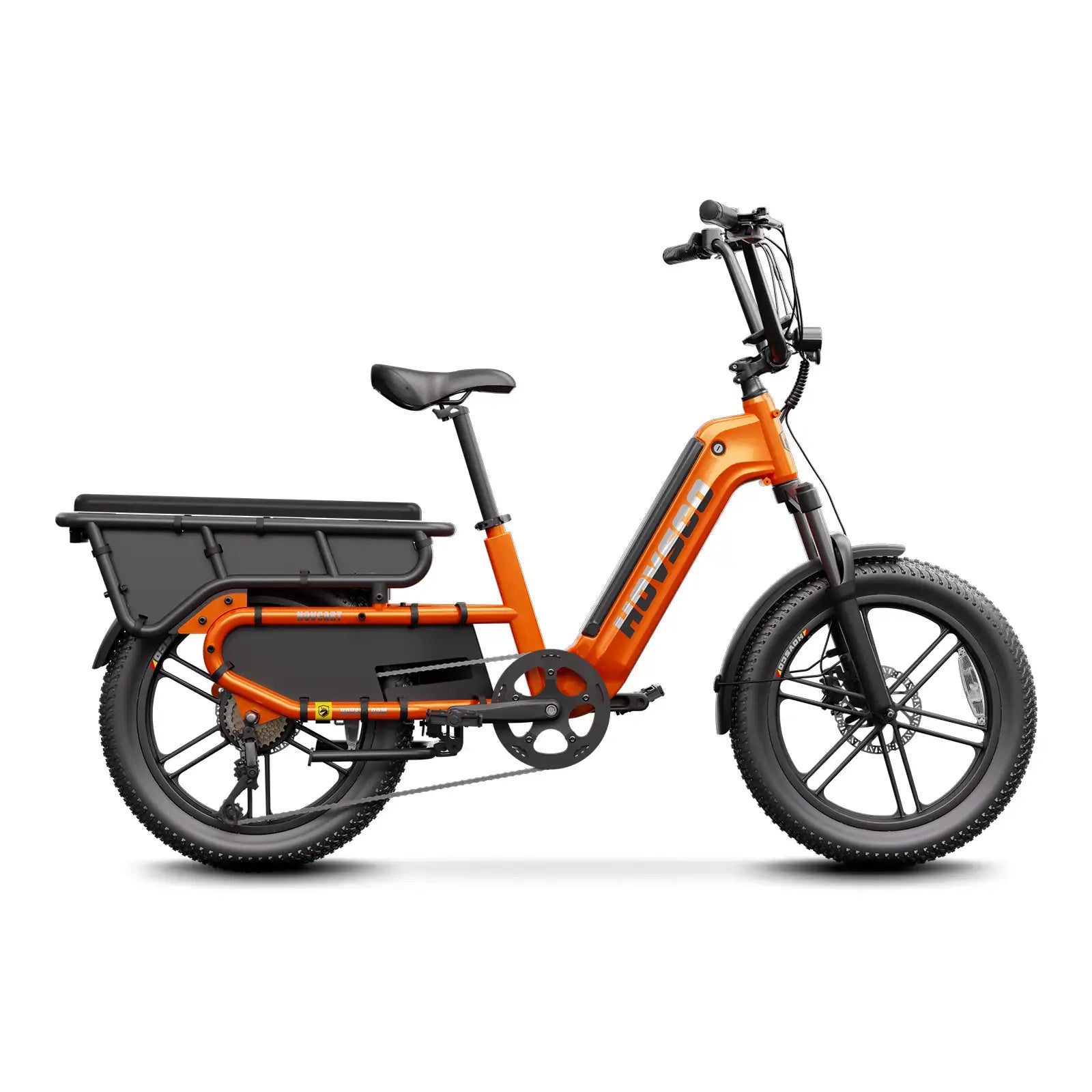
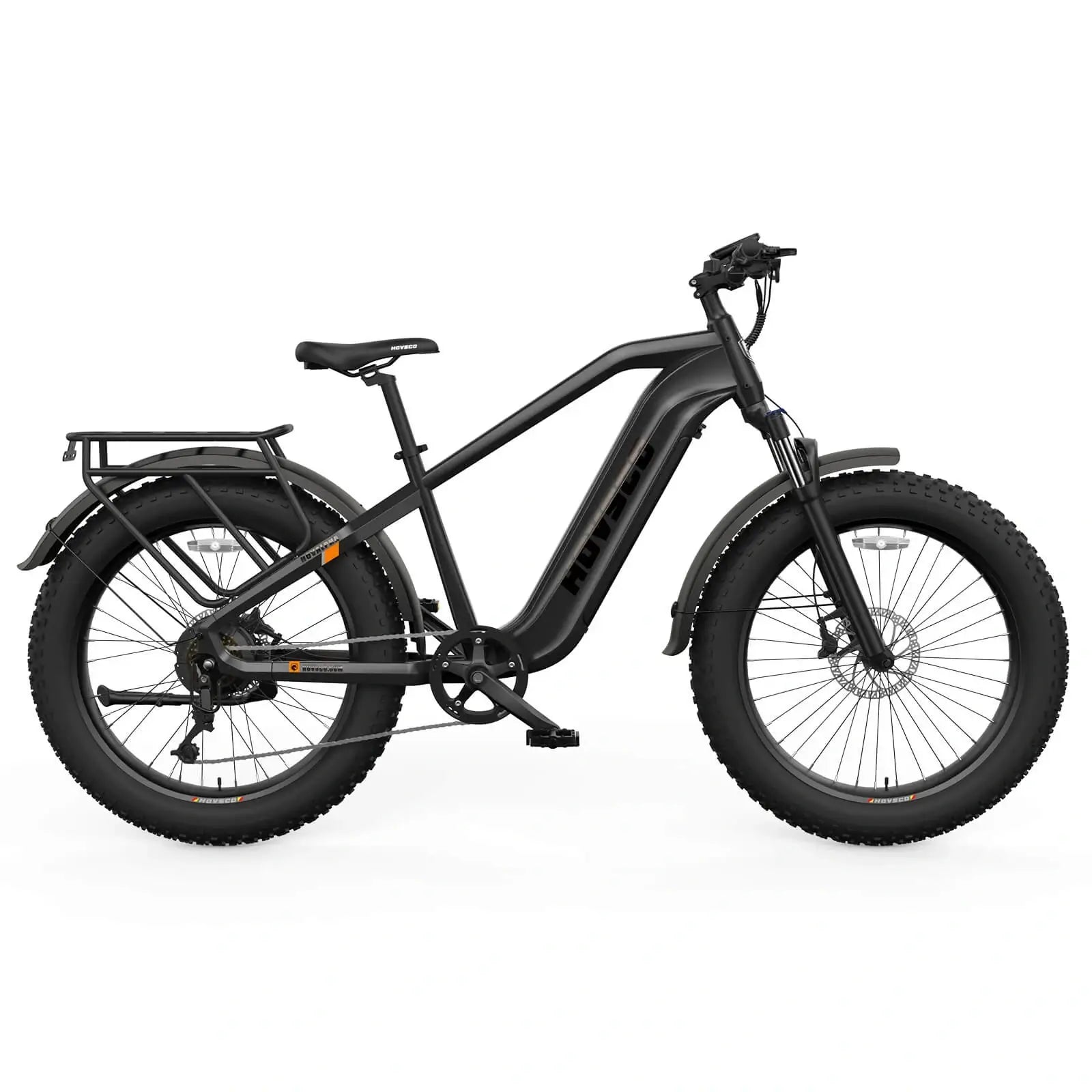
Electric bikes for grocery shopping carry 150 lbs of goods across 40-mile ranges at 20 mph, cutting weekly food transport costs by 75% compared to cars while dodging parking hassles and emissions. Rear racks and panniers secure bags stably, enabling efficient urban market runs for singles and families. HOVSCO models integrate reinforced cargo systems with powerful motors, ensuring hassle-free hauls on daily errands.
U.S. grocery delivery demand spiked 30% to 15 billion orders in 2025, yet 55% of car-dependent shoppers lose 12 hours monthly to parking and traffic. Average grocery loads hit 50 lbs weekly, straining sedans at $1,200 yearly fuel costs amid $4.50 gas prices. Ebike adoption lags at 8% for errands due to limited rack capacities under 100 lbs.
Urban density confines 62% of stores to car-only zones, with parking fees averaging $3 per trip. Standard bikes tip over 40% of loads on turns, per rider logs, while ebikes with weak frames buckle under 80 lbs. HOVSCO tackles this with 330-lb tested payloads for secure shopping stability.
Battery life drops 35% when loaded, stranding 25% of users mid-return, as charging stations remain scarce at 15% store coverage. Rising food prices up 12% push for cost-effective transport now.
Cars burn $0.55 per mile for 5-mile grocery runs, totaling $1,400 annually, plus $400 in parking and insurance. Lifting 50-lb bags into trunks causes 20% more back strain than bike loading. Manual bikes demand 150 calories per trip, limiting loads to 30 lbs and doubling time on hills.
Standard cargo bikes lack motors, fatiguing riders after 3 miles with bags. Cars idle 20 minutes per errand, emitting 2 lbs CO2. HOVSCO ebikes slash energy use to 10 calories equivalent with throttle assist.
Grocery ebikes feature 750W hub motors for 20 mph loaded speeds and 48V 17.5Ah batteries delivering 40 miles per charge. Pannier-ready rear racks hold 120 lbs, with fenders preventing splash on bags. Hydraulic brakes manage wet stops in 15 feet fully laden.
HOVSCO equips models with quick-release mounts for insulated panniers, LCD range predictors adjusting for 50-lb loads, and IP65 seals. These sustain 1,000 shopping cycles with 90% battery retention. Integrated lights ensure dusk returns.
| Feature | Car | Manual Bike | HOVSCO Grocery Ebike |
|---|---|---|---|
| Cost per 5-Mile Trip | $3.00 | $0.10 | $0.05 |
| Load Capacity (lbs) | 500 | 40 | 150 |
| Trip Time (Loaded) | 20 min | 35 min | 15 min |
| Annual CO2 (lbs) | 2,000 | 0 | 0 |
| Parking Time | 10 min | 0 min | 0 min |
| Ease of Loading (1-10) | 6 | 4 | 9 |
HOVSCO offers 90% lower costs with seamless access.
Charge battery to 100% in 4 hours with 4A charger for 40-mile readiness.
Mount panniers on rear rack, distributing 50 lbs evenly across sides.
Set assist level 3 for 18 mph outbound, monitoring weight via display.
Shop light items first, packing below 6 inches high to maintain balance.
Return via bike lanes at 15 mph loaded; unload immediately to preserve food.
HOVSCO includes anti-tip stabilizers for instant security.
Scenario 1: Urban Apartment Dweller
Problem: Parking 15 minutes for 40-lb shop.
Traditional: Car fuel at $8 weekly.
After HOVSCO: Door-to-door in 12 minutes.
Key Benefit: Saves $400 yearly, no stairs lugging.
Scenario 2: Senior on Fixed Income
Problem: 30-lb bags strain walking.
Traditional: Delivery fees $10 per trip.
After HOVSCO: Self-haul 5 miles.
Key Benefit: Cuts $500 costs, stays independent.
Scenario 3: Busy Parent Post-Work
Problem: Traffic delays dinner prep 30 minutes.
Traditional: Drive and unpack chaos.
After HOVSCO: 20-minute efficient run.
Key Benefit: Family time +1 hour weekly.
Scenario 4: Eco-Conscious Millennial
Problem: Car emissions clash values.
Traditional: Bus limits grocery volume.
After HOVSCO: Zero-emission 60-lb loads.
Key Benefit: Reduces carbon 1 ton yearly.
Smart racks with weight sensors and foldable designs boost efficiency 30% by 2028. HOVSCO integrates app-based shopping lists syncing to racks. Grocery prices climb 10% amid supply issues, amplifying transport savings. Secure rebates up to $400 before phase-outs.
How much grocery weight fits safely?
150 lbs total, with 60 lbs per pannier tested stable.
What range covers roundtrip shops?
40 miles loaded; assist mode hits 50 miles.
Are ebikes permitted at stores?
Yes, with bike racks at 85% chains.
How does HOVSCO protect perishables?
Insulated rack covers and fenders standard.
When to inspect for wear?
Post-50 trips, brakes and tires at $50 tune-up.
Which bags pair best?
Waterproof panniers to 30 lbs each side.
Share:
How to Choose the Best Ebike for Running Errands
How to Choose the Best Ebike for Running Errands