Alternative Car Transportation for Everyday Mobility: HOVSCO E-Bikes That Cut Car Dependence
by SteveJames
Alternative car transportation with HOVSCO e-bikes can reduce short-trip driving, ease congestion, and fit family, commuting, and cargo needs.
A crowded mobility problem
Alternative car transportation is moving from a niche idea to a mainstream necessity as cities face congestion, rising operating costs, and growing demand for cleaner short-trip travel. HOVSCO positions its e-bike lineup around that shift, with cargo, commuter, and utility models designed to replace many daily car errands with two-wheel trips. The brand’s own materials frame its current offer around heavy-duty cargo use, family trips, and utility riding, which fits the practical side of car replacement.
HOVSCO at a glance
HOVSCO positions itself around practical e-mobility, with a lineup that spans cargo, commuter, and utility-focused e-bikes. That makes the brand especially relevant for riders looking to replace short car trips with something easier to park, cheaper to run, and more flexible in daily use.
What is alternative car transportation
Alternative car transportation means using a vehicle other than a private car for common point-to-point travel. In HOVSCO’s case, that usually means an e-bike that can handle errands, commuting, and carrying people or cargo while avoiding many of the costs and friction points of driving.
Why drivers look elsewhere
The strongest case for alternative car transportation is not ideology; it is convenience. Short drives often involve traffic, parking, fuel, and repeated stop-and-go trips that waste time even when the distance is small. HOVSCO’s own positioning leans into that pain point by emphasizing cargo capacity, family use, and comfort-oriented riding, which are the exact areas where cars are often overkill and bicycles are usually underpowered.
Cost is another pressure point. Public and industry reporting over the last three years consistently shows micro-mobility demand rising as consumers search for lower-cost local travel and as cities push for cleaner transport options. The practical problem is that many ordinary bikes do not solve the “real life” part of transport: carrying a child, hauling groceries, or riding home without arriving sweaty. That is where utility e-bikes create their strongest value proposition.
Families and commuters also want a vehicle that feels stable, predictable, and multi-purpose. HOVSCO’s product messaging highlights long-range batteries, hydraulic disc brakes, suspension, and higher payload capacity on key models, all of which address the common fear that a bike cannot truly replace a car for everyday use. The result is a category that is less about recreation and more about replacing specific car trips.
The market signal
Global micro-mobility markets are projected to keep growing strongly through the early 2030s, with e-bikes emerging as one of the clearest car-trip alternatives.
HOVSCO versus other options
Option
Best for
Main strengths
Main limits
HOVSCO cargo / utility e-bike
School runs, groceries, commuting, family trips
Cargo capacity, electric assist, practical everyday use
Not ideal for long highway travel or very large families
Conventional car
Long-distance travel, bad weather, full-family transport
High ownership cost, parking, congestion, fuel dependence
Standard analog bike
Exercise, very short local trips
Low cost, simple maintenance
Limited hauling ability, harder on hills and in heat
HOVSCO features that matter
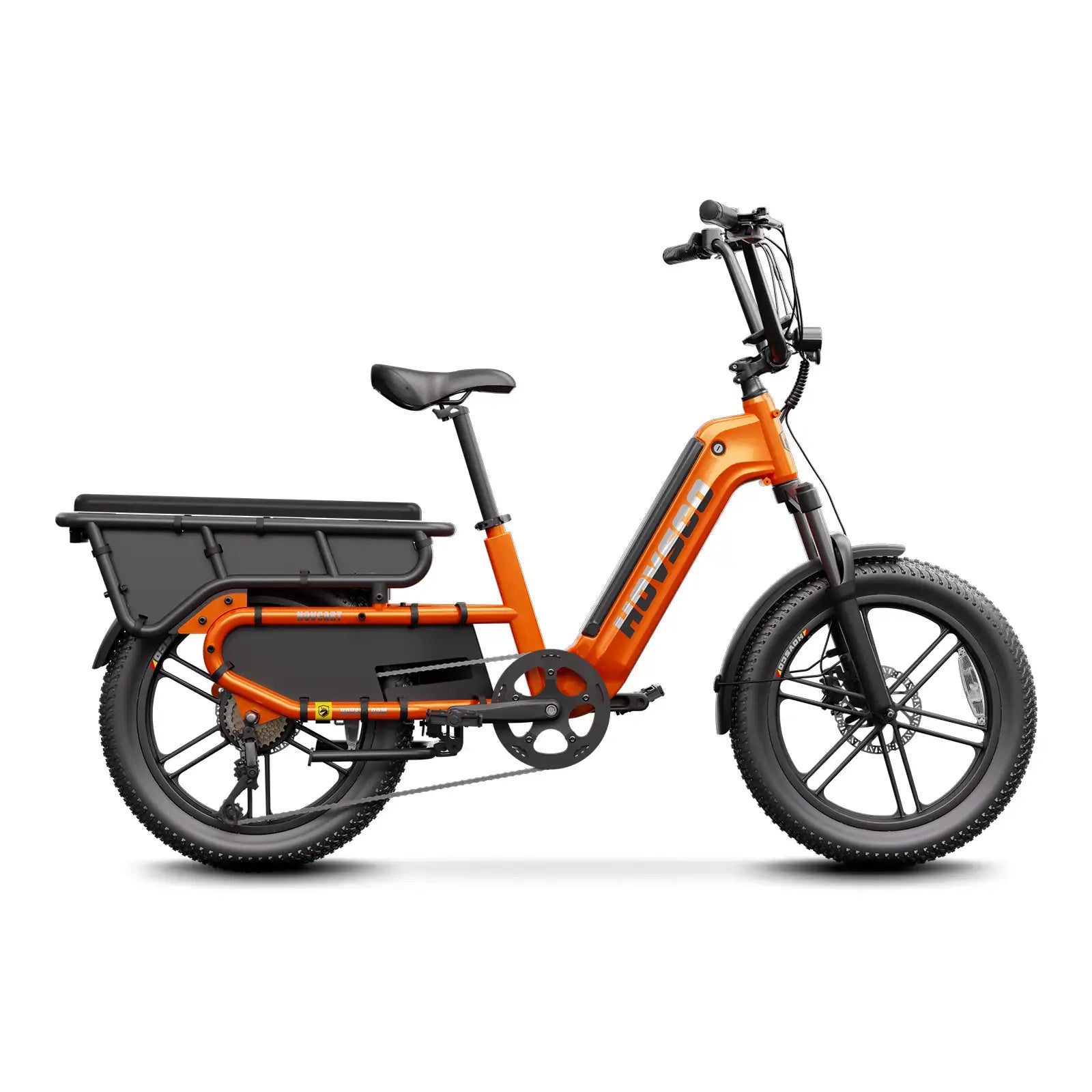
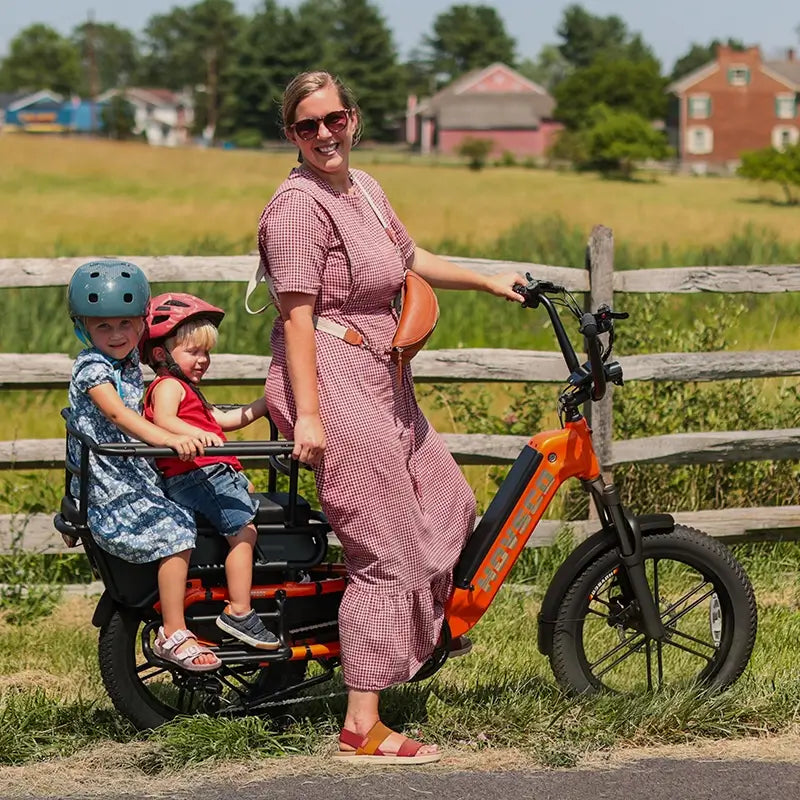
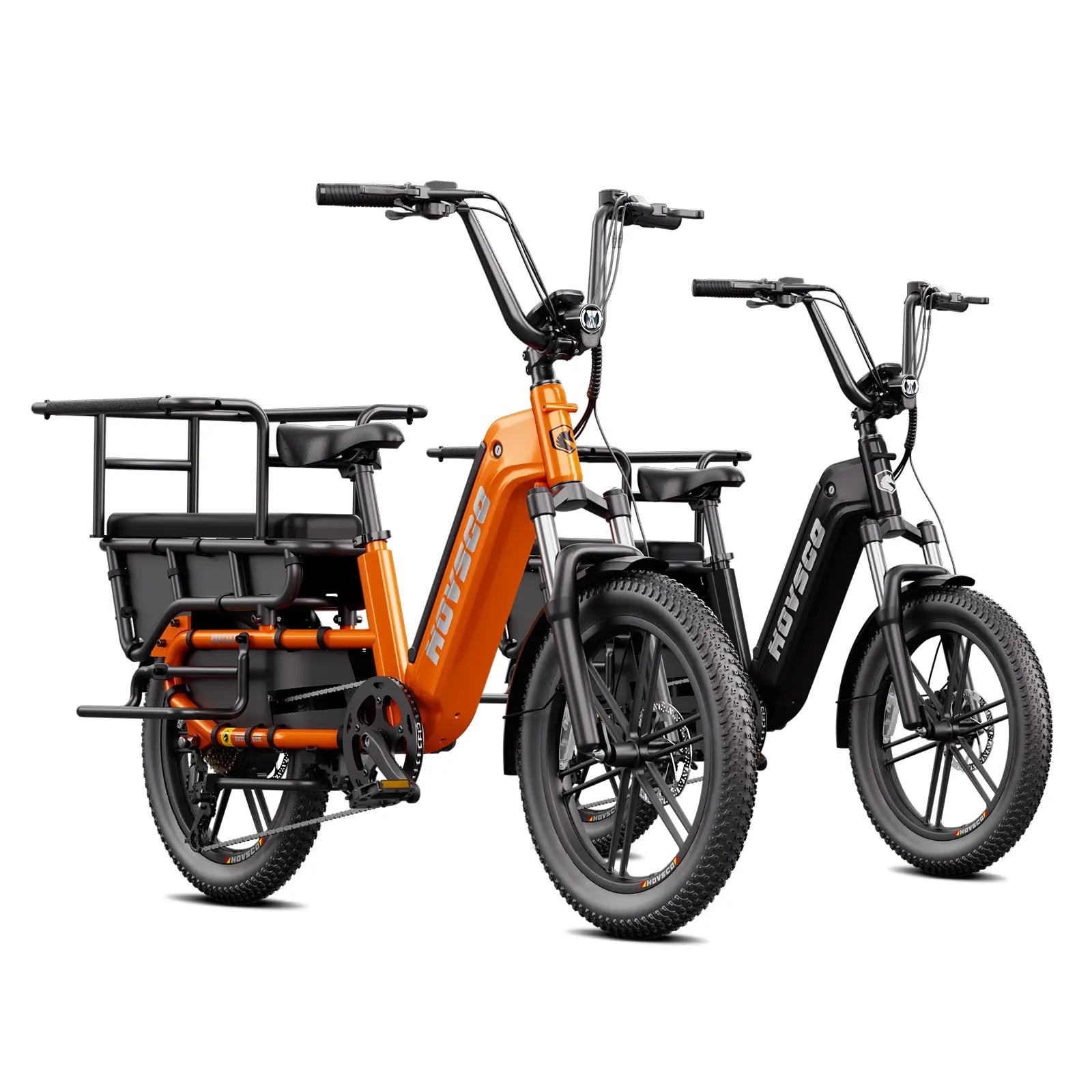
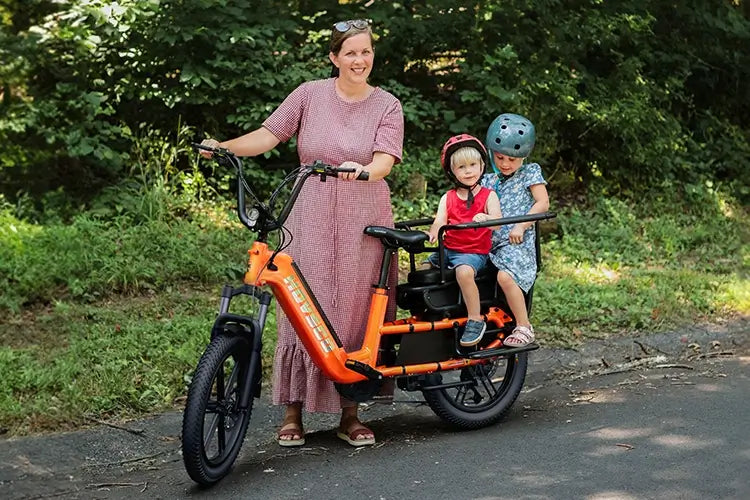
Cargo-first utility HOVSCO’s cargo-oriented messaging focuses on real everyday hauling, not just lifestyle riding. Its site highlights heavy-duty cargo use for groceries, school runs, and commuting.
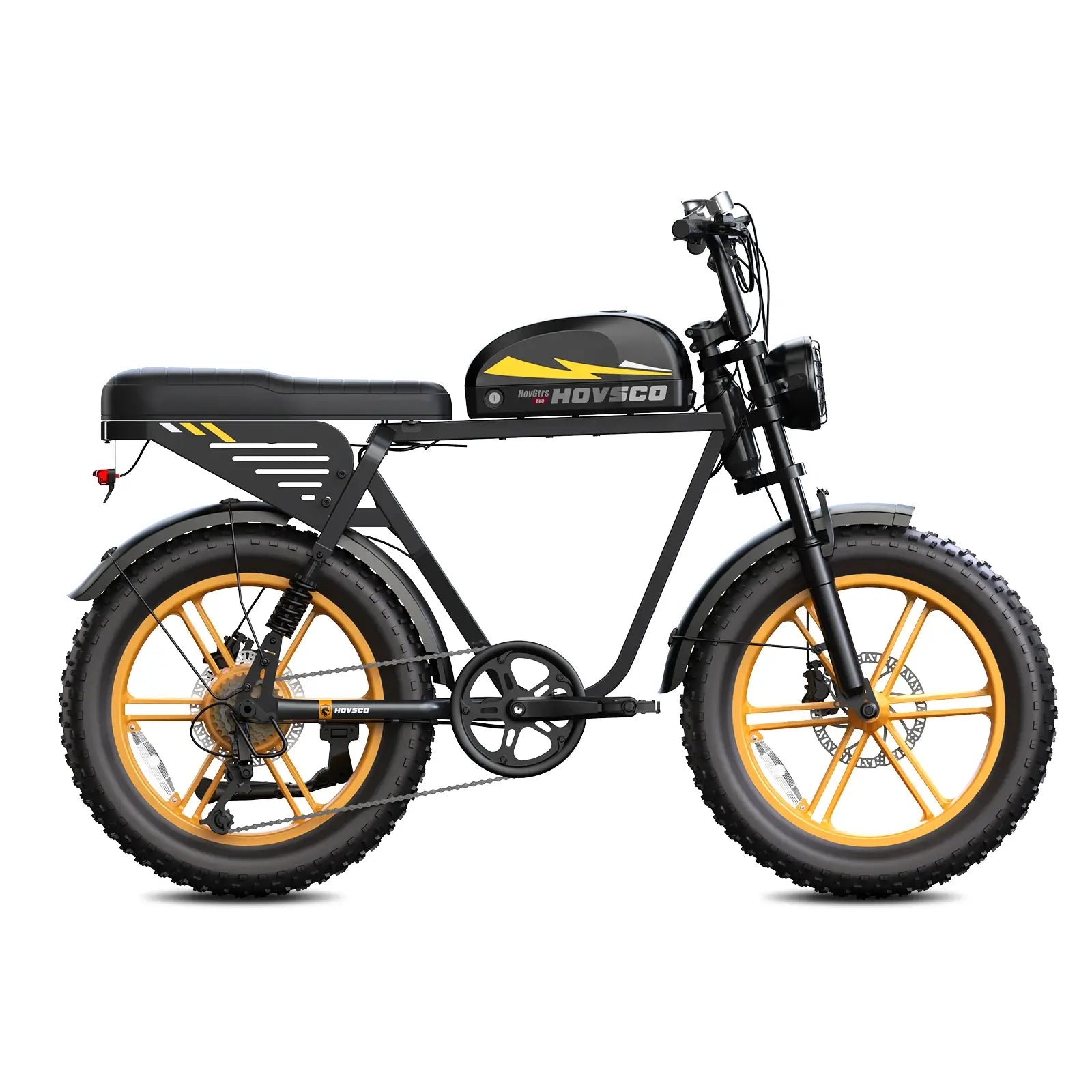
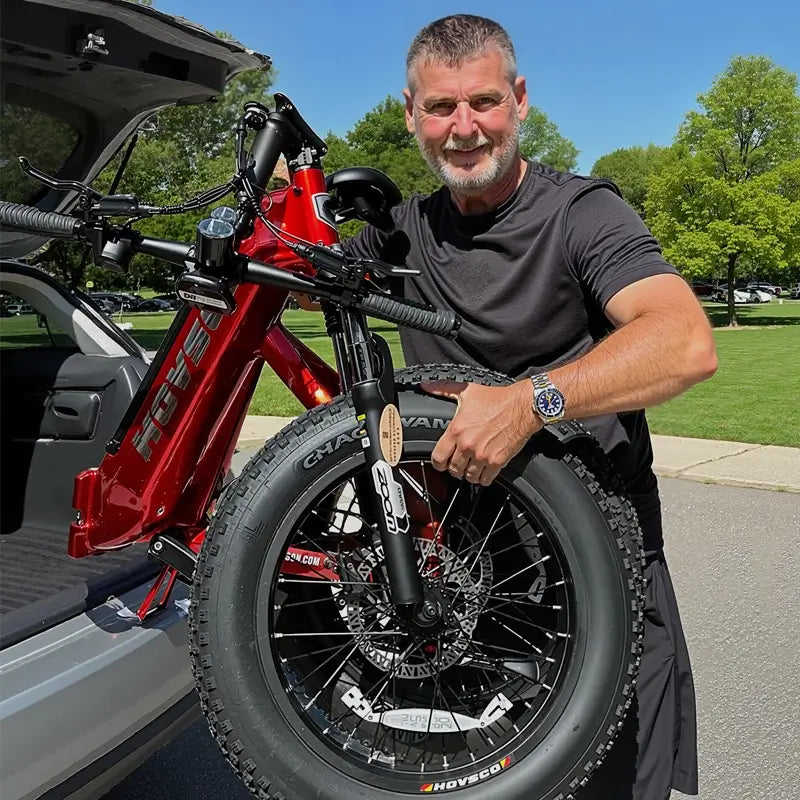
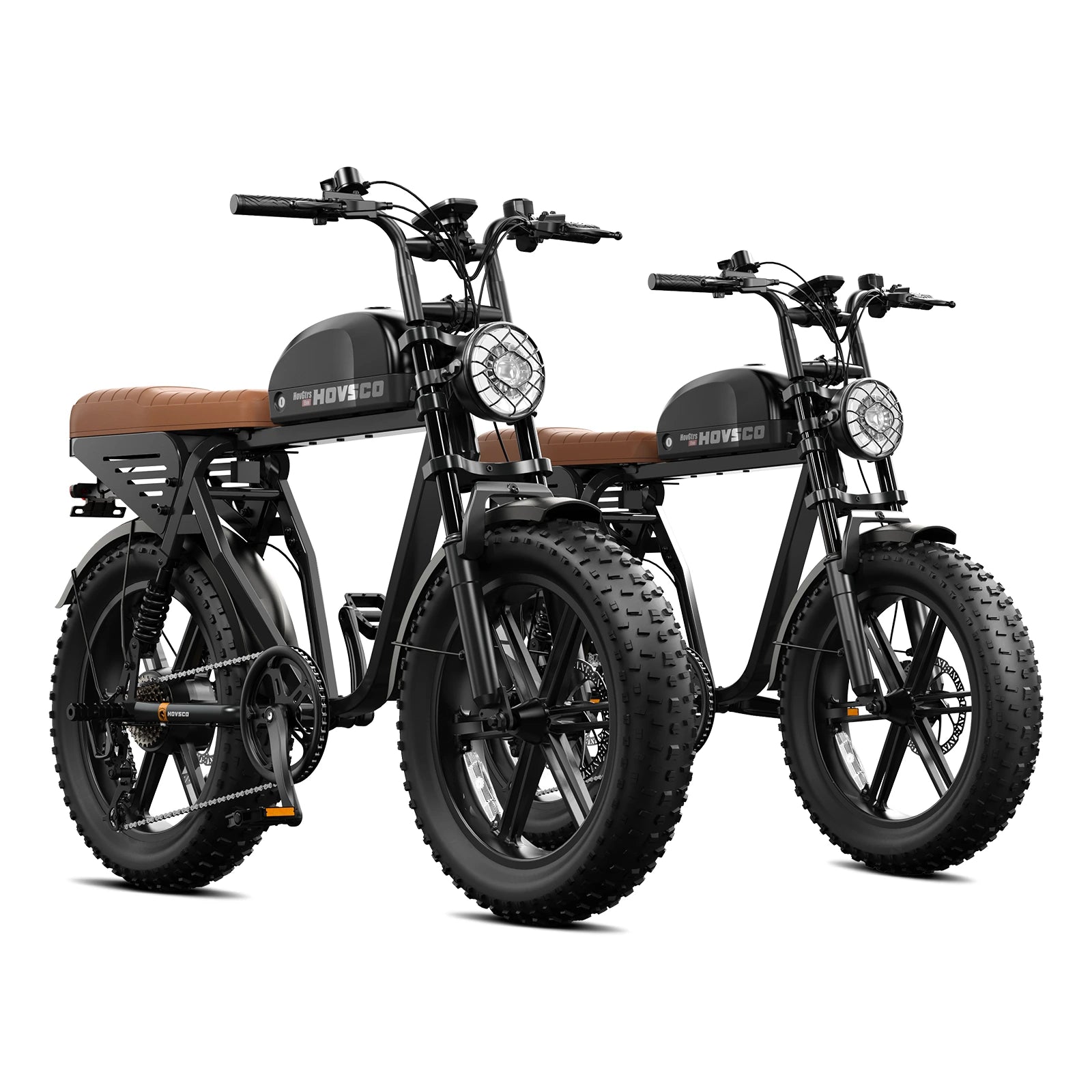
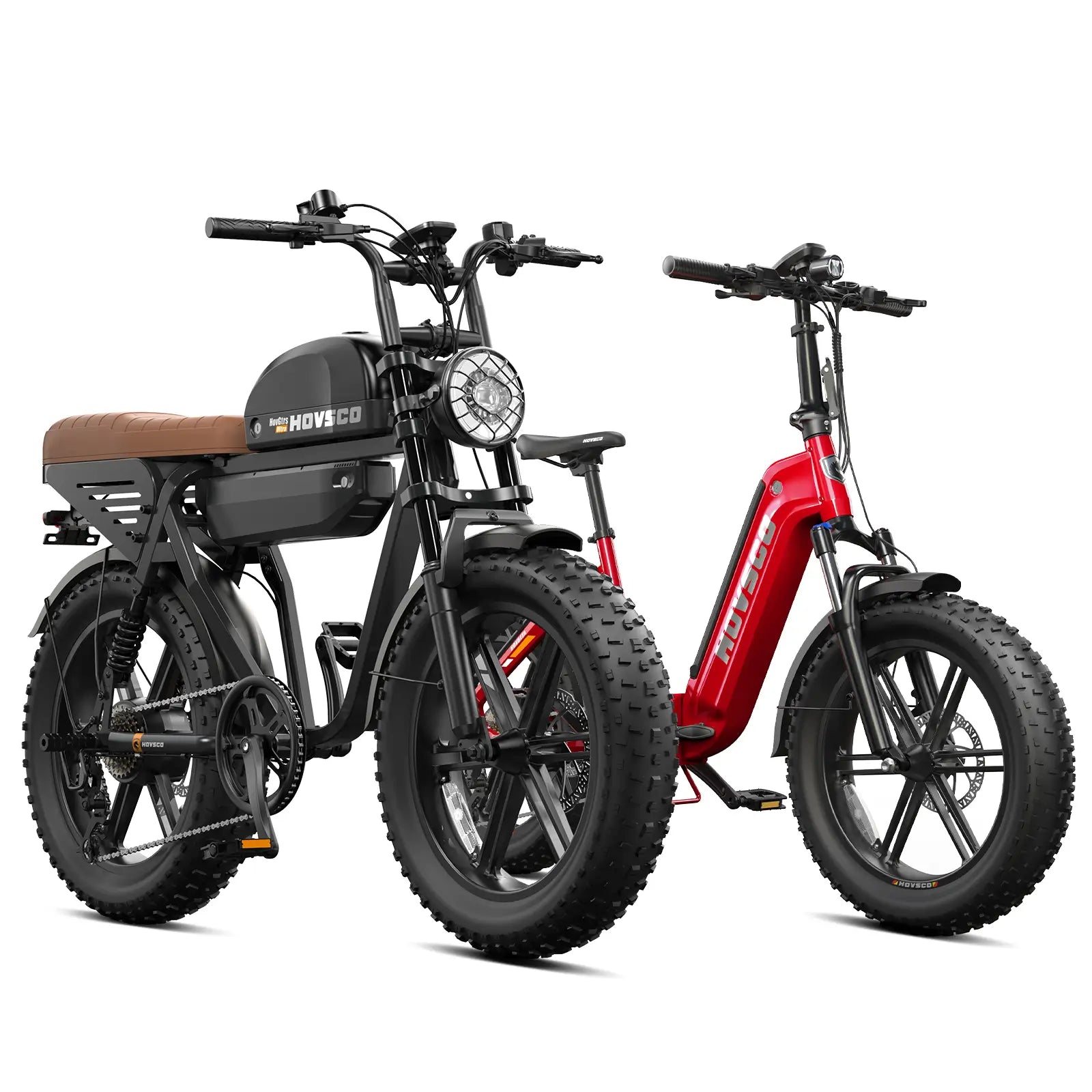
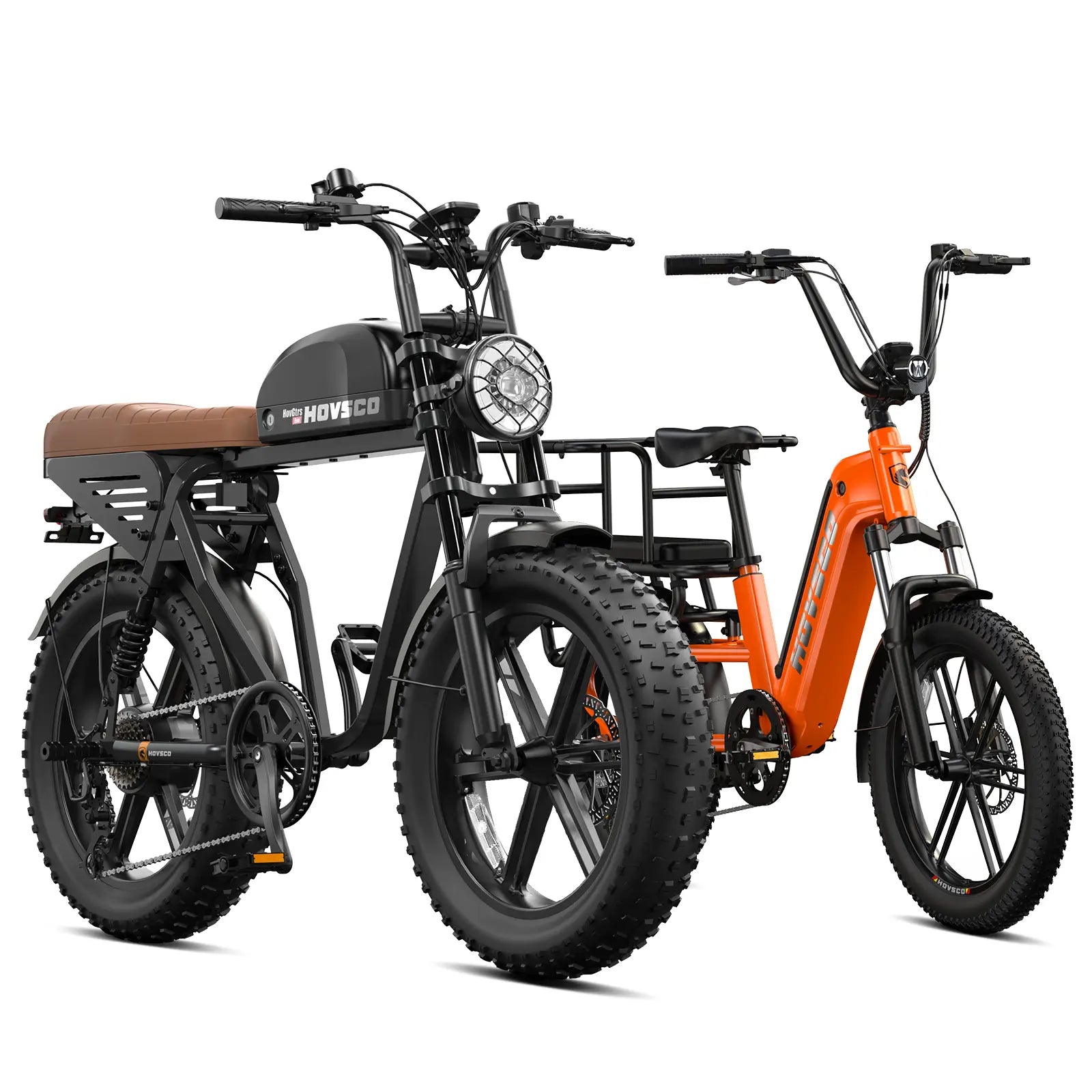
Power and control The HovGtrs page describes a 750W motor with 1500W peak, up to 32 mph speed, a removable 48V 15Ah battery, front and rear suspension, and hydraulic disc brakes. Those details matter because control and comfort are the difference between “fun bike” and “car substitute.”
Family-ready capacity HOVSCO also emphasizes a 450 lbs payload capacity on the HovGtrs, which signals that its utility products are built for passengers, cargo, or both. That makes the brand more relevant for users who need one vehicle to do multiple jobs.
Real-world examples
A parent can use one trip for school drop-off and groceries instead of making two separate car runs.
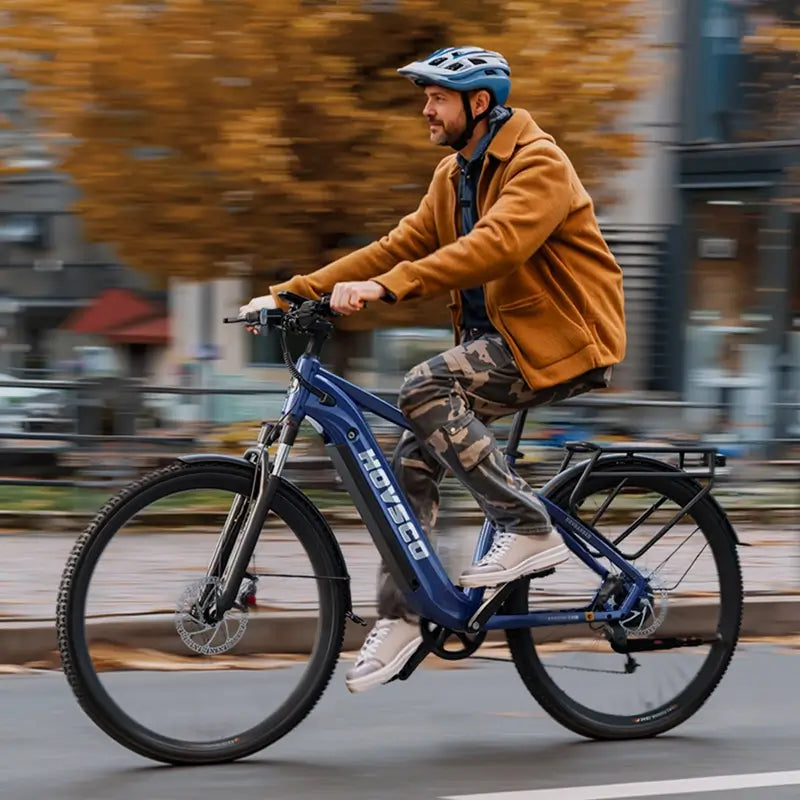
A commuter can swap parking stress for a direct door-to-door ride with electric assist.
A weekend rider can carry gear without turning the trip into a workout.
Related HOVSCO products
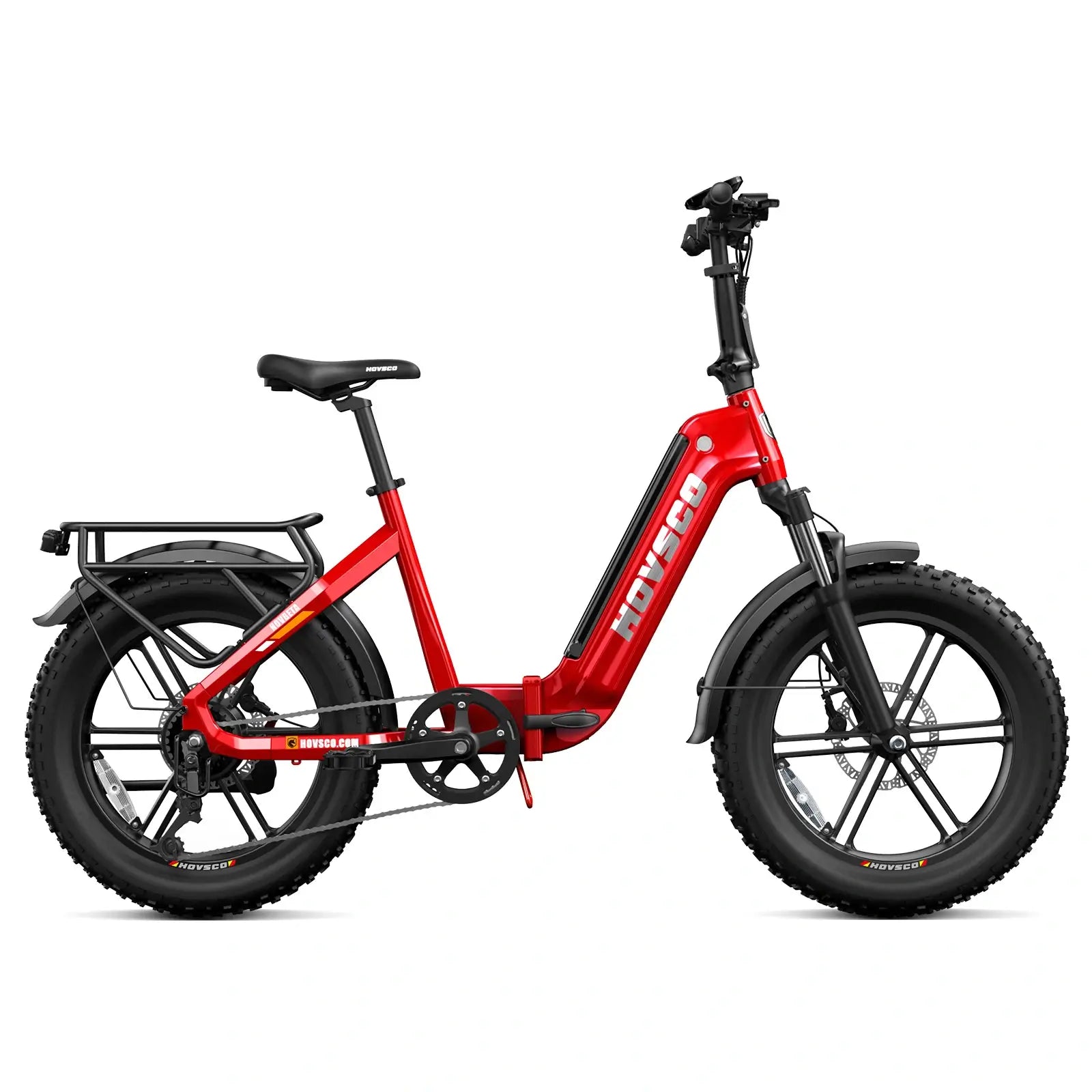
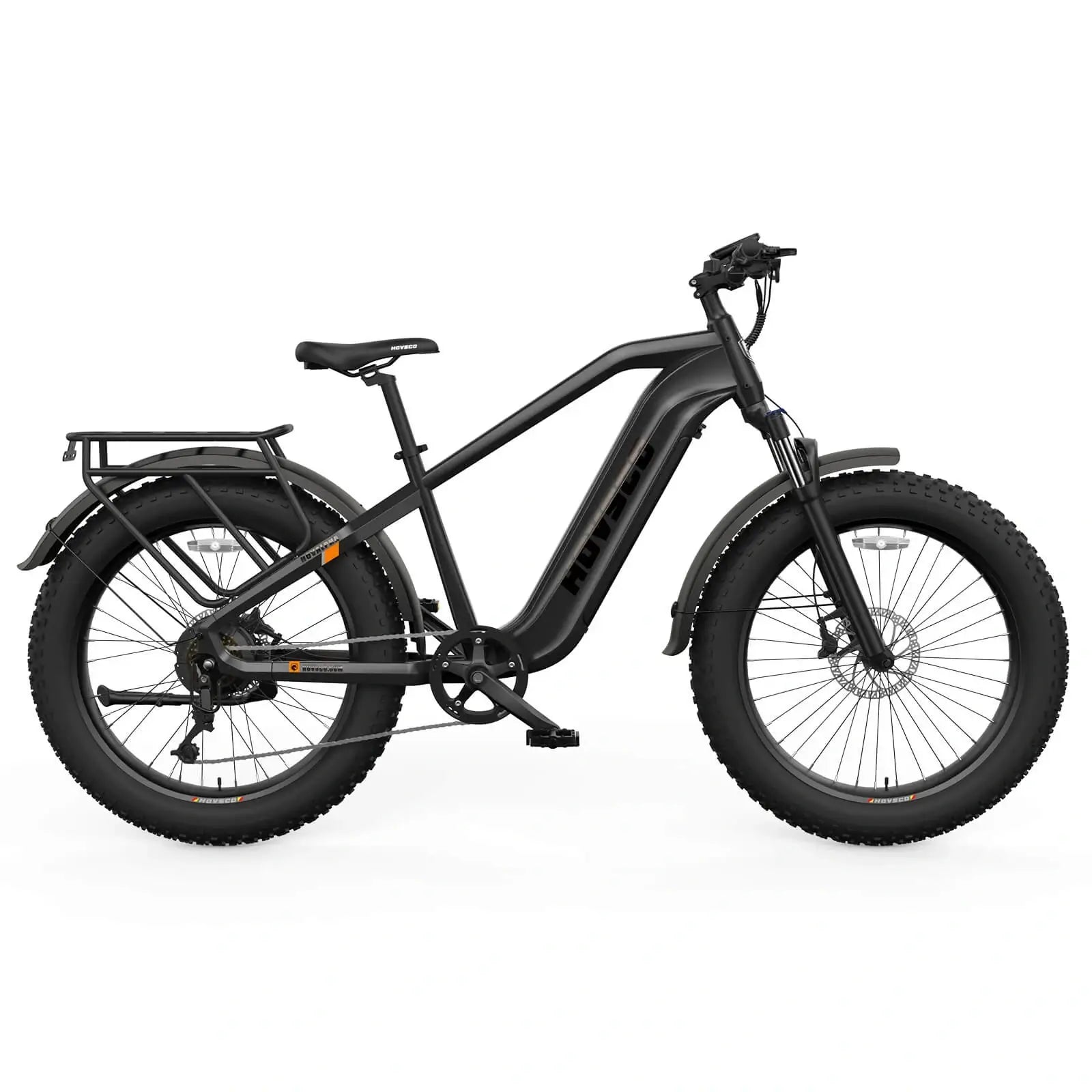
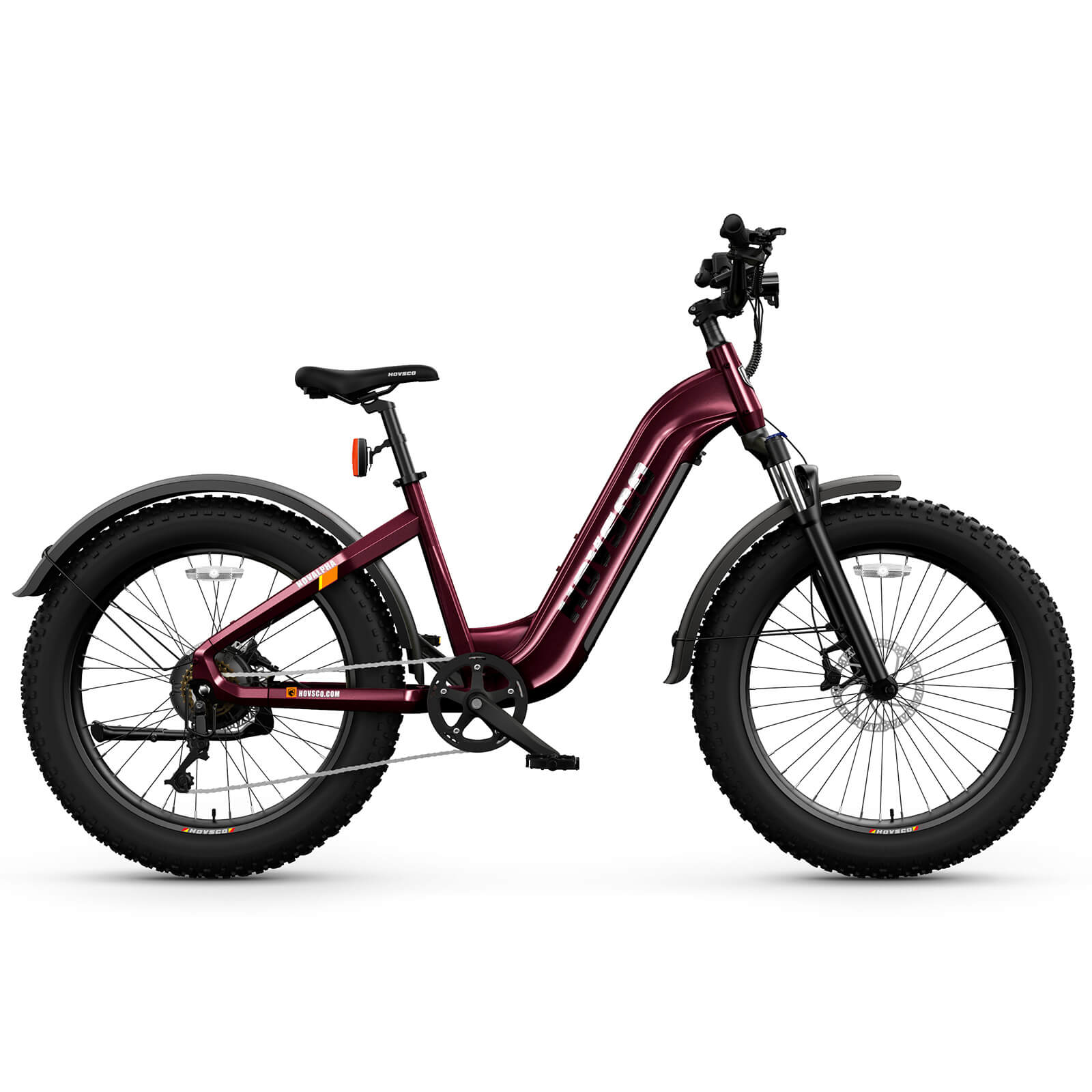
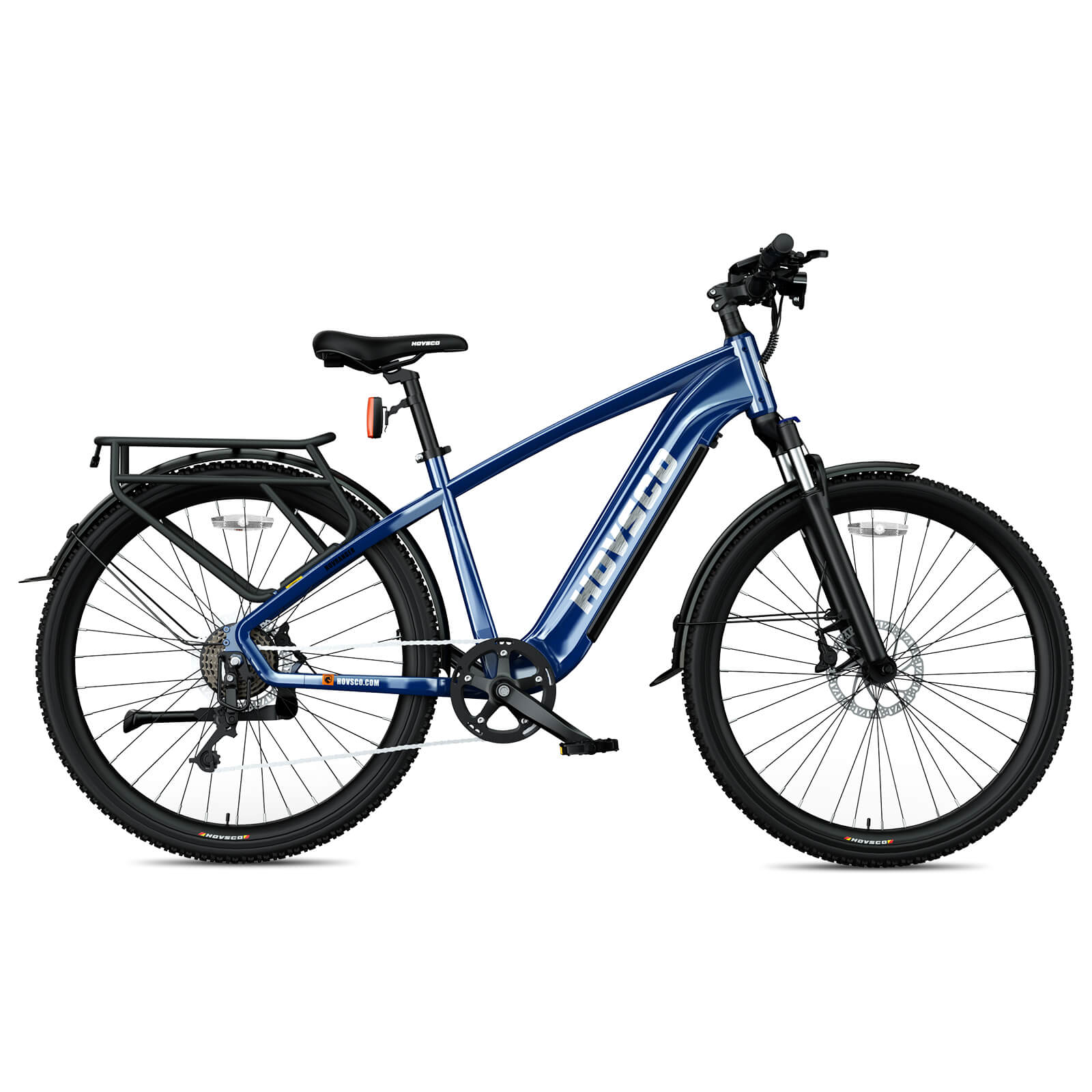
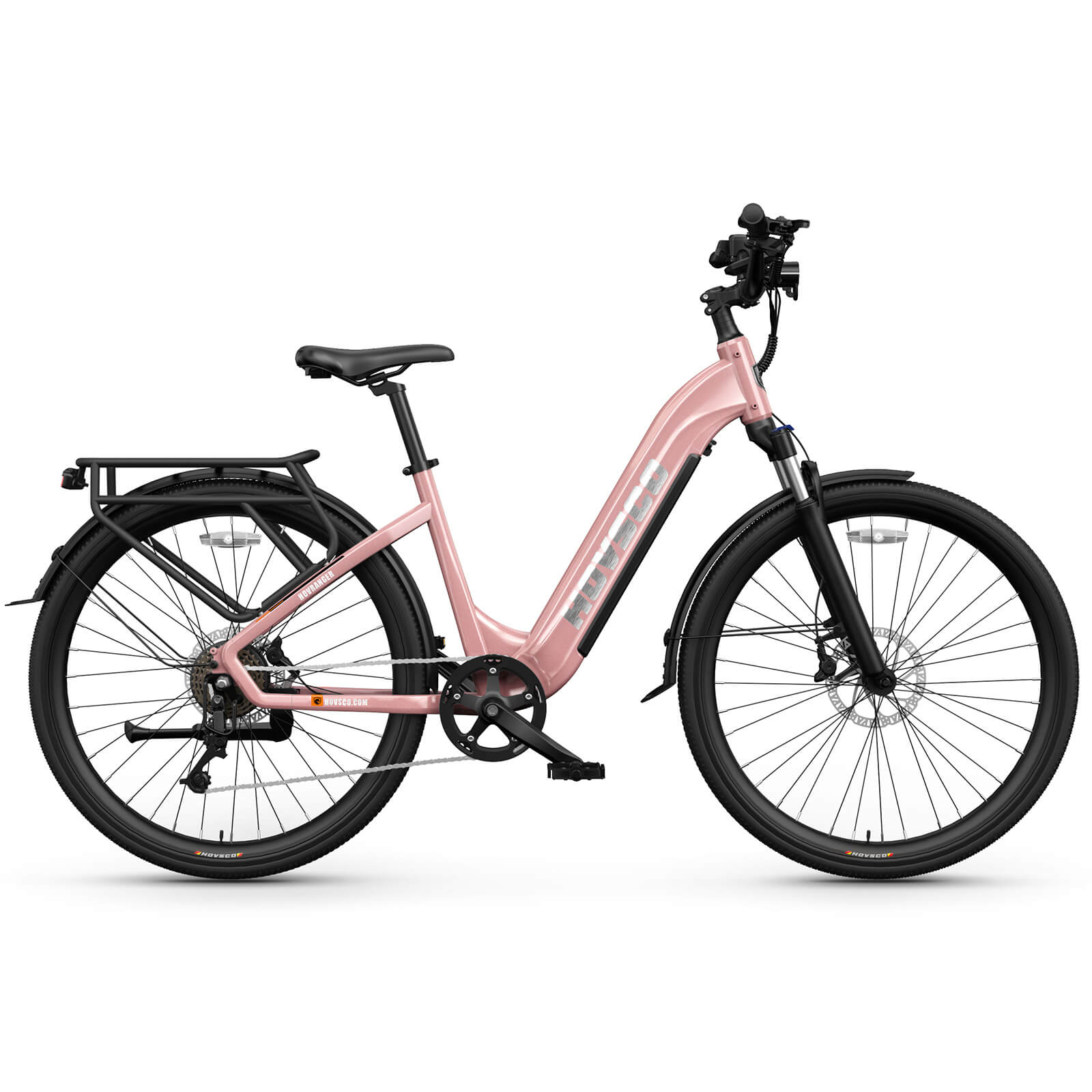
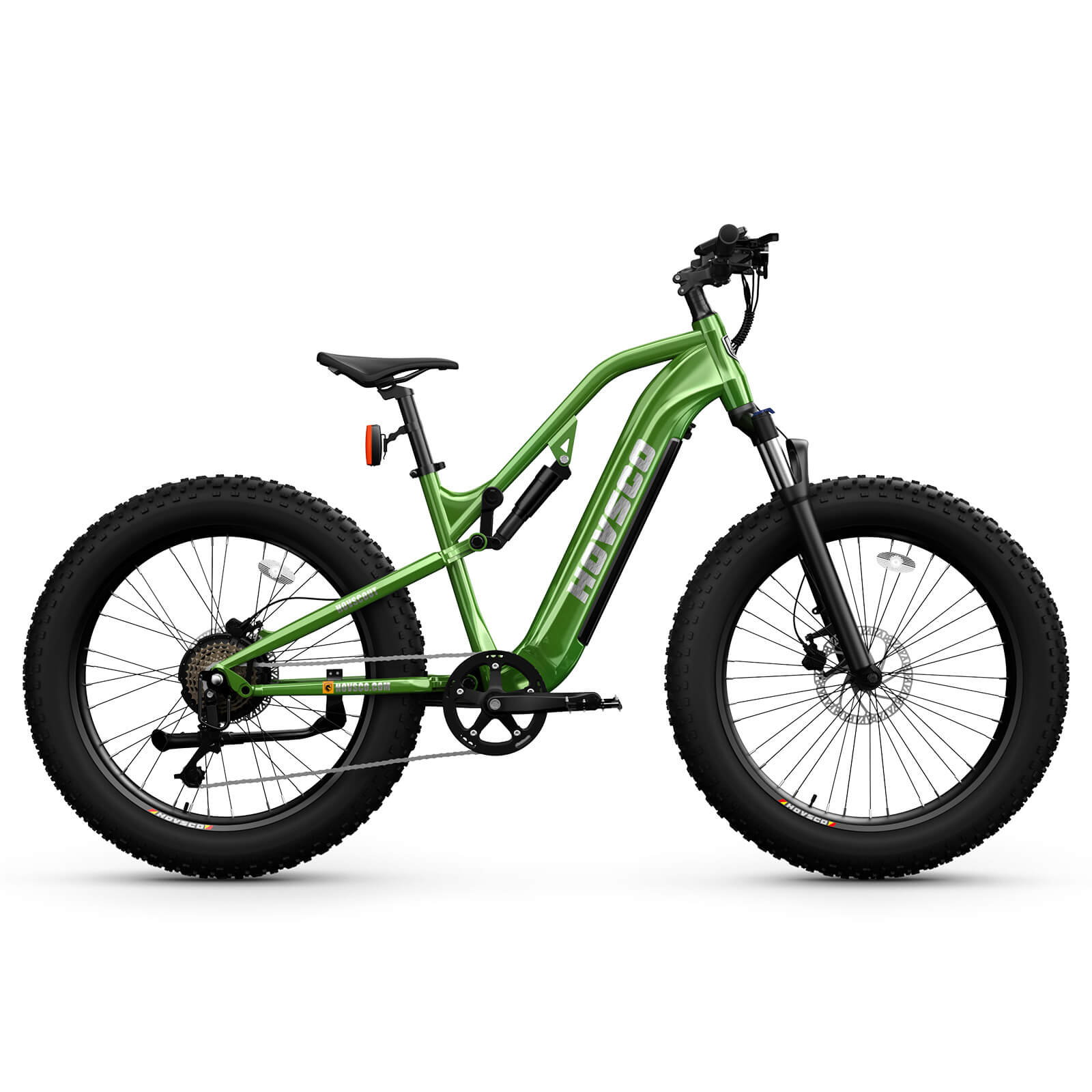
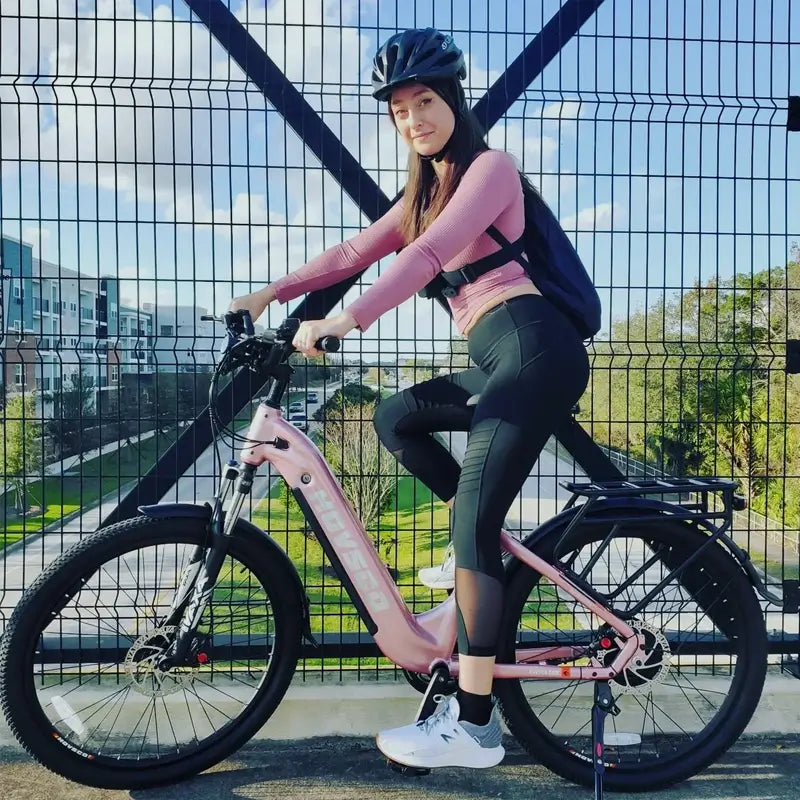
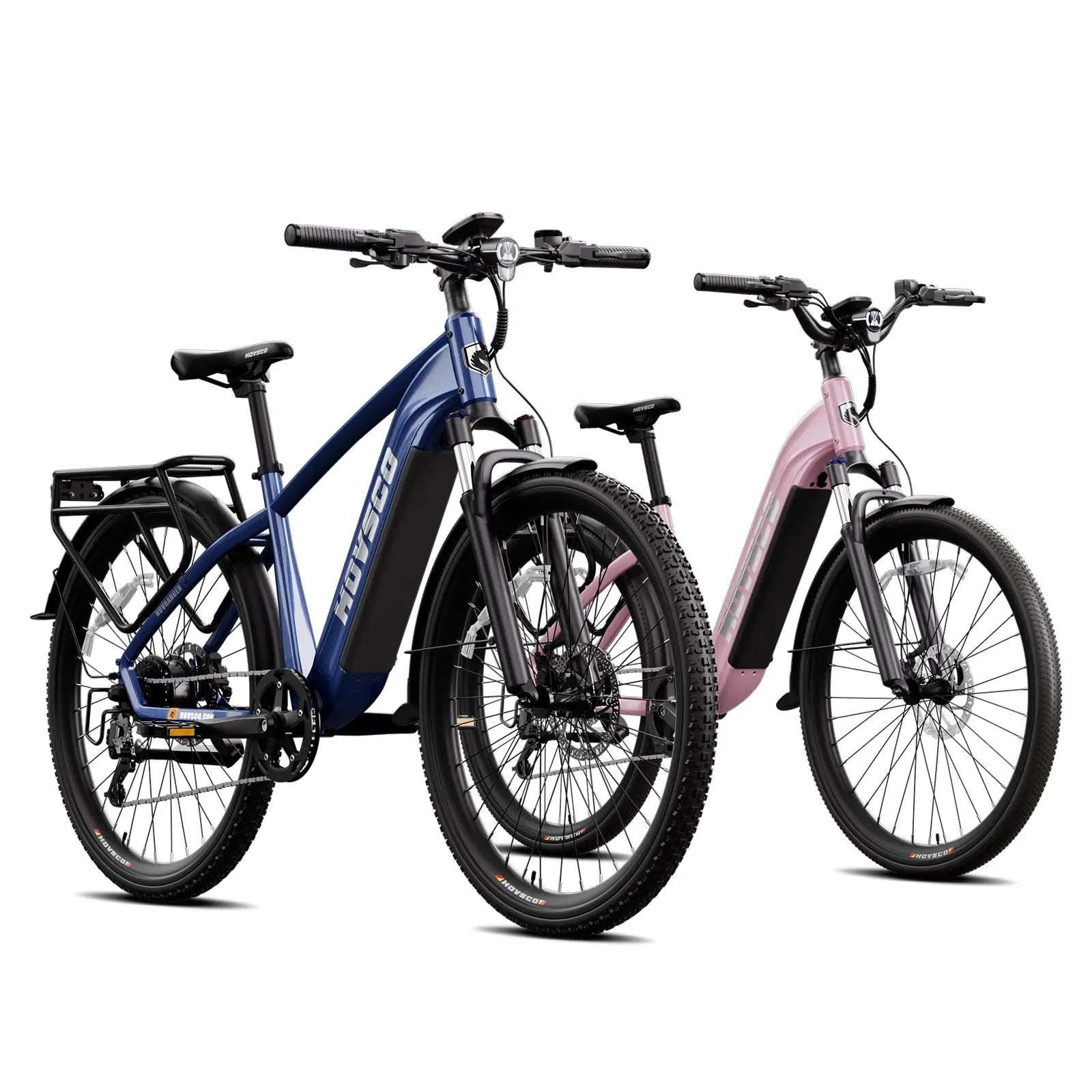
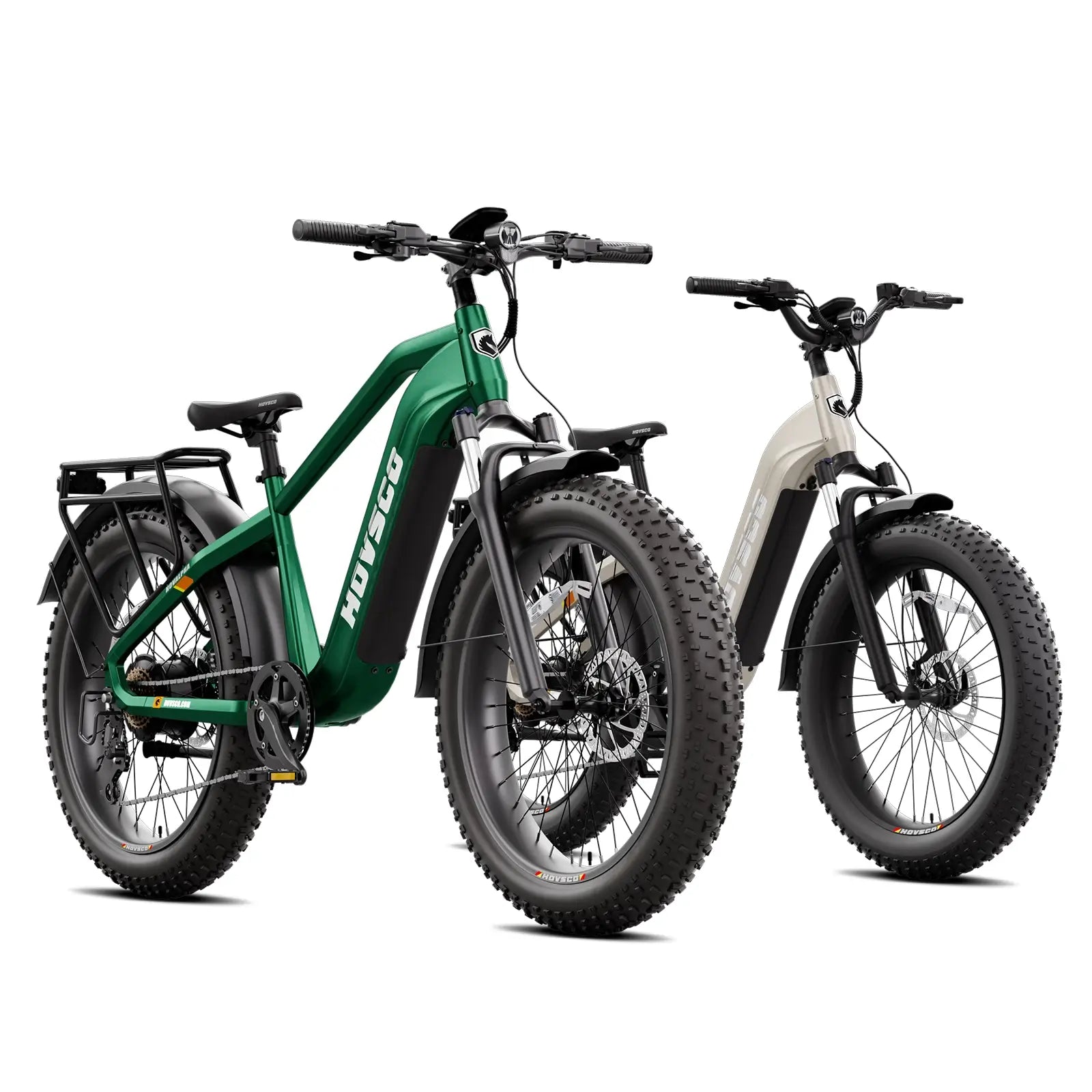
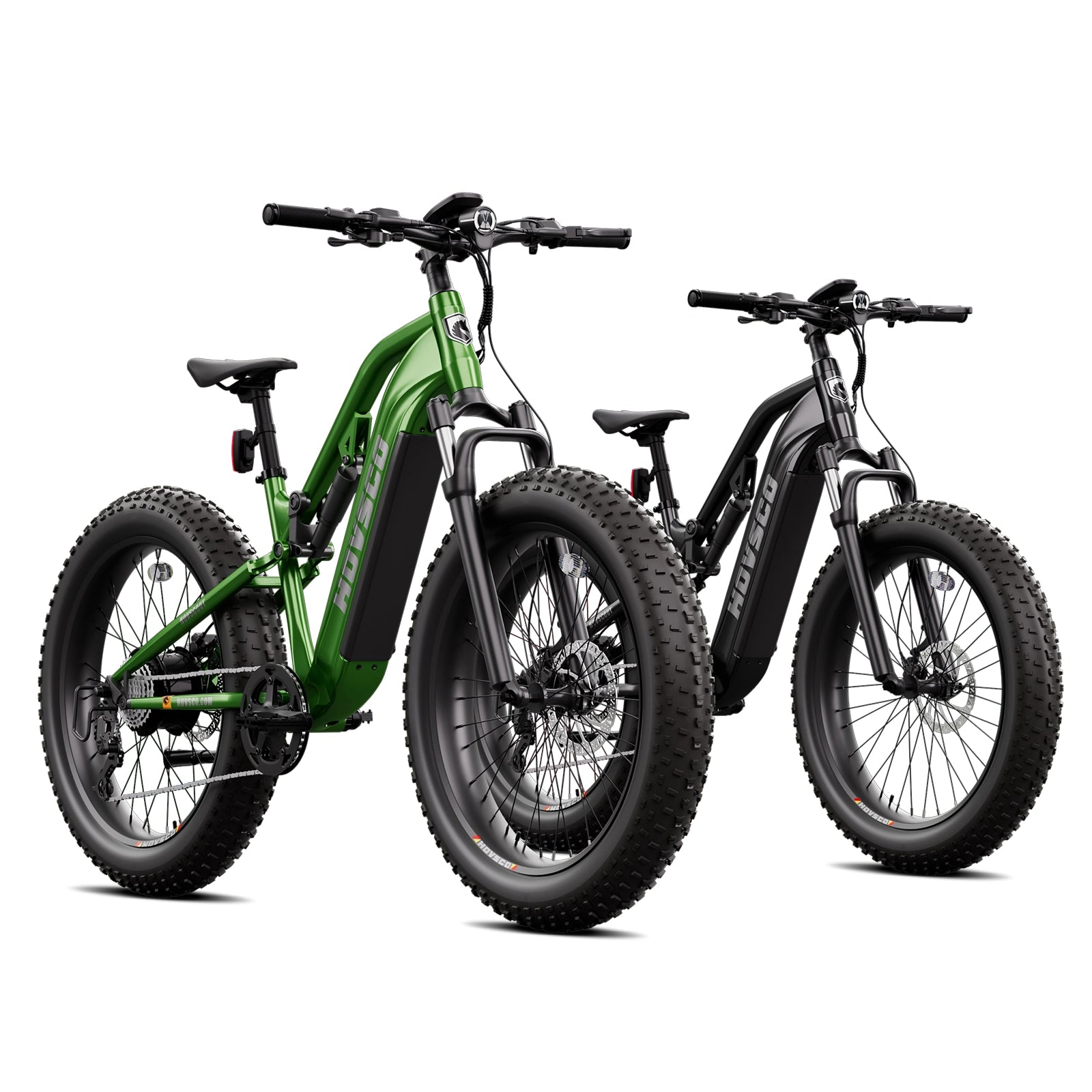
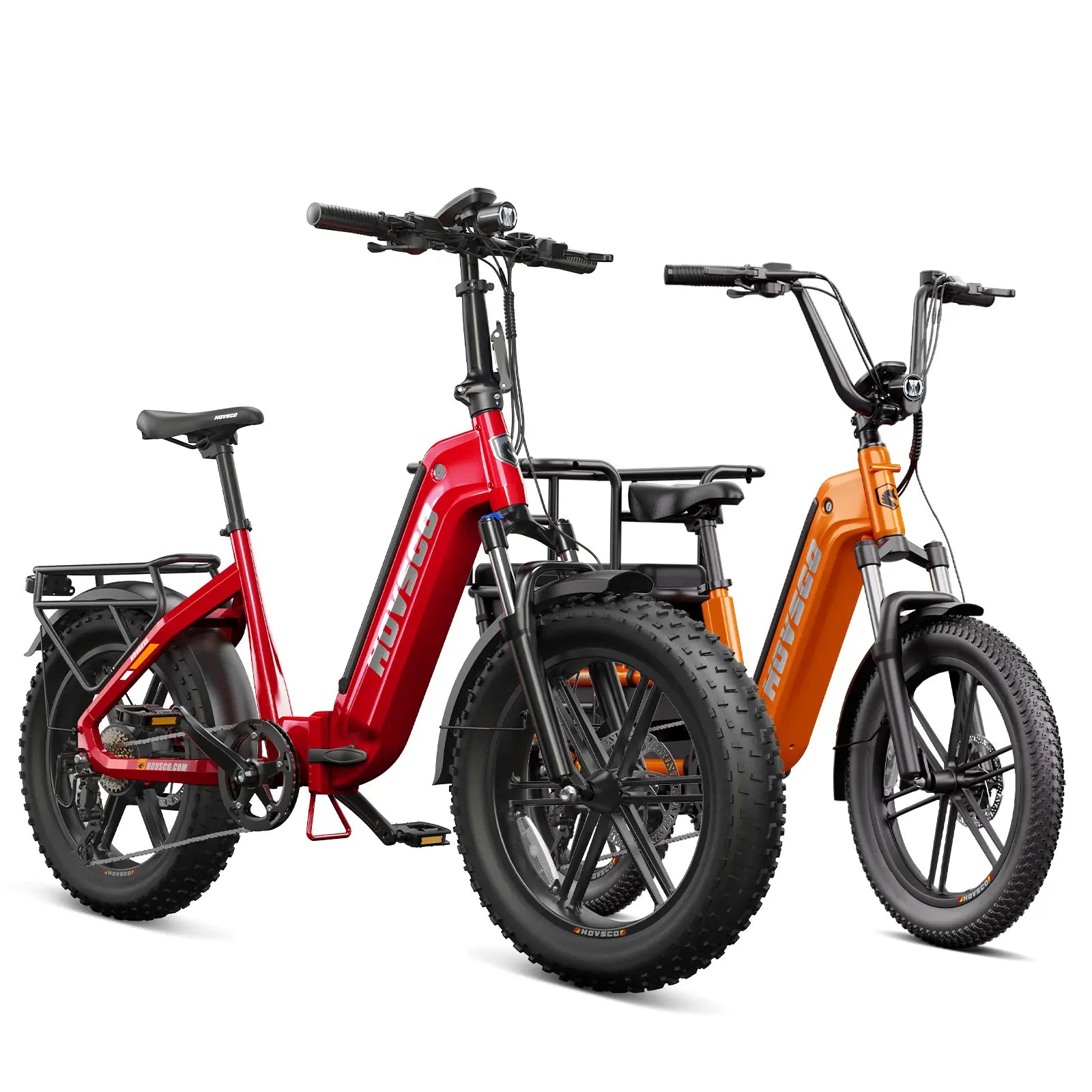
HOVSCO’s broader lineup makes the brand useful beyond a single use case. The Shop By Models page groups models by category, which helps shoppers move from cargo use to commuter use without leaving the brand ecosystem. The Collections page shows the brand’s wider mix, including fat-tire, mountain, and city e-bikes, which is useful for buyers who want one brand for both utility and recreation. The HovGtrs model itself is a good bridge product for riders who want car replacement on weekdays and a more playful ride on weekends.
How to choose one
Start with your most frequent car trip, such as school drop-off, grocery runs, or commuting.
Check whether you need cargo space, passenger capacity, or both.
Compare range and battery convenience against your weekly route.
Look at braking, suspension, and tire style if your roads are uneven or your load is heavy.
Match motor assistance to hills, stop-and-go traffic, and carry weight.
Choose the model that solves the most annoying trip first, not the fanciest one.
Best-fit scenarios
Scenario: school runs Traditional approach: drive, park, unload, and repeat every day. With HOVSCO: a cargo-capable e-bike can turn that routine into a quicker, more flexible ride.
Scenario: grocery hauling Traditional approach: use the car for even small shopping trips. With HOVSCO: a utility e-bike can handle bags, light cargo, and repeated neighborhood errands without a full car start-up.
Scenario: city commuting Traditional approach: sit in traffic and then pay for parking. With HOVSCO: the rider gets electric assist, easier trip timing, and a vehicle that is built for short-distance travel patterns.
More use cases
Alternative car transportation is especially attractive when a household has multiple short trips in one day. In those cases, the issue is not maximum speed but total friction, and HOVSCO’s lineup is built around reducing that friction. A cargo model handles errands, a moped-style model handles commuting, and the broader collection gives buyers a path to choose a fit for terrain and lifestyle. That flexibility is important because people rarely need one vehicle to do everything; they need one vehicle to do the right things often.
Why it fits 2026
The 2026 mobility landscape favors practical electrified transport over one-size-fits-all commuting. Industry coverage continues to point to strong demand for e-bikes as cities, suburbs, and households look for alternatives to expensive, congested car use. HOVSCO’s advantage is that its products are not positioned as novelty bikes; they are presented as transport tools with cargo capacity, comfort, and utility built in. That makes the brand relevant to people who are ready to replace specific car trips rather than dream about a theoretical lifestyle change.
Conclusion
Alternative car transportation works best when it solves ordinary problems: parking, traffic, short-trip inefficiency, and daily hauling. HOVSCO’s current product story is strongest when viewed through that lens, because the brand’s cargo and utility e-bikes are built to reduce the dependence on a car without asking riders to compromise on too much practicality. For households and commuters who want a more flexible everyday vehicle, the value is clear: fewer car trips, simpler routines, and more usable local mobility.
FAQs
What is alternative car transportation with an e-bike? It is using an electric bicycle to replace short or medium daily car trips, such as commuting, school runs, and grocery errands. HOVSCO’s cargo and utility models are built around exactly those use cases.
Is a cargo e-bike practical for family transportation? Yes, if the family’s needs are local and the bike has the right payload and stability. HOVSCO highlights family-ready cargo use and a 450 lbs payload capacity on the HovGtrs model.
What makes HOVSCO different from a regular commuter bike? HOVSCO’s lineup focuses more on utility, power assistance, and carrying ability than a simple commuter bike usually does. The brand emphasizes cargo capacity, suspension, and comfort-oriented design.
How far can the HOVSCO HovGtrs go on a charge? The product page says the HovGtrs offers up to 65 miles of range with its 48V 15Ah removable battery. Real-world range will vary by load, terrain, and assist level.
Is HOVSCO only for city riding? No. HOVSCO also markets fat-tire, mountain, and other model categories through its collections pages, which suggests a broader use range than pure city commuting.
What should buyers check before choosing an alternative to a car? They should check payload, range, braking, tire type, comfort, and whether the model matches the most common trip they want to replace. HOVSCO’s product pages give those details for each model so buyers can compare use cases more easily.






![[ New Arrival ] Porto Max Electric Scooter For Commute & Grocery Shopping - HOVSCO](http://www.hovsco.com/cdn/shop/files/PotroMax-3.jpg?v=1706927007&width=1200)
Share:
High-Capacity EV Batteries Deliver Longer Range and Lower Operating Friction
Eco-Conscious Consumerism for Smarter Everyday Mobility