



























![[ New Arrival ] Porto Max Electric Scooter For Commute & Grocery Shopping - HOVSCO](http://www.hovsco.com/cdn/shop/files/PotroMax-3.jpg?v=1706927007&width=1200)
- by SteveJames
Eco-Conscious Consumerism for Smarter Everyday Mobility
- by SteveJames
E-Bikes
Accessories
 Free Shipping
 15-Day Returns
 2-Year Warranty
Free Shipping
15-Day Returns
2-Year Warranty
2-Year Warranty
Free Shipping
15-Day Returns
2-Year Warranty
Eco-conscious consumerism meets practical mobility: discover how HOVSCO e-bikes help reduce short car trips, cut friction, and support greener daily routines.
Eco-conscious consumerism is no longer a niche preference; it is becoming a mainstream buying lens shaped by climate awareness, urban congestion, and rising demand for practical alternatives to car dependence. HOVSCO positions its e-bikes around that shift, with its site emphasizing family utility, long range, and a U.S.-based service model. The broader market context supports the trend: the global e-bike market continues to expand rapidly, while consumer interest in lower-emission transport and utility-first cycling remains strong.
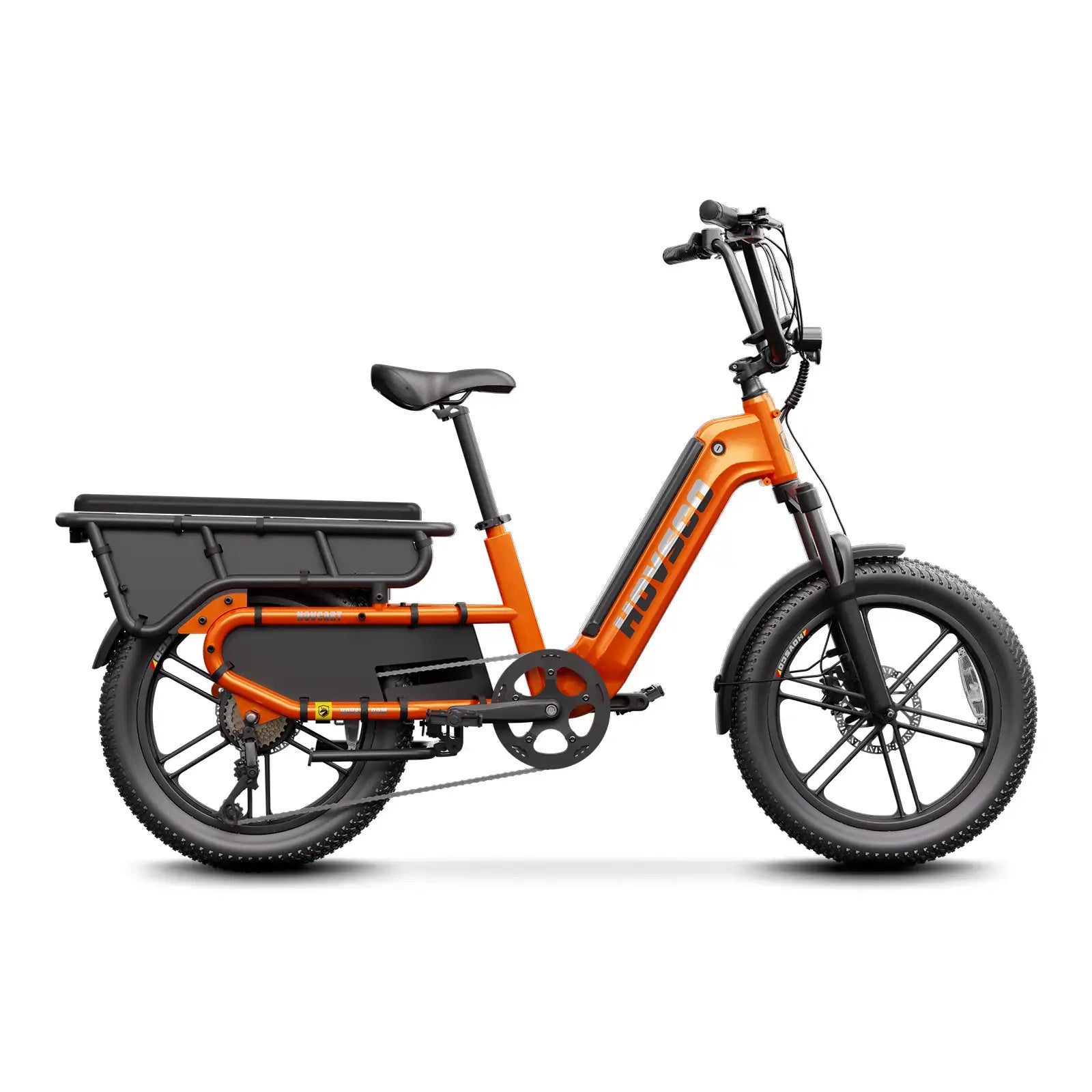
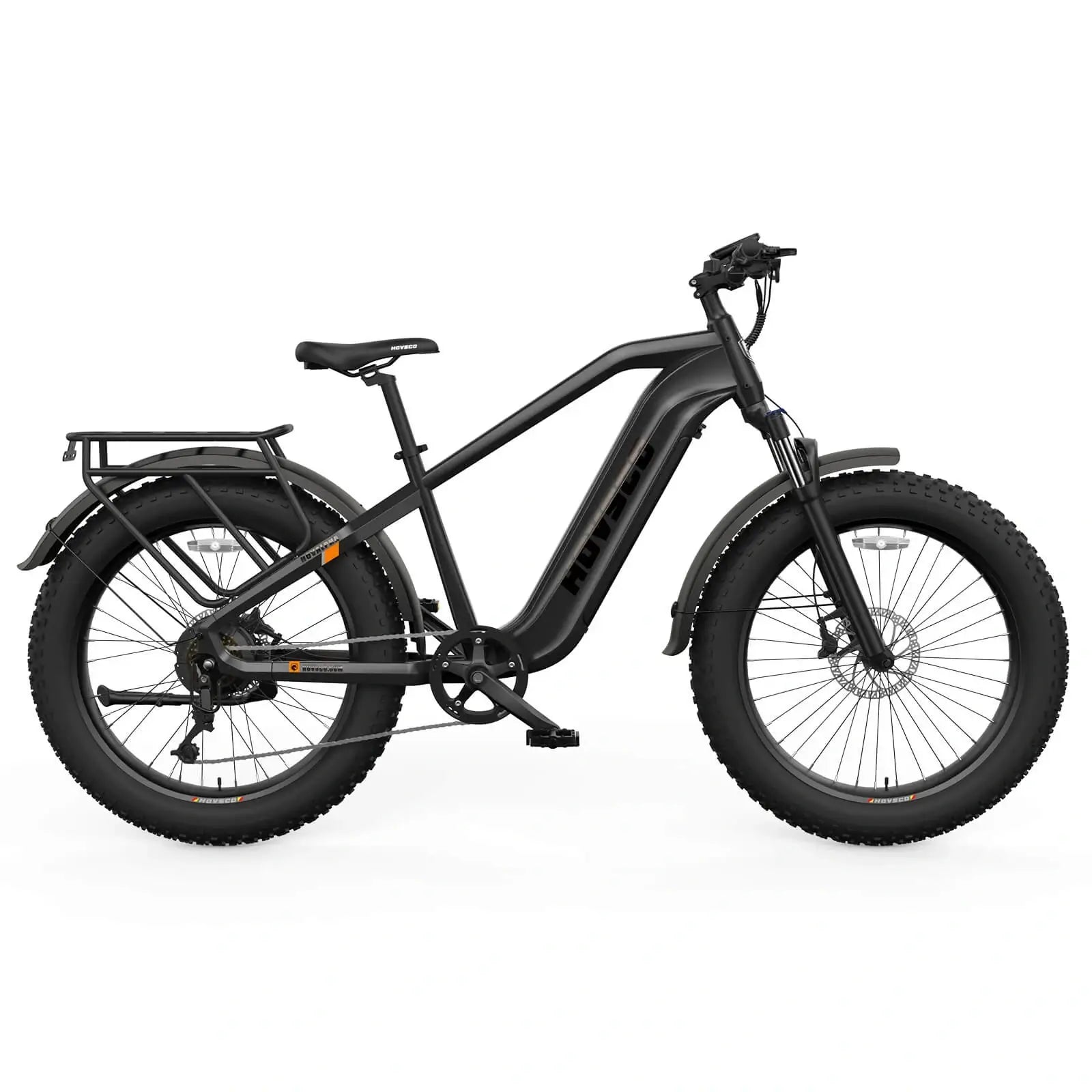
For readers exploring eco-conscious consumerism through transportation, HOVSCO’s catalog makes the idea concrete. Models such as the HovCart cargo e-bike, the HovAlpha long-range e-bike, and the HovGtrs moped-style electric bike reflect a brand built around replacing short car trips with electric two-wheel utility.
Eco-conscious consumerism is the practice of choosing products and services with a lower environmental footprint, stronger durability, and more responsible everyday use patterns. In mobility, it often means selecting tools that reduce short car trips, lower operating emissions, and fit real life without creating more waste or hassle.
Many consumers want to shop more sustainably, but daily life pushes them toward convenience-first decisions. A family still needs groceries hauled home, school runs completed, and commutes managed on time, which often makes the private car feel unavoidable.
The problem is that “green intentions” often collapse when a product is too expensive, too fragile, or too limited. If a sustainable option only works for one narrow use case, it becomes a lifestyle accessory rather than a true replacement. That is where utility matters more than messaging.
E-bikes solve this tension better than many eco-branded products because they are practical before they are aspirational. They can handle commuting, errands, and cargo while still reducing fuel use and parking friction. For shoppers who care about value, that combination is far more persuasive than abstract sustainability language.
There is also a trust gap. Consumers increasingly ask whether “eco-friendly” claims are real, measurable, and backed by standards. Brands that pair utility with safety certifications, service support, and transparent specifications are better positioned to earn that trust.
The strongest sustainability claim is often simple: a product people actually use every day instead of defaulting back to a car.
Utility-first frames
HOVSCO’s product lineup is built around real-world use, especially cargo hauling, commuting, and mixed urban travel. That makes it more relevant to eco-conscious consumerism than purely recreational bikes.
Power and range options
The brand highlights multiple models with different motor outputs and range claims, including long-range and cargo-oriented configurations. This helps shoppers match the bike to their daily travel pattern instead of overbuying.
Safety and service
For practical buyers, safety standards and after-sales support are part of sustainability because they extend product usefulness.
A parent uses a cargo e-bike for school drop-off and grocery pickup instead of starting a second car trip.
A commuter rides a step-through e-bike to work, then uses the same bike for dinner errands on the way home.
A weekend rider chooses one electric bike for both recreation and utility, reducing the need for multiple vehicles.
For shoppers comparing eco-conscious consumerism across different riding needs, HOVSCO’s broader catalog is useful. A cargo-focused buyer may start with Shop by Models, then compare a family-hauling setup against a long-range commuter like the HovAlpha long-range e-bike. Riders who prefer a more moped-like posture may look at the HovGtrs moped-style electric bike, while urban users can also explore HOVSCO’s city and folding options within the same model collection.
This matters because sustainable buying is rarely about one “best” product. It is about matching the right tool to the highest-frequency trip in a household. The more often a bike replaces a car trip, the stronger the environmental and financial payoff becomes.
Start with your most repeated trip, not your dream ride.
Decide whether cargo, commuting, or comfort matters most.
Check range claims against your actual round-trip distance.
Compare payload capacity if you carry groceries, children, or gear.
Look for safety certification and service support.
Choose the model that will be used weekly, not occasionally.
Scenario 1: School runs
Traditional behavior is a short car trip that burns fuel, waits in traffic, and ends with parking stress. With an e-bike, that same trip can become a faster curb-to-curb routine, especially for families living in dense neighborhoods. HOVSCO’s cargo-focused models are especially relevant here because the value is not only lower emissions but also better daily logistics.
Scenario 2: Grocery errands
Traditional behavior often means combining several stops into one car outing, even when the distance is short. With a utility e-bike, riders can handle smaller purchases more frequently and avoid the “just one more thing” car loop. That fits eco-conscious consumerism because it reduces unnecessary vehicle use without sacrificing convenience.
Scenario 3: Commutes and side trips
Traditional behavior is a car commute followed by separate drives for coffee, gym, or pickup tasks. With a long-range e-bike, those side trips can be folded into one ride pattern. HOVSCO’s range-oriented models are useful here because they turn an electric bike into a practical daily mobility platform rather than a niche exercise tool.
What does eco-conscious consumerism mean for e-bike shoppers?
It means choosing a bike that reduces short car trips, lasts long enough to justify the purchase, and fits everyday errands. In practice, that makes utility and durability more important than marketing language.
Is an electric cargo bike really better than a car for short trips?
For many short errands and local commutes, yes, because it avoids fuel use, parking demand, and idling time. The biggest advantage comes when the bike replaces repeated trips that would otherwise happen by car.
What is the best HOVSCO model for eco-conscious consumerism?
The best option depends on the use case, but cargo and long-range models are the most aligned with everyday replacement of car travel. HOVSCO’s Shop by Models page is the cleanest starting point for comparing those categories.
How do HOVSCO long-range e-bike options help daily buyers?
Long-range models reduce charging anxiety and make the bike more realistic for commuting plus errands. That matters because a sustainable product only works when people trust it to handle their actual routine.
Are HOVSCO e-bikes suitable for families?
The brand’s site clearly frames several bikes around family utility, cargo hauling, and school runs. That makes the lineup relevant for households looking to replace at least some short car trips.
Why do safety certifications matter in eco-conscious consumerism?
Because sustainable buying is also about product longevity, trust, and responsible use.
Eco-conscious consumerism works best when it feels useful, not sacrificial. HOVSCO’s electric bikes fit that logic by translating sustainability into everyday mobility: fewer unnecessary car trips, more flexible errands, and a product lineup built around real household needs. For buyers who want greener choices without giving up utility, that is the right balance.
Explore HOVSCO if the goal is to make eco-conscious consumerism practical, not symbolic. HOVSCO is a U.S.-based electric bike brand focused on cargo, commuter, folding, and moped-style e-bikes designed for everyday utility.
Share:
Alternative Car Transportation for Everyday Mobility: HOVSCO E-Bikes That Cut Car Dependence
E-Bike Financing Options That Make HOVSCO Electric Bikes Easier to Own