





![[ New Arrival ] Porto Max Electric Scooter For Commute & Grocery Shopping - HOVSCO](http://www.hovsco.com/cdn/shop/files/PotroMax-3.jpg?v=1706927007&width=1200)
- by SteveJames
What to Look For in a Lightweight Commuter E-Bike?
- by SteveJames
E-Bikes
Accessories
 Free Shipping
 15-Day Returns
 2-Year Warranty
Free Shipping
15-Day Returns
2-Year Warranty
2-Year Warranty
Free Shipping
15-Day Returns
2-Year Warranty
A commuter e-bike earns its keep twice a day — once on the road, once off it. If your commute includes stairs, a train, or an office hallway, weight is part of the route, not an accessory. This guide covers what to check in a lightweight commuter, where the real trade-off sits, and how to test a bike against your actual morning. The weight definitions are in our how much does an electric bike weigh guide, and the ranked options are in our best lightweight electric bikes shortlist.
Commuting multiplies every pound. A leisure ride might involve one lift onto a rack at the end of the day; a commute can include a stairwell at home, a transit gate, an office elevator, and a hallway — twice a day, five days a week. That repetition turns a 13 lb difference between models into a daily decision about how much strain you accept. Riders who never lift their bike can ignore weight entirely; commuters rarely can.
Map your route before you look at specs. Count every lift: the bike rack at home, the stairs to the platform, the gate you carry through, the storage closet at work. For each stop, ask whether the bike needs to fold, whether you can manage it one-handed, and whether a battery-out carry is enough. The model that passes this path is the one that will actually get ridden on a rainy Tuesday.
Five details separate a commuter that works from one that only looks portable.
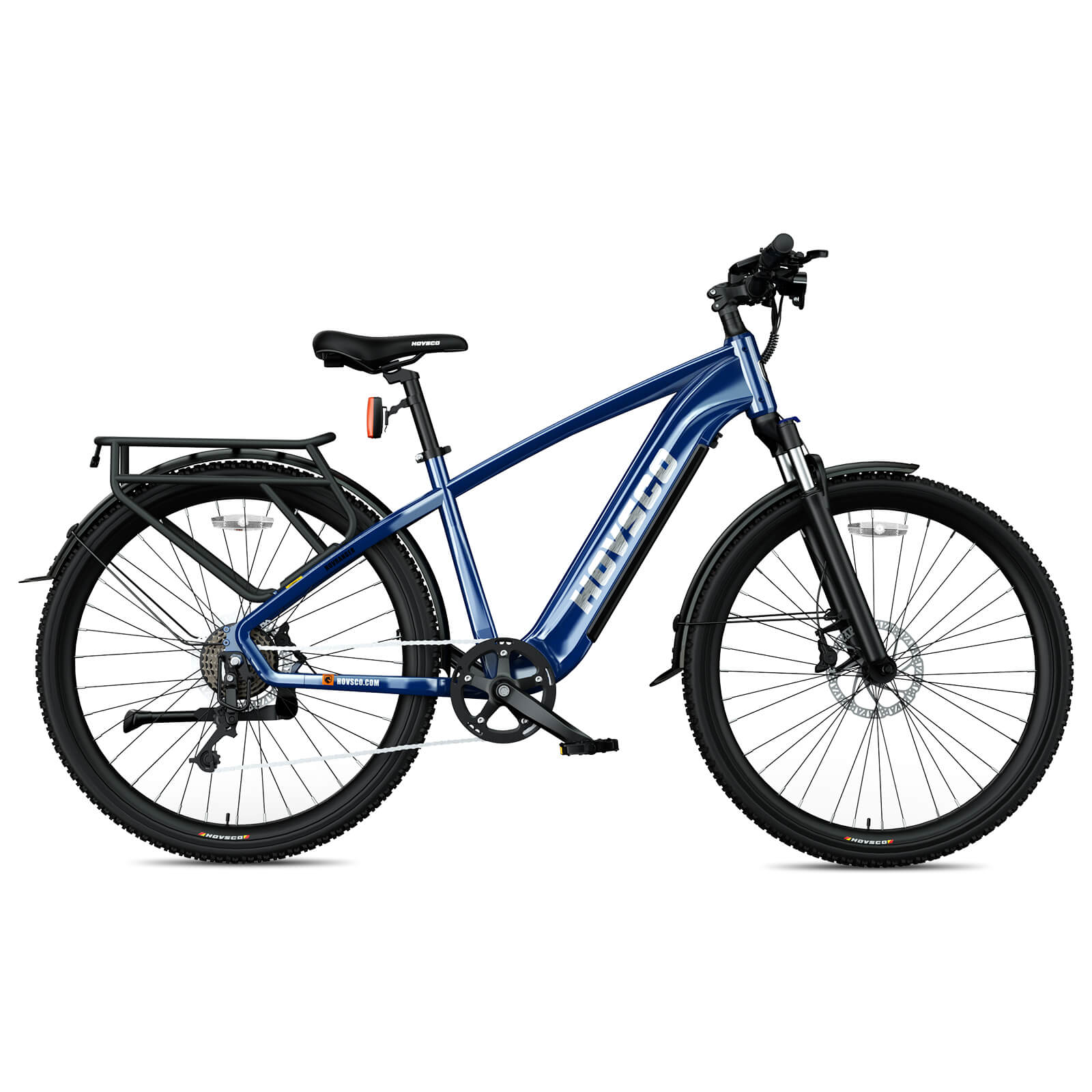
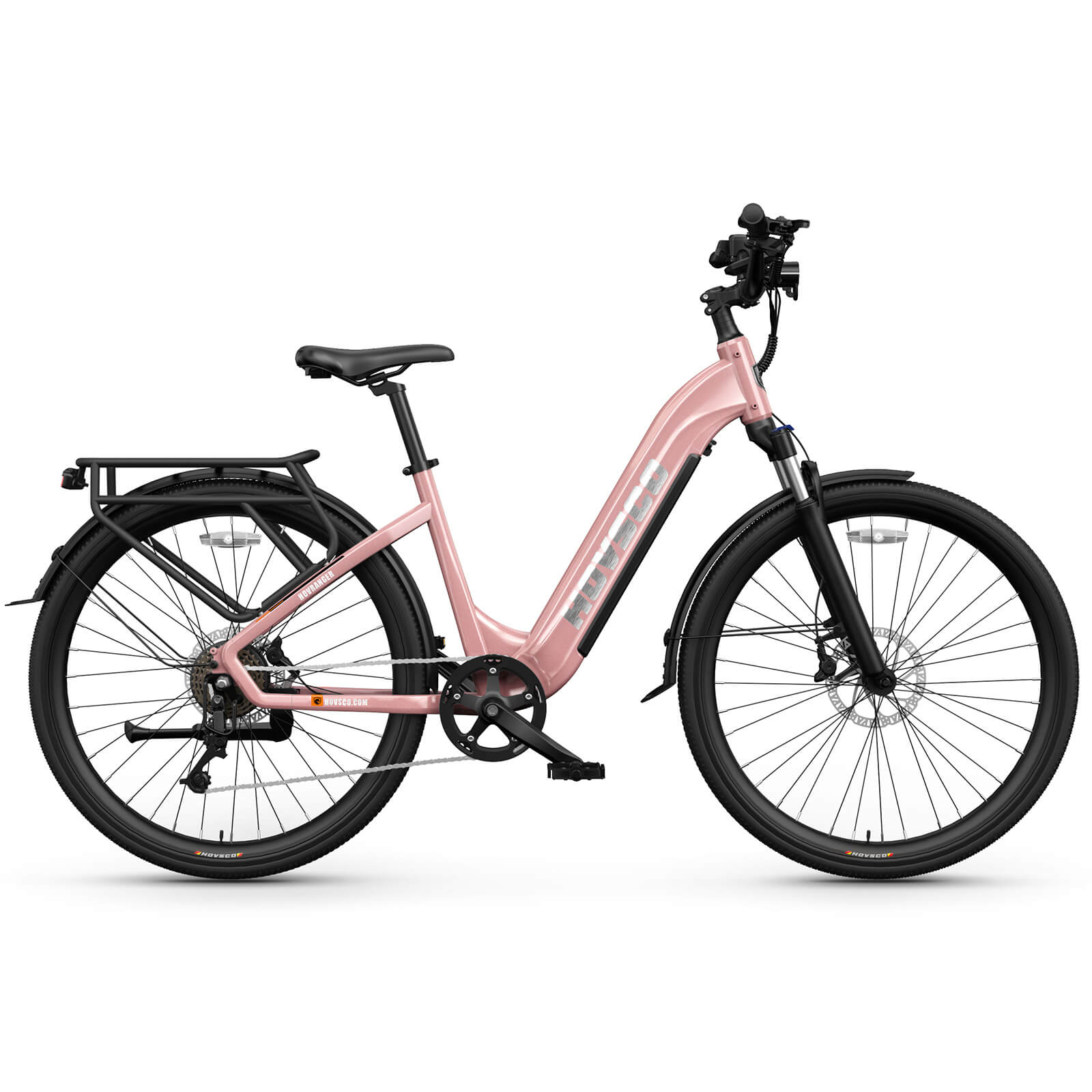
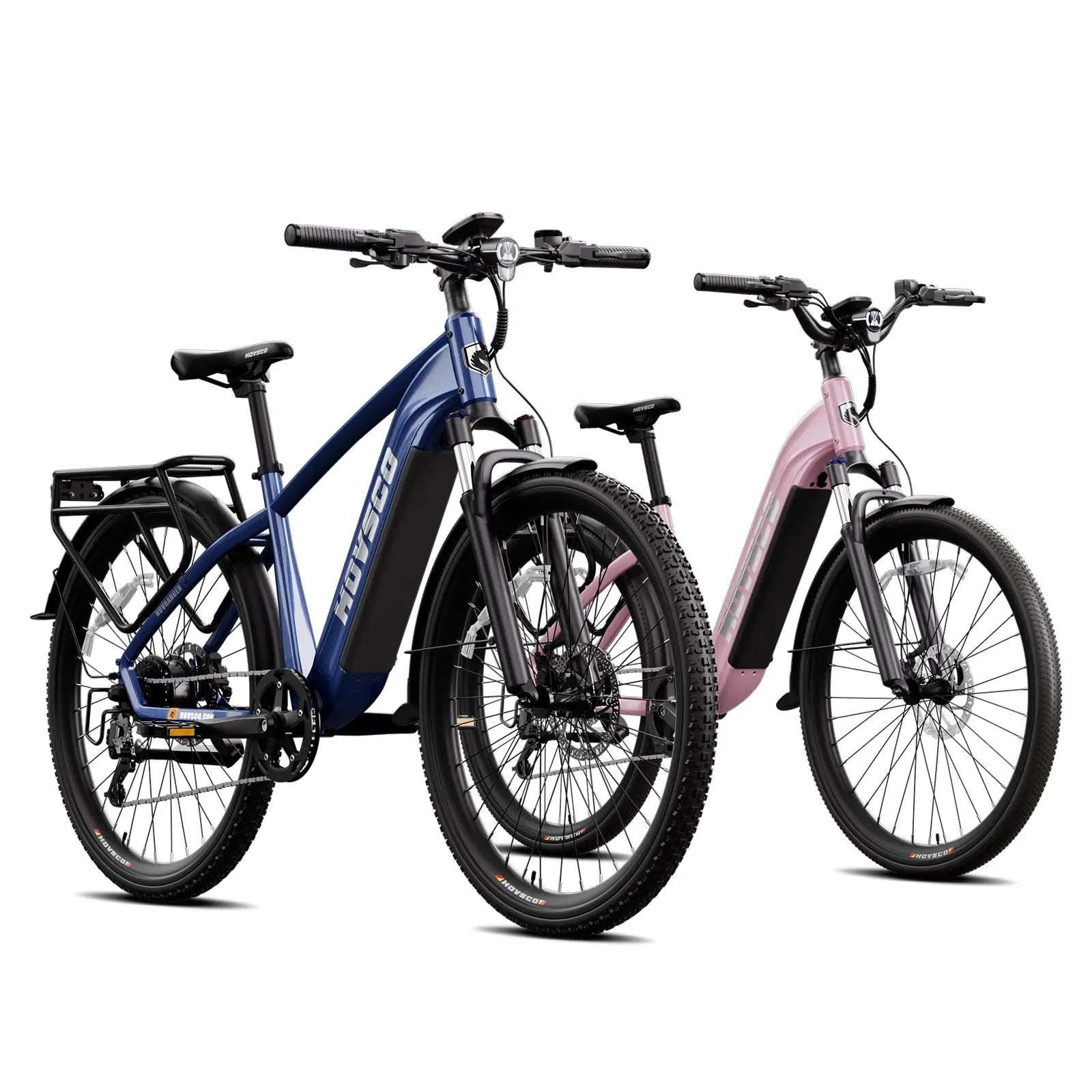
The trade-off is range. A light bike with a small battery, like the Sync Max's 30-mile published range, covers most urban round trips. A heavier commuter with a 48V 15Ah battery, like the HovRanger frames, publishes 40–60 miles and handles hills more comfortably. The right answer depends on your distance and whether you can charge at work — not on the spec sheet alone.
Match the pick to the route, and the commute stops being a negotiation.
| Commute style | Pick | Why |
|---|---|---|
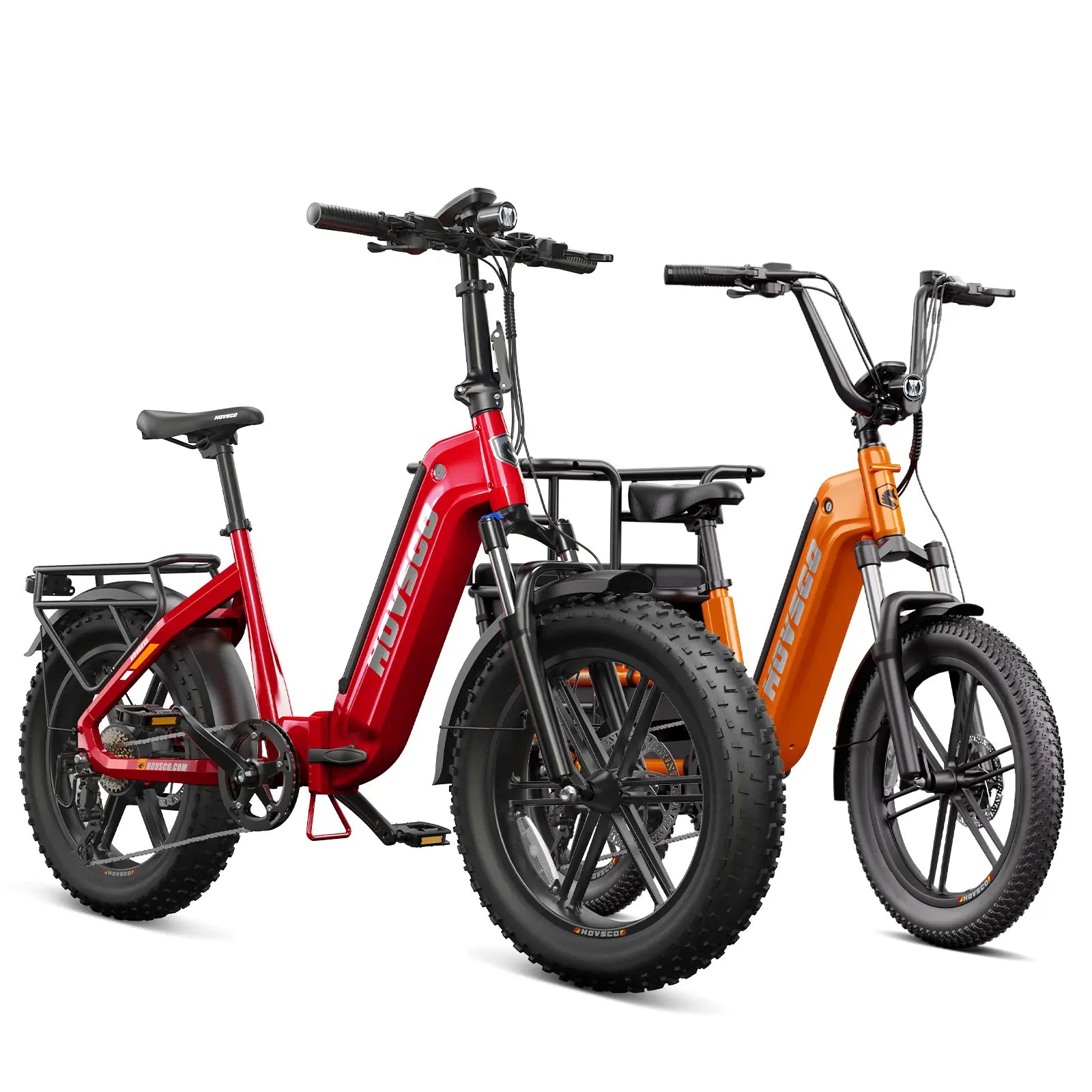
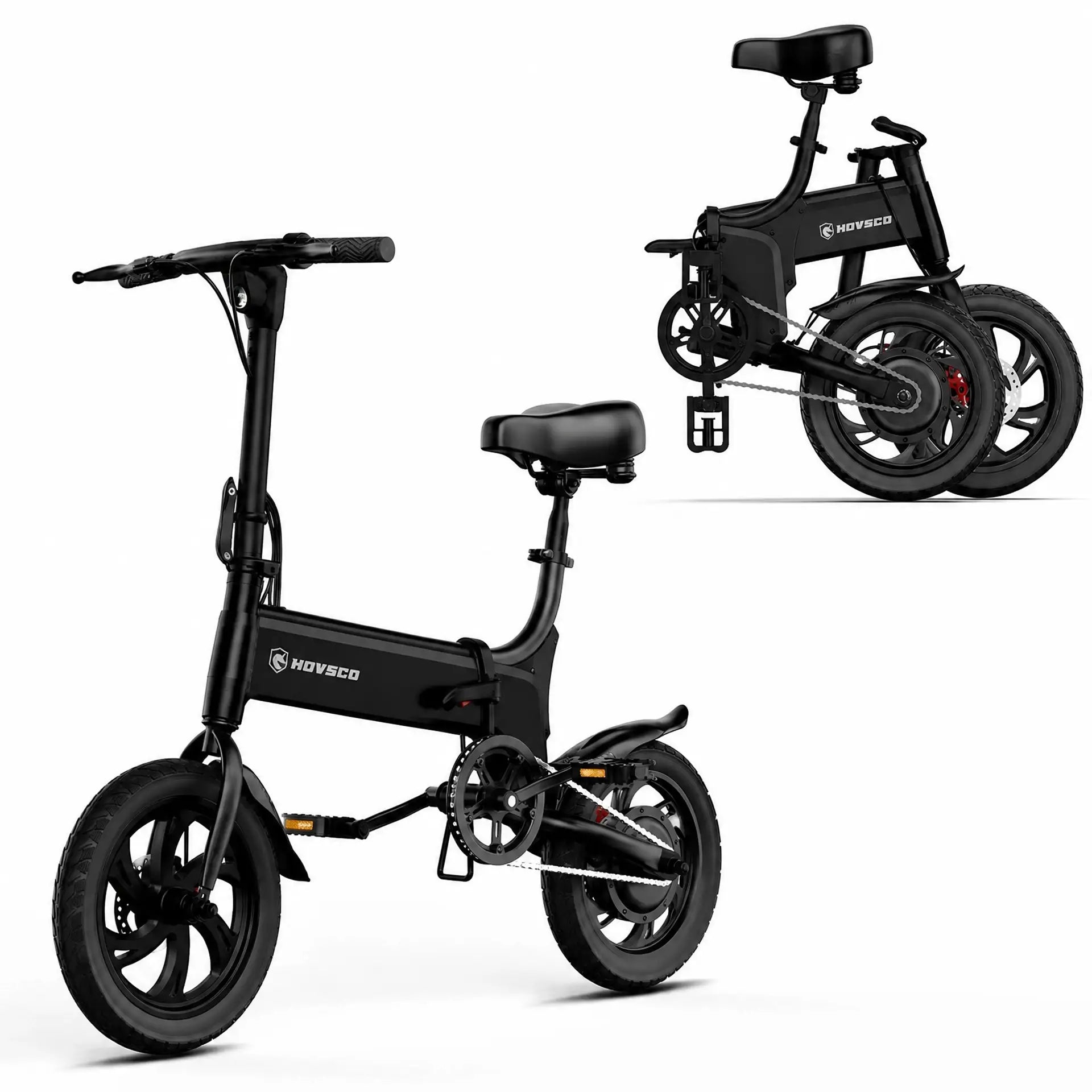
| Transit, stairs, tight storage | HOVSCO Sync Max | 42.3 lb net and folding — carry it like luggage |
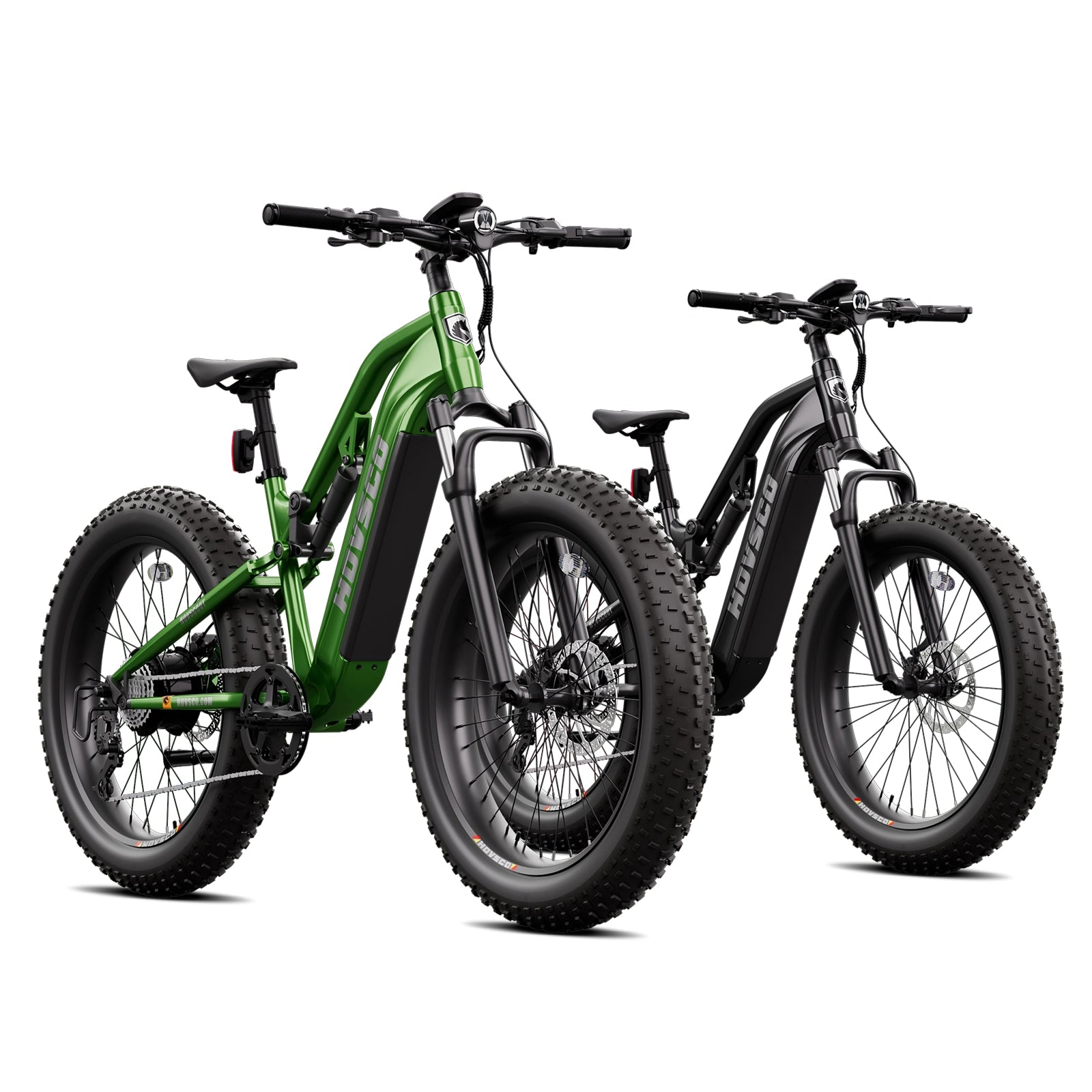
| Longer ride, more range | HovRanger Step-Thru | 55.4 lb incl. battery, 27.5" wheels, 40–60 miles |
| Classic step-over frame | HovRanger Step-Over | 55.8 lb incl. battery, same drivetrain family |
Before you buy, run the actual commute — or as close to it as a shop allows.
If your commute is long, hilly, or cargo-heavy — and you never carry the bike — a heavier model with a bigger battery is the smarter buy. Weight is only a problem when you have to lift it. Commuters who park on the ground floor and ride 20 miles each way should spend the weight budget on range and comfort, not portability.
"The commuter test is not the longest ride of the week — it is the most repeated one. A bike that is easy to lift and park gets used; a bike that is awkward at the stairwell gets excuses." — HOVSCO Engineering & Content Team
Choose a lightweight commuter by the path you carry it through, not the miles you plan to ride. The Sync Max handles stairs, transit, and tight storage at 42.3 lb net; the HovRanger Step-Thru trades portability for range and wheels at 55.4 lb including battery. Run the morning routine test, and the right pick usually announces itself.
What is the best lightweight e-bike for commuting?
It depends on your route. The Sync Max at 42.3 lb net is the pick for stairs, transit, and tight office storage; the HovRanger Step-Thru at 55.4 lb including battery suits longer commutes that need more range.
How light does a commuter e-bike need to be?
Only as light as your carry path requires. Around 42–50 lb is comfortable for regular lifting; under 45 lb is ideal for stairs and transit. If you never lift it, range matters more than weight.
Is a folding e-bike good for commuting?
Yes, when the commute includes transit, stairs, or indoor storage. A folding model like the Sync Max turns the bike into carry-on luggage and removes the parking problem entirely.
How much range do commuter e-bikes need?
Match the range to your round trip plus a reserve. The Sync Max publishes up to 30 miles, and the HovRanger frames publish 40–60 miles, which covers most daily commutes.
Can I carry a lightweight e-bike up stairs?
Yes, if you can safely lift the published weight and the bike has approved lifting points. Pulling the battery before a carry lightens the bike by roughly 8–9 lb — enough to change how a stairwell feels.
Share:
How Much Standover Height Do Short Riders Need?
What Are the Best Electric Bikes for Beginners?