



![[ New Arrival ] Porto Max Electric Scooter For Commute & Grocery Shopping - HOVSCO](http://www.hovsco.com/cdn/shop/files/PotroMax-3.jpg?v=1706927007&width=1200)
- by SteveJames
What Should a Car-Replacement E-Bike Checklist Include?
- by SteveJames
E-Bikes
Accessories
 Free Shipping
 15-Day Returns
 2-Year Warranty
Free Shipping
15-Day Returns
2-Year Warranty
2-Year Warranty
Free Shipping
15-Day Returns
2-Year Warranty
A car-replacement electric bike checklist should confirm motor power (500–750W), battery range (30+ miles real-world), payload capacity (300+ lbs), hydraulic disc brakes, weatherproof components, and your local Class 1/2/3 legal status. Match these specs to your commute distance, terrain, and cargo needs before comparing the best car replacement ebike options on the market.
Match motor wattage to terrain and cargo, not marketing numbers. Flat commutes under 10 miles run fine on a 350–500W rated motor. Hills, headwinds, or hauling groceries and kids call for 500–750W rated power with 80Nm+ torque. Peak wattage figures on spec sheets are marketing shorthand — sustained wattage tells you how the motor performs on your actual ride.
Here's a detail most buyers miss: the number printed largest on a product page ("1300W Peak!") is almost never the number that determines your daily experience. Peak wattage is a burst rating, often triggered for a few seconds during hard acceleration or a steep pitch. Sustained (rated) wattage is what the motor delivers continuously, and that's the figure that dictates whether you're crawling up a 6% grade at walking pace or maintaining a usable cadence.
From a component-sourcing standpoint, torque sensors matter more than wattage for car-replacement use. A torque sensor reads your pedal pressure and scales assist proportionally, which feels natural in stop-and-go traffic and conserves battery compared to cadence sensors that deliver flat, on/off assist. If you're seriously trying to replace car trips — not just supplement weekend rides — prioritize torque-sensing mid-drive or hub motors rated 500W or higher.
Calculate your real daily round trip, then add a 40% buffer for cold weather, headwinds, and cargo weight. Most riders replacing car trips need 30–50 miles of real-world range from a 500–720Wh battery. Manufacturer range claims assume ideal conditions — flat ground, low assist, light rider — so treat published numbers as a ceiling, not a guarantee.
I've seen customers return bikes disappointed by "40-mile range" claims that delivered 22 miles in practice, and the pattern is almost always the same three variables: cold temperature (lithium cells lose 10–20% capacity below 40°F), high assist mode used constantly, and rider or cargo weight above the bike's design baseline. None of these are defects — they're physics — but they're rarely explained clearly at the point of sale.
A more reliable approach is to work backward from your commute. If your round trip is 16 miles, you want a battery rated for at least 25–30 miles under real conditions, which typically means a 500Wh pack at minimum, or 720Wh if you ride in hills or cold climates. Removable batteries also matter operationally — charging indoors overnight avoids garage cold-soak losses, and a spare battery effectively doubles your commuting range without adding bulk to the frame.
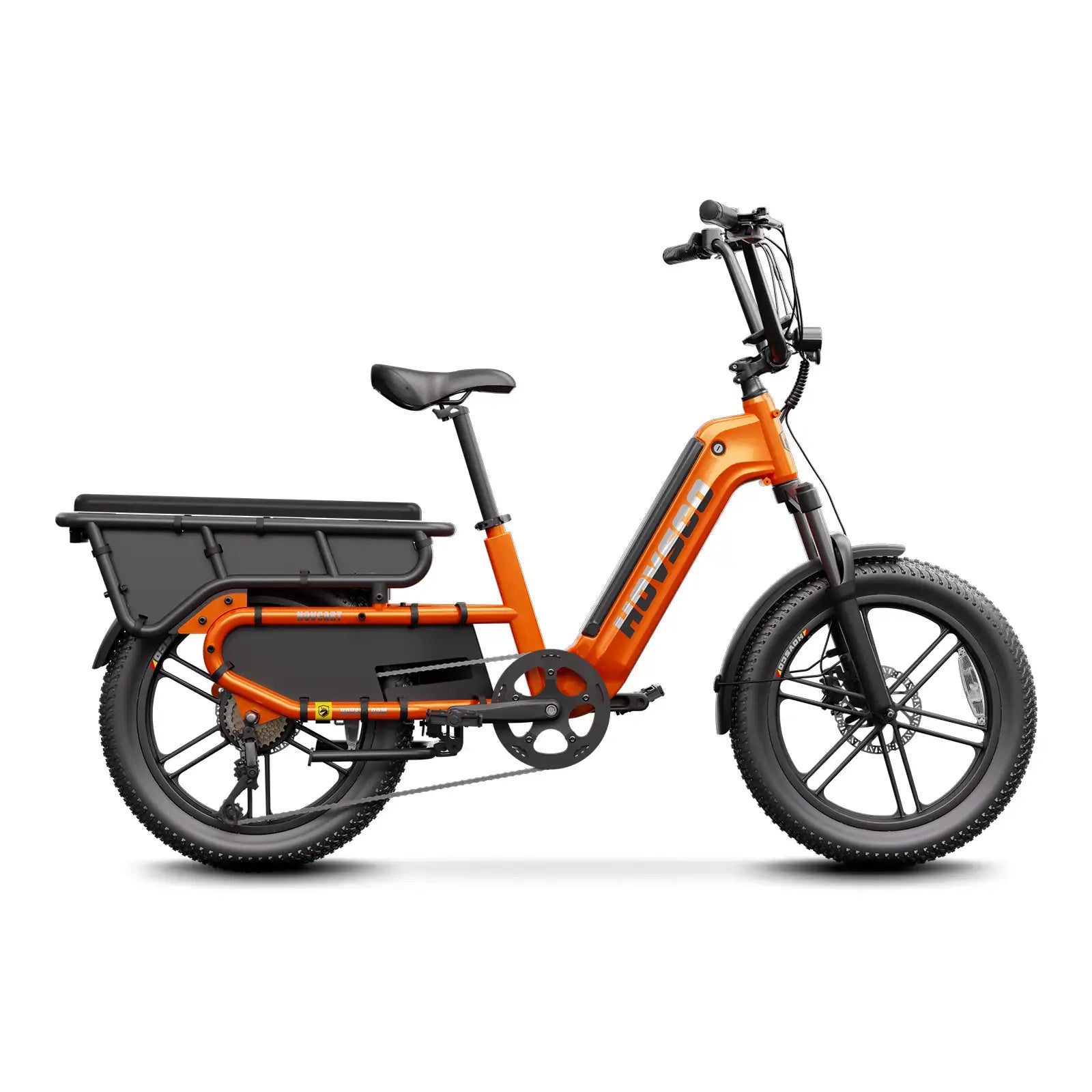
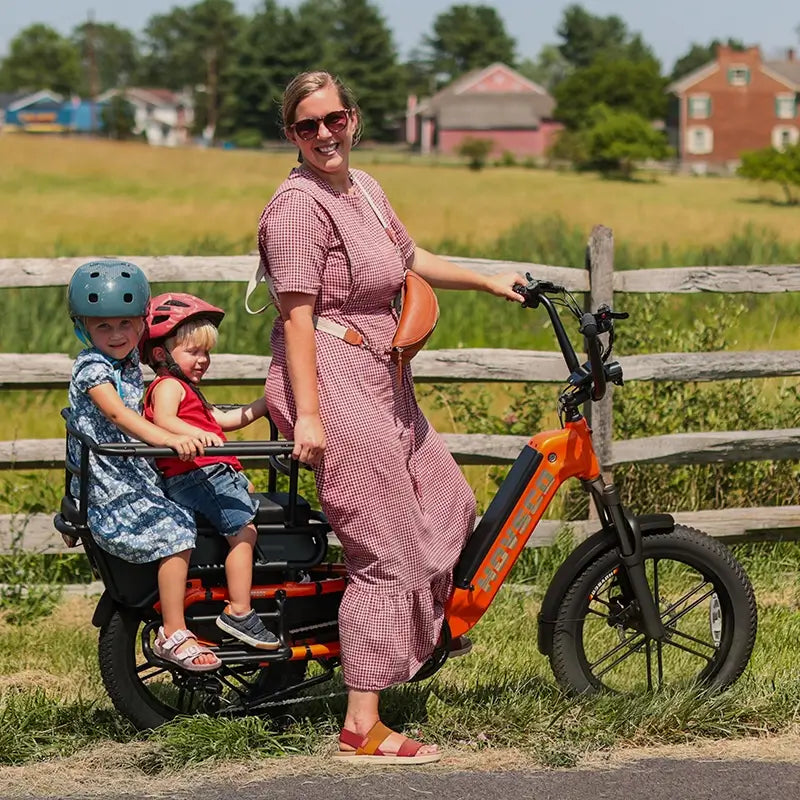
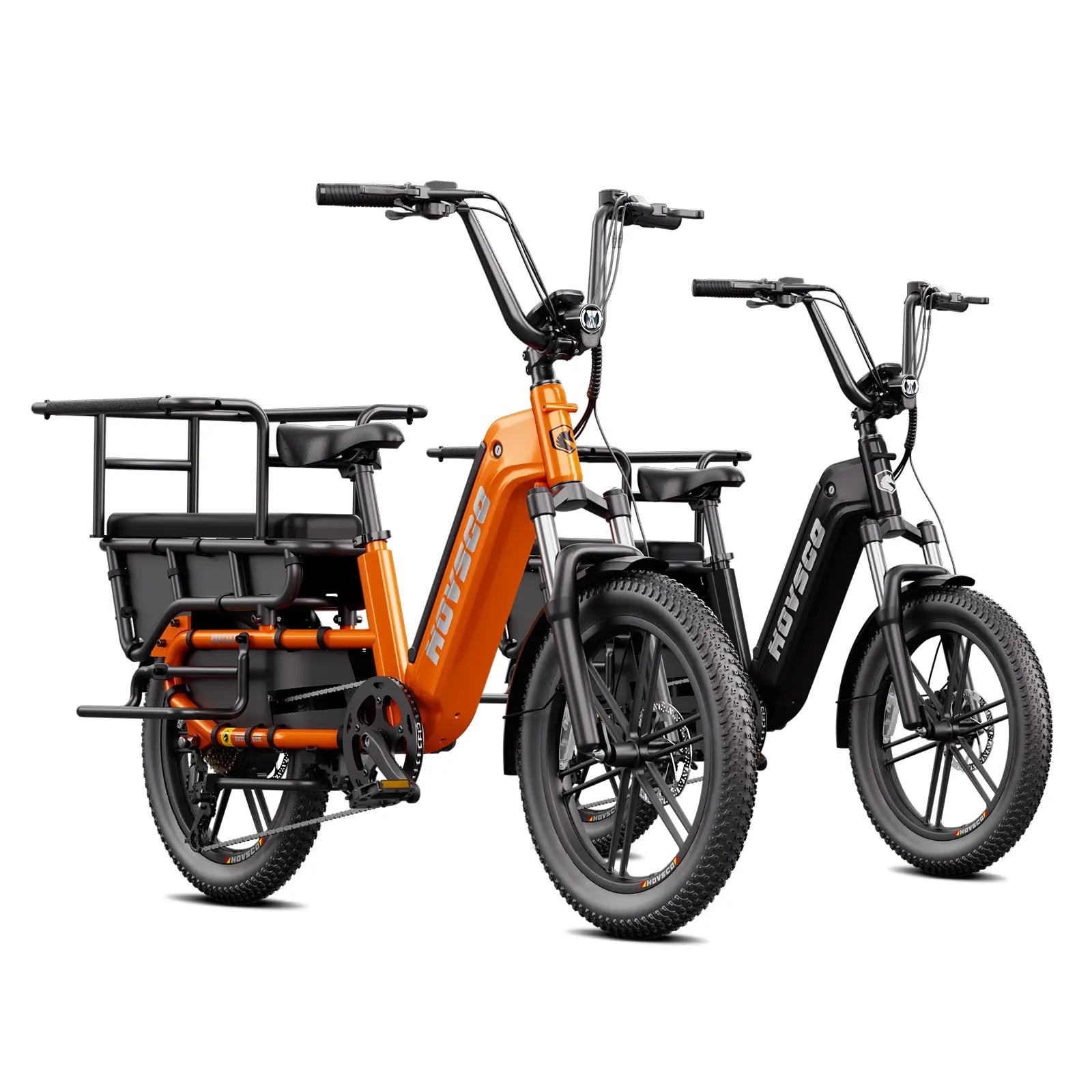
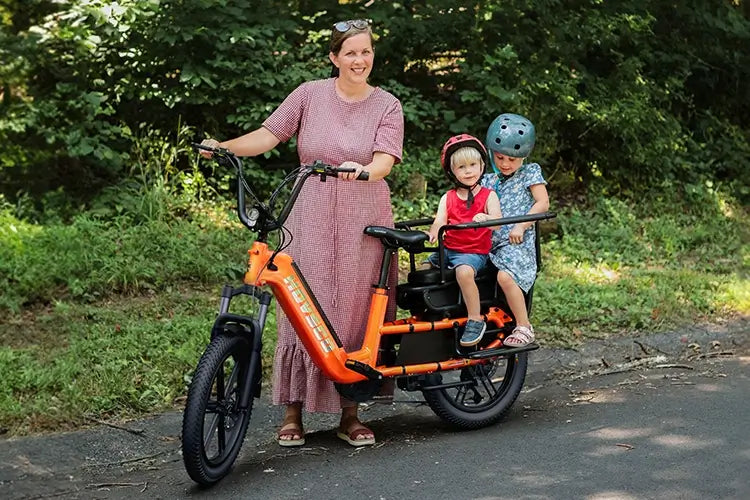
Look for a total weight capacity of 300–450 lbs covering rider, cargo, and accessories combined, not just rider weight. Cargo-focused e-bikes built for grocery runs or child transport typically need 400+ lbs of rated capacity. Check whether the manufacturer's number is "payload" (cargo only) or "gross vehicle weight" (bike plus everything) — the terms aren't interchangeable.
This distinction trips up more buyers than any other spec. A bike rated for "300 lbs payload" and one rated for "300 lbs gross weight" can differ by 40–60 lbs of usable cargo capacity, since the second figure already includes the bike's own mass. When you're trying to replace car trips that involve two kids or a week of groceries, that gap is the difference between a bike that works and one that structurally can't.
Practically, this is also a braking and tire-load question, not just a frame-strength question. A loaded cargo bike stops differently than an empty one, so hydraulic disc brakes with larger rotors (180mm or bigger) aren't a luxury upgrade on a car-replacement build — they're a baseline safety requirement once you're regularly carrying 50+ lbs of cargo or a passenger.
A car-replacement e-bike rides in rain, cold, and road grime year-round, unlike a weekend recreational bike. IP-rated battery and controller housings (IP65 or higher), sealed cable connections, and corrosion-resistant hardware prevent the electrical failures that cause most warranty claims. Fenders and chain guards are functional necessities, not accessories, for daily commuting.
On the factory-floor side, the failure point I've watched teardown reports flag most often isn't the battery cell itself — it's the connector where the battery plugs into the frame harness. Water intrusion at that junction causes intermittent power loss long before the cells degrade. A bike marketed for daily, car-replacement duty should specify a real ingress protection rating on its display, controller, and battery housing, not just "weather-resistant" marketing language with no test standard behind it.
Yes. U.S. e-bikes fall into three classes: Class 1 (pedal-assist, 20 mph max), Class 2 (throttle-assisted, 20 mph max), and Class 3 (pedal-assist, 28 mph max), and state rules on helmets, minimum age, and trail access vary by class. Confirm your state's classification rules before buying, since some states now require helmets for all classes under age 21.
Classification affects more than legality — it affects where you can actually ride. Many bike paths and multi-use trails restrict Class 3 e-bikes, which matters if your car-replacement route includes greenways or park paths rather than streets. Several states have also tightened rules in 2026, adding helmet mandates for younger riders across all three classes and, in a few cases, requiring completion of an online safety course for riders under 16. Check your specific state's current statute rather than relying on the bike class alone.
No — e-bike maintenance runs roughly $100–300 per year versus $1,000+ for typical car upkeep, but it isn't zero. Budget for brake pad replacement, tire wear, drivetrain lubrication, and eventual battery replacement (typically every 3–5 years or 500–800 charge cycles). Belt-drive or internally geared hub systems reduce maintenance frequency compared to traditional derailleur drivetrains.
The recurring cost buyers underestimate is tire wear on a bike used daily for car-replacement mileage. A commuter putting 3,000–5,000 miles a year on an e-bike will go through tires faster than a recreational rider, and puncture-resistant tires with a higher TPI (threads per inch) casing cost more upfront but reduce roadside failures significantly — a meaningful reliability factor when the bike is your primary transportation, not a backup option.
Riders with commutes under 15 miles each way, access to secure bike storage, and a climate that allows year-round or near-year-round riding are the best candidates for car replacement. Households considering a second car purchase can often redirect that budget toward a well-specified cargo or commuter e-bike, provided errands, school runs, and grocery hauling fit within the bike's payload and range limits.
"In seven years of fielding warranty tickets, the single biggest driver of premature failure isn't the motor or the battery cell — it's connector corrosion from riders who charge outdoors or store the bike in a damp garage. At HOVSCO, we spec IP-rated housings and sealed harnesses specifically because a car-replacement bike doesn't get a rain day off. We also see riders under-buy payload capacity by focusing only on their own body weight and forgetting panniers, a child seat, or a week of groceries. Our engineering rule of thumb: rate the bike for 20% more than your anticipated maximum load, because real-world riding always adds weight you didn't plan for." — HOVSCO Product Engineering Team
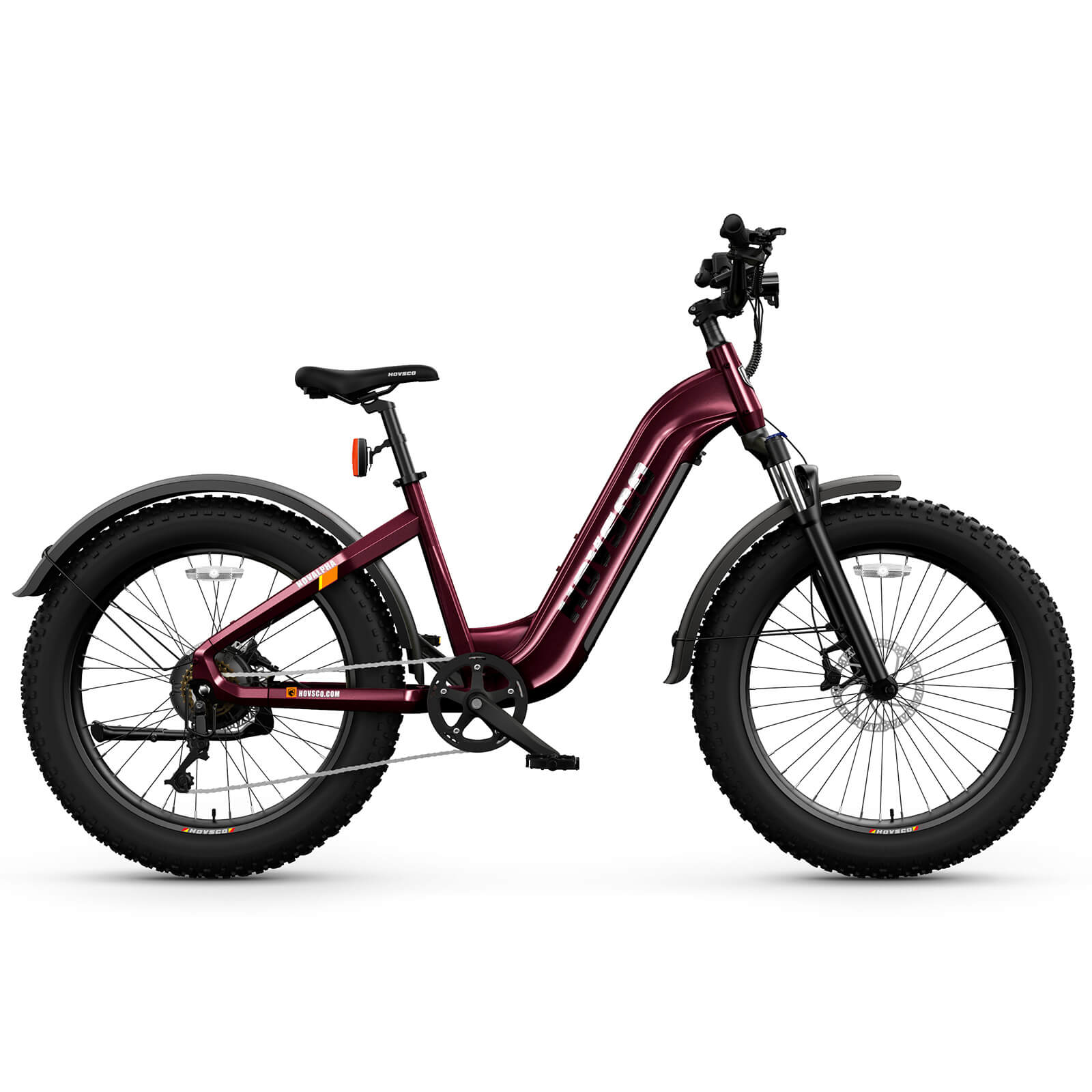
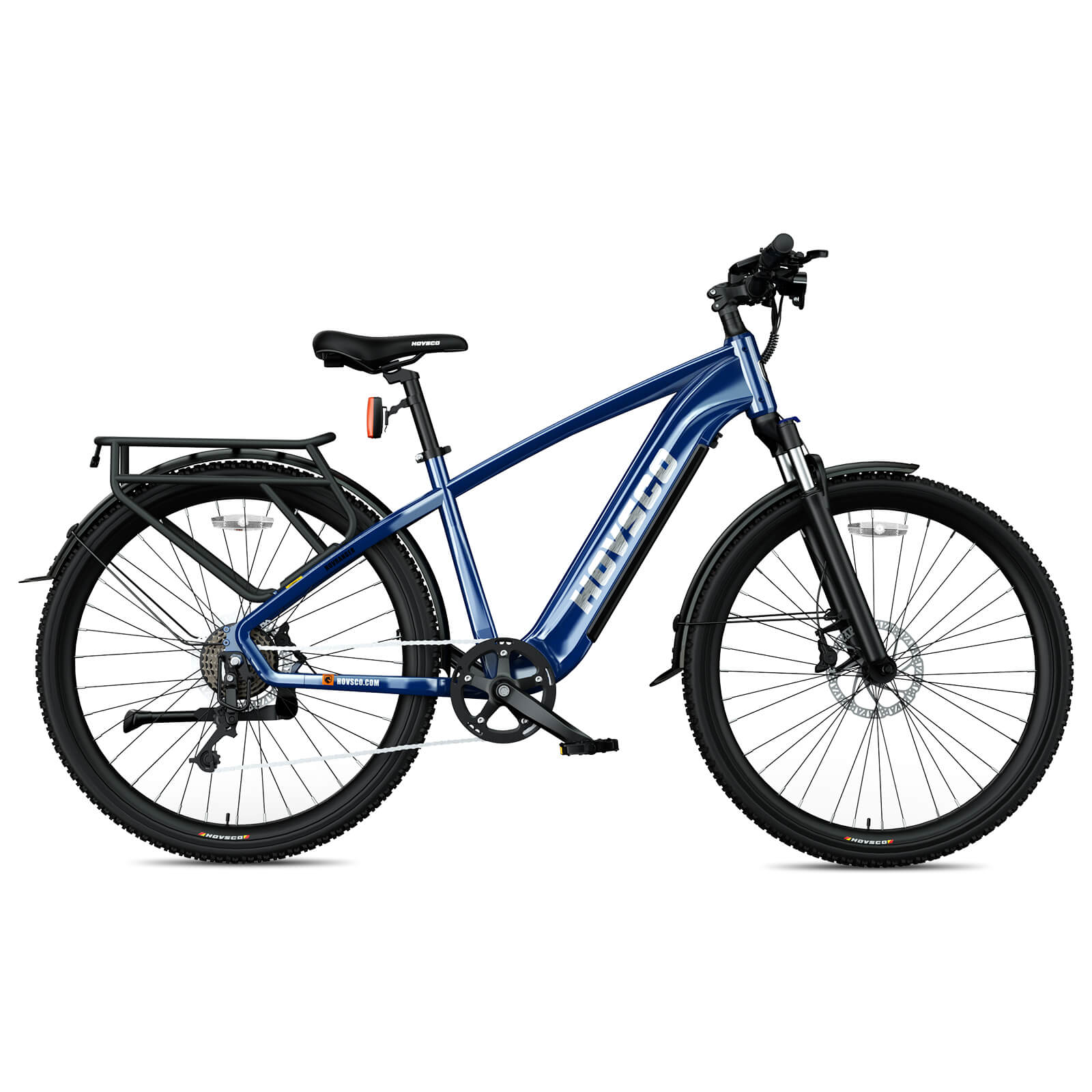
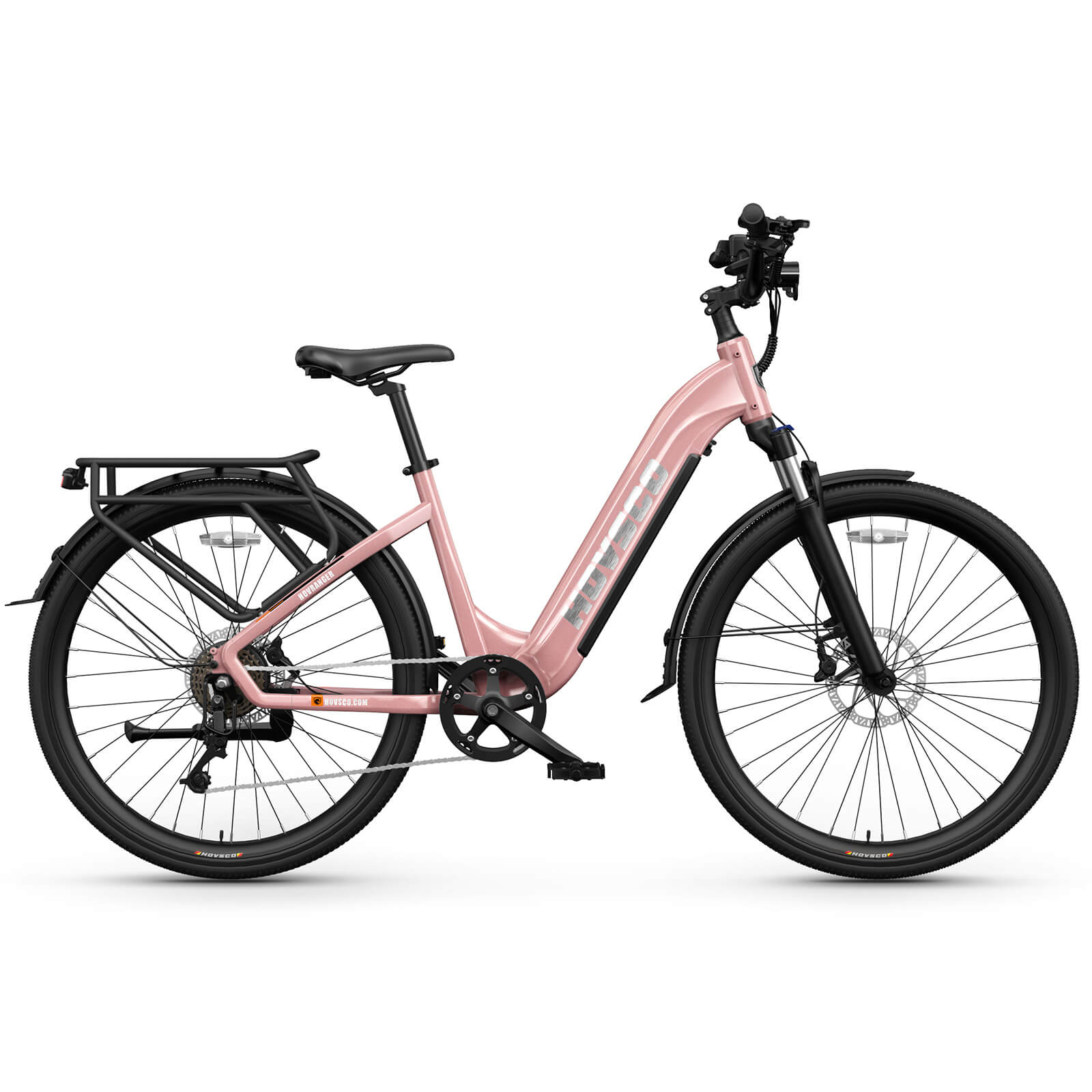
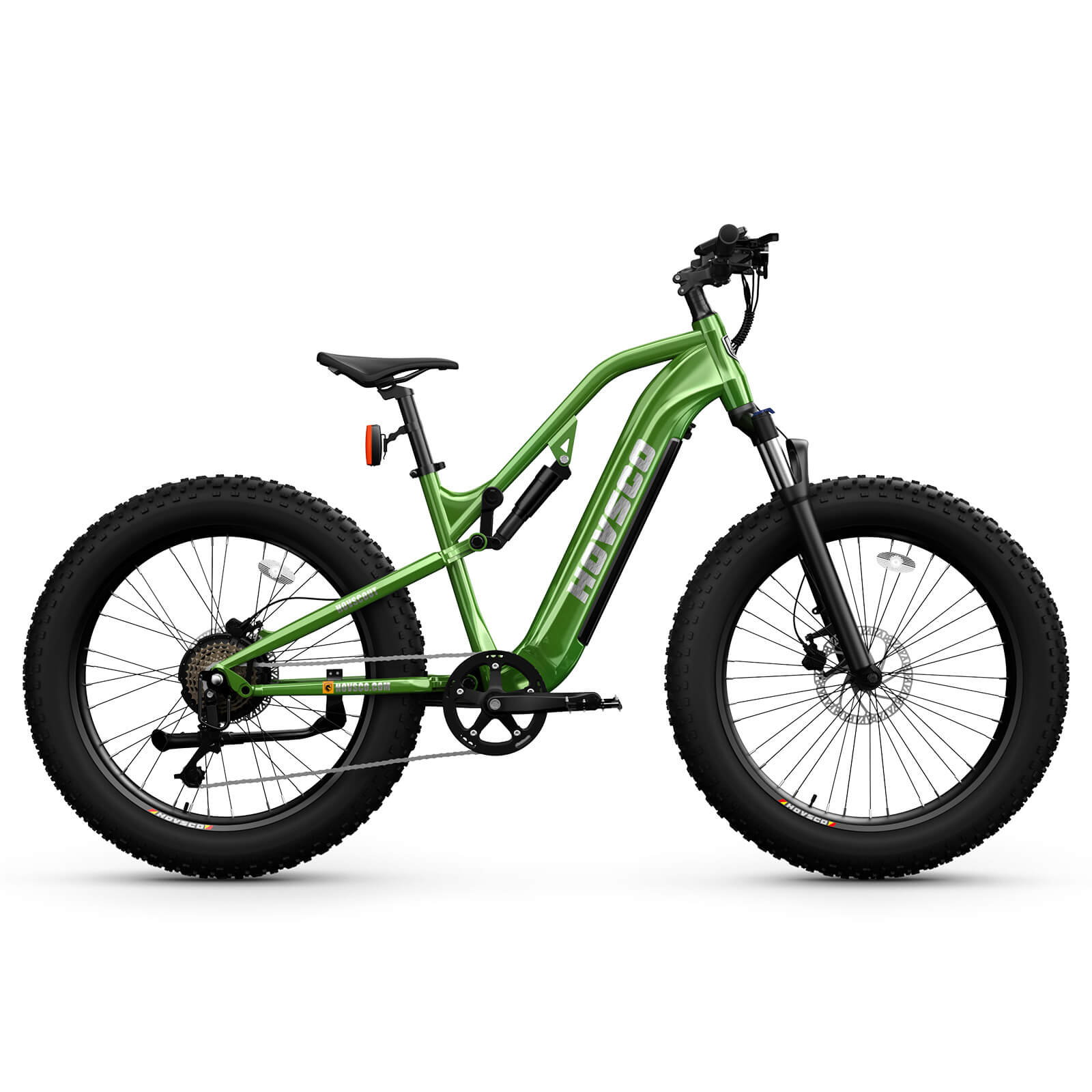
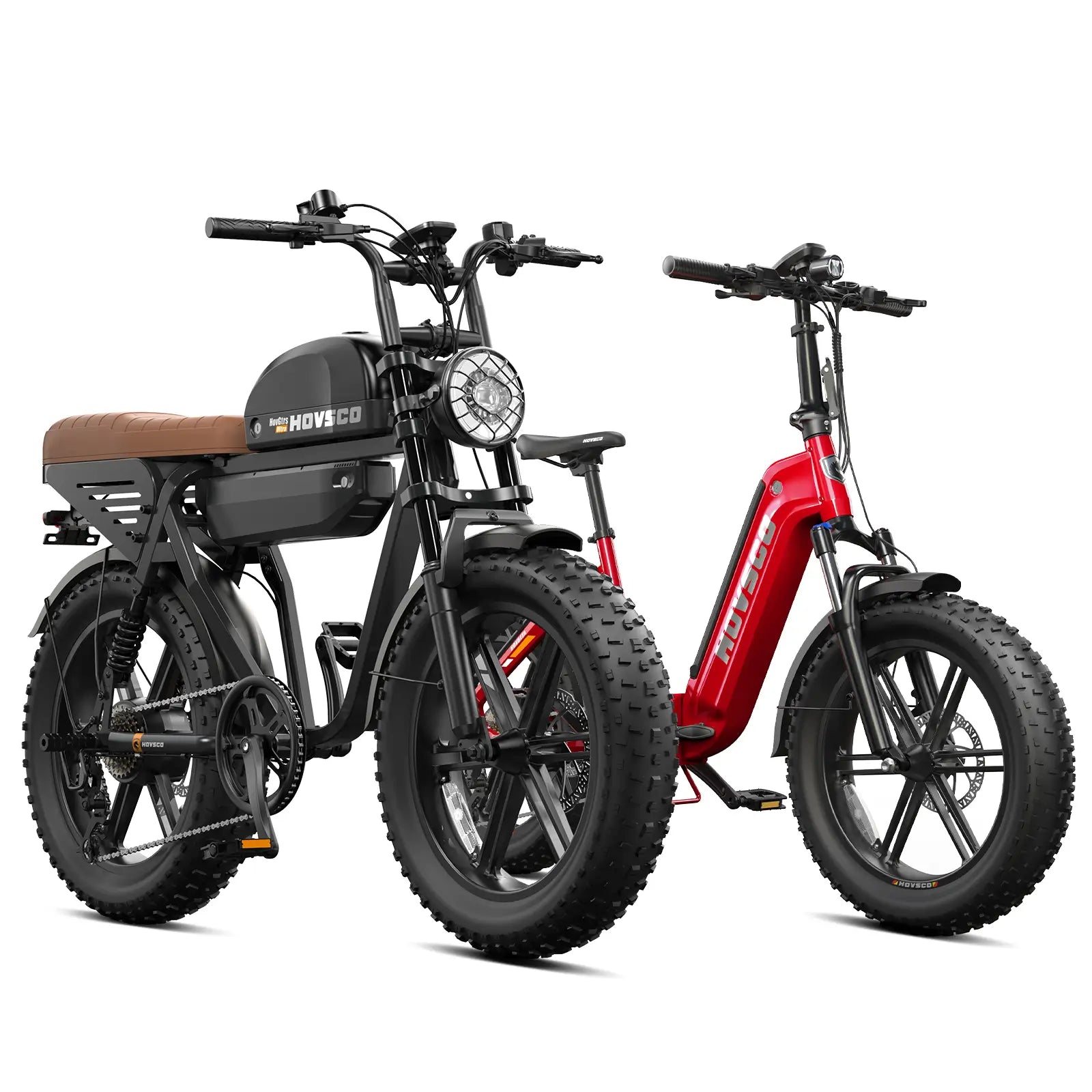
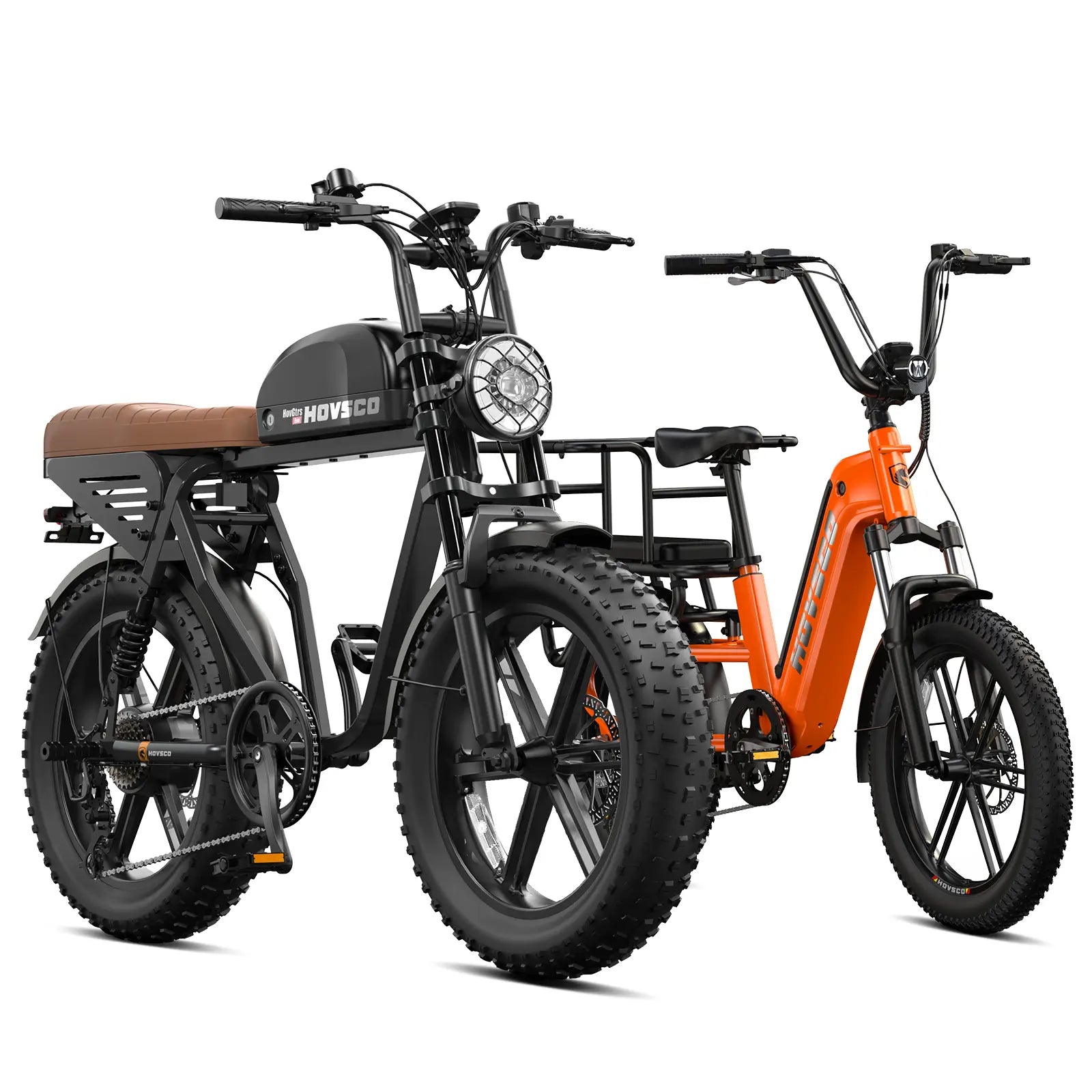
Choosing among the best car replacement ebike options comes down to matching real numbers to your real commute: sustained motor wattage over peak claims, real-world battery range with a cold-weather buffer, gross weight capacity versus payload capacity, and a genuine IP rating rather than vague weatherproofing language. Confirm your state's e-bike classification rules before purchase, and budget modestly for ongoing maintenance even though it remains far cheaper than car ownership. Brands like HOVSCO built their lineup around commuter and cargo use cases specifically because daily, car-replacing mileage demands different engineering trade-offs than a weekend recreational ride — and reviewing those trade-offs against this checklist, rather than a headline spec, is what separates a smart car-replacement purchase from a disappointing one.
Can one e-bike really replace a car for a family?
It can replace many short trips — school runs, groceries, errands under 15 miles — but most families keep a car for longer trips, bad weather, or hauling more than one bike's cargo capacity allows.
What's the real difference between payload and gross vehicle weight?
Payload is cargo and rider weight only; gross vehicle weight includes the bike's own weight plus payload. Always confirm which figure a manufacturer is quoting before comparing capacities.
How often does an e-bike battery need replacing?
Most lithium-ion e-bike batteries last 500–800 charge cycles, roughly 3–5 years of regular commuting use, before capacity drops enough to warrant replacement.
Do I need a special license to ride a car-replacement e-bike?
In most U.S. states, no license is required for Class 1, 2, or 3 e-bikes, though some states require a minimum age and helmet use, particularly for Class 3 models capable of 28 mph.
Is a more expensive e-bike always a better car replacement?
Not necessarily. Price should track your specific needs — motor power for your terrain, battery range for your distance, and payload for your cargo — rather than assuming higher cost automatically means better fit.
Share:
How Do You Choose a High-Payload Electric Bike?
What Makes a Long-Range Commuter E-Bike Worth Buying?