
























![[ New Arrival ] Porto Max Electric Scooter For Commute & Grocery Shopping - HOVSCO](http://www.hovsco.com/cdn/shop/files/PotroMax-3.jpg?v=1706927007&width=1200)
- by SteveJames
Scooter vs E-Bike: Which Is Better for the Daily Commute?
- by SteveJames
E-Bikes
Accessories
 Free Shipping
 15-Day Returns
 2-Year Warranty
Free Shipping
15-Day Returns
2-Year Warranty
2-Year Warranty
Free Shipping
15-Day Returns
2-Year Warranty
The scooter-versus-e-bike question is a commute question: carrying and parking, ride comfort and range, and the local rules each point a different way. The category decision for commuters is worked through here — when a scooter wins the daily trip and when an e-bike does. The scooter rules are in our scooter rules guide, and the e-bike models are in the commuter e-bike collection.
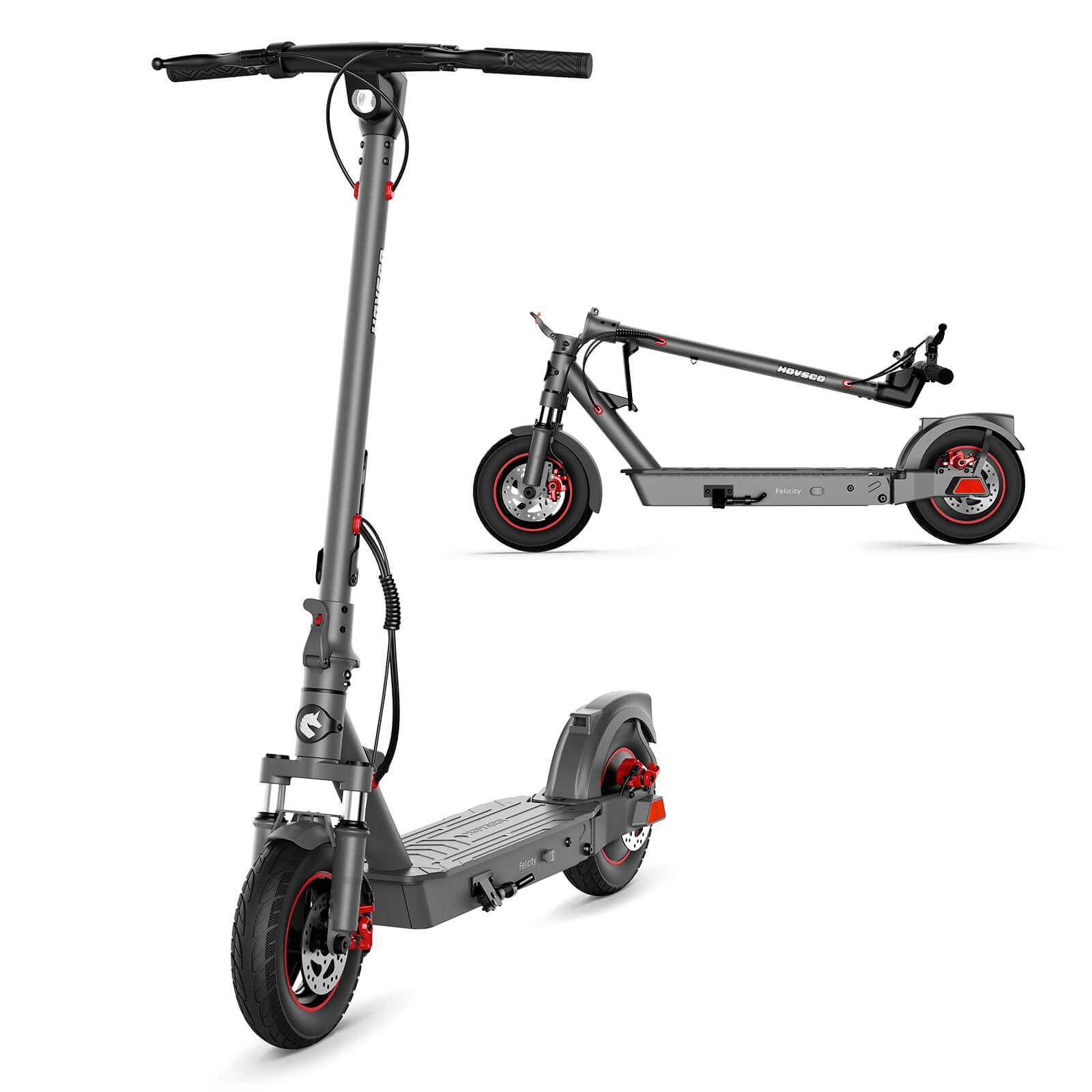
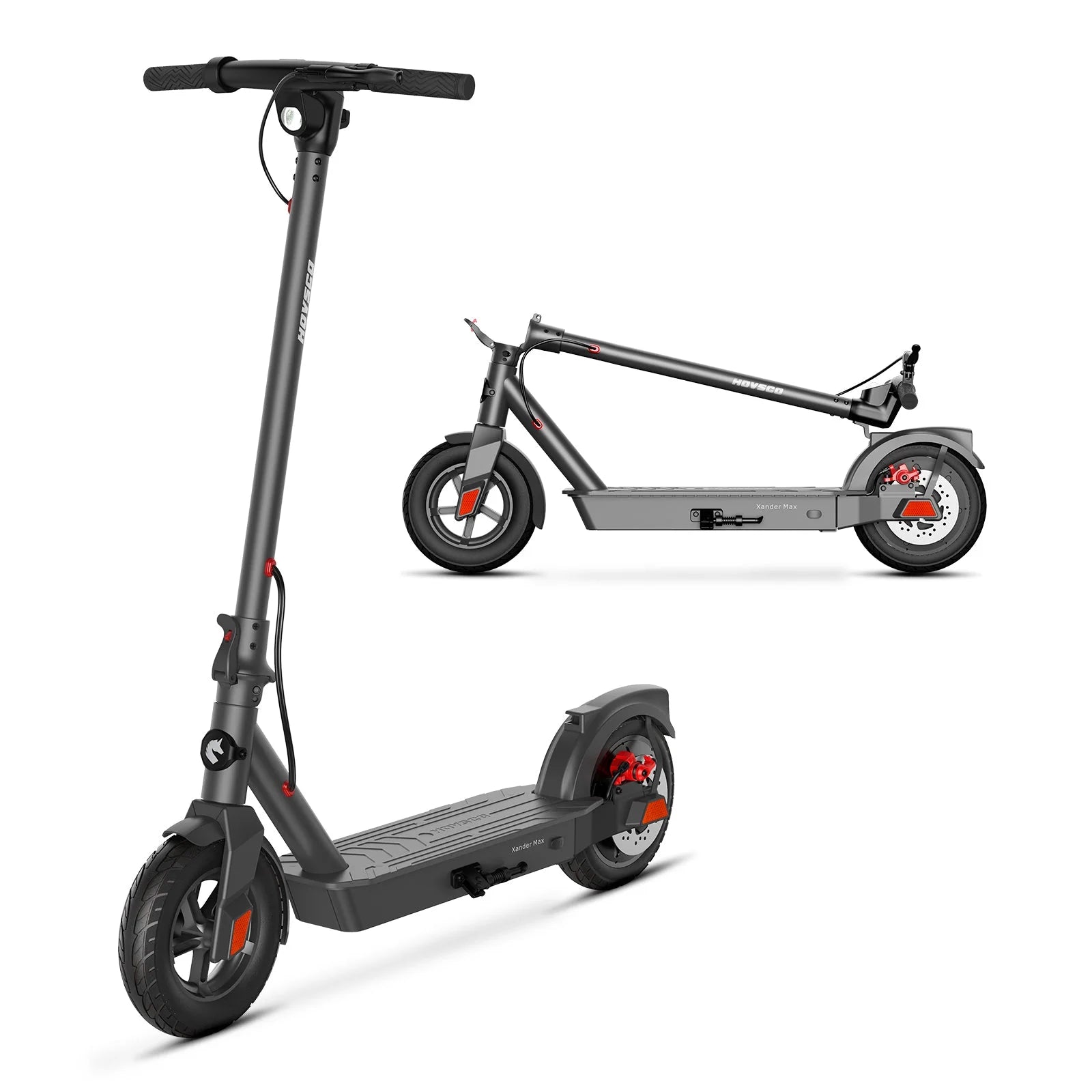
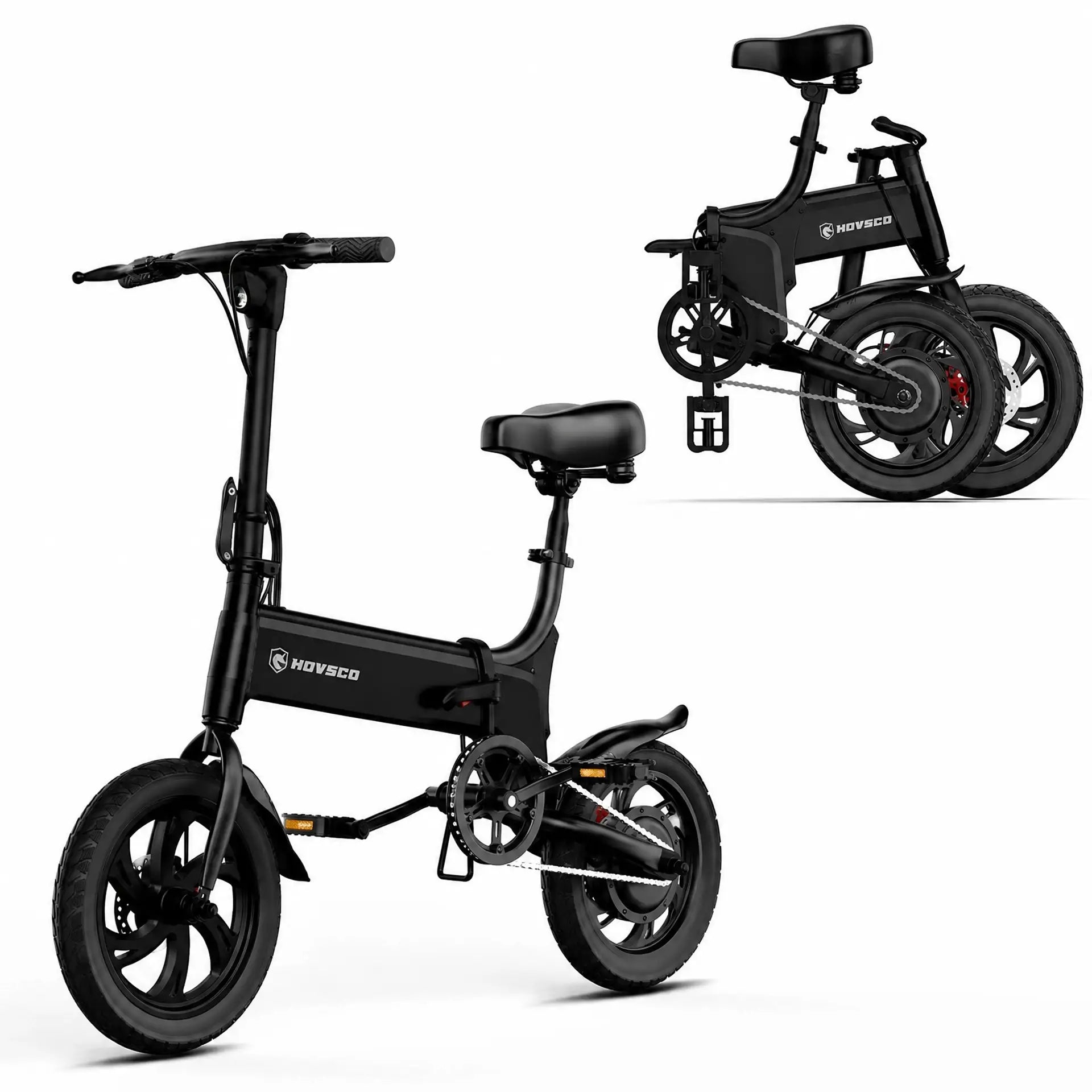
A scooter folds into a shape you can carry into an office, a train, or a closet; an e-bike rides more comfortably over distance and rough roads. Both are legal commuting tools, and both are wrong when the commute needs the other one's strengths.
The honest comparison starts with the complete trip from the commute planning guide: the carry, the fold, the ride, and the stops. The vehicle that wins the complete trip is the one to keep, and the table below makes the trade visible.
The scooter's edge is portability: at 36.2–43.1 lb, folded, it follows the rider into a lobby, a train, or a storage closet, and it needs no rack at the destination. For a commute with transit legs or no secure bike parking, that advantage decides the question.
The e-bike's edge is the ride: 20+ mile ranges, full-size wheels, and a saddle for longer distances. The carrying and parking advantage matters only when the commute actually needs it, and the storage spot at both ends is the evidence.
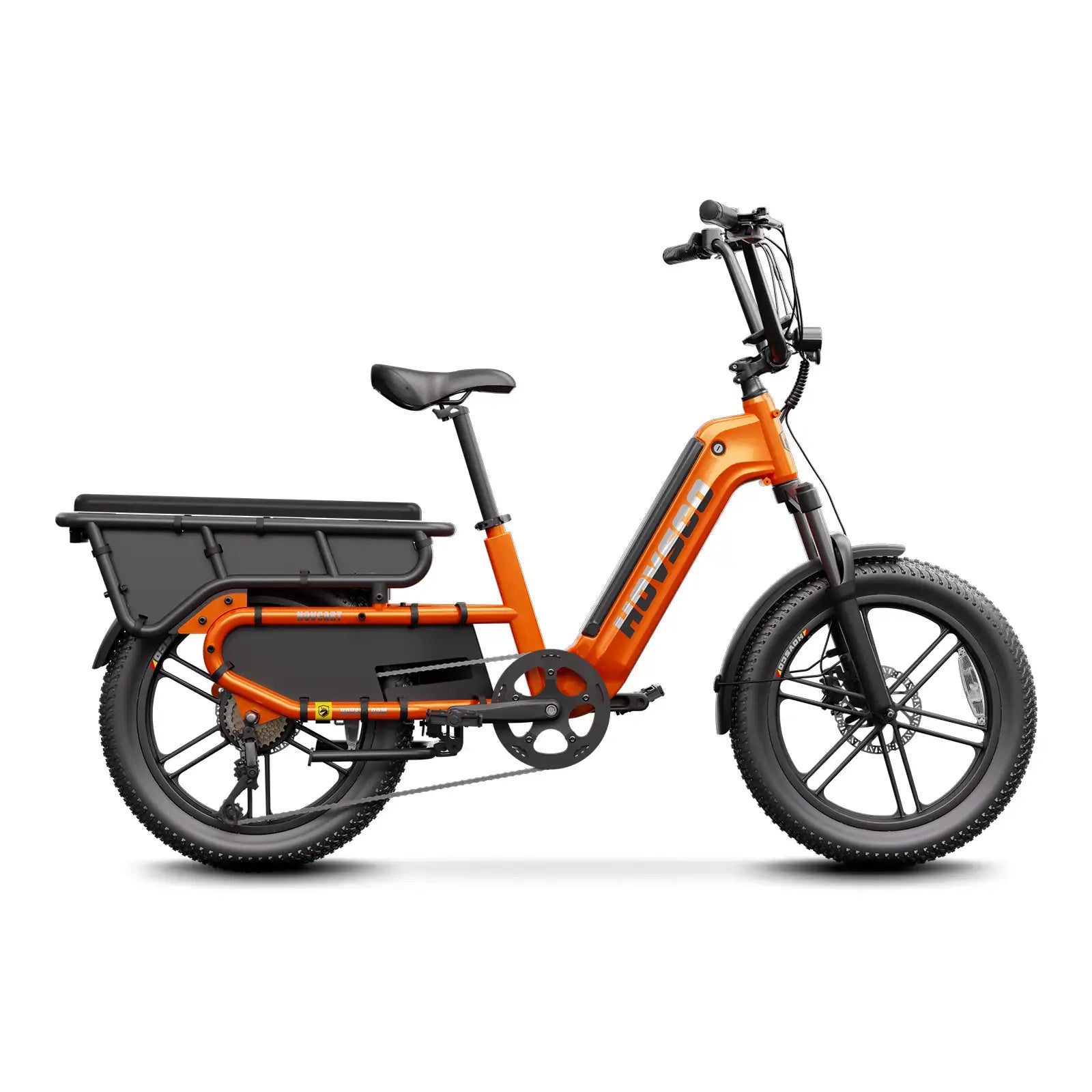
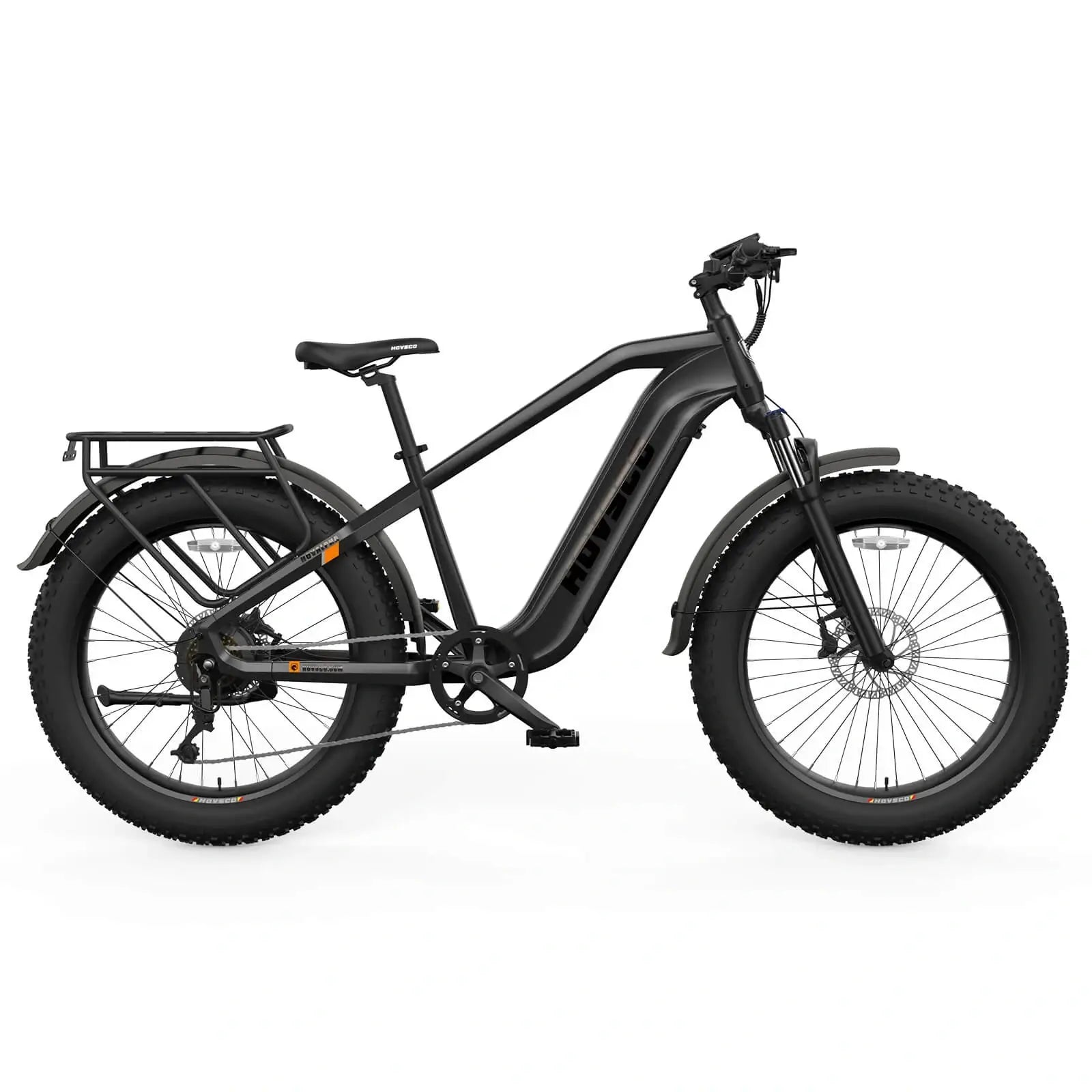
An e-bike carries a rider seated on a saddle over full-size wheels, which is more comfortable on distance and rough pavement, with ranges that clear a 30–35 mile scooter class. The scooter's standing position and 10–12 inch wheels trade that comfort for portability.
The range math from the scooter guides applies the same way to the comparison: a commute that fits a scooter's practical range with reserve can go either way, and a commute that needs more belongs to the e-bike class.
Local rules often treat scooters and e-bikes differently: helmet laws, registration, sidewalk access, and bike-lane eligibility can point opposite ways. The scooter rules guide covers the scooter side, and the e-bike side follows the class rules for the model.
Check both against the specific route before the comparison is settled: a commute that is legal for one vehicle and restricted for the other is decided by the law, not by the ride feel.
Fill in the commute facts and compare the two columns.
| Factor | Scooter | E-Bike |
|---|---|---|
| Carrying | Folds, follows you inside | Needs a rack or bike room |
| Ride comfort | Standing, small wheels | Seated, full-size wheels |
| Range | 30–35 mi class | 40–60 mi class and up |
| Parking | Carry or fold | Approved rack or room |
| Rules | Local scooter rules | Local e-bike class rules |
The row that matters most is the one the commute struggles with daily: the transit leg, the parking gap, or the distance.
Choose the scooter when the commute is short, carried, and transit-heavy: the fold and the 36–43 lb carry solve the parking and transit problems that an e-bike cannot. Choose the e-bike when the ride dominates: distance, rough roads, and a secure parking spot at the destination.
If the commute is mixed — a short ride plus a transit leg plus an errand — the scooter's portability usually wins, and the e-bike is the answer for the day the route grows beyond the scooter class.
The honest pick comes from the worksheet, not the showroom: time the complete trip with each vehicle's weight and parking need, add the reserve, and check the rules for both. The vehicle that fits the whole routine is the one that gets used.
For riders whose commute needs more than either class — longer distance, higher speed, or different access — the moped-style collection is the next step, with its own range and rules covered in the moped-style guide.
The category decision should be revisited quarterly: a commute that changes jobs, moves, or adds a transit line can tip the balance between the scooter and the e-bike, and the worksheet catches the shift.
Whichever vehicle wins, the local rules check belongs to both, and the route worksheet keeps the legal answer current for the whole commute.
The cost comparison belongs beside the category decision: the scooter's lower purchase price and easy parking are weighed against the e-bike's longer service life and better ride comfort, and the total-cost method from the business series applies to the personal decision too.
The final pick should be re-timed after the first real week, because the commute that works in practice is the one the worksheet and the showroom both predicted — and the one that does not is a sign the category needs a second look.
" The scooter-versus-e-bike answer is a commute answer: carrying and parking point to the scooter, ride comfort and range point to the e-bike, and the local rules point wherever they point. The worksheet settles the rest." — HOVSCO Engineering & Content Team
Choose the scooter for short, carried, transit-heavy commutes, and the e-bike for distance, comfort, and secure parking. Time the complete trip, compare the rules, and let the hardest part of the commute — not the showroom — pick the vehicle.
Is a scooter or an e-bike better for a short commute?
For a short, carried, transit-heavy commute, the scooter's fold and portability usually win. For distance, comfort, and secure parking, the e-bike is the better fit.
Can a scooter replace an e-bike?
Only for commutes that fit its range and standing ride. The scooter wins on carrying and parking; the e-bike wins on ride comfort and range. Match the vehicle to the commute.
Are scooters and e-bikes treated the same by local rules?
Often not: helmet, registration, sidewalk access, and bike-lane rules can differ. Check both against the specific route before deciding.
Which is easier to park at work?
The scooter, which folds and follows the rider inside, needs no rack. The e-bike needs an approved rack or bike room at the destination.
What if my commute needs more than either class?
A commute that needs more distance, speed, or access than the scooter or e-bike class provides points to the moped-style collection, covered in the moped-style guide.
Share:
How Do You Secure a Work E-Bike on Deliveries?
Folding vs Full-Size for a Short Commute: Which Routine Fits?