
























![[ New Arrival ] Porto Max Electric Scooter For Commute & Grocery Shopping - HOVSCO](http://www.hovsco.com/cdn/shop/files/PotroMax-3.jpg?v=1706927007&width=1200)
- by SteveJames
What Electric Scooter Rules Should You Check Before Riding?
- by SteveJames
E-Bikes
Accessories
 Free Shipping
 15-Day Returns
 2-Year Warranty
Free Shipping
15-Day Returns
2-Year Warranty
2-Year Warranty
Free Shipping
15-Day Returns
2-Year Warranty
Scooter rules vary by city and change over time: helmet requirements, registration and licensing questions, speed limits, and where a scooter may ride are all decided locally. The scooter rules question is answered here — with the checklist every commuter should run before building a route. Moped-style e-bike rules are covered separately in our moped-style guide, and the scooter-versus-e-bike category decision is in our comparison article.
An electric scooter that is legal in one city can be restricted in the next: helmet rules differ, some cities require registration, and the sidewalk-versus-road question is answered differently everywhere. The rule that matters is the one for the specific route, and it can change when the city updates its policy.
Published speed and range are references — check route conditions, rider load, and local scooter rules. The rules check belongs with the purchase decision, not after the first ticket.
Some cities require helmets for all scooter riders, others only for minors, and others leave it to rider choice. The requirement is easy to check and easy to get wrong, and a helmet is worth wearing even where the law does not demand it.
Check the local rule before the first ride and keep a helmet in the commute bag regardless: the law sets the floor, and the ride sets the risk. A helmet that is always with the scooter is a helmet that gets worn.
Some jurisdictions treat scooters as vehicles that need registration, a permit, or a minimum rider age; others treat them like bicycles. The answer changes the paperwork and the legal status of the ride.
| Question | Why it matters |
|---|---|
| Is registration required? | Paperwork and fees before the first ride |
| Is a license or permit needed? | Legal status of the rider |
| Is there a minimum age? | Who may ride the scooter |
| Are there class limits? | Speed and power rules for the model |
Ask the local authority in writing where the answer is unclear, and keep the reply with the scooter documents.
The sidewalk question is the one most riders get wrong: many cities ban scooters from sidewalks, others allow them at walking speed, and some restrict them to roads and bike lanes entirely. The rule depends on the local code, not on what feels safe.
Check the rule for each segment of the route: the street in front of home, the bike lane on the commute, and the sidewalk at the destination may all have different answers. Where the scooter may ride decides which route is legal, and the route worksheet should note it.
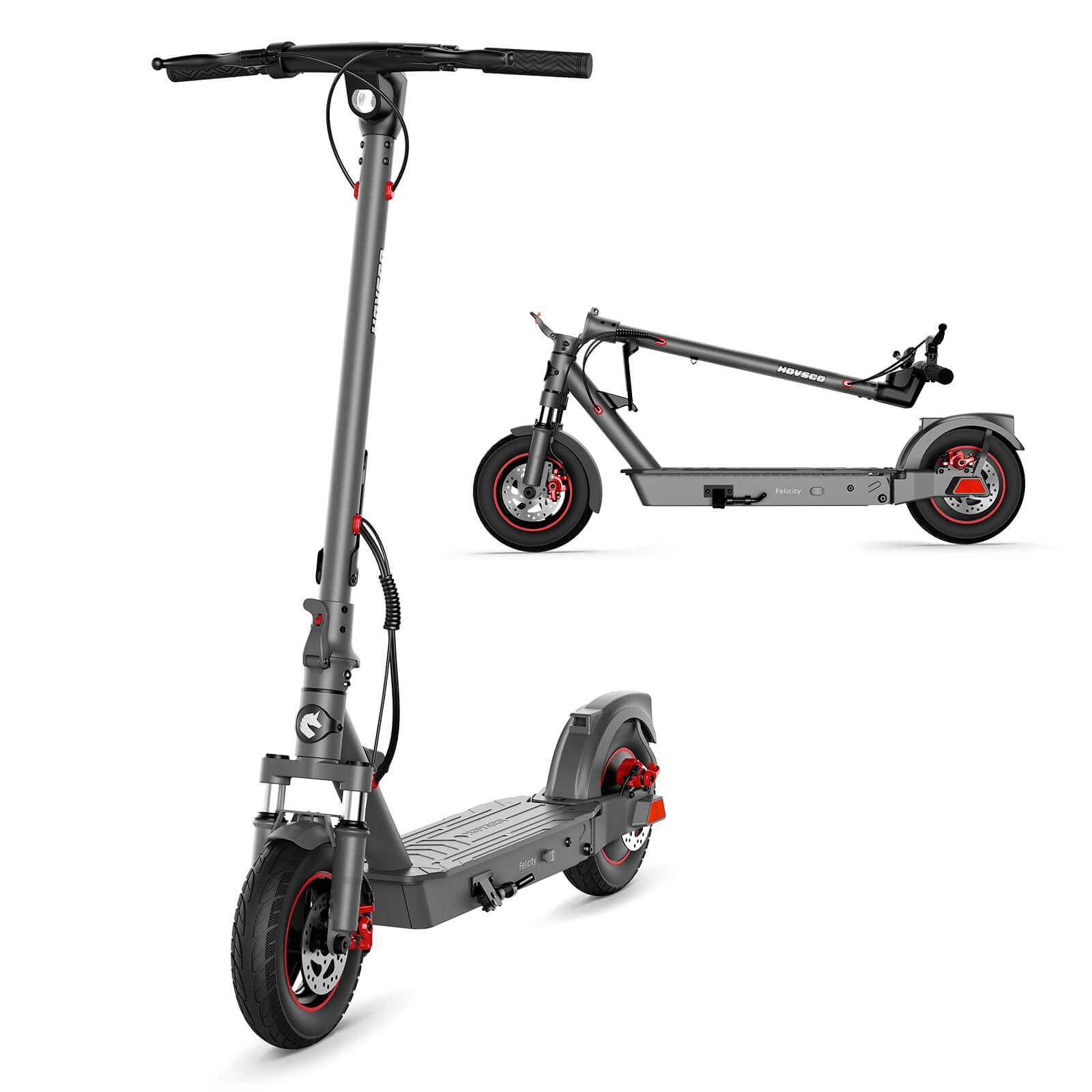
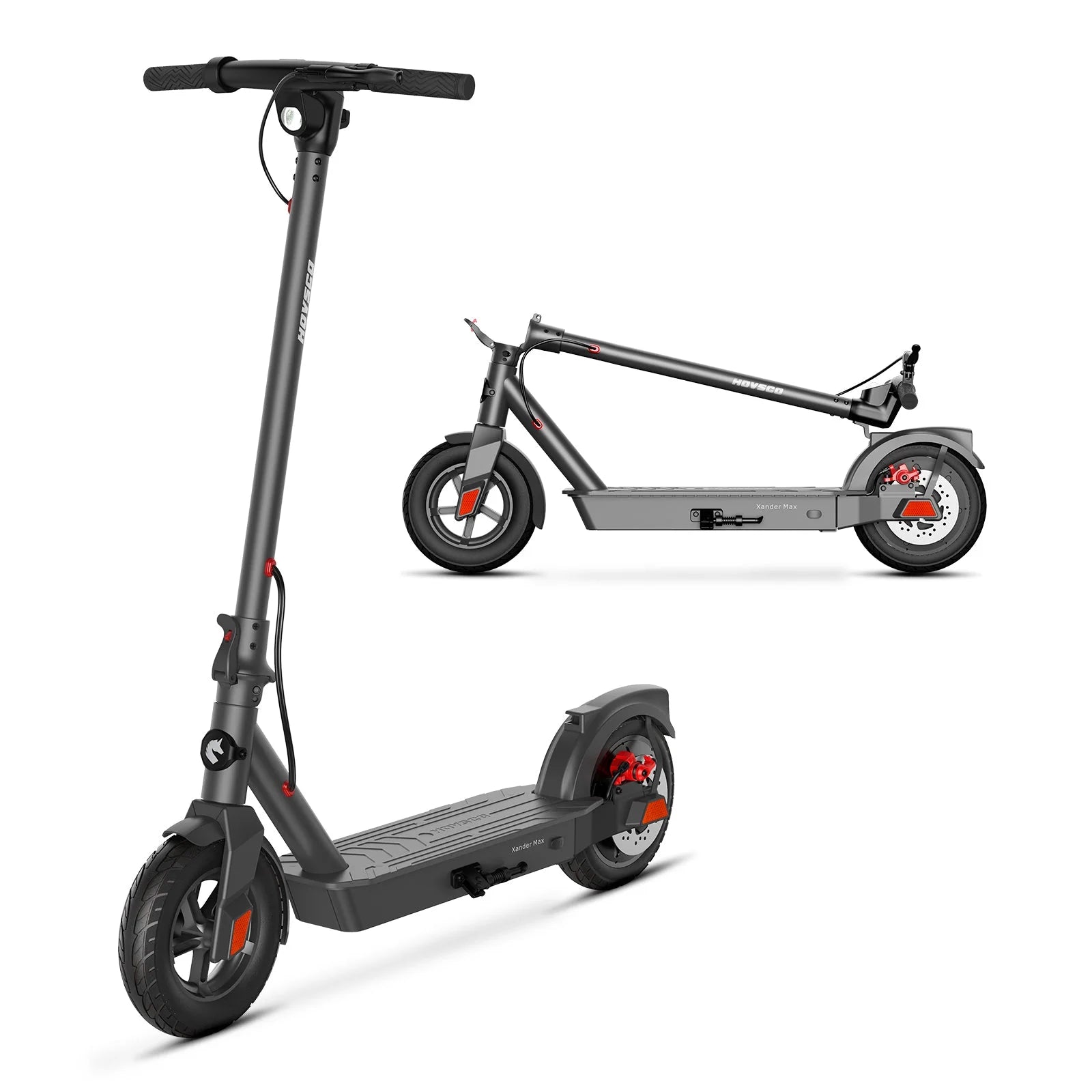
These scooters reach 19–21 mph, which is faster than many local limits for shared paths and sidewalks. A scooter that can ride at 21 mph still has to respect the posted limit, and the practical speed on a shared path is often far lower.
Treat the local speed limit as the ceiling on every segment, and let the route conditions set the actual pace. A scooter that is legal to own still has to be ridden within the rules of the place it is ridden.
Run this before the first ride and whenever the city updates its policy.
| Rule area | Confirm |
|---|---|
| Helmet | Required for your age and location |
| Registration and licensing | Paperwork, fees, and rider requirements |
| Sidewalk and road access | Where the scooter may legally ride |
| Speed limits | The ceiling for each route segment |
| Parking | Where the scooter may be left |
Keep the checklist with the commute worksheet, and re-run it when the route or the city changes.
The same checklist applies to the destination: where the scooter may be parked and carried at work is part of the route rules, and the answer can change the fold-versus-lock decision.
When the answer is unclear, ask the local authority in writing and keep the reply with the scooter documents; a confirmed rule is a rule the commute can rely on.
The rules check also feeds the scooter-versus-e-bike comparison: when the scooter is restricted on the route and the e-bike is not, the legal answer can decide the category before the ride feel does.
Riders who move between cities should re-run the checklist with each move, because a rule that applied at home may not apply at the new destination.
The rules check can change the model choice: a city that restricts scooters to bike lanes may favor the lighter, easier-to-carry model for the transit leg, while a city with generous sidewalk rules may favor the seated errand model. The legal answer belongs with the setup decision.
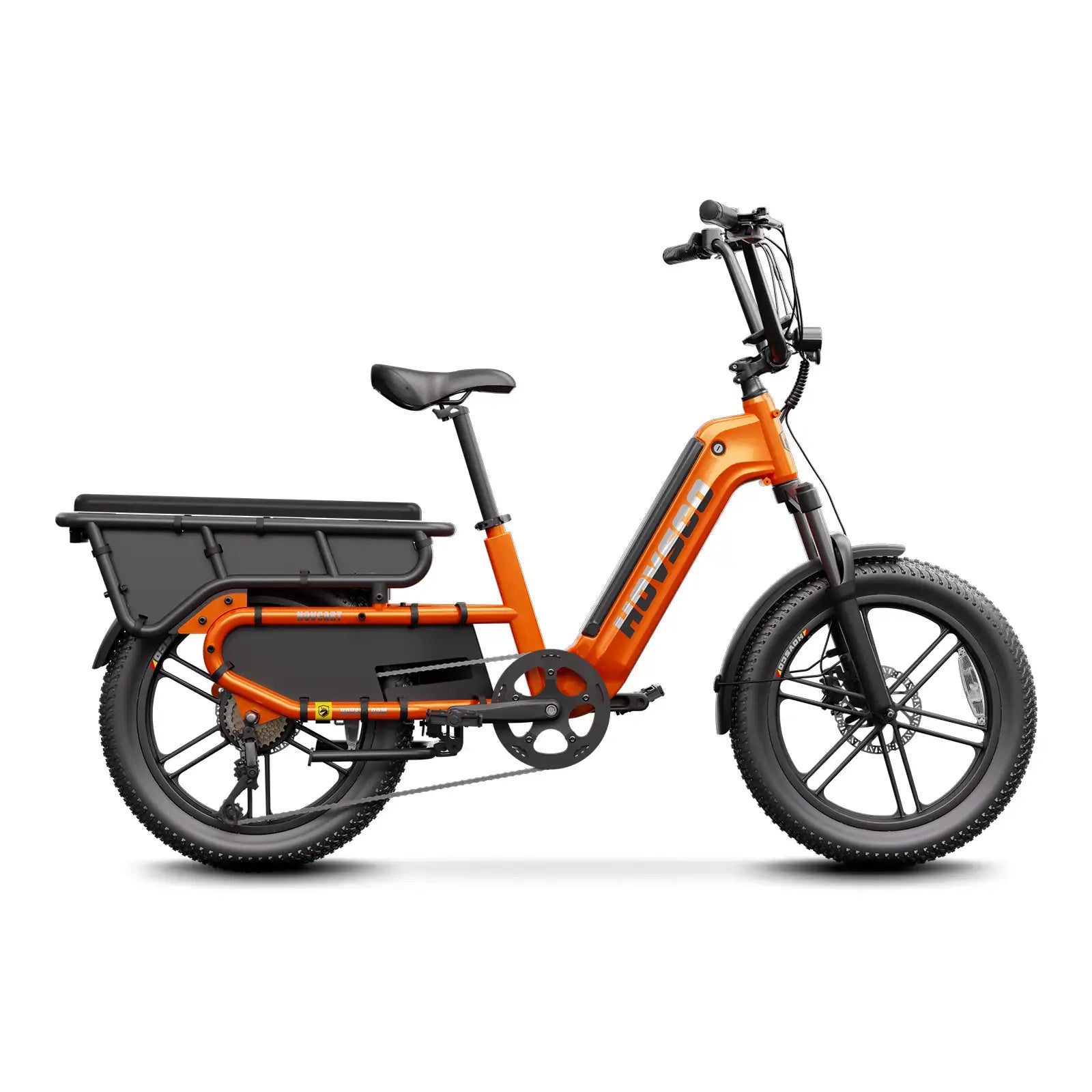
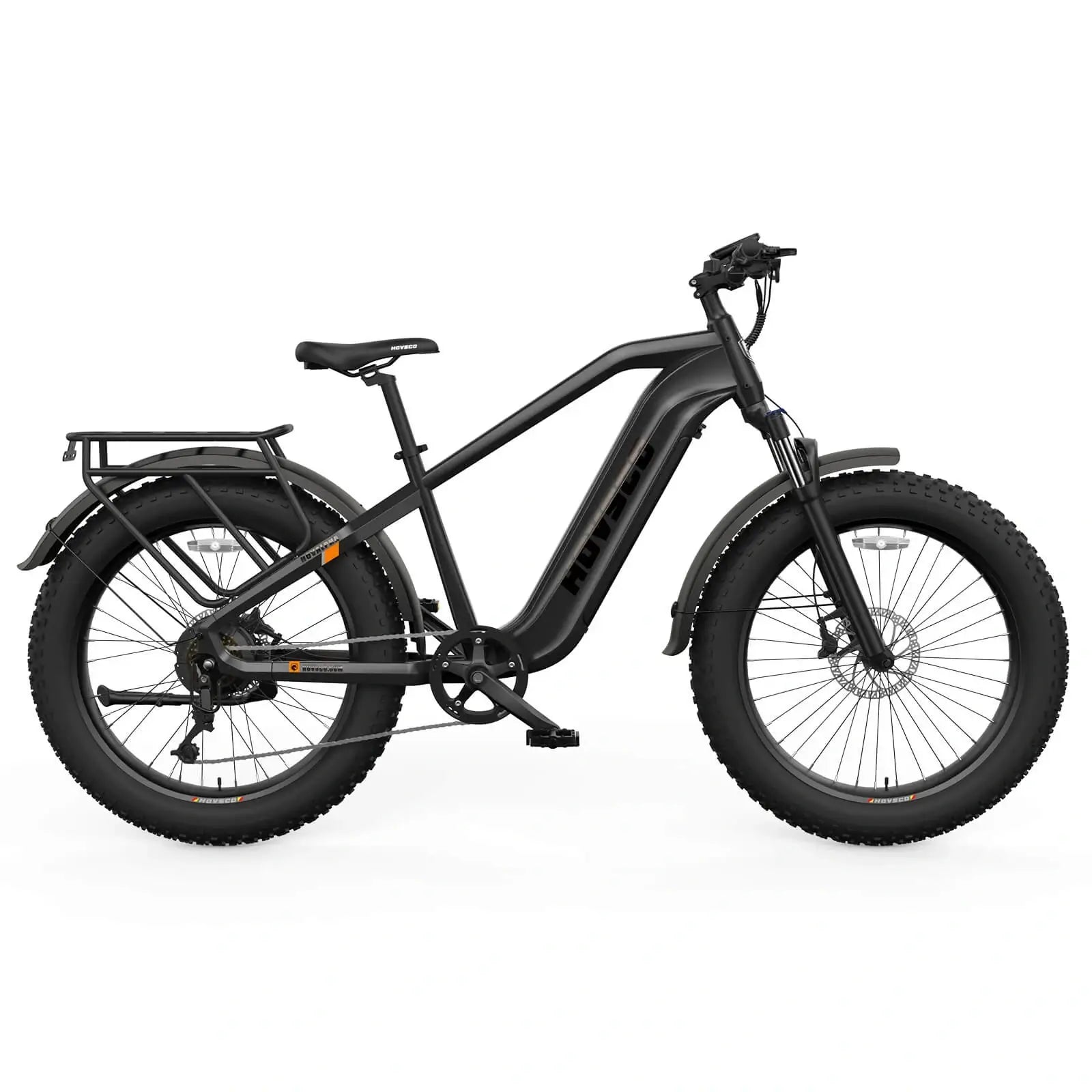
For riders whose route needs more than a scooter's legal envelope — higher speeds, longer distance, or different access — the moped-style collection is the next step, with its own rules covered in the moped-style guide.
" The scooter rules question is local, specific, and changeable: helmet, registration, sidewalk access, and speed limits are all answered by the city, not by the spec sheet. Check the route, keep the answer, and ride within it." — HOVSCO Engineering & Content Team
Scooter rules vary by city and change over time: confirm helmet, registration, sidewalk access, speed limits, and parking for the specific route before riding. The rules check belongs with the purchase decision, and the local answer can change the model choice.
Do I need a helmet to ride an electric scooter?
It depends on the city and your age. Some require helmets for all riders, others only for minors. Check the local rule, and wear a helmet regardless — it is the cheapest protection on the ride.
Do electric scooters need registration?
Some jurisdictions require registration, a permit, or a minimum rider age; others treat scooters like bicycles. Confirm the local answer in writing before the first ride.
Can I ride an electric scooter on the sidewalk?
It depends on the local code: many cities ban sidewalk riding, others allow it at walking speed. Check the rule for each segment of the route.
Can these scooters reach the speed limit?
The models reach 19–21 mph, which is faster than many shared-path limits. The posted limit is the ceiling, and the practical pace on a shared path is usually lower.
Where can I park a commuter scooter?
Check the local parking rule: some areas have designated scooter parking, others allow sidewalk parking where the scooter does not block the path. Include the answer in the commute worksheet.
Share:
Can You Take a Folding Scooter on Transit?
How to Plan a 65–150 Mile E-Bike Route