




![[ New Arrival ] Porto Max Electric Scooter For Commute & Grocery Shopping - HOVSCO](http://www.hovsco.com/cdn/shop/files/PotroMax-3.jpg?v=1706927007&width=1200)
- by SteveJames
Folding vs Full-Size for a Short Commute: Which Routine Fits?
- by SteveJames
E-Bikes
Accessories
 Free Shipping
 15-Day Returns
 2-Year Warranty
Free Shipping
15-Day Returns
2-Year Warranty
2-Year Warranty
Free Shipping
15-Day Returns
2-Year Warranty
The folding question on a short commute is a storage question, not a weight question. A folding bike helps only when the mechanism and folded size solve a real constraint — a small apartment, a shared office corner, or a car trunk — and it earns its place only if the rider can carry the folded bike along the actual path. This guide owns the folding-vs-full-size decision for commuters; the full-size city bikes are compared in our HovCity vs HovRanger guide.
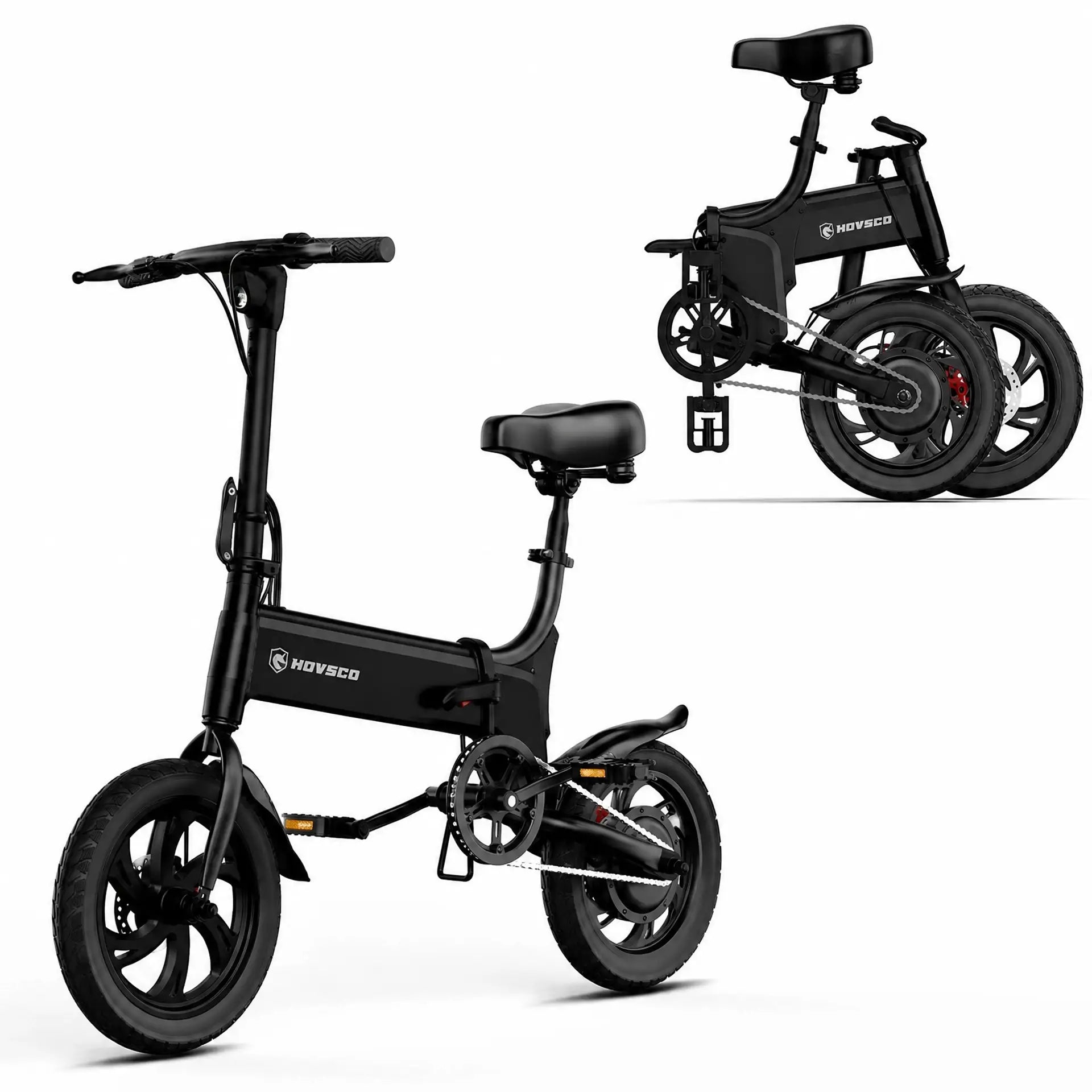
A folding bike converts into a shape that fits small spaces, but it does not become light. The Sync Max folds into a 14-inch format at 42.3 lb net — genuinely carryable — while other folders at higher weights fold into shapes that still need an elevator or a short path. Folding and light are different features.
The decision starts with the actual constraints: where the bike will live at home, where it will go at the destination, and whether either spot requires a fold. If the answer is no to all three, a full-size bike usually rides better for the same money.
The reverse is also true: if the destination has no secure rack and the office allows bikes inside, the fold becomes the feature that makes the commute possible at all. In that case the ride trade is worth it, because a bike that cannot park is not a bike.
The table below lines up the factors that decide between a folding and a full-size commuter.
| Factor | Folding (Sync Max) | Full-size (HovCity / HovRanger) |
|---|---|---|
| Storage footprint | Smallest, fits closets and trunks | Needs a clear indoor or rack space |
| Complete weight | 42.3 lb net | 54–55.8 lb incl. battery |
| Carrying | Realistic for short carries | Roll and park, not carry |
| Ride feel | Small wheels, quick steering | Full-size wheels, smoother |
| Storage at work | Can follow you inside | Needs an approved rack or bike room |
Notice the trade pattern: the folder wins on footprint and portability, the full-size bikes win on ride feel and destination options. The right choice depends on which column matches your actual morning.
The matrix also hides a timing point: the folder adds a fold-unfold segment to every trip that the full-size bike does not have. On most short commutes that segment is a minute or two; on some — a lobby, a desk, a trunk — it is the whole reason to choose the folder.
The Sync Max earns its place when the alternative is no bike at all: a narrow apartment, a shared office where the bike cannot stay outside, or a car commute that needs the bike in the trunk. At 42.3 lb net with a 14-inch fold, it is the one model in the collection designed to be carried.
The trade is the ride: small wheels steer quickly and transmit more road feel than 27.5-inch wheels, so low-speed turns deserve practice and the route should be confirmed comfortable before committing. Fit data is not published for the Sync Max, so confirm fit on the product page before ordering.
Practice the folding sequence at home before the first commute. A fold that takes two practiced motions gets used daily; a fold that needs wrestling gets skipped, and a skipped fold defeats the purpose of owning a folder.
The Sync Max also changes the parking calculus: because it folds, it can follow the rider into a lobby, a closet, or a vehicle when the destination has no rack. That option is worth more on a short commute than on a long one, where the bike usually stays parked for hours anyway.
Time the fold at the destination too: a bike that takes a minute to fold and unfold at a lobby or a desk adds two minutes a day — small, but part of the door-to-door total from our commute guide.
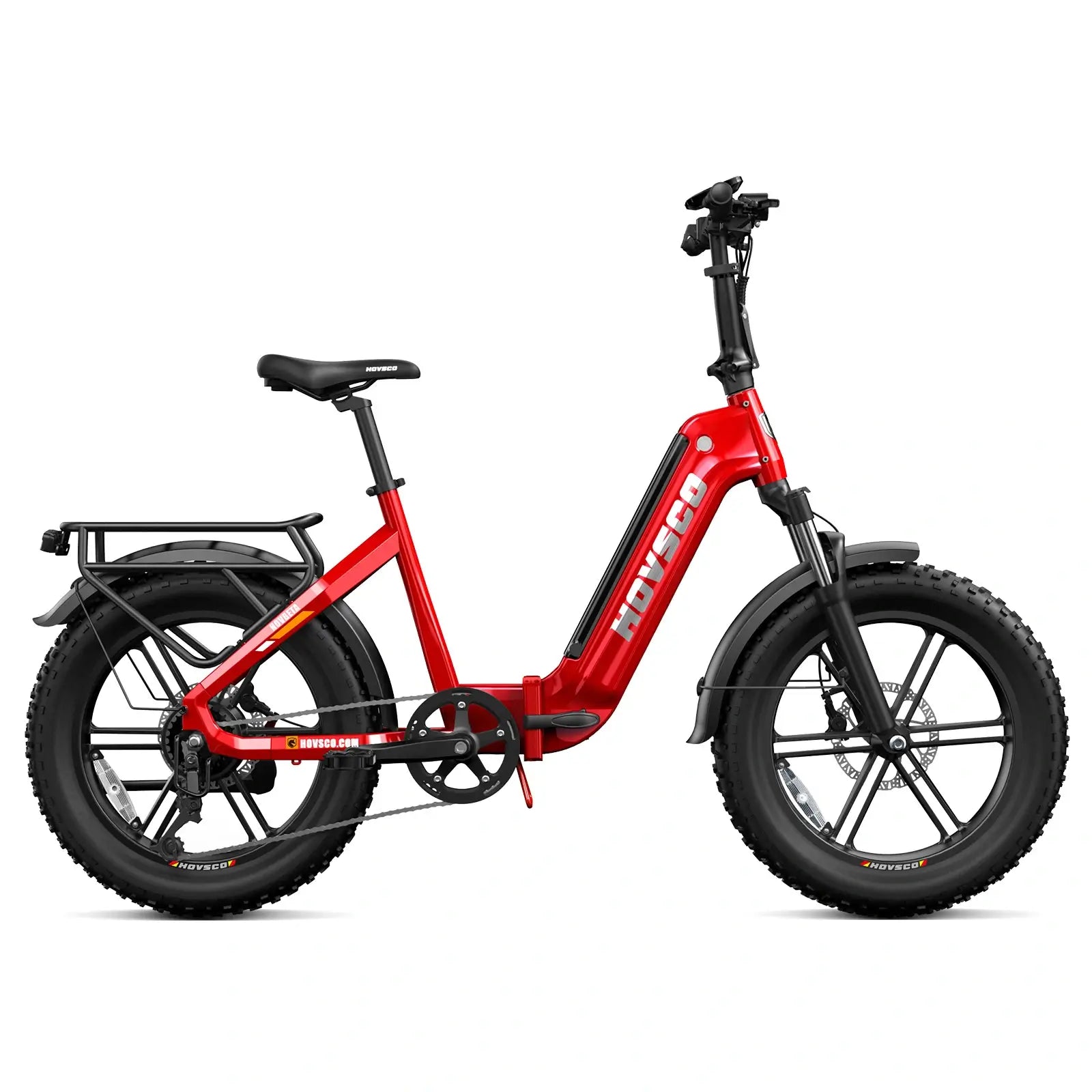
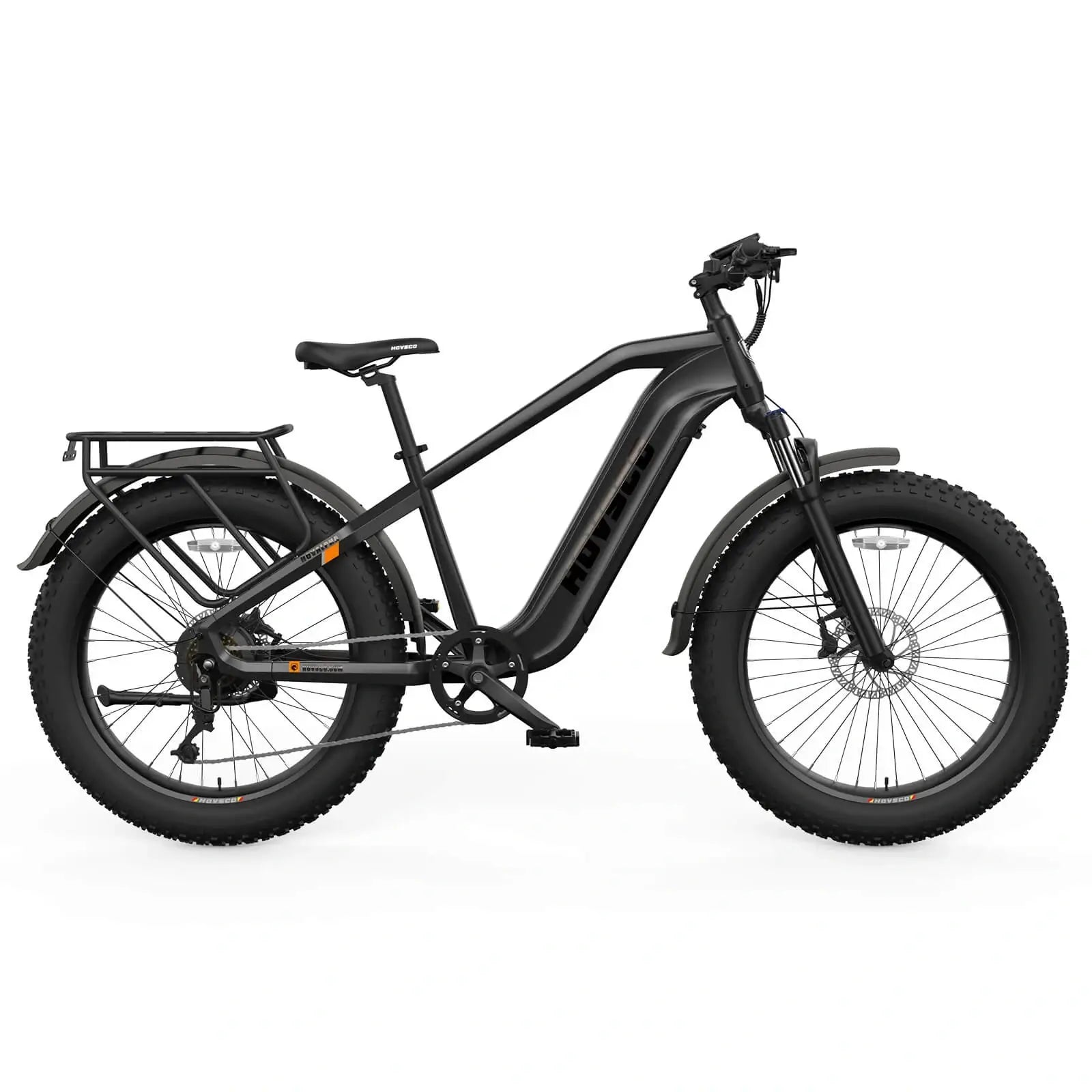
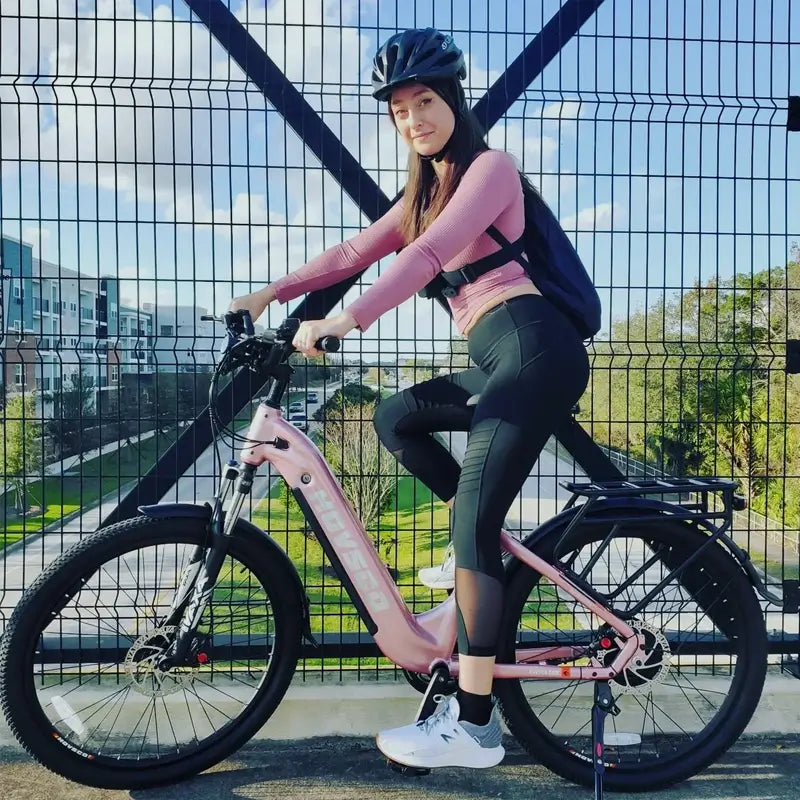
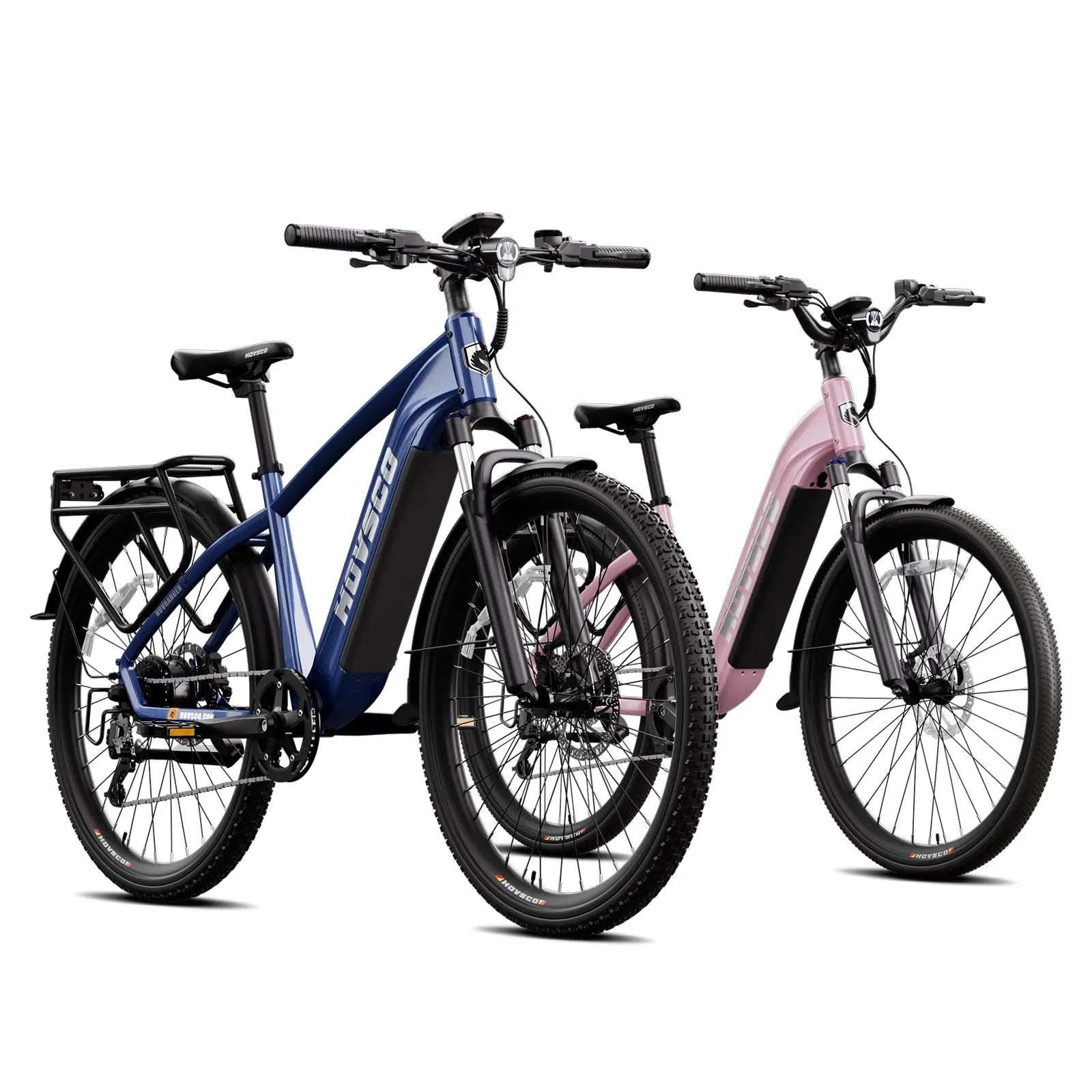
Full-size wheels roll more smoothly over city pavement, and full-size frames offer a more traditional riding position. For a commute without a hard storage constraint, the HovCity at 54 lb or the HovRanger frames at 55.4–55.8 lb usually ride better than a compact folder.
The requirement is a destination that accepts a full-size bike: an approved rack, a bike room, or a secure indoor spot. If the destination has one, the full-size routine is simpler — roll in, lock, walk — and the ride itself is more comfortable. The city-bike specs are in our HovCity vs HovRanger comparison.
If the bike will ride in a car or bus for part of the trip, the test is physical: lift the bike's complete weight into the trunk or onto the carrier exactly as you will in the morning. The 42.3 lb Sync Max passes this test easily; a 55 lb full-size bike is a different lift.
For building access, run the same test on stairs and doorways. A folding bike that fits the trunk but not the stairwell is still the wrong bike for a building with no elevator. Measure the path, compare the complete weight, and decide from the real numbers rather than the fold's marketing.
The same test applies to transit: if the commute includes a bus or train leg, confirm the operator's rules for folded e-bikes and practice the carry onto the vehicle once before the first real ride.
Route comfort matters more on a short commute than the spec sheet suggests, because the trip repeats daily. If the route includes rough pavement, long straightaways, or fast traffic, full-size wheels track more confidently; if the route is a few blocks through slow streets, the folder's quick steering is a non-issue.
Ride the route once with each format if you can. The bike that feels stable at the speeds and surfaces you actually ride is the bike that survives the daily repetition, regardless of which column of the matrix it sits in.
A test ride on the actual route is worth more than any review: the same bike feels different at 7 a.m. with traffic than it does at noon on an empty path, and the morning version is the one that has to work.
Run this list before choosing between a folder and a full-size commuter.
| Check | Pass condition |
|---|---|
| Storage constraint | A real space or vehicle need that only a fold solves |
| Carrying path | Complete weight is manageable on your stairs and doors |
| Fit confirmed | Rider fit checked on the product page or at a demo |
| Destination | Fold follows you inside, or an approved rack exists |
| Route comfort | The format feels stable on the surfaces you ride |
Run the checklist with the actual measurements — the closet, the trunk, the doorway — and the choice stops being a debate. A format that passes all five checks is the format for your morning.
" The folding decision is a storage decision wearing a bike costume. If the fold solves a real space or vehicle constraint, it is worth the ride trade; if it does not, the full-size bike rides better for the same routine." — HOVSCO Engineering & Content Team
Choose the folding Sync Max when a real storage or vehicle constraint demands it and the carrying path is manageable at 42.3 lb. Choose a full-size bike — HovCity or HovRanger — when the destination accepts one and ride comfort matters more than footprint.
Is a folding e-bike always best for a short trip?
No. Folding helps only when the mechanism and folded size solve a real storage or transport constraint. Confirm rider fit, complete weight, and the carrying path as well as route comfort.
Is the Sync Max easy to carry?
At 42.3 lb net, it is the most carryable model in the collection — realistic for short carries, stairs, and vehicle lifts. Full-size options at 54–55.8 lb are roll-and-park bikes.
Does a folding bike ride worse than a full-size bike?
Usually yes on smoothness: smaller wheels transmit more road feel and steer more quickly. On short, slow routes the difference is minor; on rough or fast routes full-size wheels track more confidently.
Can I take a folding e-bike on a bus or train?
It depends on the operator's rules for e-bikes and folded bikes. The Sync Max's 14-inch fold helps, but confirm the policy before relying on transit as part of the commute.
Which is better for office storage?
If the office allows bikes inside, a folder can follow you to a desk or closet. If there is an approved rack or bike room, a full-size bike works and usually rides better.
Share:
Scooter vs E-Bike: Which Is Better for the Daily Commute?
How Light Can an E-Bike Be and What Do You Give Up?