



![[ New Arrival ] Porto Max Electric Scooter For Commute & Grocery Shopping - HOVSCO](http://www.hovsco.com/cdn/shop/files/PotroMax-3.jpg?v=1706927007&width=1200)
- by SteveJames
How to Choose Long Range Commuter Ebike?
- by SteveJames
E-Bikes
Accessories
 Free Shipping
 15-Day Returns
 2-Year Warranty
Free Shipping
15-Day Returns
2-Year Warranty
2-Year Warranty
Free Shipping
15-Day Returns
2-Year Warranty
To choose a long-range commuter e-bike, calculate your true daily round-trip mileage, add a 30–40% reserve, confirm where you can charge, and prioritize a battery size, riding position, tires, and brakes that suit your actual route. A bike that feels comfortable, predictable, and easy to recharge will outperform a headline-range bike that does not fit your commute.
A practical approach to how to choose long range commuter ebike starts with your own energy budget—not a marketing range number. Your route, wind exposure, cargo, hills, assist level, and charging habits determine whether a bike becomes dependable daily transportation.
Calculate your round-trip route, add regular detours and errands, then keep 30–40% battery capacity in reserve. Use your likely assist level and worst regular conditions—hills, headwinds, cold mornings, or a loaded rack—not only ideal flat-road riding.
Start with the distance you ride on a normal working day:
Home to work and back
A realistic detour for construction, traffic, or a safer bike route
Stops for groceries, school pickup, or appointments
The steepest part of your route
The conditions that make you use more assist
For example, a 24-mile round-trip commute should not be matched to a claimed 25-mile range. A better target is enough real-world capacity for approximately 32–35 miles, so you arrive home with useful reserve instead of repeatedly draining the battery deeply.
Range claims are generally measured under favorable conditions: moderate rider weight, smoother roads, warm temperatures, steady pedaling, and lower assistance. Your real consumption rises with rapid starts, sustained throttle use, wide tires at low pressure, frequent climbing, cold weather, and heavy cargo.
The most useful question is not, “How far can it go once?” Ask, “Can it complete my hardest normal weekday without anxiety?” That framing leads to a smarter purchase.
Choose battery capacity in watt-hours first, then choose motor output for hills, cargo, and acceleration. Watt-hours measure stored energy; motor wattage helps determine how confidently the bike handles grades, starts, and extra load.
Battery capacity is the commuter’s fuel tank. A 720Wh battery offers more usable energy than a 500Wh battery, even when both bikes advertise similar top speeds. For long-distance commuting, capacity usually matters more than chasing the highest possible motor peak number.
A hub motor can be an efficient and low-maintenance choice for paved commuting, especially when paired with a torque sensor. Torque sensing responds to how hard you pedal, so acceleration feels smoother and power delivery is easier to modulate through traffic.
Motor power should match the hard parts of the route. A rider on rolling pavement may value quiet, controllable assistance. A rider climbing long grades with panniers may need more sustained power and torque. In both cases, keep pedaling: a motor works more efficiently when it assists your effort rather than replacing it entirely.
Choose an upright or moderately upright riding position if comfort, visibility, and daily repeatability matter more than an aggressive aerodynamic posture. The best commuter fit keeps your hands, back, knees, and neck comfortable after the return ride—not just during a five-minute test.
A long commute amplifies small fit problems. Hand numbness, a sore lower back, knee pain, or tense shoulders can turn a capable e-bike into a garage ornament. Before buying, assess:
Reach to the handlebar: You should not need to lock your elbows or strain your shoulders.
Saddle height: Your knee should remain slightly bent at the bottom of each pedal stroke.
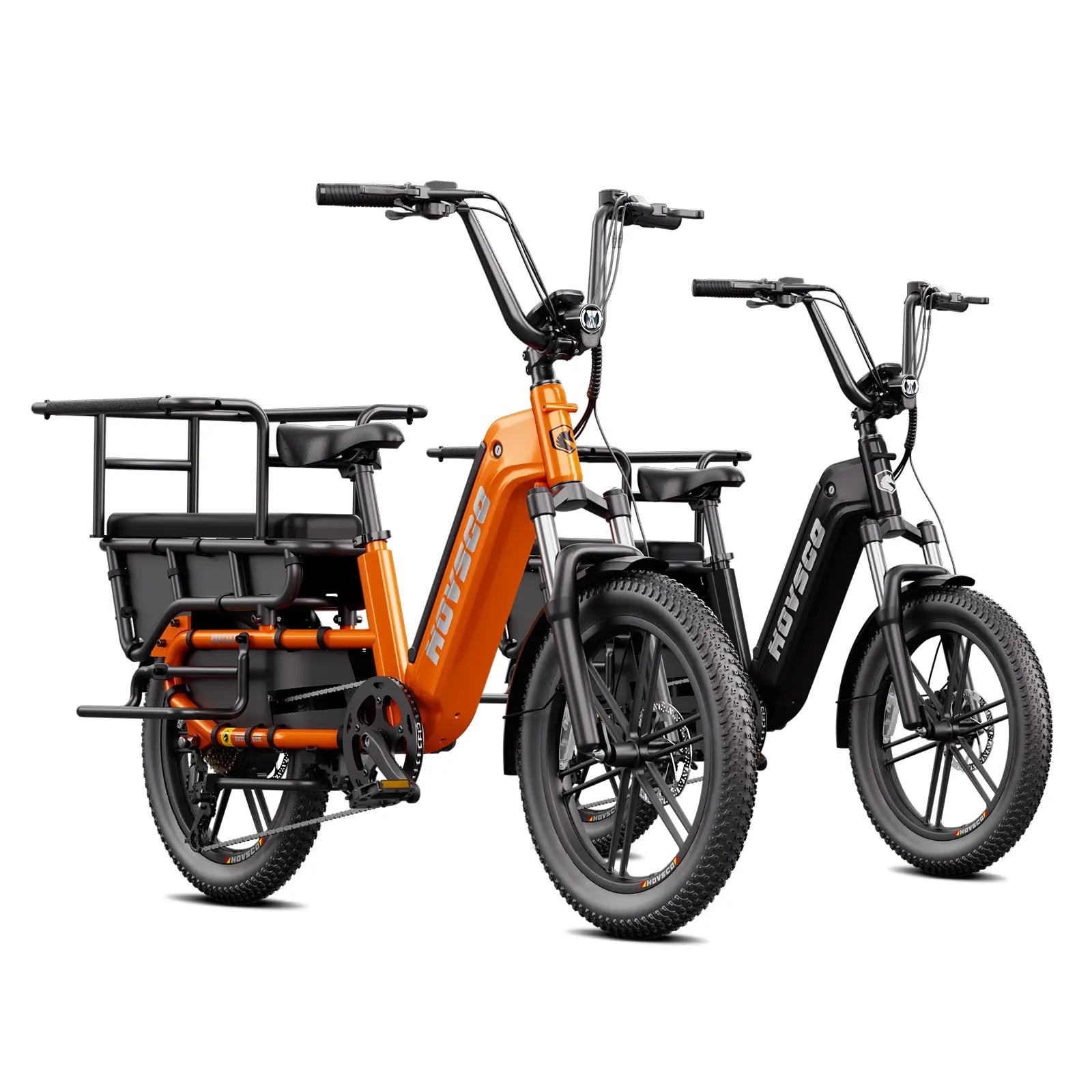
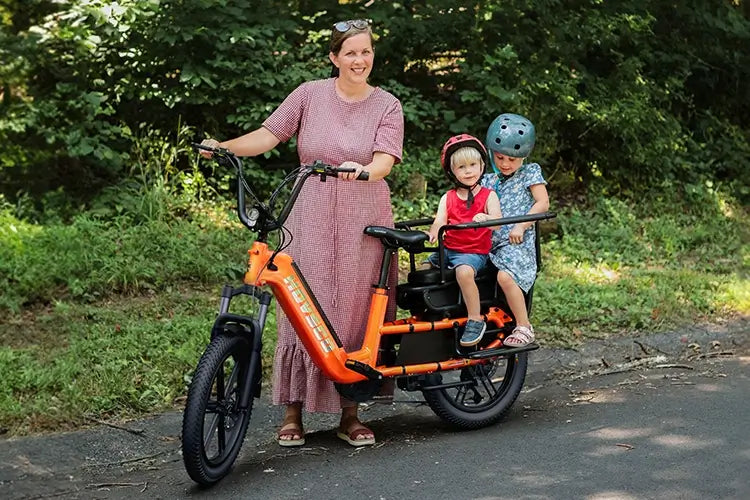
Step-over height: A step-through frame can be valuable when stopping often, carrying cargo, or riding in work clothes.
Suspension: A fork or suspension seatpost can reduce repeated impacts from cracked pavement.
Contact points: Grips, saddle shape, and pedal position affect comfort more than many riders expect.
From a build-and-service perspective, I pay close attention to how a rider sits when starting from a red light. A commuter bike should let you place a foot down quickly, look over your shoulder naturally, and restart without an awkward lurch. These details improve confidence in dense traffic.
For riders comparing options, long-range commuter e-bikes should be filtered by frame fit and practical riding posture before comparing maximum speed.
Reliable charging access can reduce the battery size you need, while no workplace charging means you should buy more energy reserve than your route appears to require. A removable battery is especially useful for apartment dwellers, office workers, and riders without garage outlets.
Map your charging reality before selecting a bike:
Can you charge securely at work?
Is an outlet available near your desk, locker, or bike room?
Can you remove the battery and carry it indoors?
Is there a safe, dry place to charge at home?
Do you have enough time for a complete recharge between rides?
A long-range commuter should not depend on a fragile charging routine. If you cannot charge at work, aim to finish your daily ride with reserve. If you can charge at both ends, a smaller battery may work, but it still needs enough capacity for unexpected overtime, a missed charging opportunity, or a detour.
Battery care also affects useful range over time. Avoid leaving a pack in extreme heat or freezing conditions, use the supplied charger, keep the charging port dry, and do not make a habit of storing a battery fully depleted. Practical ownership is less about obsessing over every percentage and more about avoiding repeated extremes.
Tires, brakes, and lighting determine whether a long-range e-bike is truly commute-ready, because they affect energy use, stopping confidence, and your willingness to ride in changing conditions. The safest bike is often the one you will use consistently.
Tire choice is a direct trade-off. Narrower commuter tires typically roll more efficiently on pavement, feel quicker to steer, and can preserve range. Wider tires add comfort, traction, and stability on broken pavement, gravel shortcuts, rain-slick roads, or snow, but can require more energy.
Hydraulic disc brakes are particularly valuable on a heavier e-bike. They provide stronger, more consistent braking with less hand effort than many mechanical systems. For a rider carrying a laptop, tools, groceries, or a child-seat load, braking performance should be a buying priority rather than an afterthought.
Do not ignore visibility. Integrated lights, reflective sidewalls or accessories, and a predictable brake light improve safety during early starts and late returns. Fenders and a rear rack may not add range, but they protect your work clothes, expand carrying capacity, and make the e-bike a practical replacement for more car trips.
Long hills, headwinds, low temperatures, repeated starts, soft tires, and high assist levels consume more energy than distance alone suggests. Identify the recurring energy drains on your route before deciding how much battery capacity you need.
A factory-floor lesson is that range is rarely lost through one dramatic event. It is usually spent in small, repeated loads: accelerating from 20 intersections, climbing a short ramp every day, riding into a coastal headwind, or using maximum assist because the saddle is too low for efficient pedaling.
Use this pre-purchase route audit:
Ride or drive the route at commuting time, not only on weekends.
Note elevation changes, exposed bridges, rough pavement, and stop frequency.
Identify sections where traffic forces hard acceleration.
Consider whether you will carry a backpack, panniers, rain gear, or a lock.
Check whether winter temperatures or frequent rain change your riding style.
Maintain tire pressure within the tire manufacturer’s stated range. Underinflation can improve comfort and grip, but it also increases rolling resistance and reduces range. The right pressure is a balance: enough support for efficient pavement riding, with enough compliance for control on rough surfaces.
Yes. A long-range commuter e-bike is only valuable when it remains easy to charge, lock, maintain, and repair. Prioritize removable batteries, standard wear components, clear warranty support, and local service options alongside battery and motor specifications.
Range gets attention because it is measurable, but downtime is what disrupts a commute. A puncture, bent rotor, worn brake pads, damaged derailleur, or unavailable battery charger can keep a rider off the road longer than a modest difference in battery capacity.
Before ordering, confirm:
Battery removal method and replacement availability
Brake-pad type and rotor size
Tire and tube availability in your local area
Charger replacement process
Warranty coverage and support contact method
Rack, fender, lock, and pannier compatibility
Total bike weight if stairs, elevators, or vehicle racks are part of your day
HOVSCO was founded by cycling enthusiasts with experience in mobility products, and the practical commuter standard should be clear: components need to work together as a daily system. A powerful motor does not solve an inconvenient battery-removal process or an uncomfortable cockpit.
“When we evaluate a commuter e-bike, we do not begin with the maximum advertised range. We begin with the rider’s last five miles: the hill after work, the headwind on the bridge, the laptop in the pannier, and the need to stop safely in the rain. A good long-range design leaves energy in reserve, keeps the rider in a relaxed position, and uses braking, tires, and controls that remain predictable after months of real commuting. Capacity is important, but usable confidence is the specification that matters most.”
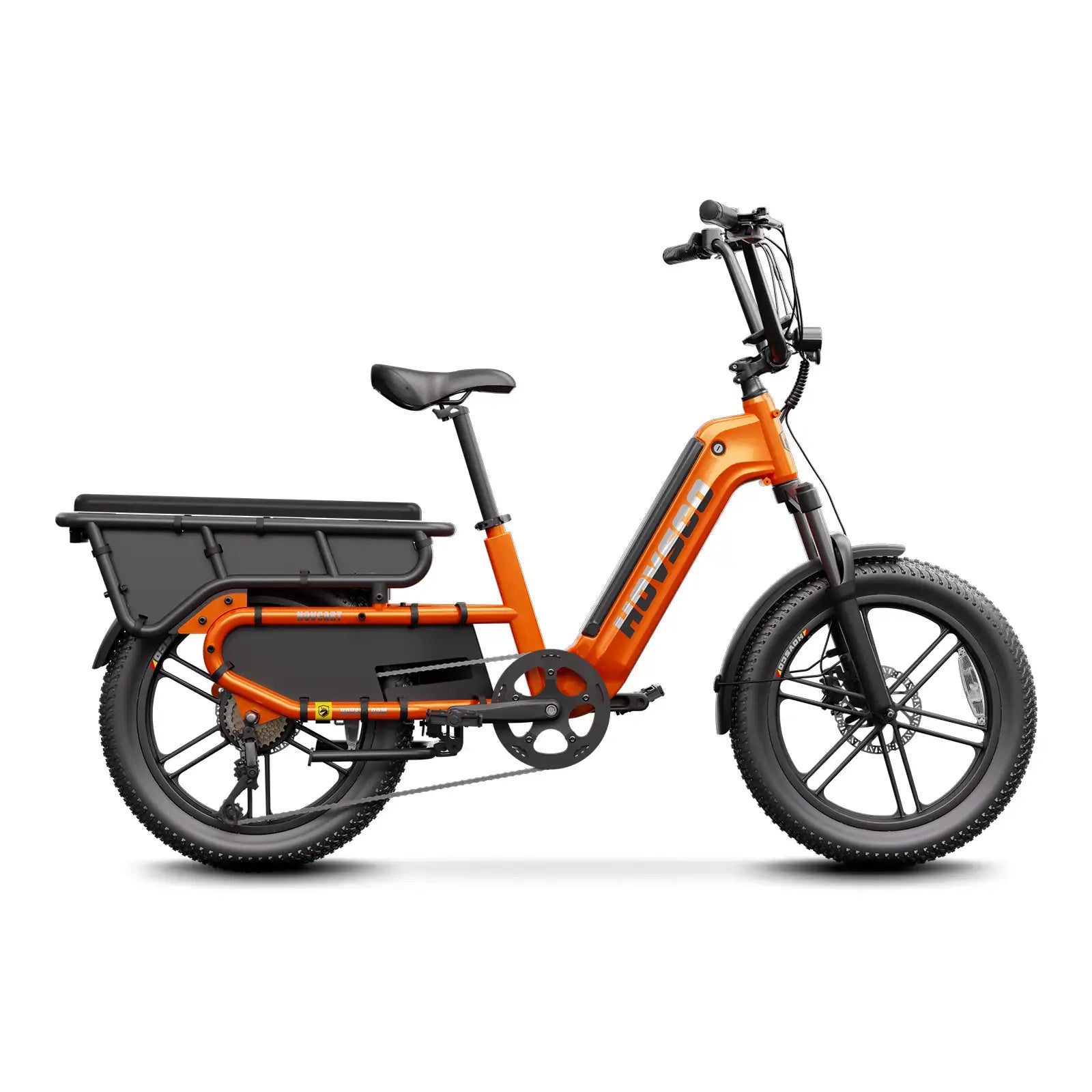
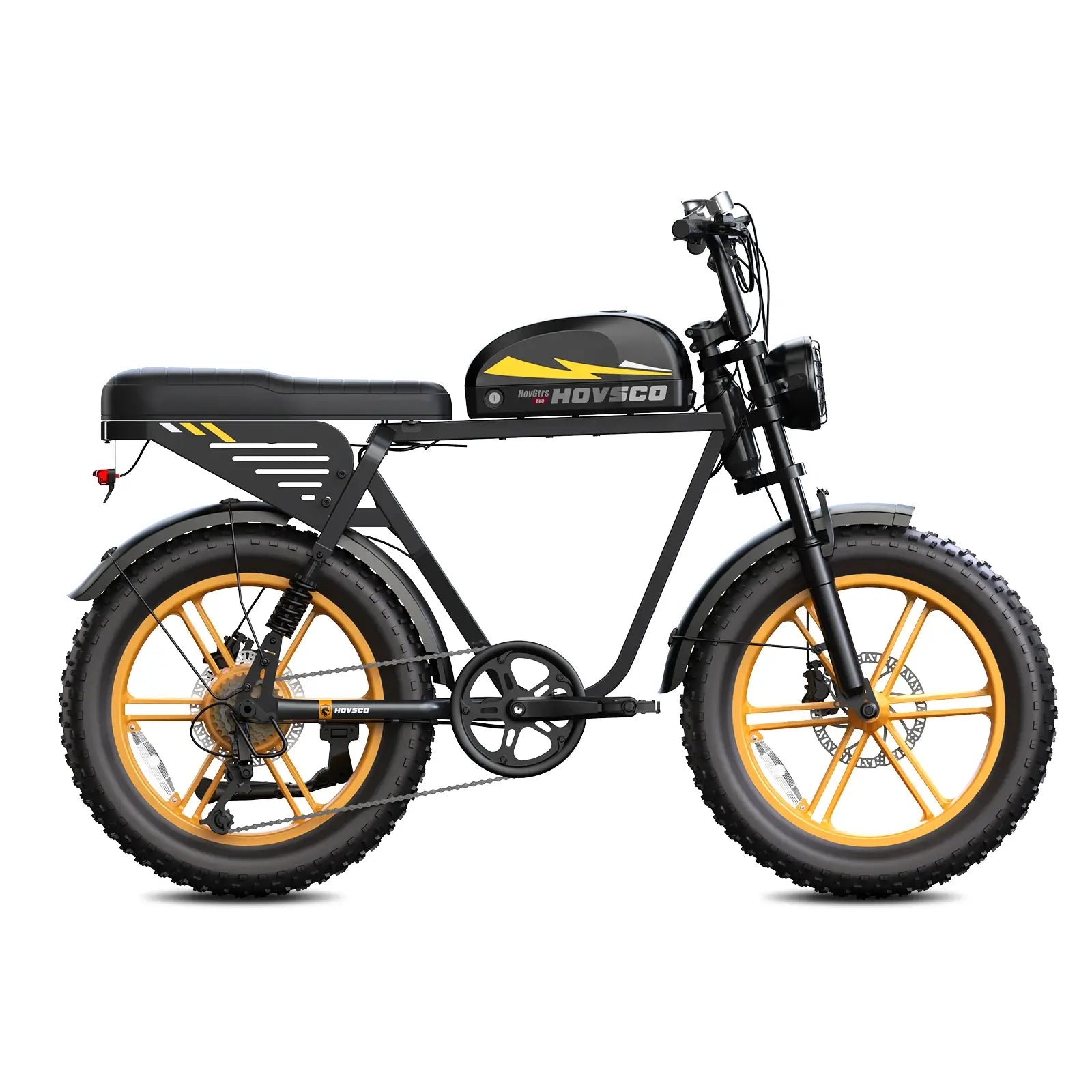
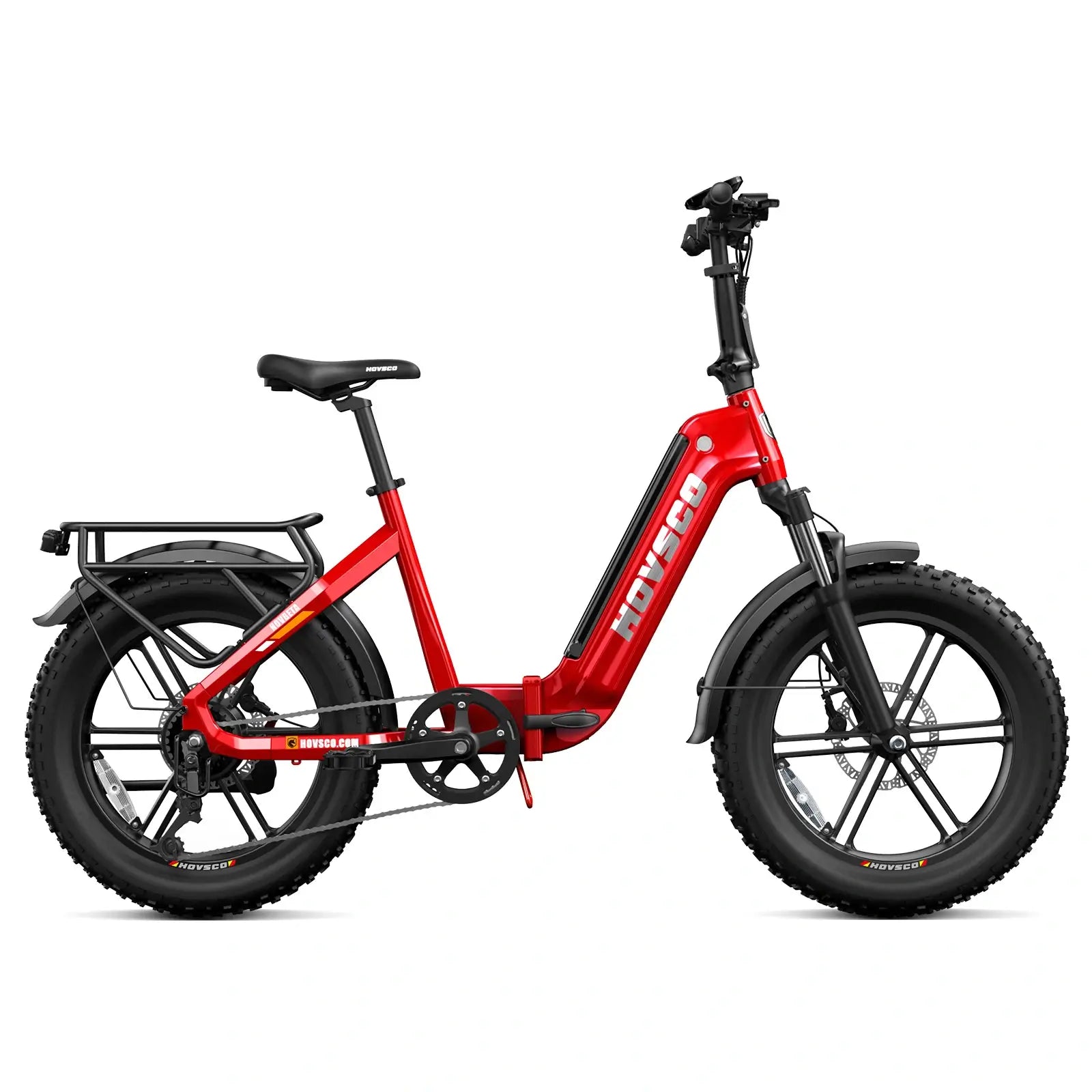
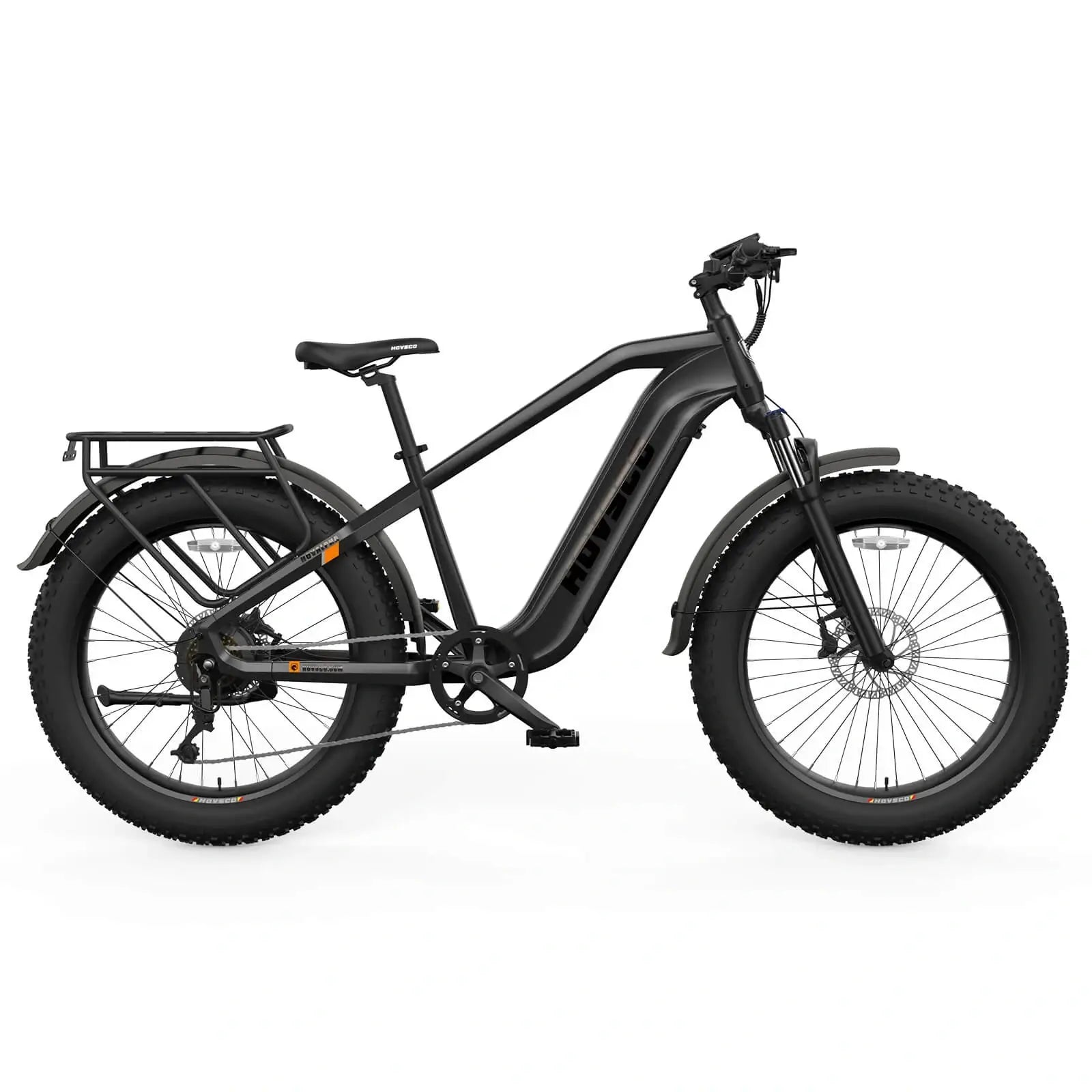
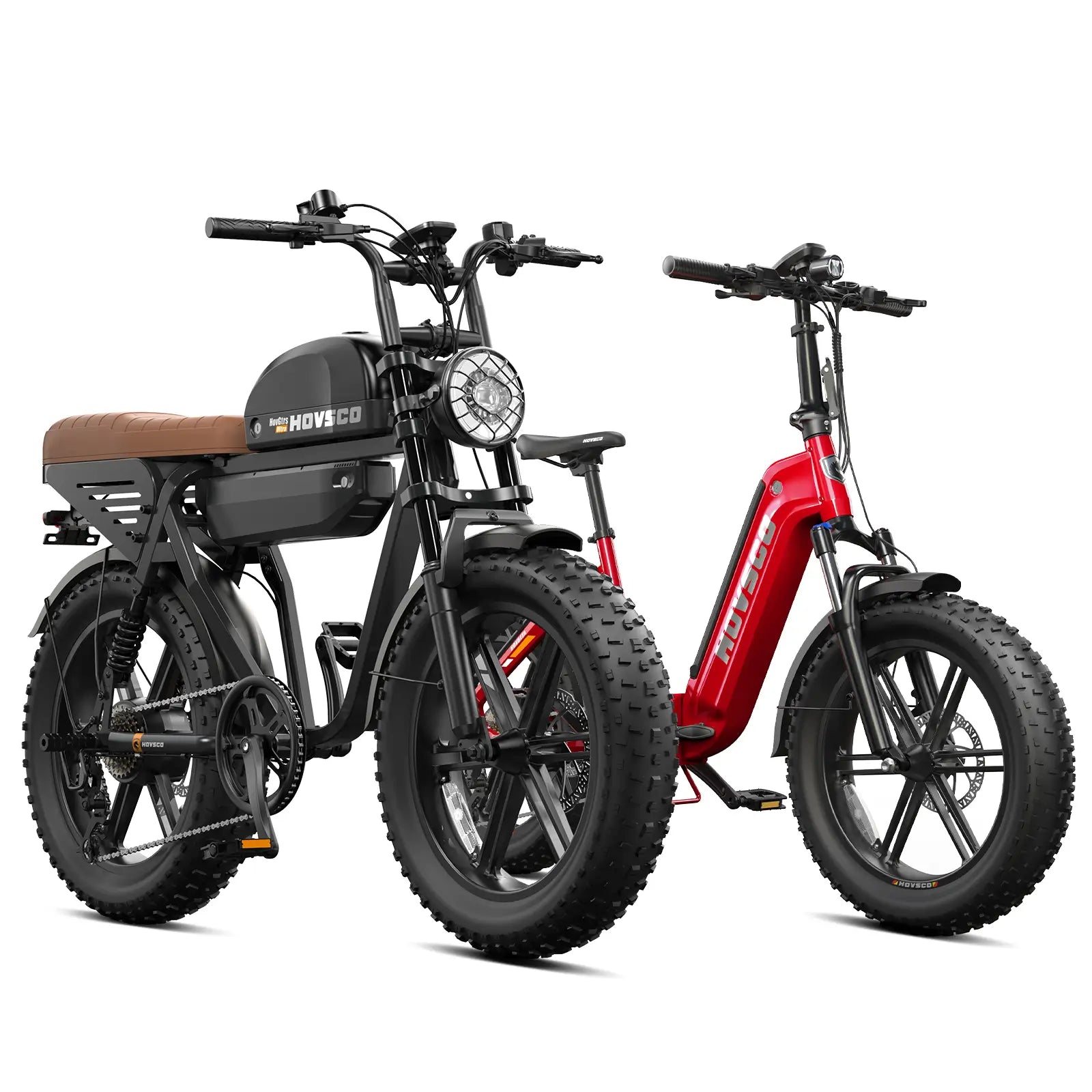
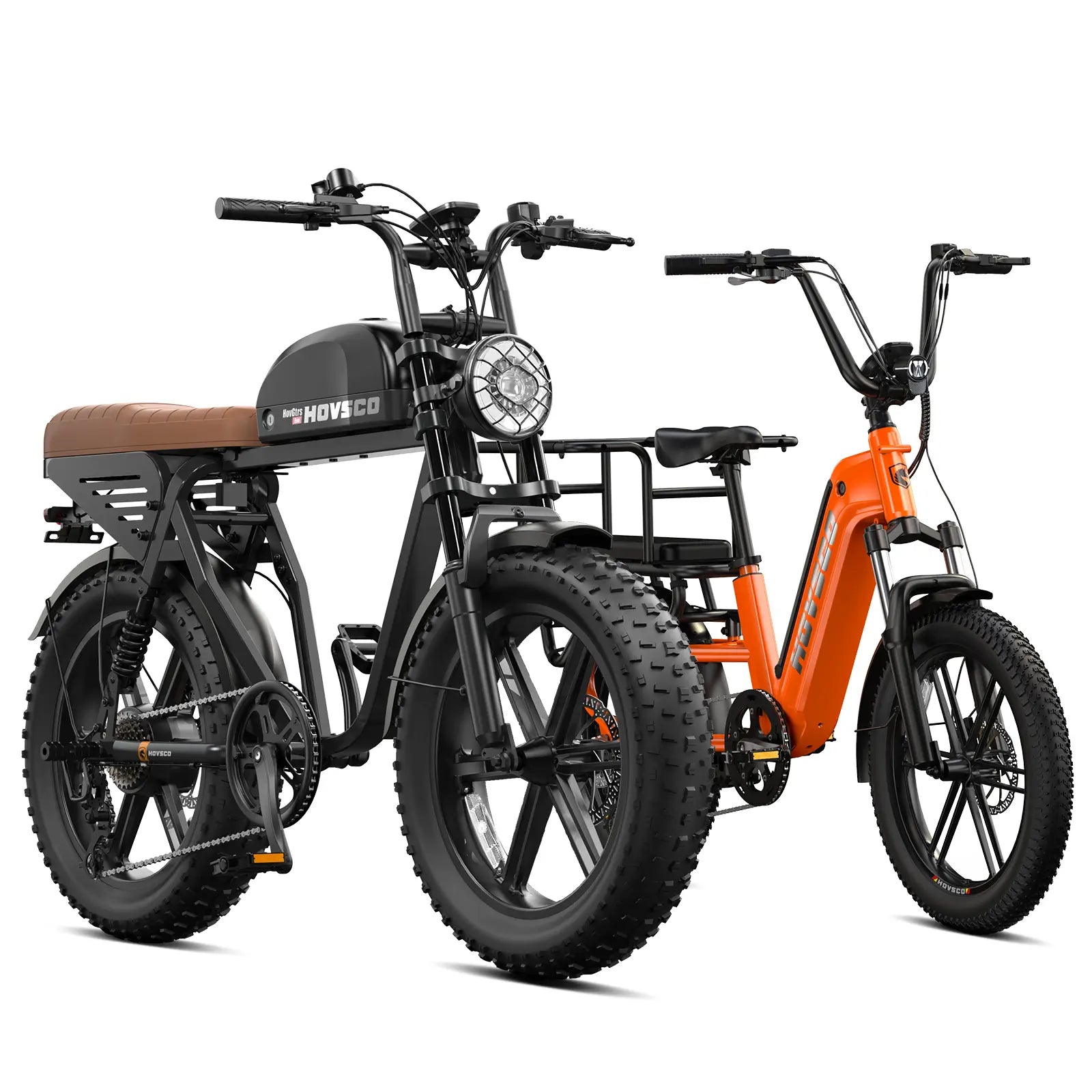
Choose HovRanger for pavement-focused commuting, HovAlpha for longer and rougher routes with a larger energy reserve, HovBeta for riders who need folding storage, and a road-appropriate HovGtrs version for high-mileage riders who want maximum battery capacity. Match the bicycle to the route and storage constraints.
HOVSCO offers different approaches rather than one “best” commuter format. The correct choice depends on mileage, surface quality, carrying needs, and whether you can store a full-size bike.
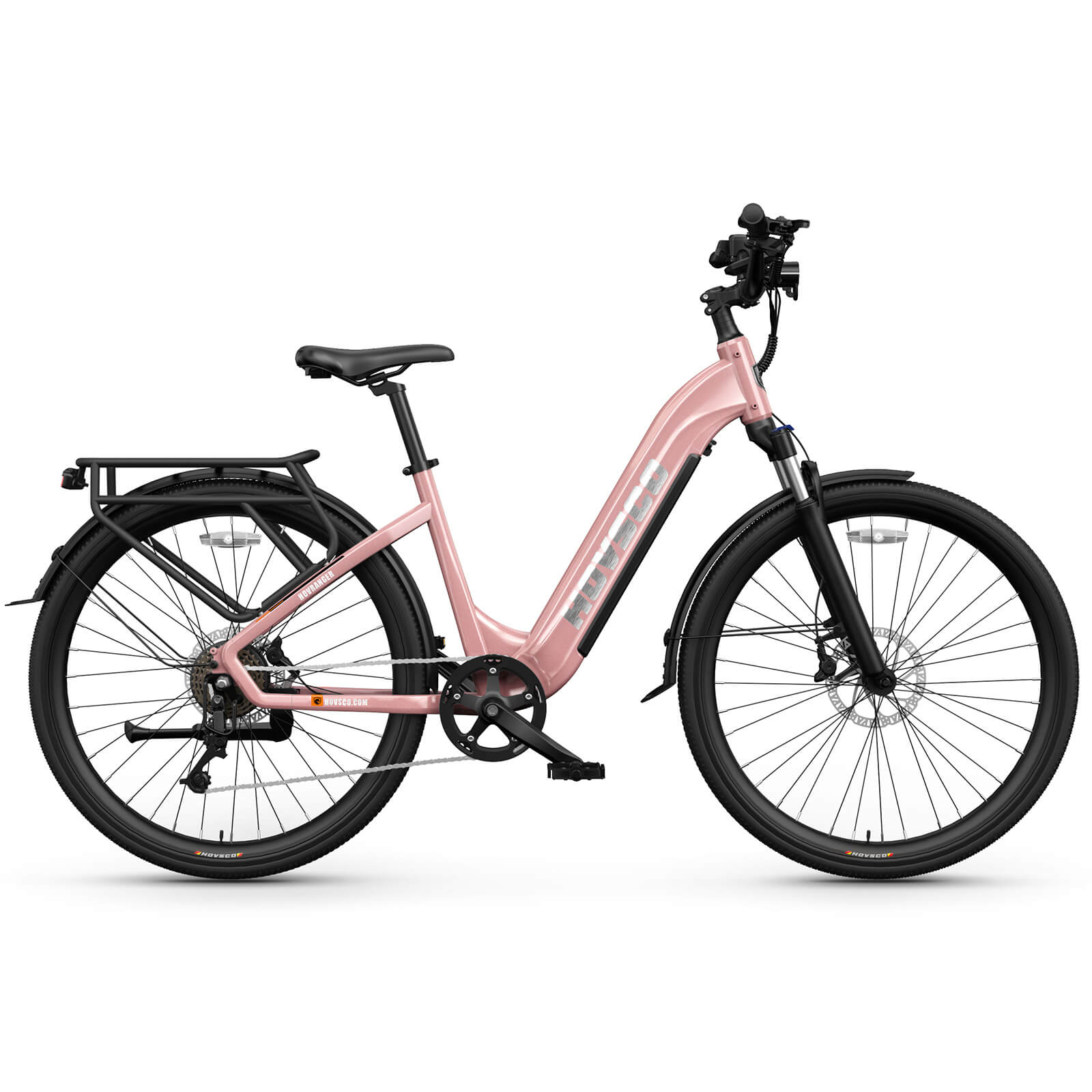
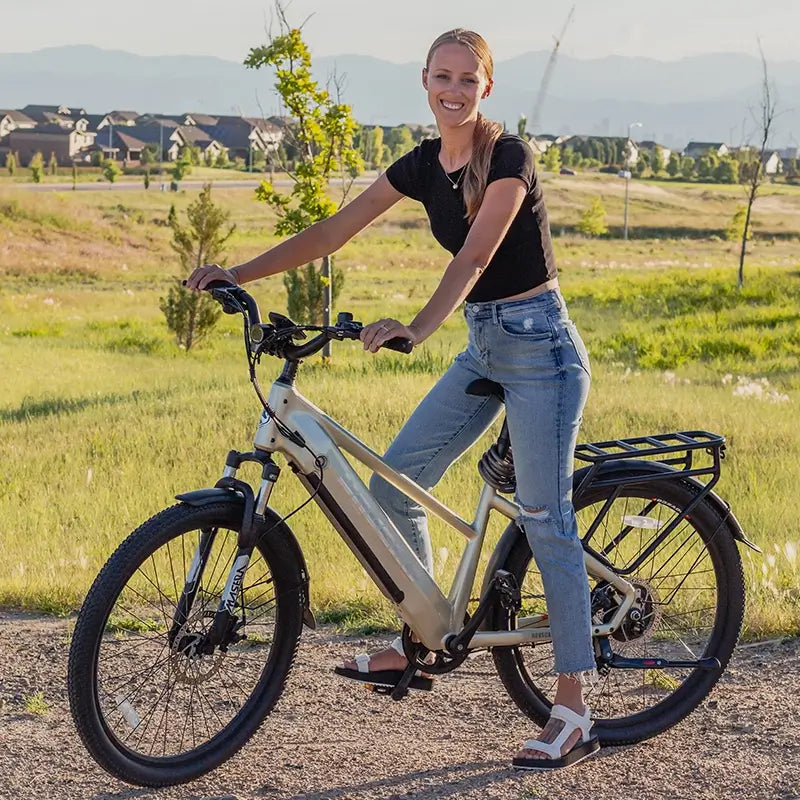
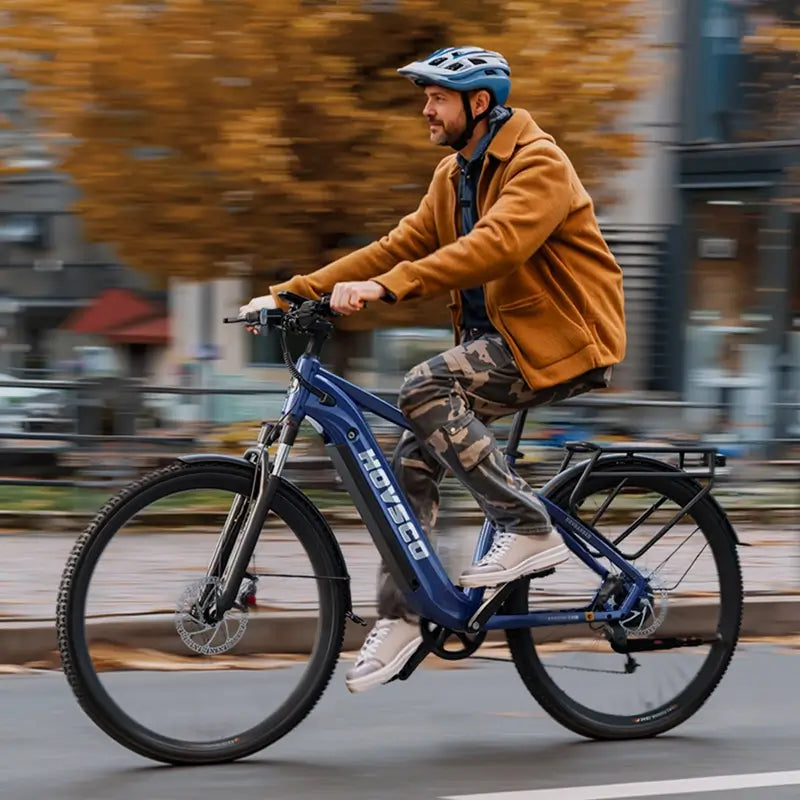
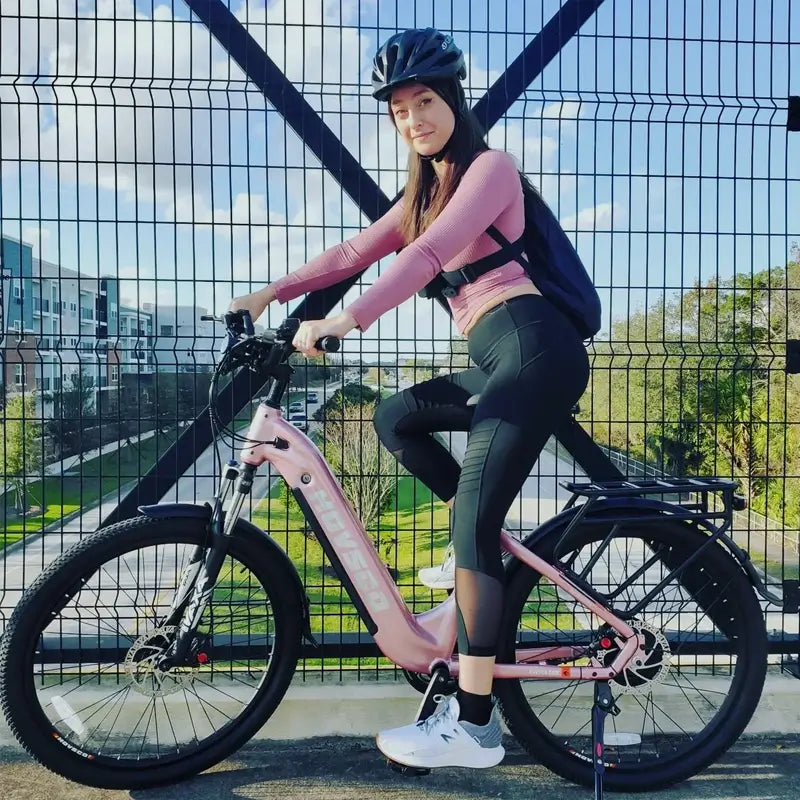
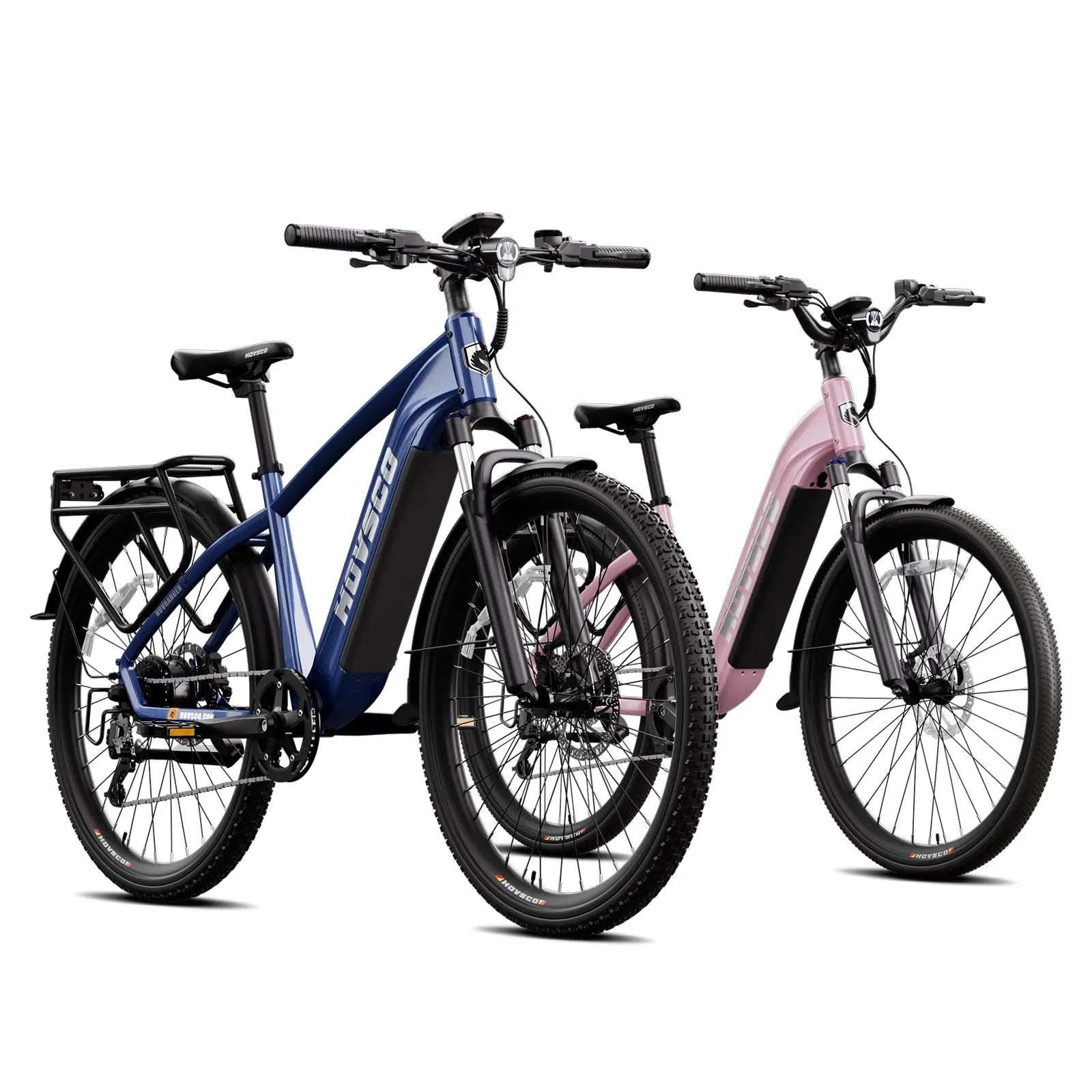
The HovRanger suits riders who spend most of their time on pavement and want a more conventional commuter silhouette. Its narrower 27.5-inch tires are more aligned with everyday urban efficiency than a full-fat-tire setup.
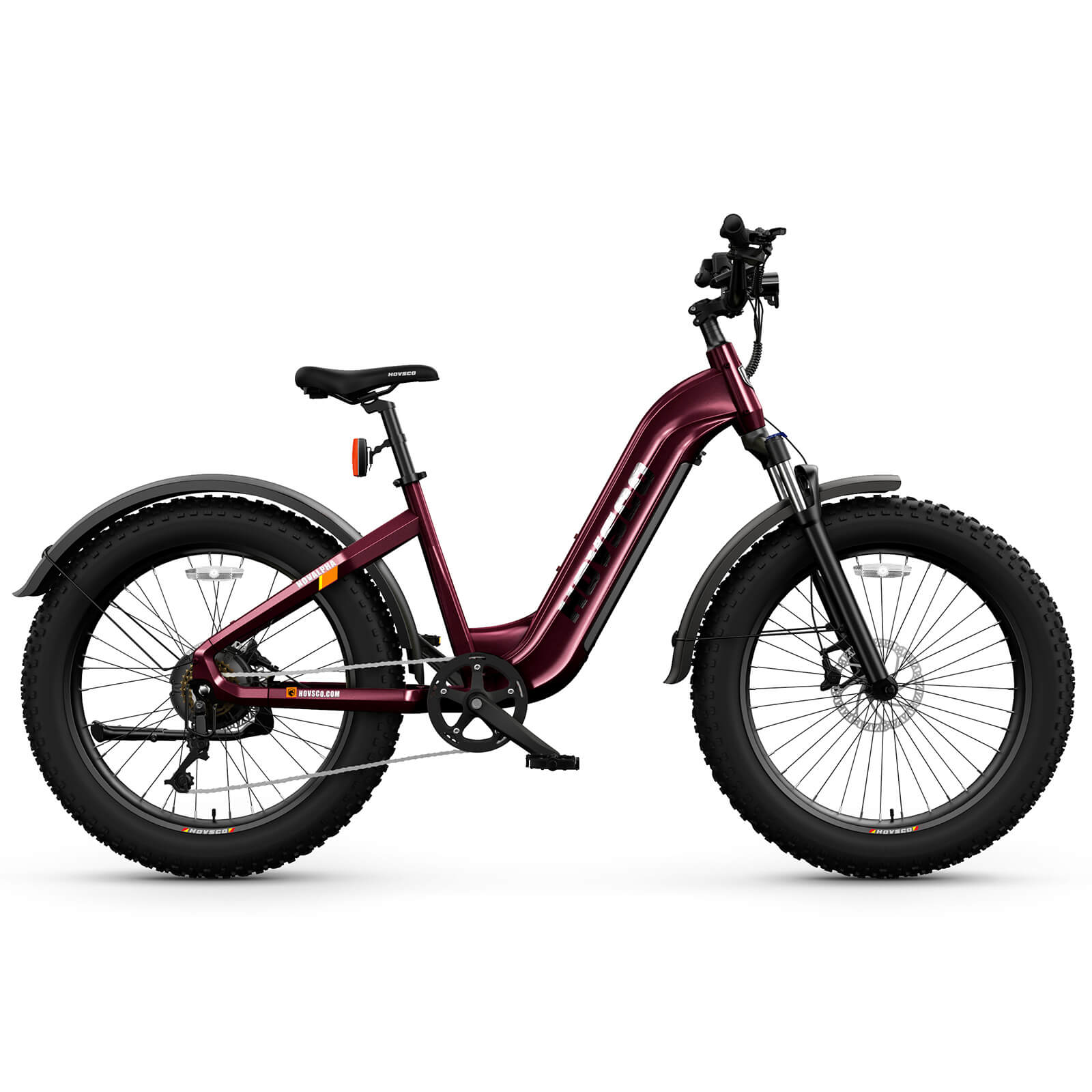
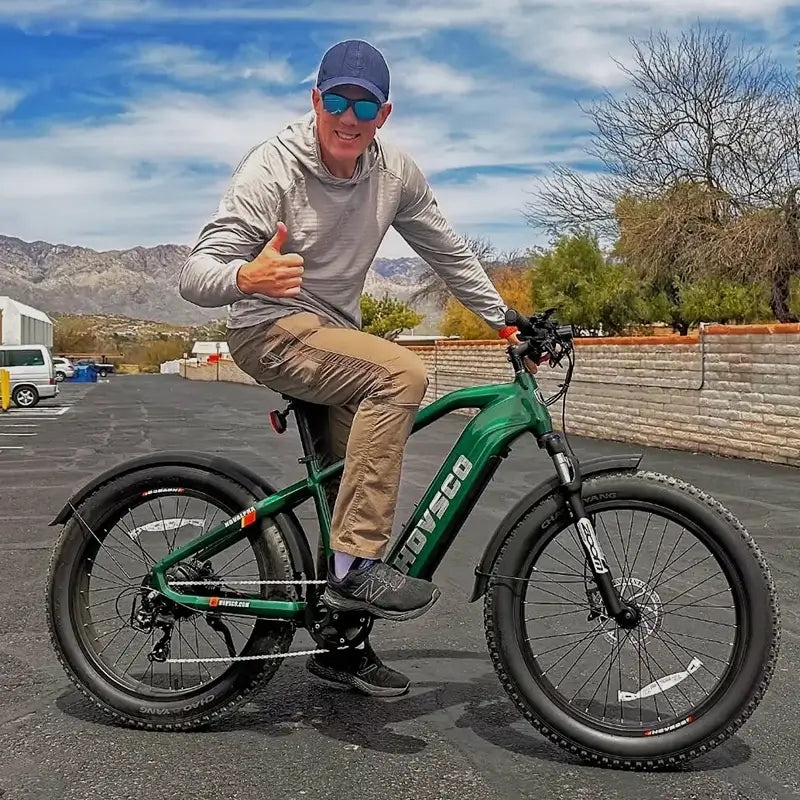
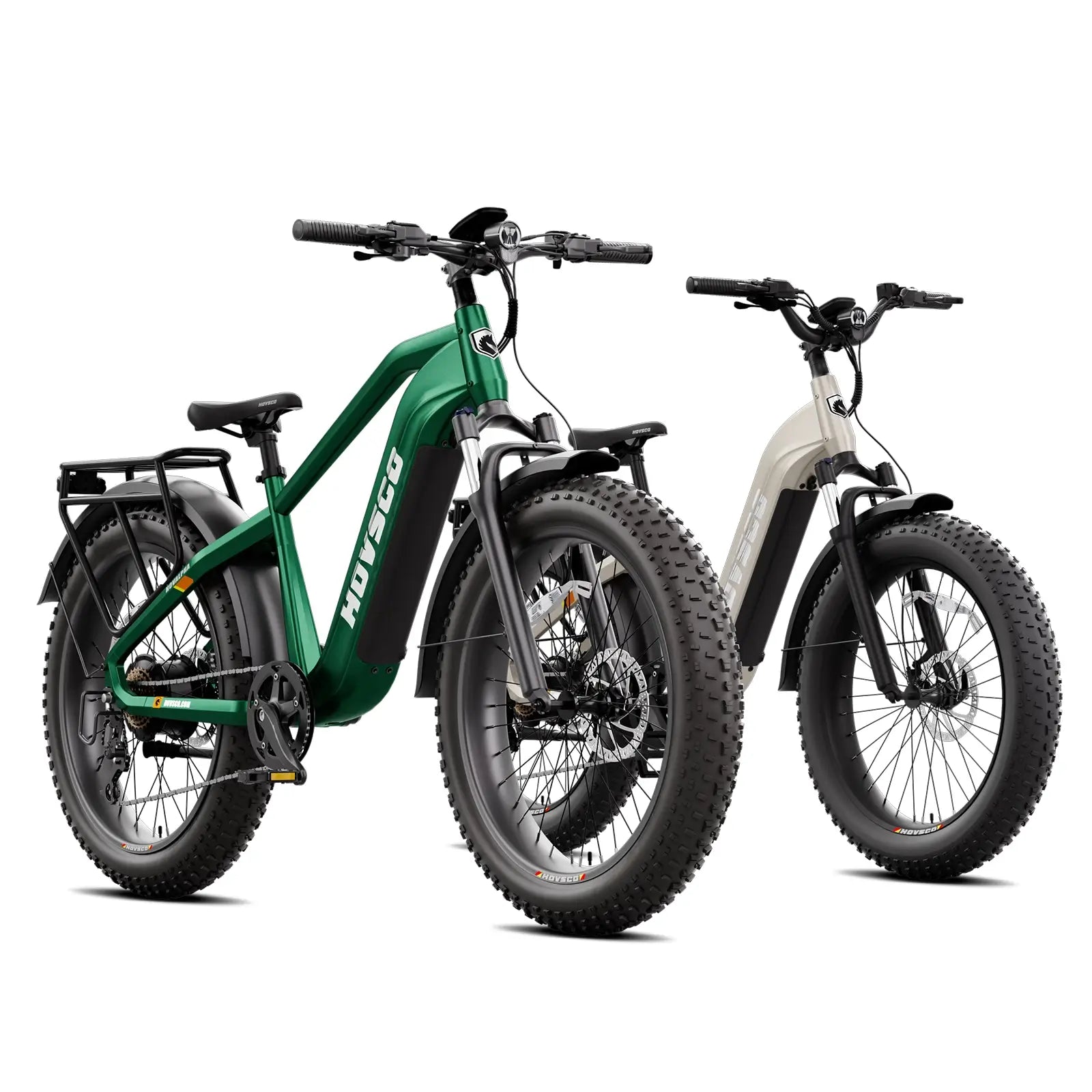
The HovAlpha is better suited to a rider who needs more battery reserve, travels on rough roads, carries heavier loads, or regularly encounters loose surfaces. Its large battery and all-terrain format can be useful, but riders should understand that wider tires generally trade some pavement efficiency for grip and comfort.
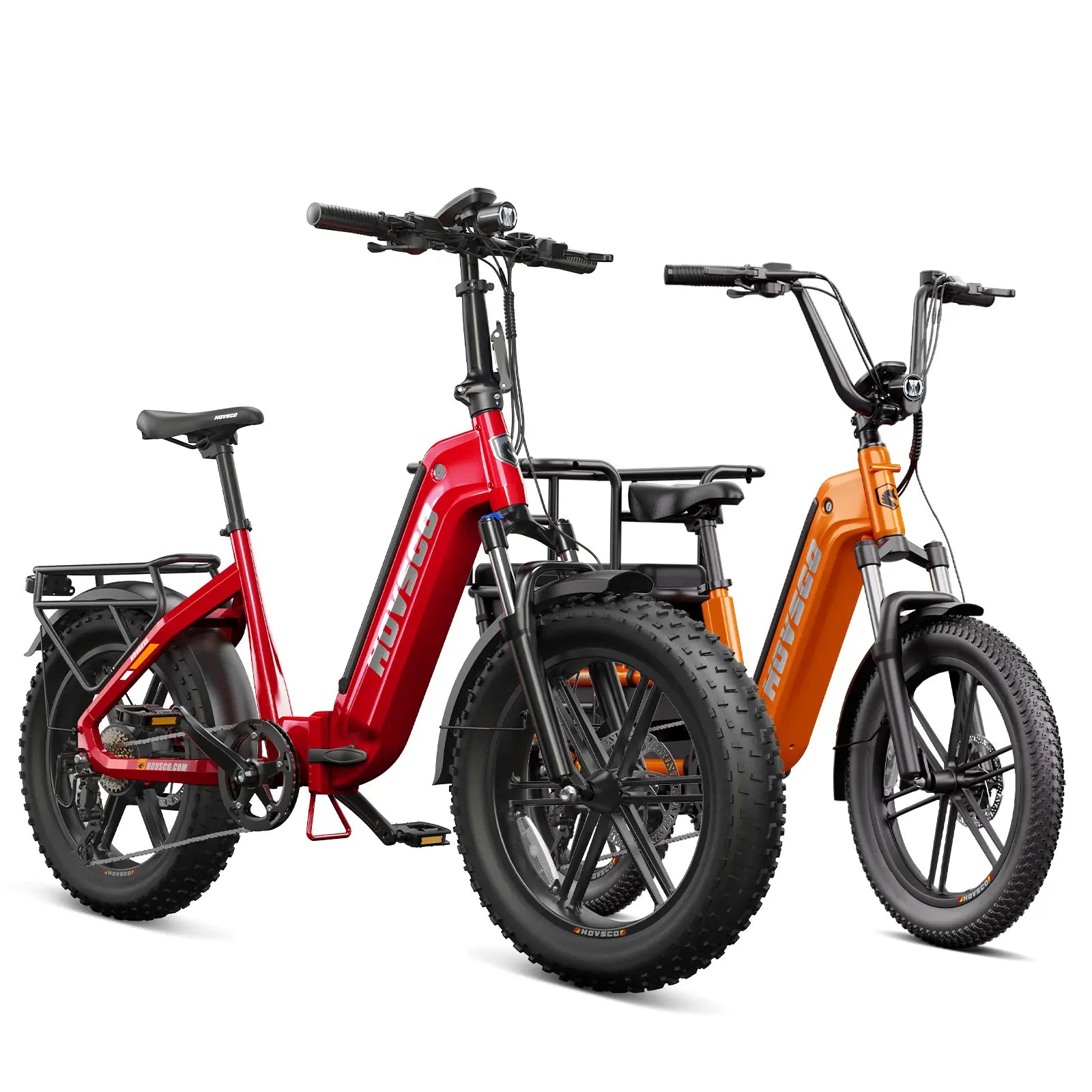
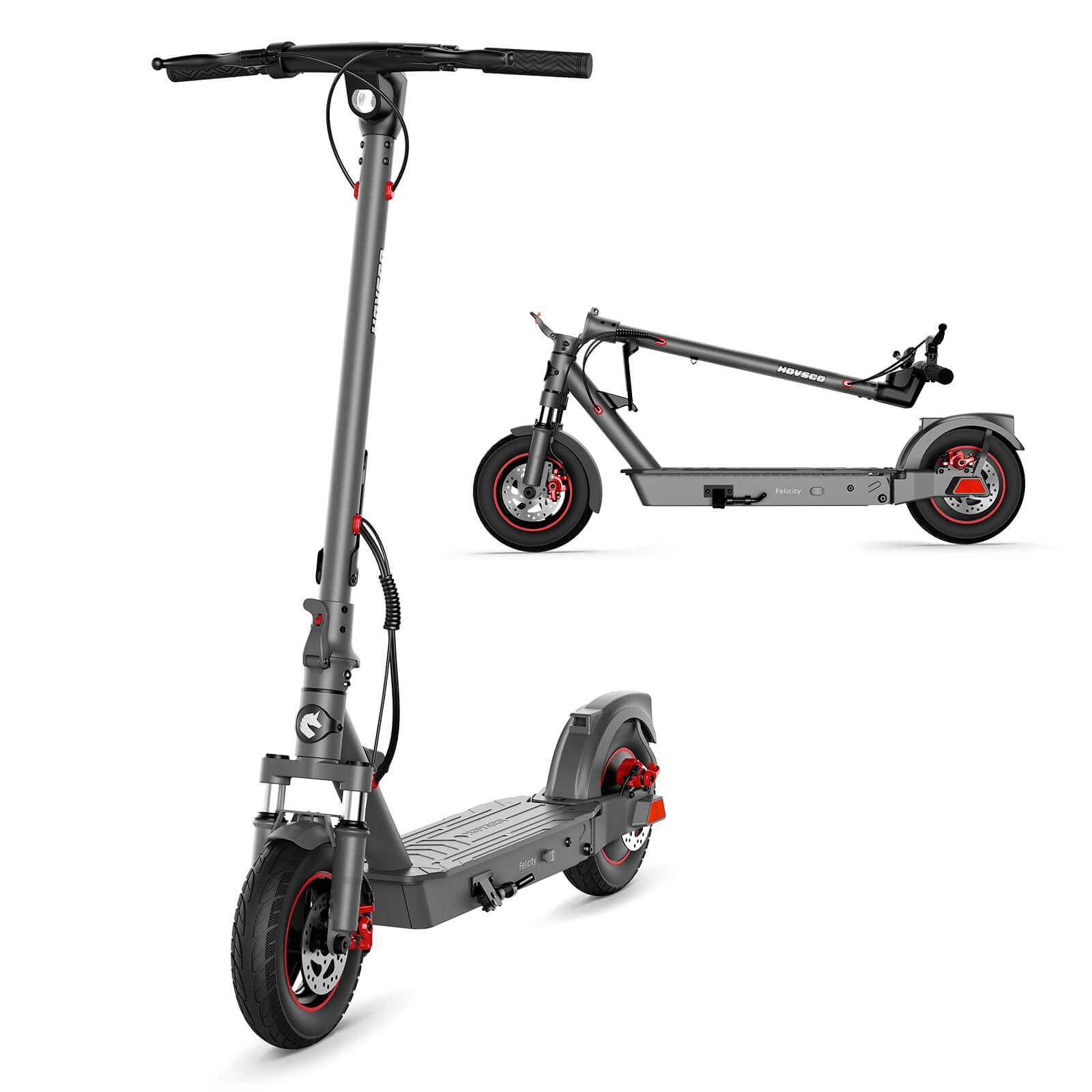
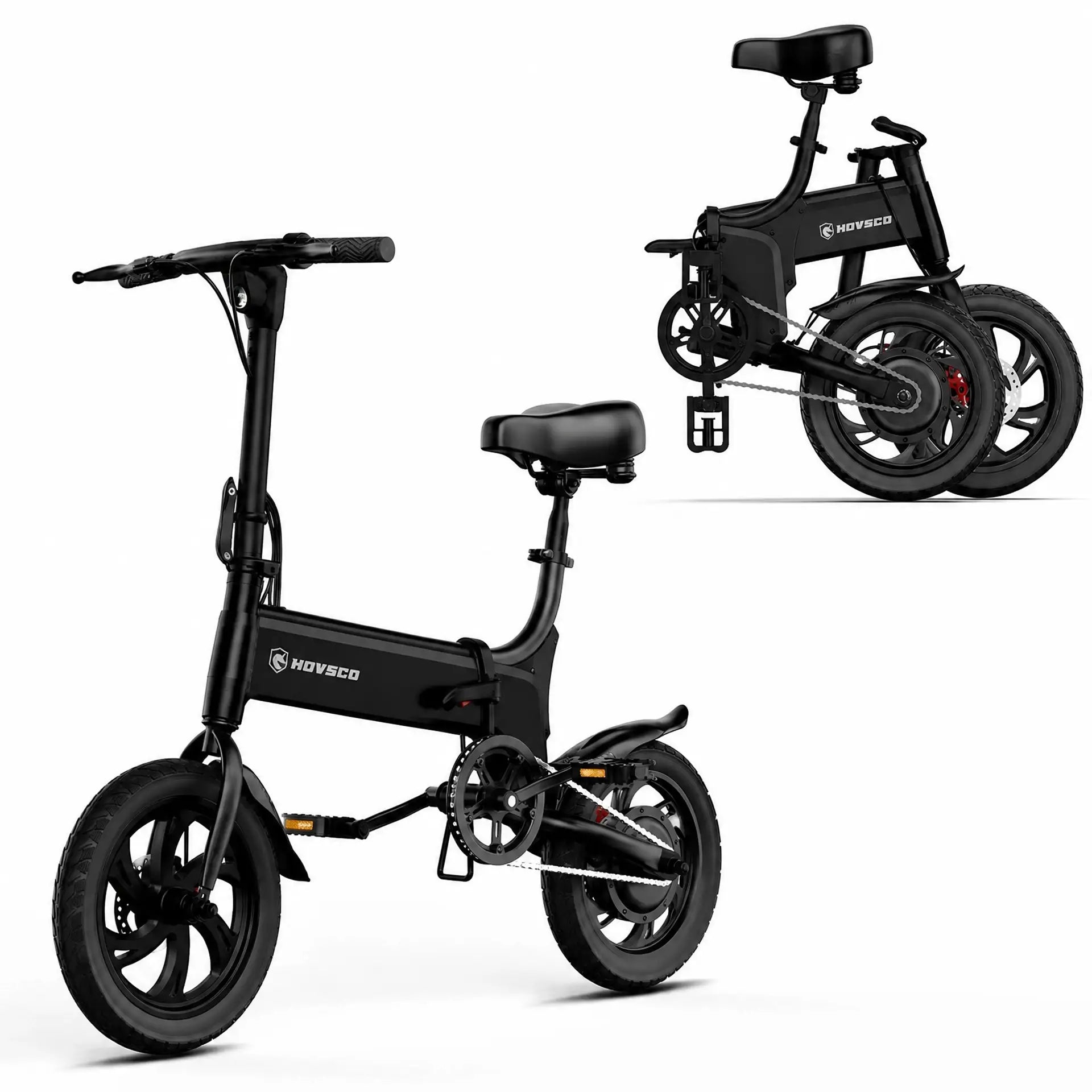
The HovBeta makes sense when storage is the decisive issue. A folding bike solves a different problem from a lighter commuter: it can fit a smaller apartment, vehicle trunk, or mixed-mode commute. Test the folded dimensions and lifting routine honestly, because a folding e-bike is still substantial in weight.
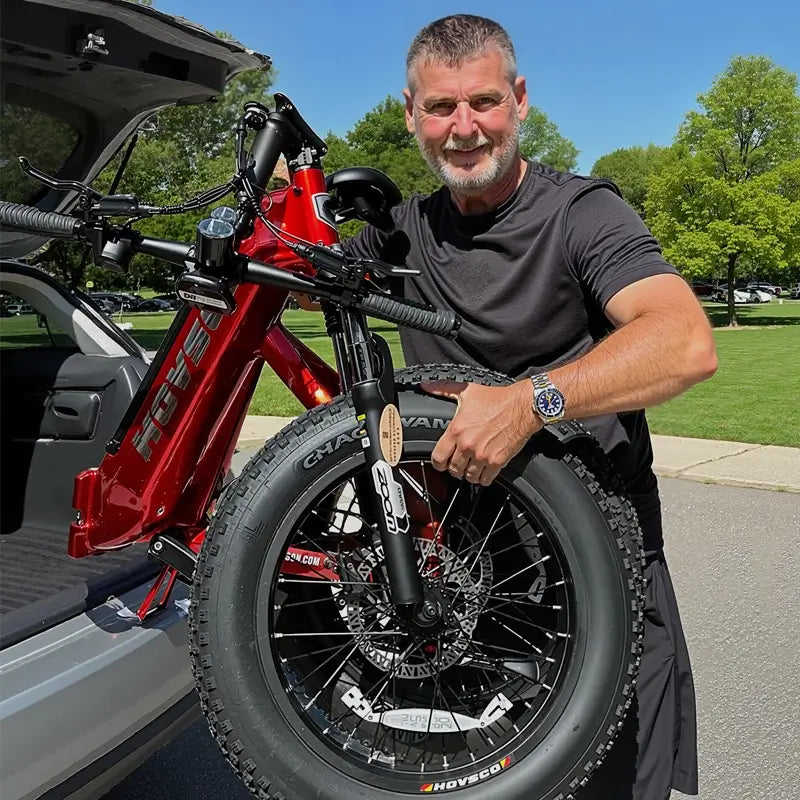
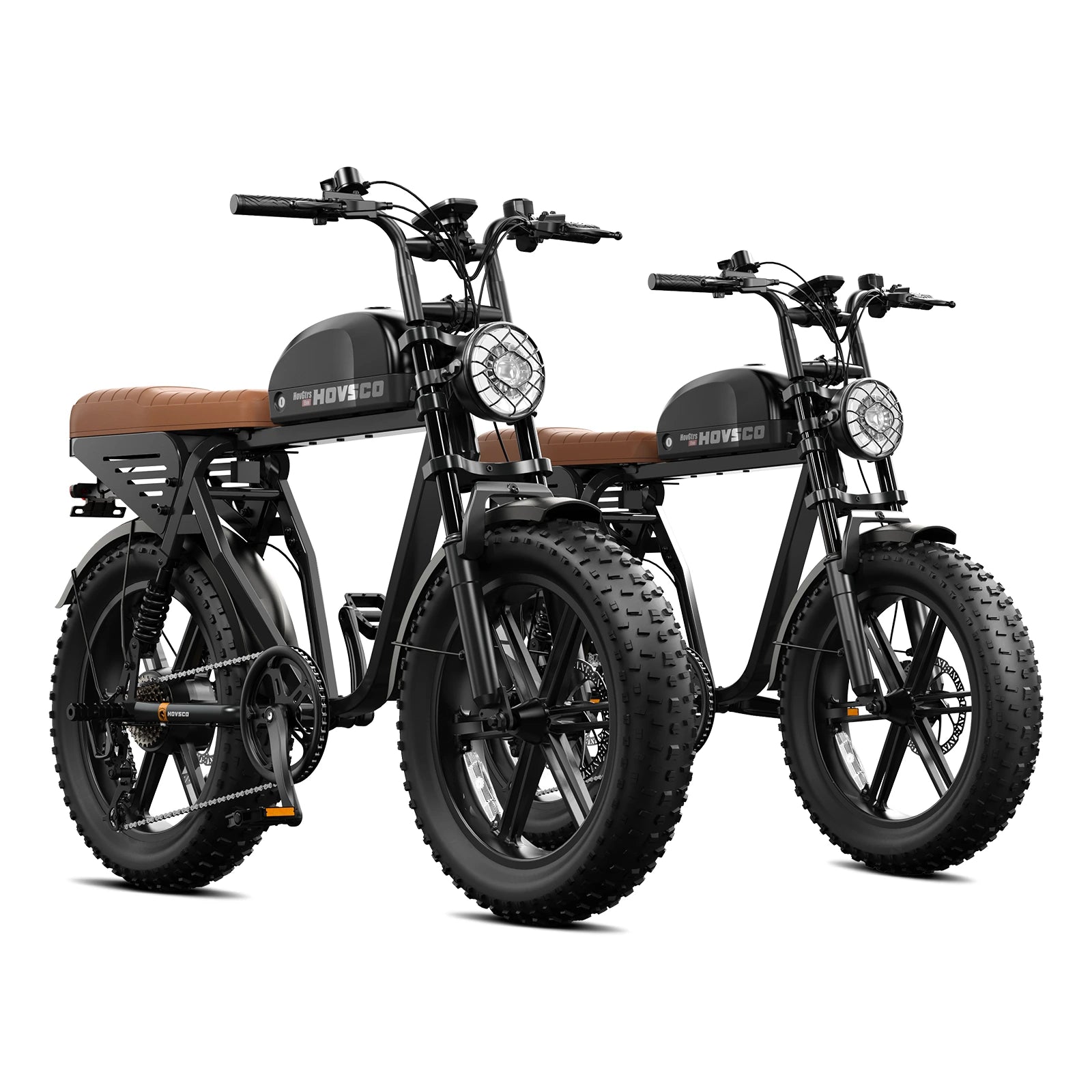
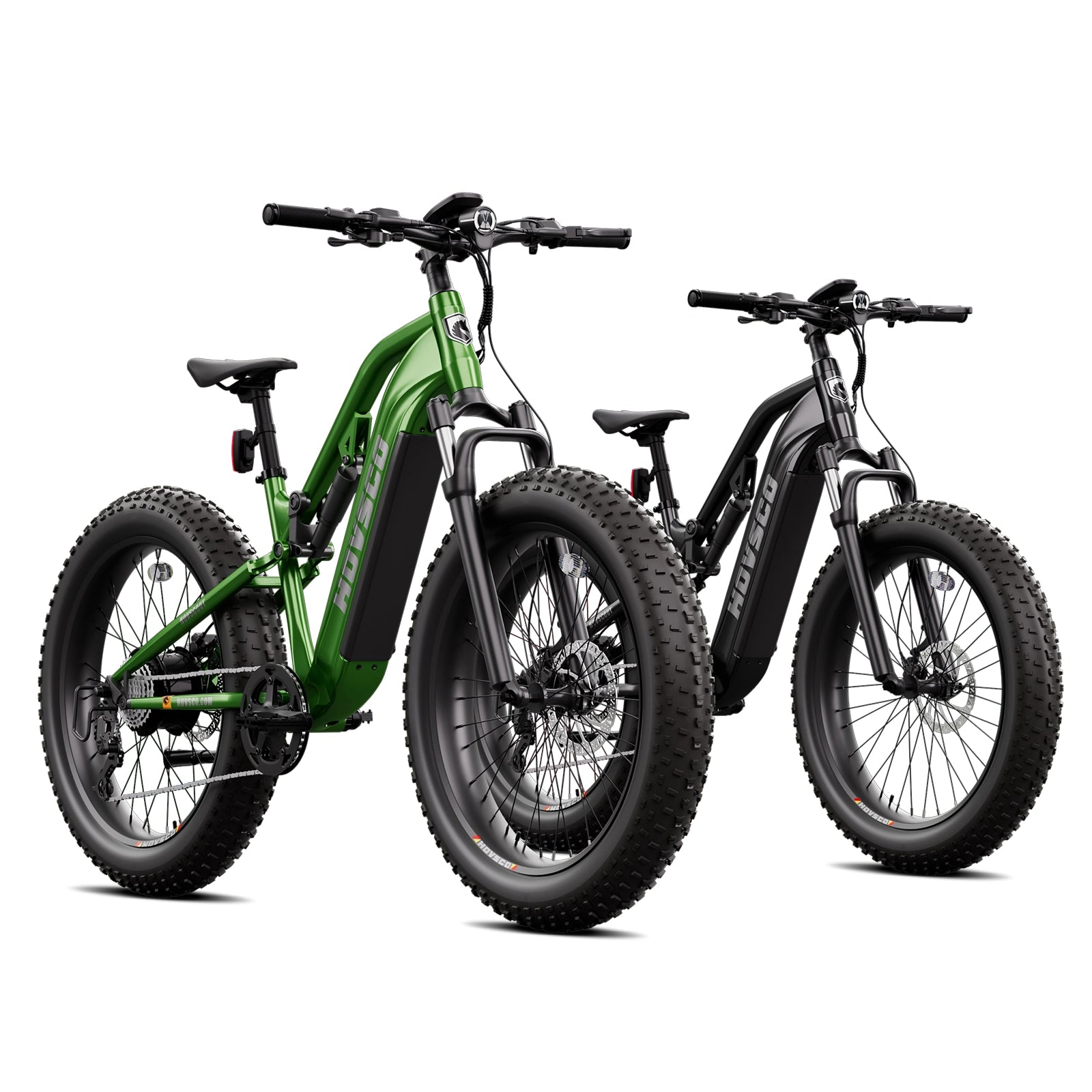
For the longest paved commutes, choose the HovGtrs version whose battery capacity, seating position, speed setting, and local e-bike classification fit your route. High capacity is valuable, but riders should still confirm legal access rules for bike paths, shared trails, and road infrastructure.
Test your real route, verify charging and storage, compare usable battery capacity, and choose the bike you can ride comfortably five days a week. Make the purchase decision from your weekday conditions, not from a single idealized weekend ride.
Use this final checklist:
Calculate normal round-trip miles plus a 30–40% reserve.
Confirm where and when you will charge.
Choose a battery size that supports your hardest regular day.
Check whether the riding position is comfortable after at least 20 minutes.
Match tire width to pavement, weather, and surface conditions.
Prioritize hydraulic brakes, lights, fenders, and rack compatibility.
Verify bike weight, storage dimensions, and elevator or stair access.
Confirm local rules for e-bike class, speed, and trail access.
Ask about parts, battery availability, and warranty support.
The best answer to how to choose long range commuter ebike is simple: buy enough range for reality, not optimism. HOVSCO riders should select the model that supports their actual road surface, storage space, cargo needs, and charging routine—then preserve a meaningful reserve for the days when weather, traffic, or life changes the plan.
How much e-bike range do I need for a 20-mile commute?
For a 20-mile round trip, target at least 30 miles of realistic range. If you face hills, wind, cold weather, frequent throttle use, or carry cargo, choose a larger reserve—often a 600Wh to 750Wh battery or more.
Can I charge an e-bike battery at my office?
Yes, if your employer permits it and you use the correct charger in a dry, supervised location. A removable battery is convenient, but avoid blocking walkways, using damaged outlets, or charging a visibly damaged battery.
Is a fat-tire e-bike good for commuting?
It can be excellent for rough pavement, gravel, wet conditions, snow, and riders who value stability. On smooth pavement, a narrower tire usually feels more efficient and may deliver better range.
Does a bigger motor always mean longer range?
No. A bigger motor can improve hill climbing and acceleration, but it can also use more energy when ridden aggressively. Battery watt-hours, rider input, route conditions, tire pressure, and assist level have major effects on range.
Which is better for commuting: HovRanger or HovAlpha?
Choose HovRanger for primarily paved commuting and a more conventional city-bike feel. Choose HovAlpha when you need greater battery reserve, fat-tire traction, more cargo capacity, or a more versatile mixed-surface setup.
Share:
How Do You Choose an E-Bike for Grocery Shopping?
How to Choose a 750W Electric Bike?