


![[ New Arrival ] Porto Max Electric Scooter For Commute & Grocery Shopping - HOVSCO](http://www.hovsco.com/cdn/shop/files/PotroMax-3.jpg?v=1706927007&width=1200)
- by SteveJames
How to Choose a 750W Electric Bike?
- by SteveJames
E-Bikes
Accessories
 Free Shipping
 15-Day Returns
 2-Year Warranty
Free Shipping
15-Day Returns
2-Year Warranty
2-Year Warranty
Free Shipping
15-Day Returns
2-Year Warranty
A 750W electric bike should be chosen by checking its rated continuous power first, then comparing peak power, torque, battery capacity, brakes, frame purpose, and local regulations. The best option is not automatically the bike with the largest watt figure; it is the one whose motor system, chassis, and legal configuration fit your actual terrain, cargo, distance, and riding style.
When researching how to choose 750w electric bike options, begin with the sustained motor rating rather than the largest peak-power number. A properly configured 750W platform can provide confident assistance for commuting, hills, heavier riders, and cargo, but its real-world performance depends on the complete electrical and mechanical system.
Rated 750W power is the output a motor is designed to deliver continuously under defined conditions. Peak power is a temporary higher output for acceleration or steep climbs, while the rated figure is the more meaningful starting point for comparing e-bikes.
A watt number alone does not explain how an e-bike will feel on the road. In professional product evaluation, I assess the complete power path: battery voltage, controller current limit, hub-motor design, wheel diameter, rider weight, cargo load, and the motor’s ability to shed heat.
For example, a 750W rear hub motor in a 20-inch wheel can feel noticeably more forceful at low speed than a similar motor in a 26-inch wheel. The smaller wheel gives the system more leverage at the contact patch, which can help with starts, stop-and-go riding, and moderate climbing.
Do not confuse a motor’s peak number with its rated number. A bike described as 1,300W peak and 750W sustained may offer useful short bursts while retaining a clearly stated 750W continuous platform. That is more informative than a product page that promotes a large peak number but does not disclose the motor’s sustained output.
Continuous power is what the motor can sustain over time without excessive heat, while peak power is a short burst available for acceleration, steep grades, or heavier loads. Continuous power matters more for long climbs, frequent cargo riding, and consistent day-to-day use.
Peak output is useful when a rider needs to move decisively from a stop or carry momentum through a steep section. However, peak figures are not always measured under identical conditions across brands, so they should not be the only comparison point.
The real test is what happens after the first burst of acceleration. A motor that feels very strong for a minute but softens halfway through a sustained hill may be responding to heat protection, battery voltage drop, controller limits, or a combination of all three.
When comparing e-bikes, look for clear information about these specifications:
Rated or sustained motor power
Peak motor power
Battery voltage and capacity
Battery watt-hours
Torque in newton-meters
Motor position
Pedal-sensor type
Payload capacity
Brake system
A 48V battery platform is common on rated 750W e-bikes because it can provide the needed power with less current than a lower-voltage design. Lower current can reduce stress on electrical components, but the battery cells, wiring, connectors, and controller tuning still determine whether the bike delivers smooth assistance under load.
Torque is the twisting force that turns the wheel, making it especially important for low-speed starts, hills, loose terrain, and loaded riding. For a 750W e-bike, compare torque alongside wheel size, rider weight, cargo demands, and the motor’s sensor system.
Torque is usually listed in Nm, but it should not be considered in isolation. A higher torque number can help, yet actual climbing performance is also affected by slope length, tire pressure, surface grip, battery charge, temperature, rider effort, and controller programming.
For many mixed-use riders, a system producing around 85Nm can offer substantial hill-start assistance. A 90Nm specification can be especially useful for cargo riding, rough terrain, or riders who expect to handle heavier loads. The goal is not to buy the largest number available; it is to select enough low-speed force for your toughest recurring route.
One factory-floor reality is that slow climbing creates heat. Hub motors cool better when the wheel is moving quickly. On a long, slow ascent with cargo or a heavier rider, use a lower gear and continue pedaling rather than relying entirely on throttle or maximum assist. That approach reduces heat buildup and can preserve both range and component life.
A suitable battery for a 750W e-bike needs adequate voltage, stored energy, current-delivery capability, and a reliable battery-management system. Compare watt-hours, not only amp-hours, because watt-hours show the battery’s total stored energy more clearly.
Battery energy can be calculated as:
A 48V 15Ah battery provides approximately 720Wh of energy. A 48V 20Ah battery provides approximately 960Wh. Neither figure guarantees a fixed range, because range changes with rider weight, terrain, wind, tire pressure, assist level, temperature, cargo, and throttle use.
In real-world testing, voltage stability under load is often more important than riders expect. A battery may display a high charge level when stationary but lose voltage more quickly when asked to support a hard uphill pull. A well-matched battery, motor, and controller maintain more predictable assistance instead of delivering a strong initial surge followed by a weak climb.
Choose a removable battery if you need indoor charging, live in an apartment, or regularly exceed a short commuter distance. Store the battery in a dry, moderate-temperature space, and avoid leaving it fully depleted for extended periods.
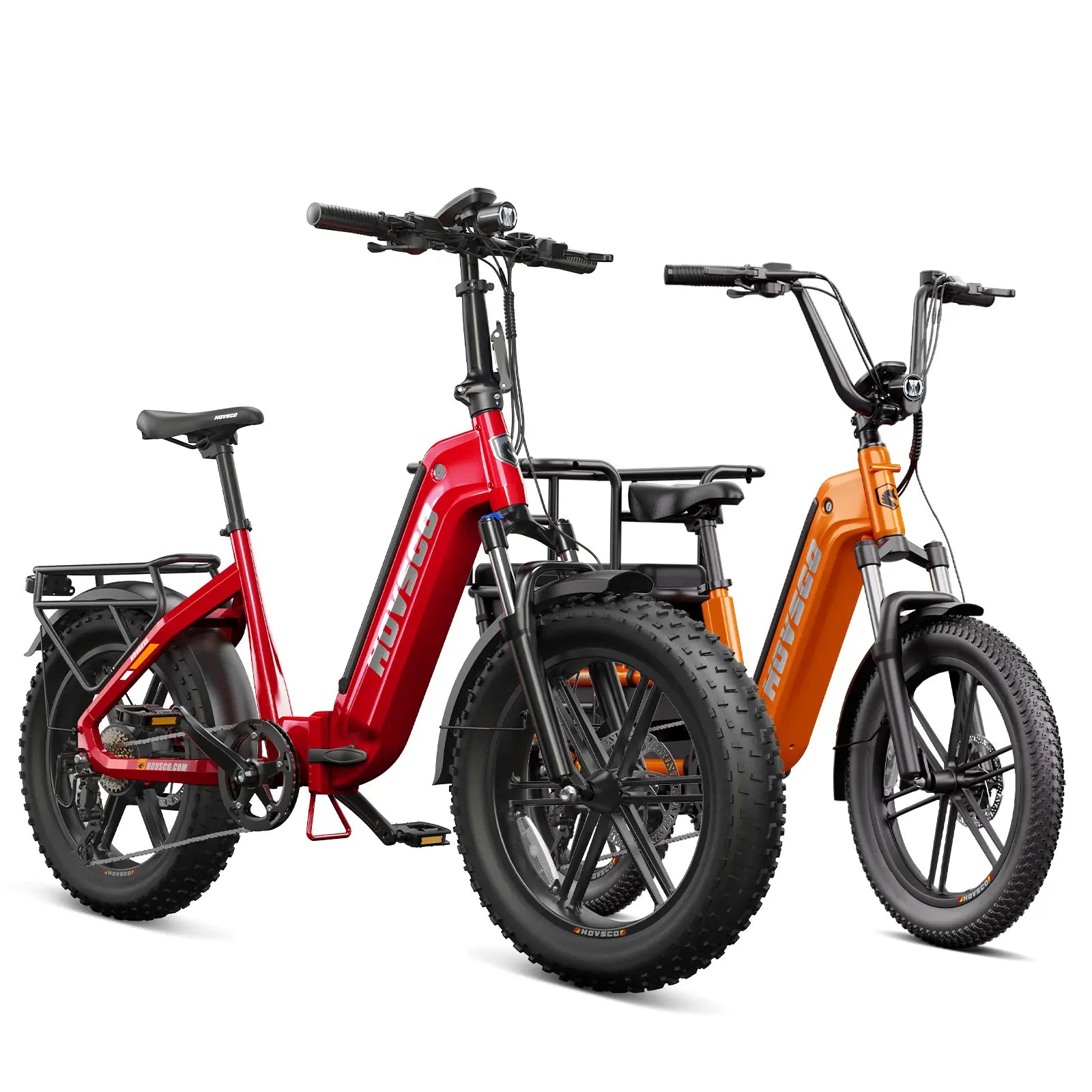
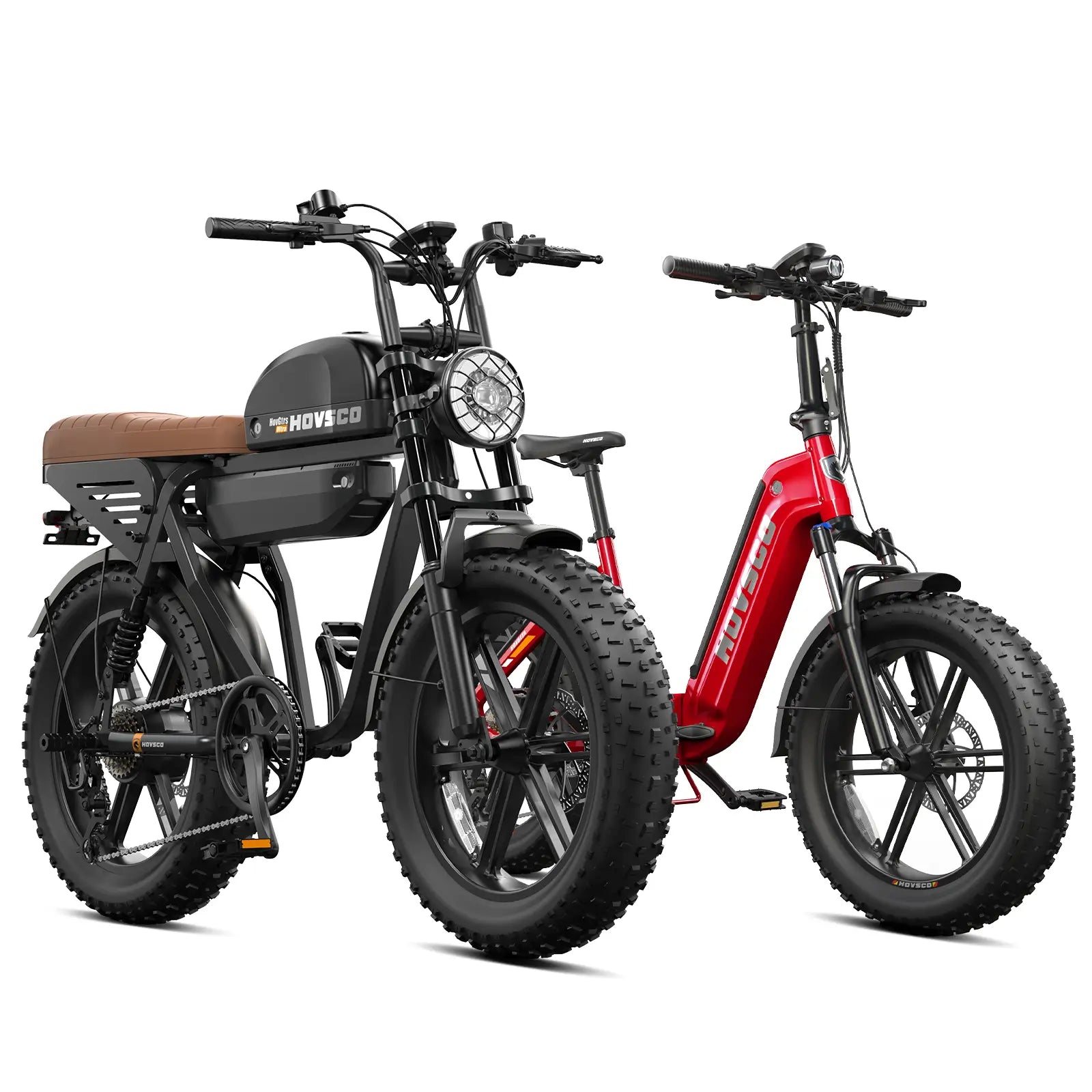
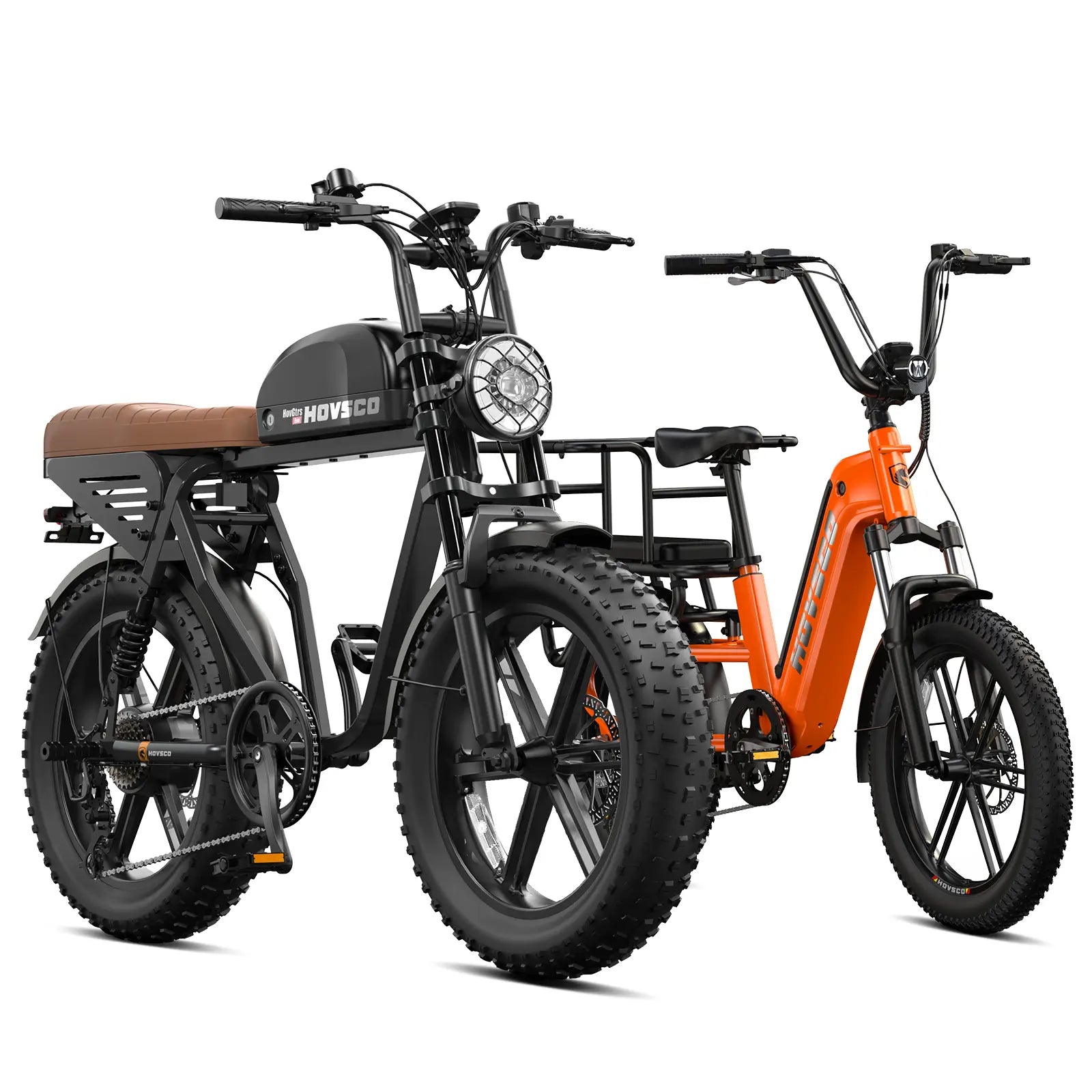
Choose a HOVSCO 750W model according to the work it must do: cargo transport, long-range riding, compact storage, or rough-surface comfort. Comparing models with clearly stated 750W sustained motor ratings creates a more useful basis than comparing peak-power claims alone.
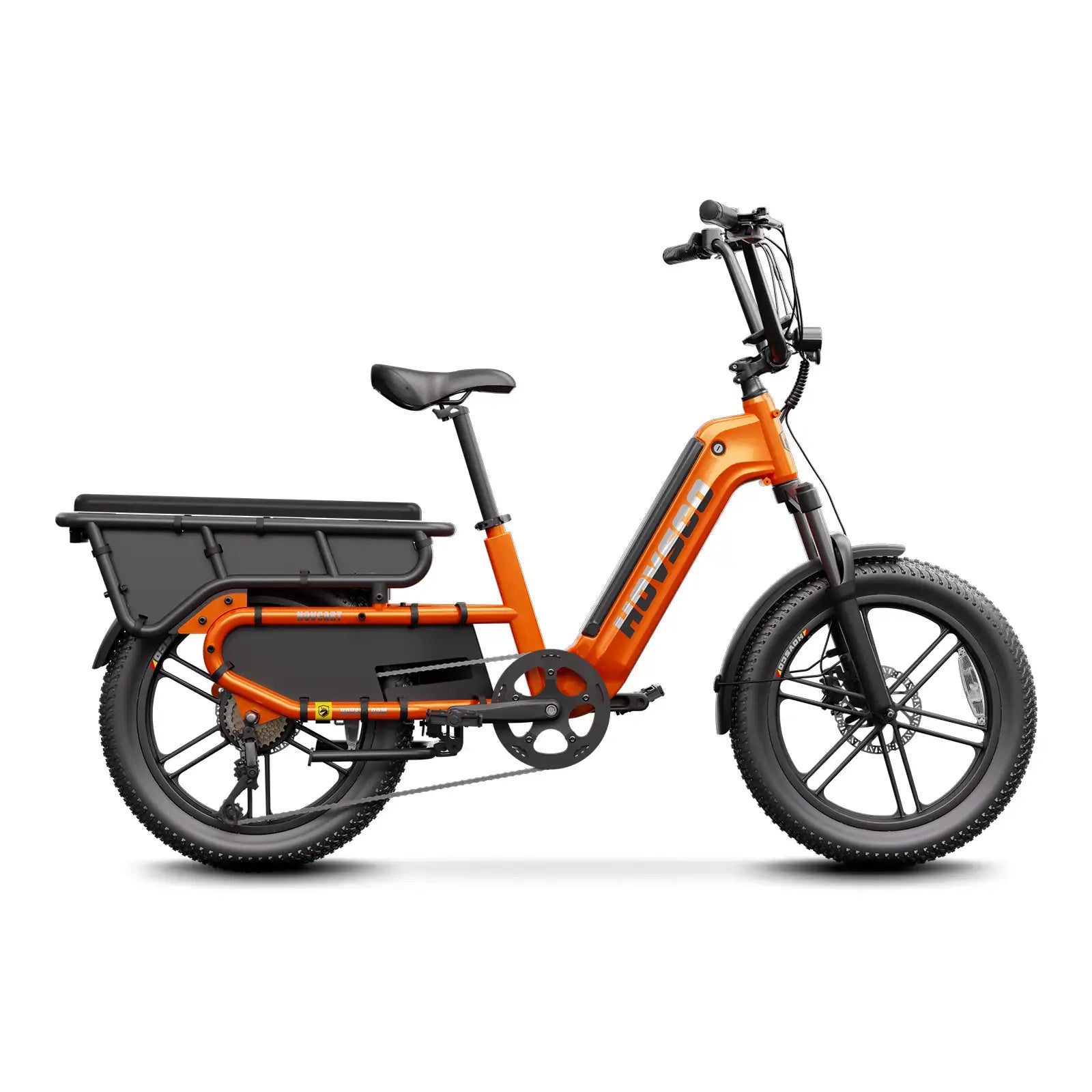
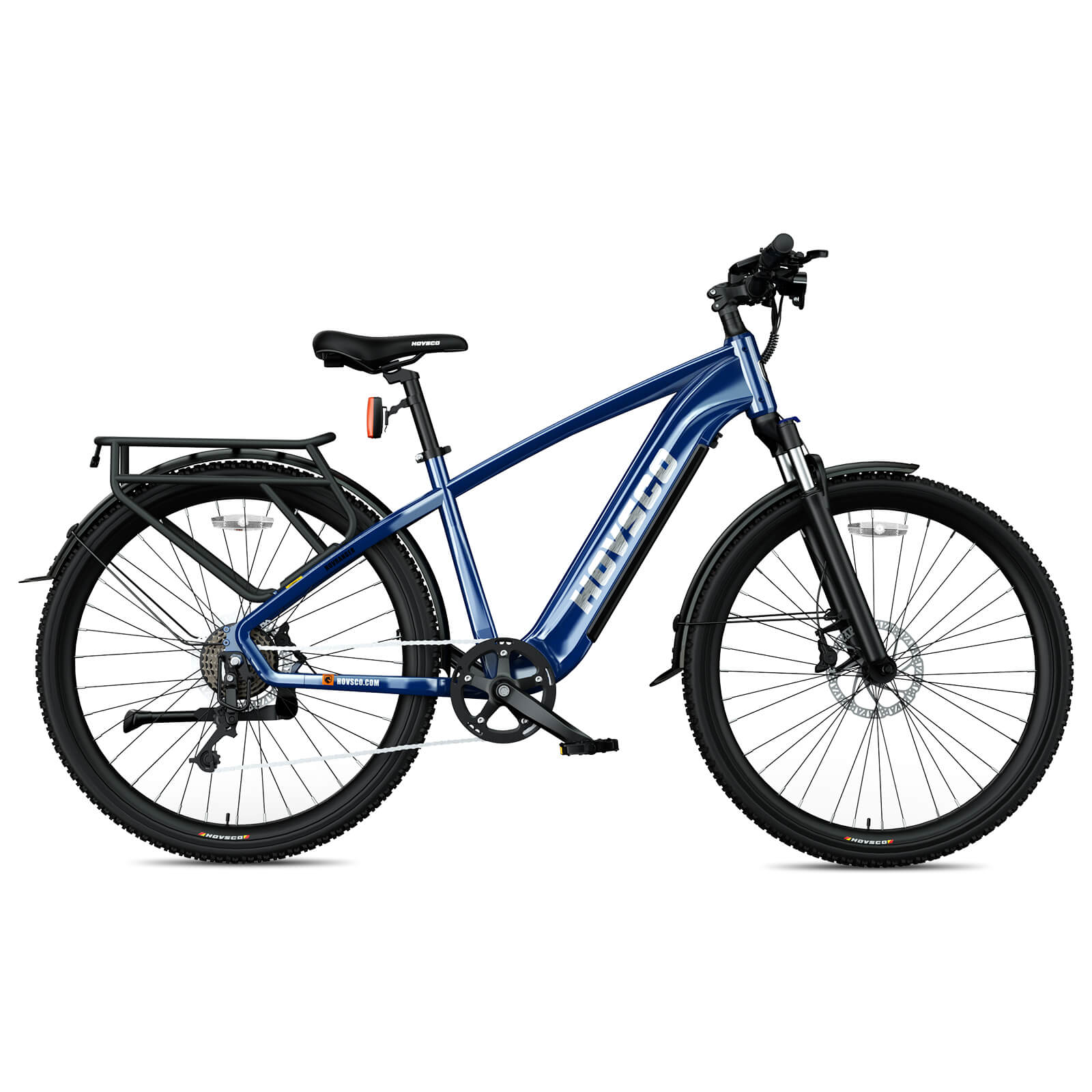
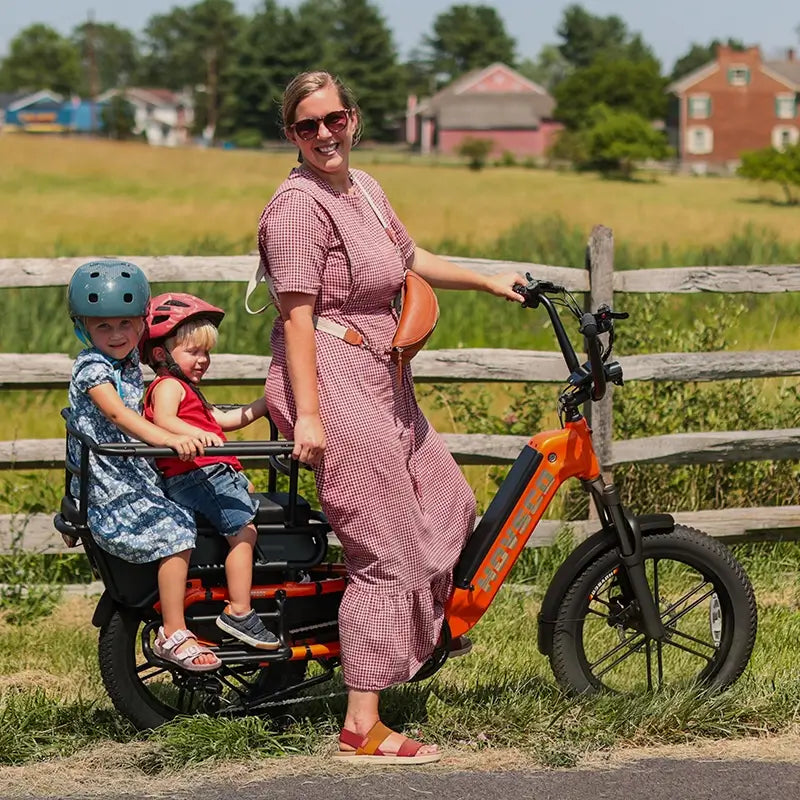
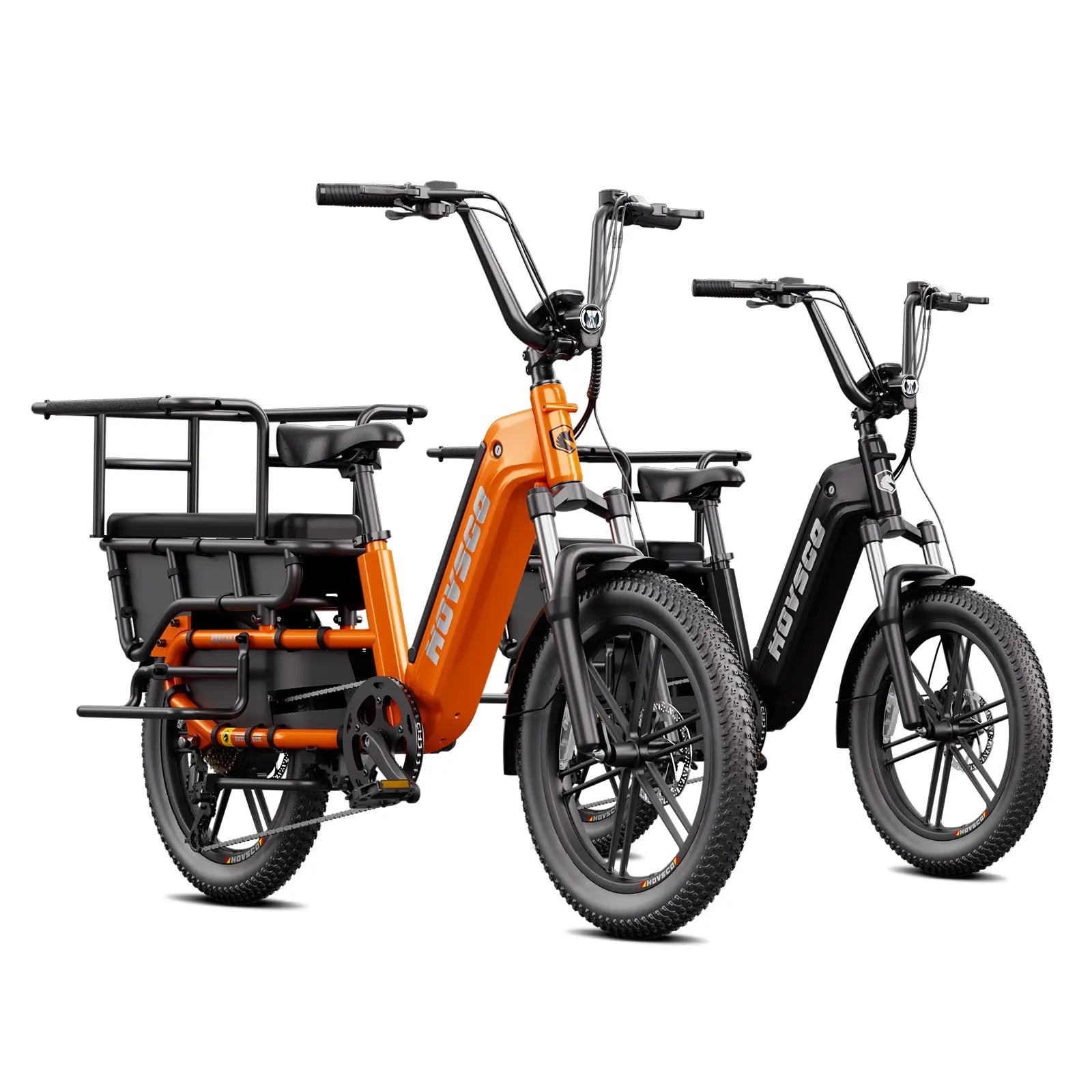
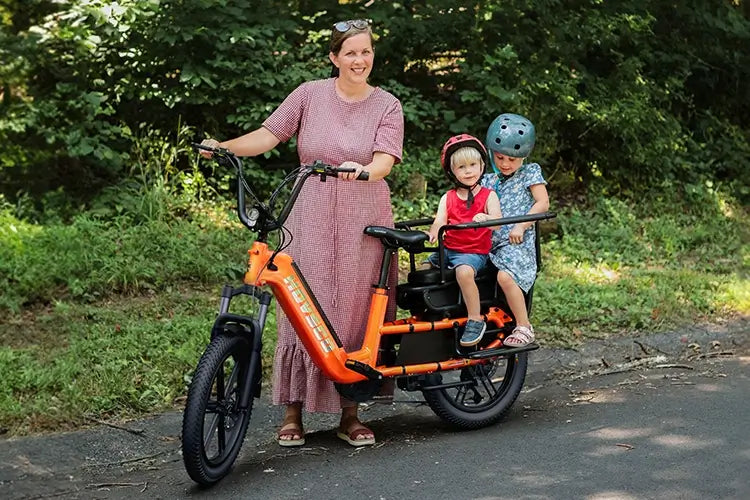
The HOVSCO HovCart is the logical option for riders whose routine includes groceries, work gear, deliveries, or family accessories. Cargo changes how an e-bike accelerates, stops, corners, and climbs, so torque, brake feel, frame stability, and payload capacity become more important than a top-speed claim.
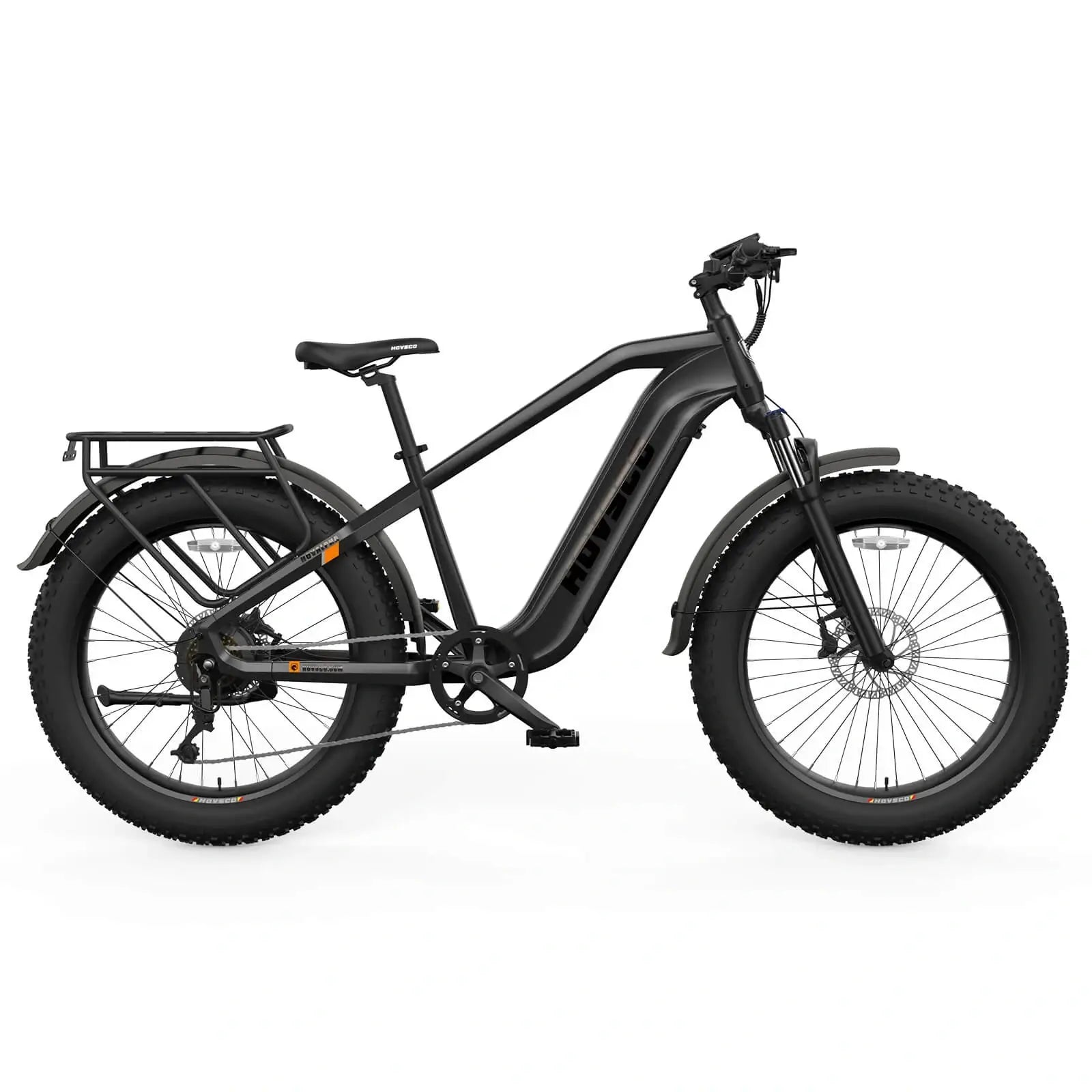
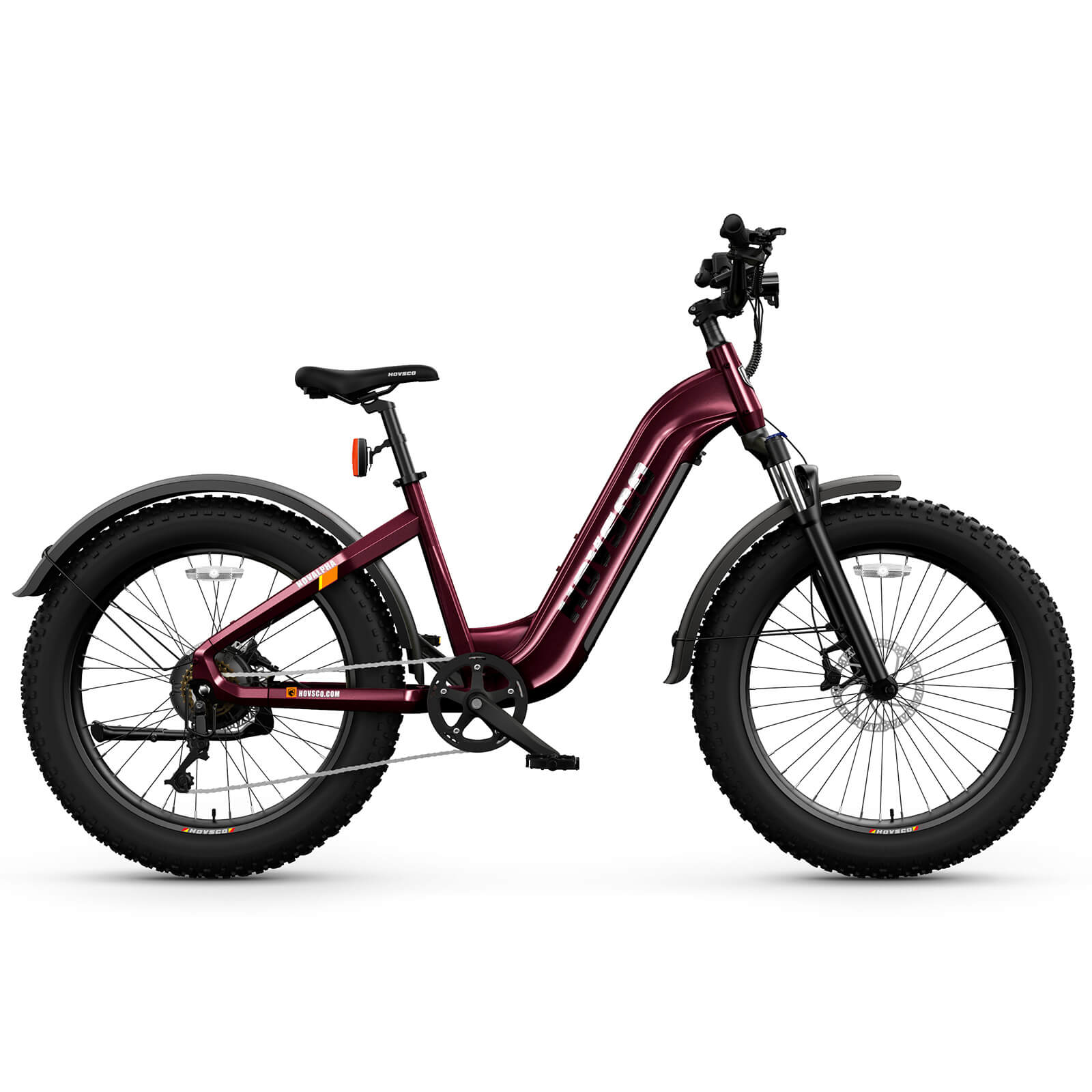
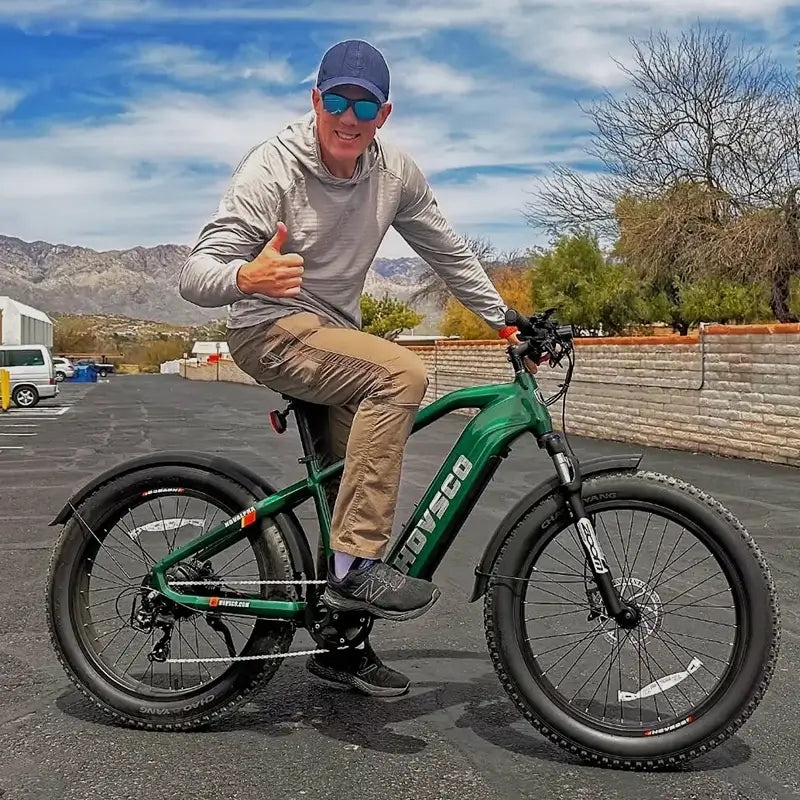
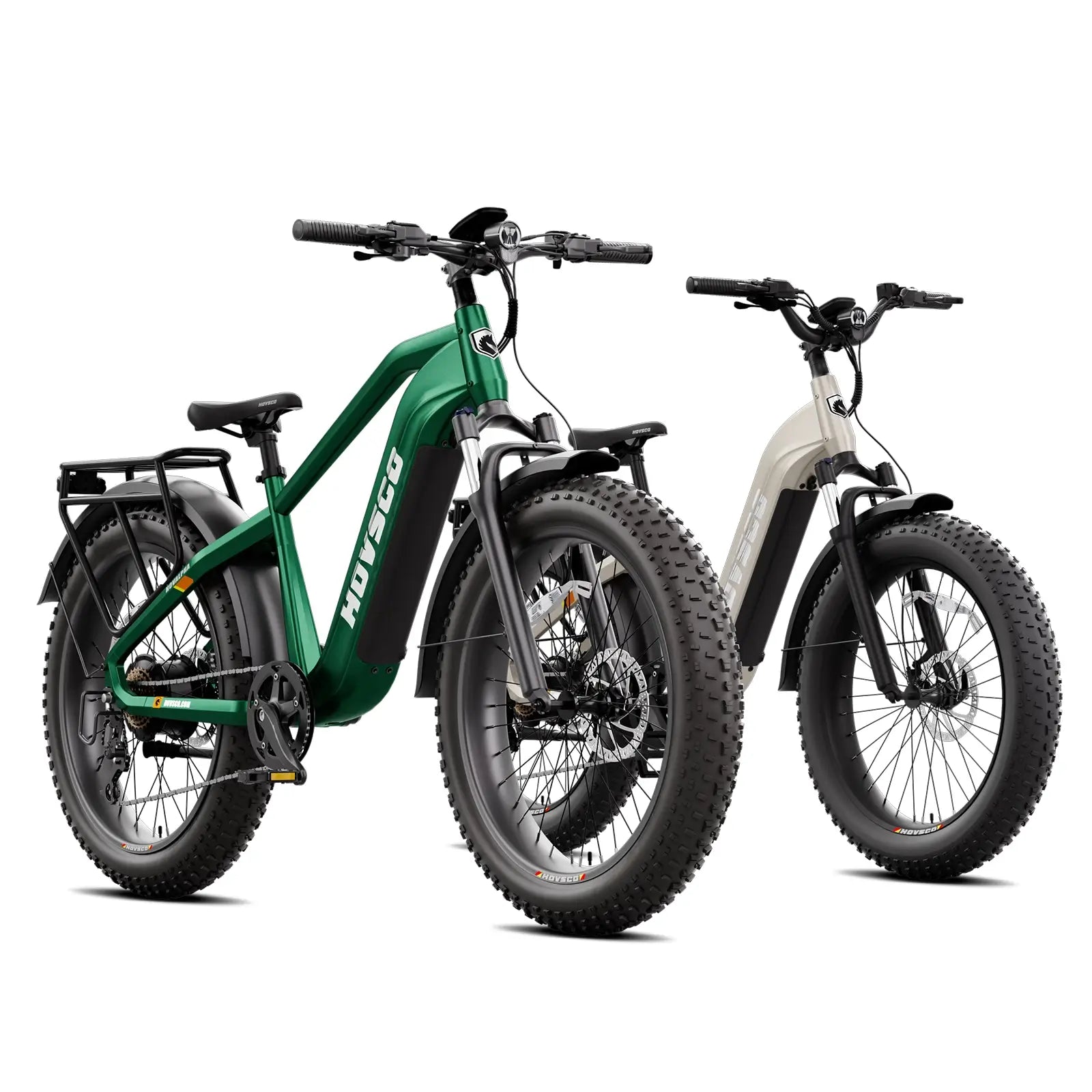
The HOVSCO HovAlpha is more appropriate for riders prioritizing larger battery capacity, longer routes, and a stable fat-tire platform. It is a stronger fit for mixed pavement, packed paths, and terrain where rider comfort and traction matter.
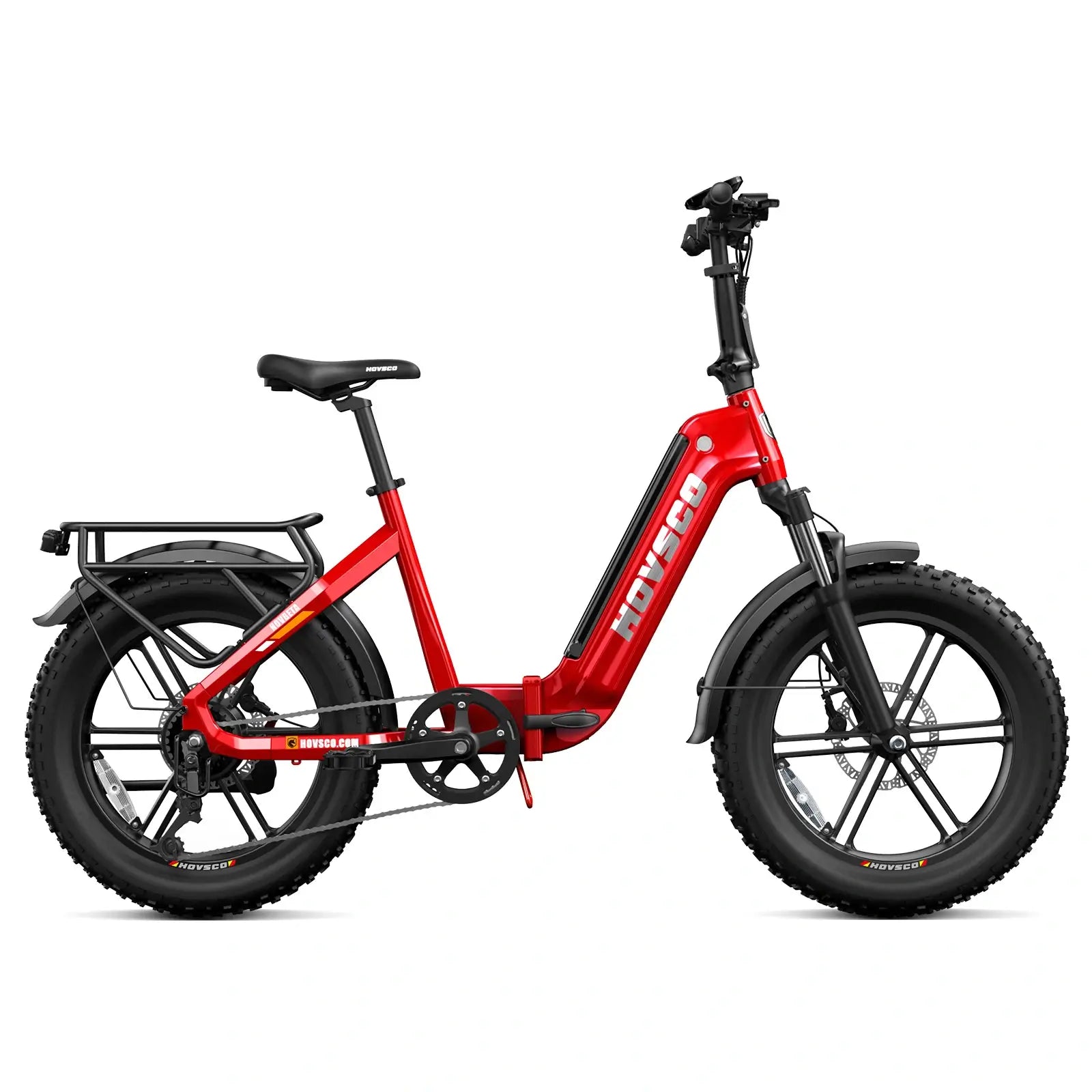
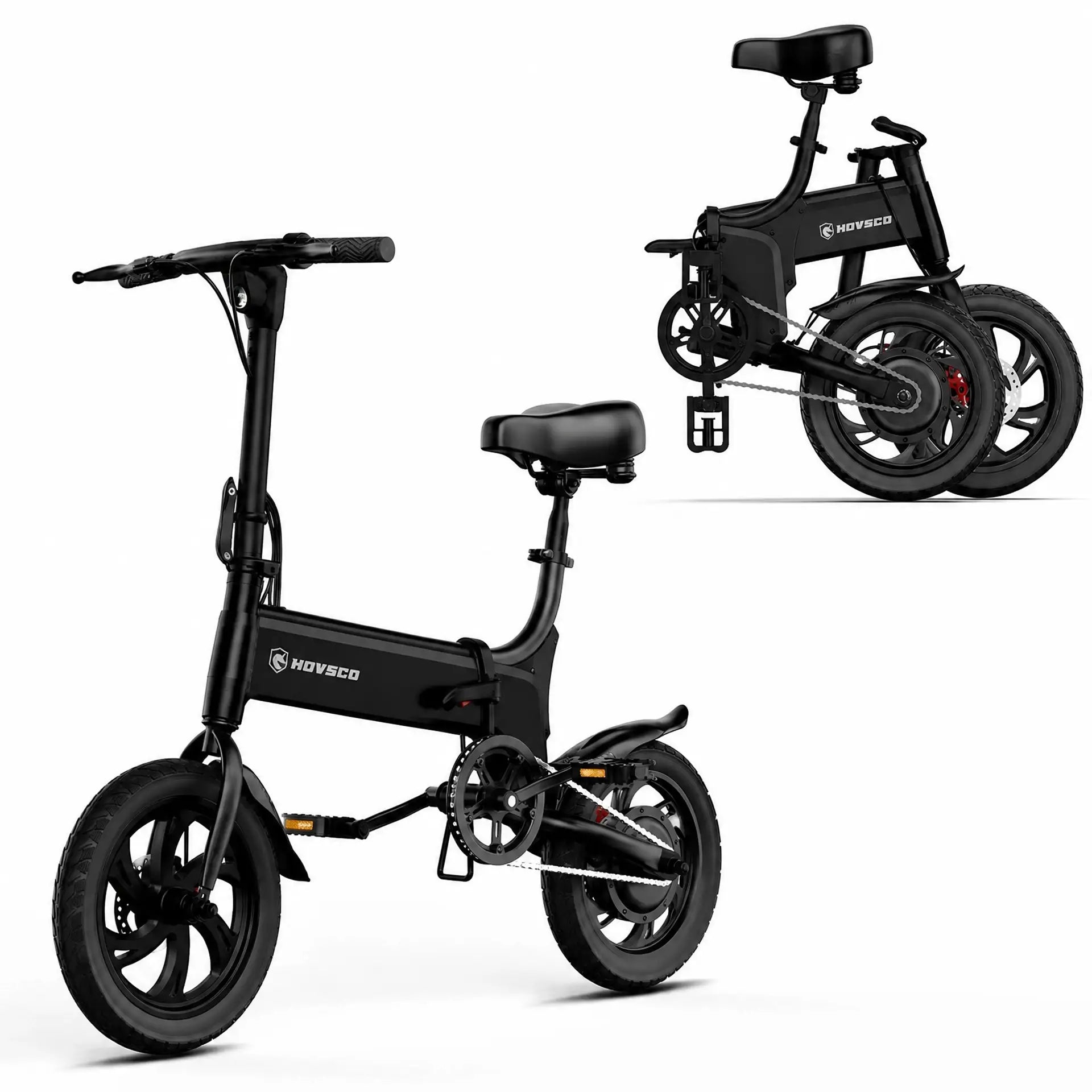
The HOVSCO HovBeta addresses a different ownership challenge: storage. A folding format can make an e-bike more practical for apartment living, RV travel, vehicle transport, or limited garage space. However, buyers should check folded dimensions, hinge security, and whether the bike’s full weight is manageable for them.
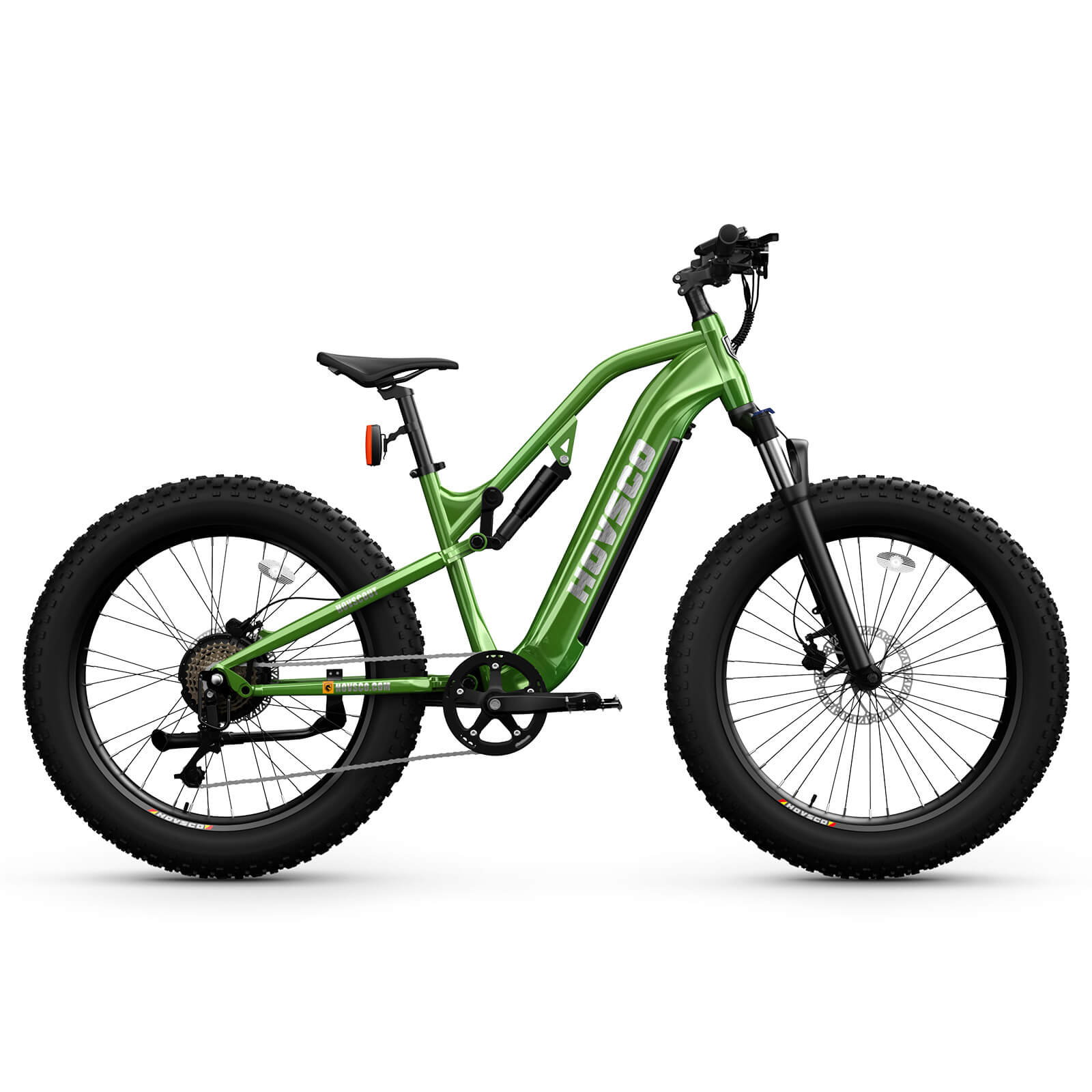
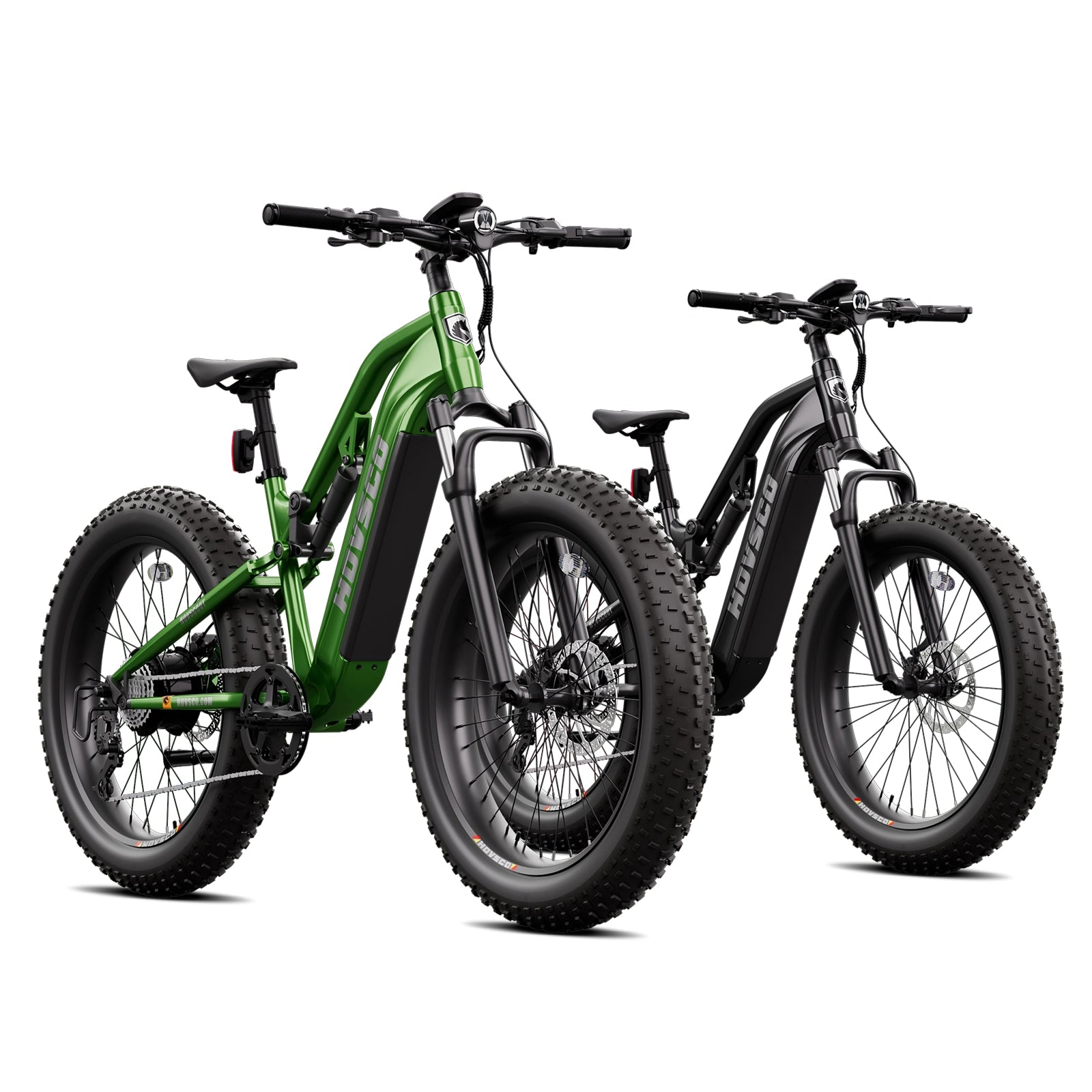
The HovScout is designed for riders who want suspension support over broken pavement, uneven paths, and rougher terrain. Full suspension can reduce fatigue and improve wheel contact, but it also requires periodic attention to suspension setup, pivot hardware, and general maintenance.
Frame design should match where you ride, where you store the bike, how often you stop, and what you intend to carry. A powerful motor cannot compensate for a frame that feels awkward, uncomfortable, or impractical for your daily routine.
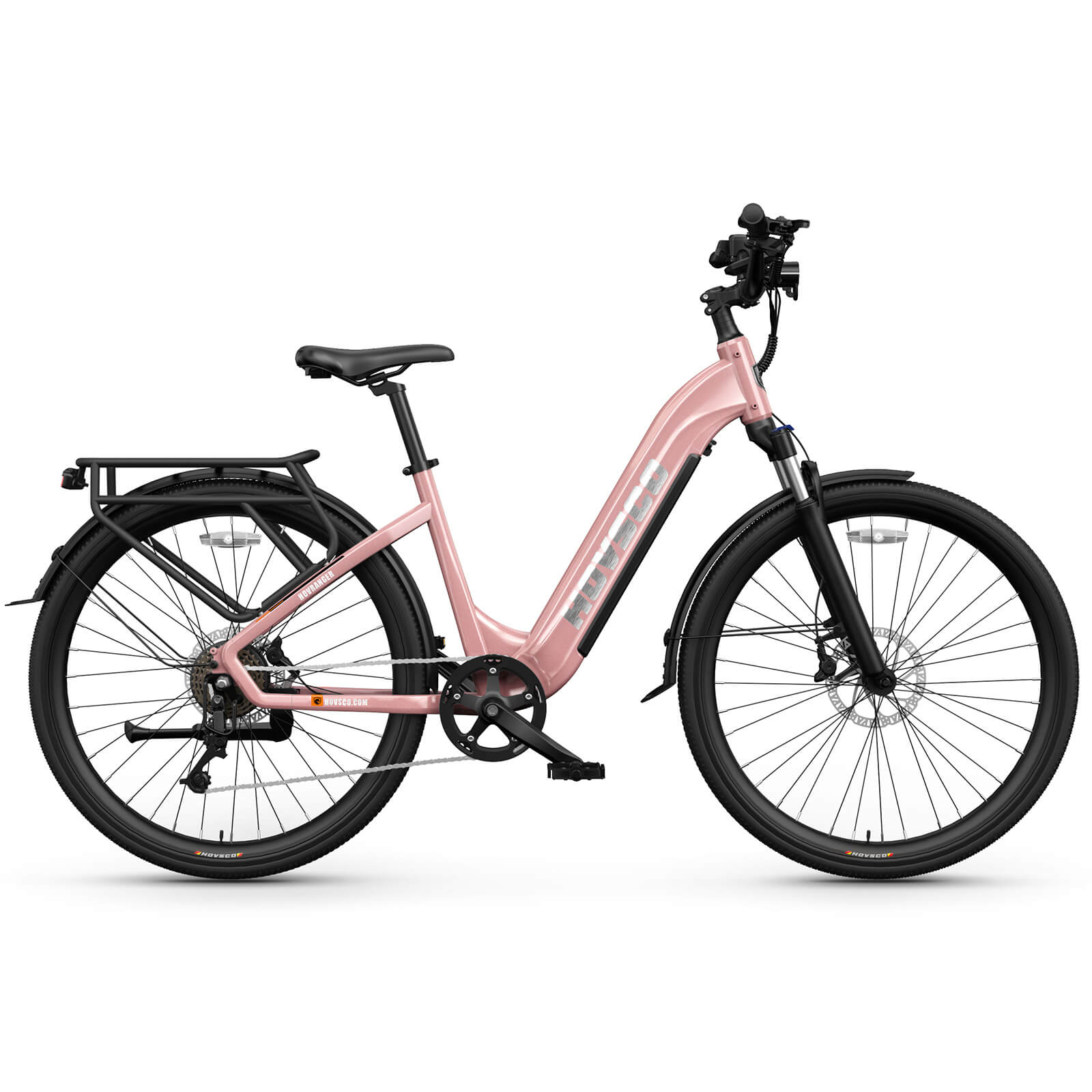
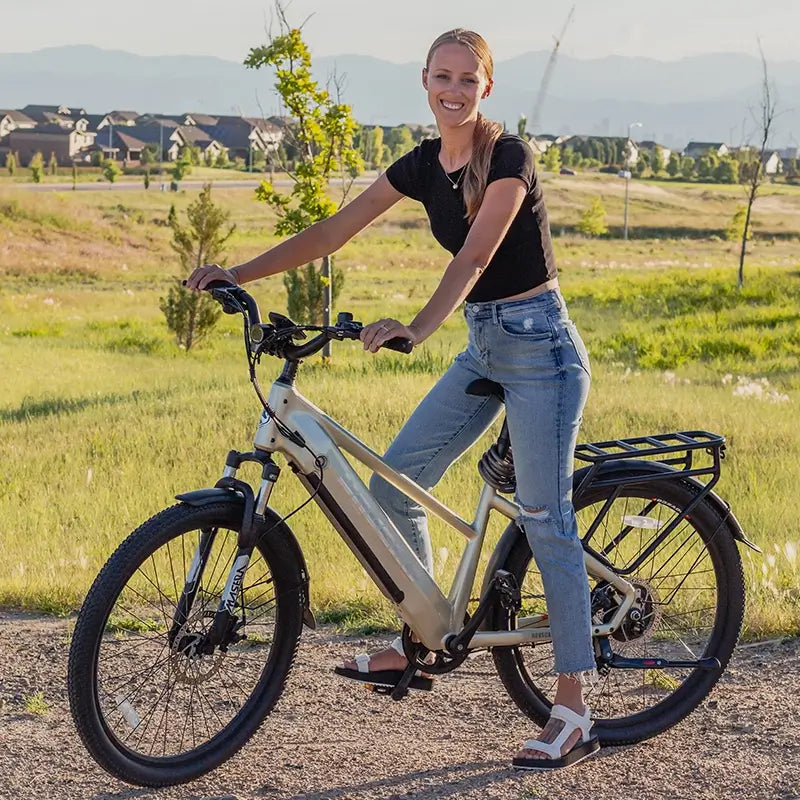
A step-through frame can make repeated mounting and dismounting easier, especially for riders carrying rear-rack loads, wearing everyday clothing, or managing limited mobility. A cargo frame is more useful when baskets, passenger seats, panniers, or work equipment are part of normal riding.
Fat tires can improve comfort and confidence on rough surfaces, sand, gravel, or cracked pavement, but they may add rolling resistance on smooth roads. This means a fat-tire e-bike can feel stable and forgiving while consuming more battery energy than a narrower-tire commuter ridden under the same conditions.
Full suspension can help maintain traction and reduce rider fatigue over uneven terrain. Yet suspension is not maintenance-free. Riders should periodically inspect pivot bolts, shock pressure, bushings, fork function, and tire clearance, especially after riding wet, dusty, or rough routes.
A folding e-bike requires a separate inspection mindset. Check that the hinge locks positively, cables do not pinch when folded, and the folded bike can be moved safely. Foldability helps with storage, but it does not necessarily make a 60-pound e-bike easy to carry upstairs.
Hydraulic disc brakes and well-tuned sensors are essential on a 750W e-bike because higher motor assistance can increase speed and total moving mass. These components determine whether the bike feels controlled and predictable in traffic, corners, hills, and loaded situations.
Braking quality is more than rotor size. Evaluate lever feel, pad availability, brake cut-off response, frame stiffness, tire grip, and how the bike behaves when heavily loaded. Hydraulic disc brakes typically provide better modulation than basic mechanical systems, particularly on heavier bikes or sustained descents.
Sensor choice strongly affects ride feel:
A cadence sensor detects whether the pedals are turning and can provide quick assistance.
A torque sensor detects how hard the rider is pedaling and usually creates a more natural response.
A combined sensor approach can blend prompt engagement with progressive power delivery.
From an experienced service perspective, predictable low-speed control is more valuable than dramatic launch power. Test the bike in a quiet parking lot: start from a stop, make a slow turn, stop on a slight incline, and move between assistance levels. If power arrives abruptly or is difficult to control at walking speed, it may become frustrating in dense traffic.
“A rated 750W motor is only as useful as the system around it. I look at whether the battery can maintain voltage under load, whether the controller ramps assistance smoothly, and whether the brakes can repeatedly manage the bike’s loaded mass. For most riders, stable torque delivery and confident stopping matter more than a dramatic peak-watt headline. Select the frame format first, then verify that motor power, battery energy, braking equipment, and local rules support that riding purpose.”
A rated 750W e-bike may be permitted in some places but restricted in others, because laws vary by country, state, province, city, trail system, and riding surface. Always check the rules where you plan to ride before purchasing or changing performance settings.
In many U.S. contexts, 750W is a familiar reference point for low-speed electric bicycles. However, local regulations may still set requirements for e-bike classification, throttle operation, helmet use, maximum assisted speed, trail access, age restrictions, or registration.
Before ordering a 750W e-bike, confirm:
Your local e-bike classification rules
Whether throttle use is permitted
Maximum assisted-speed limits
Helmet requirements
Whether the bike path allows motor assistance
Whether off-road settings are allowed on your intended routes
Whether a local authority applies additional restrictions
Do not assume a high-speed setting is legal everywhere simply because the bike is capable of reaching it. A responsible ownership plan includes knowing which settings and riding locations are appropriate.
Before buying, match your real-world needs to the bike’s rated power, torque, battery capacity, braking system, frame type, and local rules. The best 750W e-bike is the one that performs consistently and legally on your normal route, not simply the one with the biggest advertised number.
Use this buying checklist before making a final decision:
Identify your heaviest likely load, longest route, steepest hill, and storage limits.
Confirm that 750W refers to rated or sustained power rather than peak output alone.
Compare torque, battery watt-hours, tire size, sensor type, and payload capacity.
Choose the correct frame category before selecting accessories.
Check brake hardware and test low-speed control if possible.
Verify local road, trail, throttle, and speed regulations.
Select a brand with clear specifications, support access, and practical replacement-part information.
For riders comparing how to choose 750w electric bike models, the most useful question is not “Which bike has more watts?” Instead, ask: “Which 750W system will remain stable, safe, and useful under my normal load and terrain?”
HOVSCO offers several formats built around different riding priorities, including cargo transport, folding convenience, longer-range fat-tire riding, and full-suspension comfort. Select the bike that makes frequent riding easier, safer, and more enjoyable rather than choosing a specification that looks impressive but does not match your routine.
Is 750W enough for steep hills?
For many paved hills and moderate loads, yes. Strong torque, active pedaling, appropriate gearing, and a healthy battery are all important. Very steep or very long climbs with heavy cargo can reduce range and increase motor heat.
Does higher peak power always mean a better e-bike?
No. Peak power helps with short acceleration bursts, but sustained power, torque delivery, battery stability, braking, and thermal management matter more for repeated real-world riding.
Can I commute on a 750W electric bike?
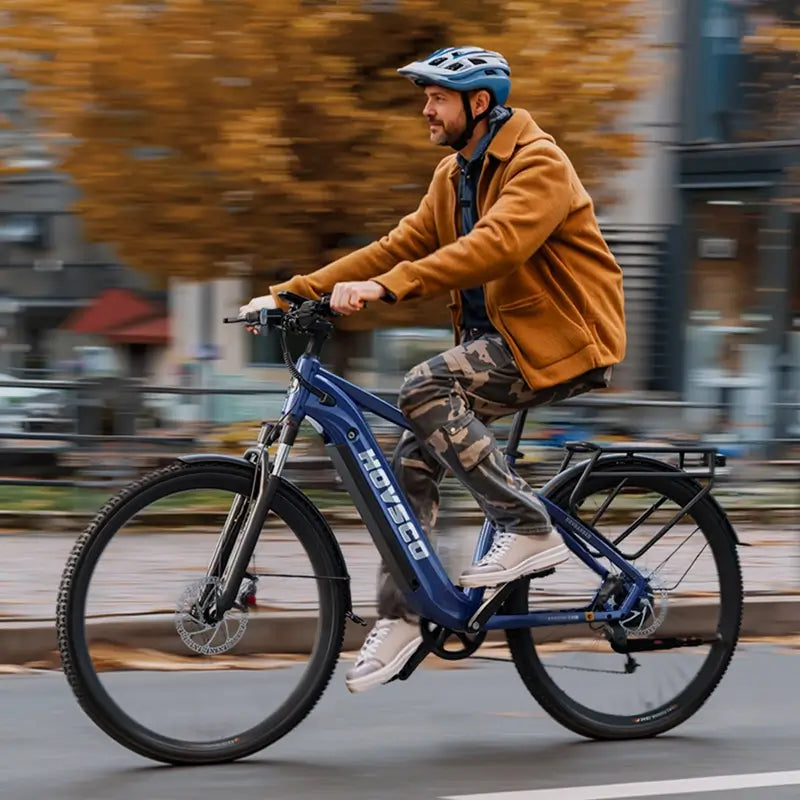
Yes, provided the configuration complies with local rules. For commuting, prioritize practical features such as lights, fenders, hydraulic brakes, comfortable geometry, secure parking compatibility, and enough battery capacity for return trips.
Which is better: a torque sensor or a cadence sensor?
A torque sensor often feels more natural because it responds to pedal force. A cadence sensor can engage assistance quickly, but may feel less refined during very slow riding or frequent stops.
How often should I charge a 750W e-bike battery?
Charge based on use, but avoid storing the battery empty for long periods. For long-term storage, keep it at a moderate charge level in a dry place away from extreme heat and freezing temperatures.
Share:
How to Choose Long Range Commuter Ebike?
How to Choose Folding Ebikes for Small Spaces?