




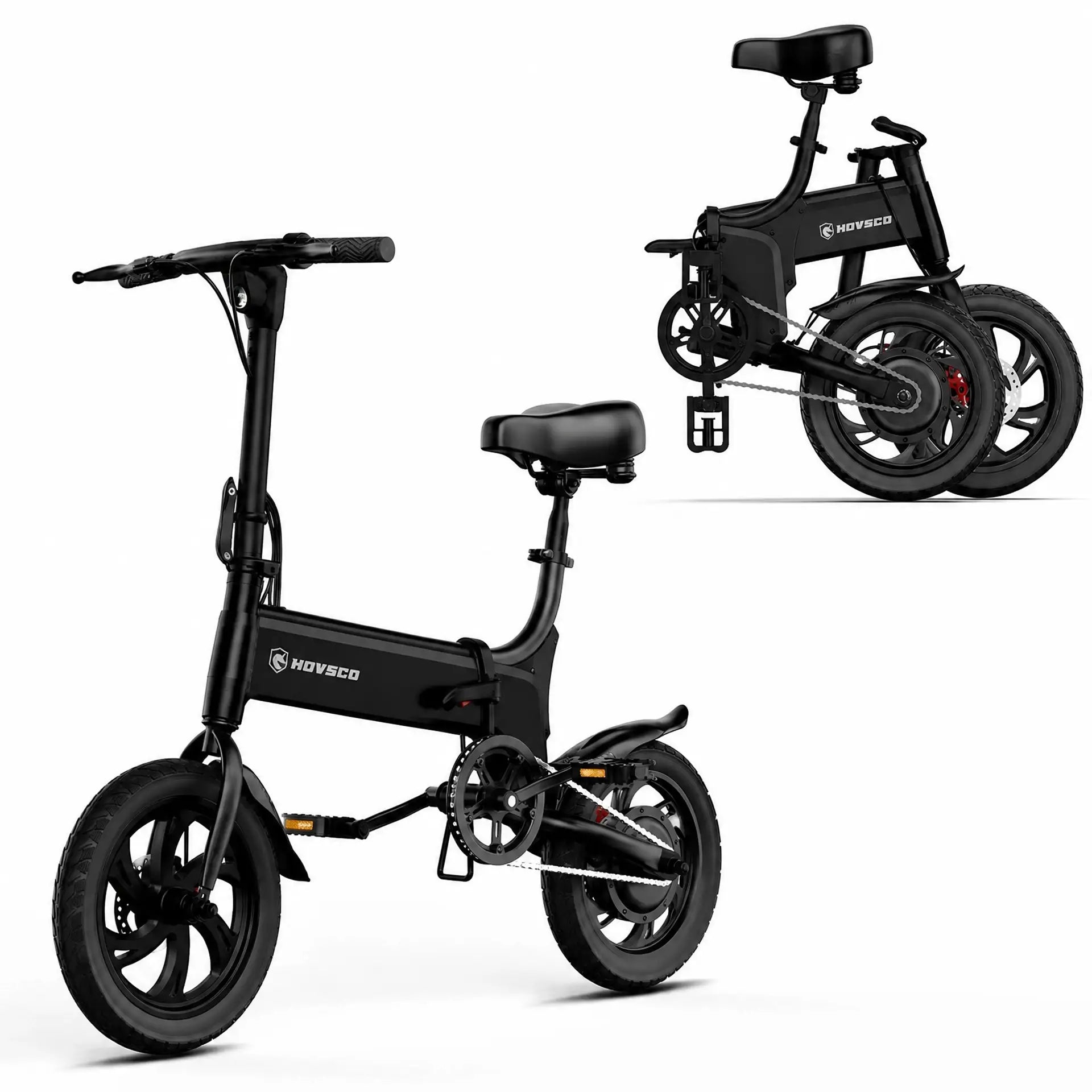
![[ New Arrival ] Porto Max Electric Scooter For Commute & Grocery Shopping - HOVSCO](http://www.hovsco.com/cdn/shop/files/PotroMax-3.jpg?v=1706927007&width=1200)
- by SteveJames
How to Carry and Store a Folding Electric Scooter
- by SteveJames
E-Bikes
Accessories
 Free Shipping
 15-Day Returns
 2-Year Warranty
Free Shipping
15-Day Returns
2-Year Warranty
2-Year Warranty
Free Shipping
15-Day Returns
2-Year Warranty
A folding scooter earns its place in the moments it is carried and stored: the lobby, the stairs, the trunk, the office corner. The carry-and-storage method — the carry-path test, the folded-size measurement, and the daily fold routine — that decides whether a folder works. The fold-mechanism care is covered in our fold care guide, and the range math that matters on longer routes is in the long-range guide.
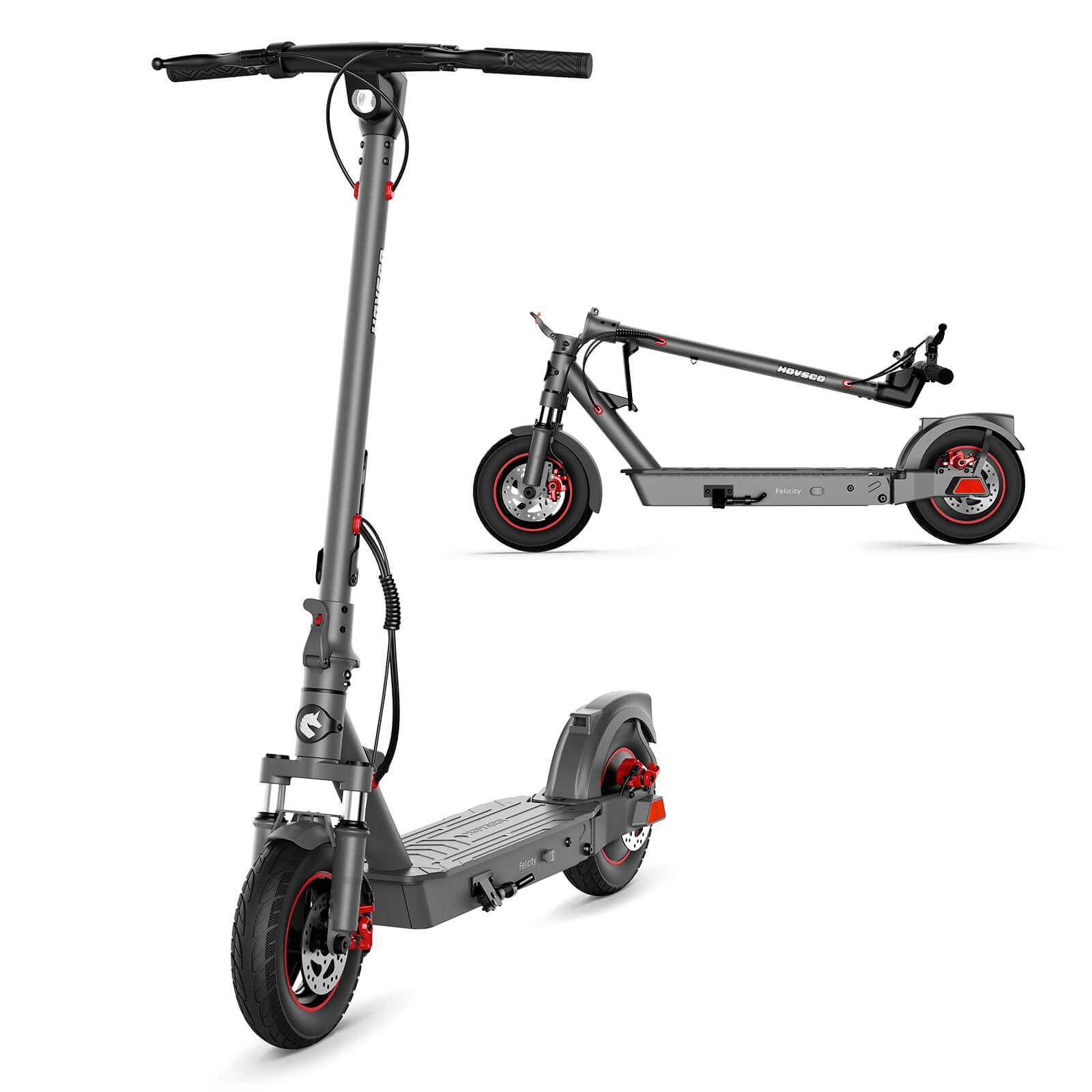
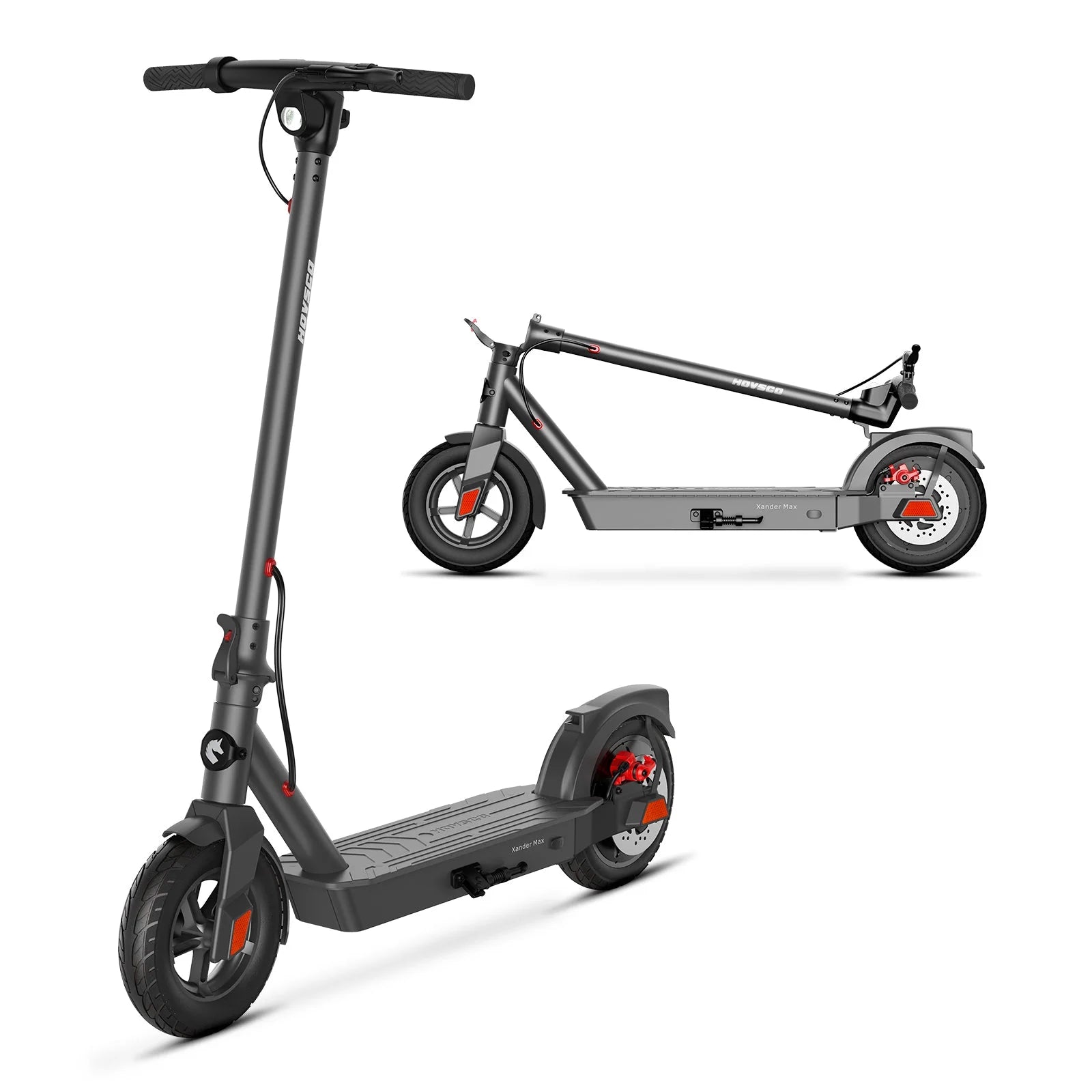
A fold converts a scooter into a shape, not into nothing: the 36.2 lb Xander Max and the 40.12 lb Felicity are still 36–40 lb objects in your hand. The fold changes what fits; the weight changes what you can carry, and the two are separate questions.
The practical rule is the same one the bike series uses: measure the complete weight and the carrying path before assuming the format works. A folder that fits the closet but not the stairwell is still the wrong scooter for the building.
The carry path is the route the scooter travels when it is not being ridden: from the storage spot to the street, up the stairs, through the lobby, into the trunk. Each segment has its own weight in the decision, and the test should match the real path.
| Path segment | What to test |
|---|---|
| Stairs | One flight with the folded scooter, one hand on the rail |
| Doors | Folded size through every doorway on the route |
| Trunk | Lifting and fitting the folded shape into the actual vehicle |
| Lobby | The carry across a lobby with a backpack in the other hand |
If the test is fine with one weight and not the other, the decision is made regardless of the spec sheet.
Run the test with the gear you will actually carry: a backpack, a laptop bag, or groceries in the other hand changes how the scooter weight feels on the same path.
The folded dimensions matter only against the spot they must fit: a closet floor, a trunk corner, a desk gap, a bike room. Measure the spot and compare the folded size before buying, using the product page's folded figures.
A fold that fits a closet but not the office drawer, or a trunk but not the hallway, is a fold that fails its only job. The measurement is the same tape-measure exercise as the bike series: the spot is the fixed constraint, and the scooter is the variable.
The fold-and-carry sequence should become automatic: fold, latch, lift, carry, and set down — the same order every time. Practice it twice at home so the first real use is not a fumble at a busy door or a crowded platform.
Time the routine too: a fold that takes a minute adds two minutes a day, and the door-to-door math from the commute series counts every one of them. The folder that folds quickly gets folded; the one that needs wrestling gets left unlocked or carried half-folded.
Name the storage spot at both ends before buying: at home, a dry corner or a wall hook; at the destination, the office corner, the classroom gap, or the trunk. The spot decides whether the fold is worth it at all.
Keep the scooter out of extreme heat and cold, and store it upright or on its kickstand rather than leaning on the folded latch. The storage position is part of the battery care and the fold care at the same time.
If the carry path dominates the routine — stairs every day, a long transit leg, a heavy backpack in the other hand — the 36.2 lb Xander Max is the honest answer, and the Felicity's suspension is a luxury the path cannot use.
If the ride dominates and the carry is rare, the Felicity's 4 lb buys a genuinely better ride. The routine decides which side of the trade matters, and the carry-path test is the evidence.
The same logic applies to the destination: an office that allows the scooter at the desk changes the calculus differently from an office with a locked rack, and the storage spot is part of the carry math.
Time the carry path in both directions, because the morning and evening versions differ: the morning has fresh arms, the evening has a full day and possibly a bag, and the evening test is the honest one.
The folded shape also matters at the destination: a scooter that stands in a corner takes less space than one that must lie flat, and the shape comparison belongs beside the size measurement.
The carry-path test should include the return trip with the scooter plus whatever the day adds: the evening version with a bag is the one that decides whether the weight works.
Measure the destination spot the same way as the home spot, and confirm the office or classroom rule before assuming the scooter can follow you inside.
Keep the tape measure and the weights together for a week, and the carry question resolves itself from evidence instead of opinion.
Run this before buying and again on the first real day.
| Check | Pass condition |
|---|---|
| Carry path checked | Stairs, doors, and trunk manageable with the weight |
| Folded size measured | The real spot fits the folded dimensions |
| Fold routine practiced | Fold, latch, lift, carry — automatic |
| Storage spots named | Home and destination positions confirmed |
| Conditions checked | Stored dry and at normal room temperature |
" The carry path is the real spec sheet for a folding scooter: stairs, doors, trunks, and lobbies decide whether the weight works. Measure the path, run the test, and the model stops being a debate." — HOVSCO Engineering & Content Team
A folding scooter works when the carry path is checked, the folded size fits the real spot, and the fold routine is automatic. Folding solves space, not weight — measure the path, name the storage, and pick the weight you can carry without thinking.
How much does each folding scooter weigh?
The Xander Max is 36.2 lb net and the Felicity is 40.12 lb net. The 4 lb difference is the core trade between carryability and suspension.
How do I know if I can carry a folding scooter?
Run the carry-path test: one stair flight, the doors, the trunk, and a lobby carry with your other hand full. If the weight feels fine on the real path, it works.
Do the folded sizes differ between the models?
Both fold into 10-inch formats; compare the exact folded dimensions on the product pages against the storage spot you have measured.
Should I store a folding scooter folded or unfolded?
Store it upright or on the kickstand in a dry, room-temperature spot, and avoid leaning it on the folded latch. The position protects both the battery and the mechanism.
Which folding scooter is better for stairs?
The Xander Max at 36.2 lb is easier on stairs; the Felicity adds 4 lb for suspension. If stairs dominate the routine, the lighter model is the honest answer.
Share:
How Far Can an Electric Scooter Really Go?
Felicity vs Xander Max vs Porto Max: Best for the Daily Commute?