



![[ New Arrival ] Porto Max Electric Scooter For Commute & Grocery Shopping - HOVSCO](http://www.hovsco.com/cdn/shop/files/PotroMax-3.jpg?v=1706927007&width=1200)
- by SteveJames
Felicity vs Xander Max vs Porto Max: Best for the Daily Commute?
- by SteveJames
E-Bikes
Accessories
 Free Shipping
 15-Day Returns
 2-Year Warranty
Free Shipping
15-Day Returns
2-Year Warranty
2-Year Warranty
Free Shipping
15-Day Returns
2-Year Warranty
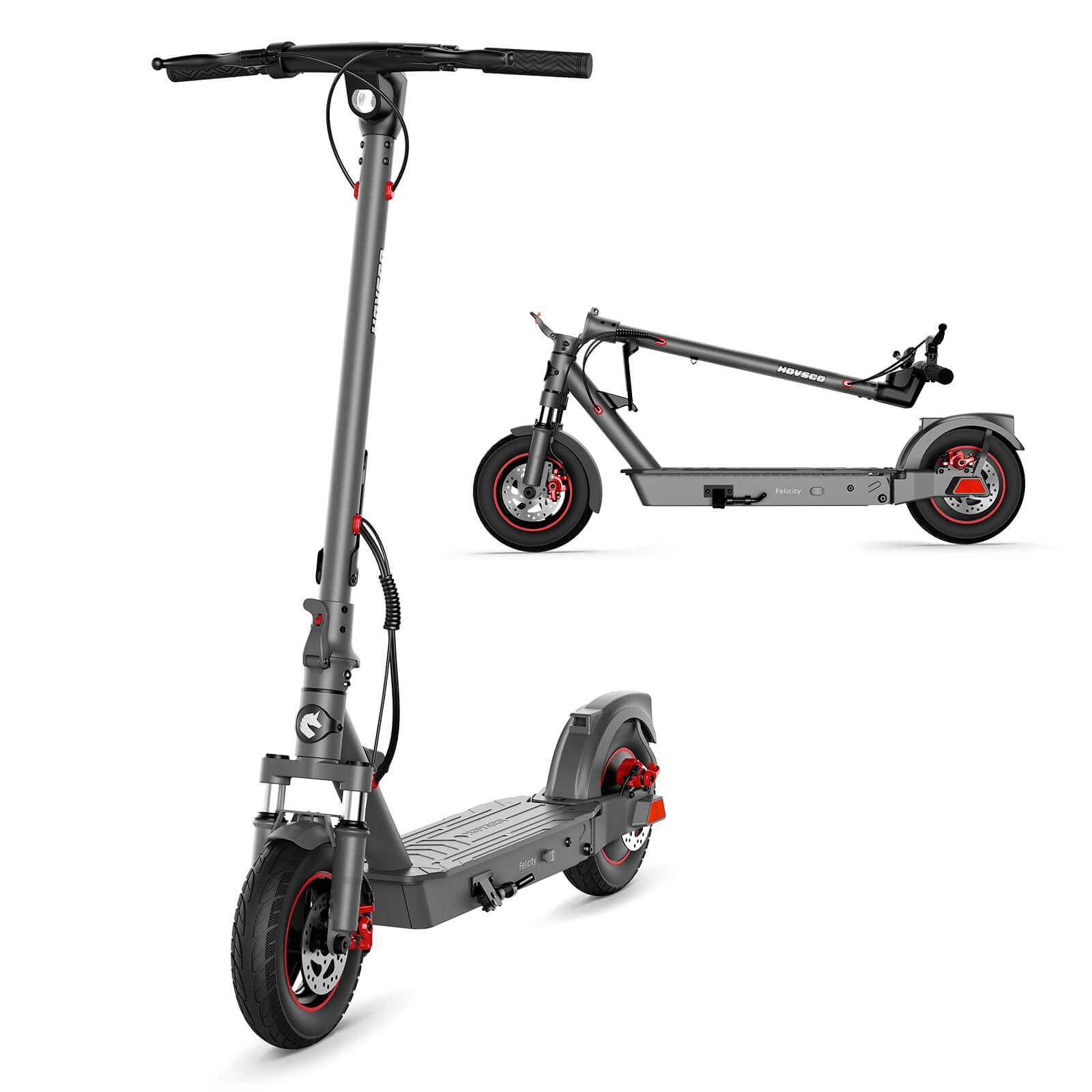
The three commuter scooters are three setups for three commute jobs: comfort, carry, and seated errands. This comparison keeps the commute-profile table in one place — folding weight, published range, wheel setup, and how each model fits work, transit, and errand stops. The range math behind the figures is in the long-range guide, and the carry method is in our carrying guide.
The three daily setups are comfort, carry, and seated errands. The Felicity is the comfort scooter with dual suspension; the Xander Max is the carry scooter at 36.2 lb; and the Porto Max is the seated scooter with a seat and basket for errands.
None of the three is better overall — each wins a commute profile, and the profile is decided by the stops on the route. The table below makes the trade visible, and the route decides which column matters.
The commute-profile comparison below is the complete published specification set, organized by the fields a commuter actually compares.
| Spec | Felicity | Xander Max | Porto Max |
|---|---|---|---|
| Setup | Comfort — dual suspension | Carry — light and folding | Seated errands — seat and basket |
| Net weight | 40.12 lb | 36.2 lb | 43.1 lb |
| Motor | 450W sustained (500W model designation) | 500W peak / 350W sustained | 500W peak / 350W sustained |
| Top speed | 21 mph | 19 mph | 19 mph |
| Range / battery | 30 mi / 374.4Wh | 30 mi / 374.4Wh | 35 mi / 374.4Wh |
| Wheels | 10-inch | 10-inch | 12-inch |
| Payload | 220 lb | 220 lb | 260 lb |
Read the setup, weight, and wheels rows together: they describe three different daily experiences, and the commute profile names the one that fits.
Motor figures follow each model's product-page specification table: the Xander Max and Porto Max pages list 500W (Peak) / 350W (Sustained), while the Felicity's spec table lists 450W (Sustained) with the model designated at 500W on the page. The sustained figures are what the speed claims run on.
The Felicity is the comfort pick because its dual suspension and 450W sustained motor make the daily miles smoother and faster: 21 mph on rough pavement with the suspension absorbing the cracks. Its 40.12 lb weight is the price of that ride.
Choose this profile when the commute is ride-dominant: real distance, imperfect roads, and the carry is an occasional lobby trip. The suspension is paid back on every block, and the 4 lb over the Xander is a detail the route barely notices.
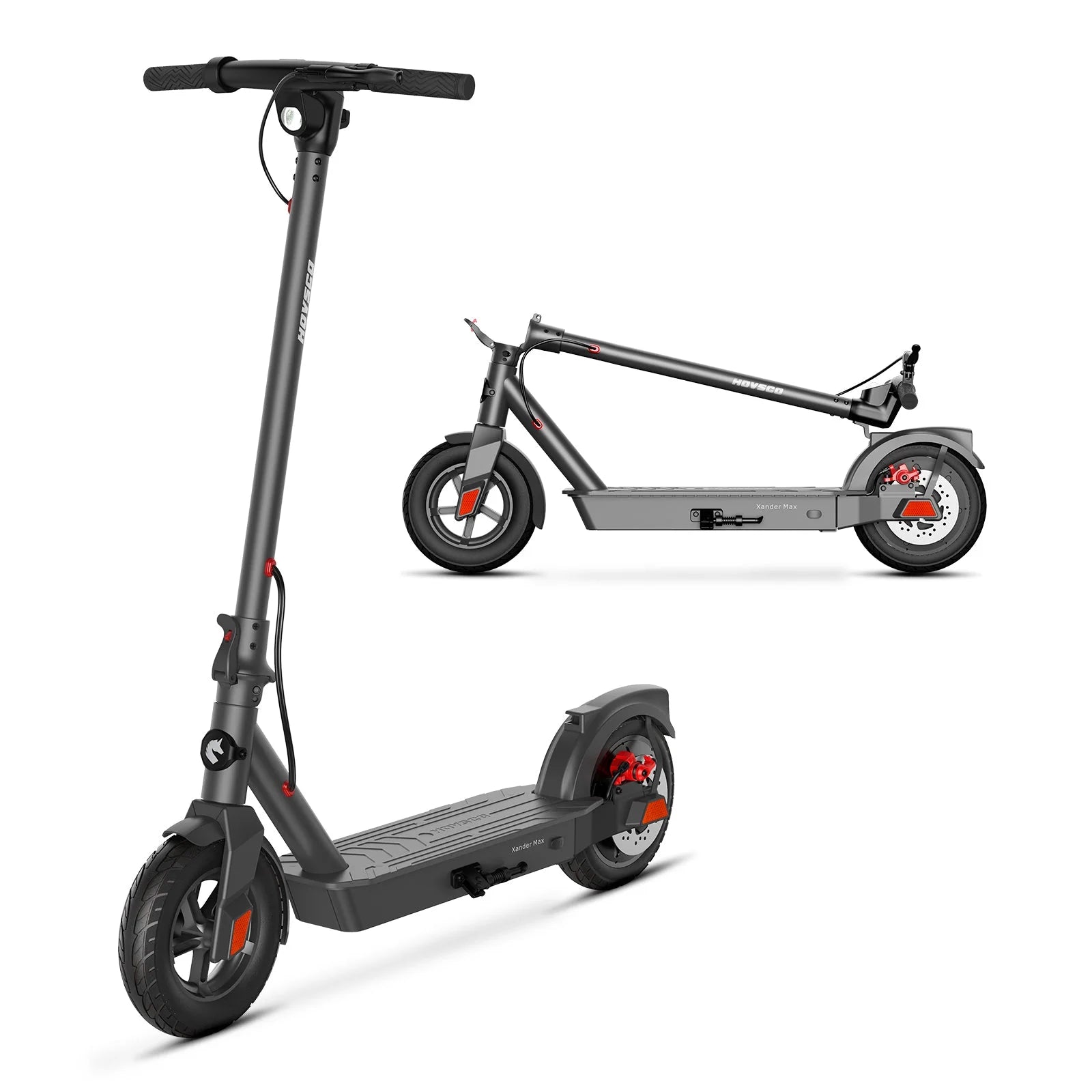
The Xander Max is the carry pick at 36.2 lb — the lightest of the three — with a folding format built for transit, stairs, and trunks. Its 19 mph and 30-mile range cover the ride; its weight covers the parts of the commute that are not riding.
Choose this profile when the commute is carry-dominant: a train platform, an office lobby, a storage closet, or a trunk every day. The firmer ride on rough pavement is the honest trade for the weight that makes every carry easier.
The Porto Max is the seated errand pick: 12-inch wheels, a detachable seat, a removable rear basket, and a 35-mile range at 19 mph. Its 43.1 lb weight and 260 lb payload support the commute that ends in a shopping stop.
Choose this profile when the route includes errands: the seat reduces fatigue on longer days, and the basket carries what a backpack cannot. The 43.1 lb weight is the honest trade for a scooter that works like a small errand vehicle.
Match the profile to the hardest stop on the route:
If two profiles fit, the bottleneck decides: the stop that is hardest every day is the one the scooter must serve best.
The commute test settles the profile: ride each candidate on the roughest block of the route, fold and carry it through the transit leg or lobby, and load the basket the way an errand day does. The profile that feels natural at the bottleneck is the one to keep.
Time the test with the complete trip from the commute planning guide, and check the local rules from the scooter laws guide before the test. The scooter that fits the hardest stop, the rules, and the full trip is the commuter scooter for the year.
The same test answers the season question: a summer commute with a lighter bag and a winter commute with gear and lights can point to different profiles, and the test should run with the gear the route actually carries.
Keep the test notes with the commute worksheet, so the profile decision is evidence-based rather than impression-based, and the choice survives the first busy week.
The comparison also belongs beside the range and carry guides from the scooter cluster: the range math explains the 30–35 mile figures, and the carrying guide explains the 36–43 lb trade, so the profile table reads as the summary of both.
Check the local scooter rules before the test ride, because a route that is restricted for one profile is a route that settles the comparison before the demo.
" Three setups, three jobs: comfort, carry, and seated errands. The commute profile picks the scooter, and the hardest stop on the route picks the profile." — HOVSCO Engineering & Content Team
The Felicity wins the comfort profile at 21 mph with dual suspension, the Xander Max wins the carry profile at 36.2 lb, and the Porto Max wins the seated errand profile at 35 miles with a seat and basket. Match the profile to the hardest stop on the commute.
Which commuter scooter is best for rough pavement?
The Felicity, with dual front-and-rear suspension and a 450W sustained motor for 21 mph. The suspension is what makes the daily miles smoother.
Which commuter scooter is best for transit?
The Xander Max at 36.2 lb, the lightest of the three and the easiest to carry through stations, stairs, and lobbies.
Which commuter scooter carries groceries?
The Porto Max, with its detachable seat and removable rear basket, a 260 lb payload, and a 35-mile range for the errand loop.
Why does the Felicity have the highest top speed?
The Felicity's sustained motor output is 450W — 100W more than the 350W the Xander Max and Porto Max sustain — which is the difference behind its 21 mph versus their 19 mph. The product page designates the model at 500W, but the sustained figure is what the speed runs on.
Should I choose by range or by setup?
By setup first: all three cover a typical commute with reserve, and the range difference is small. The comfort, carry, or seated profile is what the daily stops actually need.
Share:
How to Carry and Store a Folding Electric Scooter
What Are the Best Long-Range Moped-Style E-Bikes?