



![[ New Arrival ] Porto Max Electric Scooter For Commute & Grocery Shopping - HOVSCO](http://www.hovsco.com/cdn/shop/files/PotroMax-3.jpg?v=1706927007&width=1200)
- by SteveJames
How Do You Match an E-Bike to Your Business Workflow?
- by SteveJames
E-Bikes
Accessories
 Free Shipping
 15-Day Returns
 2-Year Warranty
Free Shipping
15-Day Returns
2-Year Warranty
2-Year Warranty
Free Shipping
15-Day Returns
2-Year Warranty
An e-bike becomes a business tool only when the operating job is defined first: the normal route, the maximum route, the stops, the delivery window, the rider, the carried equipment, and the parking conditions. A route that works only under ideal conditions is not a reliable commercial workflow. This guide owns the job-definition method that every other decision in the small-business collection depends on; the shortlist is in our best electric bikes for small businesses guide.
Business bikes fail in one predictable way: the bike was chosen before the workflow was written. A business that picks a cargo platform for a job that only needs a backpack, or a city bike for bulky deliveries, discovers the mismatch on the first week of real operation.
Choose around the operating job rather than treating one consumer specification as a business case. Commercial success depends on repeatability — the same load, schedule, parking, charging, and maintenance routine must work every day.
The job-first rule also applies to the fleet size: a business that starts with two bikes before defining one route doubles the uncertainty. One proven bike and one proven route build the pattern; the second bike extends it.
Define the job in writing, not in conversation: a shared document that names the route, the load, and the window survives staff changes and busy weeks. A written job definition is the reference the whole fleet uses.
Two routes matter: the normal route that the bike will ride most days, and the maximum route that it must survive when the schedule stretches. Both include the return-to-base travel and the unexpected detours that delivery work always adds.
| Route fact | What to record |
|---|---|
| Normal route | Miles, stops, and the usual time window |
| Maximum route | The longest day the bike must cover |
| Stops | Number of stops and time at each |
| Return to base | Miles back, including failed delivery attempts |
| Detours | Construction, traffic, and weather alternates |
If the maximum route exceeds what the format can cover with a reserve, the job needs a different format or a second bike — and it is cheaper to learn that on paper than on the road.
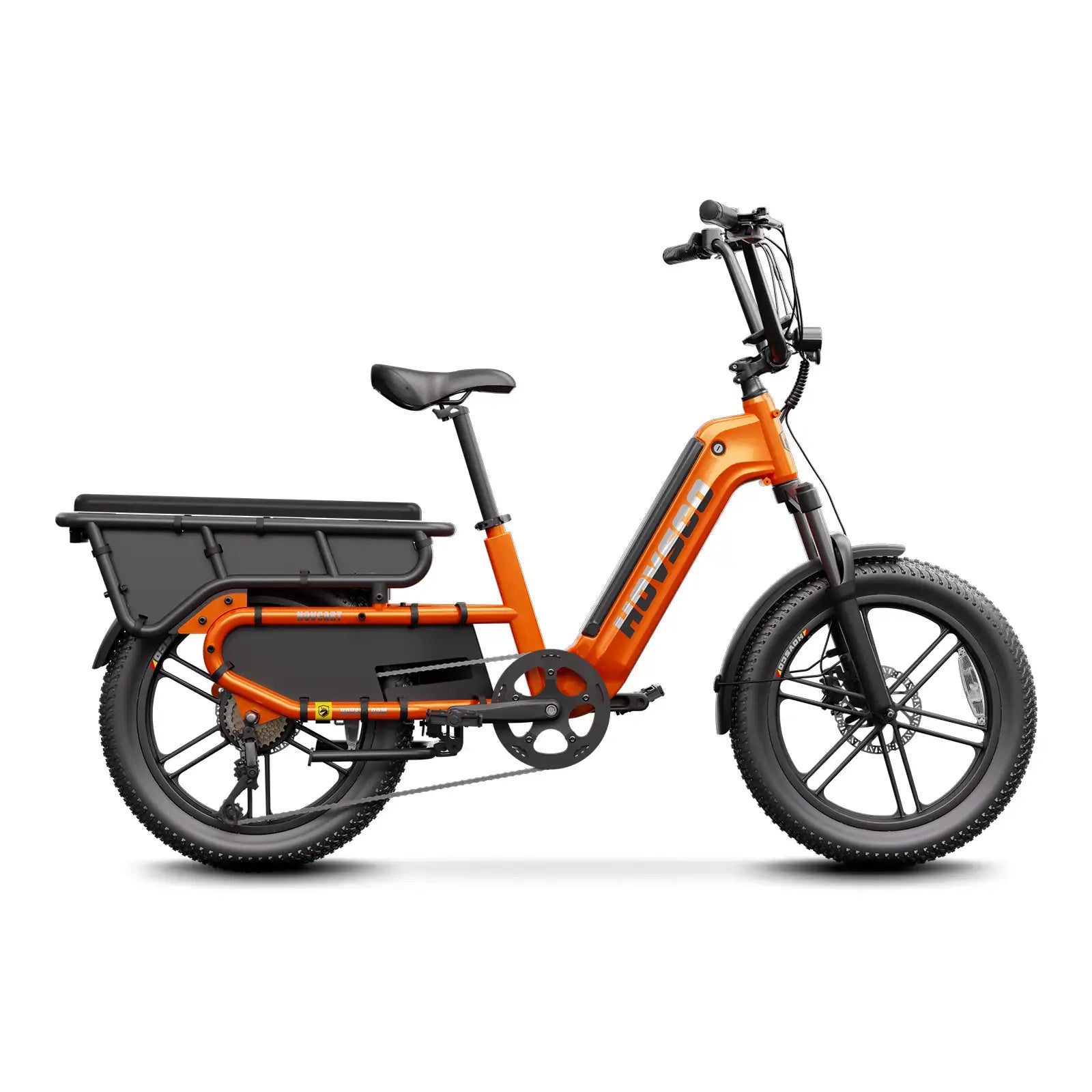
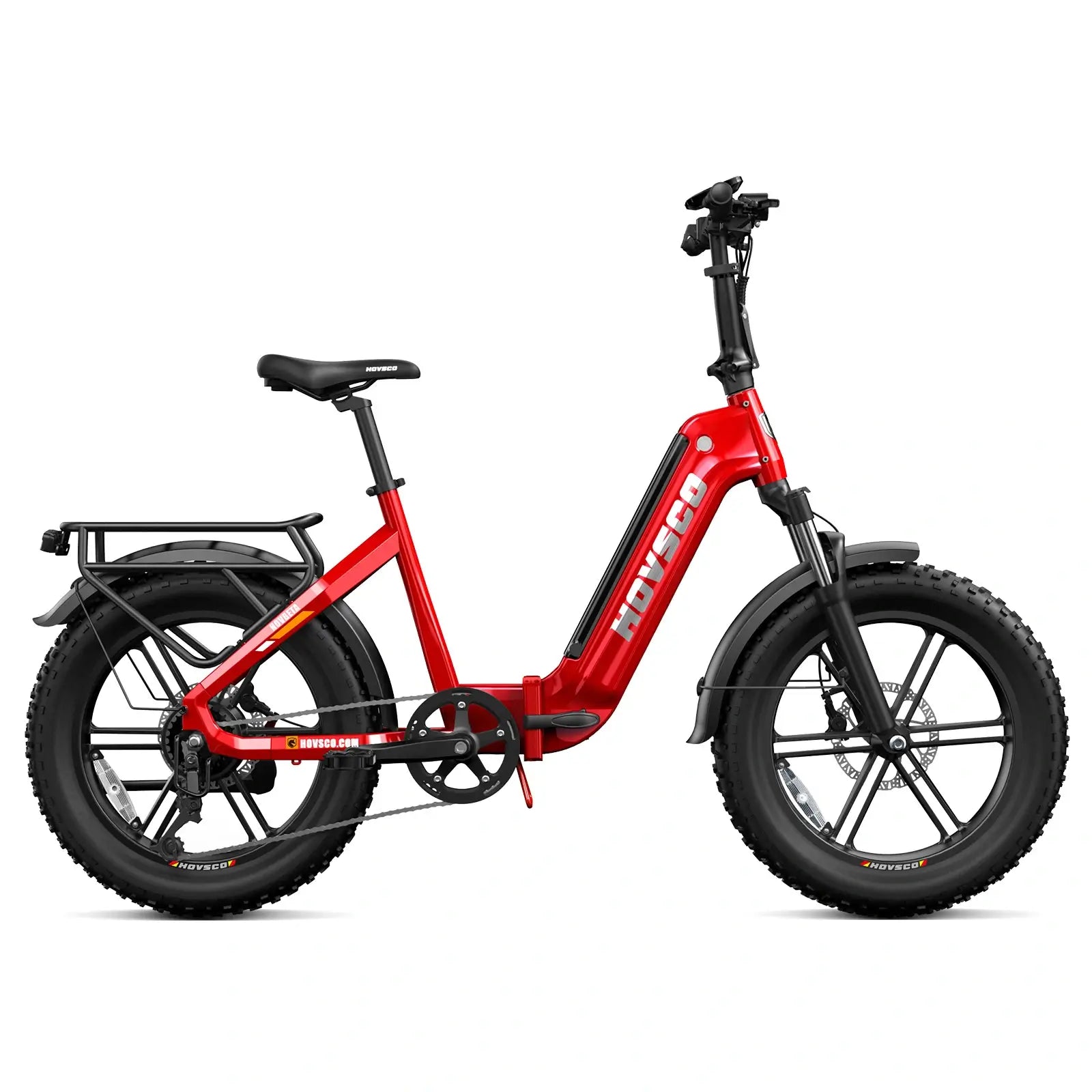
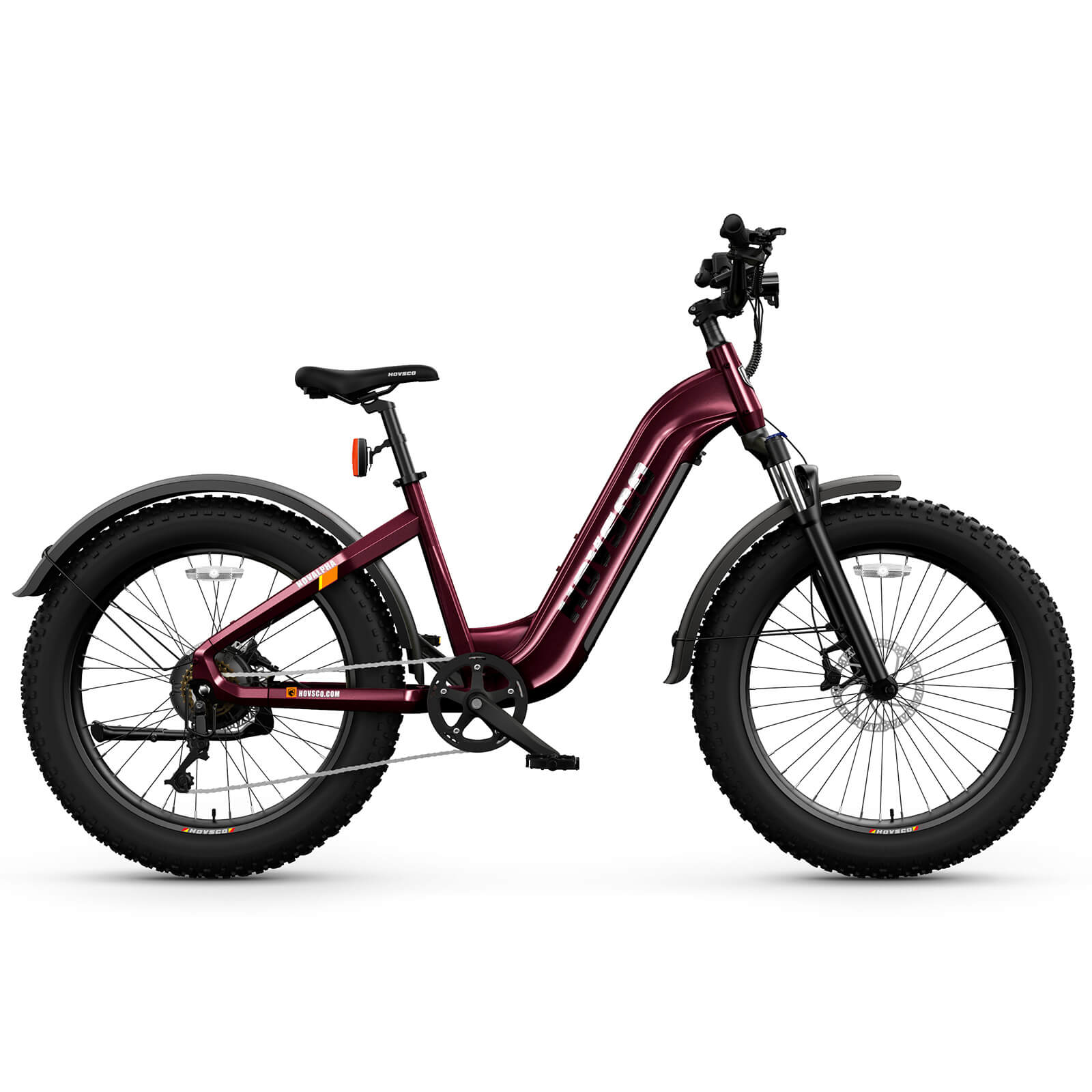
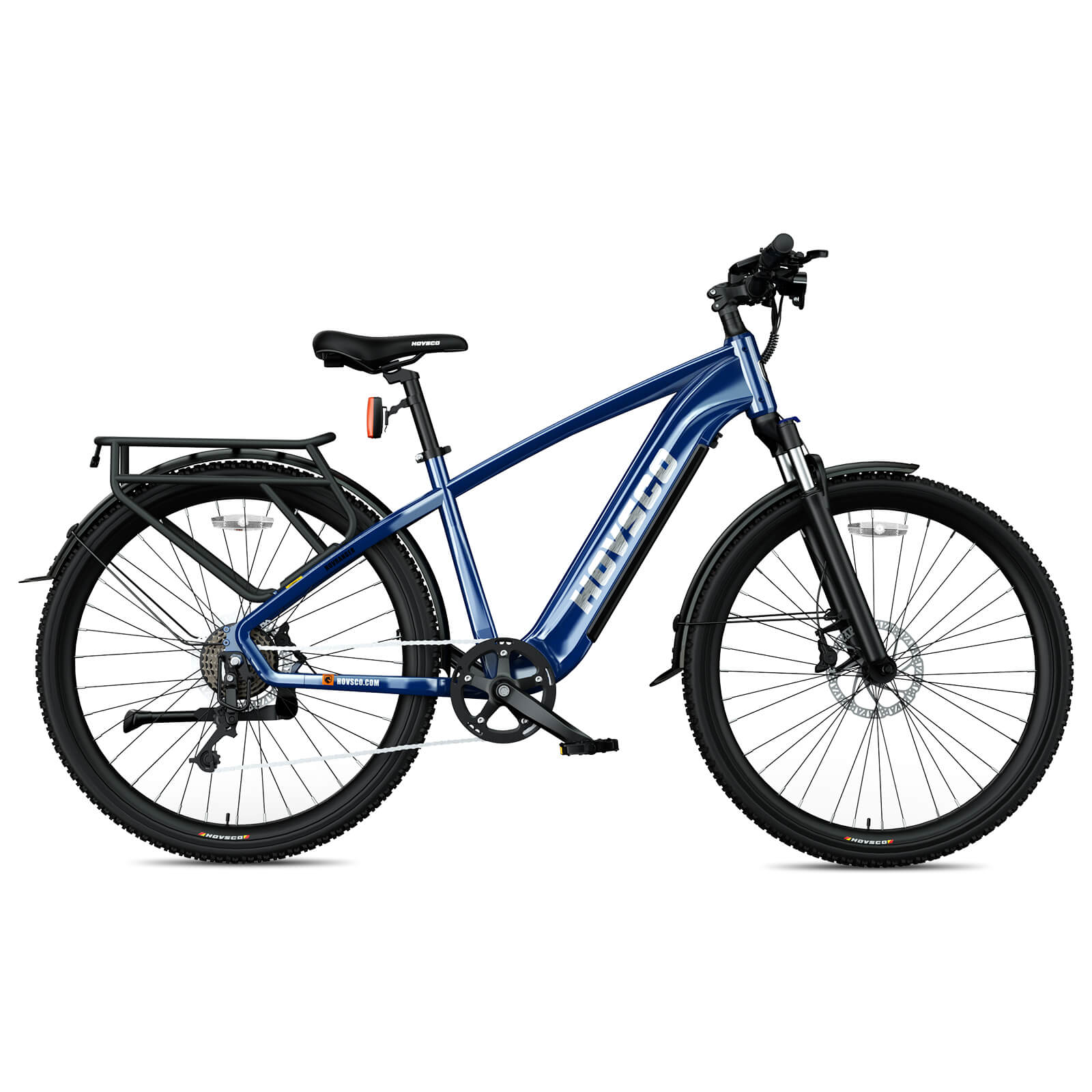
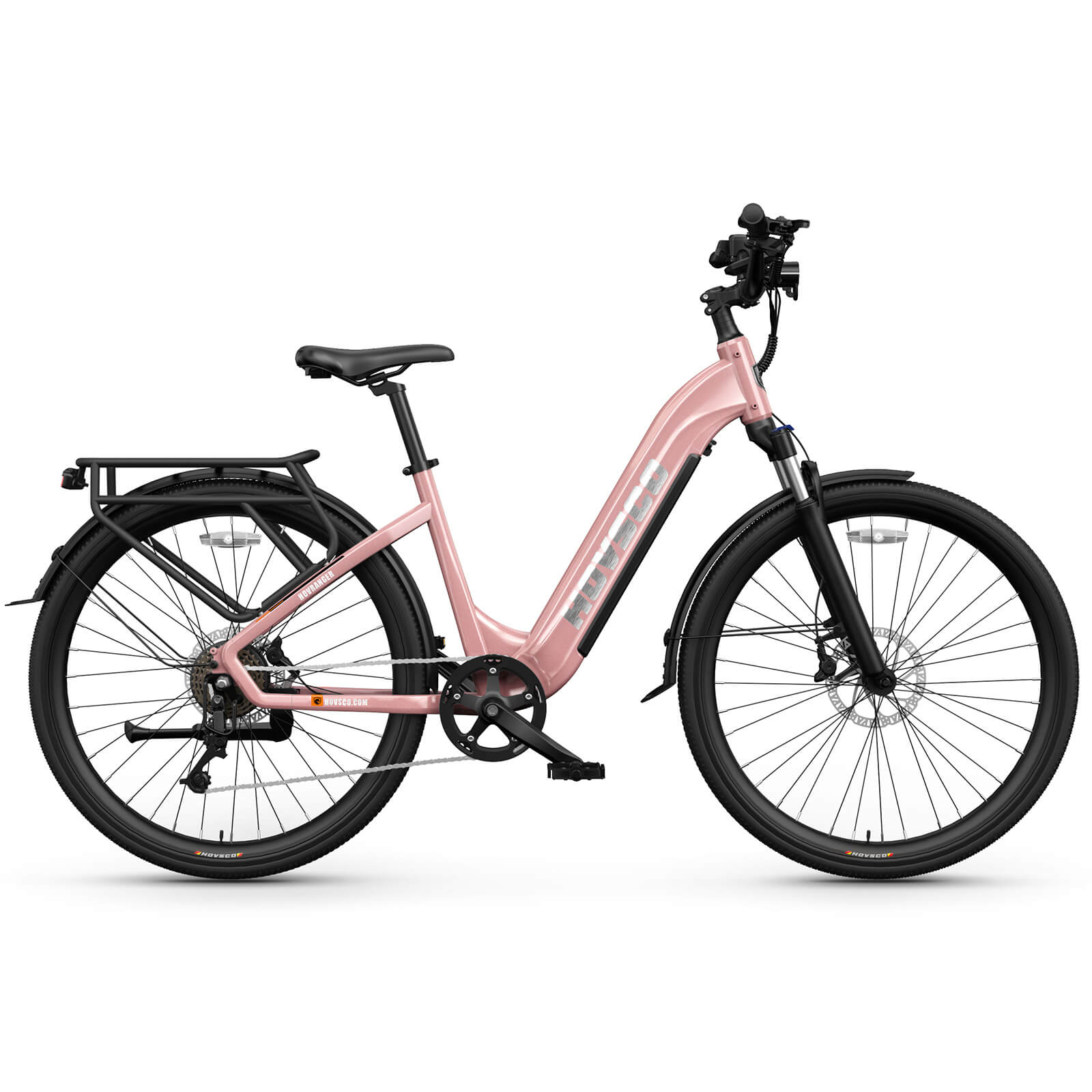
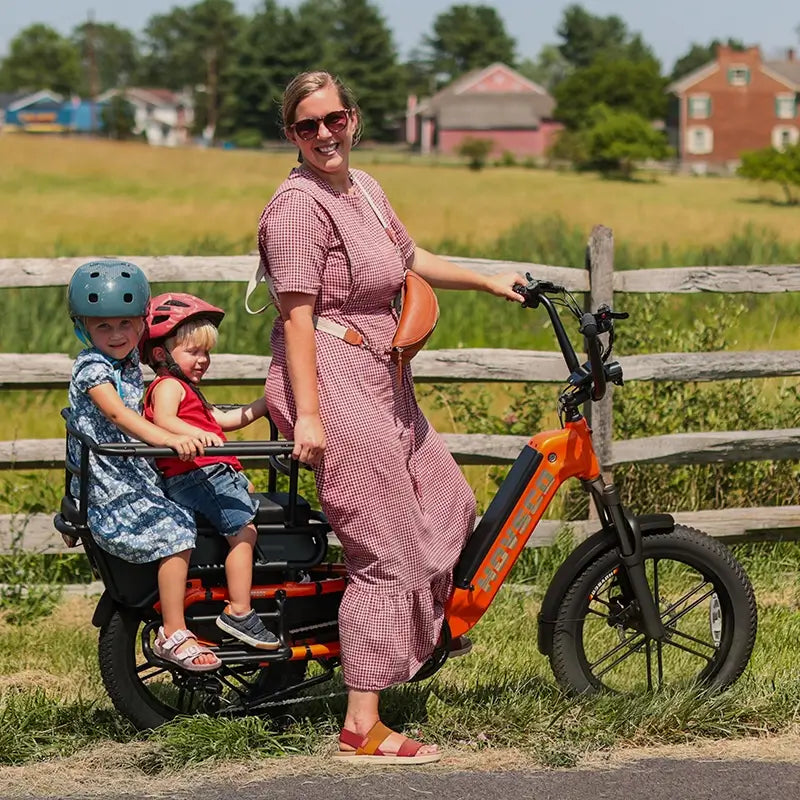
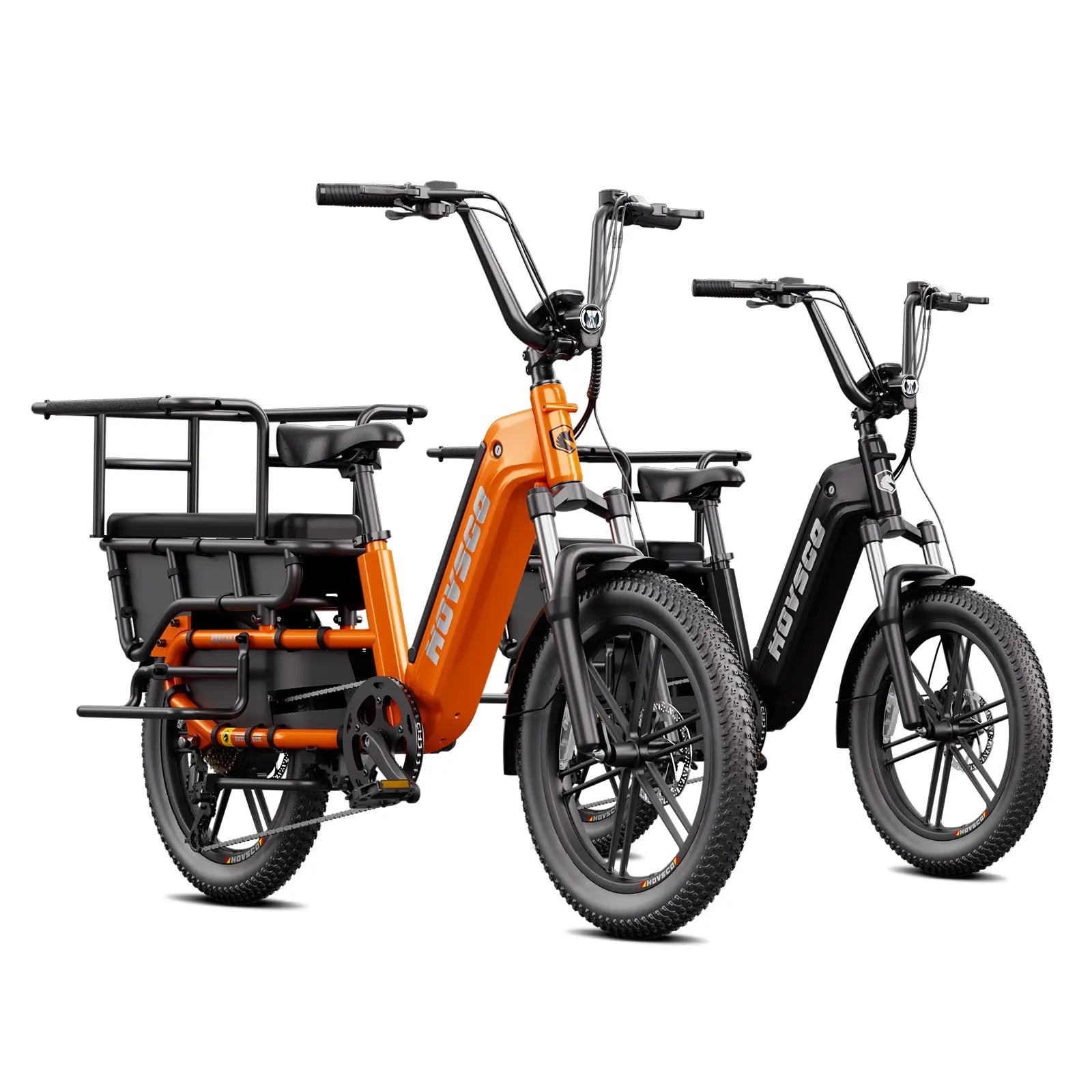
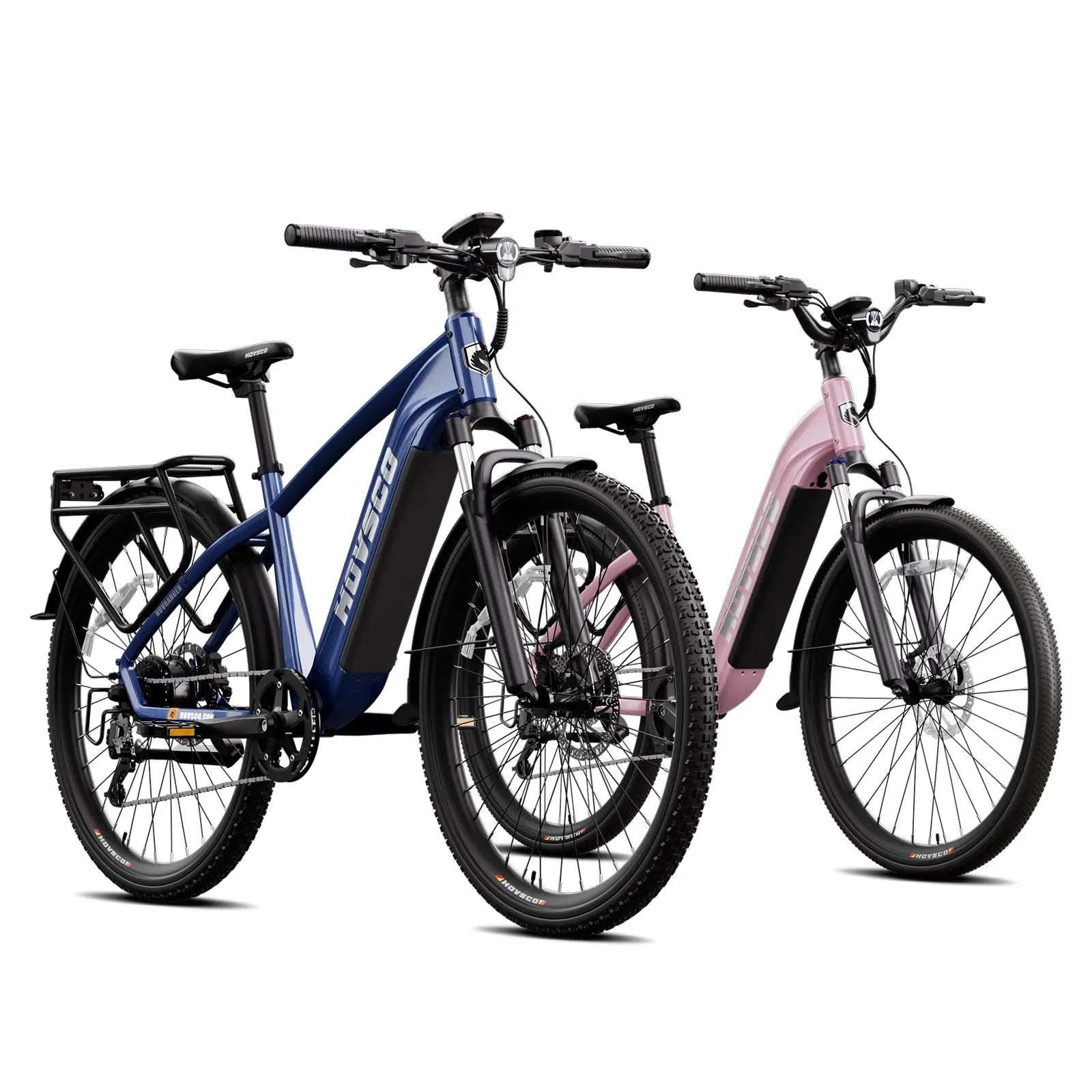
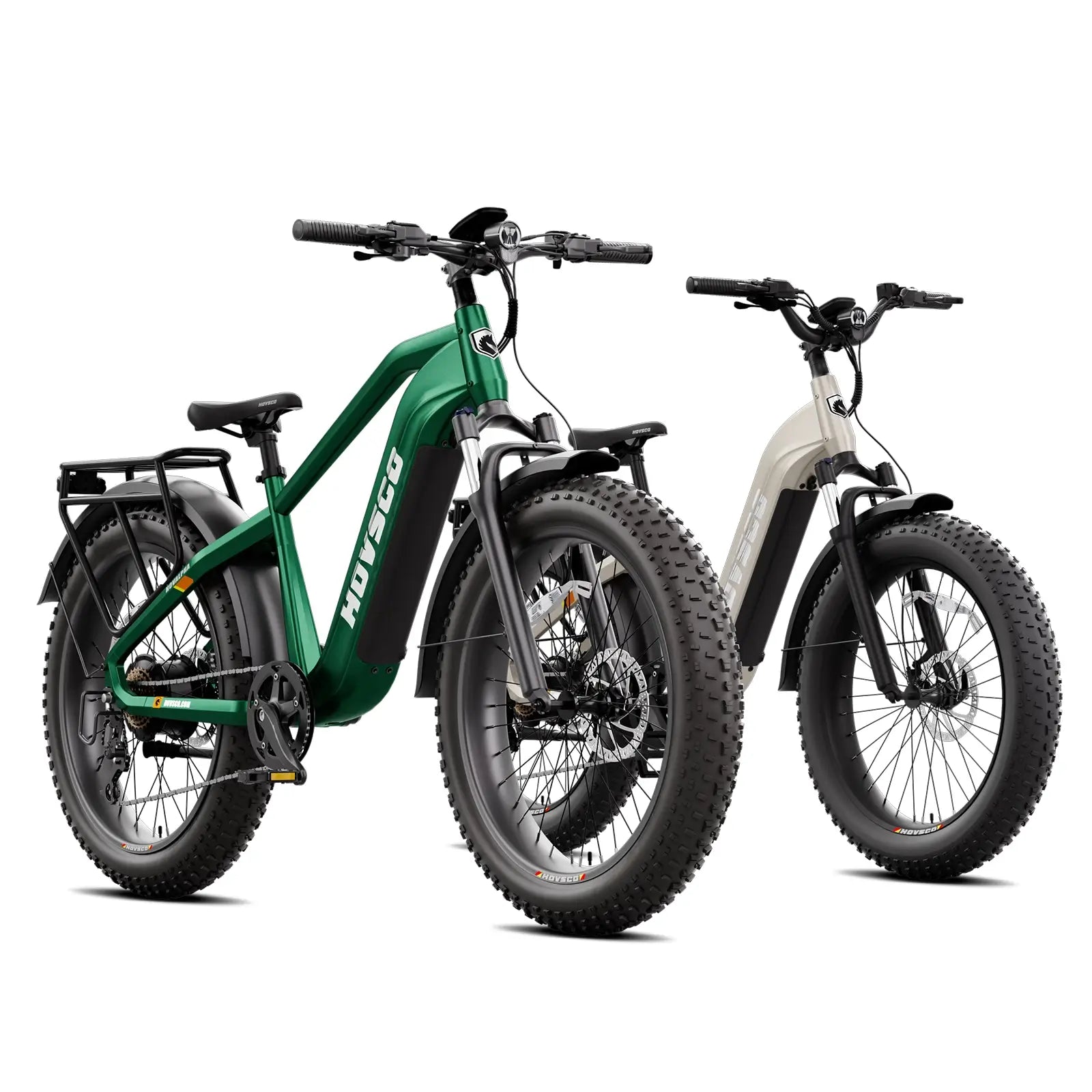
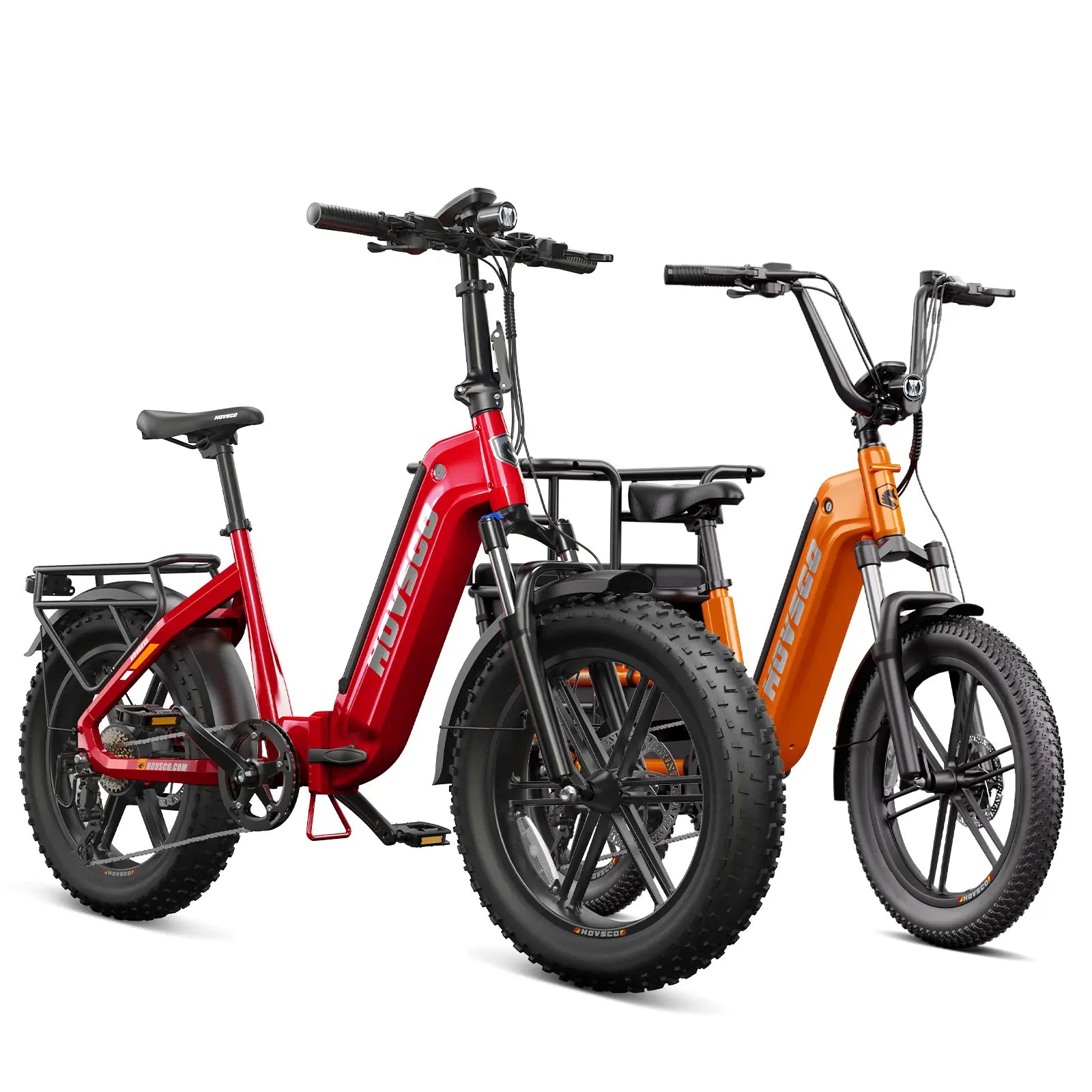
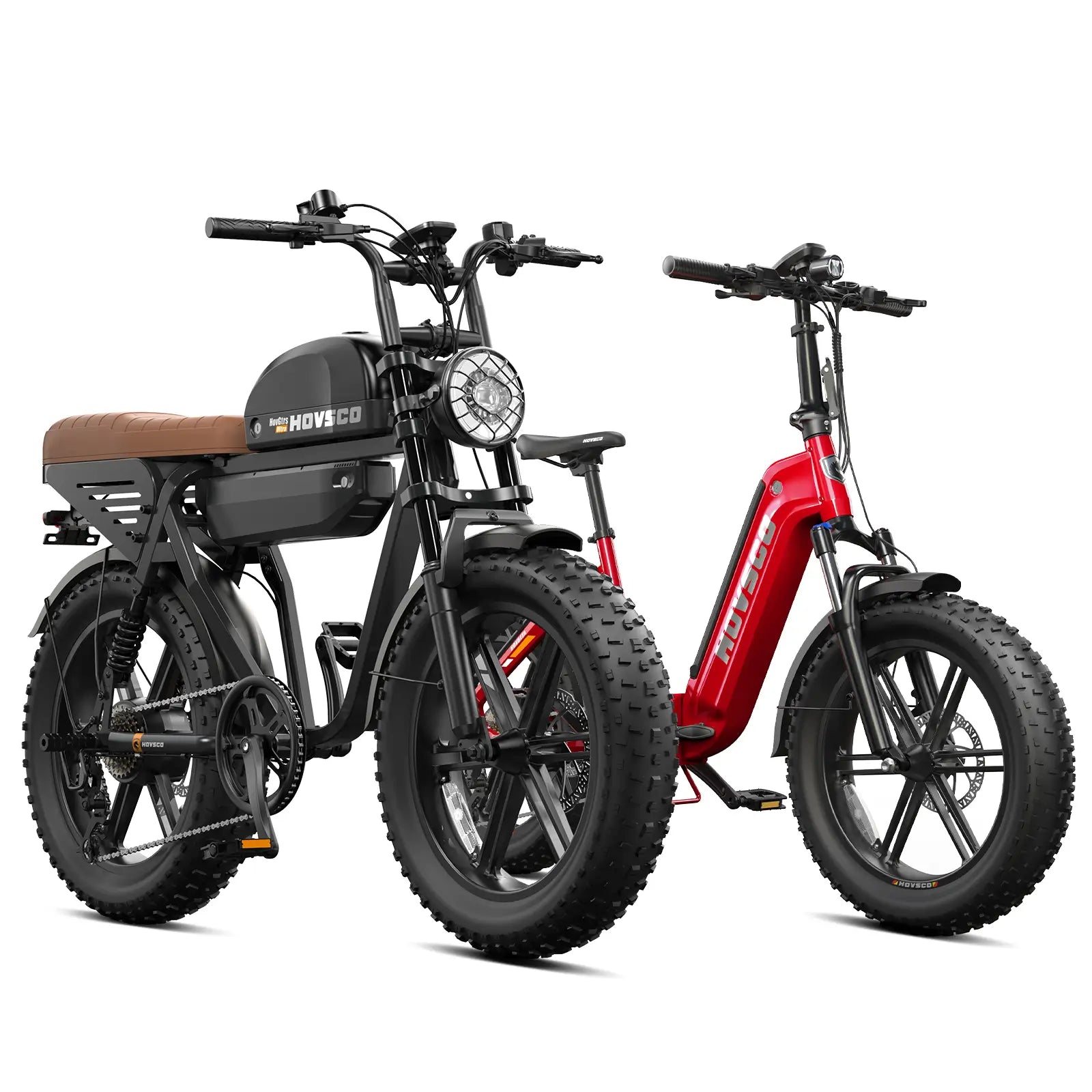
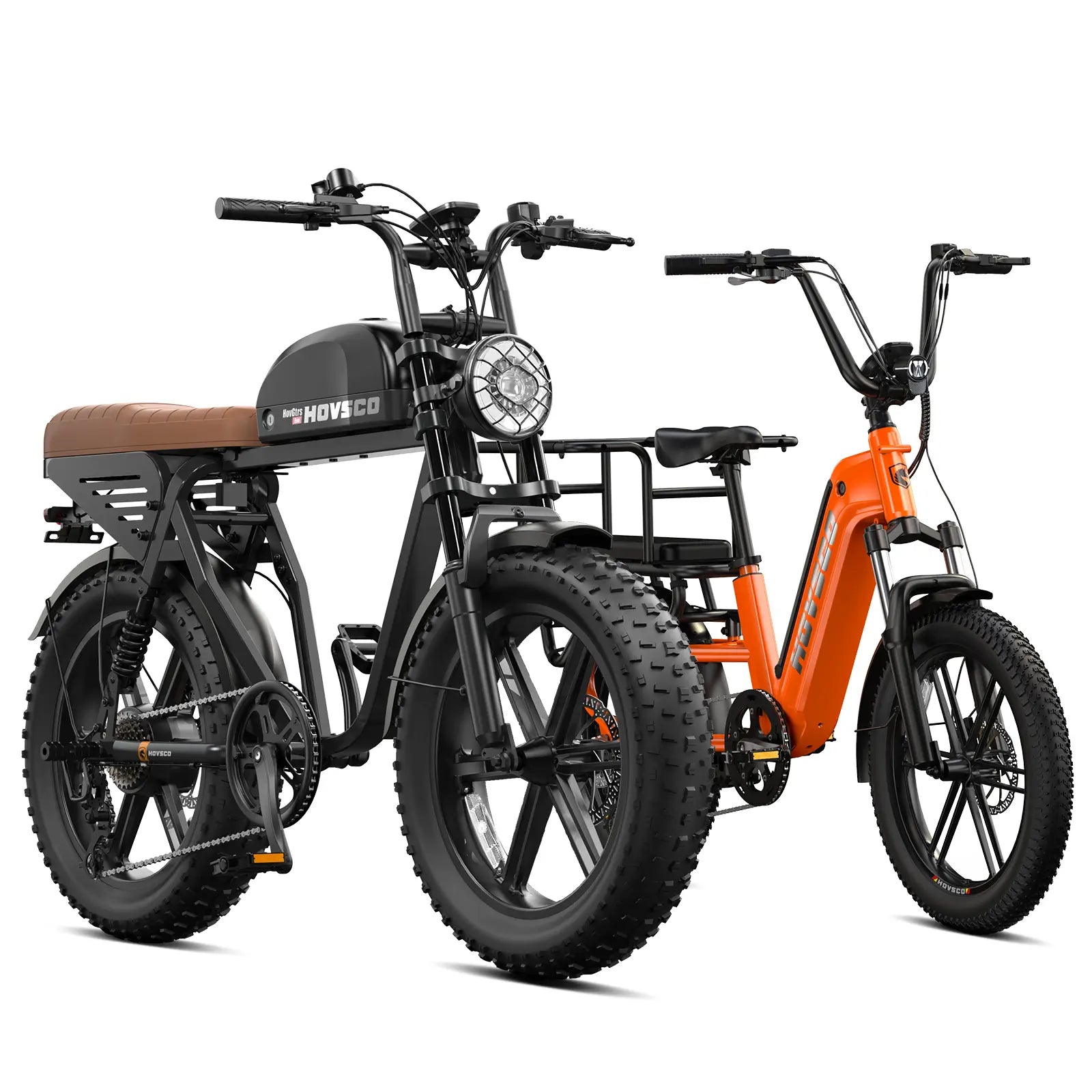
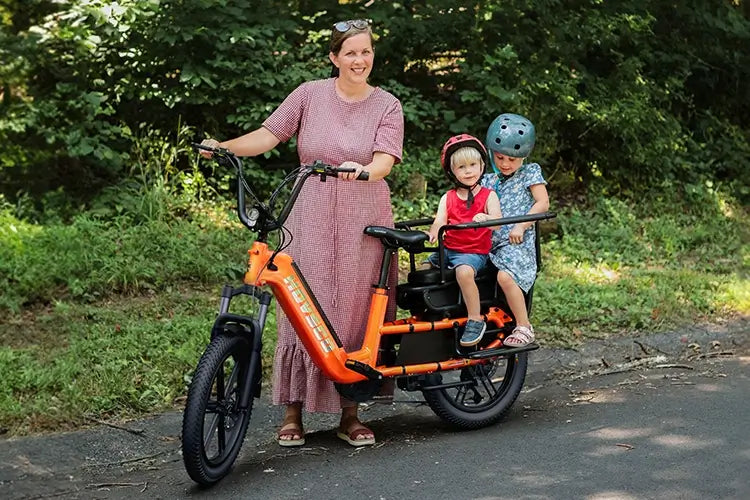
The load defines the format. Tasks that need bulky cargo — boxes, equipment, tool bags, or large attachments — point to the HovCart cargo platform. Tasks that only need a backpack or small case point to the HovRanger city formats, which park and handle more easily.
Separating these tasks prevents buying a larger platform for a job that values easier parking and handling. A lighter city bike that parks at every stop can outperform a cargo platform that cannot park anywhere on the route.
The separation is also a cost decision: a cargo platform costs more to buy, park, and maintain than a city bike, so a business that buys one for backpack-sized loads pays for capacity it never uses at every single stop.
Revisit the separation quarterly: a business that starts with backpack jobs may grow into box deliveries, and the format should grow with the load rather than being stretched past it.
The number of stops and the time at each one are part of the job, not details. Every stop adds a mount, a lock, a walk, and a restart — the same stop-start math from the short-commute series, now multiplied across a delivery day.
The delivery window decides whether the workflow is feasible: a route with ten stops and a two-hour window is a different job from the same route with a full day. If the window is tight, the parking and locking time at each stop becomes the bottleneck, and the format choice follows the stops, not the straight-line distance.
Record the parking reality at each stop during the test week — the rack that is full, the loading dock that is locked, the sidewalk spot that is not approved. The parking facts belong in the job definition as much as the miles do.
The rider and the load are part of the job definition. Record who rides, their fit and experience, the equipment they carry, and the combined load — rider, battery, locks, bags, tools, and cargo. The combined-load math is covered in our payload guide.
A business with multiple riders needs a bike that fits all of them or a training plan that confirms each rider's fit before riding with a business-critical load. The rider is not interchangeable on a bike that does not fit.
The load also changes the bike's behavior: braking distance grows, low-speed control changes, and the attachment routine adds time to every stop. The training plan must include the loaded ride, not just the empty one.
Model the job for one full week before committing: distance, load, stops, parking, charging, security, and downtime. The collection page's business checklist runs the same sequence — routes, loads, downtime, and total cost — and the week-long test is where the plan meets reality.
Record what actually happens: the stop that takes longer, the rack that is full, the charge that runs lower than expected. A week of honest records turns the job definition from an assumption into a specification that the bike and the process must meet.
The week-long test also measures the charging and maintenance reality: whether the battery covers the day, whether the inspection schedule fits, and whether the downtime plan works. The workflow that survives the week is the workflow the business can promise.
Fill this in before comparing any models, and keep it with the range and cost tables.
| Line | Your answer |
|---|---|
| Normal route | Miles and stops on a typical day |
| Maximum route | The longest day the bike must cover |
| Delivery window | Time available for the route |
| Load | Rider, equipment, and cargo combined weight |
| Parking | Approved lock points at every stop |
| Charging | Who charges, where, and when |
Keep the worksheet with the range test results and the total-cost table. Together they form the business case — and a business case built on a defined job is the one that survives the first month.
A business e-bike earns its keep when it matches a written workflow. Define the route, the load, and the stops first; the right format follows from the job, not from a spec sheet.
— HOVSCO Engineering Team
Define the job before the bike: normal and maximum routes, stops, windows, rider, load, and parking. Separate bulky-cargo tasks from backpack tasks, test the workflow for one full week, and let the worksheet drive the format choice — a defined job is the foundation of every reliable commercial workflow.
What should a business define before choosing an e-bike?
The normal and maximum routes, number of stops, delivery window, rider, carried equipment, parking conditions, and return-to-base travel — including detours. The job definition drives the format choice.
Why does a route that works under ideal conditions fail commercially?
Because business routes include detours, failed deliveries, full racks, weather, and tight windows. If the workflow depends on ideal conditions, the first imperfect day breaks it.
Should bulky loads and backpack loads use the same bike?
Usually not. Bulky loads point to a cargo platform like the HovCart; backpack loads point to lighter city formats that park and handle more easily. Separating the jobs prevents buying the wrong platform.
How long should a business test an e-bike workflow?
At least one full week with the normal load and the real route. Record distance, stops, parking, charging, and downtime, then compare the records against the job definition.
What is the most common business e-bike mistake?
Choosing the bike before writing the workflow. The mismatch usually shows up in week one as a parking problem, a load problem, or a range problem that the spec sheet never predicted.
Share:
Why Is Riding Time Only Half the Door-to-Door Commute?
Porto Max vs Felicity vs Xander Max: Which Has the Best Range?