
























![[ New Arrival ] Porto Max Electric Scooter For Commute & Grocery Shopping - HOVSCO](http://www.hovsco.com/cdn/shop/files/PotroMax-3.jpg?v=1706927007&width=1200)
- by SteveJames
How Do You Manage E-Bike Maintenance and Downtime?
- by SteveJames
E-Bikes
Accessories
 Free Shipping
 15-Day Returns
 2-Year Warranty
Free Shipping
15-Day Returns
2-Year Warranty
2-Year Warranty
Free Shipping
15-Day Returns
2-Year Warranty
Downtime can cost more than the purchase price. A bike that is unavailable on a delivery day is a missed window, a disappointed customer, and a scramble for a backup — all costs that the price tag never included. This guide owns the maintenance and downtime plan: inspection schedules by mileage, authorized service, parts, a backup vehicle, and a log that makes the fleet's reliability visible. The payload and load log from our payload guide feeds the same schedule.
A consumer bike that sits in the garage costs nothing. A business bike that sits in the shop costs the route it was supposed to ride, the customer it was supposed to serve, and the staff time spent arranging a backup. The collection page states the rule: downtime can cost more than the purchase price.
That is why maintenance is a business process, not an afterthought: the inspection schedule, the service provider, the parts source, and the backup vehicle are decided before the bike goes on the route, not after the first breakdown.
The same logic applies to parts: a brake pad or tire that takes a week to arrive is a week of downtime. Stock the wear items the fleet uses most, and the schedule keeps moving.
The inspection schedule should be posted where the bikes live and tied to the odometer or the charge log, so the interval is checked against use rather than memory.
Include a fast daily check in the schedule — tires, brakes, battery, and cargo attachments — that takes two minutes at the start of each route, so small problems are caught before they grow.
The daily check is also the training moment: every rider learns the pass conditions, and a rider who can check a bike can report one.
The maintenance log should record the check outcomes, not just the repairs: a log that shows inspections happening on schedule is the evidence the insurance and the warranty both appreciate.
Consumer maintenance guidance is weekly and casual; a business fleet needs a schedule tied to mileage and use. The table below shows the standard intervals a delivery bike should follow.
| Item | Typical interval |
|---|---|
| Tires and pressure | Weekly, and before heavy-load days |
| Brakes | Weekly, plus after any braking change |
| Drivetrain | Monthly or by mileage, whichever comes first |
| Fasteners and frame | Monthly, plus after any load change |
| Battery and wiring | Weekly charge record and visual check |
Use the manufacturer's service documentation as the baseline, and adjust the intervals to the real load and mileage the bike carries.
A business cannot improvise service: identify who can perform authorized work, how parts are obtained, and how long repairs take before the bike is needed. The answer should be written down, not discovered during a breakdown.
Keep the service contact, the warranty documents, and the parts ordering path with the bike records. A bike with a known service path is a bike whose downtime is planned; a bike with an unknown one is a bike whose downtime is a crisis.
The service path should also name the escalation: who approves a repair, what the approval limit is, and how a major repair is budgeted. A defined escalation keeps a small problem from waiting on a decision.
Every bike that carries a schedule needs a backup plan: a second bike, a van, a rental, or a re-routed schedule. The plan is not a luxury — it is the answer to the day the primary bike is unavailable.
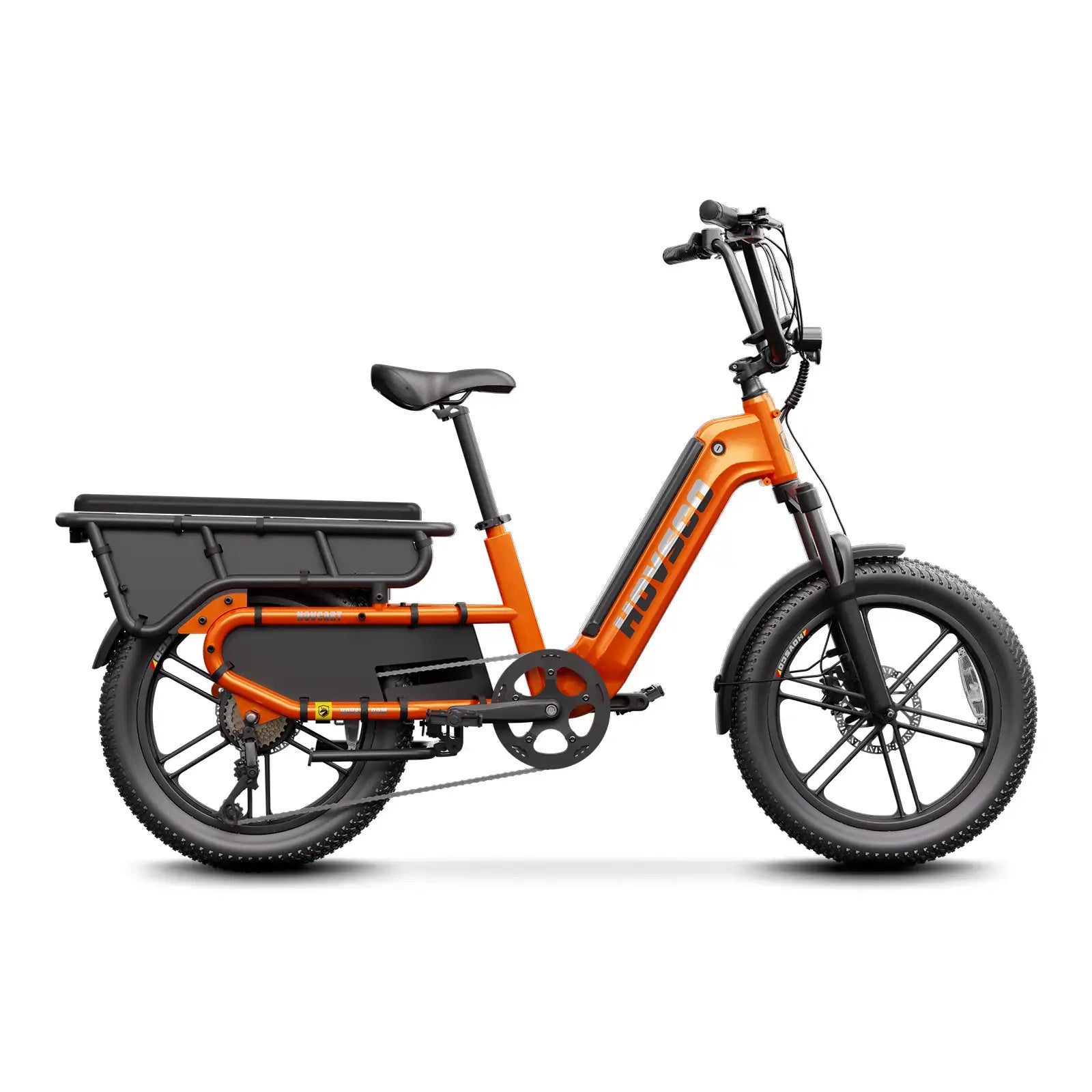
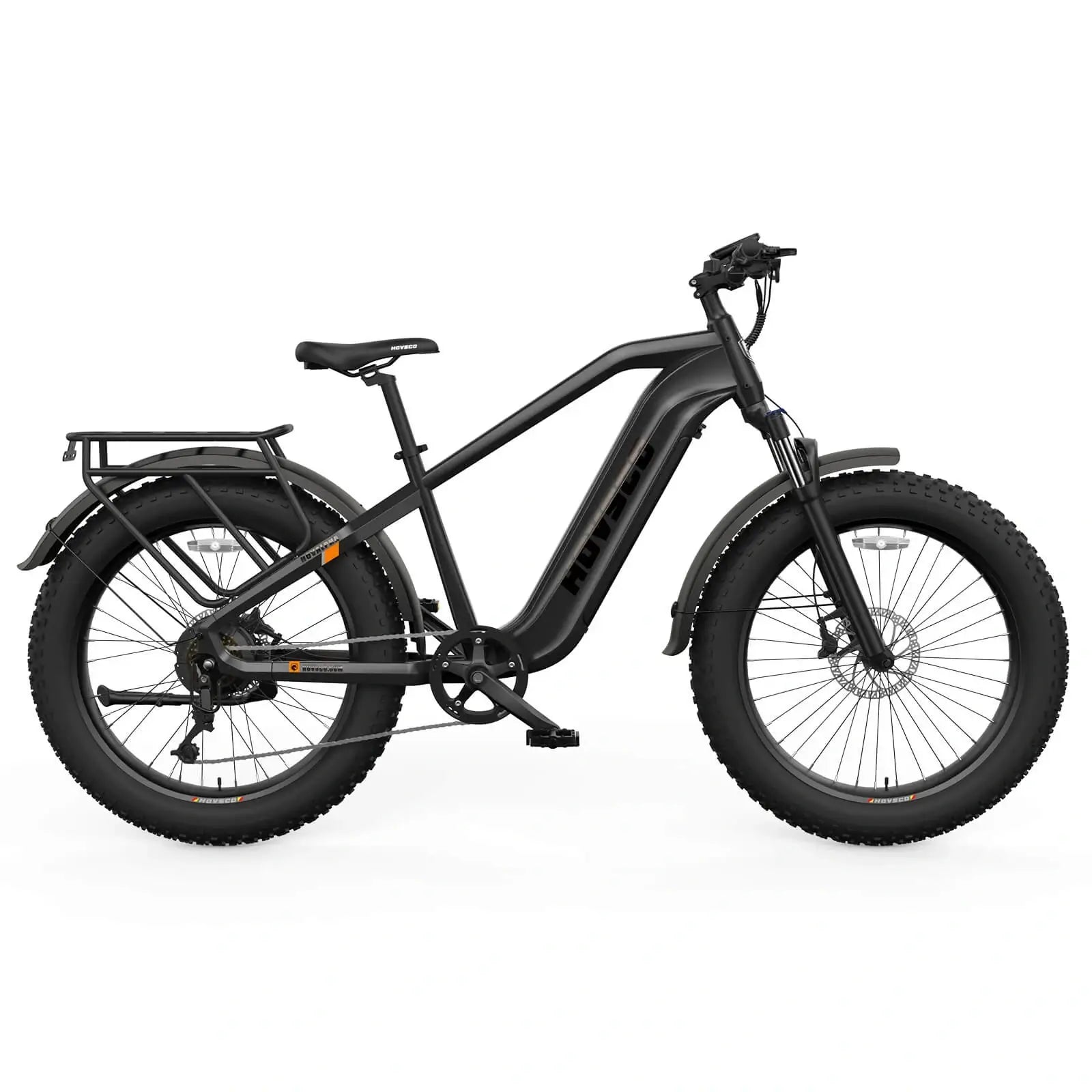
Match the backup to the route: a second HovRanger for a city route, a second HovCart for a cargo day, or a vehicle that covers the load when no bike is available. The backup is part of the operating cost, and it is cheaper to plan than to rent at the last minute.
The backup plan should be rehearsed once, not discovered during the breakdown: know which route the backup covers, who moves it, and how the customer is notified. A rehearsed backup is a real backup.
Include the backup in the customer promise: if a service window depends on the bike, the business should be able to state what happens when the bike is unavailable.
Record rider reports, maintenance, battery behavior, and incidents in one log per bike. The log turns individual observations into fleet data: the tire that wears early, the brake that needs adjustment, the route that is harder on the drivetrain.
Review the log weekly and act on patterns before they become failures. A fleet log is the difference between maintaining bikes and reacting to them — and the business that reacts pays for the reaction.
The log also feeds the total-cost review: the maintenance lines from the log become the real numbers in the operating-cost table, replacing estimates with history.
Stop using a bike when steering, brakes, frame, battery, wiring, or a cargo attachment shows damage. A damaged bike is not a ride-and-see decision; it is a removal from service decision.
Define who has the authority to pull a bike from the route — every rider, or only the manager — and make the report path fast. A bike that stays in service after a warning sign is a bike that turns a maintenance cost into an accident.
Make the damage rule visible to every rider and include it in training: a rider who knows the bike is pulled at the first warning sign is a rider who reports early rather than hiding a problem.
Run this when the fleet launches and review it monthly.
| Check | Pass condition |
|---|---|
| Schedule built | Inspection intervals tied to mileage and use |
| Service named | Authorized provider and parts path documented |
| Backup planned | A vehicle or second bike covers the route |
| Log kept | Rider reports, maintenance, and incidents recorded |
| Damage rule | Damaged bikes are pulled from service immediately |
" The businesses that keep e-bikes on the road do not wait for failures — they schedule inspections by mileage, name the service path, and keep a log. Downtime is a plan, not a surprise." — HOVSCO Engineering & Content Team
Fleet reliability comes from a mileage-based inspection schedule, a named service provider, a parts path, a backup vehicle, and a fleet log that catches patterns early. Damage pulls a bike from service immediately, because a missed delivery costs more than a repair.
1. Why is e-bike downtime expensive for a business?
A bike off the route misses deliveries, disappoints customers, and costs staff time arranging backups — often more than the repair itself. Downtime is an operating cost, not an inconvenience.
2. How often should a business e-bike be inspected?
Tires and brakes weekly, drivetrain and fasteners monthly or by mileage, and the battery and wiring with every charge record. Adjust the intervals to the real load and mileage.
3. What should a business do when a bike is damaged?
Pull it from service immediately, especially for steering, brakes, frame, battery, wiring, or cargo attachment damage. Route the report to the named owner and the fleet log.
4. Does a business need a backup vehicle?
Yes, for every bike that carries a schedule. The backup can be a second bike, a van, a rental, or a re-routed schedule — and it is cheaper to plan than to arrange during a breakdown.
5. What goes in a fleet maintenance log?
Rider reports, maintenance performed, battery behavior, incidents, and mileage. The log turns individual observations into patterns the business can act on before failures happen.
Share:
How Do You Ride a Short Commute in Bad Weather?
HovBeta vs HovRanger vs Sync Max: Which Fits Short Riders?