



![[ New Arrival ] Porto Max Electric Scooter For Commute & Grocery Shopping - HOVSCO](http://www.hovsco.com/cdn/shop/files/PotroMax-3.jpg?v=1706927007&width=1200)
- by SteveJames
How Do You Choose an Electric Bike for Small Business?
- by SteveJames
E-Bikes
Accessories
 Free Shipping
 15-Day Returns
 2-Year Warranty
Free Shipping
15-Day Returns
2-Year Warranty
2-Year Warranty
Free Shipping
15-Day Returns
2-Year Warranty
Choosing the right e-bike for a small business means matching motor torque, payload, and battery range to your daily route, then checking lock security and local service access. For most storefronts, campuses, and light delivery routes, a mid-drive or hub-motor bike with 300-450 lbs capacity and a removable battery covers the workload without overspending on features you won't use.
Start with your heaviest daily load and shortest charging window, not the flashiest spec sheet. Pick a payload class that covers your worst day, a battery that survives a full shift, and a lock system rated for street parking. Everything else is secondary.
I've watched shop owners buy underpowered bikes because the sticker price looked good, then replace them within eight months once the motor started grinding under sustained cargo loads. The real decision for how to choose electric bike for small business use isn't "which brand is popular." It comes down to four things: cargo class, motor duty cycle, lock hardware, and parts availability.
Start by mapping your actual routes. A flower shop doing three-block deliveries has different torque needs than a property management company moving tools across a 40-acre campus. Business e-bikes generally fall into three functional tiers:
Utility/errand tier — light loads under 100 lbs, short urban hops, minimal suspension needs.
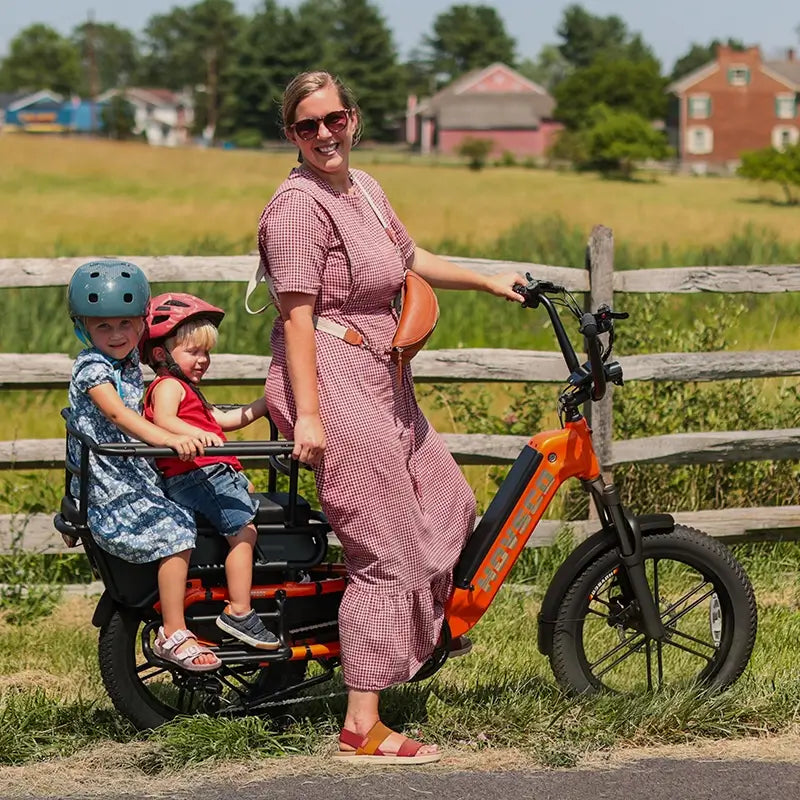
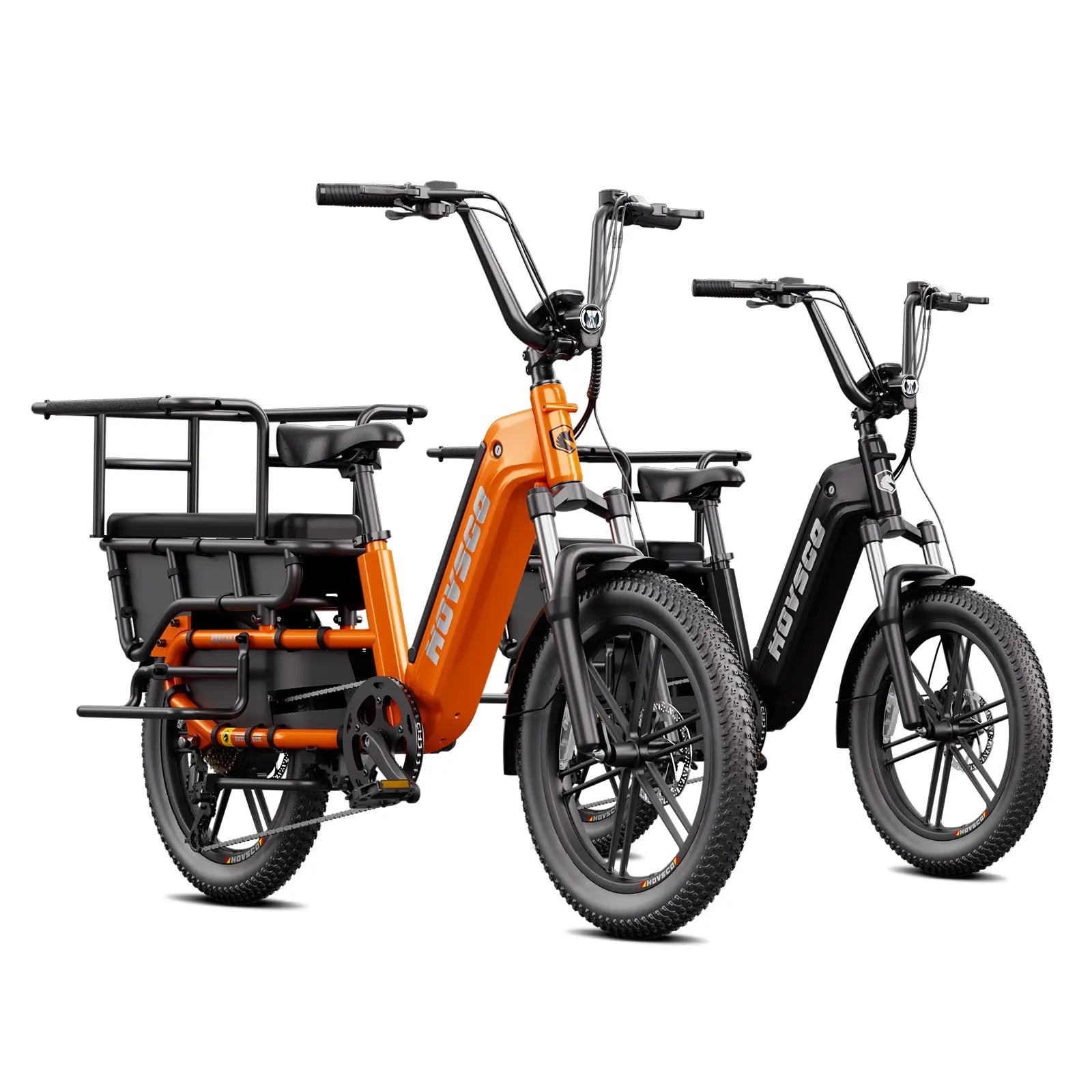
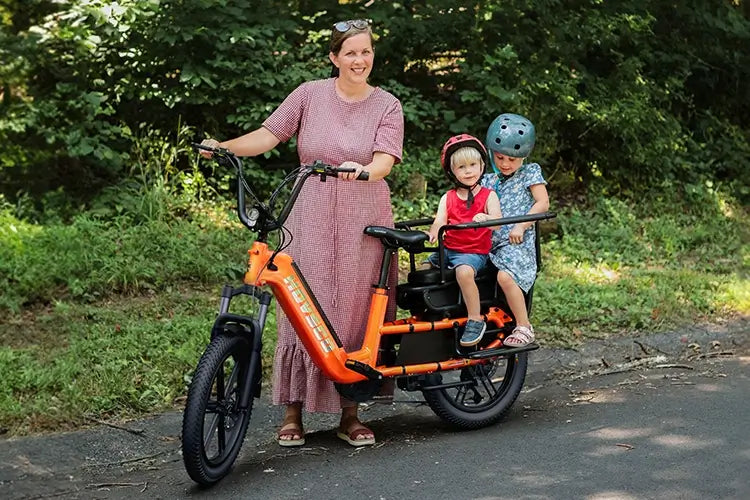
Cargo/family-hauler tier — 300-450 lbs payload, reinforced racks, higher sustained wattage.
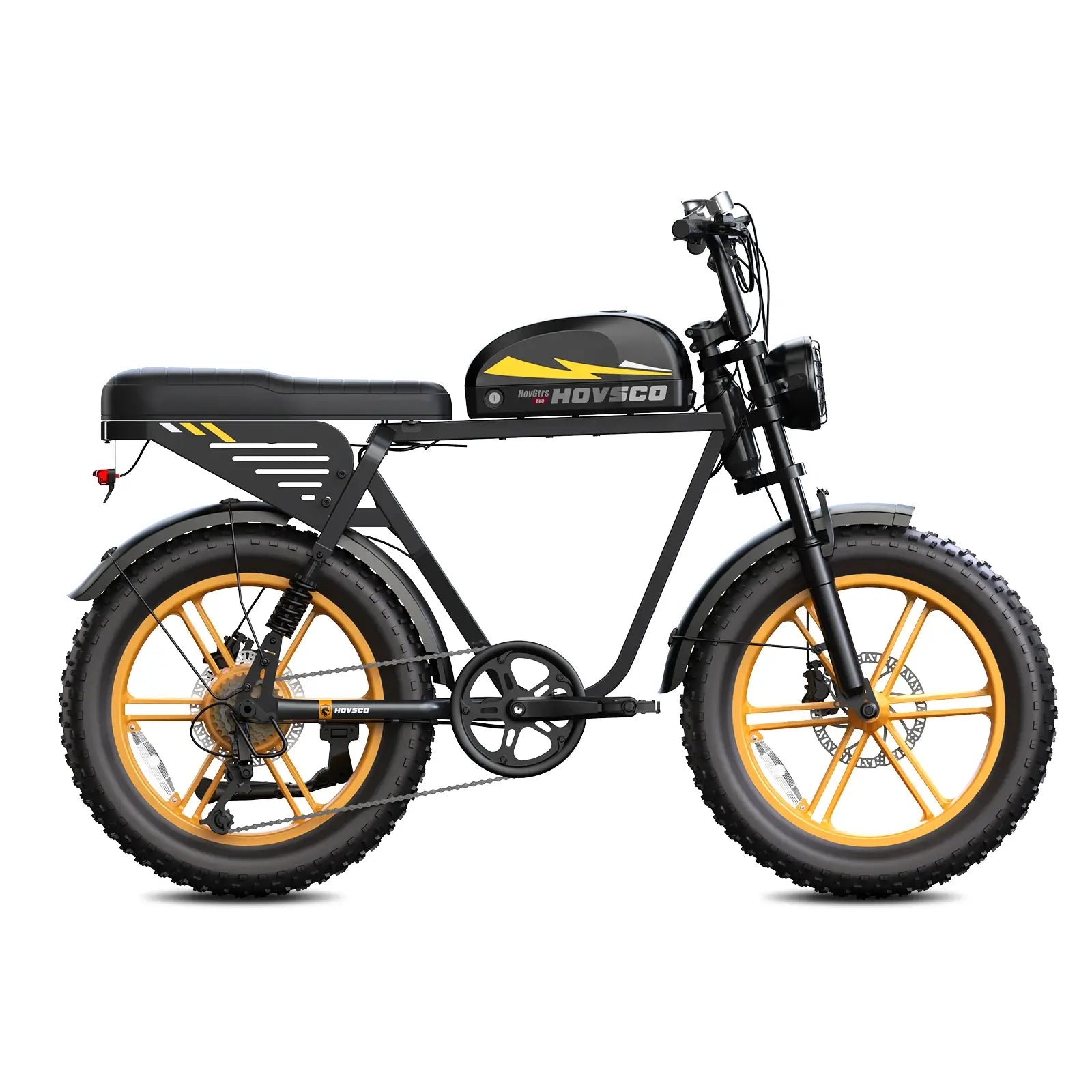
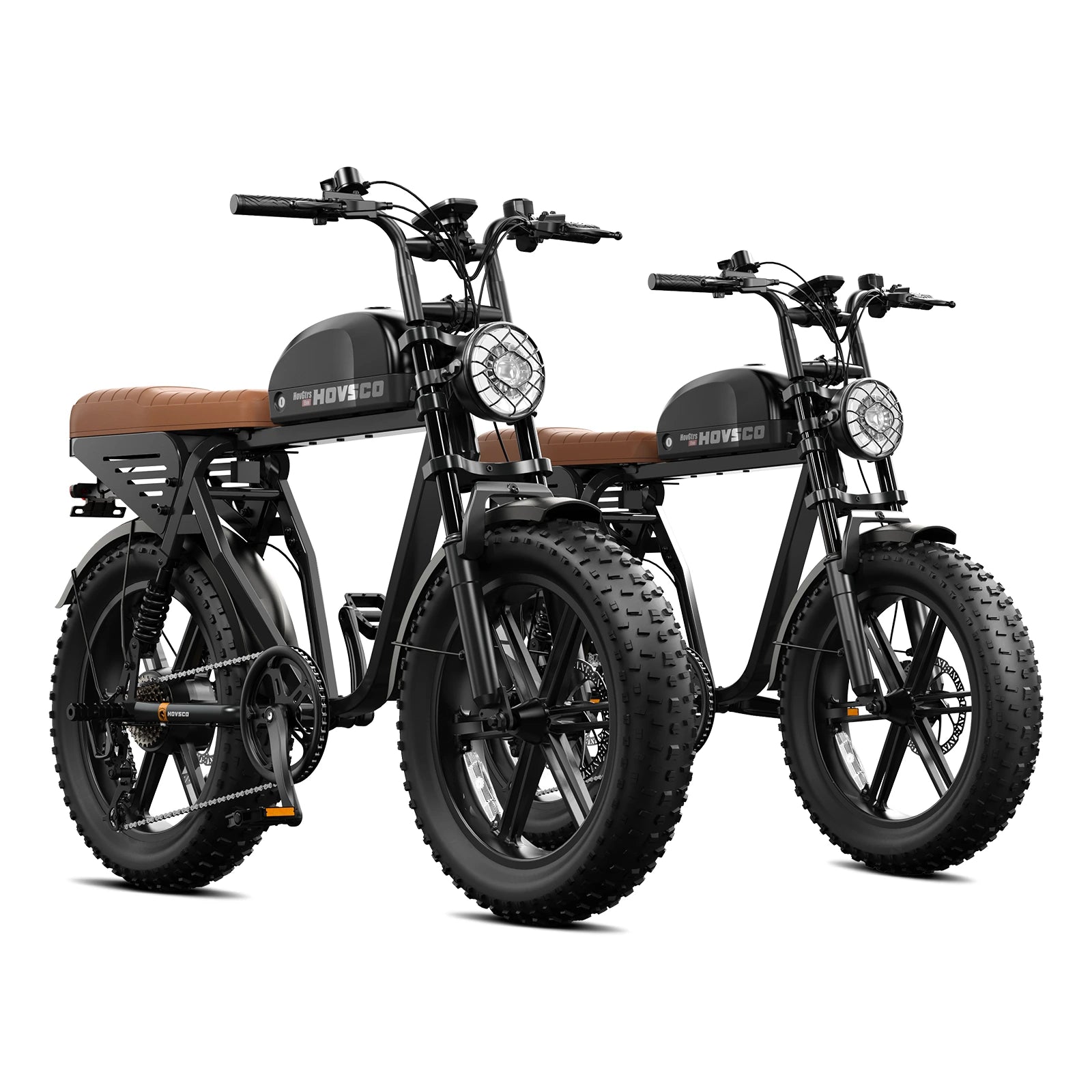
Fleet/moped-style tier — extended range for multi-stop routes, heavier-duty tires and brakes.
Most small businesses land in the middle tier because it absorbs unpredictable load spikes — a catering order, a bulk supply run — without requiring a second vehicle purchase.
Look past the headline number and check payload capacity, sustained motor wattage, hydraulic disc brakes, a removable battery, and a warranty that actually covers commercial-adjacent use. Frame material and torque sensor quality determine how the bike performs under repeated load-and-unload cycles, and that's exactly where cheaper bikes fall apart first.
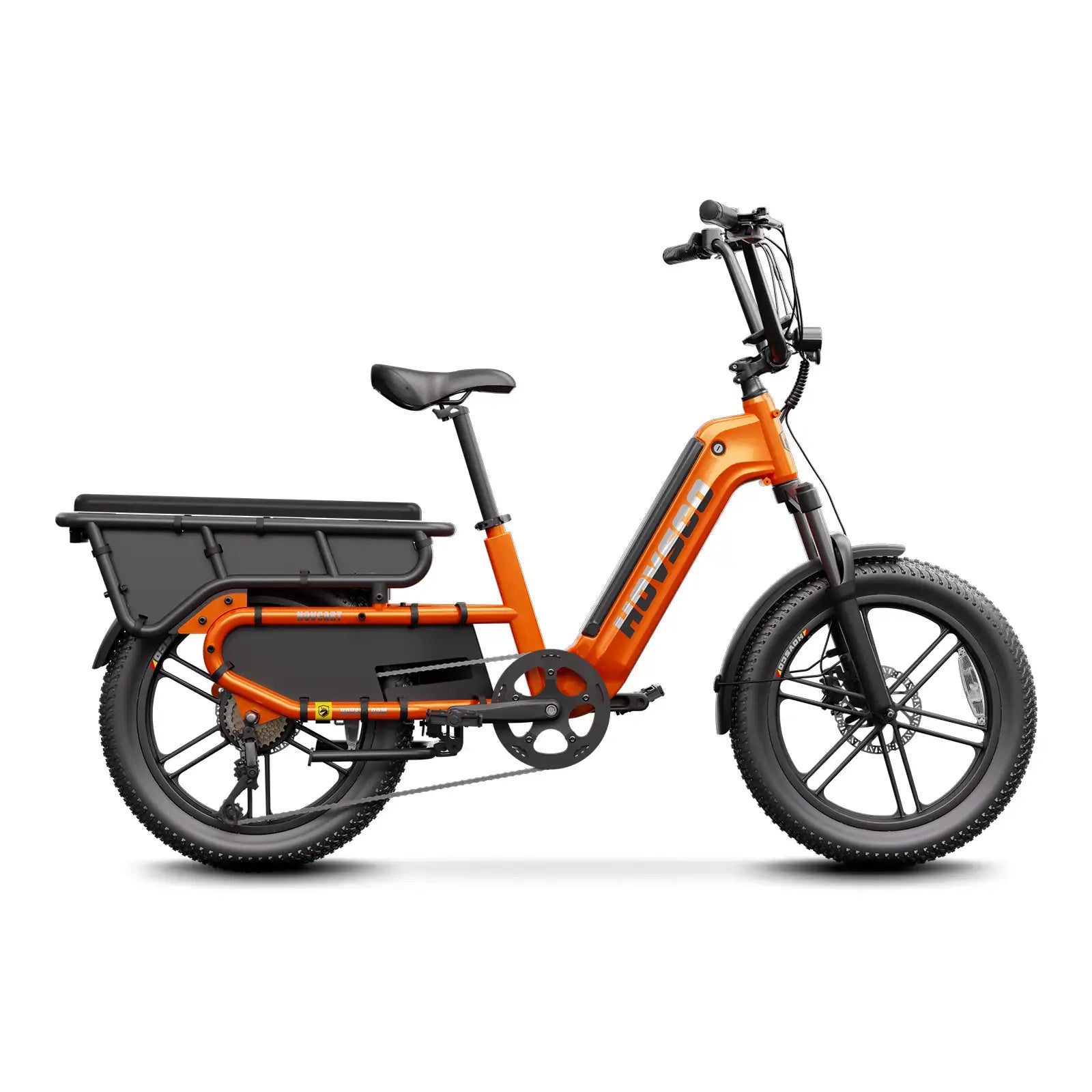
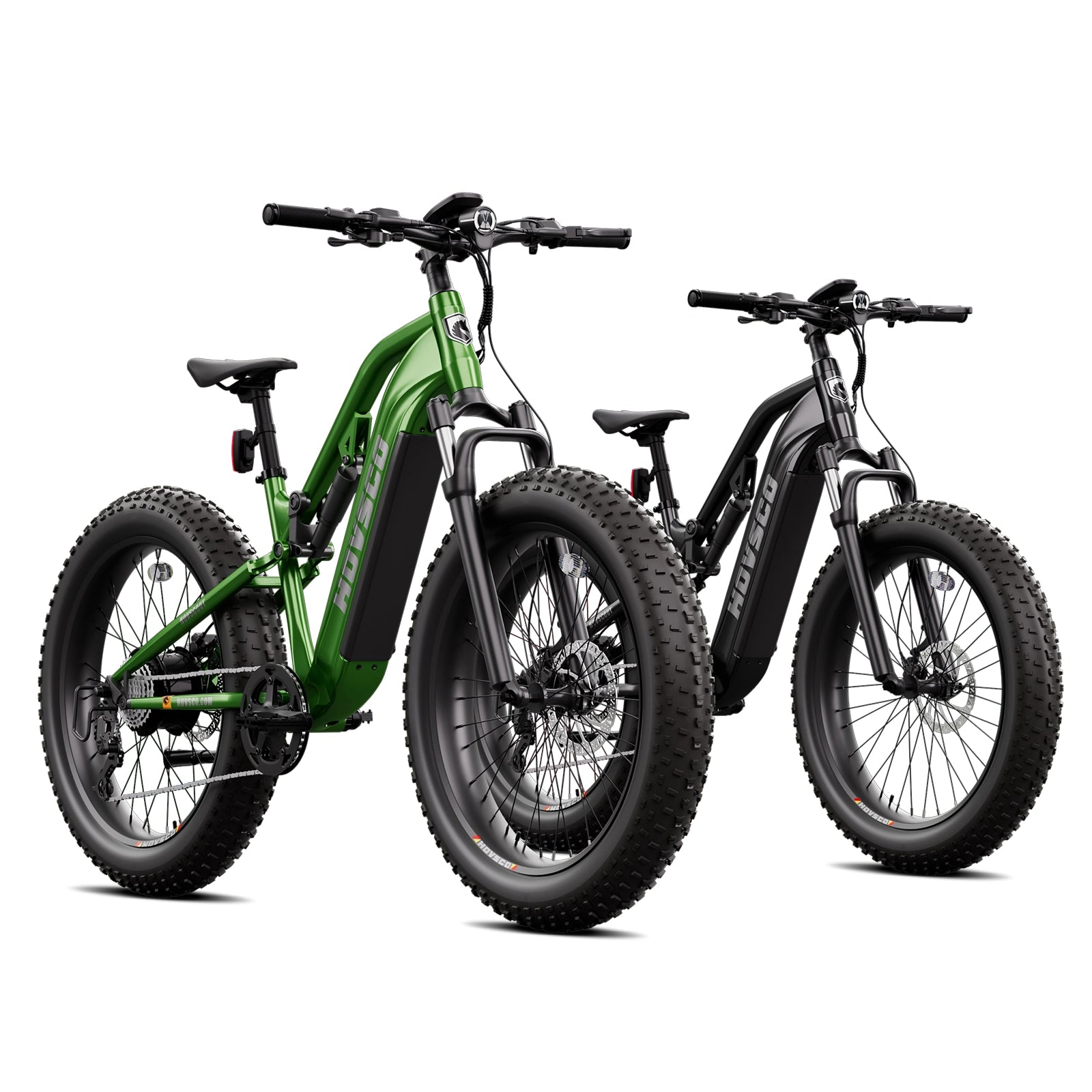
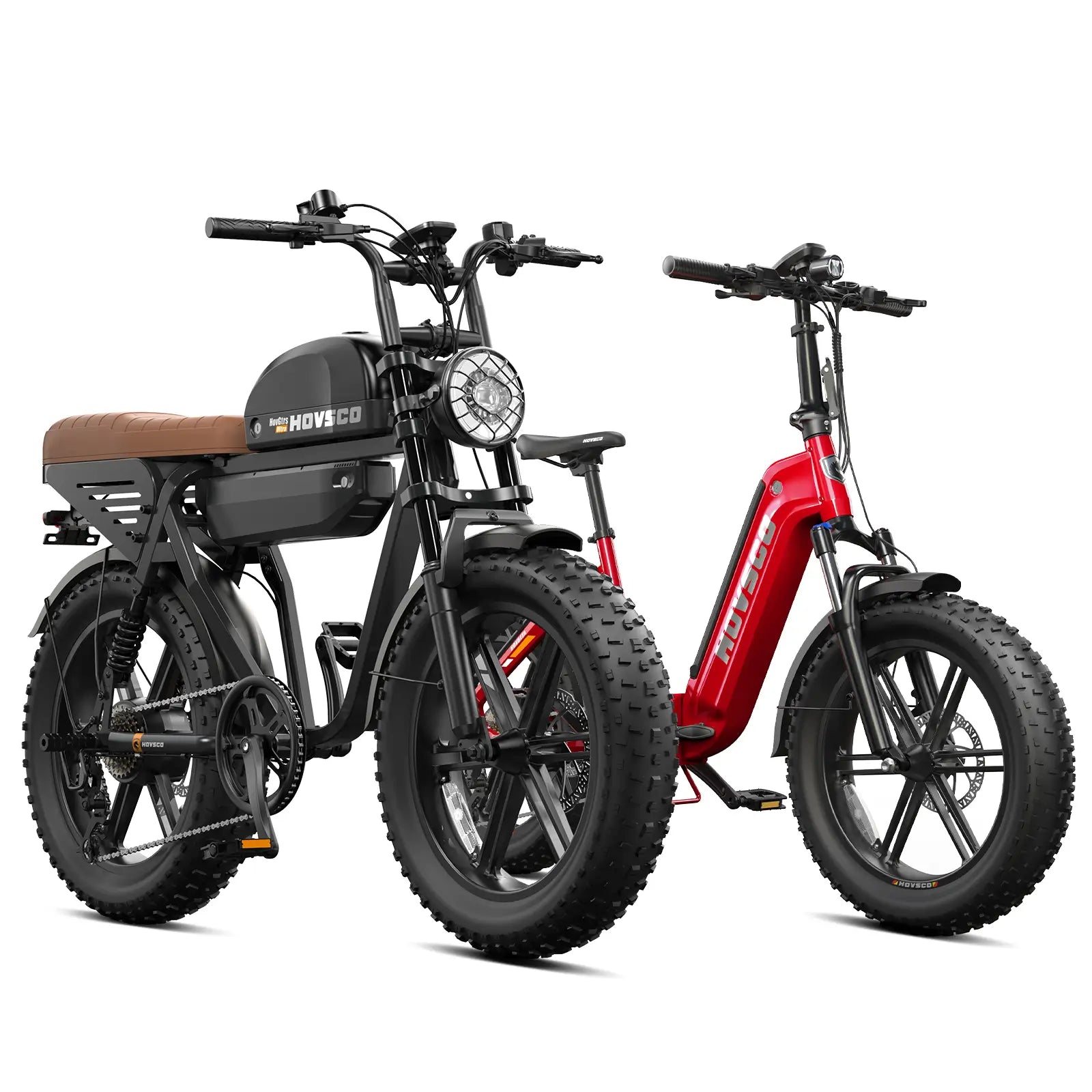
The spec sheet trap is peak wattage. A "1300W" listing usually means 1300W peak and roughly 750W sustained, and the sustained number is what matters when a bike climbs a loading-dock ramp fully loaded, five times a day. HOVSCO's HovCart, for instance, publishes both figures clearly — 1300W peak, 750W sustained, 90 N·m torque — which tells you it's built to hold that duty cycle rather than spike once and throttle back.
Frame construction matters more than most buying guides admit. A 6061 single-butted aluminum frame with an internally routed battery resists the fatigue cracking that shows up on cheap welded frames after a few hundred load cycles. That's the kind of detail you only notice after a bike has done real work, not in a showroom.
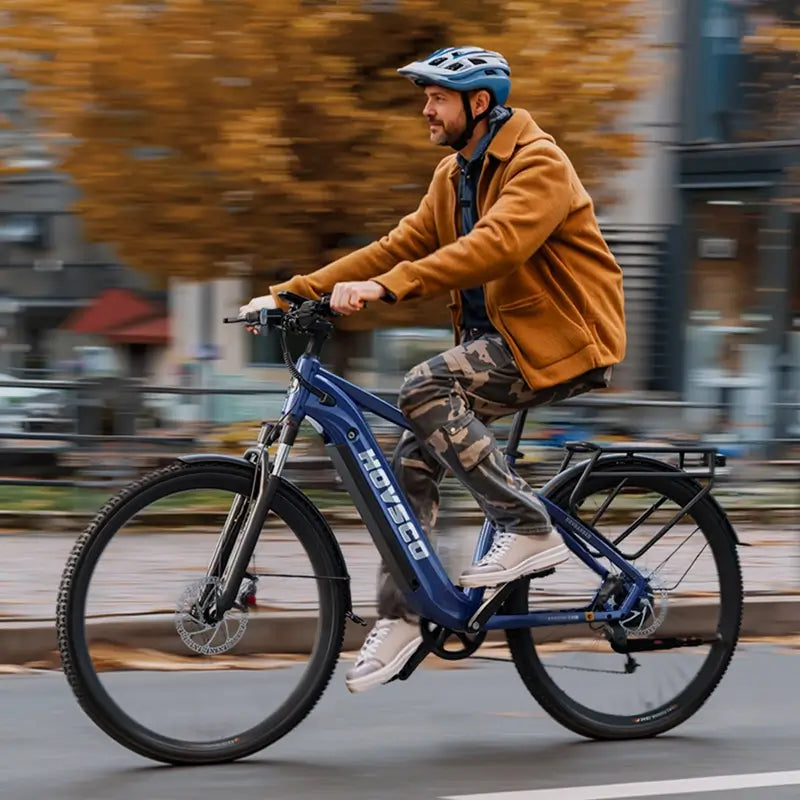
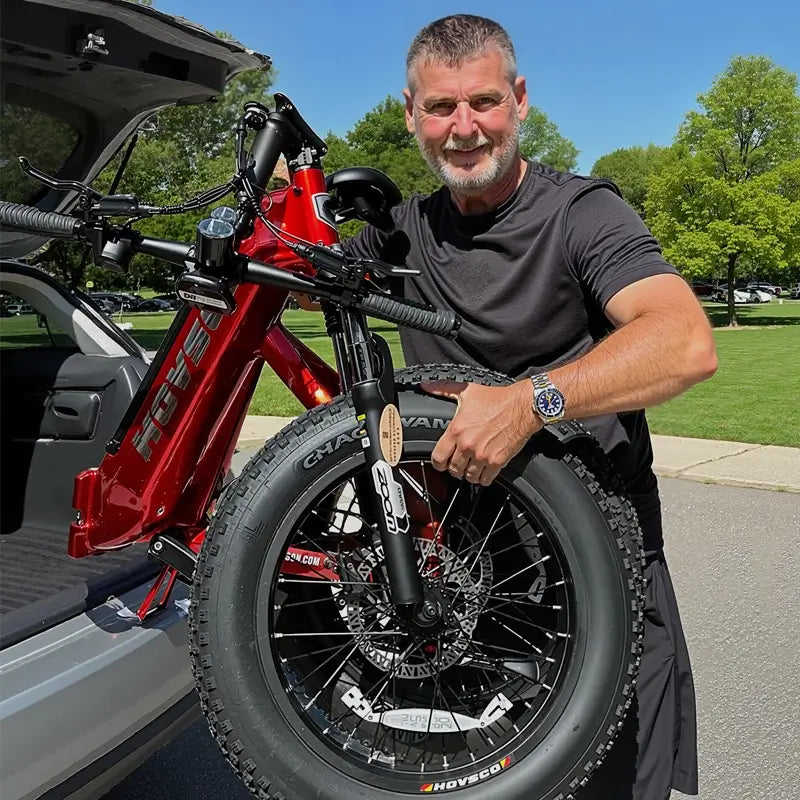
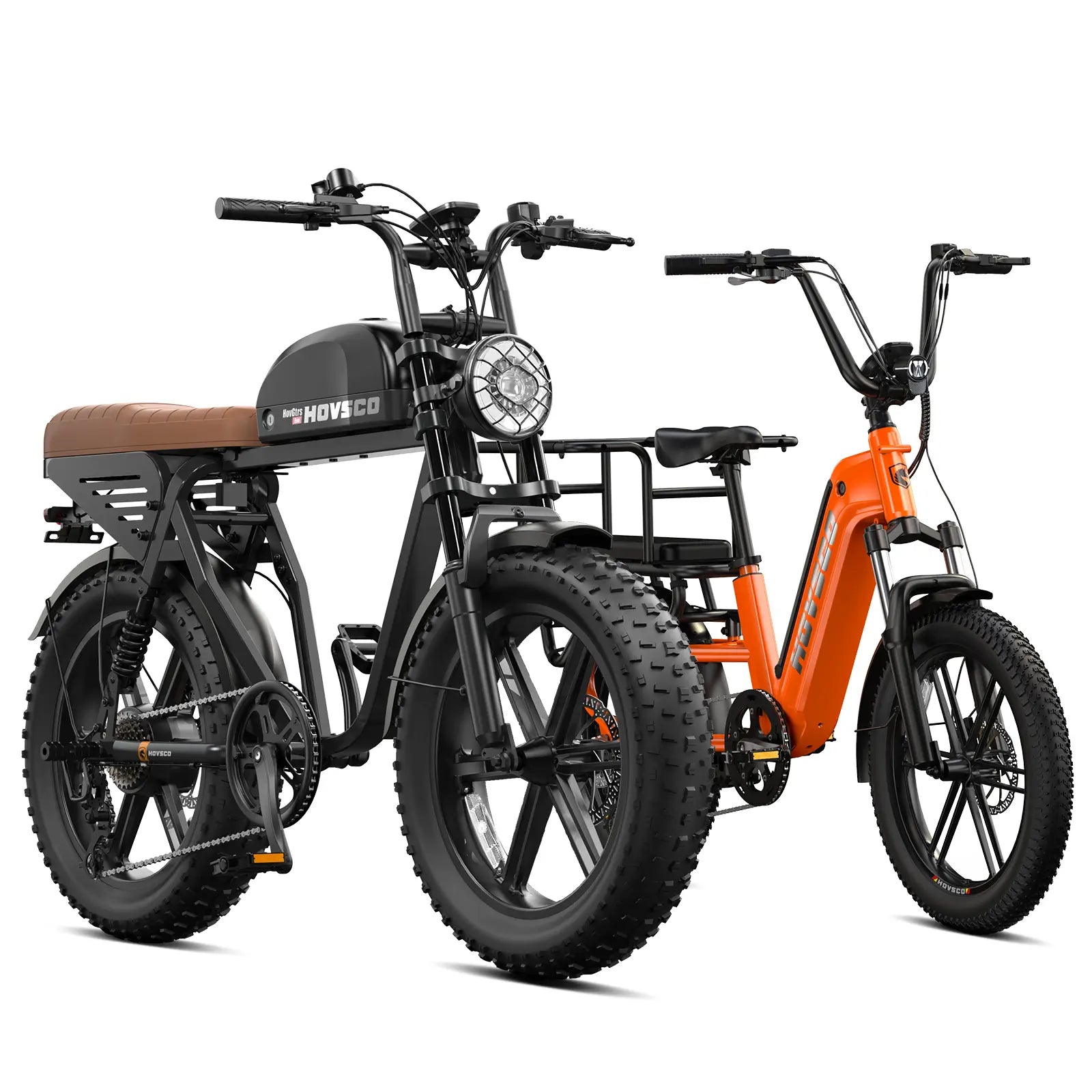
Storefront pickup and light delivery favor a cargo-class e-bike with a rear rack and 400+ lb capacity. Campus mobility favors a lighter commuter frame with quick folding or compact storage. Multi-stop delivery favors a moped-style bike with extended range. Match the frame geometry to the errand, not the other way around.
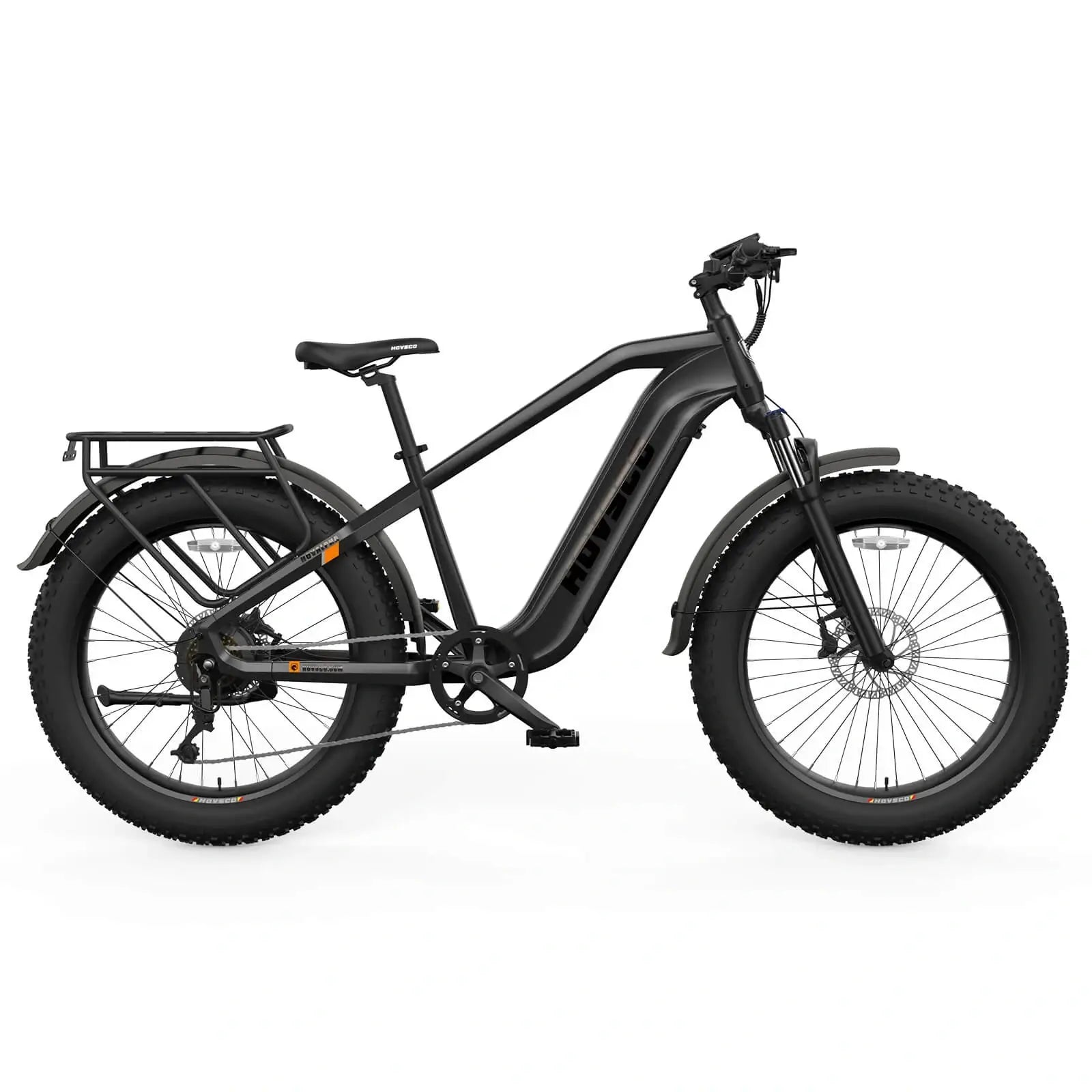
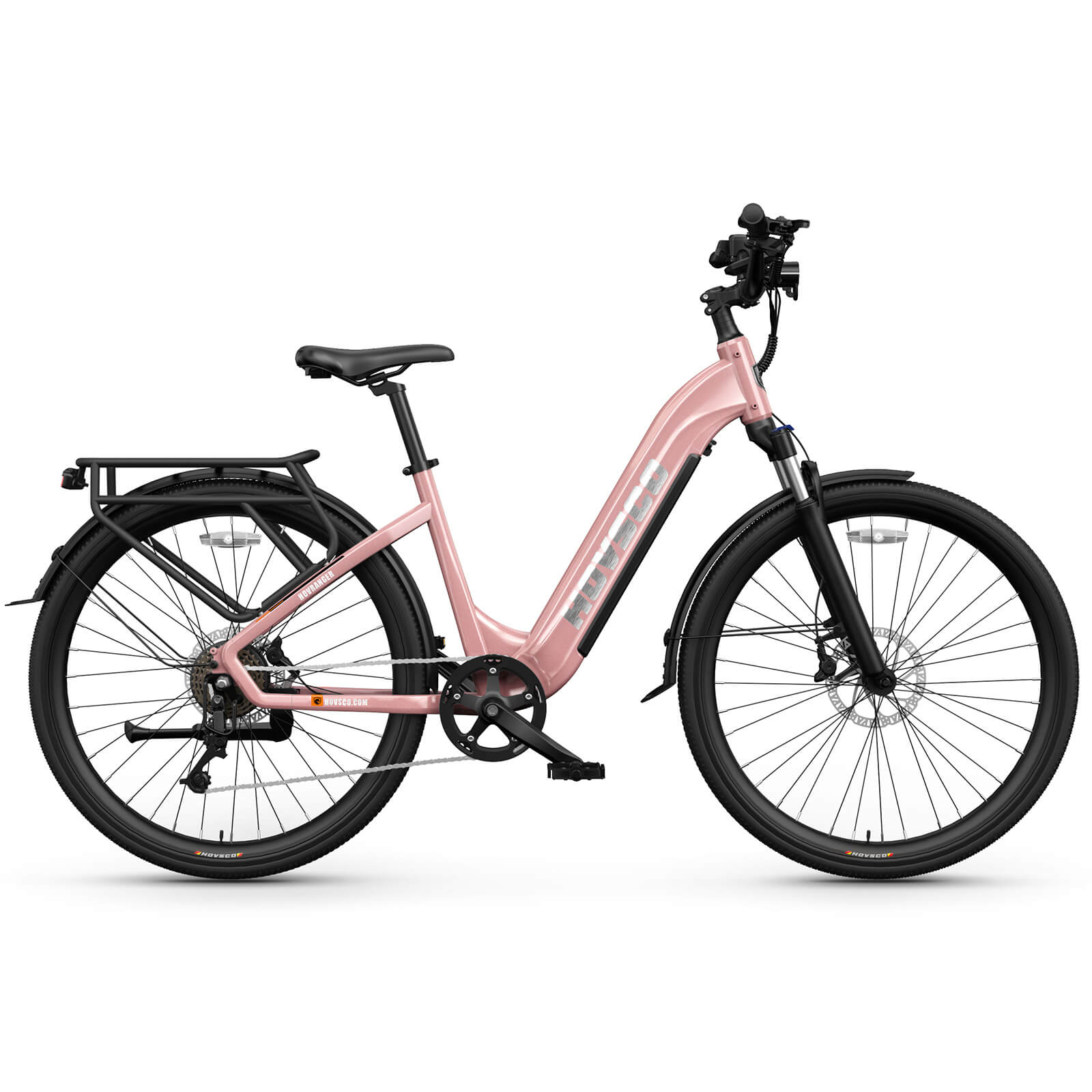
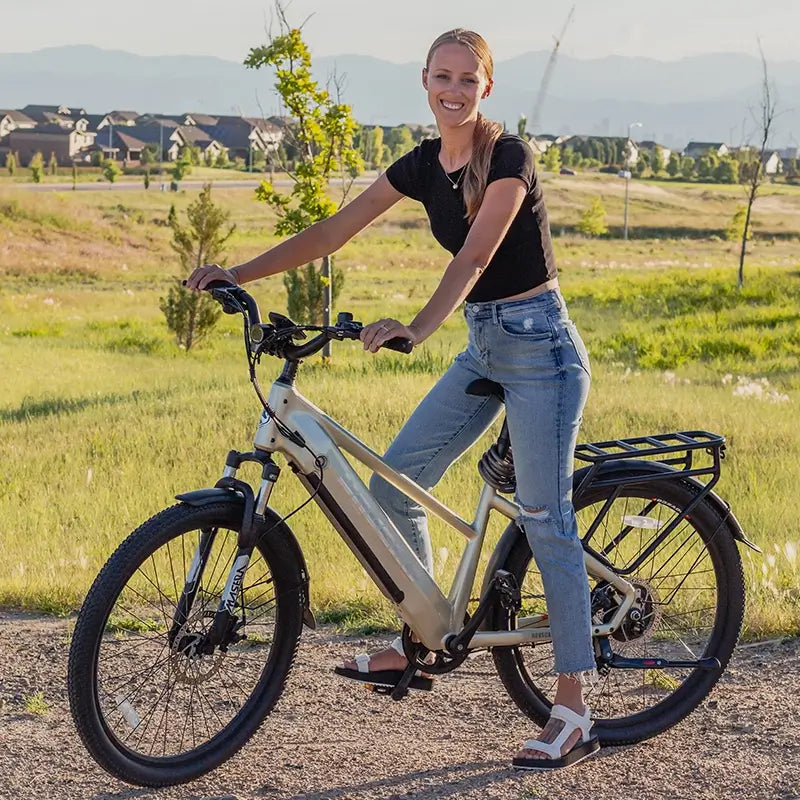
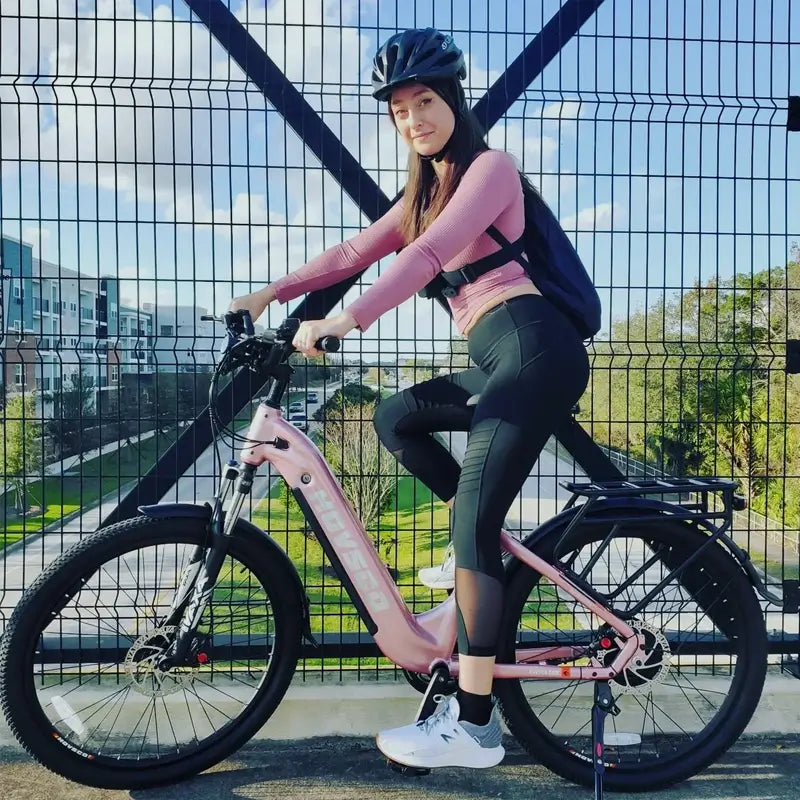
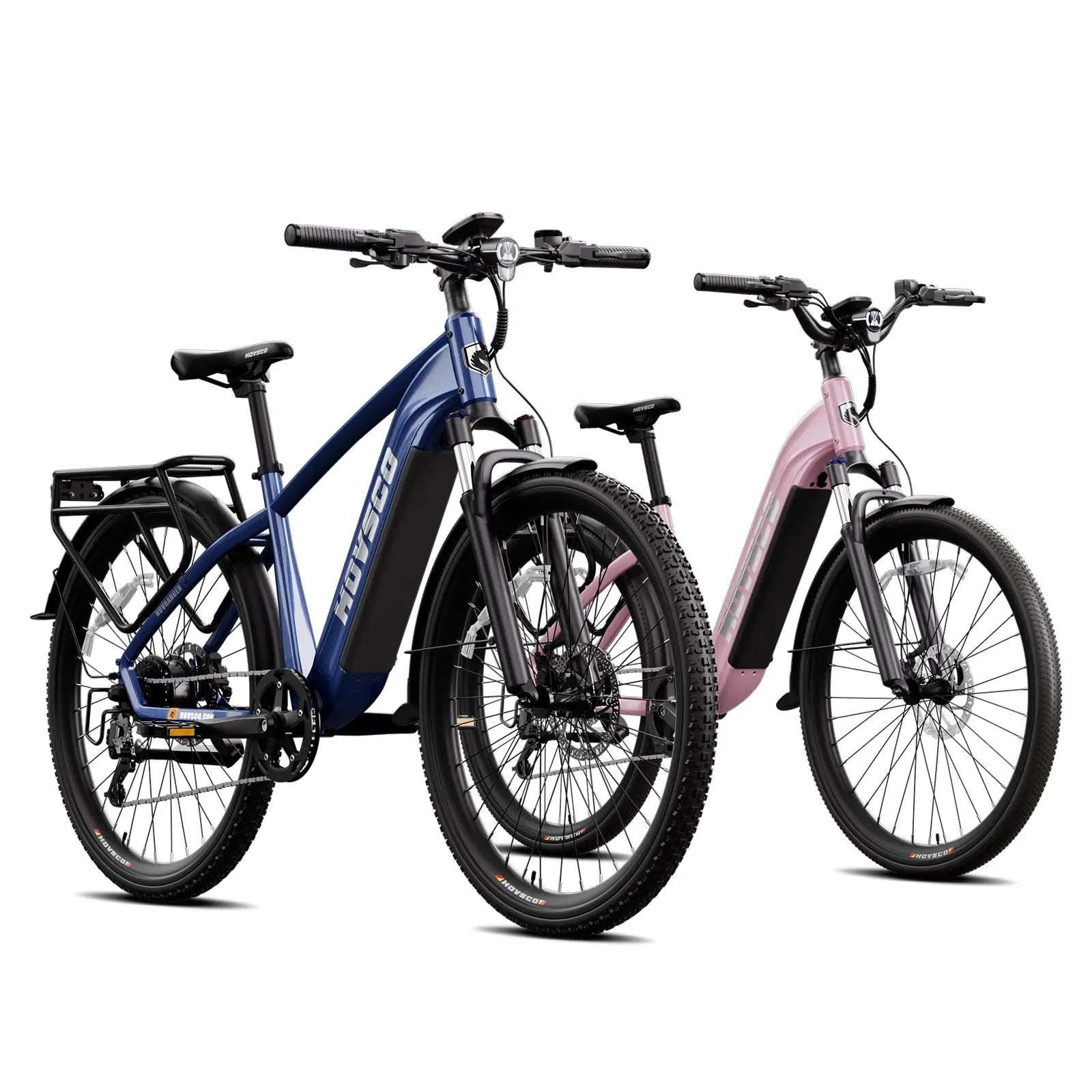
This is where how to choose electric bike for small business stops being abstract. A property manager moving between buildings on a campus doesn't need a 450-lb cargo rack; a lighter city-oriented frame like the HovRanger, at roughly 56 lbs with the battery installed, is easier to store in a utility closet and easier for multiple staff to share across shifts.
Payload capacity determines whether a bike can safely carry your actual daily load without motor strain or frame stress. Top speed, by contrast, is capped at 28 mph on unlocked class-3 settings no matter which brand you buy. An underrated payload leads to component wear and safety risk; extra top speed rarely gets used on local routes anyway.
Every legal e-bike sold in the US tops out near 20-28 mph depending on class, so speed differences between competing models are marginal. Payload is where the real gap shows up. A bike rated for 300 lbs total, rider plus cargo, will sag, brake unevenly, and wear its motor faster if you regularly load it to 280 lbs of tools and inventory. I've seen rear hub motors on undersized bikes overheat on repeated stop-start delivery routes simply because the sustained wattage wasn't matched to the load. That's a heat-cycling problem, not bad luck.
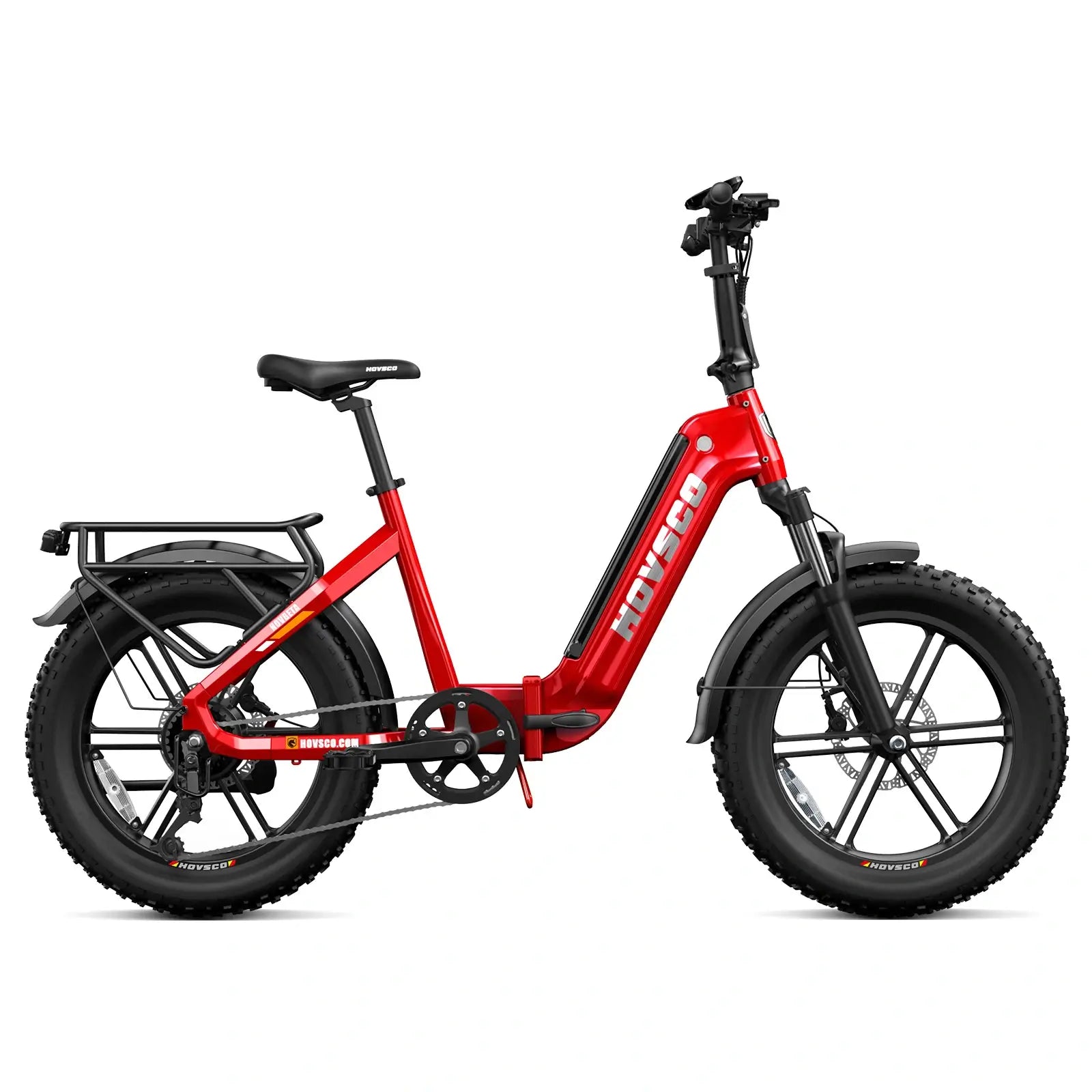
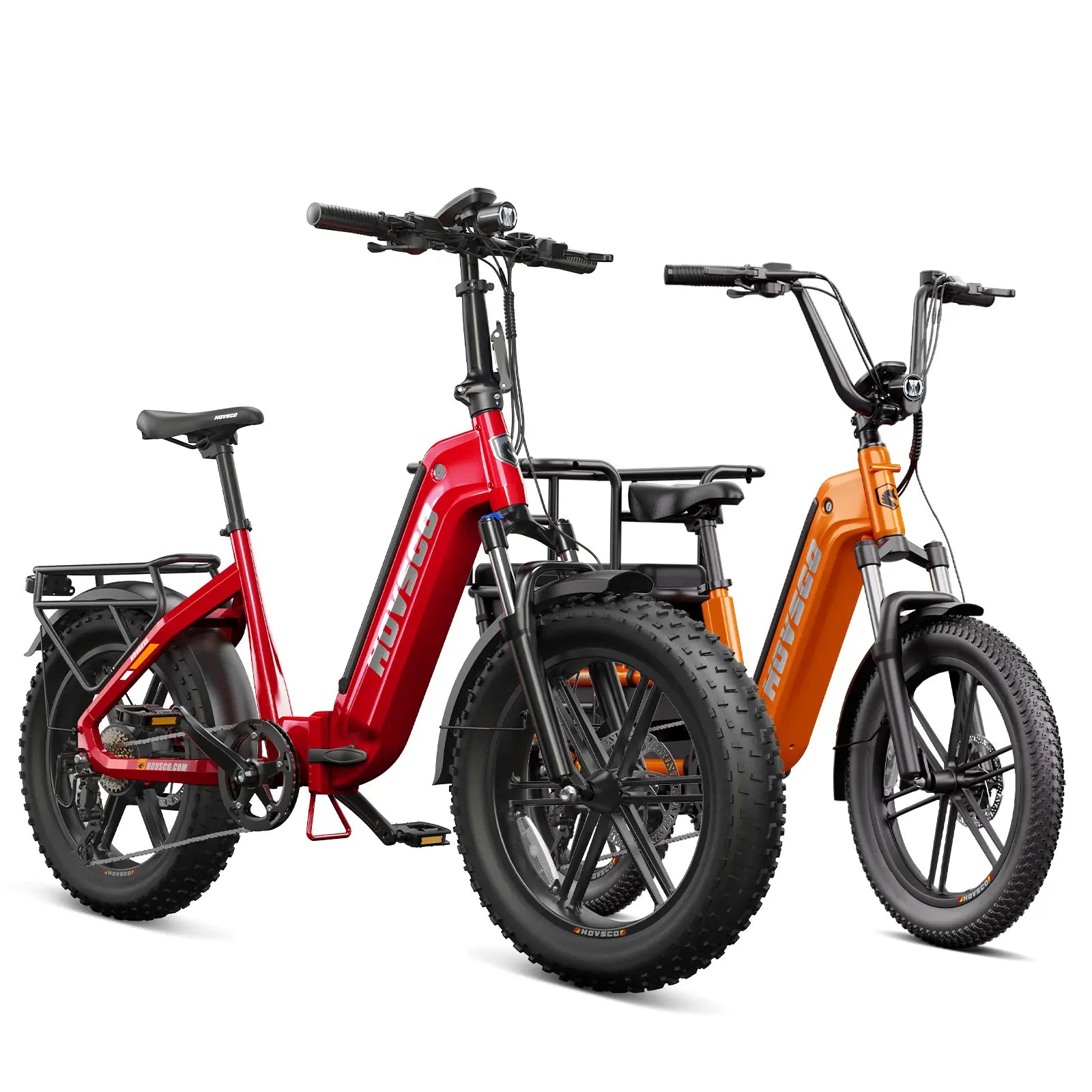
Businesses hauling supplies, produce, or service equipment should size up. A 450-lb rated frame like HOVSCO's HovCart or HovBeta gives headroom so the bike isn't operating at its ceiling every single day, which extends component life significantly.
Compare cost against total cargo capacity per dollar, not sticker price alone, then check maintenance access. Hydraulic disc brakes, a 7-speed derailleur, and a removable battery all reduce downtime compared with proprietary sealed systems. Warranty length and local dealer network availability are the two cost factors buyers overlook most often.
Sticker price tells you almost nothing about total ownership cost. A $1,099 foldable bike that needs a specialty part shipped from overseas every time a brake pad wears out will cost more over two years than a $1,499 cargo bike serviced through an established local-dealer network. HOVSCO backs its e-bikes with a 2-year warranty and works with a network of local bike shops for pickup, test rides, and maintenance, and that access matters far more once a bike is in daily commercial rotation than it does for a weekend rider.
Charging downtime is another line item businesses forget to budget. A bike with a 4-hour charge time can be topped up during a lunch break; one with a 7-hour charge time needs overnight charging discipline built into staff routines. If a business runs split shifts, a spare removable battery is often cheaper than buying a second bike.
Most local delivery and campus-use e-bikes run fine as Class 2 (throttle-assisted, 20 mph cap) for sidewalk-adjacent and low-speed zones, while Class 3 (pedal-assist to 28 mph) suits longer road routes. Many models, including HOVSCO bikes, ship class-adjustable, so a business can match local ordinances without buying a new bike.
Class rules vary by city and state, and this is one area where guessing gets expensive. Some municipalities restrict Class 3 bikes from bike lanes or sidewalks entirely. Before deploying a fleet, check your local Class 1/2/3 e-bike ordinance, since a bike that's legally fine in one county can require a permit two towns over. Adjustable-class bikes reduce the risk of buying wrong the first time.
Yes. A stolen commercial e-bike is a total loss plus lost service time, so lock hardware and a removable, key-locked battery aren't optional extras for business buyers. Look for frame mounts compatible with heavy-duty U-locks and a battery that locks independently of the frame lock.
This is the detail most generic buying guides skip because it isn't glamorous. A bike parked outside a storefront for six hours a day is a target, and the battery, often the single most expensive replaceable part, needs its own physical lock, not just a frame lock. HOVSCO's removable batteries lock with a dedicated key separate from the bike lock, so staff can secure the frame curbside while carrying the battery inside overnight. That alone meaningfully cuts theft exposure without adding a second security system.
Small businesses running two or more e-bikes should assign one staff member as the maintenance point-person and schedule brake, tire pressure, and battery-terminal checks every 2-4 weeks, with a professional tune-up every 500-1000 miles. Skip this and minor wear turns into fleet-wide downtime right when business is busiest.
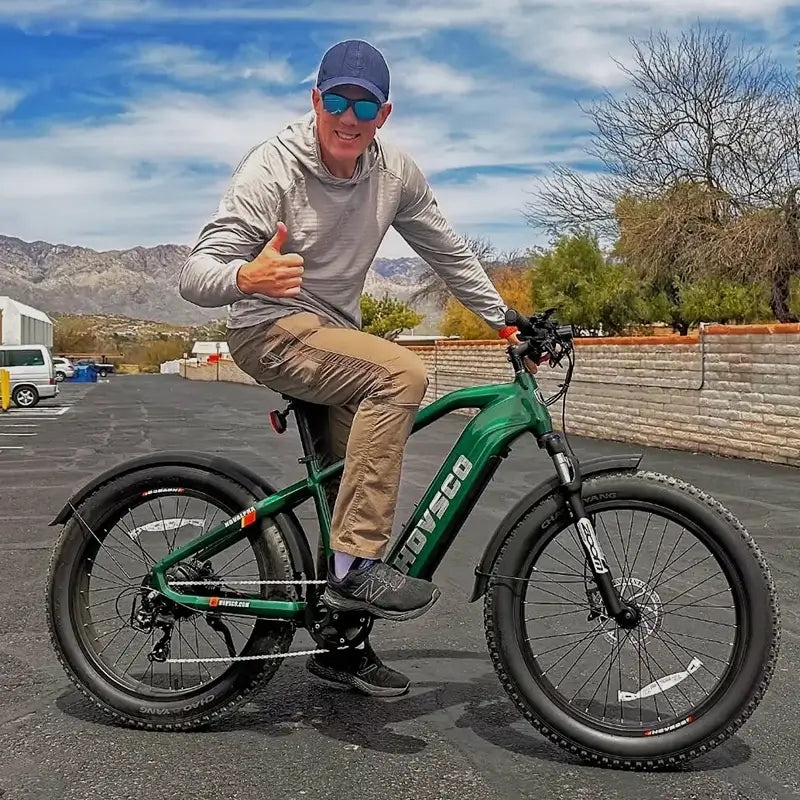
Fleet maintenance fails most often not because the bikes are bad, but because nobody owns the task. Assign the check; don't hope someone gets around to it. Hydraulic disc brakes need less frequent attention than mechanical ones but still require pad inspection. Tire pressure on fat-tire models like the HovBeta drifts faster than on standard tires simply because of the larger air volume. A simple laminated checklist near the charging station keeps a two- or three-bike fleet running without a dedicated mechanic on staff.
"In four years of fielding cargo e-bike questions from small business owners, the pattern is always the same: people over-index on top speed and under-index on sustained torque and payload headroom. A bike that's rated right at the edge of your daily load will fail you exactly when business is busiest. We engineer HOVSCO cargo and commuter models with published peak and sustained wattage numbers specifically so buyers can size correctly the first time, instead of learning the hard way after a season of heavy use."
— HOVSCO Product Engineering Team
Choosing the right electric bike for a small business comes down to matching real workload to real specs, not chasing the highest number on a spec sheet. Size payload to your worst day, not your average day. Check sustained wattage, not just peak. Confirm local Class 2/3 rules before deployment. Budget for a second battery if you run split shifts, and never treat lock security as optional once a bike represents real business capital.
For a side-by-side look at cargo, commuter, and foldable options that fit these criteria — including the HovCart, HovRanger, and HovBeta discussed above — browse the HOVSCO electric bike collection to compare current specs and availability before you buy.
What's the minimum payload capacity a small business e-bike should have?
Most businesses should target at least 300 lbs total payload capacity, and 450 lbs if the bike will regularly carry inventory, tools, or a second passenger. Undersizing payload is the most common reason business e-bikes wear out early.
Can one e-bike handle both delivery and staff commuting duties?
Yes, if it's a mid-tier cargo model with a removable battery and adjustable class settings — a bike like the HovCart can carry deliveries during the day and shuttle staff between sites when unloaded. Dedicated lightweight commuters are better if commuting is the primary use case.
How long does a commercial e-bike battery typically last before replacement?
A quality lithium-ion battery used daily in business conditions typically holds usable capacity for 2-4 years or roughly 500-800 charge cycles before noticeable range loss. Storing batteries at partial charge in extreme heat shortens this window.
Do small businesses need a special license or insurance to operate e-bikes commercially?
Requirements vary by state and city; most Class 1-3 e-bikes don't require a motorcycle license, but commercial liability insurance is worth checking with a local provider since personal e-bike policies may exclude business use. Always confirm current local ordinances before deploying a fleet.
Is it cheaper to buy multiple lightweight e-bikes or one heavy-duty cargo model?
It depends on route structure — multiple lightweight bikes work better for parallel staff tasks across a campus, while one heavy-duty cargo bike is more cost-efficient for a single delivery route with heavy, infrequent loads. Many businesses end up running a mixed fleet once volume grows.
Share:
What Should You Check Before Buying a Long-Range Scooter?
Which Foldable Commuter Ebike Fits Your Ride?