



![[ New Arrival ] Porto Max Electric Scooter For Commute & Grocery Shopping - HOVSCO](http://www.hovsco.com/cdn/shop/files/PotroMax-3.jpg?v=1706927007&width=1200)
- by SteveJames
How Do You Choose an E-Bike With Hydraulic Brakes?
- by SteveJames
E-Bikes
Accessories
 Free Shipping
 15-Day Returns
 2-Year Warranty
Free Shipping
15-Day Returns
2-Year Warranty
2-Year Warranty
Free Shipping
15-Day Returns
2-Year Warranty
Choose an e-bike with hydraulic brakes by matching its braking hardware to your riding weight, terrain, speed, and maintenance access. Look beyond the word “hydraulic”: confirm rotor size, tire grip, frame purpose, and the exact bike version’s specifications. For heavier, faster, hillier, or cargo-ready e-bikes, hydraulic disc brakes provide more controlled, lower-effort braking.
When learning how to choose electric bike with hydraulic brakes, avoid treating brakes as an isolated feature. An e-bike’s stopping confidence comes from the complete system: rider position, bike weight, tire traction, suspension, rotor diameter, brake-pad condition, and the way you actually use the bike.
Hydraulic disc brakes use fluid pressure to move the caliper pistons, usually delivering smoother braking control with less lever force than cable-operated mechanical disc brakes. They are especially valuable on e-bikes because added motor-assisted speed and battery weight increase the energy that must be managed during every stop.
The key advantage is modulation. This means you can gently reduce speed before a corner, progressively apply more force on a descent, and make controlled stops in traffic without an abrupt grab.
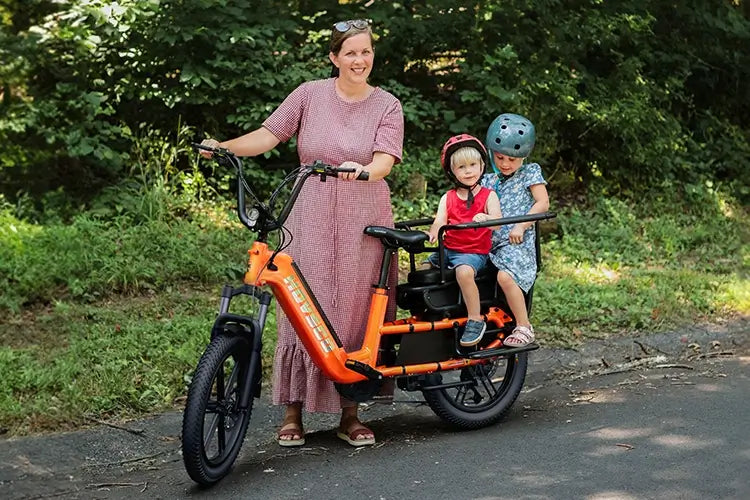
In practical riding, this makes a real difference when you are carrying a backpack, panniers, groceries, or a child seat. A heavier electric bike can build speed quickly, particularly downhill, and the rider needs a brake system that feels predictable rather than vague.
When inspecting a hydraulic brake setup, check more than the caliper label:
Rotor size and thickness
Lever reach and comfort for your hand size
Brake-pad availability
Motor cut-off response when a brake lever is pulled
Hose routing around the frame, suspension, or folding hinge
Availability of qualified local servicing
Mechanical disc brakes can still suit short, flat, lighter-duty rides. However, hydraulic systems are usually the better fit when you ride in rain, face regular hills, use a heavier bike, or want more precise control at higher average speeds.
As total riding weight increases, brakes must handle more momentum and heat. A light urban e-bike may perform well with a standard hydraulic system, while a fat-tire, cargo-equipped, or full-suspension e-bike benefits from larger rotors, durable components, and more frequent inspections.
Do not evaluate weight using the bike’s listed figure alone. Add your body weight, clothing, water, lock, battery, bags, rack accessories, and cargo. The real braking load can be much higher than the product-page number suggests.
For example, a 72-pound fat-tire e-bike ridden by a 200-pound adult with 20 pounds of cargo produces a very different braking demand than a lighter commuter bike carrying only a laptop. The heavier setup needs more heat control during repeated stops and greater confidence on slopes.
A larger rotor does not automatically make a bike safer. The frame, fork, wheel, and caliper mount must be designed to support it. Never modify rotor size or caliper adapters without manufacturer approval and professional guidance.
Start with brake type, rotor diameter, caliper design, lever reach, replacement-pad availability, and service support. For many functional e-bikes, hydraulic disc brakes paired with 180 mm rotors create a useful balance of leverage, heat capacity, and daily riding control.
The specification should explicitly say “hydraulic disc brakes.” A listing that only says “disc brakes” may refer to either cable-operated mechanical brakes or hydraulic brakes, and that distinction matters when comparing similarly priced e-bikes.
Rotor diameter is one of the most meaningful details. A 180 mm rotor gives the brake more leverage than a smaller rotor, helping reduce the hand force needed for a firm stop. It can also better manage heat during long descents or repeated braking in stop-and-go riding.
Next, inspect the lever. You should be able to reach and operate it without shifting your hand uncomfortably on the grip. A rider with smaller hands may value adjustable reach more than a more aggressive caliper specification.
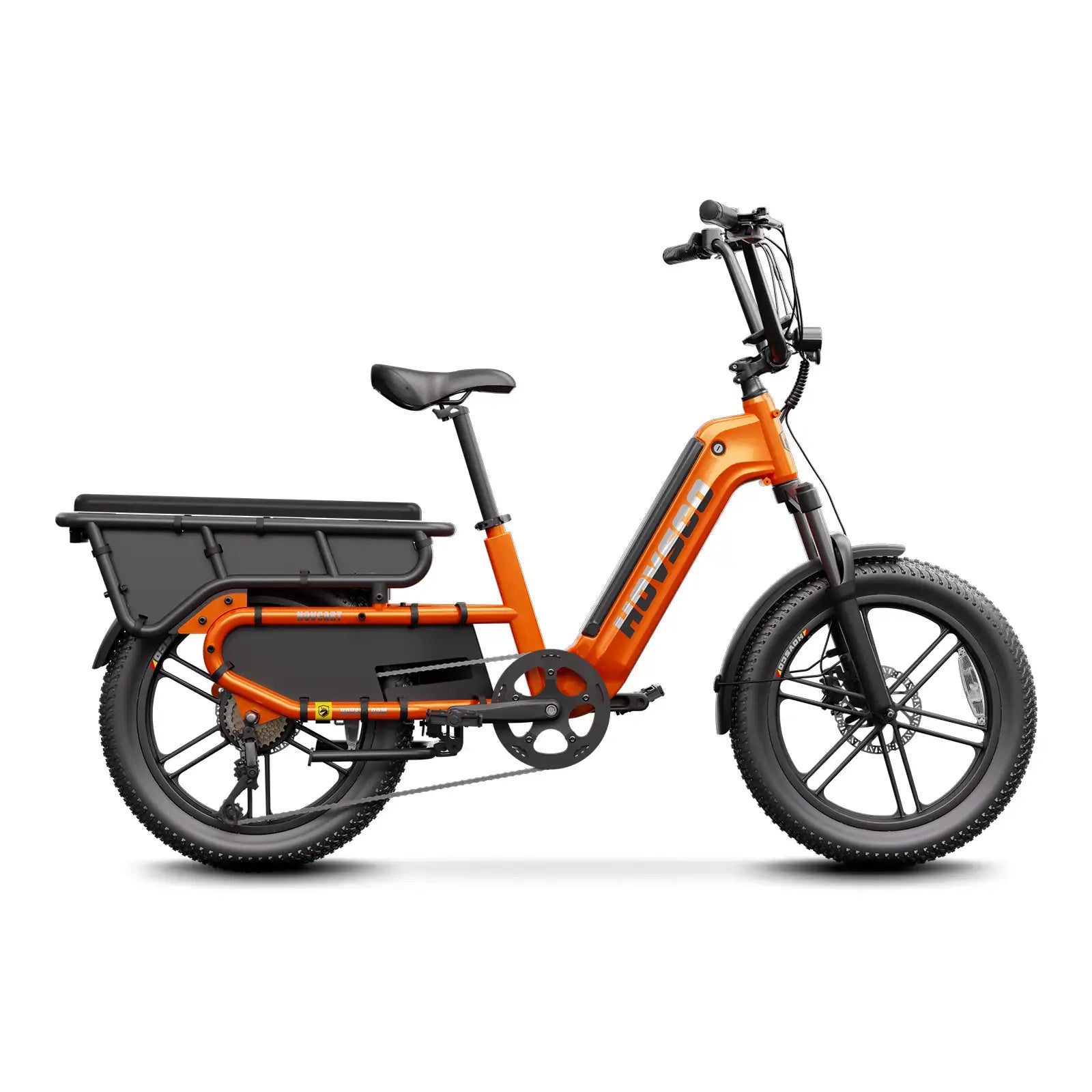
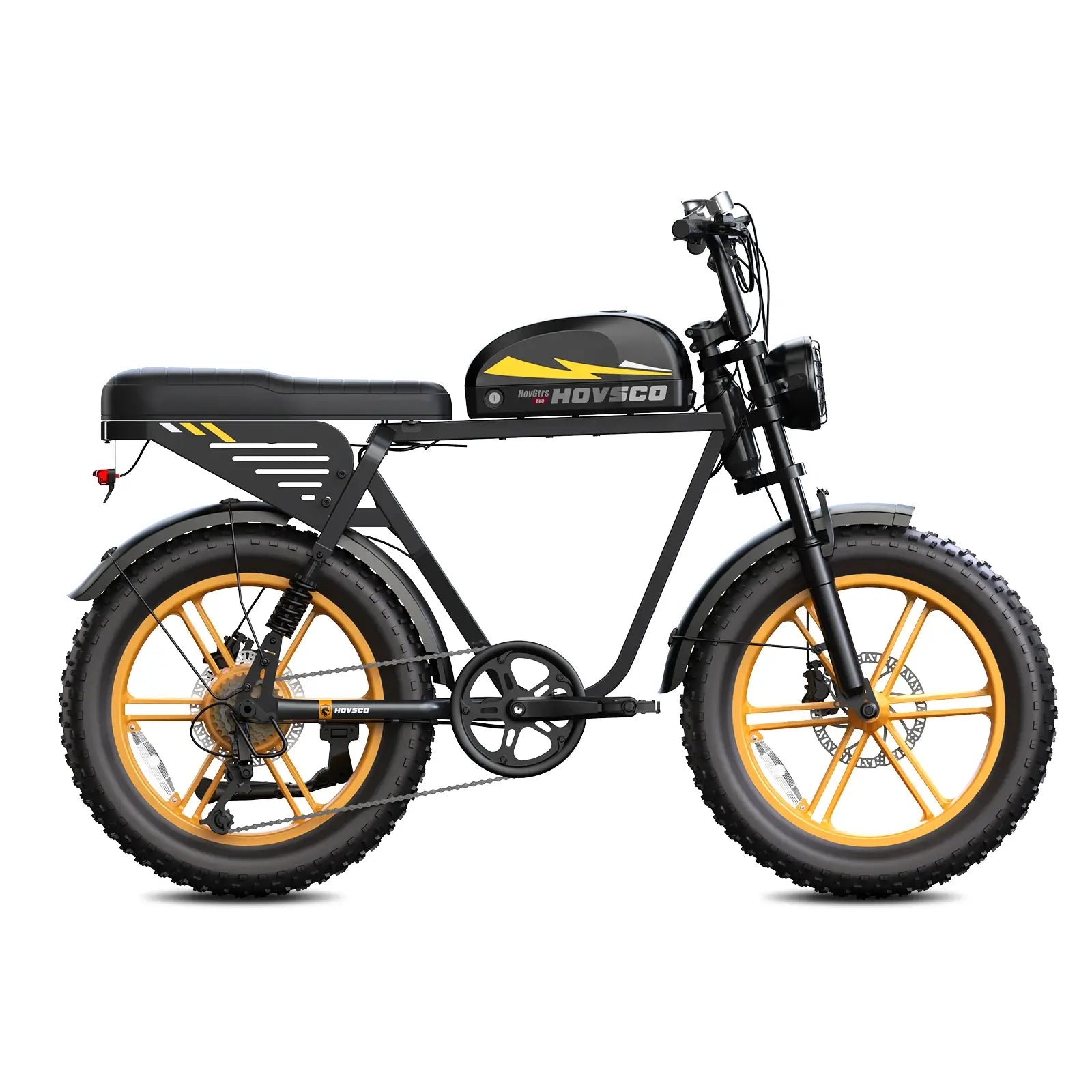
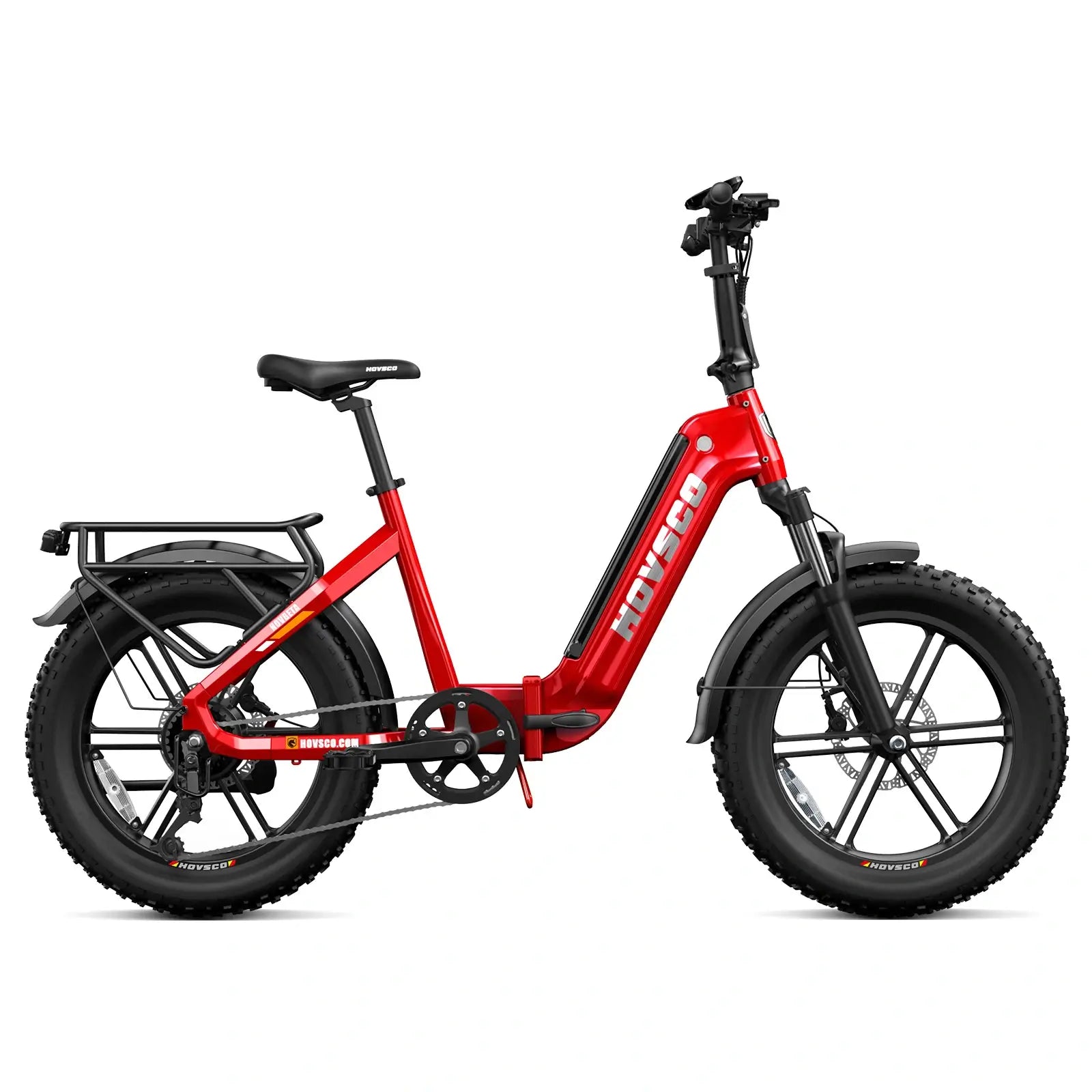
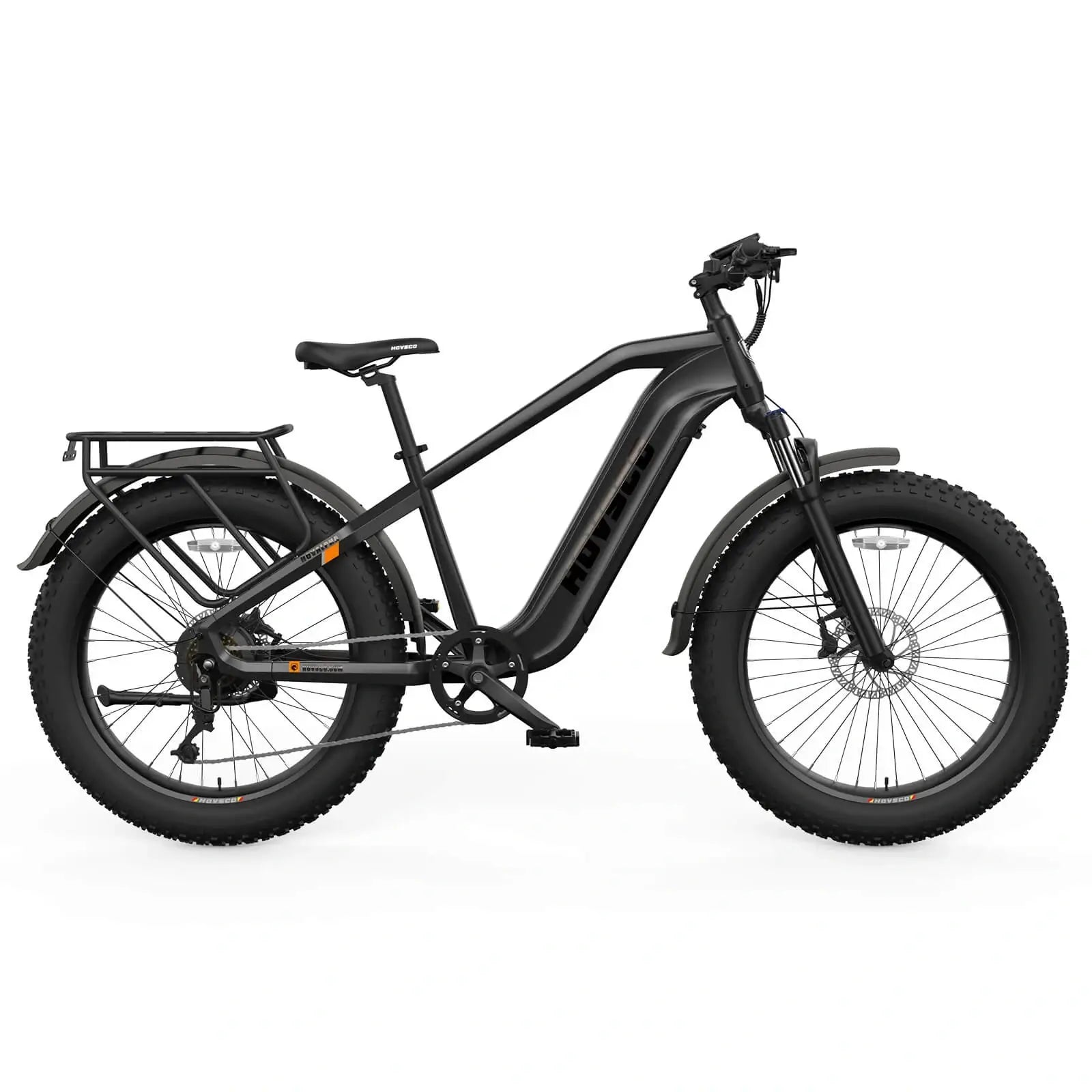
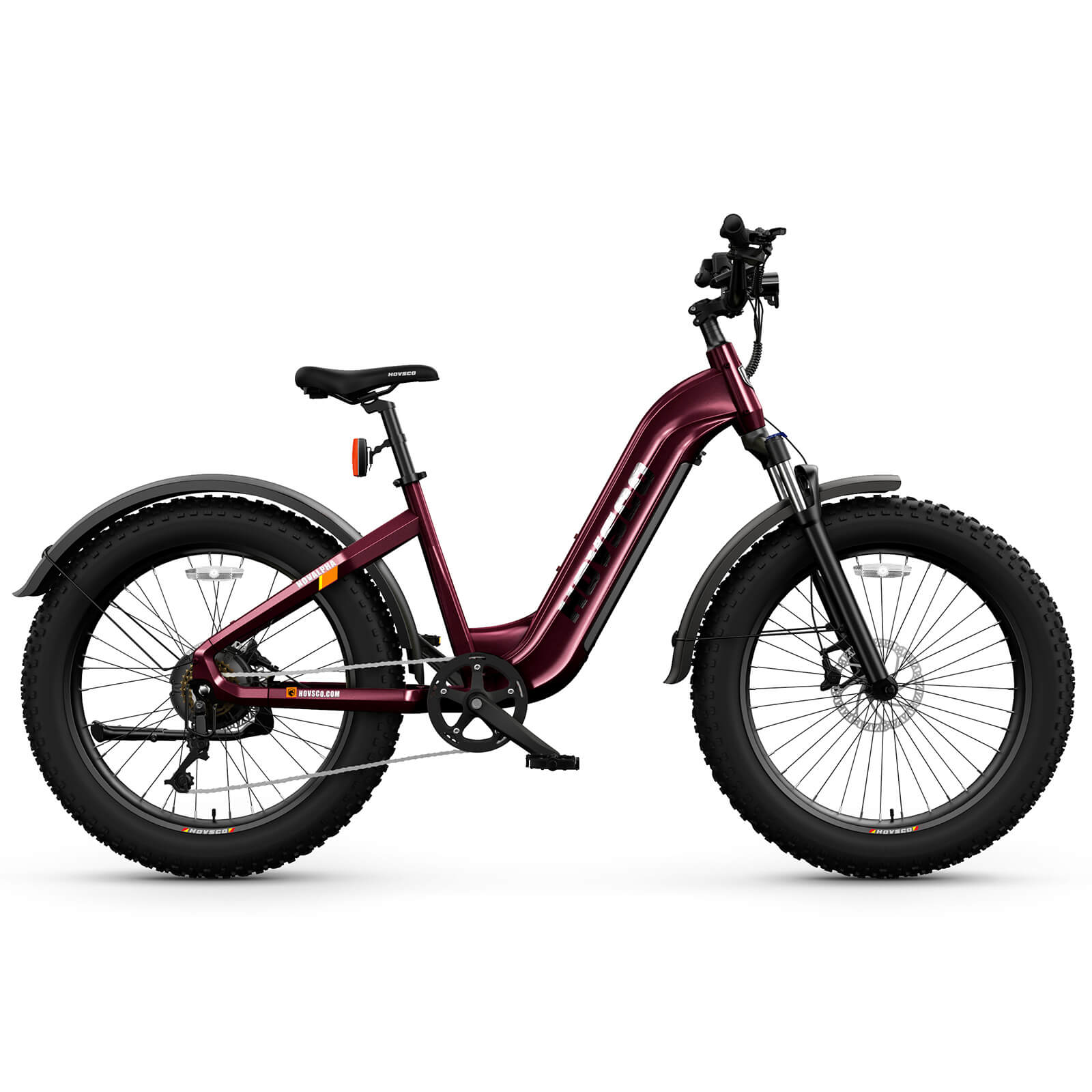
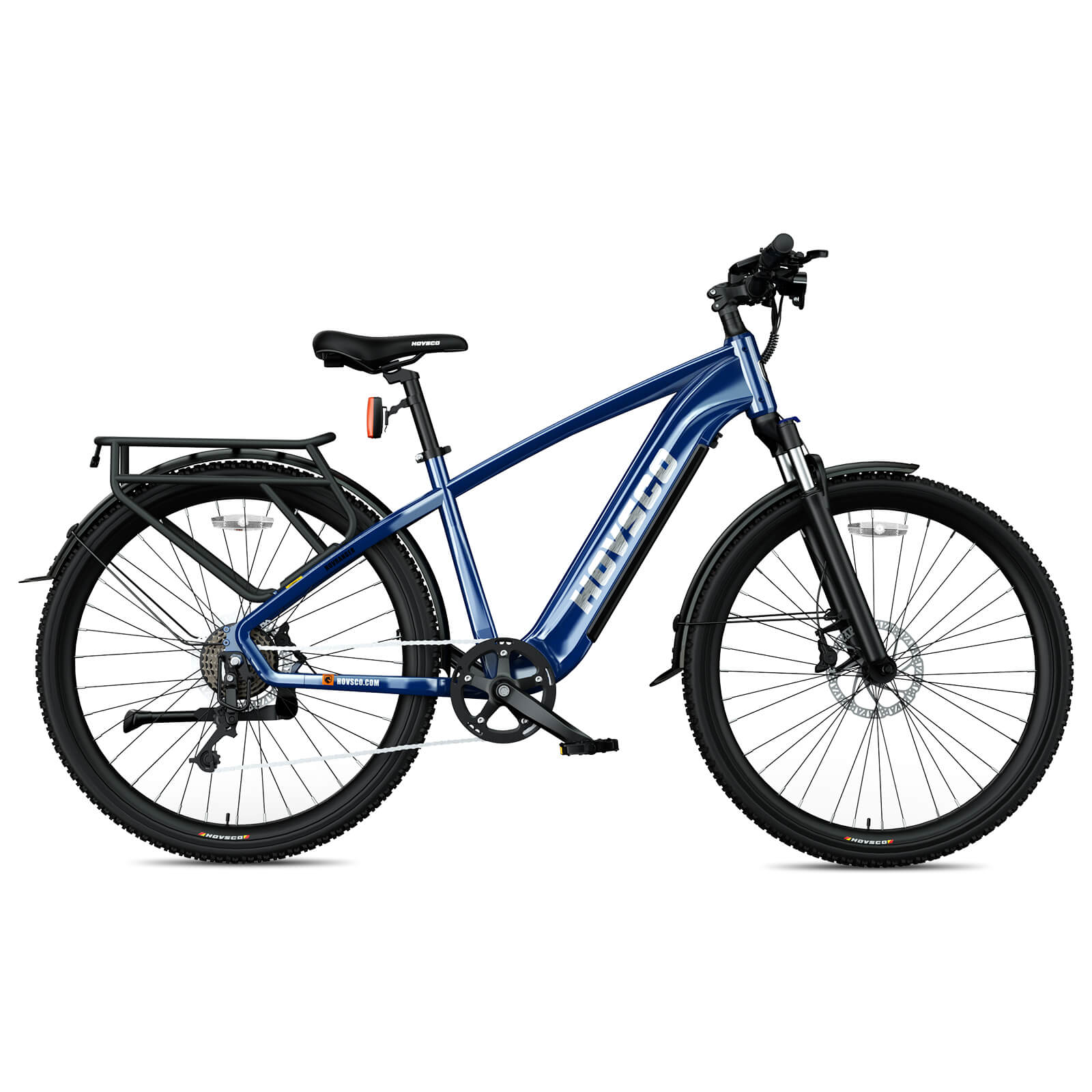
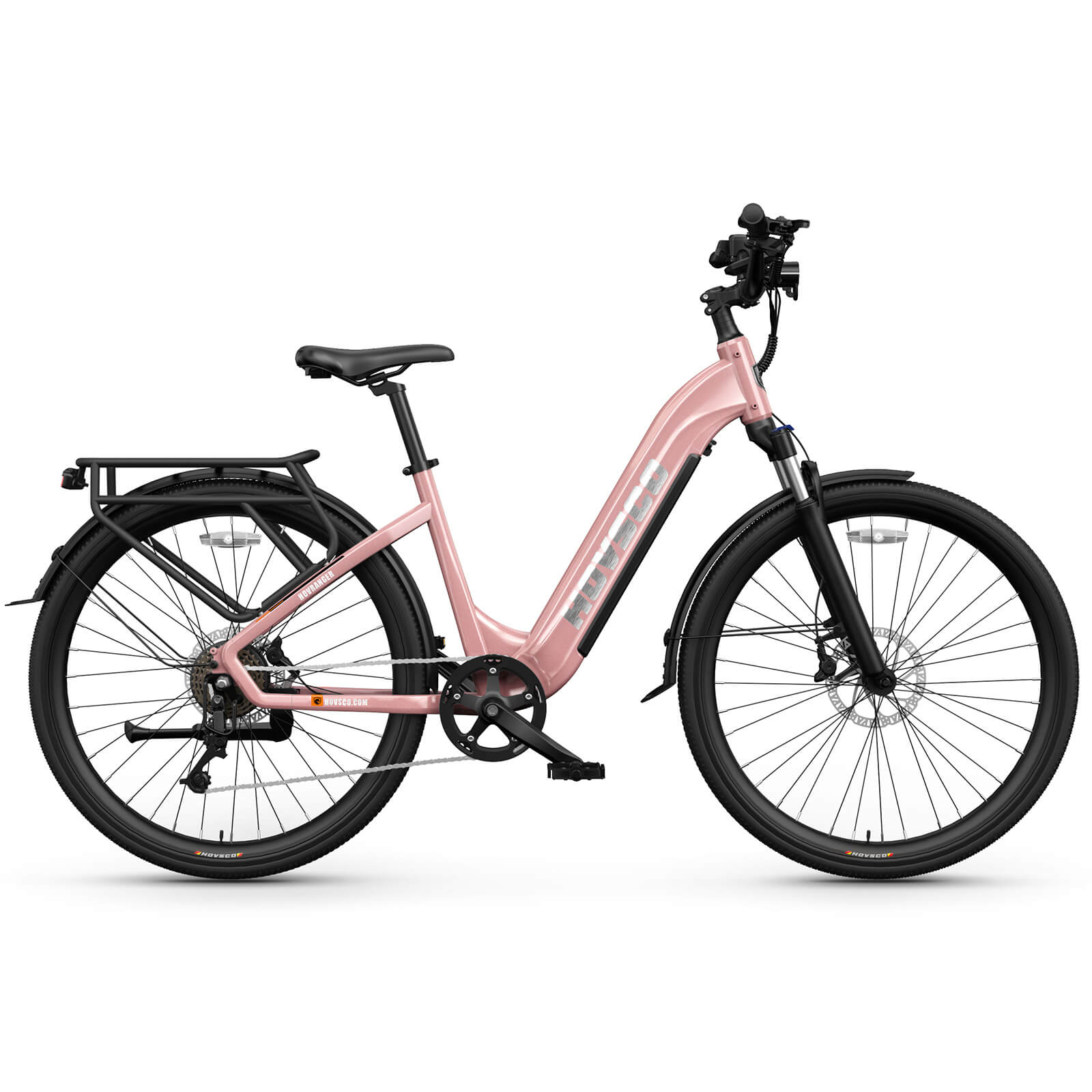
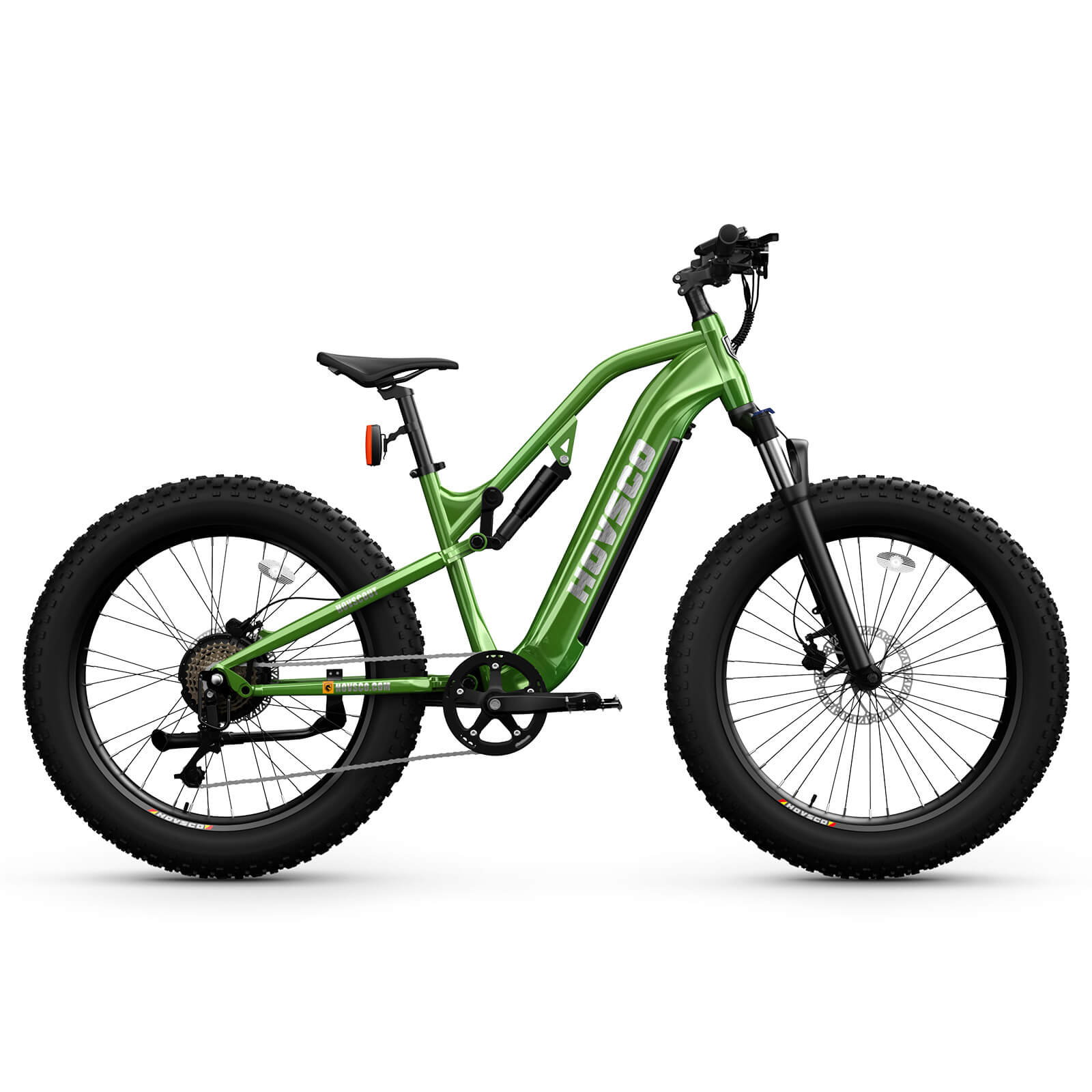
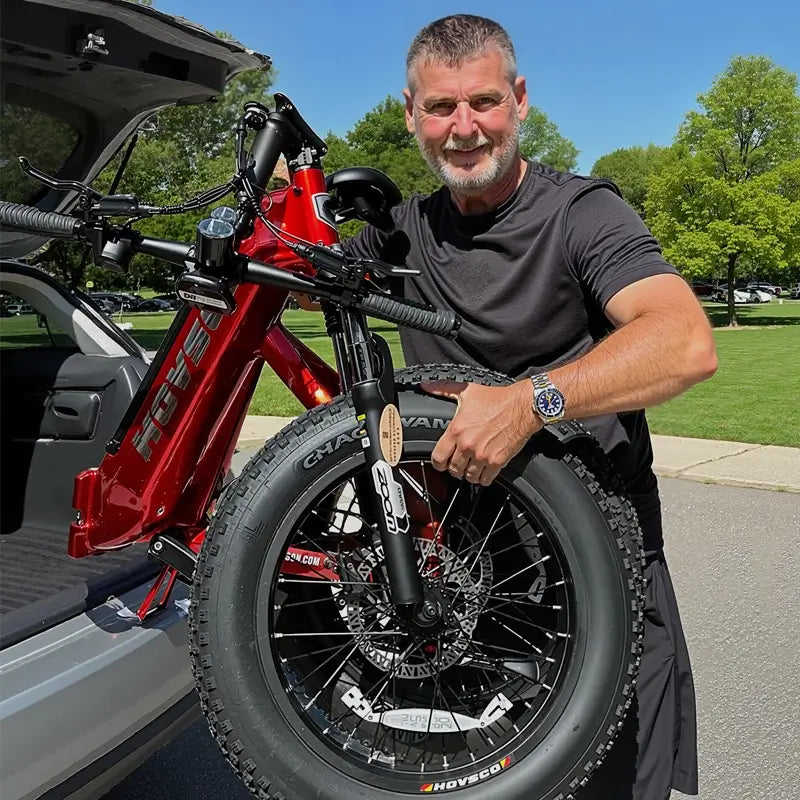
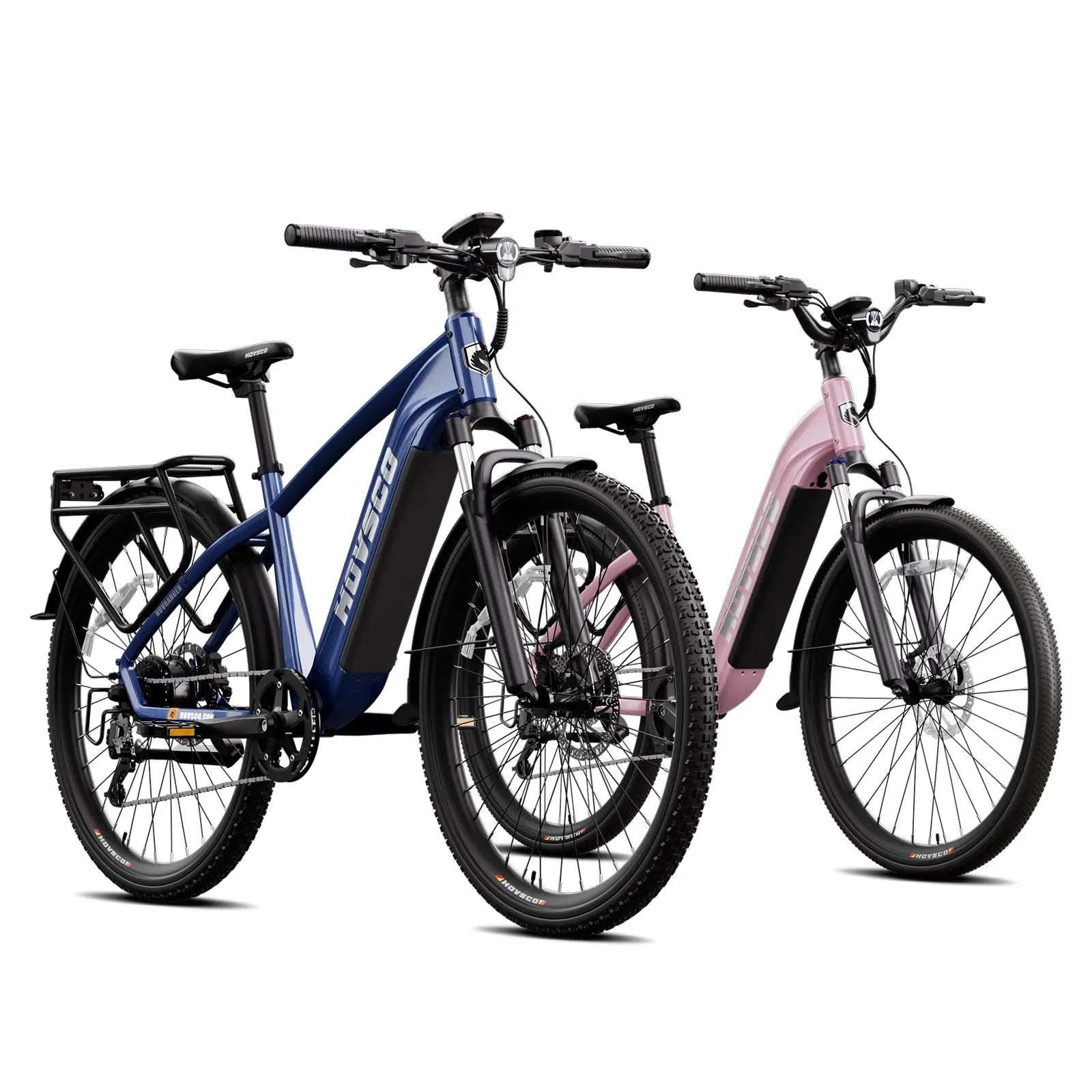
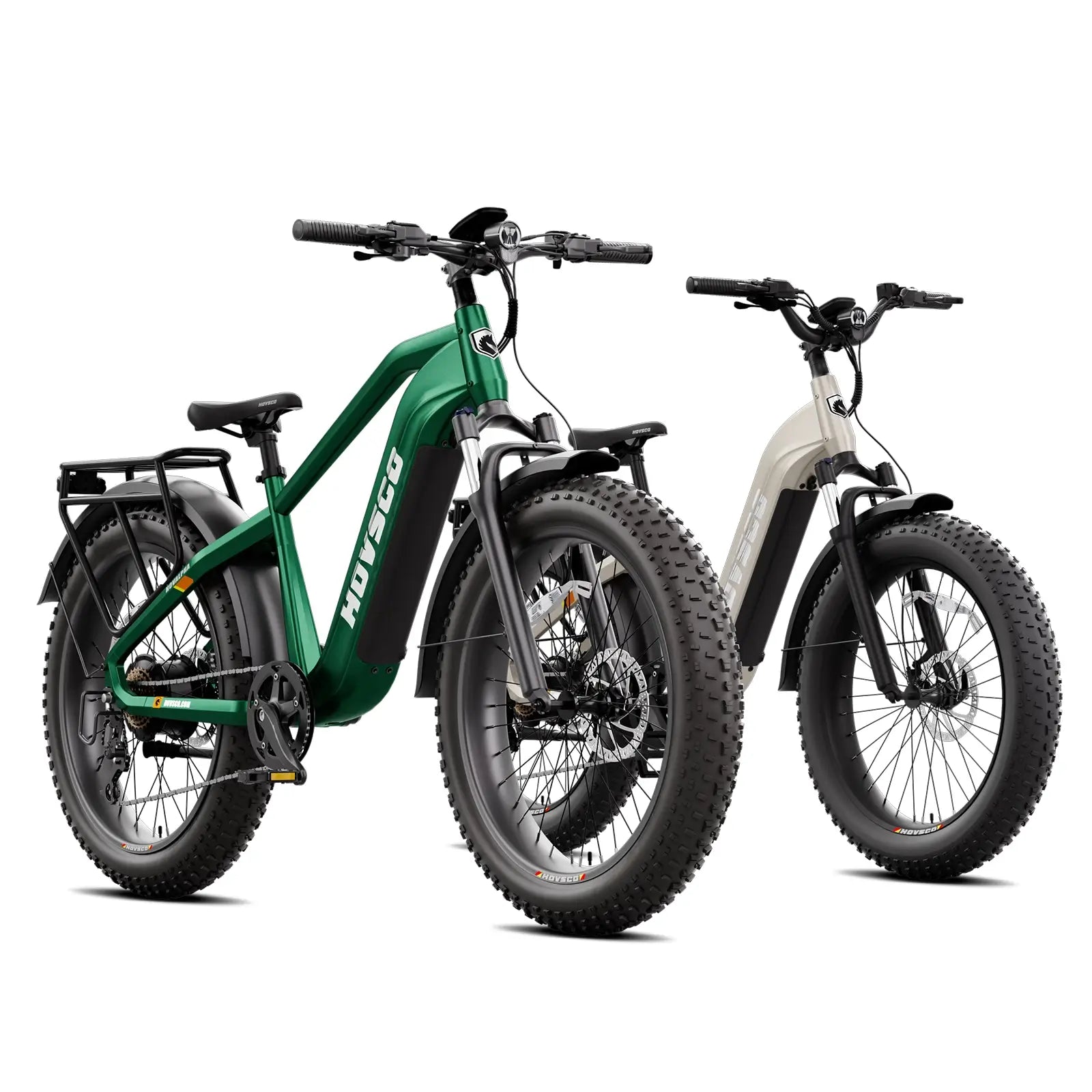
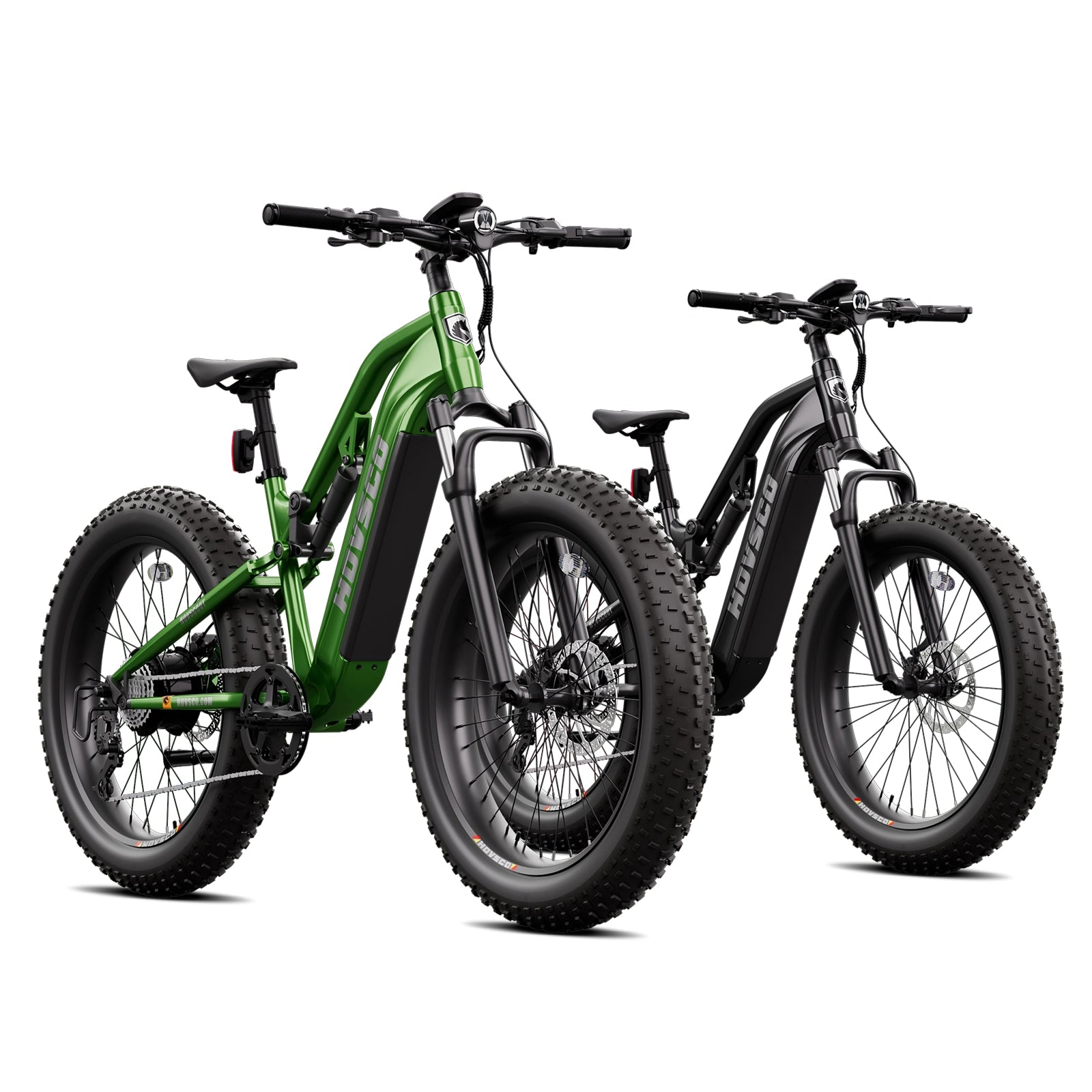
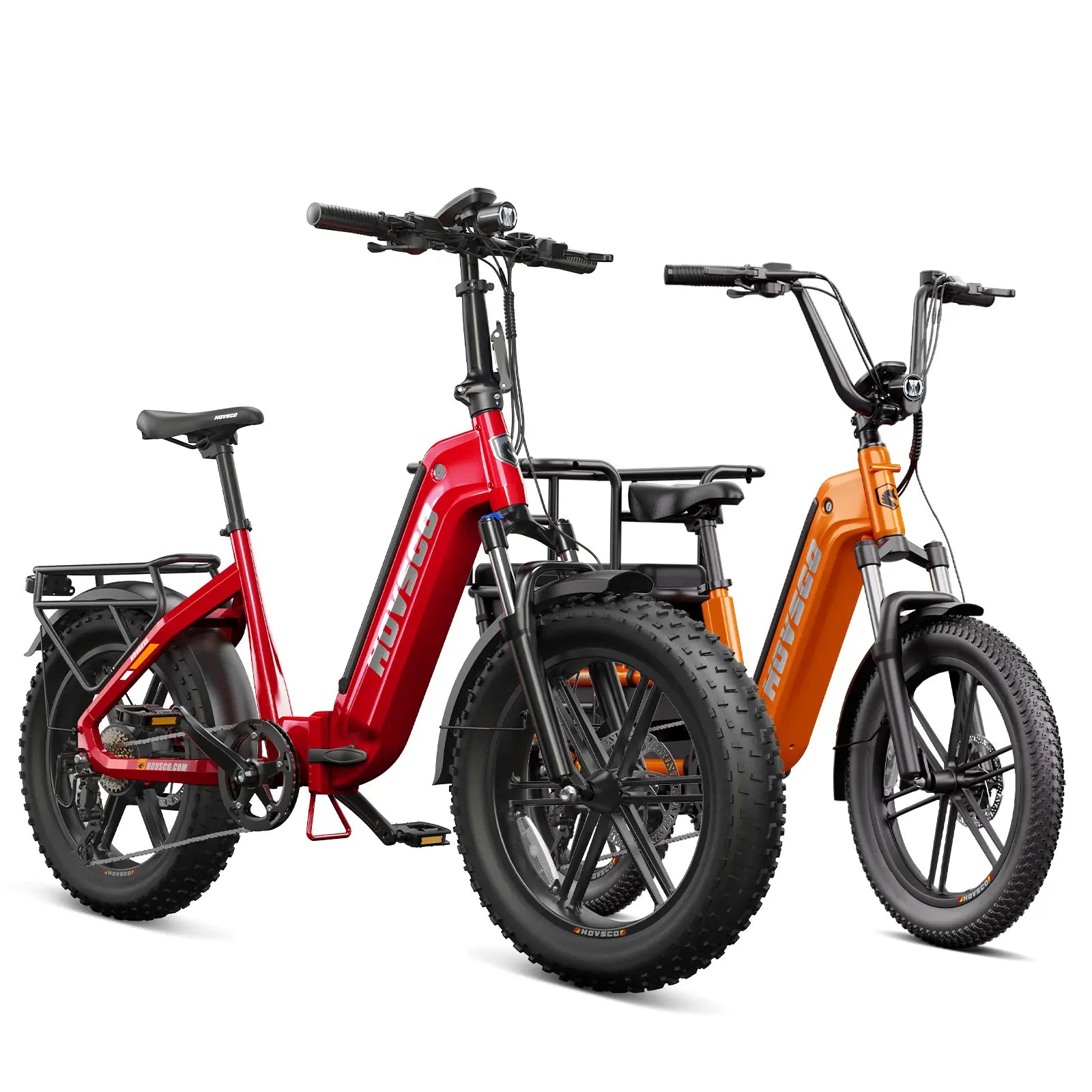
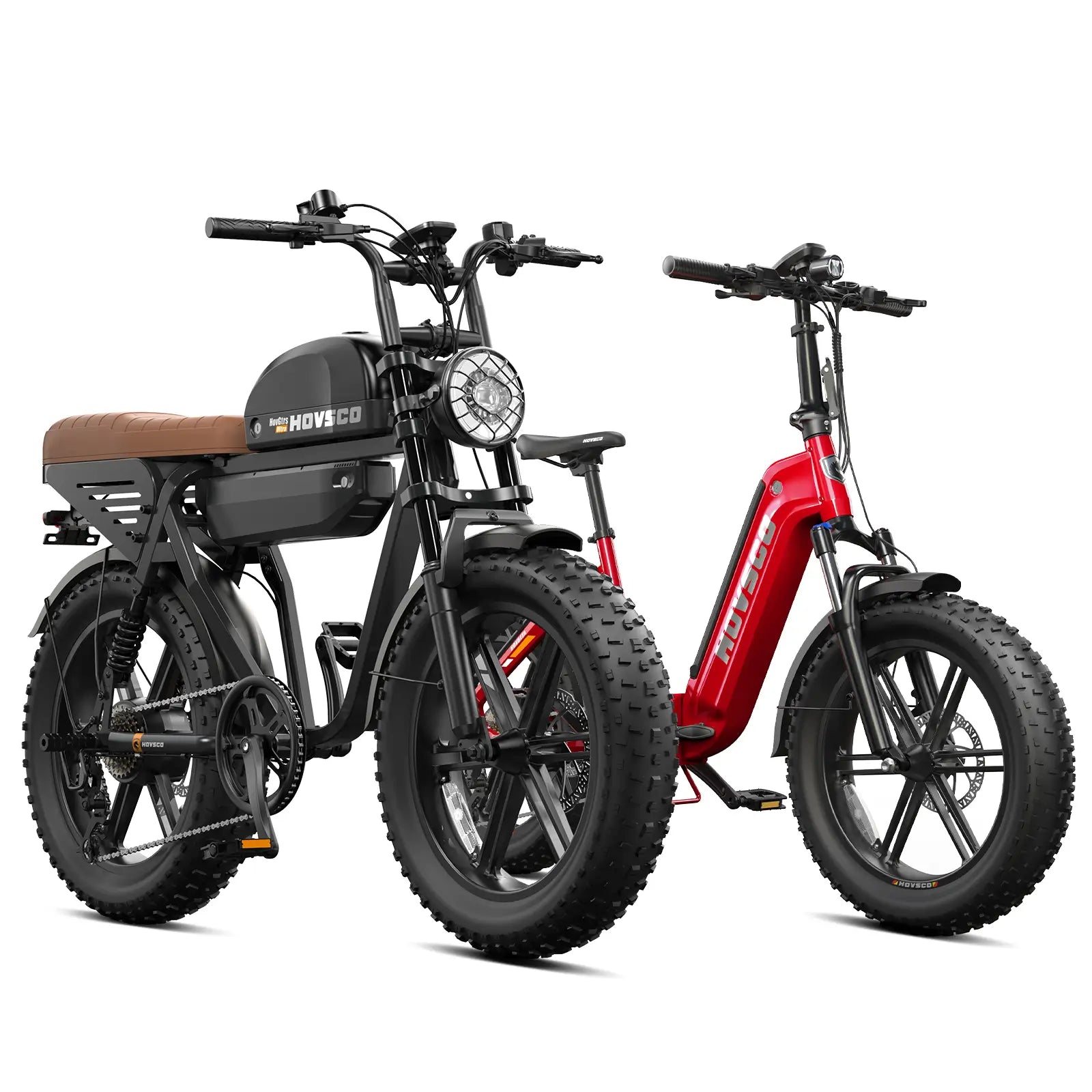
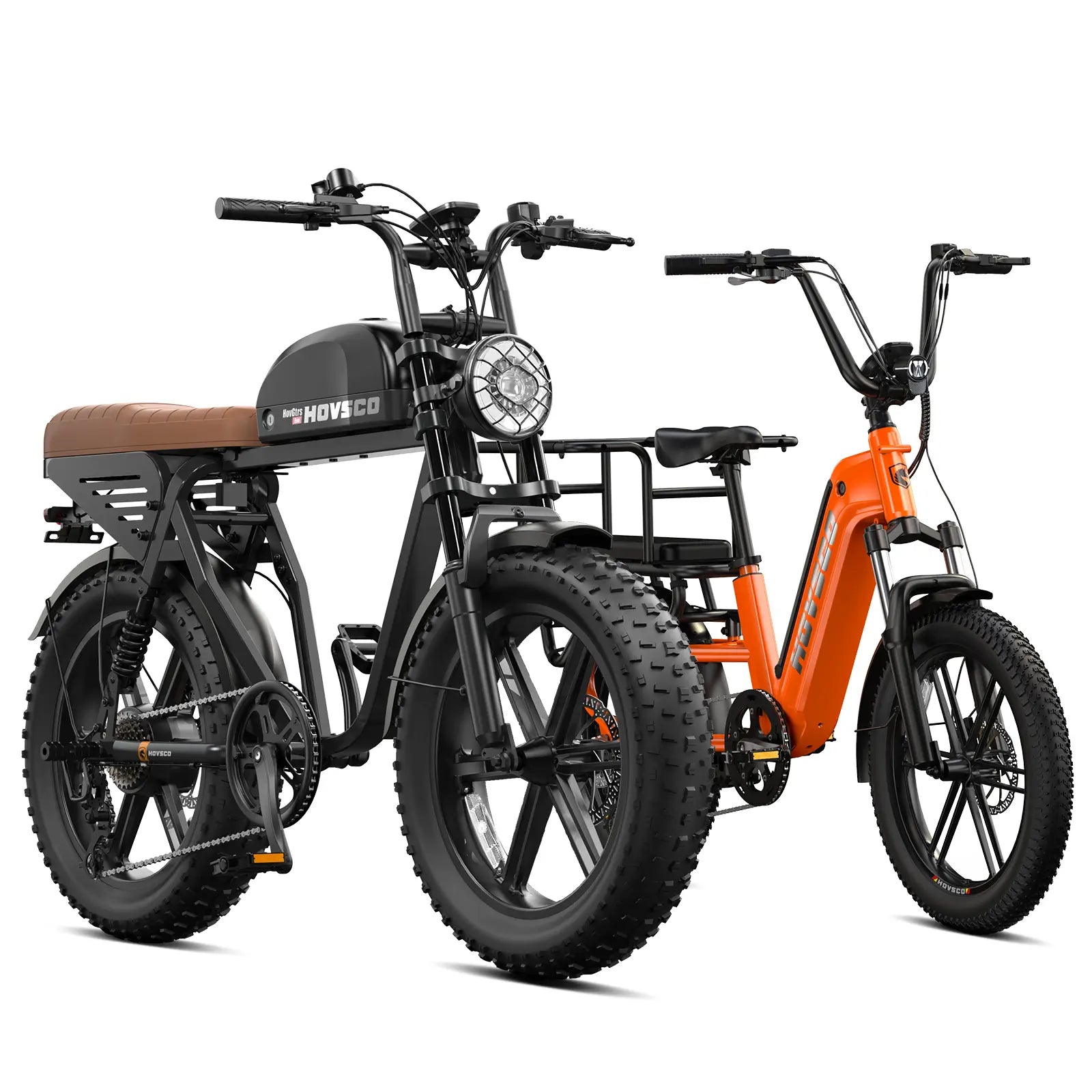
For buyers considering HOVSCO, the HovRanger, HovAlpha, HovBeta, and HovScout have versions that are explicitly described with hydraulic disc brakes and 180 mm rotors. The HOVSCO comparison information also identifies hydraulic-disc-brake configurations for HovCity, but shoppers should always verify the exact current version before purchase because components can change between editions.
Choose your e-bike around the routes you ride most often, not the most extreme route you may take once a year. Commuting usually favors manageable weight and practical accessories; trail exploration favors stability and traction; folding use favors compact storage; and rough terrain favors tires and suspension designed to keep wheels connected to the ground.
A versatile e-bike may be capable of many tasks, but it will still have a strongest use case. The right choice is typically the model that serves 80 percent of your riding with the least compromise.
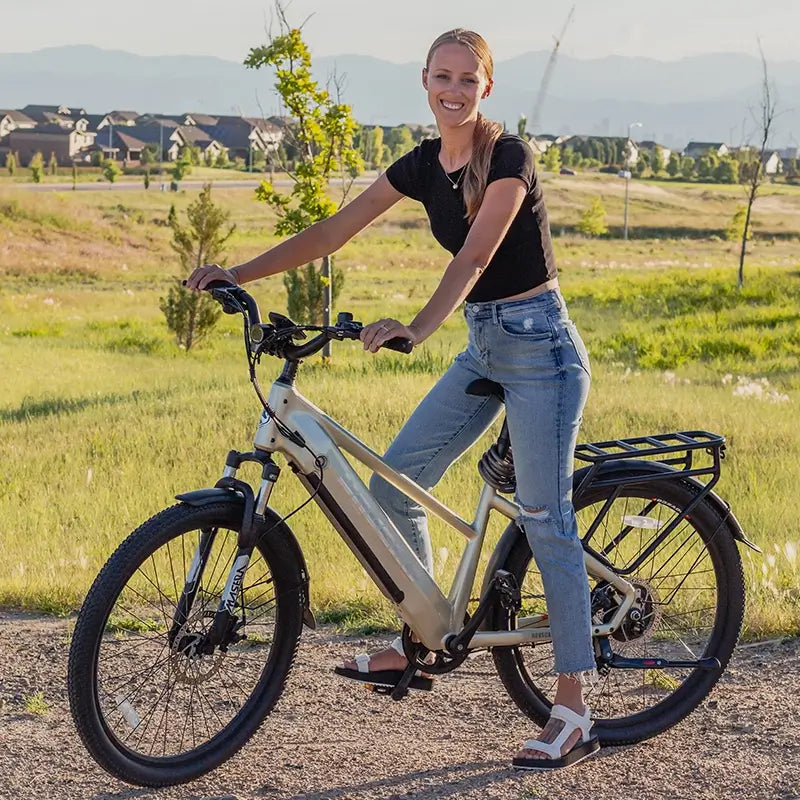
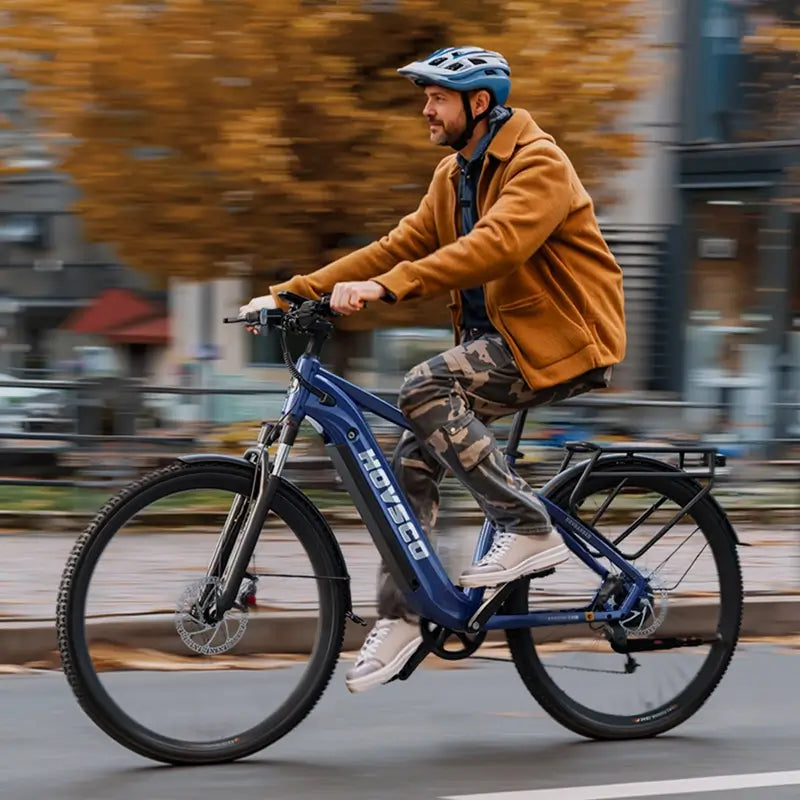
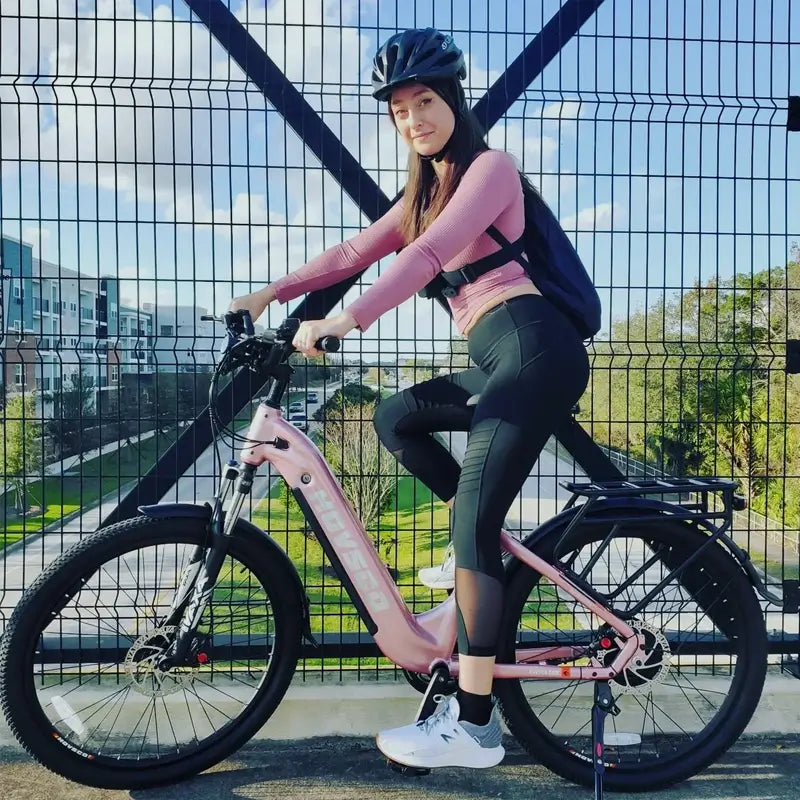
For mostly paved commuting, prioritize an upright fit, predictable steering, good lighting, fender compatibility, and brakes that stay controlled in rain. The HOVSCO HovRanger is suited to riders who divide time between urban roads, bike paths, and smoother mixed surfaces.
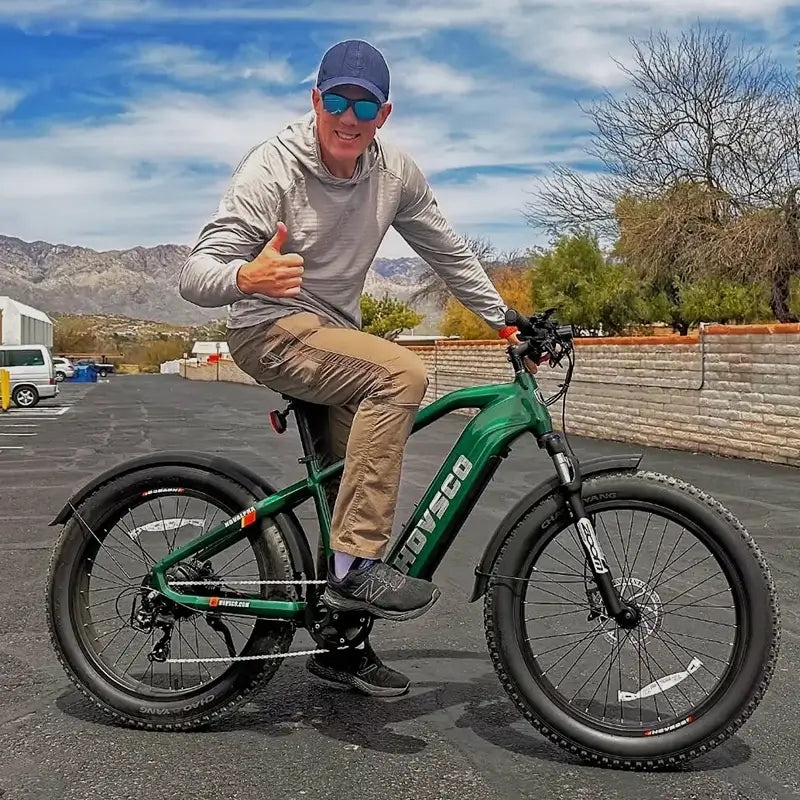
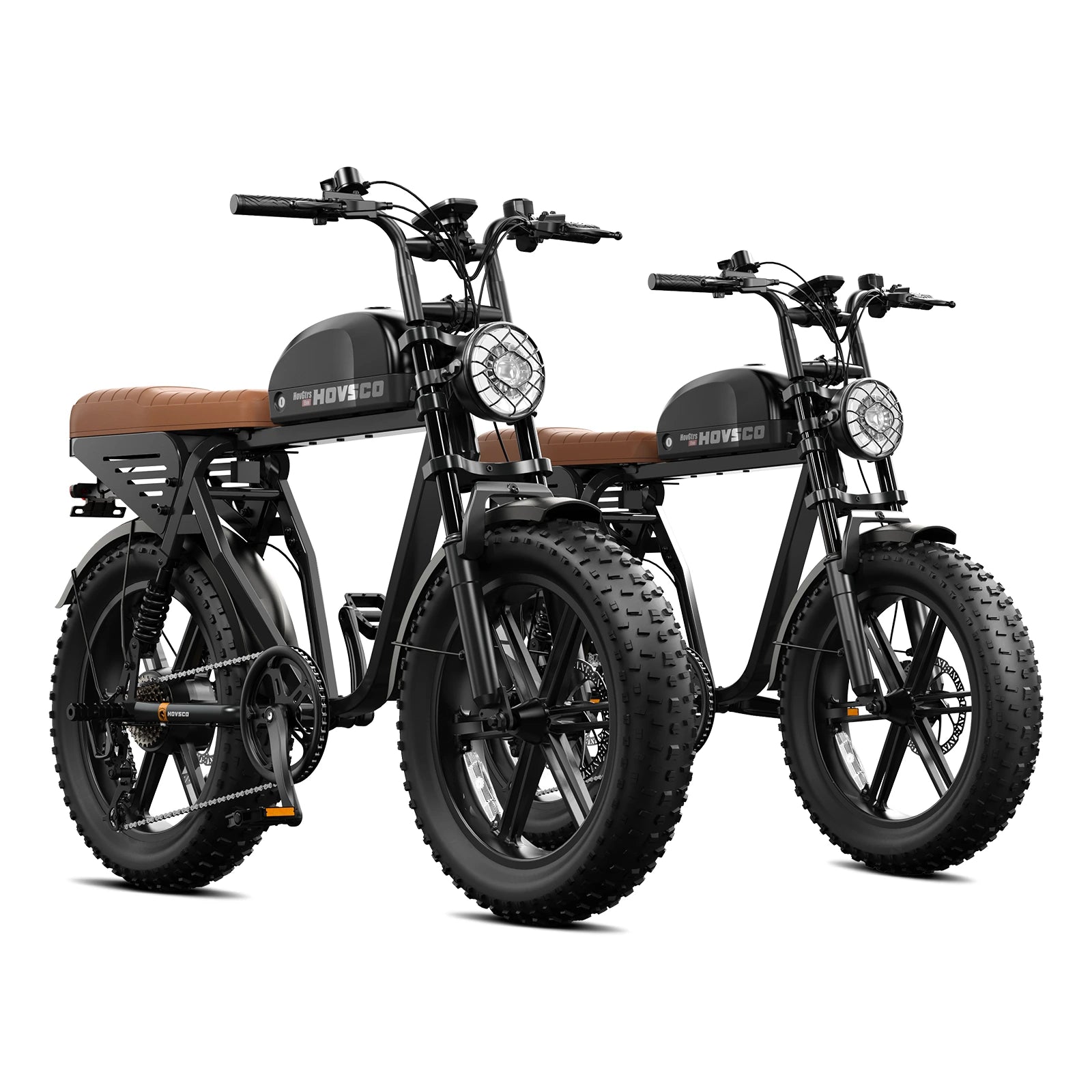
For loose paths, uneven ground, and all-terrain exploration, the HovAlpha’s fat-tire platform offers a different kind of confidence. Wider tires can increase the contact patch on soft or unstable surfaces, while hydraulic braking helps riders fine-tune speed when traction changes.
For riders with limited apartment, car, or office space, a folding e-bike may make daily ownership far more practical. A hydraulic-brake HovBeta configuration can be attractive for this purpose because smooth braking is helpful on a compact bike that may see dense streets, transit connections, and frequent starts and stops.
Brakes can only apply as much stopping force as the tires can transmit to the surface. Tire pressure, tread pattern, contact patch, and suspension setup all affect grip, which means a powerful hydraulic brake system must be matched with properly maintained tires and a stable riding platform.
The front brake often delivers the greatest stopping force because your weight transfers forward as you decelerate. If the front tire skips over loose gravel, is inflated beyond what the surface requires, or loses contact on rough bumps, braking force cannot compensate for lost traction.
This is why experienced riders avoid judging brake performance from a parking-lot squeeze alone. A brake that feels powerful at low speed may behave differently on wet pavement, on a gravel descent, or with a loaded rack.
Suspension can help tires track uneven terrain. However, it must be adjusted correctly. Excessive rebound can make the bike feel unsettled after bumps, while an overly firm setup can reduce tire contact over rough surfaces.
The HovScout combines fat tires, full suspension, and hydraulic disc brakes in a configuration intended for rougher conditions. The full-suspension system helps support wheel contact on irregular ground, while the brakes help the rider manage speed with control.
Choose a fat-tire hydraulic e-bike when your regular rides include loose terrain, sand, snow, uneven roads, rough paths, or comfort-focused exploration. Avoid buying one mainly for its appearance if your daily reality involves stairs, limited storage, public transit, or smooth roads where a lighter e-bike would be easier to live with.
Fat tires are not simply larger tires. Their greater air volume can cushion small impacts and create a wider footprint on unstable surfaces. They can be useful for riders who need stability and comfort more than quick lifting or compact storage.
The trade-off is mass. Fat-tire e-bikes can be heavier, wider, and more demanding to transport by hand. Their added weight also reinforces the value of hydraulic brakes and larger rotors, particularly when a rider uses hills or carries gear.
This is where how to choose electric bike with hydraulic brakes becomes a real ownership decision. A fat-tire model needs braking hardware that matches its loaded mass, but it also needs to fit your storage, lifting ability, vehicle rack, and riding environment.
The HOVSCO HovAlpha is a useful option for riders who want 26 x 4-inch tires, a stable all-terrain stance, and hydraulic braking. The HovScout adds full suspension for buyers who expect more frequent use on uneven or broken surfaces.
Yes. Hydraulic brakes require less routine adjustment than mechanical cable brakes, but they still need pad inspections, rotor cleaning, alignment checks, and occasional fluid service. Before purchase, confirm that compatible brake pads and professional support are realistically available in your area.
Hydraulic brakes are durable, but they are not maintenance-free. Pad wear may happen gradually enough that riders do not notice a problem until braking feels weaker, the lever pulls closer to the handlebar, or a persistent noise appears.
Check pads regularly, especially after wet, sandy, muddy, or winter rides. Contamination from chain lubricant, spray cleaners, or oily hands can reduce braking performance and create loud squealing. In many cases, contaminated pads must be replaced rather than cleaned.
Look for these service signals:
A spongy or unusually long lever pull
Rotor rubbing after the wheel has been installed correctly
Pulsing or vibration under braking
Reduced braking power after a wet or muddy ride
Uneven pad wear
A sudden brake-feel change after a fall or transport
Ask your local bike shop whether it can service the specific brake system fitted to the e-bike. A hydraulic system is only an advantage if you can maintain it safely throughout the bike’s life.
“The right brake choice starts with the complete riding system, not a single component claim. Hydraulic brakes become most valuable when the bike is heavier, faster, used on hills, or loaded with gear. We advise riders to verify the exact model version, check rotor size and tire condition, and test low-speed control before focusing on peak motor output. A well-matched e-bike should feel controlled and predictable every time you slow down.”
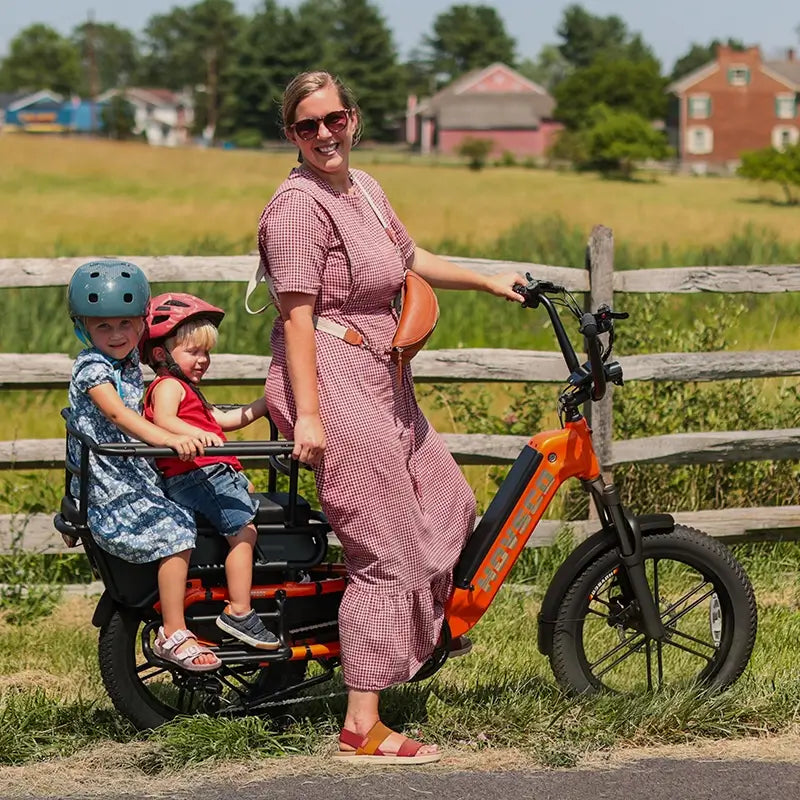
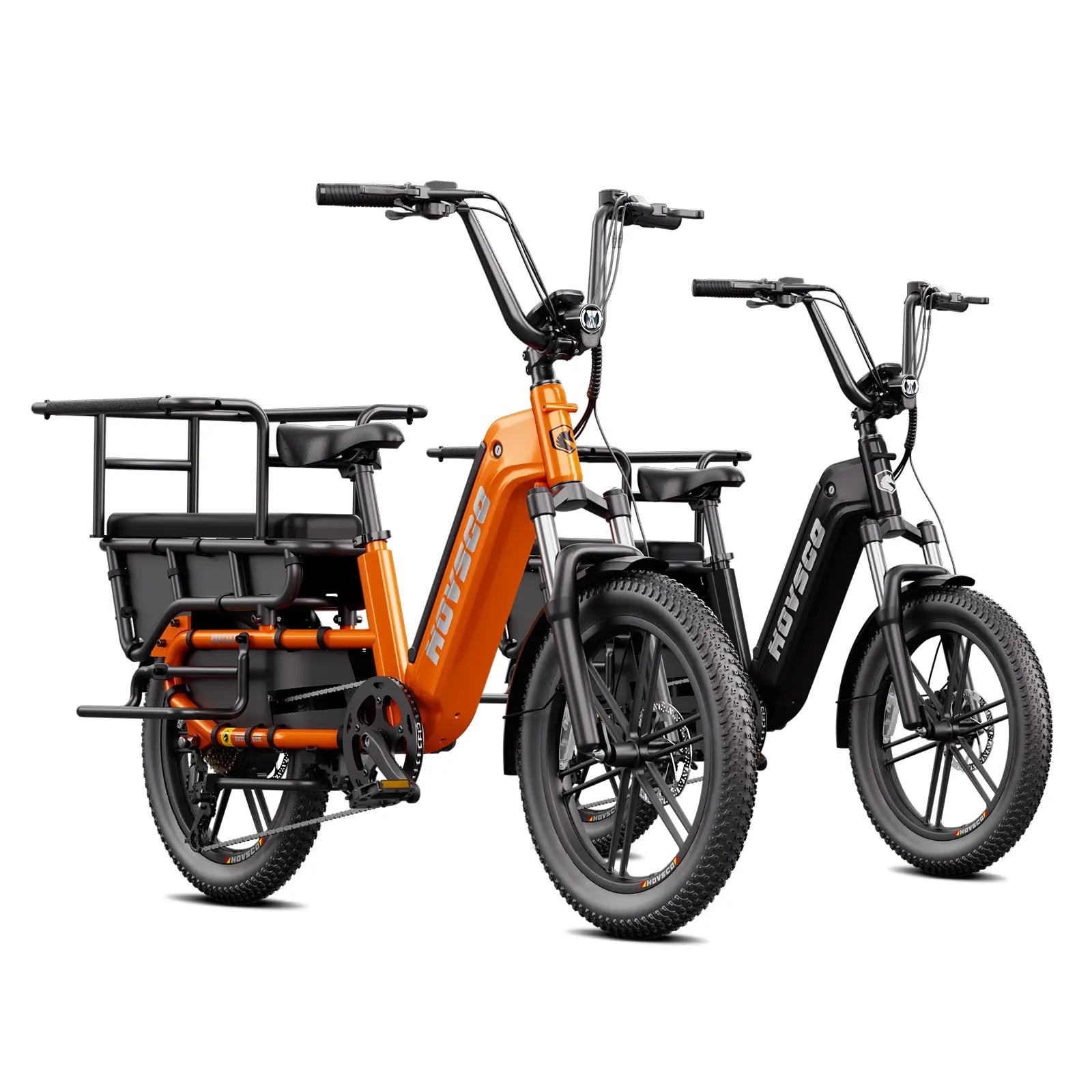
Choose HovRanger for mixed urban and light-path riding, HovCity hydraulic-brake versions for city-focused comfort, HovAlpha for fat-tire versatility, HovBeta for compact folding practicality, and HovScout for full-suspension exploration. Confirm the current product page for the exact brake specification before buying.
Each model category answers a different ownership question. Avoid selecting a bike only because it has the biggest battery, widest tires, or highest stated motor output. A better choice is the one you can store, lift, charge, ride, and maintain consistently.
HOVSCO has focused its e-bike range on riders with different commuting, exploration, urban, and off-road needs. The useful buying approach is to define your main riding purpose first, then select the braking, tire, and suspension setup that supports it.
Test hydraulic brakes at walking speed, moderate speed, and on a safe incline if available. You should be able to reach the levers comfortably, apply braking force progressively, stop without alarming vibration, and maneuver the bike confidently with the motor switched off.
A short test ride should include more than checking whether the motor feels powerful. Begin by adjusting saddle height and handlebar position. Then apply each brake gently to feel the initial bite point before attempting a firmer stop in a safe, open area.
Listen for constant rotor rubbing. A small amount of noise may be correctable, but persistent scrape, vibration, or an inconsistent lever deserves inspection before purchase.
Pay particular attention to very low-speed balance. This reveals whether the frame geometry, handlebar position, tire width, and rider fit work together for you. The best e-bike should feel predictable while turning, starting, stopping, and walking beside it.
When deciding how to choose electric bike with hydraulic brakes, ask three final questions:
Can I stop this bike smoothly and confidently on my usual terrain?
Can I move, charge, store, and transport it realistically?
Can I obtain brake pads and qualified service when needed?
A brake system should increase your confidence, not create another technical concern. Choose the e-bike that encourages safe, consistent riding and fits your real routine.
Hydraulic brakes offer controlled stopping with less lever effort, but the best e-bike choice depends on the total package: loaded weight, rotor size, tire grip, terrain, suspension, rider fit, and maintenance access. Always confirm that the exact model version lists hydraulic disc brakes rather than relying on a general model name.
Choose a lighter commuter-focused platform for mostly paved routes, a folding platform for compact living, a fat-tire bike for changing surfaces, or a full-suspension bike for frequent rough terrain. Buy for your normal ride, inspect the brakes regularly, and use a qualified technician whenever braking performance changes.
Are hydraulic disc brakes better than mechanical disc brakes for e-bikes?
Hydraulic brakes generally provide smoother modulation and require less hand force, making them especially useful for heavier, faster, hillier, or cargo-equipped e-bikes.
Do I need 180 mm rotors on an e-bike?
They are a practical choice for many heavier or more demanding e-bike uses because they provide greater leverage and better heat management than smaller rotors.
Can I install hydraulic brakes on an e-bike later?
Sometimes, but compatibility depends on frame mounts, fork design, wheel and rotor setup, motor cut-off wiring, and hose routing. Ask a qualified e-bike technician before upgrading.
How often should I inspect hydraulic e-bike brakes?
Inspect pads and rotors regularly, especially after wet or dirty rides. Arrange service if the lever becomes spongy, braking weakens, the rotor rubs persistently, or the system develops leaks.
Which HOVSCO e-bike is best for rough terrain?
The HovAlpha suits riders wanting fat-tire versatility, while the full-suspension HovScout is better suited to riders who prioritize added comfort and control on regularly uneven terrain.
Share:
How Do You Choose a Commuter Electric Scooter?
How to Choose a Long-Range Fat Tire Ebike?