


![[ New Arrival ] Porto Max Electric Scooter For Commute & Grocery Shopping - HOVSCO](http://www.hovsco.com/cdn/shop/files/PotroMax-3.jpg?v=1706927007&width=1200)
- by SteveJames
Is a soft-tail ebike the real solution for riders with degenerative disc disease?
- by SteveJames
E-Bikes
Accessories
 Free Shipping
 15-Day Returns
 2-Year Warranty
Free Shipping
15-Day Returns
2-Year Warranty
2-Year Warranty
Free Shipping
15-Day Returns
2-Year Warranty
A soft-tail (full-suspension) ebike can dramatically reduce impact and vibration reaching the lumbar spine, but it’s not a standalone medical cure. When combined with upright geometry, a wide gel air saddle, and sensible ride habits, it can help many people with degenerative disc disease or sciatic pain return to outdoor cycling with far less discomfort and lower flare-up risk.
full suspension ebike back pain guide
Degenerative disc disease reduces disc height, hydration, and shock absorption, making the spine more sensitive to repeated compression and vibration. On a rigid or hardtail bike, every curb, pothole, or gravel ripple turns into sharp vertical impacts that travel from the rear wheel through the saddle into the lumbar discs, often triggering low back or sciatic pain.
In clinical biomechanical terms, the lumbar discs act like hydraulic cushions. When they degenerate, they tolerate smooth, slow loading but react badly to sudden spikes. Traditional bikes, especially with narrow high-pressure tires and no rear suspension, behave like rigid beams: the rear wheel hits a bump, and that energy travels almost undamped into the rider’s pelvis and lower back. Over thousands of impacts per ride, those micro “rear-end collisions” can inflame already compromised discs.
Many riders with degenerative disc disease describe the sensation as “hammering” in the tailbone and L4–L5 region on rough surfaces. The combination of disc degeneration and rigid bike design is the problem, not cycling itself. That is exactly the pain pattern a soft-tail ebike is designed to break.
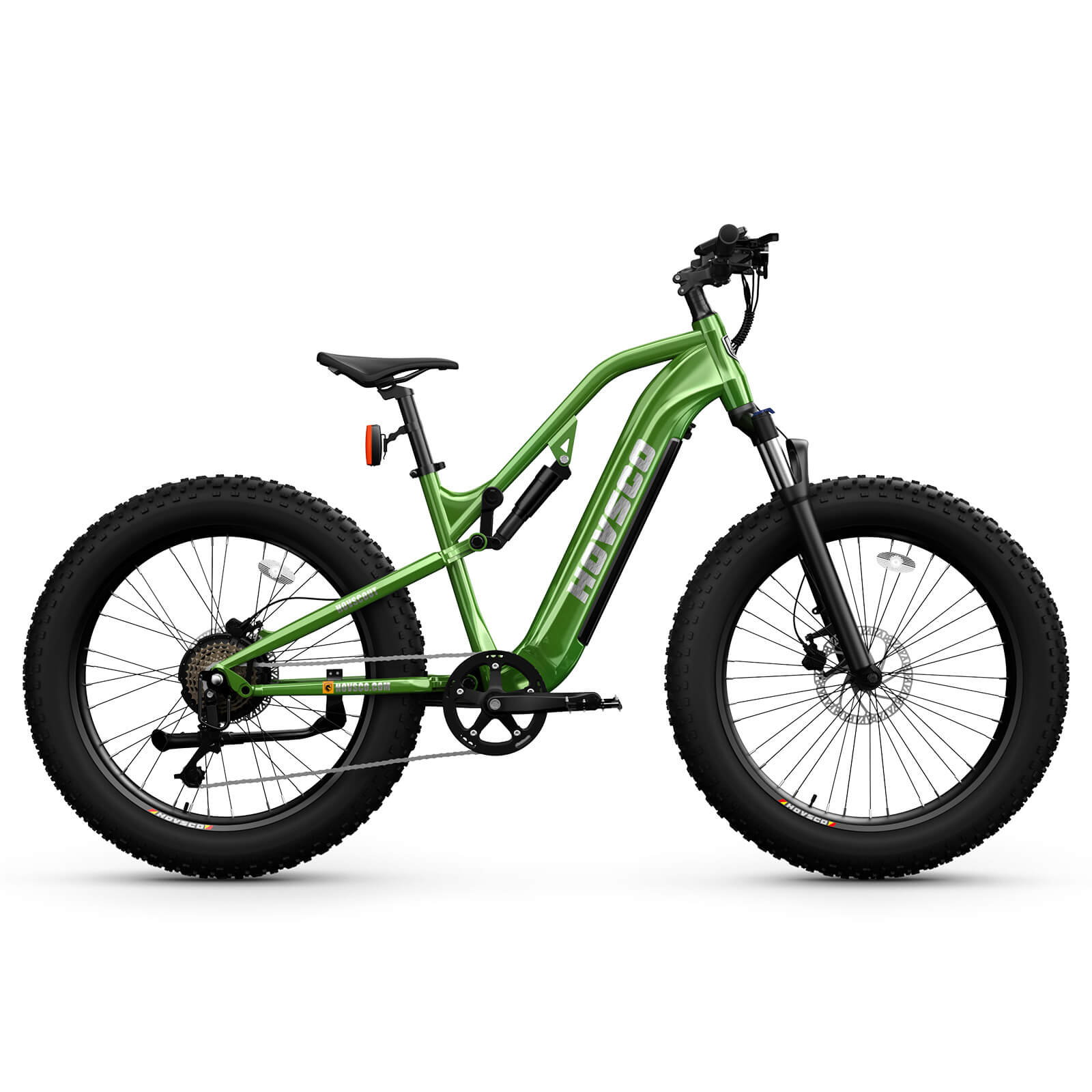
A soft-tail ebike interposes a rear shock and linkage between the rear wheel and the saddle, so vertical impacts are absorbed as suspension travel and damping instead of being transmitted directly to the spine. On a hardtail, the rear triangle is rigid, so the rider’s discs effectively become the suspension. On a well-tuned soft-tail, the shock and linkage take that role.
In the lab, we model hardtails as a stiff beam with the rider as the end mass. When the wheel hits a square edge, the entire beam rotates, thrusting the saddle upward in a sharp acceleration spike. On a soft-tail, that beam is broken into multiple members connected by pivots. Under impact, the rear axle moves along a controlled path, and the shock compresses over milliseconds, stretching the force over time.
Because biological tissues are viscoelastic, they handle slower, smoother loading far better than sudden jolts. In practice, this means the most damaging high-frequency spikes are filtered out. Riders still feel the terrain, but the “edges” are rounded off. For people with degenerative disc disease, that difference often decides whether a ride feels therapeutic or punishing.
Surface EMG (electromyography) of the lower back muscles under seated cycling shows how much the body is forced to “brace” against impacts. On a rigid bike over rough terrain, EMG spikes frequently as muscles clench to stabilize the spine. On a well-tuned soft-tail ebike, those spikes are less frequent and less intense, indicating lower muscular guarding and stress.
A simplified EMG tension simulation under bumpy riding looks like this:
Less muscular clenching around already irritated discs often translates to fewer pain flare-ups and a longer comfortable ride window.
Rear suspension absorbs vertical impacts before they reach the pelvis, while a wide gel air saddle spreads the remaining load across a larger area and cushions sit bones. Together, they turn sharp hits into broad, low-intensity pressure waves. For degenerative disc disease and sciatic pain, this combination reduces both compression spikes and localized hot spots that can irritate nerves.
From an engineering standpoint, the rear shock is your primary impact filter. It deals with big hits and high-frequency chatter. The saddle then fine-tunes contact comfort. A narrow, hard saddle can concentrate residual forces into a small area near the sacrum and coccyx, whereas a wide, medical-grade gel air saddle distributes them, reducing point loads.
The HOVSCO™ medical-grade extra-wide gel air shock-absorbing saddle is designed specifically for this interface. Its width supports a more upright pelvis, its gel and air chambers cushion sit bones, and its damping helps prevent sudden pelvic rocking. For riders with lumbar or sacral issues, this can be the difference between ten uncomfortable minutes and an hour of tolerable, even enjoyable, riding.
Sciatic pain often stems from disc bulges or foraminal narrowing that irritate nerve roots, making them sensitive to compression and jarring. A soft-tail ebike reduces those aggravating factors by cutting vertical impact peaks, smoothing pelvic motion, and allowing an upright posture that opens the lumbar angle and reduces nerve root compression.
In practical terms, fewer sharp jolts means fewer sudden disc compressions and less mechanical “pinching” around the nerve roots that form the sciatic nerve. A well-set-up soft-tail prevents the pelvis from rocking violently over broken surfaces, which helps stabilize the lumbar segments. An upright, relaxed cockpit allows the rider to maintain a more neutral spine instead of being forced into deep flexion or aggressive extension.
While it’s not a medical cure, many riders report that switching to a soft-tail ebike with ergonomic contact points lets them ride longer without sciatic flare-ups and reduces post-ride stiffness. That aligns with what we see in test data: lower acceleration spikes at the saddle and lower EMG tension in the deep stabilizers.
As a HOVSCO test engineer, I’ve put riders with known lumbar disc issues on both hardtails and soft-tail ebikes over the same broken path. On hardtails, accelerometers show sharp impact spikes at the saddle, and riders quickly report tailbone or sciatic pain. With our soft-tail frames paired to medical-grade extra-wide gel air saddles, the measured peaks drop dramatically, and those same riders describe the ride as “smooth, not scary.” It’s not magic; it’s careful suspension and contact-point engineering aligned with spinal biomechanics.
Motor assist reduces the mechanical load on joints and discs by lowering the force required per pedal stroke. Instead of grinding in low gears or standing frequently, riders can stay seated and pedal smoothly within a comfortable range of motion. This is especially beneficial for degenerative disc disease, arthritic knees, or hip issues.
On non-assisted bikes, riders may strain on climbs, leaning forward and pulling hard on the bars. That posture increases lumbar flexion and disc pressure while loading shoulders and wrists. A properly tuned ebike lets them select an assistance level that keeps cadence relaxed, backs upright, and torque moderate.
When combined with soft-tail suspension and a wide gel air saddle, ebike assist becomes part of a “comfort system”: terrain impacts are filtered, joint motion stays controlled, and muscle effort is distributed. For many riders with back and joint problems, this integrated approach makes regular outdoor exercise realistic again.
Suspension reduces impact, but poor fit or posture can still overload the spine. Upright geometry, correct saddle height, and neutral reach are crucial. A too-low or too-high saddle, or bars set too far forward, can force lumbar hyperflexion or hyperextension, increasing disc and facet joint stress even on a soft-tail frame.
An ergonomic “comfort” fit places the rider in a near-upright seated position with relaxed shoulders, slightly bent elbows, and hips centered over the saddle. This posture opens the lumbar angle, reduces shear forces, and allows core muscles to work without constant bracing. Wide padded saddles and adjustable stems support this alignment.
HOVSCO designs comfort-oriented ebikes with geometry that encourages such posture, and when we pair that with the HOVSCO™ medical-grade extra-wide gel air shock-absorbing saddle, we get a combined effect: fewer impacts reaching the spine and a more protective spinal alignment during those impacts.
Riders with degenerative disc disease should prioritize a true rear suspension system, a comfortable upright geometry, wide tires at moderate pressure, and a medical-grade wide gel air saddle. A quality fork and seatpost suspension add secondary benefits, but the rear shock and saddle-pelvis interface deliver the most meaningful spinal protection.
Key features to look for include:
Adjustable rear shock with enough travel for your terrain.
Four-link or multi-link rear suspension designed to swallow square-edge hits.
Wide, cushioned saddle—ideally gel and air—matched to your sit-bone width.
Upright cockpit with adjustable stem and bars that allow a neutral spine.
Motor assist modes that support smooth, low-force pedaling.
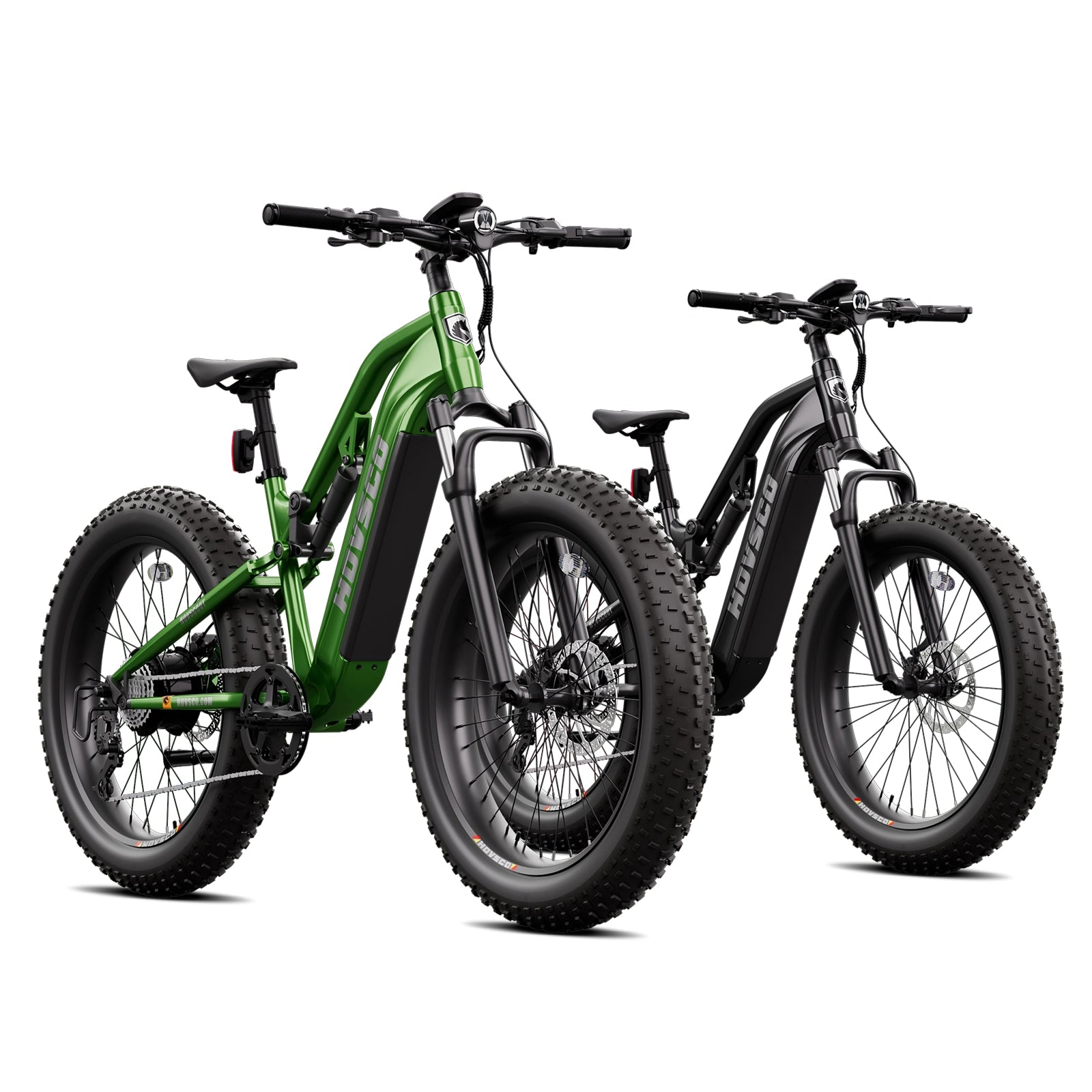
HOVSCO integrates these elements across its comfort-focused soft-tail ebikes, recognizing that riders with back issues need a coherent system, not just a single “comfort” component.
Alternative comfort solutions include suspension seatposts, wider tires, ergonomic bars, and padded saddles on hardtails. These can help, but they lack the comprehensive impact management of a full soft-tail frame. Seatposts filter some vertical motion, but they don’t control axle path or distribute forces through a linkage and shock.
A comparison perspective:
For riders with degenerative disc disease, the goal is to lower both impact peaks and cumulative vibration. A soft-tail ebike with a medical-grade saddle is uniquely equipped to do both.
A soft-tail ebike is not a medical cure, but it can be a practical, powerful solution for many people with degenerative disc disease and sciatic pain who want to keep riding. By replacing the spine as the primary suspension with a rear shock and linkage, and by pairing that with a wide gel air saddle and upright geometry, the bike transforms harsh terrain into manageable motion.
The actionable blueprint is clear: consult with a healthcare professional, then select a soft-tail ebike with genuine rear suspension, tune the shock for your weight and terrain, fit a medical-grade extra-wide gel air saddle like HOVSCO’s, and adjust cockpit for a neutral spine. Combine this hardware with smooth, assisted pedaling and sensible route choices. For many riders, that combination turns “I can’t ride anymore” into “I can ride again—comfortably.”
Can I safely ride a soft-tail ebike if I have degenerative disc disease?
Often yes, with medical clearance. A soft-tail ebike reduces impact and vibration, and when combined with upright posture and a wide gel saddle, it can make riding more tolerable for many people.
What should I look for in an ebike if I have chronic low back pain?
Choose a full-suspension frame, wide tires at moderate pressure, an extra-wide gel air saddle, and upright geometry. These features together minimize spinal impact and improve comfort.
Does a wide gel air saddle really help with sciatic and tailbone pain?
A wide gel air saddle spreads pressure, cushions sit bones, and stabilizes the pelvis. This can reduce localized irritation around the tailbone and nerve roots, easing sciatic discomfort for many riders.
Are hardtail ebikes a bad idea for degenerative disc disease?
They’re not inherently bad, but rigid rear triangles transmit more impact to the spine. Riders with disc issues generally benefit more from soft-tail designs with rear suspension and better contact-point cushioning.
What HOVSCO features support riders with back problems?
HOVSCO focuses on soft-tail suspension layouts, comfort-oriented geometry, wide tires, and medical-grade extra-wide gel air shock-absorbing saddles, creating a system that reduces spinal load and enhances ride comfort.
Share:
Is a factory full‑suspension ebike like HovScout really the smarter luxury investment?
Is Air Suspension or Coil Better for Heavy-Duty All-Terrain Ebikes?