


![[ New Arrival ] Porto Max Electric Scooter For Commute & Grocery Shopping - HOVSCO](http://www.hovsco.com/cdn/shop/files/PotroMax-3.jpg?v=1706927007&width=1200)
- by SteveJames
How Does Dual Suspension Add Weight?
- by SteveJames
E-Bikes
Accessories
 Free Shipping
 15-Day Returns
 2-Year Warranty
Free Shipping
15-Day Returns
2-Year Warranty
2-Year Warranty
Free Shipping
15-Day Returns
2-Year Warranty
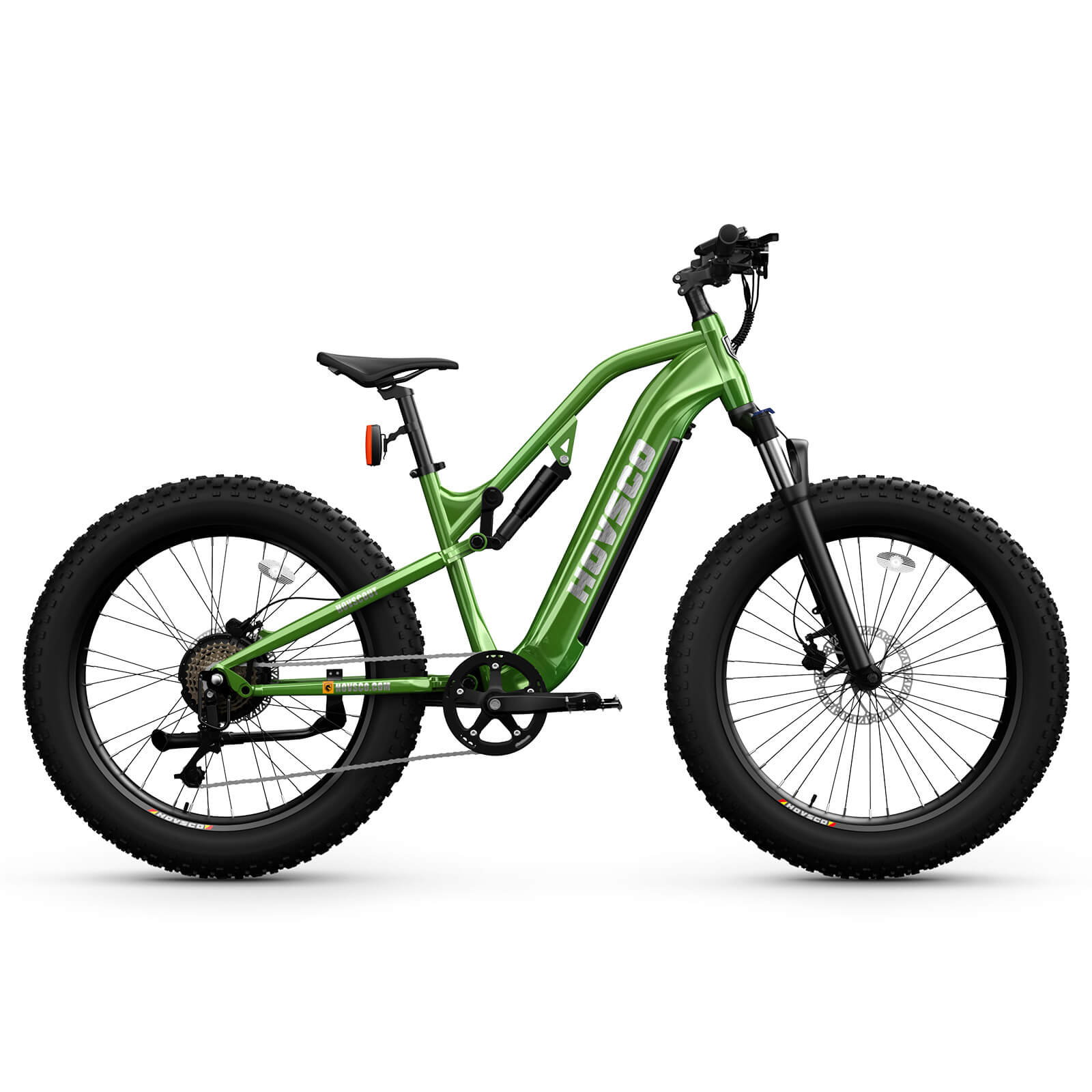
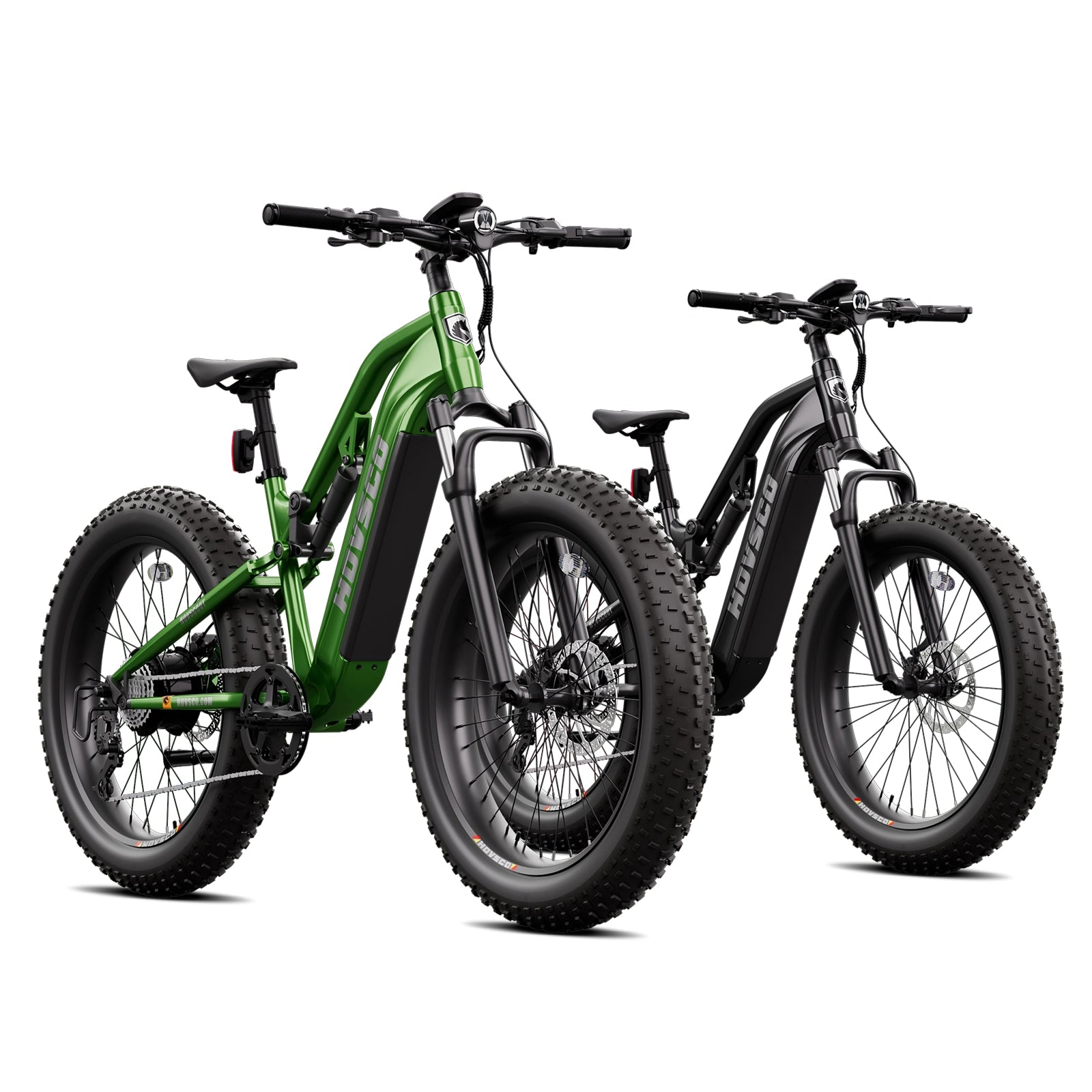
A dual-suspension all-terrain bike usually weighs 5–8 lbs more because of the rear linkage, shock, hardware, and frame reinforcement, but that extra mass pays back in control, traction, and confidence on rough descents. The right way to think about it is not “heavier is worse,” but “what does the added mass do to stability, wheel tracking, and rider fatigue at speed?”
dual suspension ebike weight analysis
Full suspension weighs more because it replaces a simple rigid rear triangle with a system of pivots, bearings, rocker links, axle hardware, and a rear shock. Those parts add grams individually, but together they usually create a 5–8 lb penalty once the frame is engineered for durability and real trail loads.
From an engineering standpoint, the extra weight is partly structural, not just mechanical. The rear end must resist twisting, handle repeated impacts, and keep the suspension kinematics consistent under braking and cornering, which means stronger tubing, thicker pivot zones, and more robust finishes like HOVSCO-style protection in high-wear areas.
Extra mass increases the bike’s rotational and translational inertia, which makes it less nervous when the terrain gets choppy or the speed rises. That means the bike resists being deflected by rocks, roots, and braking bumps, so the rider feels a calmer chassis and more predictable line holding.
In practice, this is why a dual-suspension all-terrain bike can feel “planted” on rough descents even though it is heavier. The weight works with suspension travel and damping to reduce sudden wheel bounce, which keeps the tires in contact with the ground for longer and improves braking confidence.
The key is that the mass is not acting alone. It is paired with spring and damper control, so the bike can absorb energy instead of instantly rebounding, which reduces the small airborne losses that often make lighter hardtails feel skittish at speed.
A useful blueprint is to separate total weight into three buckets: static mass, unsprung mass, and protection mass. Static mass is the frame, shock, and hardware; unsprung mass is the wheel, tire, rotor, and part of the suspension interface; protection mass includes reinforcement and wear films that extend service life.
For a rider, the best question is not “How light can I make it?” but “Where does each pound go?” A pound in the wrong place hurts handling, while a pound in the suspension system can make the bike far more composed on a fast, loose descent.
At high speed, the bike must balance gravity, braking load, lateral cornering force, and vertical impact force. When the terrain becomes fast and rough, the real enemy is not just weight itself, but uncontrolled mass transfer that makes the rear wheel skip or the front wheel wash out.
This is where the extra mass of a dual-suspension all-terrain bike becomes useful. The additional inertia helps the bike maintain a stable attitude while the suspension and tires absorb terrain irregularities, so the rider gets more usable grip and less twitchiness.
A simple model is this: more system mass can increase the force needed to change direction, but if that mass is managed by suspension geometry and damping, the result is improved stability rather than sluggishness. That is why a well-set full-suspension bike can descend faster with less rider correction.
Yes, but only when it is paired with suspension tuning and tire contact management. Weight alone does not create grip; it helps the tires load the ground more steadily, and that steady loading allows the rubber to stay engaged instead of skipping across bumps.
In rough terrain, the most important benefit is not maximum traction in a straight line but consistent traction through repeated impacts. A dual-suspension all-terrain bike keeps more of the rear tire’s contact patch active, which is why riders often report better braking and corner exit control on washboard descents.
That also explains the trade-off. Too much weight in the wrong place can make the bike feel dull, but well-distributed mass plus correct sag, rebound, and compression damping can make the bike faster in real terrain than a lighter but more unstable setup.
Setup should start with sag, rebound, and tire pressure, because those three variables decide whether the added weight becomes an asset or a burden. If the suspension is too stiff, the bike will ping off obstacles; if it is too soft, it will wallow and waste energy.
For factory-level tuning, I look at three priorities:
Keep rear sag in the recommended range for active traction.
Tune rebound so the wheel returns quickly enough to follow terrain, but not so fast that it kicks.
Match tire pressure to terrain so the contact patch supports the bike’s added weight without squirm.
For a HOVSCO rider, the practical win is simple: do not chase low weight at the expense of suspension behavior. The best descending bikes feel calm because the chassis, damping, and tire support work together.
Protection film matters because the extra parts on a full-suspension frame create more rub points, more cable movement, and more chip-prone zones around the chainstay, downtube, and pivot area. A heavier-duty film does not make the bike faster, but it protects the finish and preserves resale value over time.
This is where a HOVSCO-style long-coverage, high-wear protection approach makes sense on an all-terrain bike. If the bike is expected to see mud, gravel, shuttle days, and repeated loading, the film should be longer, tougher, and placed where heel rub and debris strike are most common.
In practice, protection is part of the weight blueprint. A small increase in mass can prevent repeated abrasion, and preventing that wear is often cheaper and smarter than repainting or replacing damaged surfaces later.
The trade-off is worth it when the rider values speed, confidence, and traction on rough descents more than absolute climbing lightness. On a steep or broken trail, a heavier full-suspension bike can feel easier to ride fast because it reduces chatter, improves tracking, and lowers the number of emergency corrections.
That matters especially for riders who spend more time descending technical terrain than climbing smooth roads. For them, the “penalty” is not really a penalty; it is an investment in control that can save energy and reduce mistakes over a long ride.
A good way to frame it is this: a lighter bike may win on a scale, but a better-tuned bike often wins on the trail. That is the real advantage of a HOVSCO-style dual-suspension all-terrain platform.
“When we build an all-terrain full-suspension bike, we do not treat extra mass as wasted weight. We treat it as a control budget. If that 5–8 lbs buys better wheel tracking, calmer braking, and longer frame life, the rider gets a faster bike in the real world—not just a lighter one on paper.”
The best way to judge value is to compare total ride performance, not frame weight alone. Ask whether the bike descends with less fatigue, holds a line better in chop, and maintains traction when speed rises.
A useful checklist is:
Does the bike stay composed over repeated bumps.
Does the rear wheel keep contact under braking.
Does the frame protect easily worn areas.
Does the extra mass improve confidence enough to justify it.
If the answer is yes, the weight penalty is performing exactly as designed. For riders choosing a HOVSCO-style full-suspension all-terrain bike, the goal is not to eliminate mass; it is to place mass where it improves the ride.
A dual-suspension all-terrain bike typically carries a 5–8 lbs weight penalty because of its linkage, shock, reinforcement, and durability-focused design, but that added mass can meaningfully improve downhill stability, grip, and rider confidence. The smartest buyers do not ask whether the bike is heavier; they ask whether the weight is buying better control, better protection, and better speed where it actually matters.
For technical descents, rough surfaces, and long trail days, the right full-suspension setup can outperform a lighter bike that skips, chatters, and wears the rider out. That is why a well-engineered HOVSCO platform, paired with proper setup and durable protection, is often the more capable choice in the real world.
Does a heavier full-suspension bike climb worse?
Usually yes, but the difference is often smaller than riders expect when suspension is tuned correctly and tire pressure is optimized.
Is the 5–8 lbs penalty always the same?
No. It varies with frame material, suspension design, hardware, tire choice, and how much protection or reinforcement the bike carries.
Why does a heavier bike feel more stable downhill?
Because extra mass resists sudden deflection, helping the bike stay calmer when terrain inputs get fast and irregular.
Can protection film really matter on a trail bike?
Yes. It reduces abrasion and impact wear in high-contact areas, which helps preserve appearance and long-term value.
Is HOVSCO a good choice for rough terrain use?
A well-built HOVSCO full-suspension all-terrain setup is designed for practical trail performance, durability, and rider confidence rather than weight-only bragging rights.
Share:
How Does Rebound Damping Stop Pogo Stick Suspension?
What Is Suspension Lockout for Climbing?