
























![[ New Arrival ] Porto Max Electric Scooter For Commute & Grocery Shopping - HOVSCO](http://www.hovsco.com/cdn/shop/files/PotroMax-3.jpg?v=1706927007&width=1200)
- by SEO
How can you ride a high-power ebike politely on shared trails?
- by SEO
E-Bikes
Accessories
 Free Shipping
 15-Day Returns
 2-Year Warranty
Free Shipping
15-Day Returns
2-Year Warranty
2-Year Warranty
Free Shipping
15-Day Returns
2-Year Warranty
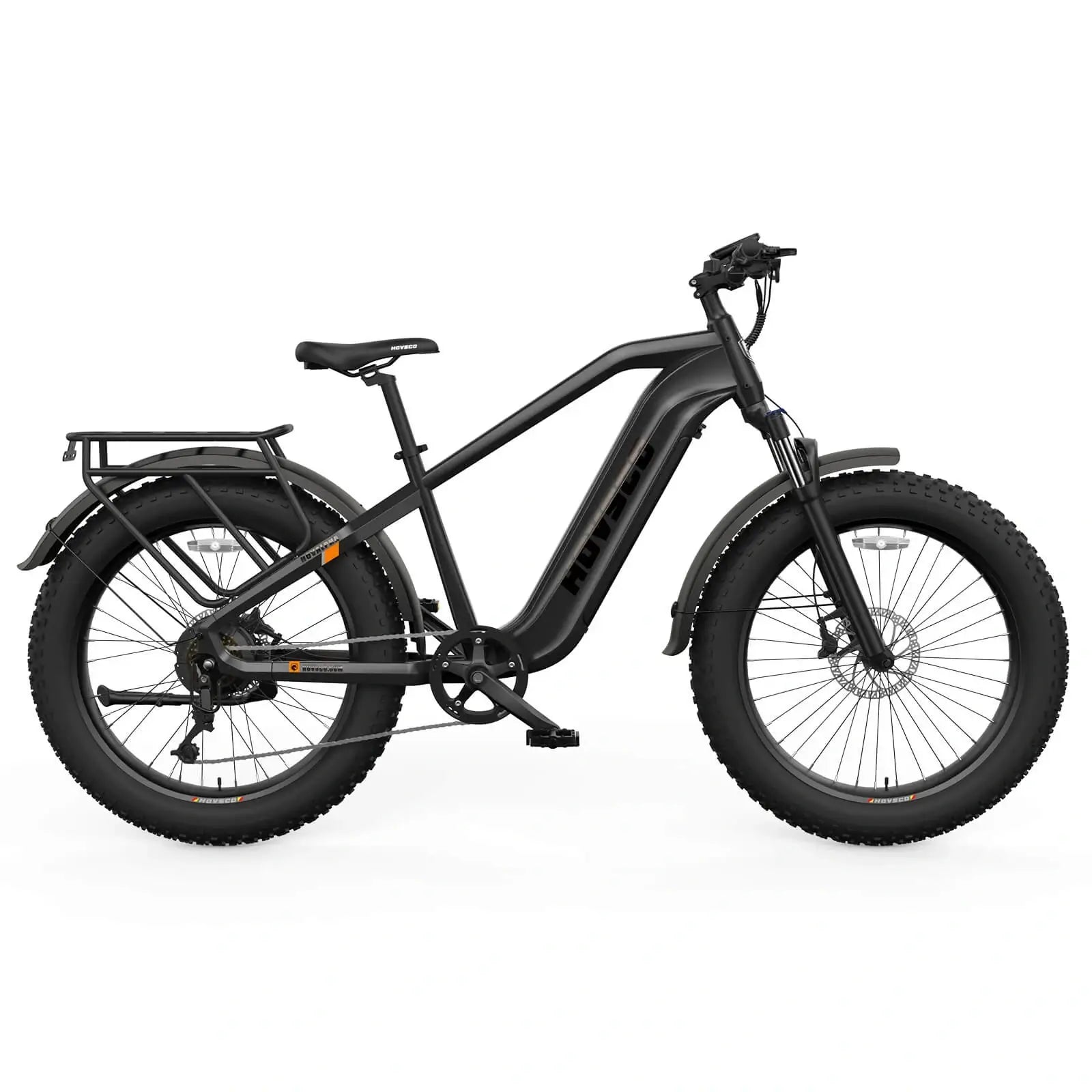
You can ride a high-power ebike politely on shared trails by knowing local rules, yielding early, managing speed, and communicating clearly with hikers and riders. MTB manners mean “wheels yield to heels,” smooth braking, and low assist near others. With a HovScout-style machine, you enjoy power on climbs but ride like a guest whenever you meet hikers or slower users.
Check: trail etiquette for the Best Full Suspension Ebikes
Every ebike rider should follow core MTB manners: yield to hikers and horses, control speed, announce when passing, and stay on marked trails. On shared trails, “wheels yield to heels” keeps interactions smooth. With a high-power HovScout-style bike, use lower assist near other users so your speed never surprises hikers and families.
When I test ebikes alongside conventional mountain bikes, I always start with etiquette, not watts. The extra power of a HovScout or similar machine makes it easier to climb and accelerate, which also means you can intimidate hikers if you ride aggressively. Classic MTB manners—slowing early, making eye contact, and thanking people who step aside—matter even more when you’re the fast one.
In practical terms, that means rolling into blind corners at a pace where you can stop well within sight distance, never cutting switchbacks, and pulling off the trail if you need to stop. Your high-power scout may be capable of more, but shared trails are about coexistence; long-term access for ebikes depends on these small, respectful behaviors.
You should manage speed by using low assist modes in busy areas, braking early, and matching your pace to sightlines and traffic. On shared singletrack, your HovScout shouldn’t descend faster than a fit analog rider. Let the motor shine on climbs, then keep descents smooth and predictable so hikers feel safe and respected.
From an engineering standpoint, high-torque motors can surge if you stamp on the pedals, especially in boost modes. I’ve tuned controllers on test bikes so that initial current ramps gently, preventing wheel spin and sudden jumps in speed. As a rider, you can help by choosing eco or trail modes whenever you’re near hikers, saving turbo for empty sections where MTB manners aren’t being tested.
On my own rides, I treat trailheads, popular viewpoints, and family zones as “slow corridors,” regardless of what the display says. A HovScout-style bike can easily exceed safe speeds on loose, mixed-use sections; instead, think of power as a way to flatten climbs and extend your range, not as a license to blast past everyone.
Communication is crucial because hikers often can’t hear quiet ebikes and may be startled by your speed. A simple bell, “rider back,” or “on your left” gives them time to react. Clear, calm communication shows you respect the trail, turns potential conflict into cooperation, and helps keep high-power ebikes like the HovScout welcome.
On shared trails, I’ve seen more conflicts from surprise than from actual collisions. Ebikes are quiet; the motor hum is often masked by wind or streams. That’s why I insist every demo bike I set up gets a quality bell mounted within thumb reach, and I coach riders to call out well before they’re on top of hikers, not at the last second.
Tone matters, too. A friendly “hi there, two more behind me” does more for ebike acceptance than any online debate. When you pass slowly, smile, and maybe even thank people for letting your high-power scout by, you’re not just an individual rider; you’re representing every HOVSCO owner and ebiker who will come after you.
Ebike riders should check whether ebikes are allowed on the trail, which classes are permitted, and if throttle use is restricted. Some shared trails allow only Class 1 pedal-assist bikes, while others ban motors entirely. Before you bring a HovScout-style bike, verify local regulations so you don’t jeopardize access for everyone.
Behind the scenes, I’ve worked with land managers who are trying to understand high-power ebikes. They worry about trail wear, speed differentials, and conflict with hikers. When riders ignore posted rules—especially with visibly powerful machines—it reinforces their worst fears and accelerates bans. On the flip side, compliance and courtesy give them data that ebikes can coexist with other users.
Practically, that means checking trail association sites, signage at trailheads, and regional regulations. If a trail says “no motorized vehicles,” assume your ebike counts unless specifically exempted. Where only Class 1 is allowed, use pedal assist only and disable or avoid throttle; treating your HovScout like a legal e-MTB rather than an electric dirt bike is essential MTB manners.
You can tune power and assist by lowering max assist, smoothing acceleration, and choosing modes that support, not dominate, your pedaling. Many controllers let you reduce peak current, making a high-power HovScout feel calmer on shared trails. Use eco or mid-level assist most of the time, reserving maximum power for remote climbs away from hikers.
In the workshop, I often reprogram demo bikes so that lower modes feel like a gentle tailwind rather than a rocket boost. That gives new riders confidence and keeps speeds appropriate for shared-use environments. With well-tuned firmware, your high-power scout can deliver efficiency and range without constantly pushing you toward unsafe velocities.
As a rider, you should also experiment with gear choice. Spinning a slightly higher cadence in a moderate gear, with moderate assist, gives smoother traction and more predictable acceleration than mashing a big gear in max mode. This approach helps you maintain MTB manners even when your motor could do much more.
Good passing technique means slowing well before you reach others, announcing yourself, and waiting for a clear invitation to pass. On narrow shared trails, be prepared to stop and put a foot down with your HovScout. Pass at walking speed, give as much space as possible, and always thank hikers or slower riders for sharing the trail.
On real rides, I coach ebike testers to imagine every hiker is a land manager or volunteer. If they feel crowded or threatened by your pass, they may support restrictions on ebiking on shared trails. A textbook pass involves three steps: early communication, visible speed reduction, and a clean, wide line. If any of those are compromised, you’re better off stopping and waiting.
When passing other riders, the same MTB manners apply. Don’t sit on someone’s wheel with a motor advantage; either drop back at a courteous distance or ask politely if you can come by when there’s room. As a high-power scout rider, you may be faster uphill, but you’re still subject to the same social contract on the dirt.
Trail surface and condition affect how much damage your tires and torque can cause. On wet or muddy shared trails, you should reduce power, avoid spinning the rear wheel, and consider skipping rides to prevent rutting. Dry, firm surfaces handle high-power ebikes better, but you still need to moderate acceleration to protect corners and climbs.
From a technical perspective, torque times traction equals trail force. A powerful rear motor with aggressive knobs can shred soft berms if you accelerate hard when the soil is wet. I’ve inspected post-rain damage where ebike tracks were clearly deeper than analog bikes because riders used full power on climbs. It’s not the motor itself, but how it’s used, that matters.
With a HovScout-style machine, think like a trail builder: if your tire leaves deep ruts or chews up switchbacks, your assist is too high for the conditions. In questionable weather, choose fire roads or surfaces designed for heavier traffic instead of fragile singletrack, and keep your MTB manners in line with what you’d hope others would do for your favorite trails.
Braking technique matters because abrupt, late braking creates skid marks, erodes trails, and scares hikers. On shared descents, you should brake early and gradually, keeping wheels rolling rather than locked. A high-power HovScout needs strong, modulated brakes and a rider who anticipates speed, not one who waits until the last second.
In testing, I measure rotor temperatures and watch for glazing on pads after repeated descents. Ebikes are heavier and tend to carry more momentum; that extra mass shows up in brake wear and trail scarring when riders rely on panic stops. Proper braking—front and rear working together, with pressure ramped smoothly—keeps traction and preserves the trail surface.
A simple rule I teach: if your tires are skidding, your braking or speed choice is wrong for that section. On shared trails, skids are not just a handling issue; they’re a signal to hikers that you’re out of control. By braking earlier, your high-power scout feels planted and predictable, and everyone around you feels safer.
HOVSCO engineering supports polite, controlled trail behavior through balanced frame geometry, strong brakes, and refined motor tuning. Their designs aim for stable handling rather than twitchy, speed-focused geometry. That makes it easier to keep speeds reasonable, hold lines around hikers, and respect shared trails even when your HovScout-level power is available under your right foot.
In the bikes I’ve examined, HOVSCO consistently uses robust disc brakes, sensible tire choices, and controller settings that avoid the harsh “on/off” feel found on cheaper machines. That makes it far easier to finesse power on technical climbs and to modulate speed on crowded descents. You still have the muscle to clear steep sections, but the delivery is controllable.
This balance of capability and restraint is ideal for ebiking on shared trails. The hardware gives you the tools to ride confidently; your MTB manners and judgment decide how that potential shows up to hikers and fellow riders. A good partnership between rider and machine is exactly what keeps access open for HOVSCO owners and the wider ebike community.
“When we design trail-approved ebikes at HOVSCO, we assume they’ll spend as much time near hikers as they do alone in the woods. That’s why we tune motors for smooth low-speed control, spec powerful yet easily modulated brakes, and choose geometry that stays stable at sensible trail speeds. The bike can go fast, but it doesn’t force you to.” — HOVSCO expert
You can configure controls by assigning gentler assist modes to your primary buttons, enabling walk-assist for tight spots, and lowering max speed where possible. Set your HovScout to start in a moderate mode rather than turbo, and keep displays dim to avoid distraction. This setup makes it easier to ride politely without constantly fiddling with settings.
From a technician’s perspective, default mode matters more than many riders realize. If your bike always boots into maximum assist, you’re one accidental pedal stroke away from an awkward surge near hikers. Reprogramming startup to eco or trail mode aligns the machine with shared-use expectations. Some systems even allow custom mode profiles—one for solo rides, one for crowded multi-use trails.
I also advise mapping a quick-access button to your lowest-power mode. When you see a family or horse ahead, one tap should drop your high-power scout into its calmest behavior. That small change in control strategy makes it much easier to combine MTB manners with modern power.
You should dismount and walk when passing horses, navigating very narrow or exposed sections, or when hikers appear uncomfortable. On crowded or technical shared trails, walking shows respect and removes the speed and noise advantage of your HovScout. If you’re unsure whether a section is safe to ride around others, it’s usually better to walk.
On guided rides I’ve led, some of the most positive interactions came when ebikers chose to step off early and let hikers pass. It signals that you see the trail as a shared resource, not your personal course. In tight switchbacks, near drop-offs, or when approaching children or elderly walkers, a brief walk is a powerful form of MTB manners.
From a safety perspective, dismounting also reduces risk in low-traction conditions while preserving the trail surface. A heavy, high-power bike can be difficult to wrestle back into line if things go wrong; walking through delicate or congested areas protects both people and the trail.
Good group practices include keeping small group sizes, spacing out between riders, and agreeing on a “no-roost, no-race” pace on shared sections. Rotate a courteous lead rider who sets the tone for MTB manners, and avoid stacking multiple HovScout-level bikes behind one hiker. Stop well off the trail for breaks so others can pass easily.
In my experience, large, fast-moving ebike packs are the quickest way to create negative impressions. Land managers remember the noisy group more than the dozen polite solo riders they saw earlier. To avoid that, I recommend capping ebike group size on popular shared trails and choosing less crowded times of day for bigger rides.
Communication within the group also matters. Call out hikers to those behind you, warn about horses, and remind each other to drop assist levels in busy zones. Treat your group as a moving ambassador for HOVSCO and other responsible brands; if you ride courteously as a team, you help secure ongoing access for everyone.
Personal habits that build trust include greeting others, yielding generously, avoiding riding in bad conditions, and helping when someone has a problem. If hikers see ebikers stopping to offer tools, directions, or first aid, perceptions shift quickly. Consistently practicing MTB manners with your HovScout turns you into a respected member of the trail community.
I’ve watched attitudes change on local loops where a few riders quietly picked up trash, repaired minor drainage issues, or helped fix flats for strangers. Over time, hikers and analog riders stop seeing “ebikes” and start seeing familiar, helpful faces—some of whom happen to ride with a motor. That’s the kind of social capital no spec sheet can buy.
Choosing to join or support your local trail association is another powerful habit. When HOVSCO riders show up at dig days with shovels, they demonstrate commitment to the land, not just to their own fun. That shared responsibility is what keeps ebiking on shared trails sustainable as technology and usage evolve.
You can enjoy your high-power scout while keeping shared trails friendly by combining technical control with social awareness. Know the rules, ride at humane speeds, communicate clearly, and always give hikers and horses the benefit of the doubt. Use your HovScout’s power to climb more, explore farther, and smile longer—not to dominate the trail.
From a factory and trail perspective, HOVSCO and similar brands are giving riders incredible tools. Whether those tools lead to broader access or tighter restrictions depends on daily choices: when you brake, when you pass, and when you simply say “after you.” Ride with MTB manners first and power second, and shared trails will stay open and enjoyable for everyone.
Can ebikes ride on every MTB trail?
No. Many MTB networks restrict or ban ebikes, or allow only certain classes. Always check local rules and signage before bringing your ebike onto singletrack or shared routes.
Does a quiet motor still bother hikers?
Sometimes. Even quiet hubs can surprise hikers if you approach fast. Use a bell or voice, slow early, and pass politely so people feel safe and respected.
Can I use full power around other trail users?
It’s better not to. Save maximum assist for empty climbs or remote sections. On busy shared trails, lower modes and moderate speeds show good MTB manners.
Are HOVSCO ebikes suitable for shared trails?
HOVSCO designs trail-capable ebikes with strong brakes and smooth power delivery. When ridden within local rules and with respectful etiquette, they work well on many shared trails.
What should I do if a hiker seems upset about my ebike?
Stay calm, listen, and respond politely. Explain that you’re following rules and riding carefully. A respectful conversation can diffuse tension and improve perceptions of ebikers.
Share:
Why did we build HovScout for never‑stop explorers?
How can 90Nm torque help your ebike conquer 20% grades?