


![[ New Arrival ] Porto Max Electric Scooter For Commute & Grocery Shopping - HOVSCO](http://www.hovsco.com/cdn/shop/files/PotroMax-3.jpg?v=1706927007&width=1200)
- by SEO
How can 90Nm torque help your ebike conquer 20% grades?
- by SEO
E-Bikes
Accessories
 Free Shipping
 15-Day Returns
 2-Year Warranty
Free Shipping
15-Day Returns
2-Year Warranty
2-Year Warranty
Free Shipping
15-Day Returns
2-Year Warranty
A hill climbing ebike with 90Nm of torque can sustain low-speed, high-load power on 20% grades without stalling, overheating, or forcing you to walk. High torque lets the motor stay in its efficient range while you spin an easy gear, giving a high torque scout-style ride that feels like a chairlift on mountain summits instead of a lung-burning grind.
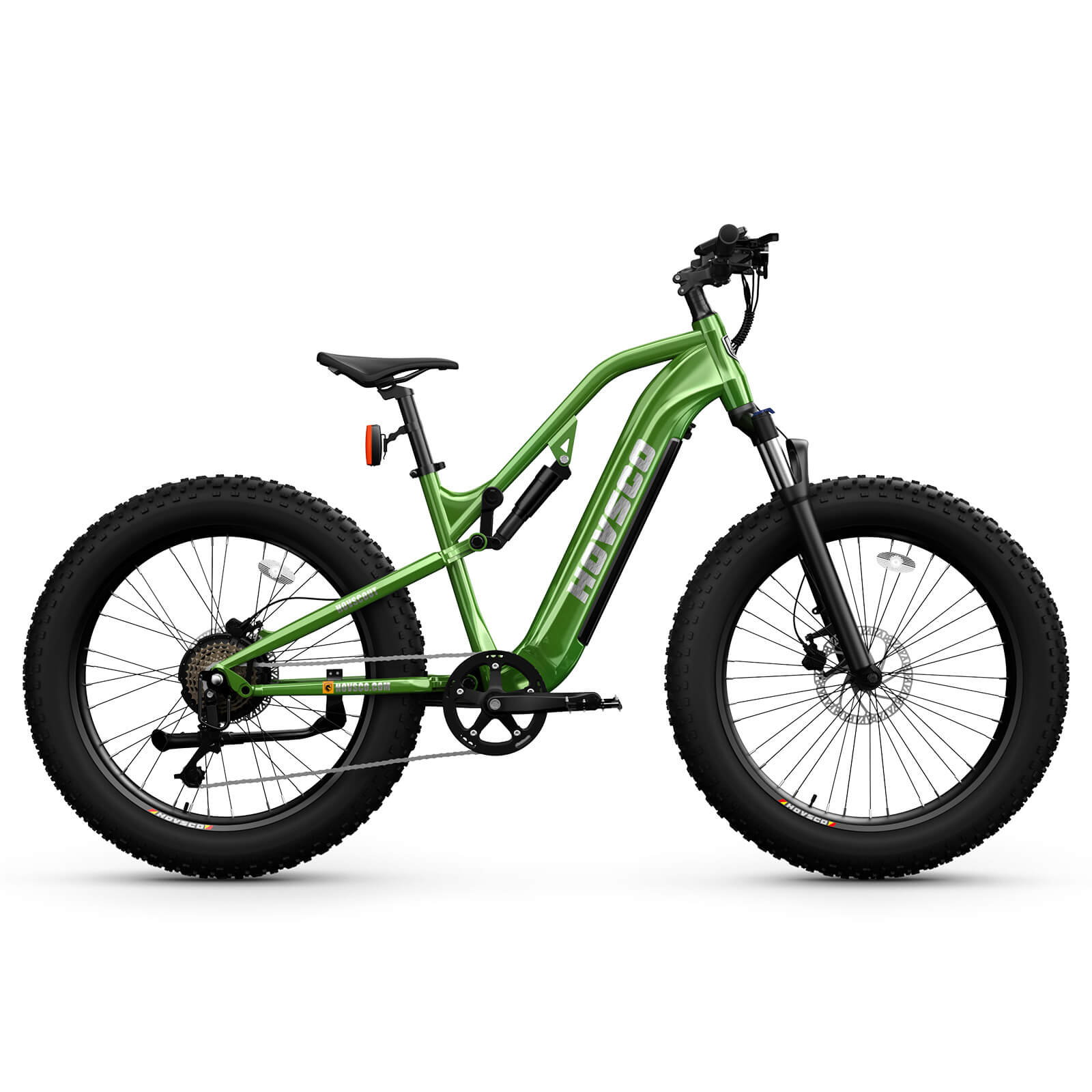
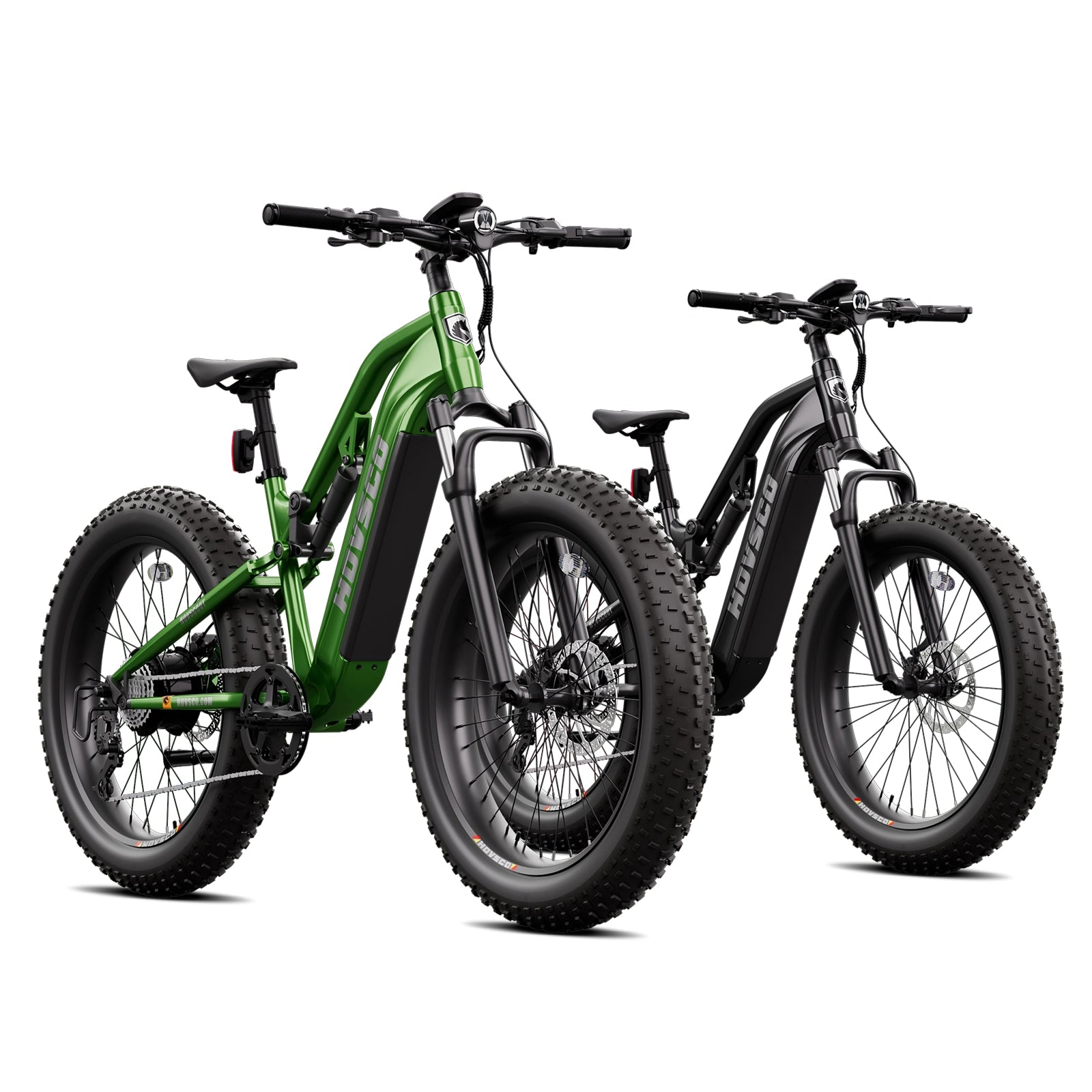
Check: uphill performance of the Best Full Suspension Ebikes
A 20% grade is brutal because it multiplies the ebike’s weight component resisting motion, so both rider and motor must deliver high torque just to keep moving. On such slopes, a hill climbing ebike needs low gearing, strong traction, and sustained current delivery or it will bog down and overheat long before the summit.
From the lab side, we see 20% grades expose weak points fast: undersized controllers, poor heat sinking, or hub motors geared too tall. Above roughly 8–10% grades, power alone is not enough; the torque curve and gear ratios decide whether you grind forward or stall. This is where a true high torque scout machine, built around 90Nm, separates itself from commuter-focused designs.
Motor torque translates into climbing power by creating enough rotational force at the rear wheel to overcome gravity and rolling resistance at low speeds. A hill climbing ebike with 90Nm at the crank or wheel can maintain traction and cadence on 20% grades where lower-torque systems stall, even under heavy riders and gear.
In engineering terms, torque is the muscle; power is the result of that muscle and cadence. For steep climbing, we intentionally trade top speed for torque through gearing, letting the motor spin in its happy efficiency band while the wheel turns slowly. That is why a serious high torque scout platform often uses smaller chainrings and wide-range cassettes, not big road gearing.
Ninety newton metres is a sweet spot where an ebike can push heavy riders and cargo up 18–20% grades at realistic trail speeds without abusing the motor or controller. Around this level, a hill climbing ebike feels like it always has “one more gear” in reserve, rather than forcing you to mash at the edge of a stall.
On test benches, we see that below about 70Nm, mid drives must spin faster or use very low gears just to keep climbing steep grades, which often feels choppy and slow. At 90Nm, the motor can hold speed with moderate pedal input instead of everything resting on your legs. This is exactly why many serious high torque scout builds and HOVSCO’s climbing-focused platforms are tuned to this torque band.
A hill climbing ebike sitting at 90Nm lives in that third band, built for serious grades rather than only occasional sharp ramps.
For sustained 20% climbs, a mid drive is usually the better choice because it multiplies torque through the bicycle’s gear train, letting the motor stay efficient while the wheel turns slowly. A rear hub can be tuned for torque, but it has only one “gear,” so a hill climbing ebike mid drive has a clear advantage at very steep, long climbs.
On the dyno, a 500–750W mid drive with 90Nm and a wide-range cassette will often outclimb a higher-wattage hub on grades above 10–12%. The mid drive uses the same low gear you would as a mountain biker, converting motor torque into massive wheel torque. HOVSCO engineers exploit this by pairing torque-rich drive units with gear ranges chosen specifically for mountain summits, not just city sprints.
Gearing and cadence decide whether the motor can actually deliver its rated torque long enough to crest a climb. On a 20% slope, you need a very low gear so you can spin at 70–90 rpm while the motor sits in its efficient band and keeps that 90Nm flowing into the drivetrain without overheating.
From a factory perspective, we spend a lot of time on the chainring and cassette pairing. Too big a chainring and your hill climbing ebike feels like starting a truck in third gear on a ramp. Too small, and you spin out on flats. For high torque scout builds, I like modest chainrings (e.g., 34–38T) with 11–46T or wider cassettes, so you have a real “rescue gear” for 20% ramps without sacrificing usable top speed.
Rider weight and load dramatically change how even a 90Nm system feels; heavier riders or those carrying gear need that torque just to match the climbing performance of lighter riders. On 20% grades, every extra kilogram amplifies the required wheel torque, so packing decisions matter as much as motor specs.
When we test hill climbing ebikes, we always run multiple rider weights and payloads. A high torque scout that flies up a climb under a 70kg rider might feel merely adequate under a 110kg rider with camping gear. This is why HOVSCO designs many frames around robust rear triangles and brakes that accept higher total system weight: the motor can get you up, but the chassis must also handle coming back down safely.
To maximize traction, you need to keep your weight balanced slightly forward while still loading the rear wheel, maintain a smooth cadence, and avoid abrupt throttle or torque spikes. On 20% grades, a hill climbing ebike can easily spin out its rear tire if you stand too tall or dump full power suddenly on loose rock or wet roots.
From a tuning standpoint, I often dial in softer initial pedal assist or throttle curves for high torque scout setups. That way, the 90Nm comes in progressively as you add effort, letting you “feel” for grip. On the trail, this means staying seated on the steeper ramps, sliding your hips slightly toward the nose of the saddle, and letting the motor build power over a few pedal strokes instead of yanking full power in one hit.
HOVSCO riders should care because climbing steep grades at low speeds loads the controller and motor thermally, not just mechanically. If the controller cannot shed heat efficiently, it will start limiting power just when your hill climbing ebike should be delivering peak assist, turning a confident climb into a slow crawl or shutdown.
Inside the factory, we see how small changes—thicker copper, better MOSFET selection, more thermal paste, or improved airflow paths—make the difference between a controller that derates at mid-climb and one that holds 90Nm until the top. HOVSCO’s focus on reliability means their engineers pay close attention to these details. When you point a high torque scout at a mountain summit, you are trusting not just the motor spec sheet, but also the invisible thermal engineering around it.
Trail choice and technique let you use the motor’s strengths instead of exposing its weaknesses. Picking smoother lines, avoiding sudden hairpins on the steepest sections, and entering climbs with a bit of speed all help your hill climbing ebike stay in a comfortable torque and cadence zone.
As a rider-engineer, I like to treat 20% ramps as short technical problems: shift to your low gear before the slope, drop cadence slightly, and keep your eyes 5–10m ahead choosing the most traction-rich line. Let the high torque scout motor do the grunt work while you focus on balance and steering. If the trail offers a series of steep steps, think “pulse and recover”—use bursts of 90Nm between micro-rests instead of trying to crawl continuously at the edge of a stall.
Yes, 90Nm can stress chains and cassettes if you start in high gears or shift under full load, especially on budget drivetrains. The torque that lets a high torque scout crush 20% grades can also accelerate wear if you treat the drivetrain like a motorcycle throttle instead of a bicycle transmission.
In durability testing, we’ve seen mid drives at 90Nm rapidly chew through small cogs when riders mash in top gear from a dead stop. Good practice is simple: start in a low gear on climbs, ease off pedal pressure slightly when shifting, and keep chains clean and lubricated. HOVSCO mitigates this by pairing high-torque systems with stronger chains and quality cassettes, but smart rider habits still make the biggest difference in long-term reliability.
“When we spec a 90Nm system for steep terrain at HOVSCO, we don’t just chase maximum numbers on a brochure. We tune for sustained torque at realistic climbing cadences, then pair that with cooling pathways, braking packages, and wheel builds that survive thousands of vertical meters. A hill is a system problem, not just a motor problem.”
Turning 90Nm into a real-world advantage means matching motor, gearing, and technique to the terrain. A hill climbing ebike built as a high torque scout lets you treat 20% grades like challenges, not walls, if you stay within the motor’s efficient rpm band and respect traction limits.
Start by choosing a platform that truly delivers around 90Nm, not just big marketing watt numbers. Ensure it has a wide-range cassette, solid brakes, and a frame rated for your combined weight and gear. Practice low-gear starts, smooth shifting, and body positioning that keeps the rear tire hooked up. For HOVSCO riders, this is where the brand’s engineering heritage shines: consistent high torque, robust chassis design, and components chosen to climb hard and descend safely. With that combination, mountain summits stop being “maybe someday” and become part of your regular ride plan.
Can a 60Nm ebike handle 20% grades if I’m a light rider?
Yes, a light and fit rider can crest short 20% ramps on 60Nm with very low gearing and effort, but for long mountain summits or heavier loads, 90Nm provides a much more relaxed and reliable climb.
Is motor power (watts) or torque more important for steep hills?
For steep, low-speed climbs, torque matters more than peak watts. Torque and gearing determine whether the wheel keeps turning on 20% grades; power becomes more relevant once speed increases.
Do I need a mid drive, or can a hub motor with 90Nm work for big climbs?
A well-tuned high-torque hub can climb, but mid drives use your gears to multiply torque, making them more efficient and controllable on long 20% grades, especially for heavier riders or loaded bikes.
How should I prepare my ebike before attempting a long 20% climb?
Check battery charge, drivetrain condition, and brake pads; pre-select a low climbing gear; and confirm assist settings. Go in with a warmed-up motor, appropriate tire pressure, and a realistic pace plan.
Are HOVSCO ebikes suitable for serious mountain climbing rides?
Yes, HOVSCO offers high-torque configurations around the 90Nm band, paired with reliable frames and braking systems, making them well-suited to demanding hill and mountain summit riding when geared and ridden correctly.
Share:
How can you ride a high-power ebike politely on shared trails?
What should you pack for a 50-mile off-grid ebike wilderness ride?