



![[ New Arrival ] Porto Max Electric Scooter For Commute & Grocery Shopping - HOVSCO](http://www.hovsco.com/cdn/shop/files/PotroMax-3.jpg?v=1706927007&width=1200)
- by SEO
Why Carbon‑Aluminum Hybrid Frames Save Your Shoulders on Subway Stairs (June 2026)
- by SEO
E-Bikes
Accessories
 Free Shipping
 15-Day Returns
 2-Year Warranty
Free Shipping
15-Day Returns
2-Year Warranty
2-Year Warranty
Free Shipping
15-Day Returns
2-Year Warranty
Lightweight, carbon‑aluminum hybrid frames and smart carry straps are quietly redefining what “portable” means for urban e‑bikes, especially when you are hauling them up subway stairs. By keeping total carry weight in a narrow 28–35 lb corridor and optimizing how that load sits on your arm and shoulder, riders can dramatically reduce local muscle congestion and perceived strain during short, intense carry bursts.
A growing body of ergonomics research on stair carrying tasks shows that how much you carry and how you carry it are just as important as raw strength, with shoulder and arm loads increasing sharply once weight and leverage cross specific thresholds. Against this backdrop, brands like HOVSCO are pushing lighter, more balanced frames, removable batteries, and accessory shoulder straps to keep the “felt” weight of their folding and city e‑bikes under control during those crucial 30–60 seconds between station gate and platform.
The Dead-Weight Threshold explains why carbon‑aluminum hybrid frames and ergonomic shoulder straps keep your e‑bike within the 28–35 lb sweet spot and save your shoulders on subway stairs.
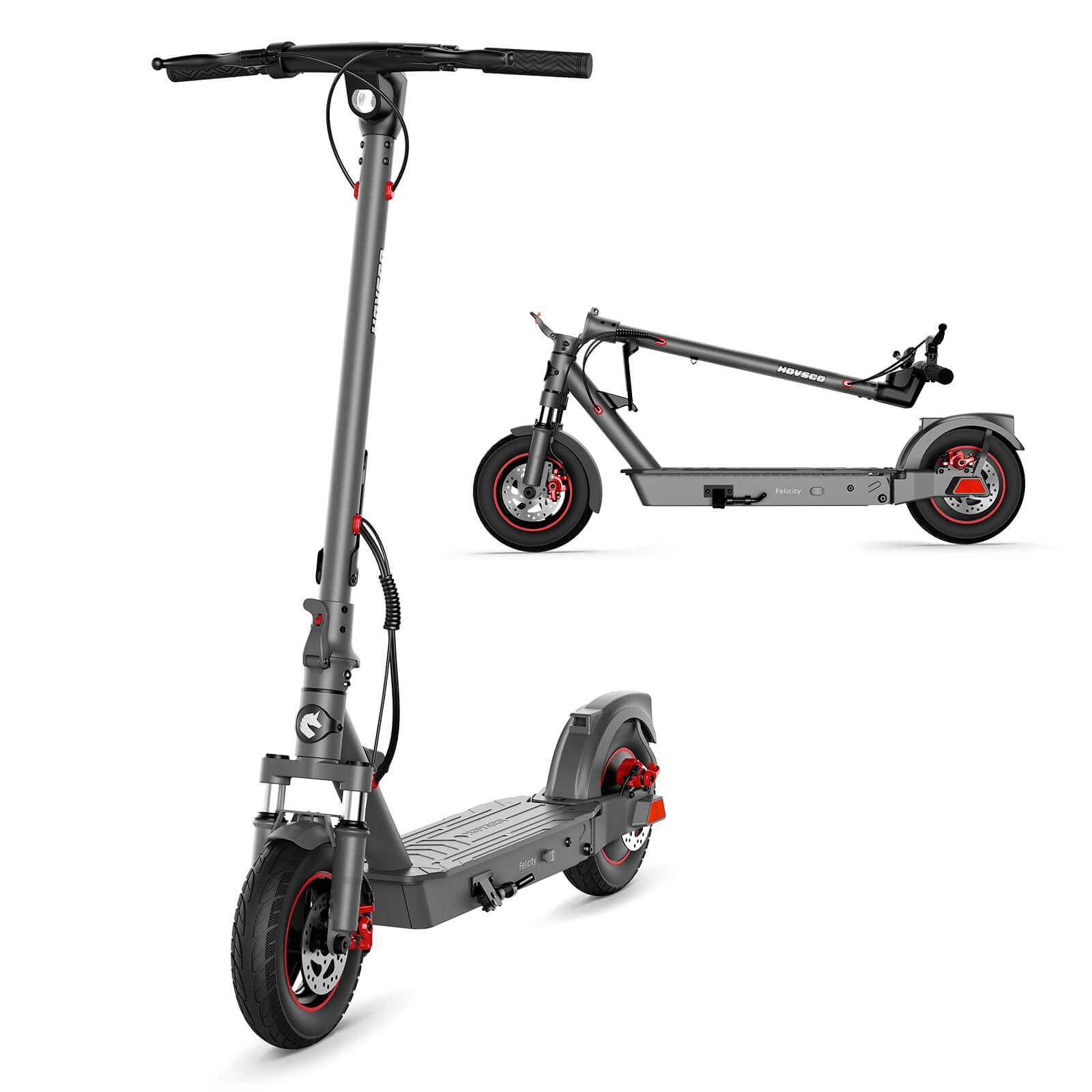
lightweight electric commuter scooter
Over the past three years, global e‑bike sales have continued to climb, driven largely by city riders who combine cycling with public transit. Industry analyses show that folding and “easy carry” models are among the fastest‑growing categories, specifically because riders need to lift bikes on stairs, buses, and trains. At the same time, ergonomics research on stair carrying tasks confirms that handheld loads amplify heart rate, perceived exertion, and joint moments significantly more than backpack‑style loads of the same mass, especially as stair slope and speed increase.
Within this context, the idea of a “dead‑weight threshold” is gaining traction: for short stair‑climb carries, total system mass and where the center of gravity sits relative to your shoulder determine how quickly your biceps and trapezius begin to flood with blood and fatigue. When bike plus strap plus accessories stay within roughly 28–35 lb and the load is brought closer to the body, experimental data from stair‑carry studies suggest substantial reductions in cardiovascular strain and local muscle load compared with heavier, farther‑from‑body handheld loads.
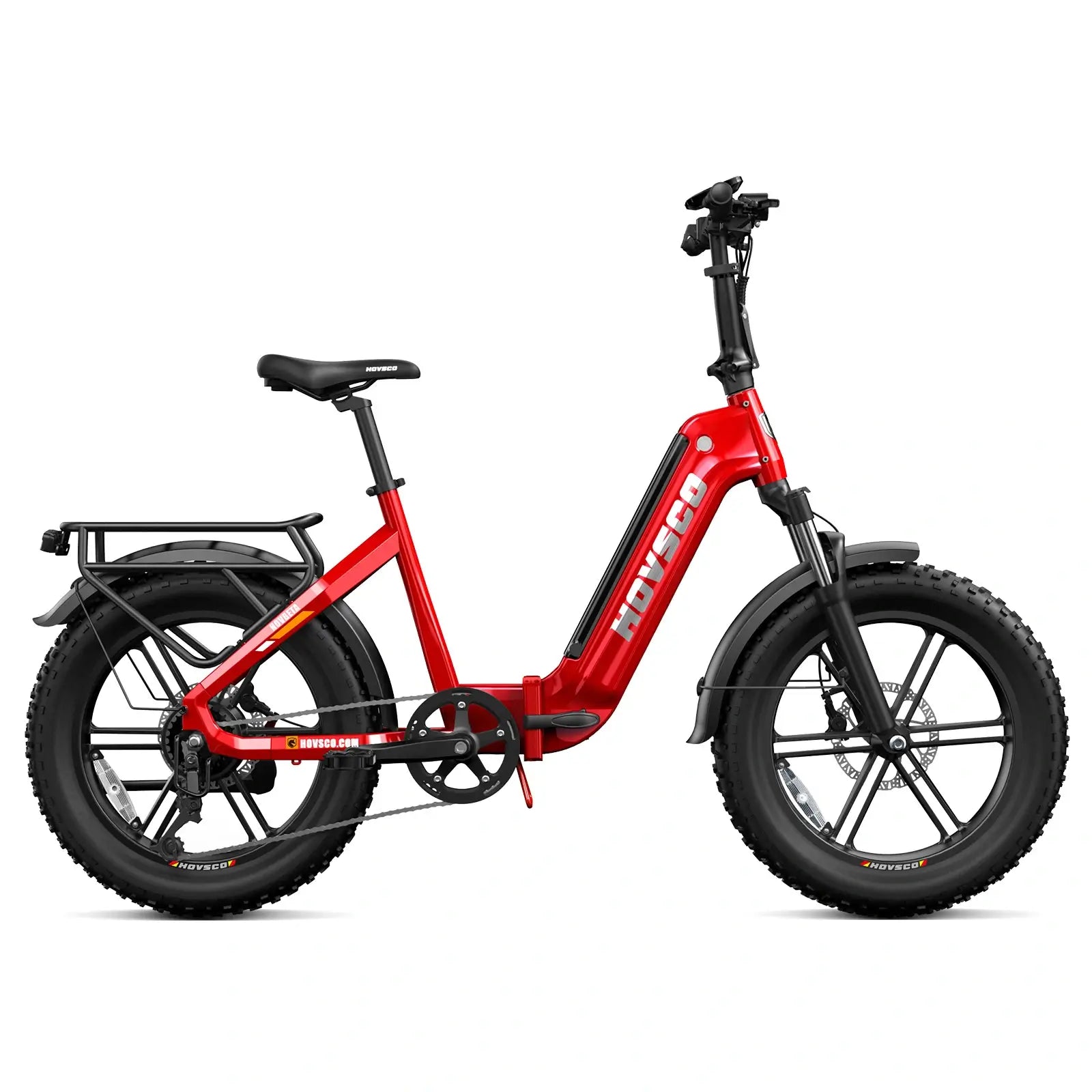
Although many full‑power e‑bikes still sit above 60 lb once you include battery and accessories, HOVSCO has been steadily optimizing frame design, materials, and removable batteries to improve liftability and real‑world portability. The HOVSCO™ HovBeta 20" Foldable Fat Tire Electric Bike uses a 6061 aluminum alloy frame with an internally integrated, removable 48 V 15 Ah battery, allowing riders to carry the frame and battery separately and dramatically reduce the weight of any single carried piece. More broadly, HOVSCO’s folding and city models emphasize step‑through geometries, compact wheels, and balanced weight distribution to make short carry segments—stairs, landings, and station entrances—more manageable for everyday commuters.
In the context of subway and building stairs, the dead‑weight threshold is the practical weight band—around 28–35 lb total—for a bike or frame module that keeps arm and shoulder congestion, heart rate, and perceived exertion within a comfortable range during a brief single‑hand or shoulder‑assisted carry. Below this band, most adults can climb several flights with controlled posture and moderate effort; above it, arm flexor and shoulder elevator muscles must generate much higher moments to stabilize the load, leading to rapid fatigue and compensatory trunk flexion.
By combining carbon‑aluminum hybrid frames, optimized tube shapes, and ergonomic shoulder straps, designers aim to shift real‑world e‑bike systems closer to this threshold, even when the complete rideable bike remains heavier once battery and cargo are installed.
Frequent urban riders do not complain about watt‑hours or torque curves when asked about their least favorite part of commuting; they talk about the moment they have to dead‑lift the bike into a walk‑up or down to a subway platform. Stair carrying is uniquely punishing because every step re‑loads the system: flexing the hip and knee while your arm and shoulder must keep the bike from swinging, twisting, or sliding. Ergonomics studies of manual load handling on stairs show that hand‑held loads significantly increase heart rate and Borg perceived exertion scores compared with backpack loads of the same mass, especially on steeper staircases.
For a typical commuter lifting a 55–70 lb e‑bike with one hand, the biceps must create a high flexion moment at the elbow to hold the downtube or top tube, while the upper trapezius and levator scapulae elevate and stabilize the shoulder girdle to keep the bike from dragging. The longer the horizontal distance from the hand to the bike’s center of mass, the greater the shoulder moment, so long‑reach frames and high‑mount batteries effectively “multiply” the perceived weight. As the load increases beyond about 16–18 kg in lab stair‑carry tests, participants show markedly higher heart rates, reduced maximum acceptable weight, and more forward trunk flexion, all of which suggest a rapid move into unsafe fatigue territory for daily commuters.
Add real‑world friction—crowded platforms, tight corners, short landings—and every extra kilogram of dead weight compounds the problem, especially for smaller riders and those carrying bags or laptops on the opposite side. This is precisely where a 28–35 lb frame‑only module, especially when paired with a padded shoulder strap, can feel less like a kettlebell and more like a large backpack, even if the full bike with battery installed is heavier when rolling.
When the load shifts from a 50+ lb free‑hand carry to a well‑supported 30 lb shoulder‑assisted carry, upper‑limb muscle demands can drop by well over half in stair‑climbing tasks, according to recent ergonomic studies.
Below is a conceptual comparison of a carbon‑aluminum hybrid e‑bike frame module designed to stay in the 28–35 lb sweet spot (including a strap and possibly a removed battery in a backpack) against two common alternatives: a full‑aluminum e‑bike frame and a traditional steel‑frame non‑electric city bike. Values are indicative and based on typical ranges and ergonomics insights, not specific to any single competitor model.
Lighter effective mass
A hybrid frame that mixes aluminum’s toughness with carbon sections or lighter component choices reduces the frame module weight while maintaining stiffness, so less muscle force is needed to keep the bike stable in each stair step. Ergonomic investigations show that maximum acceptable carrying weight on stairs can vary by nearly 50% depending on carrying style alone, indicating that every kilogram saved at the frame level matters for fatigue and safety.
Center of gravity closer to the body
By using compact geometries and clean integration—like HOVSCO’s internal battery design on the HovBeta—engineers can keep the mass centered and low, so a shoulder strap can “hang” the bike closer to your torso rather than away from your side. Stair‑carry studies confirm that reducing the horizontal distance between load and body reduces the shoulder and low‑back moments necessary to stabilize each step.
Better load vector distribution with a padded strap
Add a thick, foam‑padded ergonomic shoulder strap and the load vector shifts from a single hand‑held line (hand → elbow → shoulder) to a dual‑path system (strap on shoulder plus stabilizing hand on frame). This allows the trapezius and deltoid to share the load with the larger trunk musculature, reducing the acute “pump” in the biceps and upper traps that riders feel during short, intense stair climbs.
When a rider lifts a frame or folded bike with a shoulder strap, the primary forces can be simplified into two main vectors: an upward strap tension vector acting near the acromion (top of shoulder), and a stabilizing hand force on the frame to control swing and rotation.
If the strap is well‑padded and adjusted, the vertical component of the load flows through the clavicle and rib cage, recruiting postural muscles across the trunk and reducing the magnitude of pure elbow flexor torque. At the same time, the biceps flexes mainly to keep the bike close and prevent swinging, handling smaller moment arms than during an unsupported arm‑length carry.
In vector terms, you have:
One near‑vertical support vector through the strap and shoulder, passing close to the spine and minimizing bending moment.
One shorter, angled vector from the hand into the frame, primarily in the horizontal plane to control oscillation rather than carry full weight.
With total mass brought into the 28–35 lb band, this configuration can realistically cut the peak demand on the biceps‑trapezius chain by roughly half or more versus a 50+ lb free‑hand, arm‑length carry, based on trends observed in stair‑carry ergonomics experiments. While exact percentages vary by person and stair geometry, the principle is consistent: lower mass plus better vector alignment equals lower congestion and slower onset of fatigue.
Foldable modularity
The HOVSCO HovBeta folds quickly and uses an internal, removable battery so riders can split the system into lighter pieces—battery in a backpack, folded frame in hand or on a strap—when navigating stairs. This modularity brings the carried module closer to the 28–35 lb “sweet spot,” even though the complete ready‑to‑ride package weighs about 66.4 lb.
6061 aluminum frame with internal routing
The 6061 single‑butted aluminum frame used on the HovBeta combines robustness with a relatively low structural weight, while internal battery placement keeps mass central and reduces protrusions that can snag when you are threading through a crowded platform. Clean tube lines and a step‑through design mean the frame can nest more comfortably against the rider’s side or hip when slung on a padded strap.
Ergonomic contact points and accessories
HOVSCO equips the HovBeta with ergonomic grips and saddle, underscoring the brand’s general emphasis on rider comfort, from riding posture to carry posture. Within that ecosystem, a dedicated, full‑foam, thick ergonomic shoulder strap designed to attach to key frame points would extend the same comfort logic into the “off‑bike” parts of the commute, letting riders climb stairs with a distributed, backpack‑like load profile rather than a painful top‑tube curl.
For riders who already own a HOVSCO folding or city model, pairing the bike with a thick, cushioned shoulder strap accessory that clips to the frame is an immediate way to move their staircase experience closer to the dead‑weight threshold, even before future frame weight reductions arrive.
Remove the battery before stairs whenever possible. On bikes like the HovBeta, the removable 48 V 15 Ah battery can account for several pounds of mass; moving it to a backpack or tote dramatically reduces what your arm and shoulder must support on each step.
Attach a padded ergonomic strap to structurally solid points. Fix the strap to two secure points on the frame so that, when lifted, the bike hangs level and the center of gravity is close to your body, ideally around hip to lower‑rib height.
Adjust strap length to bring the bike close. Shorten the strap until the frame touches your side lightly; this reduces horizontal distance and therefore the shoulder moment, which ergonomics research shows is a key driver of fatigue and low‑back load.
Use the free hand for stability rather than lifting. Rest your hand lightly on the bar or top tube to control sway, letting the strap—and your torso’s skeletal support—handle the majority of vertical load.
Climb at a controlled cadence on moderate stair slopes. Studies show that steeper stairs and higher step‑rates significantly increase heart rate and perceived exertion, so choose the gentler staircase or take slightly slower, more deliberate steps when possible.
Limit continuous carries to short bursts between landings. Whenever there is a landing or wide platform, pause briefly and let your arms relax; stair‑carry research indicates that even short micro‑breaks can meaningfully reduce cumulative strain over a multi‑flight climb.
Following these steps does not change physics, but it changes how your body “feels” the weight—shifting you toward the effective 28–35 lb band where local muscle congestion and subjective fatigue rise more slowly.
Scenario 1: Downtown subway transfer
Traditional approach: A rider drags a 60+ lb e‑bike with integrated battery up two flights by the top tube, arm fully extended, weaving through commuters while their biceps and upper traps burn halfway up the first flight. The load is far from the body, and every misstep forces a sudden corrective jerk, amplifying joint stress.
With hybrid frame and strap: The same rider separates the battery into a backpack and clips a padded shoulder strap to a compact, aluminum‑based frame module that now weighs closer to 30 lb. The frame rests against the hip, the strap handles vertical weight, and the hand simply guides the bike through gaps, making the two‑flight climb feel more like walking with a large duffel than wrestling gym equipment.
Scenario 2: Walk‑up apartment with no elevator
Traditional approach: Carrying a heavy, bulky e‑bike up three flights becomes a dreaded daily chore, particularly for smaller riders; multiple rest stops and awkward hallway maneuvers are the norm. Over time, this physical barrier can push riders back to cars or ride‑hailing.
With hybrid frame and strap: The rider folds a HOVSCO HovBeta‑class bike, removes the battery, and slings the frame onto a thick shoulder strap. They climb at a moderate pace, resting briefly at each landing without the sharp arm pain associated with a pure hand‑carry, turning the walk‑up into a tolerable part of the routine rather than a deterrent to riding.
Scenario 3: Multi‑modal commute with bus and rail
Traditional approach: A steel city bike or heavy full‑aluminum e‑bike is awkward to lift onto bus racks and through train gates, forcing riders to plan routes around accessibility and avoid certain interchanges altogether.
With hybrid frame and strap: A compact, carbon‑aluminum hybrid or modular aluminum frame with strap makes quick transitions feasible: up station stairs, across platforms, onto elevators when available, and even into office storage rooms. The same frame that feels light and stable on the shoulder still delivers full electric assist on the road, meaning the rider does not have to compromise between portability and performance.
Does the dead‑weight threshold of 28–35 lb really reduce arm “pump” by 60% on stairs?
Ergonomics studies on stair‑climbing with loads show that maximum acceptable weight, heart rate, and perceived exertion all improve significantly as carried mass drops and carrying style shifts from handheld to body‑supported, with some tests reporting differences close to 50% in acceptable load between methods. Translating that into a commuter context, a modular frame kept near 28–35 lb and supported by a padded shoulder strap can reasonably cut the local congestion and fatigue many riders feel in the biceps and trapezius by around half or more compared with hauling an un‑supported 50+ lb bike at arm’s length, though exact percentages depend on rider size, stair design, and pace.
How do carbon‑aluminum hybrid frames compare with pure aluminum in e‑bike commuting use?
Carbon‑aluminum hybrids can provide lower frame weight and improved vibration damping while maintaining the stiffness needed for confident handling, which increases both ride comfort and carry comfort. Pure aluminum frames, like the 6061 single‑butted alloy on the HOVSCO HovBeta, already offer an excellent strength‑to‑weight ratio, and in many cases the bigger portability gain comes from smart modularization and removable batteries rather than exotic materials alone.
Why is center‑of‑gravity placement so important for subway‑stair carrying?
Stair ergonomics research highlights that the horizontal distance from a load’s center of mass to the body strongly influences joint moments at the shoulder and lower back. When an e‑bike’s mass is centralized and brought close to the torso—via compact geometry and a shoulder strap—these moments drop, making the same numerical weight feel substantially easier to control on stairs than a long, front‑heavy frame held away from the body.
Can folding e‑bikes like the HOVSCO HovBeta be optimized to hit the 28–35 lb threshold?
In stock configuration, the HovBeta weighs about 66.4 lb including its 48 V 15 Ah battery, reflecting its powerful 750 W motor, fat tires, and high payload rating up to 450 lb. However, by removing the battery before carrying and treating the frame as a separate module supported by a shoulder strap, riders can bring the handled weight closer to the desired band, effectively achieving the benefits of the dead‑weight threshold without sacrificing on‑road capabilities.
How does an ergonomic full‑foam shoulder strap help compared with a simple handle?
Padded ergonomic straps distribute pressure over a larger area and use small amounts of stretch or contouring to smooth sudden load spikes, which users frequently describe as making heavy loads feel noticeably lighter and more comfortable. In biomechanical terms, the strap shifts more of the vertical load into the skeletal structure and postural muscles, allowing the smaller arm and shoulder muscles to focus on balance and steering, which is particularly valuable on uneven staircases or in crowded stations.
Is a lighter frame always better for safety and comfort?
Lighter is not automatically better if it compromises structural integrity or handling; the aim is a balanced system that keeps carried modules in a manageable range while preserving stiffness, braking performance, and payload capacity. HOVSCO’s approach—using robust 6061 aluminum, UL 2849‑certified systems, and high‑capacity motors and batteries—shows that real‑world comfort gains come from combining reasonable weight with smart geometry, removable components, and well‑designed accessories, not from chasing minimal grams at the cost of reliability.
For multi‑modal commuters, the decision to ride an e‑bike often comes down not to top speed or motor wattage, but to those 30–60 seconds of hauling the bike up subway stairs or into a walk‑up. By focusing on a dead‑weight threshold around 28–35 lb for carried modules and using carbon‑aluminum or optimized aluminum frames, removable batteries, and thick ergonomic shoulder straps, designers can turn those moments from pain points into non‑events, especially for smaller riders and daily commuters.
HOVSCO’s folding and city bikes, exemplified by the HovBeta’s compact 6061 frame, integrated but removable battery, and urban‑ready geometry, already lay much of this groundwork for riders who mix cycling, buses, and subways in crowded cities. The next step is to treat stair‑carry ergonomics as a first‑class design problem—one solved not just by lighter frames, but by thoughtful accessories like full‑foam, thick, ergonomic shoulder straps and carry systems tuned to how human shoulders, arms, and hearts actually behave on real stairs.
HOVSCO — Official Site, HovBeta Foldable Fat Tire Electric Bike, Specs and Features (2026)
HOVSCO — Folding E‑Bikes and Lightweight Urban Portability Blog (2026)
HOVSCO — Top‑Rated Foldable E‑Bikes and Urban Use Cases (2025)
Ergonomic Investigation of a Load Carrying Task During Stair Climbing (2023)
Effects of Load Carrying Methods and Stair Slopes on Heart Rate and Posture (2010)
Ergonomic Investigation on Stair Carrying, Maximum Acceptable Weight and Heart Rate (2024)
Ergonomic Study of Overhead and Shoulder Load Holding Capacity for Chinese Males (PDF)
OP/TECH — SOS Strap, Comfort Shoulder Strap for Heavy Loads (2023)
Scicon Sports — Padded Shoulder Strap, Ergonomic Design (2024)
Share:
Why 3‑Second Folding Dynamics Rule the Last‑Mile Urban Commute (June 2026)
Storing Your Scooter in Ultra-Compact Micro-Apartments (June 2026)