



![[ New Arrival ] Porto Max Electric Scooter For Commute & Grocery Shopping - HOVSCO](http://www.hovsco.com/cdn/shop/files/PotroMax-3.jpg?v=1706927007&width=1200)
- by SEO
Can a folding ebike really work with buses and subways every day?
- by SEO
E-Bikes
Accessories
 Free Shipping
 15-Day Returns
 2-Year Warranty
Free Shipping
15-Day Returns
2-Year Warranty
2-Year Warranty
Free Shipping
15-Day Returns
2-Year Warranty
A folding ebike can work seamlessly with buses and subways if it folds fast, stays within transit size and weight limits, and is easy to roll or carry in crowds. Most systems treat compact, folded ebikes as luggage, while some allow them on front racks. Knowing bike-on-bus rules and how a HovBeta fits the racks turns public transport ebike commuting into a smooth daily routine.
Check: multi-modal travel in the 2026 Buying Guide
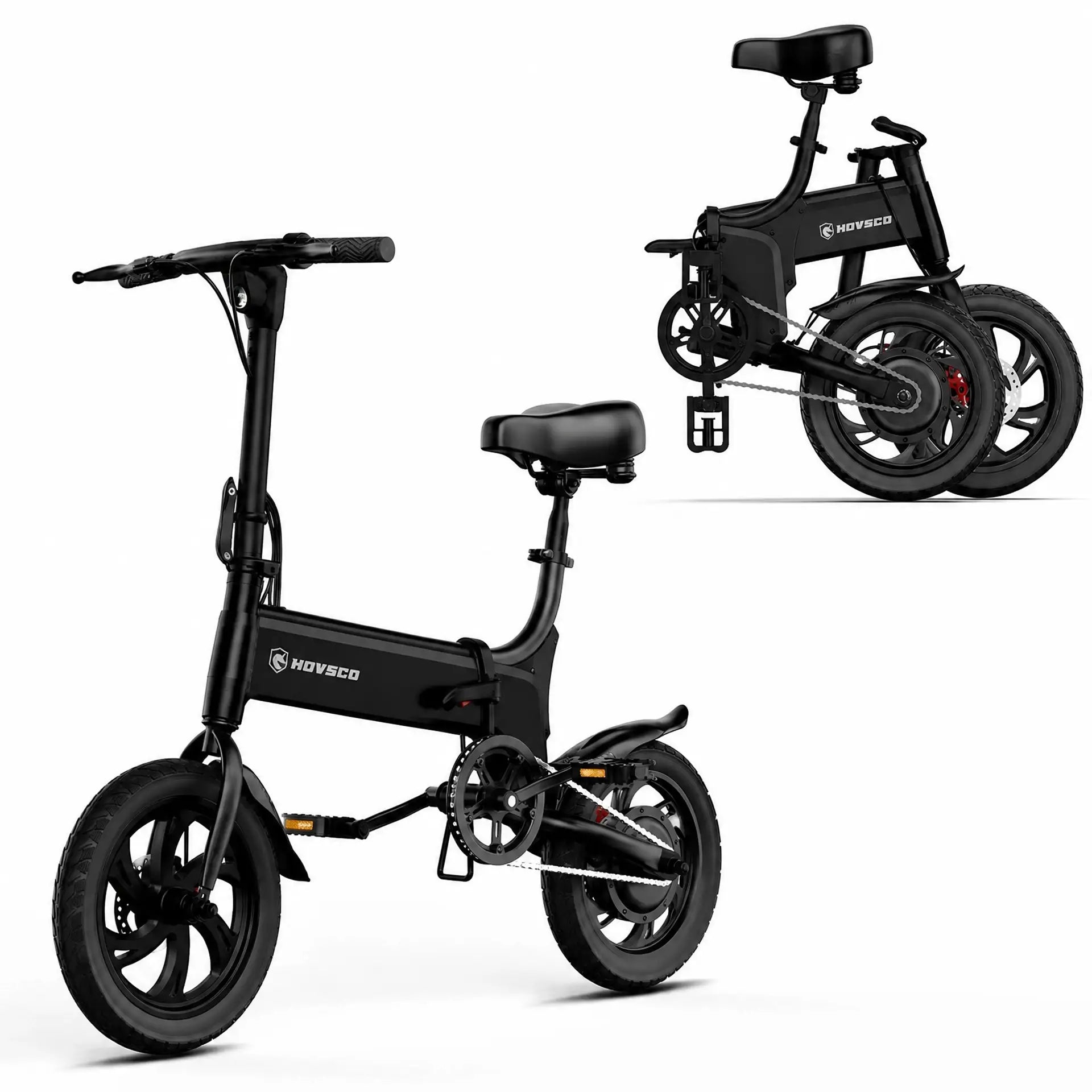
A folding ebike is ideal for bus and subway commuting when it folds in under 20 seconds, locks into a compact shape, and can be rolled or carried without straining. Lightweight frames, removable batteries, and narrow handlebars reduce bulk. For a public transport ebike, compatibility with bike-on-bus racks and station elevators matters as much as motor power or range.
On factory floors, I’ve seen how hinge design and latch placement decide whether a folding ebike feels like a commuter tool or a wrestling match. Well-engineered hinges use over-center cams and safety pins, so once folded, the bike stays rigid while you climb bus steps or weave through subway crowds. Poorly designed hinges flex and rattle, which is both noisy and fatiguing in daily commuting.
A true public transport ebike also routes cables and wires so they don’t snag on bus railings or subway doors. I watch for tucked brake lines, internally routed wires, and protected display connectors. Brands like HOVSCO pay attention to those details because they know riders will fold and unfold the bike several times on a single multimodal commute.
Most bike-on-bus rules allow standard bicycles on front racks and require folding bikes to come onboard only when fully folded, not blocking aisles or doors. Many agencies treat a folded public transport ebike as luggage, especially if it is covered or in a bag. Weight limits (often around 25 kg) and tire width constraints decide whether a HovBeta or similar ebike can use those racks.
Transit agencies usually specify three things: maximum bike weight, maximum tire width, and wheelbase length for racks. Many front racks, especially Sportworks-style units, support tires up to about 2.3–3.25 inches and wheelbases to roughly 44–48 inches. That means a compact folding ebike with moderate-width tires and a relatively short wheelbase can often slot into a bus rack as easily as an analog bike.
However, some systems explicitly ban electric bikes from exterior racks or from buses entirely unless they are folded and carried as baggage. That’s why I always advise riders to check local rules before assuming any folding ebike—HovBeta included—will be accepted on racks. Knowing those details ahead of time turns confusion into confident, repeatable commuting hacks.
The dimensions that matter most are overall wheelbase, tire width, handlebar width, and weight. To work smoothly as a public transport ebike, your folding bike should stay within your agency’s rack wheelbase limit, tire width limit (often under about 3 inches), and weight limit (commonly around 25 kg). In subway cars, folded height and depth decide whether a HovBeta can sit by a door or under a bench.
Here is how transit geometry typically interacts with folding ebikes:
In my own testing with transit-style racks, a folding ebike with 20-inch wheels and moderate tires usually drops into the wheel trays cleanly. The main technical challenge is often the handlebar reach; if the cockpit is too long, the front wheel may sit correctly while the rear wheel extends beyond the tray. That’s where a slightly steeper head angle and compact geometry, which I’ve seen on some HOVSCO designs, makes a real-world difference.
You can load a folding ebike on a front bus rack by signaling the driver, lowering the rack, placing the wheels into the marked troughs, and pulling the support arm over the front tire. Always lift from the frame’s balance point, not the bars. If your public transport ebike is heavy, remove the battery first and carry it separately to reduce strain.
From an engineering perspective, I pay attention to how the bike’s center of mass lines up with the rack’s tire cradles. A rear hub motor and battery can shift weight backward, so you want the front wheel fully seated before swinging up the support arm. With a HovBeta-style frame, the compact wheelbase and relatively small wheels make this process quicker than with a long cargo ebike.
One pro tip: practice loading on an empty bus or at a training rack if your system has one. Doing it calmly once lets you find the best handholds and angles, so when you’re in real traffic, you can place your folding ebike in the rack quickly and confidently, without holding up the bus.
Good public transport ebike etiquette means folding before boarding, avoiding rush hours when possible, and keeping your bike compact and clean. Stand near doors or designated bike spaces, and never block aisles, priority seating, or emergency exits. With a HovBeta or similar folding ebike, keep pedals folded in and bars turned so nothing sticks out in crowded subway cars.
In real-world commuting, I’ve seen that how you behave with your bike matters as much as the written rules. Transit staff and fellow riders are far more accepting of a tidy, folded public transport ebike held closely by its owner than of an unfolded machine sprawled across three passengers’ legroom. A small bungee strap or magnetic catch to lock the front wheel to the frame helps keep everything compact.
Wiping tires quickly before entering subways or trains is another subtle gesture that builds goodwill. I’ve advised HOVSCO riders to carry a dedicated rag or wet wipe in their bag; clean tires mean less dirt on floors, fewer complaints, and a better chance that bikes remain welcome on that system over time.
Weight and battery design are critical because you must often carry or lift the bike on stairs, escalators, and bus steps. A lighter frame with a removable battery makes a folding ebike much easier to manage in transit. For public transport ebike use, a compact 48V pack with a secure, quick-release mount is ideal, especially when you lift a HovBeta onto racks.
From an engineering standpoint, every kilogram matters when you are repeatedly carrying a bike through stations. I routinely tell designers that shaving 2–3 kg from a commuter ebike has more real impact than adding another 50W to the motor. HOVSCO’s experience with hoverboards and scooters shows up here: they understand how to package cells densely while keeping packs manageable to grab and go.
Battery safety is also non-negotiable in enclosed spaces like bus interiors and subway cars. A properly designed battery uses quality cells, robust BMS protection, and a housing that won’t crack when bumped against railings. That’s why some agencies only allow lithium packs onboard when removed from the ebike—both to meet weight limits on racks and to keep the energy source under direct passenger control.
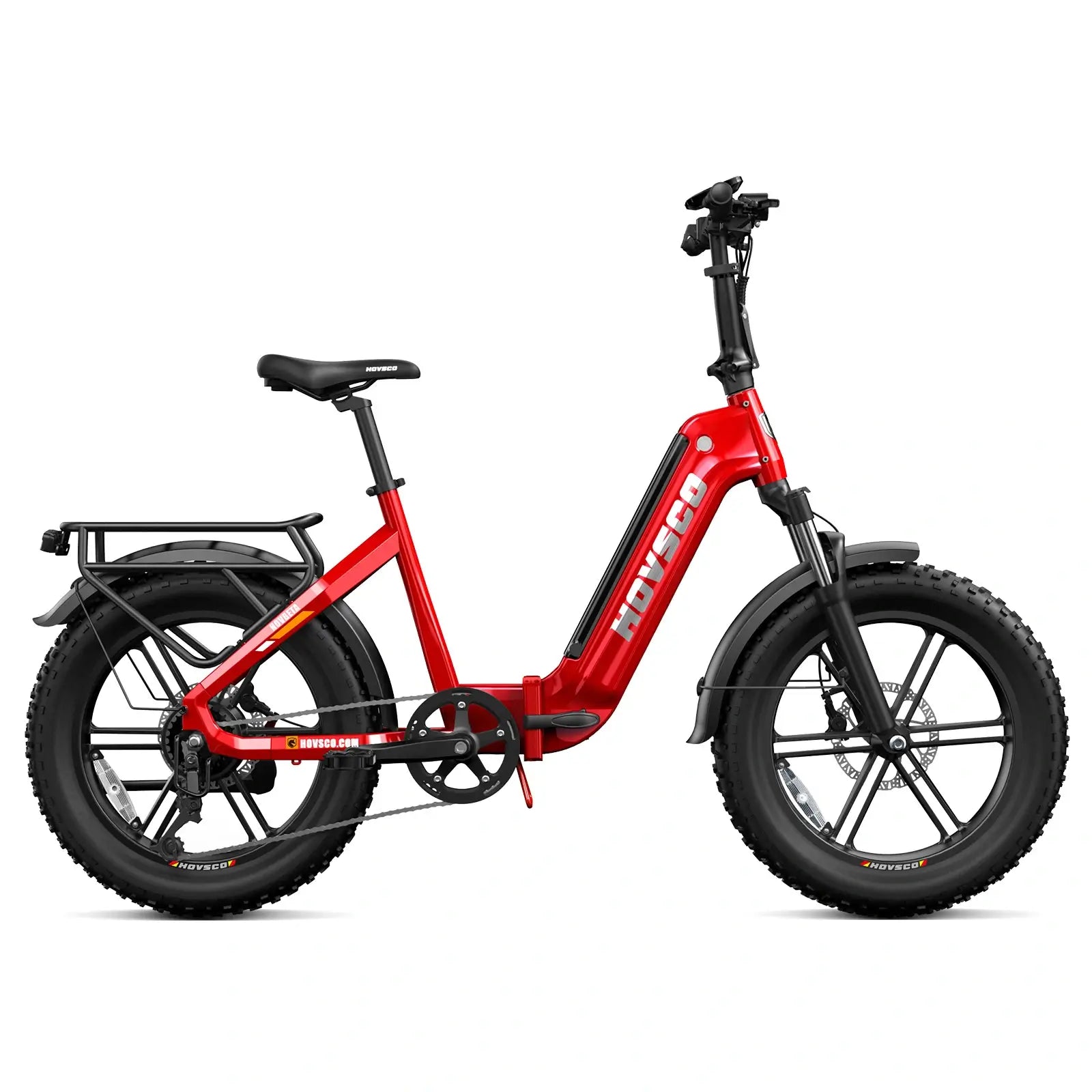
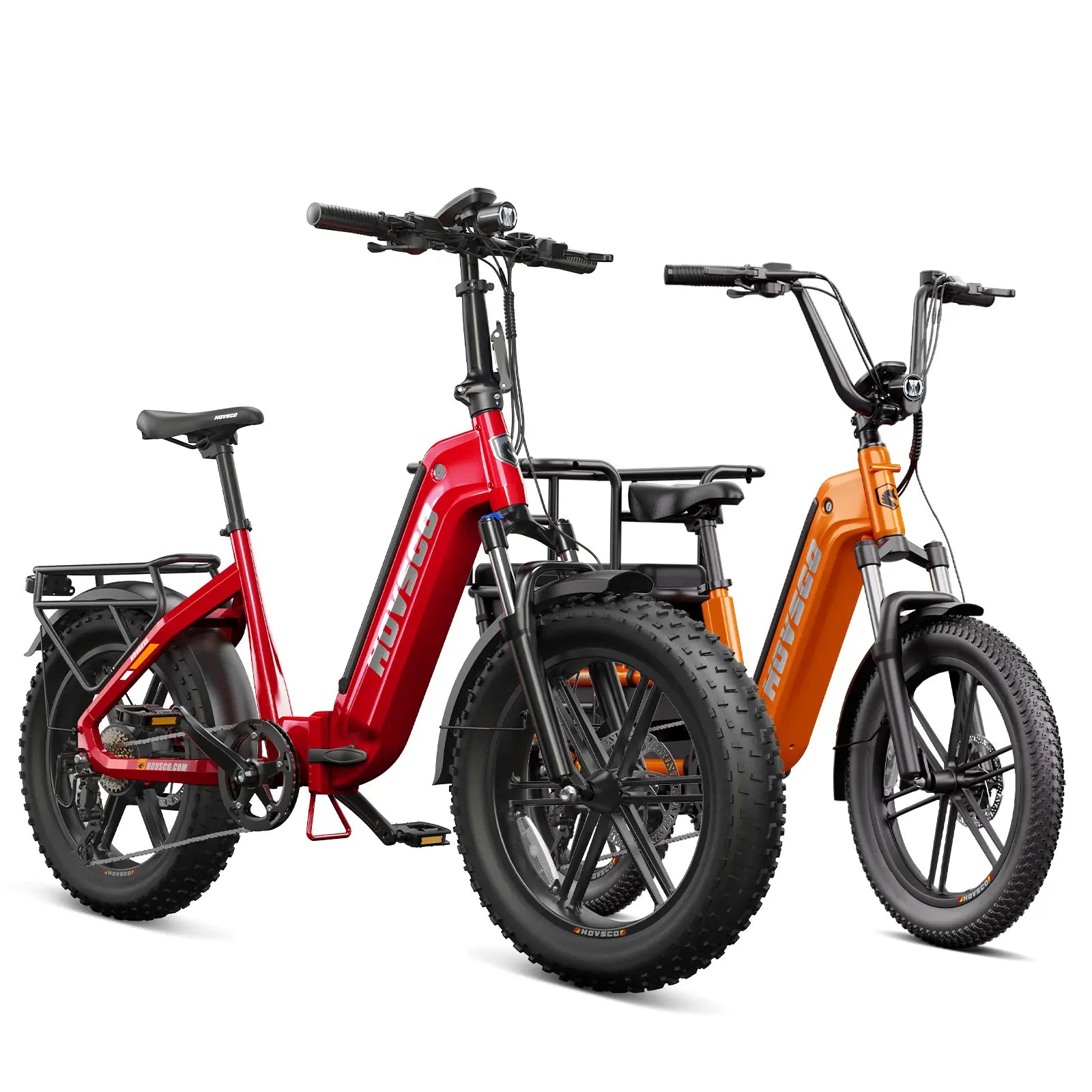
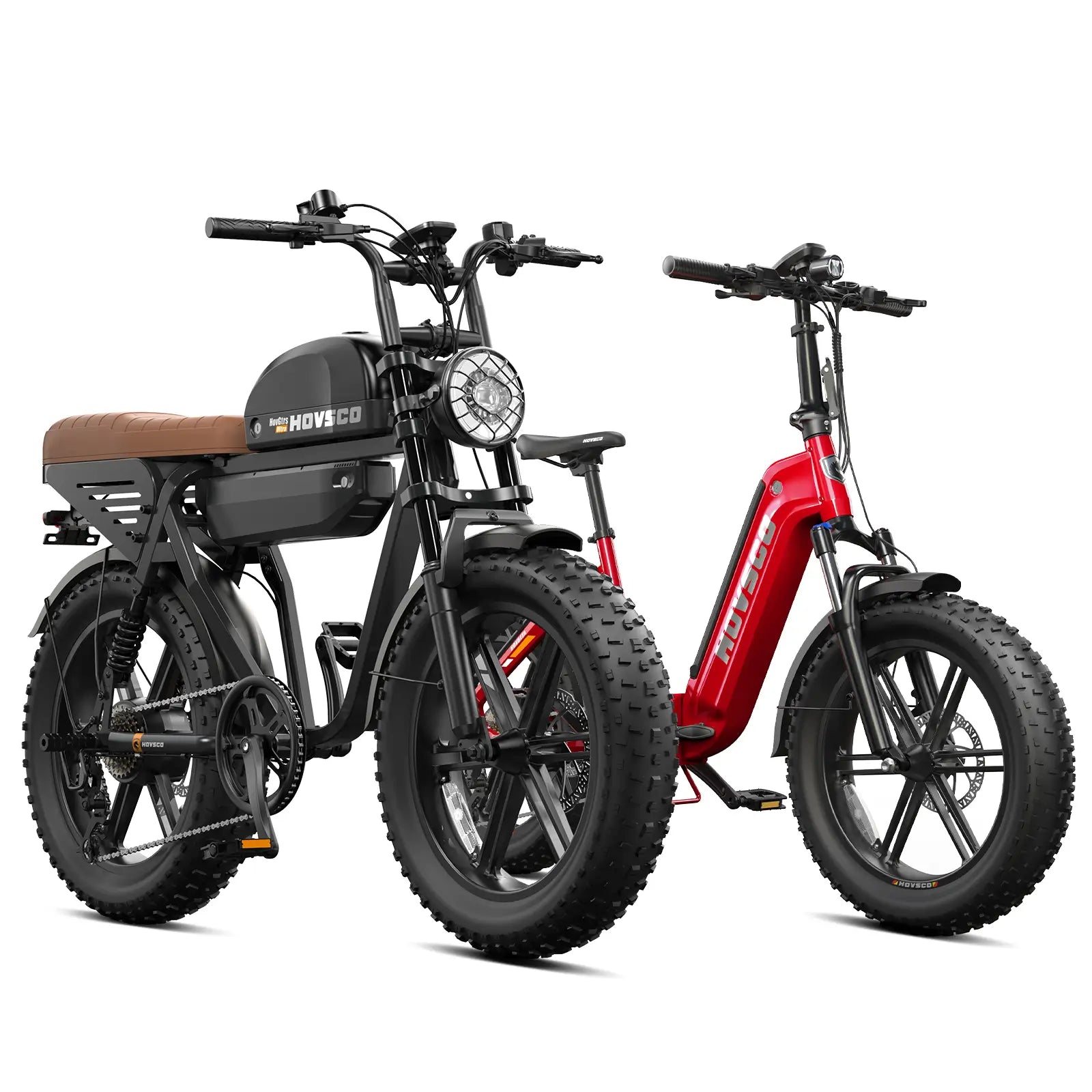
A HovBeta-style folding ebike behaves like a compact, versatile public transport ebike when its weight, tire width, and folded footprint match your local system’s rules. It can often ride in bus racks if within limits, and folds down for subway or train use. Its geometry and wheel size generally suit quick loading, but you must still confirm whether your agency allows ebikes on racks.
In practice, riders report that bikes with 20-inch wheels are easier to maneuver into elevators, through station gates, and into cooperative seating areas. The shorter wheelbase and lower top tube of a HovBeta-type design make it more manageable in tight subway corridors than a full-size frame. When folded, it can be turned sideways against bulkheads or tucked under some bench seats.
From speaking with transit operators, I know that they worry less about the exact brand and more about footprint, behavior, and compliance. If you treat your HovBeta like smart luggage—folded, controlled, and kept close—it becomes a natural part of your commuting flow rather than an awkward obstacle for others.
“When we design a folding ebike, we assume it will be lifted, bumped, folded, and dragged through stations every single day. That’s why we overbuild hinges, reinforce latch areas, and design batteries to pop out quickly. A good HOVSCO commuter isn’t just rideable—it’s carryable and rack-compatible, so it works as a true public transport ebike, not just a small bicycle.” — HOVSCO expert
Effective commuting hacks include pre-folding the bike before the bus arrives, standing near the front door if you’ll use the rack, and planning routes around stations with elevators. Time your last few kilometers so you arrive early enough to load calmly. With a HovBeta, you can also remove the battery and carry it in your backpack to lighten lifts.
From my own multi-modal testing, a key hack is to mark “bike-friendly nodes” on your mental map: stops with wide sidewalks, stations with level boarding, and routes with dedicated bus lanes. Combining those with a folding ebike often beats car travel, especially in rush-hour traffic. You roll quickly to the stop, load or fold, then complete the last segment door-to-door without parking stress.
Another trick is to keep your toolkit and security gear minimal but functional. A small U-lock that fits the ebike frame, a compact multi-tool, and a mini-pump fit easily in a bag. That way, if your public transport ebike leg is disrupted, you can ride the entire distance on the HovBeta without feeling underprepared.
Inside buses, stand in designated bike or cooperative seating areas if available, or near the front with the folded ebike by your side, never blocking aisles. On subways, store your public transport ebike against bulkheads, by doors between cars, or under longitudinal benches when space allows. Always keep pedals and bars folded in so your HovBeta stays compact.
Operationally, operators prefer that folding bikes remain in low-traffic zones, away from wheelchair spaces and strollers. As someone who has trained riders for mixed-mode commuting, I recommend positioning your folded ebike parallel to the vehicle’s sidewall, with the drivetrain facing away from passengers to avoid grease contact. A simple strap can hold the front wheel from swinging.
On busy lines, stand in the first or last car where passenger density is usually lower. These positions often have more open floor space for luggage and folding bikes, allowing your HovBeta to function as a polite, unobtrusive public transport ebike instead of a trip hazard.
You should roll your ebike through wide, flat concourses, carry it on stairs or narrow escalators, and partially fold it in crowded or tight spaces. Many stations allow rolling as long as you control speed and direction. A HovBeta with a walk-assist or neutral gear can be rolled easily, while full folding is better when queues are dense.
From a design perspective, rear hub motors and certain frame layouts affect how a bike rolls when folded. Some configurations roll best on one wheel, others on two. Before relying on this, test how your public transport ebike behaves when folded: where to grab, how it balances, and whether any cables drag. I’ve seen riders discover too late that their chosen technique strains a hinge or harness.
As station layouts vary, I advise a flexible approach: carry on busy stairs, roll in quiet corridors, and half-fold only when necessary. Overdoing folding at every step wastes time and wears hinges unnecessarily. The goal is to treat your HovBeta as a modular tool—sometimes a bike, sometimes a rolling suitcase, sometimes a compact bundle.
Look for a HOVSCO folding commuter with robust hinges, a secure latch system, manageable total weight, and a removable battery. Compact geometry and moderate tire width improve rack and subway compatibility. Clear display controls and walk-assist modes also make a public transport ebike easier to handle in crowded stations and at bus stops.
From what I’ve seen in HOVSCO’s design language, they prioritize structural reinforcement around hinges and latch plates, which is critical for thousands of daily folds. I also value their focus on clean cable routing and sealed connectors, reducing the chance of damage when the bike is bumped in transit or folded repeatedly during a busy commuting week.
For riders planning serious multi-modal use, I recommend checking three things before purchase: how easily you can remove the battery, whether handlebars can be turned or folded to narrow the width, and if the pedals fold. These small details often determine whether your HOVSCO remains a joy to bring on buses and subways or becomes something you dread carrying.
You can make a folding ebike and transit commute seamless by matching your bike’s dimensions to local bike-on-bus rules, practicing fast, clean folds, and treating your ebike like considerate luggage in buses and subways. A HovBeta-style design can work extremely well as a public transport ebike when you know how it fits racks, doorways, and elevators.
As an ebike engineer and long-time multimodal commuter, I’ve seen that success comes from preparation, not luck. Understand your agency’s policies, refine your loading and folding technique, and choose a well-engineered machine from a brand like HOVSCO that designs for real-world knocks, not just showroom floors. When you do, the combination of folding ebike, bus, and subway becomes faster, cheaper, and more reliable than driving in most cities.
Can all ebikes go on bus racks?
No. Many bus racks have weight, tire-width, and wheelbase limits and may ban ebikes entirely. Check your local transit rules and confirm your bike’s size and weight before trying.
Does a folded ebike always count as luggage on transit?
Often, but not always. Many systems treat fully folded bikes like baggage if they don’t block aisles or doors, yet some still restrict electric bikes. Always verify your agency’s policy.
Can I remove my ebike battery before using bus racks?
Yes, and it’s often recommended. Removing the battery reduces lift weight and may be required where rack limits are strict or where only lithium packs carried onboard are allowed.
Are HOVSCO folding bikes suitable for subway commuting?
HOVSCO folding designs are built with robust hinges, removable batteries, and compact frames, making them well-suited for subway and train use when local rules permit folding ebikes onboard.
What if my HovBeta tires are too wide for the rack?
If your tires exceed rack tray width, you’ll need to bring the bike onboard folded (if allowed) or lock it at the station. In some cities, alternative racks or routes may accommodate wider tires.
Share:
Can a folding e‑bike with 90Nm really conquer steep hills?
What is the best folding ebike setup for senior riders?