


![[ New Arrival ] Porto Max Electric Scooter For Commute & Grocery Shopping - HOVSCO](http://www.hovsco.com/cdn/shop/files/PotroMax-3.jpg?v=1706927007&width=1200)
- by SEO
Can a folding e‑bike with 90Nm really conquer steep hills?
- by SEO
E-Bikes
Accessories
 Free Shipping
 15-Day Returns
 2-Year Warranty
Free Shipping
15-Day Returns
2-Year Warranty
2-Year Warranty
Free Shipping
15-Day Returns
2-Year Warranty
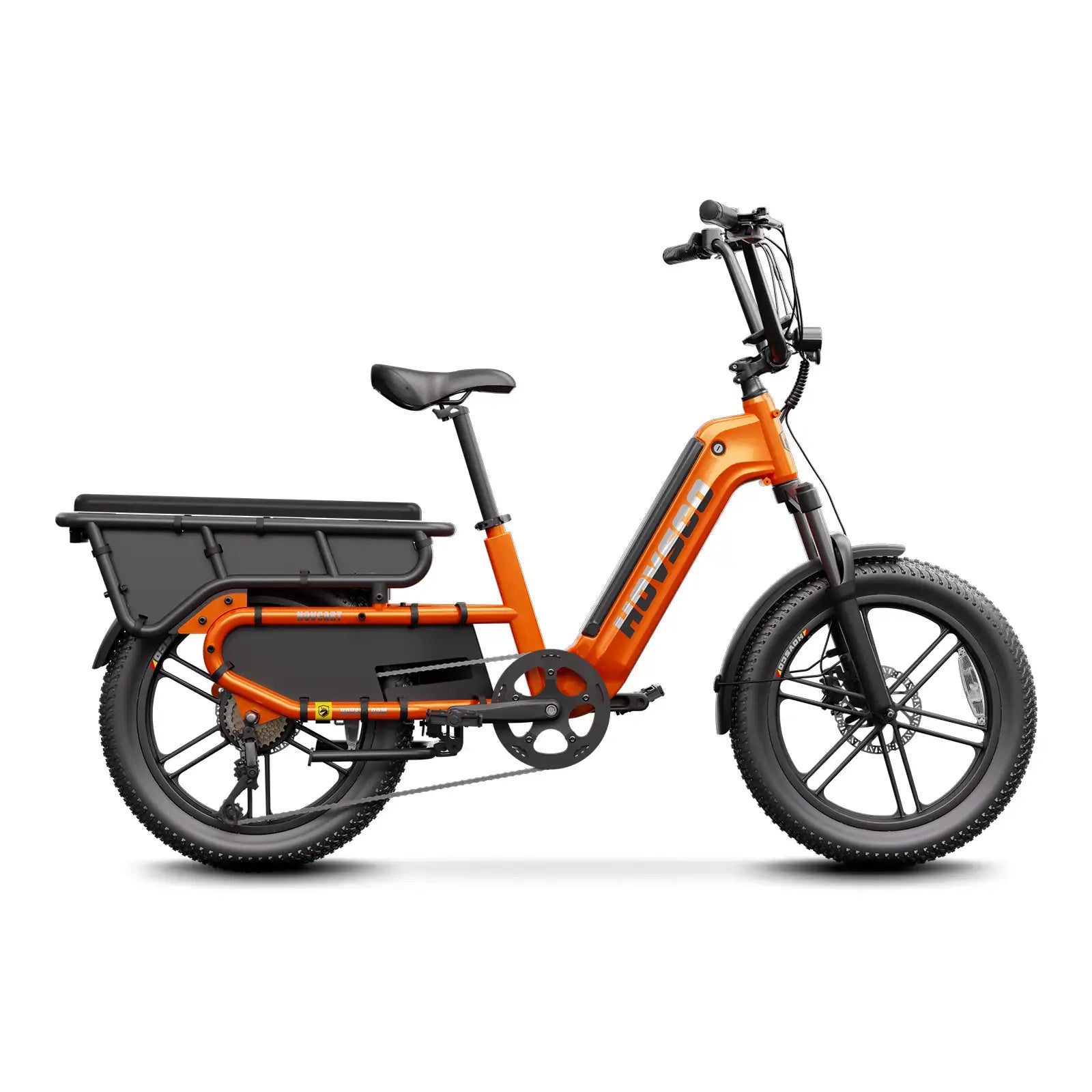
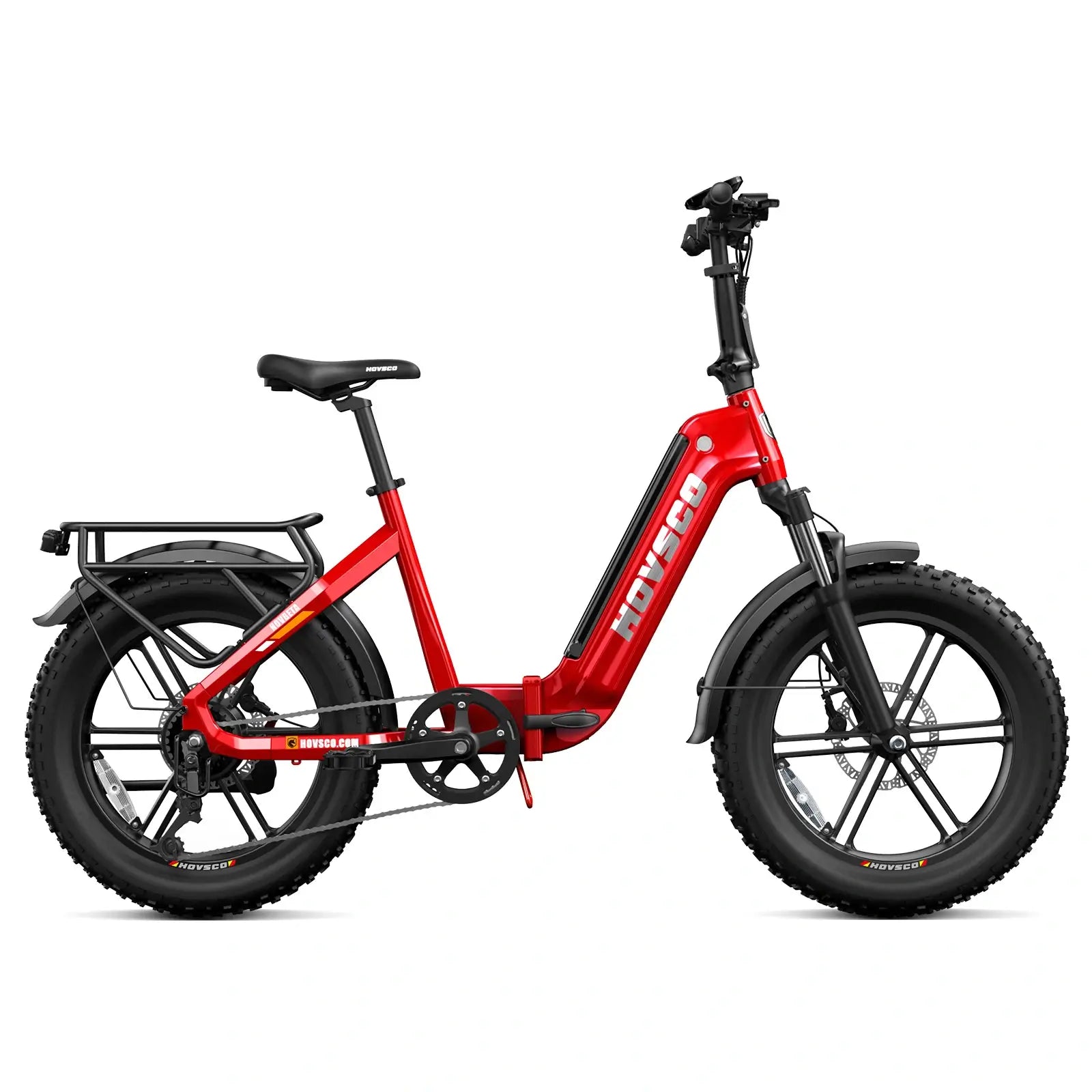
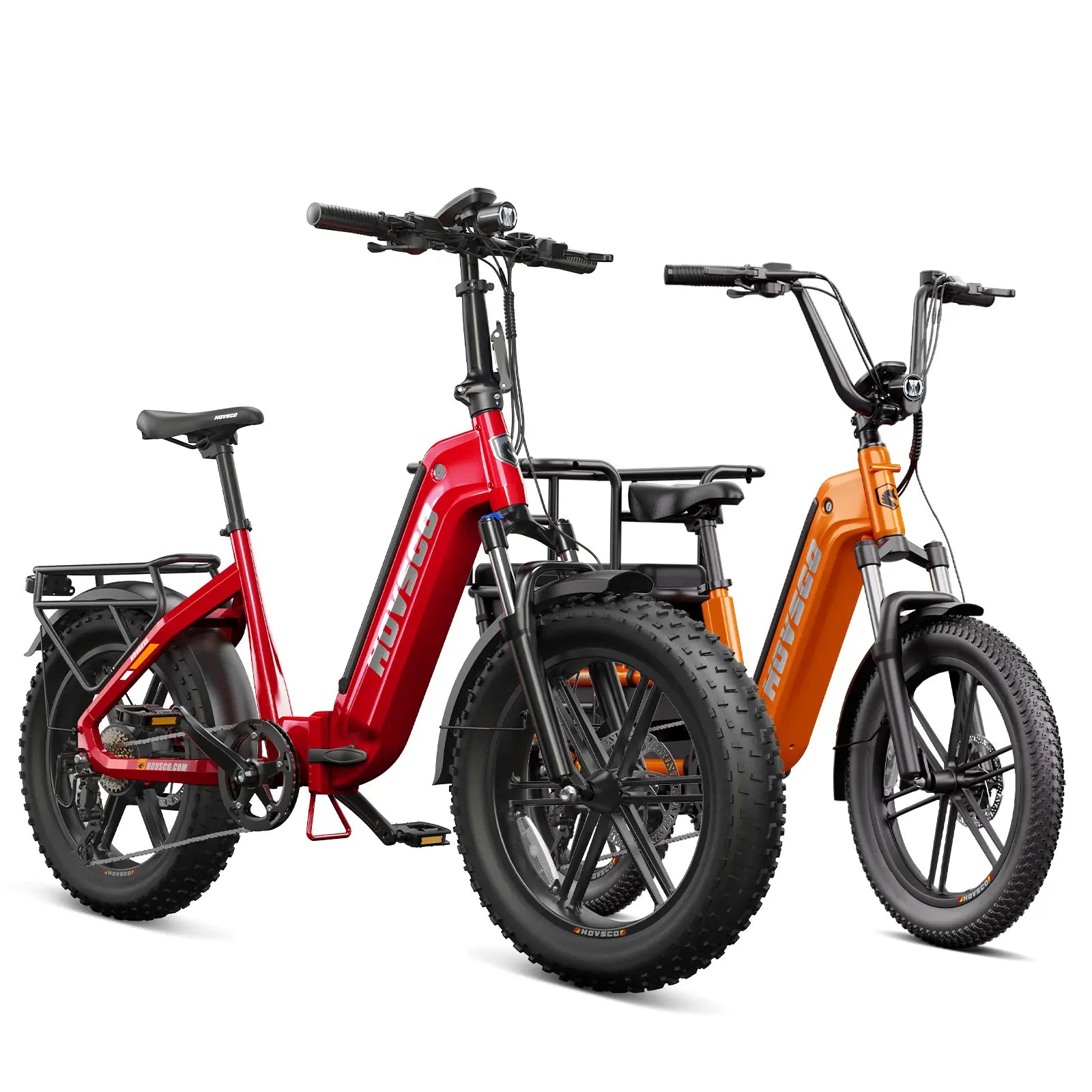
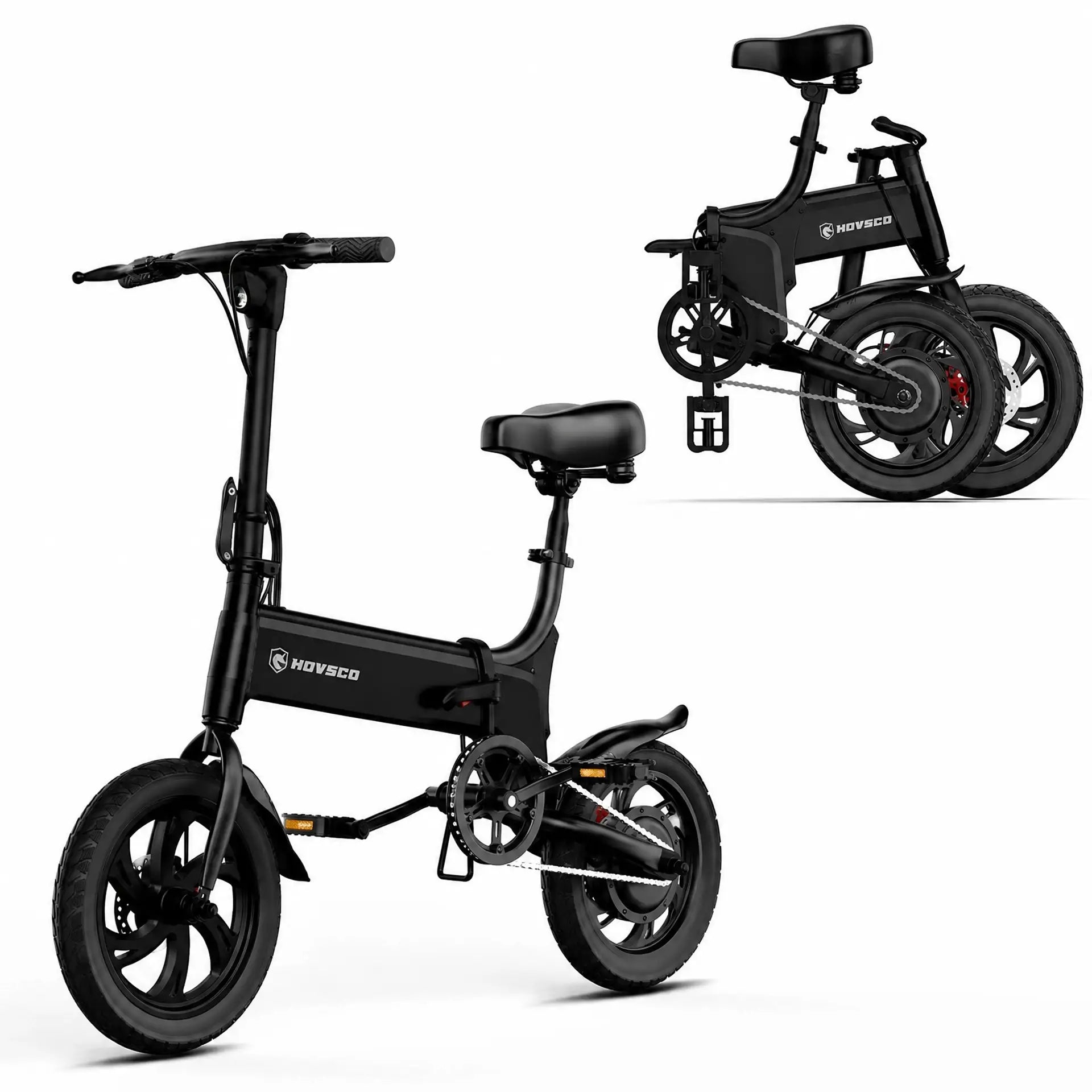
A well‑engineered folding e‑bike with 90Nm of torque can absolutely conquer steep city hills, even with heavier riders and cargo, if gearing, controller limits, and cooling are correctly matched. In practice, a high‑torque small bike like a HovBeta‑style folder can climb long 12–18% grades confidently when you use appropriate pedal assist levels, sensible cadence, and correct tire pressures for grip.
Check: hill-climbing power in the 2026 Buying Guide
On steep city inclines, 90Nm of torque on a folding e‑bike feels like an invisible hand pushing you steadily upward, even from low speeds and stop signs. You notice clean, surge‑free launches, the ability to hold cadence without standing, and enough reserve power that you can still steer precisely instead of just “hanging on.”
From the test bench to the street, I’ve found that 90Nm on a small‑wheel folder hits differently than the same torque on a 29‑inch commuter. The smaller wheel acts like a shorter lever, translating that torque into stronger thrust at the contact patch, which is exactly what you want for a hill climbing folder. On a HOVSCO high‑torque setup tuned for hills, I can roll into a 15% grade in a mid gear, keep a seated spin around 70–80 rpm, and feel the motor hold speed without bogging or hunting between assist levels.
Where riders really feel the benefit is at low launch speeds—pulling away from a red light halfway up a steep street or starting after yielding to pedestrians. With 90Nm available, the controller can deliver strong initial current without stalling the hub or making the chain chatter against a too‑tall gear. The result is smoother, more controlled hill starts and far fewer “I almost tipped over” moments, even when the folding ebike for hills is loaded with a backpack or groceries.
A folding e‑bike is genuinely capable for hills when its motor torque, gear range, controller limits, and frame stiffness are all sized for sustained climbing under real loads. High torque alone is not enough; you need matching low gears, robust cooling, and a fold design that doesn’t flex under hill‑climb stresses.
In practice, I look for three numbers first: at least 80–90Nm of torque, a low climbing gear under about 30 gear‑inches, and a controller that can hold rated current for several minutes without thermal cutbacks. On a high torque small bike, that usually means a 750W (peak higher) hub motor, a multi‑speed cassette with a generous “granny” cog, and a controller that doesn’t artificially choke current at low speeds. The HOVSCO engineering approach, for example, pairs 90Nm hub systems with sensible current limits and thermal safeguards, so riders can climb 15–18% grades without cooking components.
Frame and folding‑joint stiffness also matter a lot more on hills than in flat commuting. When I stand to pedal on a lightweight folder, any flex at the mid‑hinge or steering column shows up as vague steering on steep ramps, which feels unsettling. Hill‑ready folders use oversized hinge hardware, double safety latches, and gusseted main tubes to keep the chassis tight even when the motor is pushing hard. Combine that with hydraulic or strong mechanical disc brakes, and your folding ebike for hills feels composed both going up and coming back down.
The engineering trade‑offs that define a great hill climbing folder balance torque, gearing, battery capacity, and frame weight. You trade a bit of absolute lightness and some top‑end speed to gain reliable low‑speed thrust, thermal stability, and folding durability.
On the motor side, dialing in 90Nm usually means a higher‑turn‑count hub winding and more copper mass, which adds weight but reduces heat per unit torque. As a factory‑floor engineer, I’d rather accept an extra half‑kilo in the rear wheel than watch controllers derate mid‑climb because the stator is cooking. Gearing follows the same logic: a wide‑range cassette with a genuinely big low sprocket gives your legs mechanical advantage so the motor isn’t forced to fight poor cadence at 8 km/h on a 15% wall.
Battery and controller design are the quiet heroes. High torque draws high current, especially at low speeds, which is the worst‑case scenario for cell heating. On HOVSCO‑style hill packages, we spec cells with comfortable continuous‑current margins and design busbars and phase wires thick enough not to bottleneck that 90Nm. The frame pays the price in reinforcement around the folding joints and head tube, but the payoff is a folding ebike for hills that feels planted rather than twitchy under full assist.
You can test a 90Nm folding e‑bike on real city hills correctly by using repeatable routes, consistent rider inputs, and clear metrics like grade, speed, cadence, and temperature. A structured test shows whether your hill climbing folder truly delivers, or just looks good on a spec sheet.
When I evaluate a HovBeta‑type folder, I pick two to three benchmark climbs: a shorter 10–12% pitch for launch behavior, a longer 8–10% hill for continuous output, and an optional “stress” ramp that briefly touches 15–18%. I ride each hill in at least two pedal assist levels, plus throttle if legal, and log starting speed, ending speed, and whether cadence stays comfortable. The folding ebike for hills should maintain speed without surging or forcing you into an awkward grind.
Thermal behavior is the overlooked part. After repeated climbs, I carefully feel the motor shell and controller enclosure with the back of my hand; warm is normal, too hot to keep contact suggests the system is working at its limit. On high torque small bike designs tuned well, I’ve seen motors stabilize at a consistent “hot but touchable” temperature even after several climbs. That’s a sign the 90Nm system is not just a short‑burst party trick, but a real hill tool.
Wheel size matters so much for high torque small bikes because smaller diameters turn the same motor torque into higher thrust at the ground and reduce the effective gear required for steep climbs. This makes a folding ebike for hills with 20‑inch wheels climb more eagerly than a big‑wheel bike at the same nominal torque.
From a physics standpoint, torque at the hub divided by wheel radius gives you tractive force. Shrink the wheel, keep the torque at 90Nm, and you effectively pull harder on the pavement—exactly what you feel when a high torque small bike jumps up a ramp instead of bogging down. In my own hill tests, the same 90Nm hub in a 20‑inch rim delivers noticeably snappier starts on 12–15% grades than in a 27.5‑inch rim, even with identical rider weight and gearing.
The trade‑off is that small wheels are more sensitive to bumps and require careful tire selection and pressures for comfort and grip. On HOVSCO‑style folders, pairing 20‑inch rims with fat, lower‑pressure tires gives enough air volume to smooth broken city asphalt while preserving that hill‑climbing leverage. Done right, a folding ebike for hills combines the punch of a small‑wheel setup with the comfort and control of a larger bike.
A 90Nm folding e‑bike outperforms traditional commuters on hills wherever gradients are short, punchy, and mixed with frequent stops. In dense, hilly cities, high torque and small wheels let you accelerate away from lights and tackle ramps that leave lower‑torque commuters weaving or walking.
I see this most clearly on routes with stacked inclines: bridge approaches, neighborhood streets that rise in sharp steps, or alley shortcuts up to main avenues. A standard 40–50Nm commuter can manage if you hit every hill with a running start, but loses steam when traffic forces you to stop mid‑slope. With a hill climbing folder tuned for 90Nm, you can restart confidently, even if you need to roll from zero on a 12–15% section.
Portability adds another layer. In cities where you mix trains, elevators, and steep streets, a high torque small bike like a HovBeta‑style folder lets you fold, carry, and then climb like a much bigger machine once unfolded. HOVSCO’s focus on urban versatility makes this combination powerful: you’re not forced to choose between a hill crusher and a compact bike; you can have both in a single folding ebike for hills tuned for real inclines.
90Nm does not always mean better climbing in real life if gearing, controller tuning, and traction are poorly matched. Torque is critical, but how and where that torque is delivered determines whether your folding ebike for hills feels powerful or merely twitchy.
In the lab, I’ve ridden supposedly “high‑torque” folders that spin the rear tire on wet pavement because the controller dumps current too abruptly at low speeds. I’ve also tested 90Nm systems paired with overly tall gearing, forcing the rider into a slow, knee‑grinding cadence on steep ramps. In both cases, the headline number under‑delivers. Proper tuning ramps current smoothly, coordinates with pedal torque and cadence sensors, and encourages riders into gears where motor and legs share the work.
Traction is the reality check. A high torque small bike running over‑inflated, slick tires will simply slip on dust or damp paint markings. On hill‑focused builds, I spec slightly wider, grippier tread patterns and run pressures in the mid range for the rider’s weight: firm enough to avoid squirm, soft enough to bite into rough surfaces. Get that right, and 90Nm stops being an abstract spec and becomes the steady shove that makes steep climbs feel almost casual.
You can ride a 90Nm folding e‑bike on hills without overheating or damaging it by using sensible assist levels, correct gearing, and short cool‑down sections between extreme climbs. Treat the motor and battery like parts of a drivetrain you share with, not a winch you abuse.
My rule on test routes is simple: if I’m crawling under 8–9 km/h on maximum assist for more than a minute, I either downshift or back off a level. Motors hate long, high‑current, low‑rpm efforts; that’s where heat builds fastest. On a folding ebike for hills, I aim to keep cadence comfortable and let my legs contribute enough that the motor spends more time mid‑rpm, where efficiency and cooling are best. When I crest a tough climb, I’ll often cruise lightly for 200–300 meters to let things stabilize rather than immediately hammer another hill.
Mechanically, I listen for chain chatter, grinding, or pinging spokes—signs that torque and load are twisting parts beyond comfort. HOVSCO‑style high‑torque designs use reinforced dropouts, sturdy spokes, and well‑secured connectors, but no system is indestructible if misused. Regular checks of spoke tension, axle nuts or thru‑axles, and phase/hall connectors give early warnings. Ride smart, and a 90Nm hill climbing folder repays you with thousands of confident climbs instead of early component fatigue.
A high torque small folding e‑bike is ideal for riders in hilly cities, heavier riders, commuters carrying cargo, and anyone who needs both portability and serious climbing power. If you regularly face steep ramps but still need to fold and store your bike easily, this category is built for you.
In rider clinics, I’ve seen three groups light up when they try a HOVSCO‑grade 90Nm folder. First are apartment dwellers who must carry bikes up stairs yet face brutal climbs right outside their building; they appreciate how a compact frame can still punch above its weight on hills. Second are big‑and‑tall riders who’ve been disappointed by low‑torque folders that bog on the very streets they need to ride daily. Third are multi‑modal commuters who link trains, ferries, and hilly last‑mile segments.
If your entire route is flat, you probably don’t need 90Nm, and might prioritize extreme lightness instead. But if you recognize your city in phrases like “bridge approach,” “cobbled climb,” or “short, nasty ramp,” then a folding ebike for hills with serious torque is not a luxury—it’s the difference between arriving fresh or arriving frustrated. HOVSCO’s focus on high‑torque urban platforms lines up directly with that use case.
“When we spec a 90Nm system on a folding frame, we design from the hill downward, not from the brochure upward. The motor, controller, wiring, and even the hinge hardware on a HOVSCO hill‑focused folder are sized for repeated, real‑world climbs with stop‑and‑go traffic, not just one clean lab run. A good hill climbing folder should make 15% feel routine, not heroic.”
You get the most from a 90Nm hill climbing folder by pairing that torque with smart gearing, good tires, and disciplined riding habits that keep the motor in its sweet spot. Choose climbs and assist levels that let the system pull strongly without stalling, and don’t be afraid to use low gears; they are your best ally on real‑world grades.
Before committing to a model, look past the wattage and focus on torque, gear range, brake quality, and frame stiffness. Once you’re riding, treat your folding ebike for hills like a compact mountain goat, not a tow truck: share the work, monitor heat, and keep your cadence smooth. Do that, and a high torque small bike such as a HOVSCO hill‑oriented folder will turn intimidating city inclines into just another enjoyable part of your daily route.
Can a 90Nm folding e‑bike handle a 20% hill?
Short 20% ramps are possible if you use low gears, proper assist, and keep speed above a crawl, but long 20% climbs will stress most systems.
Is 750W or 90Nm more important for hill climbing?
For hills, torque (Nm) matters more than nominal watts; between two similar bikes, the one with higher torque will usually climb better.
Will frequent hill climbing wear out my folding joints?
If the frame is properly reinforced and hinges are torqued and maintained, normal hill use is fine; avoid overloading beyond rated limits.
Do I need special tires for a hill climbing folder?
You don’t need special tires, but slightly wider, grippy tread with moderate pressures improves traction and confidence on steep, rough streets.
Can a high torque small bike still be comfortable on flats?
Yes, with proper gearing and tire choice, a hill‑tuned folder can cruise comfortably on flat sections without feeling over‑revved or harsh.
Share:
How can boat owners choose the perfect ebike for life at the marina?
Can a folding ebike really work with buses and subways every day?