


![[ New Arrival ] Porto Max Electric Scooter For Commute & Grocery Shopping - HOVSCO](http://www.hovsco.com/cdn/shop/files/PotroMax-3.jpg?v=1706927007&width=1200)
- by SEO
What is the best folding ebike setup for senior riders?
- by SEO
E-Bikes
Accessories
 Free Shipping
 15-Day Returns
 2-Year Warranty
Free Shipping
15-Day Returns
2-Year Warranty
2-Year Warranty
Free Shipping
15-Day Returns
2-Year Warranty
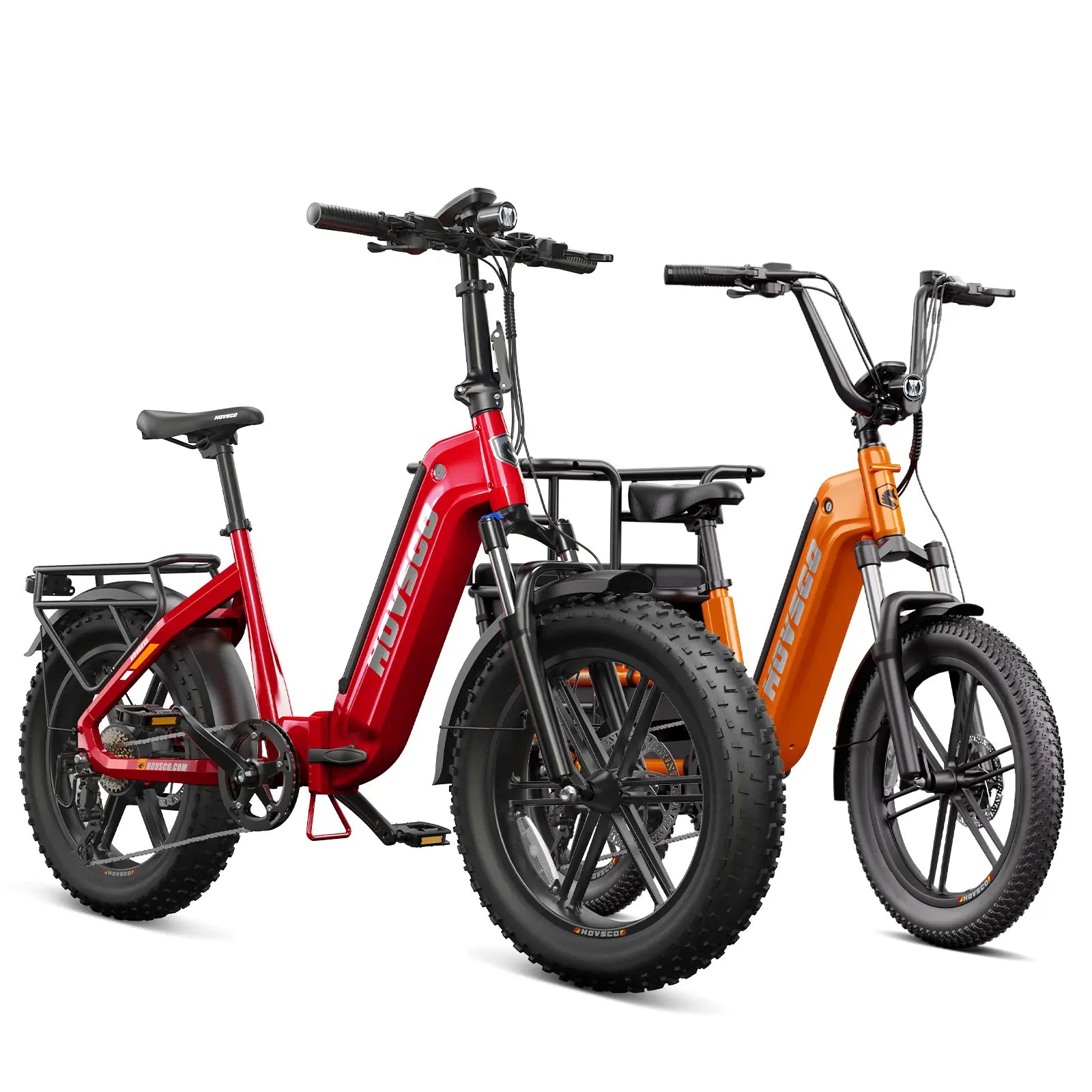
The best folding ebike setup for seniors combines a low step‑thru frame, stable geometry, and lightweight components for easy lifting and confident handling. A quality motor with gentle power delivery, upright riding position, and simple controls matter more than speed. When chosen well, a folding ebike helps older riders stay active, independent, and safe while taking up minimal storage space at home or in an RV.
senior-friendly folding electric bikes
A folding ebike helps seniors stay active safely by adding gentle electric assist to everyday rides while remaining easy to mount, steer, and store. Low step‑thru frames, stable handling, and predictable brakes reduce fall risk, while the folding design makes it simple to take the bike in a car, RV, or elevator for access to safe riding paths.
From years of test-riding with older riders, I’ve seen that safety starts with geometry, not just gadgets. A slightly longer wheelbase, low bottom bracket, and swept-back handlebars let a senior sit upright with both feet closer to the ground. This reduces the “tip-over” feeling when starting or stopping. A good folding ebike for seniors mimics the calm, planted behavior of a full-size city bike, not the twitchiness of a tiny folder.
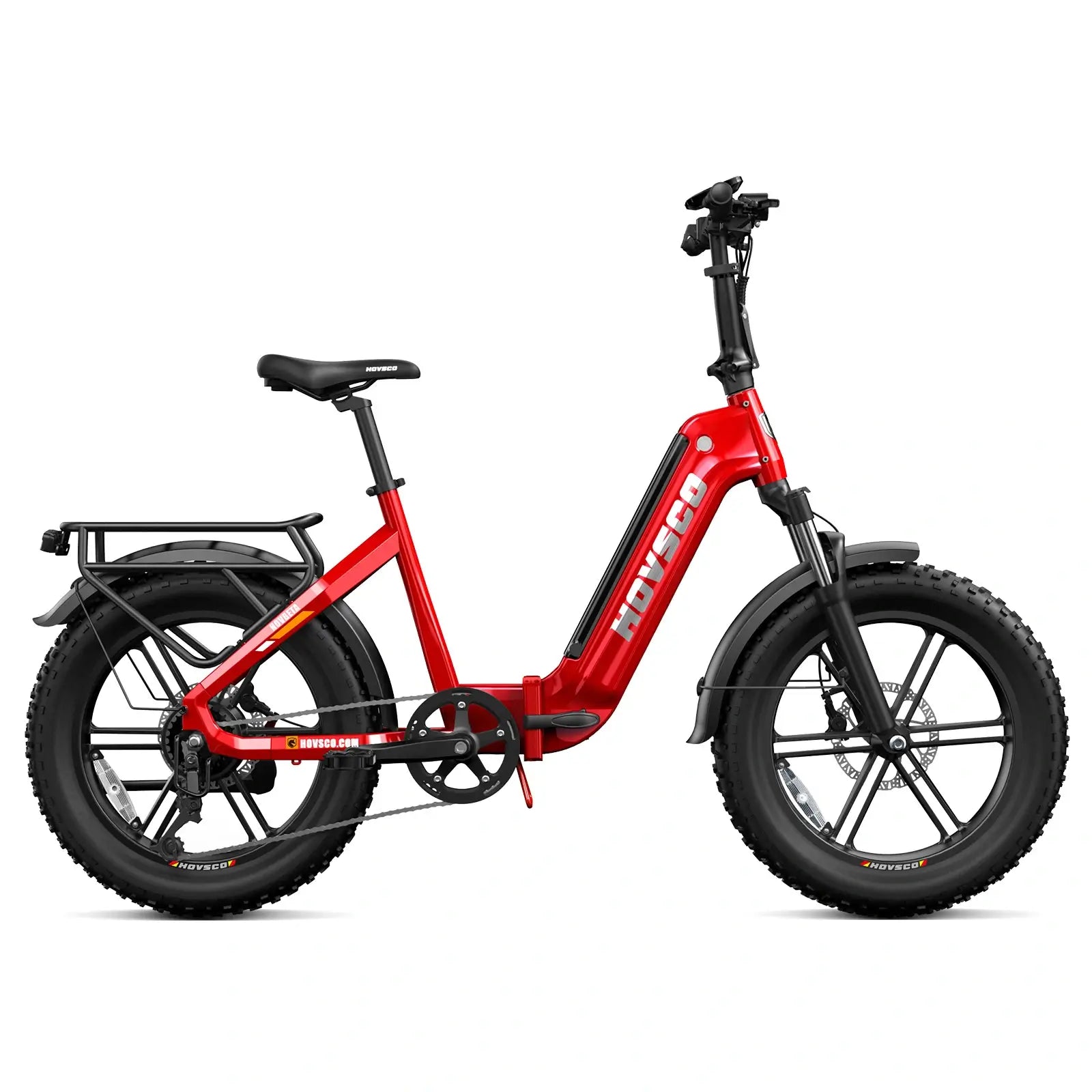
Low step‑thru folding frames also matter. When I watch seniors test bikes on the factory floor, the biggest confidence boost comes from being able to step through the frame without swinging a leg high over the rear wheel. Combined with a moderate top speed and smooth pedal assist, this design lets older riders focus on scenery and balance, not struggling with heavy, awkward frames.
The best folding ebike for seniors prioritizes a low step‑thru frame, light overall weight, upright riding position, and intuitive, minimal controls. A stable wheelbase, quality tires, and strong but smooth brakes are just as important. The motor should ramp power gradually so older riders feel gently assisted, not yanked forward when they start pedaling or use the throttle.
From an engineering standpoint, I pay close attention to three things: frame hinge stiffness, steering stability, and the height of the step‑thru. A loose or flexy hinge can make a folding ebike feel wobbly mid-corner, especially for riders with slower reaction times. On the bikes I recommend for seniors, the hinge plate is thick, the locking mechanism has a positive, audible “snap,” and there’s no play when you rock the frame side-to-side.
Lightweight riding is critical too. For older riders who need to lift the ebike into a car trunk or up a small step, every kilogram matters. High-quality aluminum frames, compact batteries, and sensibly sized motors all contribute. Brands like HOVSCO use optimized tubing profiles and integrated batteries to remove weight without sacrificing strength, making their folding ebikes easier for seniors to manage in real life.
The best frame and folding design for low step‑thru stability uses a strong central hinge with a reinforced downtube and double-lock system, combined with a deep step‑thru cutout. This structure lets seniors easily step on and off the bike while keeping the frame stiff enough that it doesn’t twist or wobble under pedaling and braking loads.
On the factory floor, I always check how a low step‑thru folding frame behaves when loaded from the side—just like a senior leaning on it while mounting. A well-designed frame will have a wide hinge interface and internal reinforcement around the step‑thru opening. If the bike creaks or visibly flexes when I push sideways on the handlebars, it’s not ideal for older riders who may depend on the frame for support.
Folding mechanisms also need to be finger-friendly. Seniors often have reduced grip strength, so I look for levers with long handles, clear open/close indicators, and safety latches that don’t require excessive force. HOVSCO and other senior-conscious brands tend to use over-center levers with secondary locks: easy to open deliberately, but very hard to open by accident while riding.
Lightweight riding improves comfort and confidence for older riders by making the ebike easier to maneuver at low speeds, lift over small obstacles, and control when stopping. A lighter folding ebike responds more predictably to steering input and feels less intimidating to seniors, especially those returning to cycling after many years.
When I’ve handed a 70-year-old rider a 70+ lb fat-tire folder, the first reaction is often hesitation; they worry about dropping it. By contrast, a 45–55 lb low step‑thru folding ebike feels manageable. The difference comes from choosing lighter tires, a sensibly sized motor, and a battery capacity that matches real-world needs instead of chasing marketing numbers.
For older riders, I often recommend slightly narrower, mid-volume tires (around 2.0–2.4 inches) with quality puncture protection instead of extremely wide, heavy rubber. This keeps the rotating mass down, making steering lighter and reducing the “flop” feeling at low speed. HOVSCO folding designs that target seniors apply this principle, balancing comfort with responsive handling so riders stay relaxed and in control.
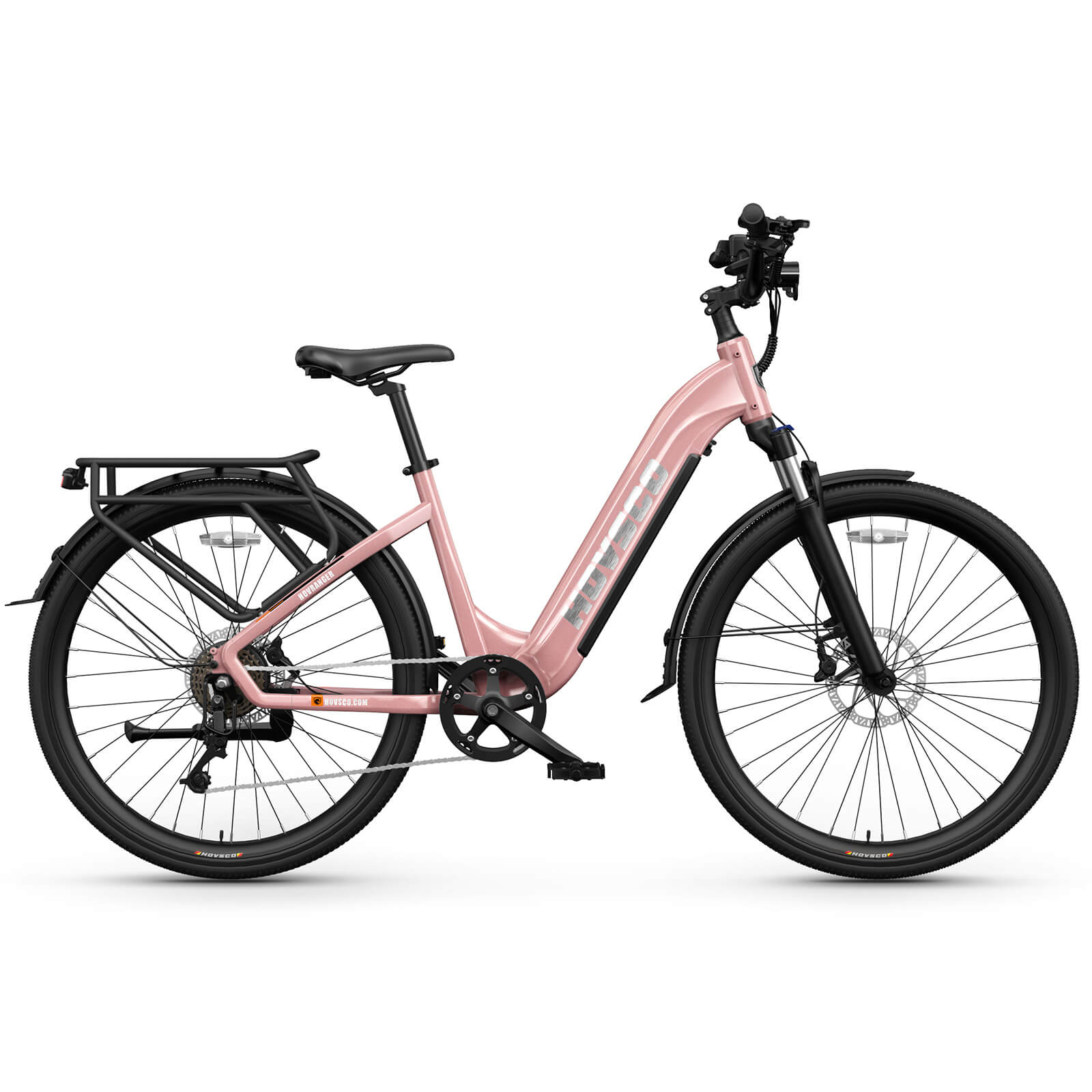
A low step‑thru is crucial because it lets seniors mount and dismount without lifting their leg high, reducing the risk of losing balance and falling. For older riders with limited hip flexibility, joint pain, or balance issues, a deep step‑thru opening is often the difference between feeling safe and avoiding riding altogether.
In real-world testing, I’ve watched seniors “abort” rides simply because they didn’t feel comfortable swinging a leg over a high top tube or rear rack. With a properly low step‑thru, they can walk the bike into position, hold the brakes, and step gently through the frame. That movement is closer to using a sturdy handrail than climbing over an obstacle, which is exactly what many older riders need.
Structurally, creating a low step‑thru on a folding frame is not trivial. Engineers must redistribute material to keep the frame stiff without the usual top tube. Brands with strong engineering cultures, including HOVSCO, often use internal gussets and hydroformed tubing to keep the middle of the frame from feeling “soft.” This kind of invisible reinforcement is what makes a senior-focused folding ebike feel solid under real riders, not just in spec sheets.
Seniors should evaluate motors, batteries, and assist levels based on smoothness and predictability, not sheer power. A mid- or rear-hub motor with gentle, ramped assist, paired with a moderate-capacity battery, delivers plenty of support for daily rides. Clear assist levels and a walk mode help older riders start, stop, and maneuver without sudden surges.
From an engineering perspective, the controller’s tuning matters more than the motor’s watt rating. I always test how the bike behaves in low assist at very slow speeds. On a good senior-friendly folding ebike, the power builds gradually over the first pedal stroke or two, and there’s no abrupt lurch when the system engages. That’s crucial for riders with slower reaction times or weaker grip strength on the handlebars.
Battery size should match realistic use: many seniors ride 10–25 miles per day. A 400–600 Wh pack is often more than enough, and it keeps the bike lighter. I also check the BMS behavior under partial charge cycles, because older riders often top up the battery frequently rather than fully draining it. Quality brands design their packs to handle this well, preserving long-term health and reliability.
Ergonomics and contact points improve comfort when they support an upright posture, relaxed shoulders, and stable hand and foot positions. Adjustable stems, swept-back handlebars, wider saddles, and grippy, flat pedals let seniors fine-tune their folding ebike for pain-free riding. Good ergonomics reduce fatigue, improve control, and make it easier to ride more often.
When I set up a folding ebike for a senior, I start by aligning the handlebar sweep with the rider’s natural hand position at their sides—this usually results in a gentle backsweep that keeps wrists neutral. A seat that’s slightly wider but not excessively soft supports the sit bones without creating pressure points on longer rides. Getting these basics right often matters more than any suspension gadgetry.
Pedals and shoes are often overlooked. Large, flat pedals with a grippy surface and subtle pins help older riders keep their feet planted even when shifting weight to start or stop. Combined with a relatively low saddle height and low step‑thru, this arrangement lets seniors put a foot down quickly if they feel unstable, which greatly boosts confidence on a lightweight folding ebike.
Essential safety checks and accessories for senior riders include regular brake inspections, tire pressure checks, and secure hinge locking, plus bright front and rear lights, reflective elements, and a sturdy bell or horn. A mirror, high-visibility clothing, and possibly a suspension seatpost can further increase safety and comfort on a folding ebike.
On the technical side, I’m particularly strict about hinge and latch inspection for seniors. Before every ride, I recommend a quick “three-point check”: confirm the main frame hinge is fully locked, the handlebar stem latch is secure, and the seatpost clamp is tight. Any play in these areas can cause sudden steering issues that are much harder for older riders to correct.
Accessories should be chosen with simplicity in mind. Hard-wired lights that turn on with the bike are better than separate battery lights for seniors who don’t want extra steps. A small, rigid front bag or basket can hold essentials like a phone, glasses, and medication without affecting steering overly much. When I advise older customers, I frame accessories as extensions of safety and independence, not just decoration.
senior-friendly models in the 2026 Buying Guide
“When we design a low step‑thru folding ebike for seniors, we assume the bike will be folded hundreds of times, leaned on like a railing, and ridden at walking speeds in crowded areas. That’s why we overbuild the hinges, tune the motor for ultra-smooth starts, and prioritize lightweight frames. Our goal is for older riders to forget the technology and simply enjoy a stable, confidence-inspiring ride.”
Seniors can choose the right folding ebike by focusing on low step‑thru access, lightweight riding, stable geometry, and simple, predictable electronics. Test-riding matters: older riders should check how easily they can step through, lift, fold, and maneuver the bike at walking pace, not just how fast it goes. Comfort, confidence, and ease of use are the real performance metrics.
From a technical standpoint, a well-chosen folding ebike for seniors balances frame stiffness, modest motor power, and carefully tuned controls. Check hinges for play, brakes for smooth but firm stopping, and displays for readability. Brands like HOVSCO that bring deep micromobility experience into their folding designs offer seniors the reliability and safety they need to ride often. With the right bike, older riders can stay active, independent, and engaged in their communities for years to come.
Can a senior safely lift and fold a typical ebike?Yes, if the folding ebike is designed to be lightweight, with a manageable 40–55 lb range and easy-to-use hinges. Seniors should test-lift the bike from the frame, not the handlebars, before buying.
Is a step‑thru folding ebike more stable than a traditional diamond frame?For most seniors, a low step‑thru folding ebike feels more stable during mounting, stopping, and low-speed maneuvers, because it reduces the chance of catching a foot or losing balance swinging a leg over.
What wheel size is best for senior riders on folding ebikes?Mid-size wheels, typically 20 inches with reasonably wide tires, balance compact folding dimensions with predictable, stable handling that feels less twitchy than very small wheels.
Do seniors need special training before riding a folding ebike?Shortly practicing in a quiet area helps. Seniors should get used to starting, stopping, and folding the bike, and experiment with lower assist levels until they feel fully in control.
Which medical conditions require extra caution with folding ebikes?Conditions affecting balance, vision, heart function, or joint mobility require a doctor’s input. Seniors with such issues should seek medical advice and possibly start with shorter, supervised rides on safe paths.
Share:
Can a folding ebike really work with buses and subways every day?
How should you lock a folding ebike in the city?