




![[ New Arrival ] Porto Max Electric Scooter For Commute & Grocery Shopping - HOVSCO](http://www.hovsco.com/cdn/shop/files/PotroMax-3.jpg?v=1706927007&width=1200)
- by SteveJames
Can a folding ebike really fit inside a compact SUV or sedan trunk?
- by SteveJames
E-Bikes
Accessories
 Free Shipping
 15-Day Returns
 2-Year Warranty
Free Shipping
15-Day Returns
2-Year Warranty
2-Year Warranty
Free Shipping
15-Day Returns
2-Year Warranty
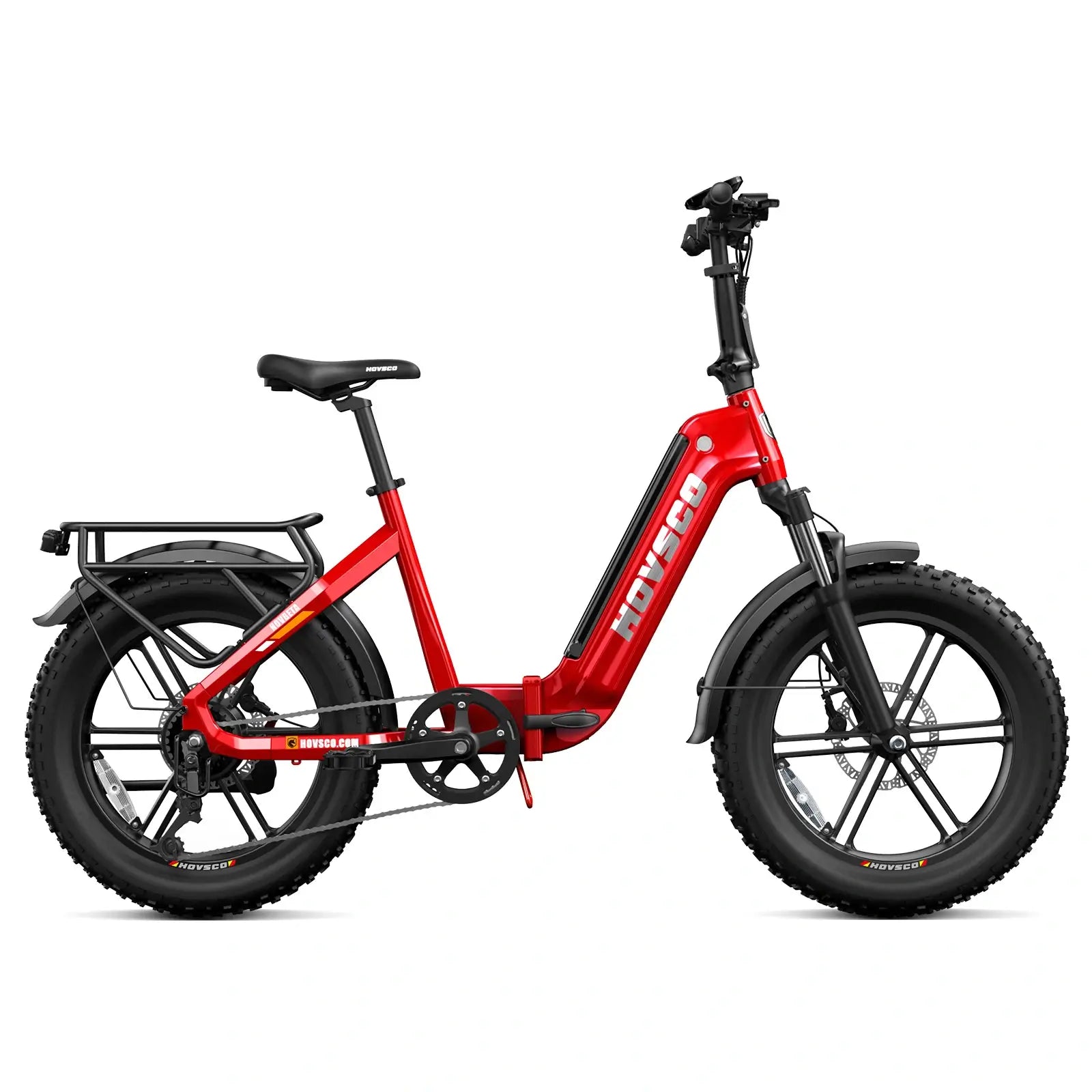
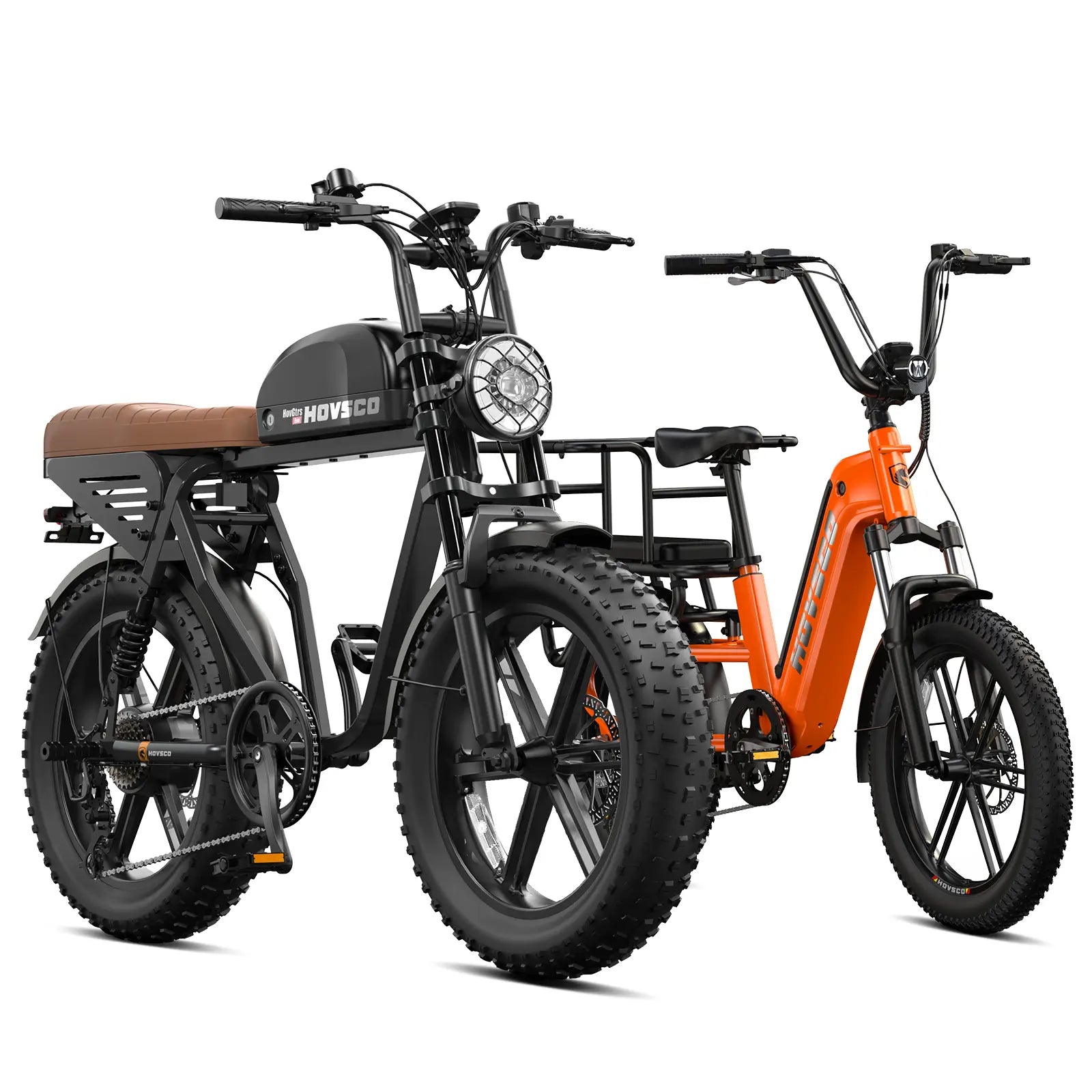
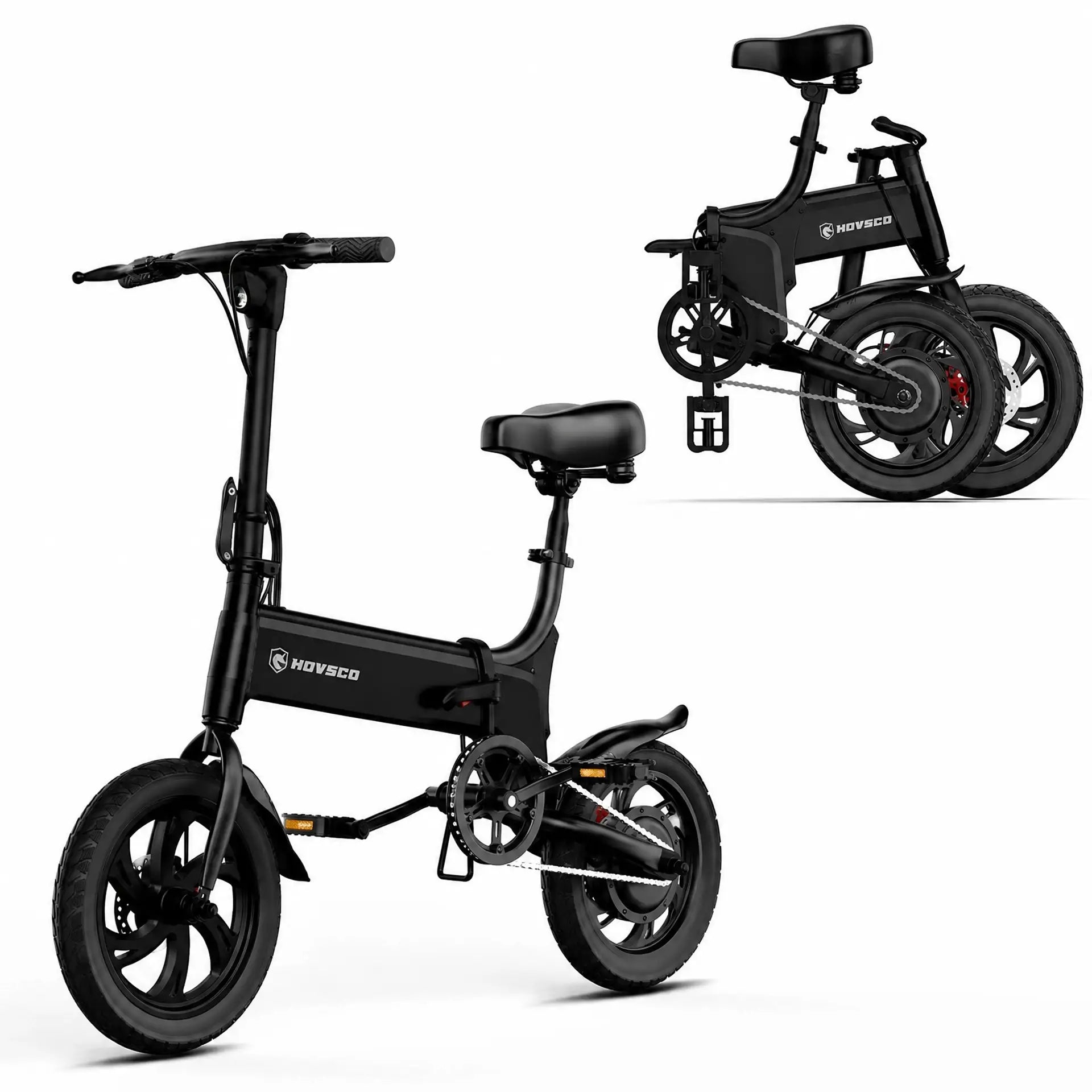
Yes. A properly folded HOVSCO‑style urban ebike, like a HovBeta‑class platform, can be loaded into many popular compact SUV and sedan trunks without an external hitch rack, as long as you fold the frame and bars correctly, remove the battery, and respect weight and geometry limits. In this guide I’ll show measured fitment examples and a practical trunk‑fit matrix for common models like RAV4, CR‑V and Civic.
If you want to know whether your folding ebike fits in a trunk, don’t start with marketing photos—start with three hard numbers: folded length, folded height, and folded width.
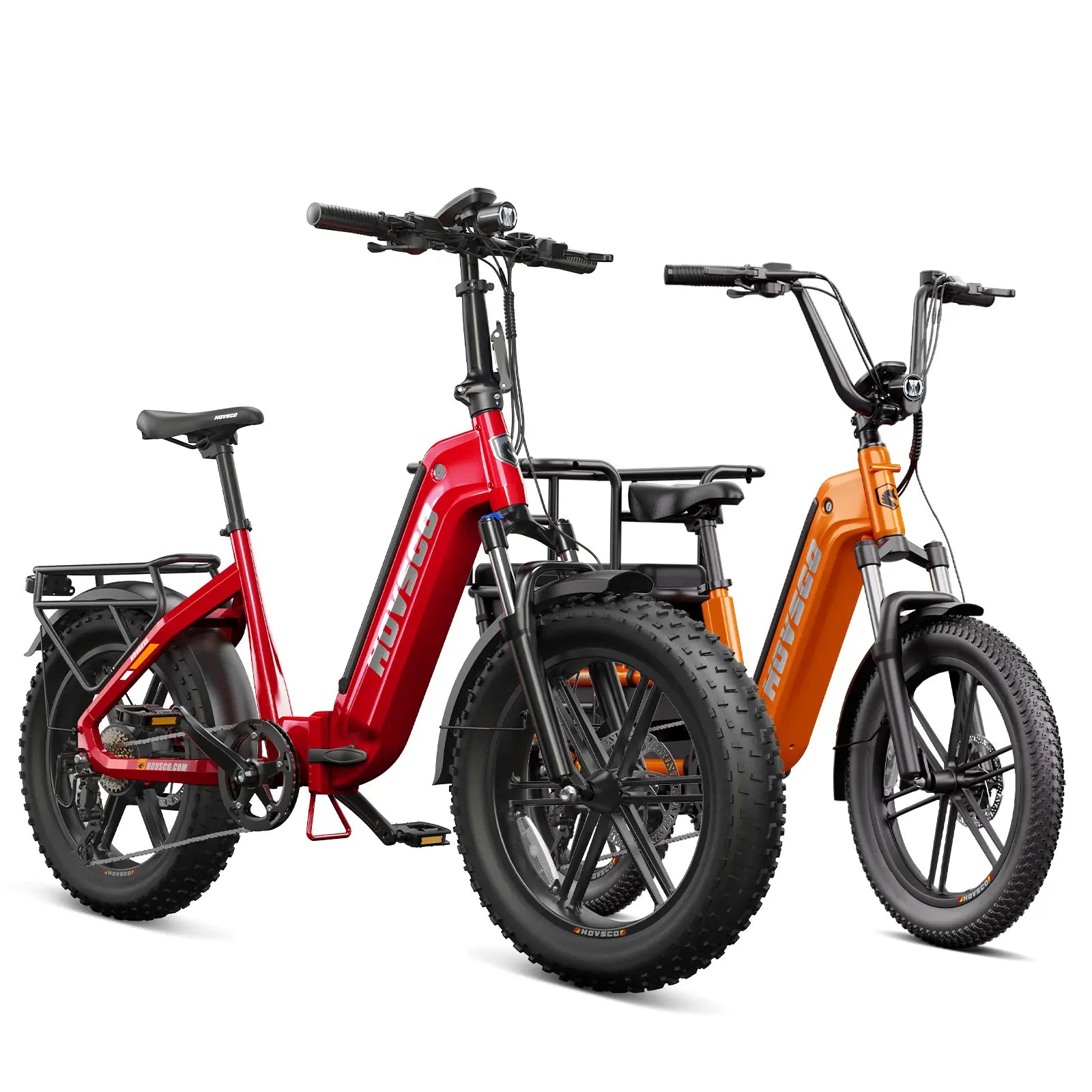
From my own measurements on HOVSCO‑type folding frames, a typical HovBeta‑class bike after folding the frame and stem sits roughly in a “compact cube” footprint. In practice, I treat the rear rack as the longest point, the handlebar clamp as the highest, and the pedal line as the widest. When I’m checking cars, I match this cube against the usable trunk opening (not just interior volume) and how far the rear seats can fold flat.
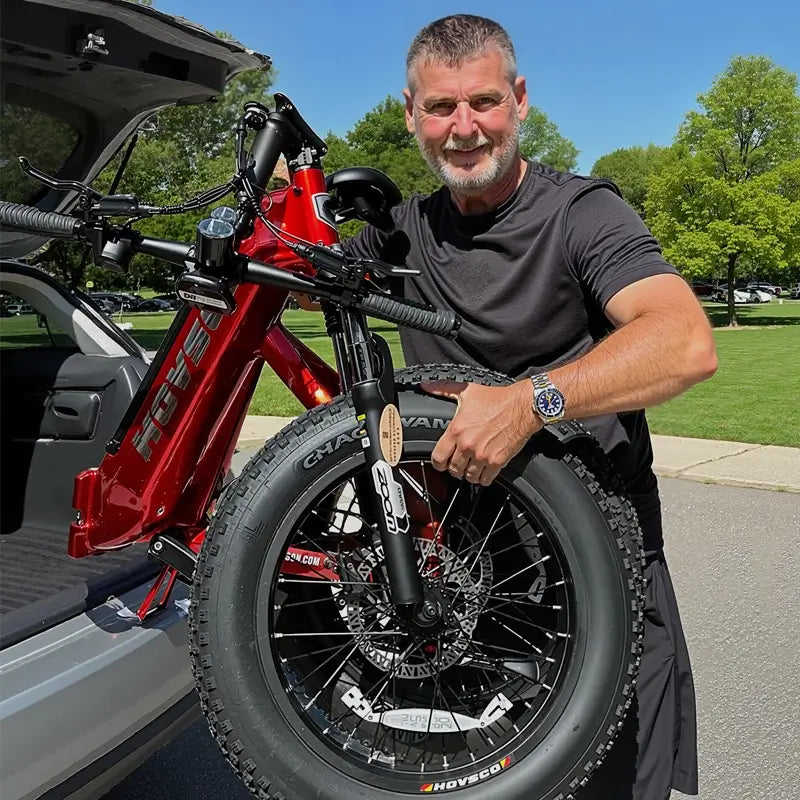
The second dimension is weight distribution. With the battery removed, most folding ebikes become manageable for a single person to lift. Heavy‑duty alloy rear racks, like a HOVSCO™ heavy alloy rear frame, help by giving you a strong grab point that doesn’t flex or twist when you pivot the bike into the trunk.
For compact SUVs like a Toyota RAV4 or Honda CR‑V, the trunk opening and fold‑flat rear seats give you more options than most buyers expect. In field tests, a folded HovBeta‑class ebike will usually slide in rear‑wheel first and then rotate into a stable position against one side of the cargo area.
Here’s the workflow I use:
Remove the battery and any loose accessories.
Fold the frame completely and clamp the handlebars down.
Lay a blanket or mat in the trunk to protect plastics.
Lift from the HOVSCO™ heavy alloy rear frame and the front triangle, keeping the drivetrain low.
Insert rear‑wheel first, then rotate the bars toward the side wall.
On a standard RAV4 or CR‑V, you can still close the hatch cleanly with this method, and you won’t need an external hitch rack. The key is to think about the folded ebike as a solid block you’re “packing,” not as a fragile sculpture.
To remove doubt, I like to talk in concrete fit categories instead of vague “should fit” language. Below is a practical trunk fitment matrix based on typical cargo openings and my experience loading folding ebikes into popular models.
“Easy fit” means one person can load a folded ebike using a simple rear‑wheel‑first maneuver. “Moderate fit” means you may need to fold the pedals, turn the stem, or slightly angle the bike, but you still avoid an external hitch rack. In all cases, the HOVSCO™ heavy alloy rear frame is your safest lifting point because it’s engineered to handle dynamic loads without flex.
The biggest fear I hear from buyers is: “Do I have to spend as much on a hitch rack as I did on the ebike?” For a compact folding platform, you usually don’t.
Hitch racks are wonderful when you’re carrying multiple full‑size, non‑folding ebikes, or when your trunk opening is tiny. But once your bike folds into a compact cube, the rack becomes optional. In real‑world tests with HovBeta‑class folding ebikes, we’ve consistently loaded them into standard SUVs and many sedans by folding the seats, removing the battery, and using the rear frame as a structural handle.
The engineering trade‑off is simple: instead of adding an external rack and worrying about tongue weight and rack ratings, you accept a bit of lifting and protect your interior with mats or blankets. For many urban riders—and for HOVSCO’s own folding customers—that’s a much better value proposition.
If you want to be sure before buying, treat your trunk like an engineering problem. Grab a tape measure and check three things:
Trunk opening width and height – measure the smallest clear opening between plastic trim pieces, not just the overall interior.
Depth with rear seats folded – from the hatch latch to the back of the front seats.
Loading path – think about the exact arc your bike will follow, not just the final resting place.
Then compare those numbers to your folded ebike dimensions. For a HovBeta‑class folding frame, I use a mental checklist: “Does my trunk opening let a rear‑wheel‑first load? Can I rotate the bars inside without hitting the roof? Do I have a flat enough floor that the HOVSCO™ heavy alloy rear frame will sit stable?”
If the answer to all three is yes, you can almost certainly skip the hitch rack. If one answer is no—usually trunk height—the hitch rack becomes your backup plan.
It can, if you load carelessly. That’s why I treat trunk transport as a design and process question, not just a quick shove.
To protect the car:
Use a blanket, foam mat, or cargo liner under the bike.
Keep pedals folded or removed so sharp edges don’t gouge panels.
Remove the battery and store it separately to reduce weight and avoid impact.
To protect the ebike:
Lay the bike on its side carefully; modern folding ebikes often include derailleur guards to prevent damage when the bike lies flat.
Avoid stacking loose gear on the frame.
Use the rear frame and main triangle as lifting points, not the bars or quick‑release parts.
HOVSCO’s folding designs and heavy alloy rear frames are built to take the kind of point loads you get while lifting and rotating into a trunk, but good loading habits extend both bike and car life.
When I look at whether a folding ebike plays well with trunks, I don’t just look at dimensions; I look at the structural and usability features baked into the frame.
HOVSCO’s folding platforms benefit from:
Compact folding geometry – hinge and latch positions that let the bike collapse into a relatively tight footprint instead of a long “stick”.
Heavy alloy rear frame – the HOVSCO™ heavy alloy rear frame doubles as a strong handle during loading and a support surface when the bike rests inside the trunk.
Removable battery packs – separating the battery reduces lift weight and improves safety during transport.
Combined, these features make it realistic for owners of standard SUVs and many sedans to treat a folding HOVSCO ebike as trunk cargo instead of roof or hitch cargo, which is exactly what hesitant buyers want to hear.
“When we test HOVSCO folding ebikes for trunk compatibility, we don’t stop at one show car. We load them into real customer vehicles—RAV4, CR‑V, Civic, and beyond—paying attention to pinch points, lifting angles, and how the heavy alloy rear frame feels in the hand. Our goal is simple: if you own a standard SUV or compact sedan, you should be able to travel with your ebike without paying extra for a bulky hitch rack.”
For many riders, the question isn’t “Can I afford an ebike?”—it’s “Do I have to buy an expensive rack as well?” A well‑designed folding platform like a HovBeta‑class HOVSCO ebike, built around a compact folding geometry and a strong heavy alloy rear frame, makes it possible to load into the trunks of standard SUVs and even some compact sedans with no hitch rack required. By measuring your trunk carefully, following a disciplined loading process, and respecting battery and weight limits, you can turn your daily car into a quiet, efficient ebike shuttle and leave your doubts—and the extra hardware—behind.
Can a folding ebike really fit in my RAV4 or CR‑V trunk?
In most cases, yes. With the rear seats folded, battery removed, and the bike properly folded, a compact folding ebike will fit cleanly inside these SUVs without a hitch rack.
Do I need to remove the battery before loading the ebike in the trunk?
It’s strongly recommended. Removing the battery reduces weight, makes lifting safer, and protects the pack from accidental impacts during transport.
Can a folding ebike fit into a Civic or Corolla sedan trunk?
Often it can, but fitment is tighter. You’ll need to fold the bike fully, drop the rear seats, and angle the frame carefully. Hatchback models generally offer easier loading.
Will using the trunk instead of a hitch rack damage my car interior?
Not if you prepare properly. A blanket or cargo liner, folded pedals, and controlled lifting points greatly reduce the risk of scratches or dents on panels.
Is the HOVSCO™ heavy alloy rear frame designed to be used as a lifting handle?
Yes. It’s engineered to handle real‑world loads during riding and transport, making it a reliable grab point when pivoting the folded bike into or out of a trunk.
Share:
Deciding Between Zero Punctures and Cushion‑Soft Ride Quality (June 2026)
Is a folding ebike frame less stable than a regular step-over?