








![[ New Arrival ] Porto Max Electric Scooter For Commute & Grocery Shopping - HOVSCO](http://www.hovsco.com/cdn/shop/files/PotroMax-3.jpg?v=1706927007&width=1200)
- by SteveJames
Why do heavy-duty fat e-bike tires beat desert thorns?
- by SteveJames
E-Bikes
Accessories
 Free Shipping
 15-Day Returns
 2-Year Warranty
Free Shipping
15-Day Returns
2-Year Warranty
2-Year Warranty
Free Shipping
15-Day Returns
2-Year Warranty
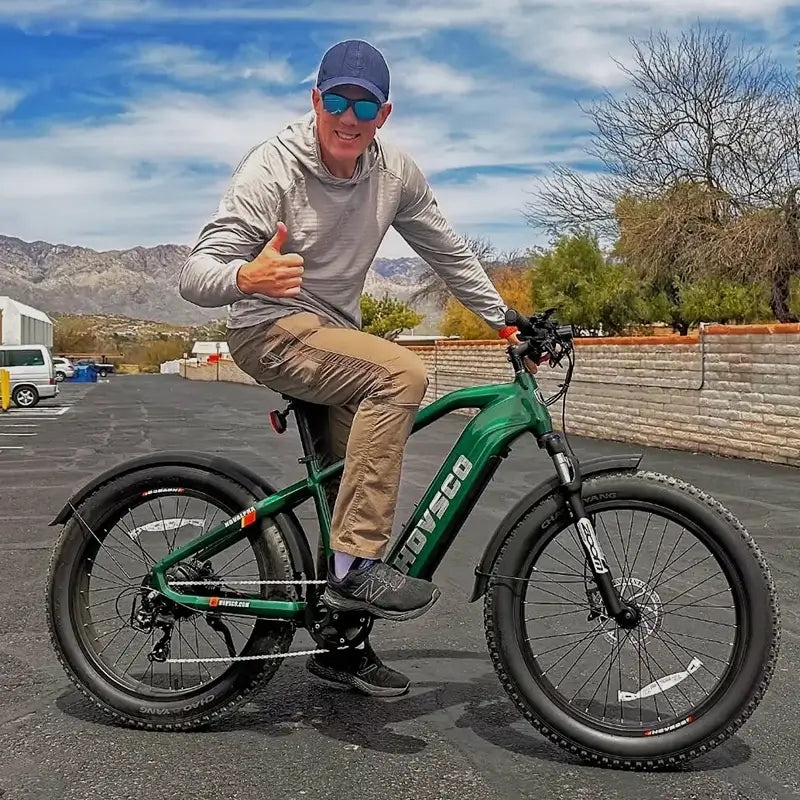
Heavy-duty fat e-bike tires defeat desert thorns and sharp rocks by combining a thick tread, a Kevlar-reinforced puncture layer, and a robust inner tube system with self-sealing fluid. This multi-layer blueprint spreads impact, blunts penetration forces, and instantly plugs small holes. When matched with proper pressure and riding technique, puncture anxiety largely disappears—even in goathead and loose-rock terrain.
puncture resistant fat tire ebikes
Desert thorns like goatheads and angular rocks are destructive because they concentrate force into tiny points that easily pierce thin tread and unprotected inner tubes. Their hard, needle-like structures lodge in rubber and cause slow leaks or sudden blowouts, especially on heavy e-bikes that load tires more than analog bikes.
In field testing, I’ve watched standard commuter tires fail repeatedly in goathead fields: riders roll a few meters, then hear the telltale hiss as a thorn burrows through tread and tube. The problem isn’t just sharpness; it’s repeated exposure. Desert terrain rarely offers one thorn—it offers thousands. Without a puncture resistance blueprint—thick tread, Kevlar belt, and self-sealing inner tube—those tiny spikes will eventually find a way through.
Rocks add a different failure mode. While thorns pierce, jagged rocks cut or pinch. Heavy e-bikes compress sidewalls harder, so a poorly reinforced casing may slice or pinch flat when smashing through talus or curb edges. That’s why HOVSCO treats puncture resistance as a system: tire construction, inner tube choice, and sealant all must work together.
A Kevlar-reinforced layer sits beneath the tire tread as a dense, high-strength barrier that resists penetration from thorns, glass, and sharp rocks. Its tightly woven fibers distribute the force of a point load across a wider area, blunting the tip and preventing it from reaching the inner tube. Even when penetration begins, the fibers can snag and hold the thorn before it causes a full leak.
On the factory floor, I’ve seen destructive tests where we roll tires over trays of nails and goatheads. On non-reinforced casings, the spikes punch straight through. On Kevlar-belted tires, you often see marks on the belt but no through-holes, because the fibers deflect or arrest the thorn. That’s the essence of the puncture resistance blueprint built into heavy-duty fat tires.
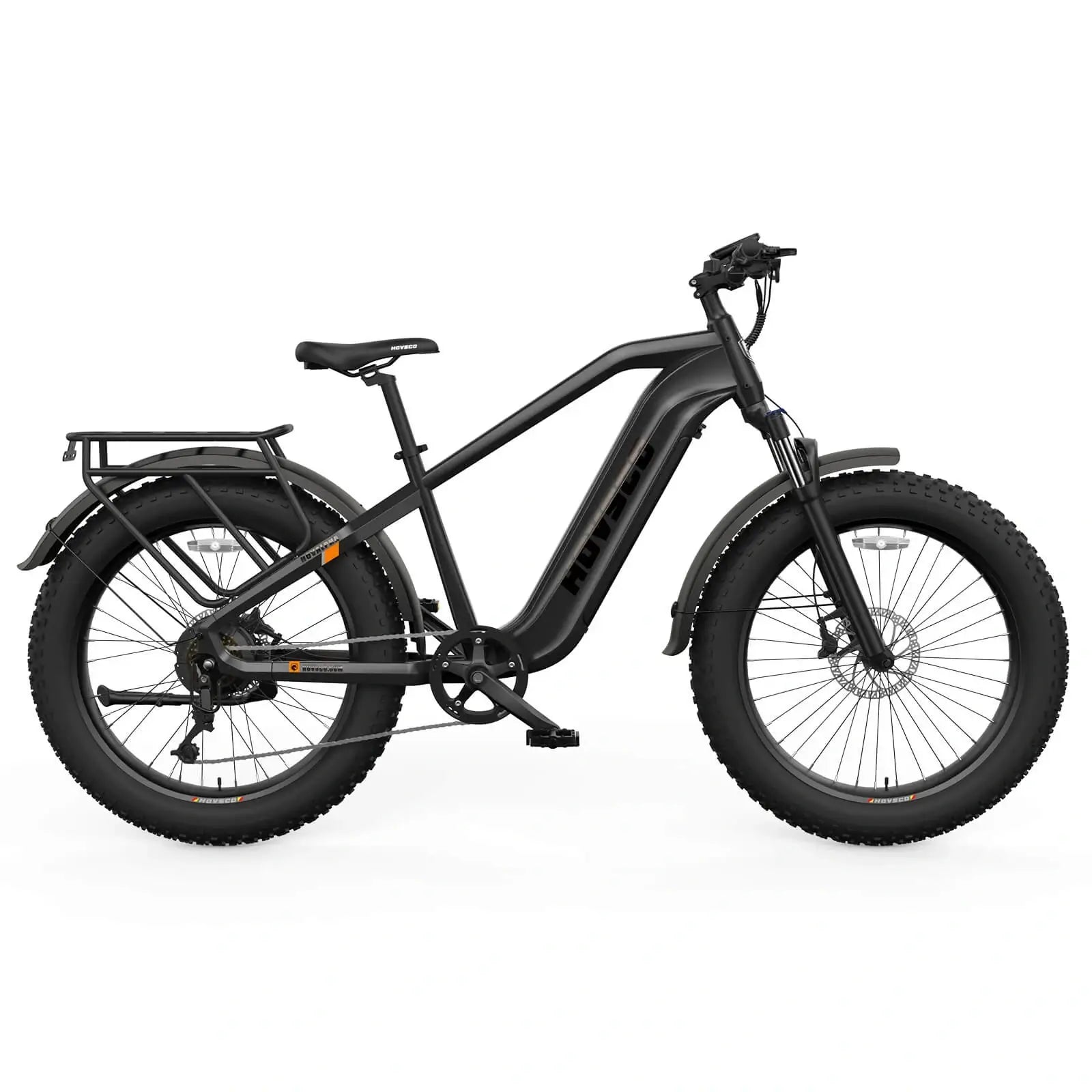
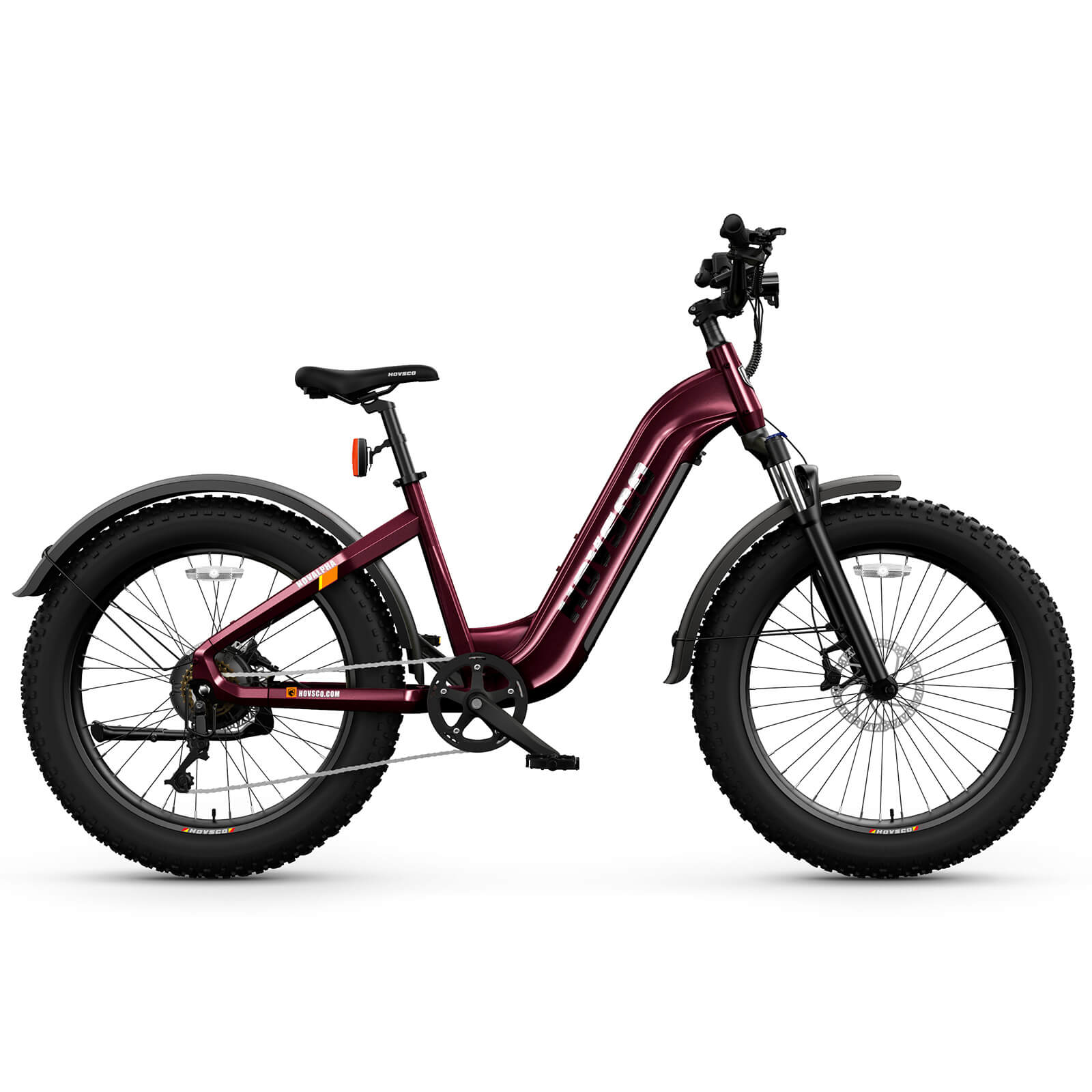
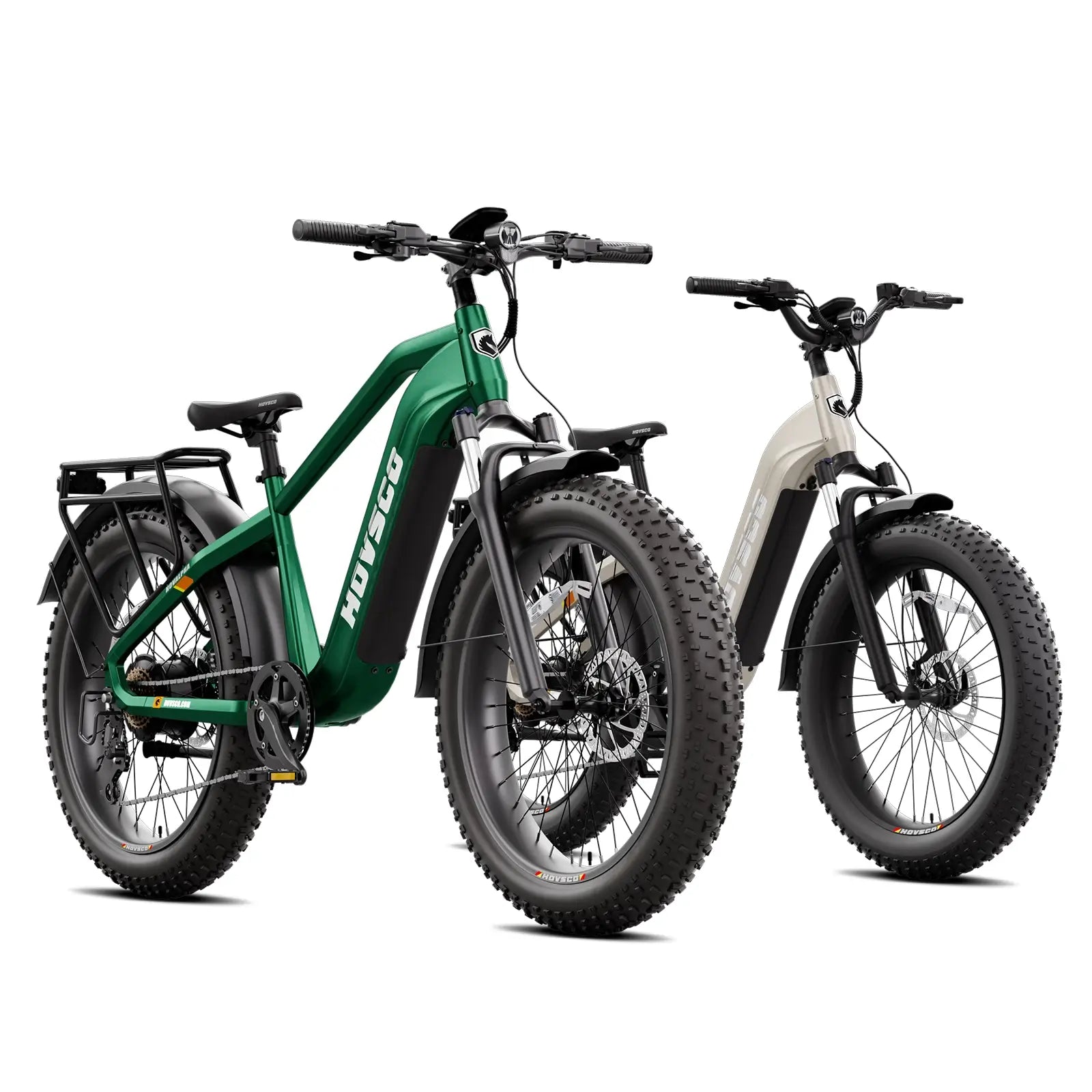
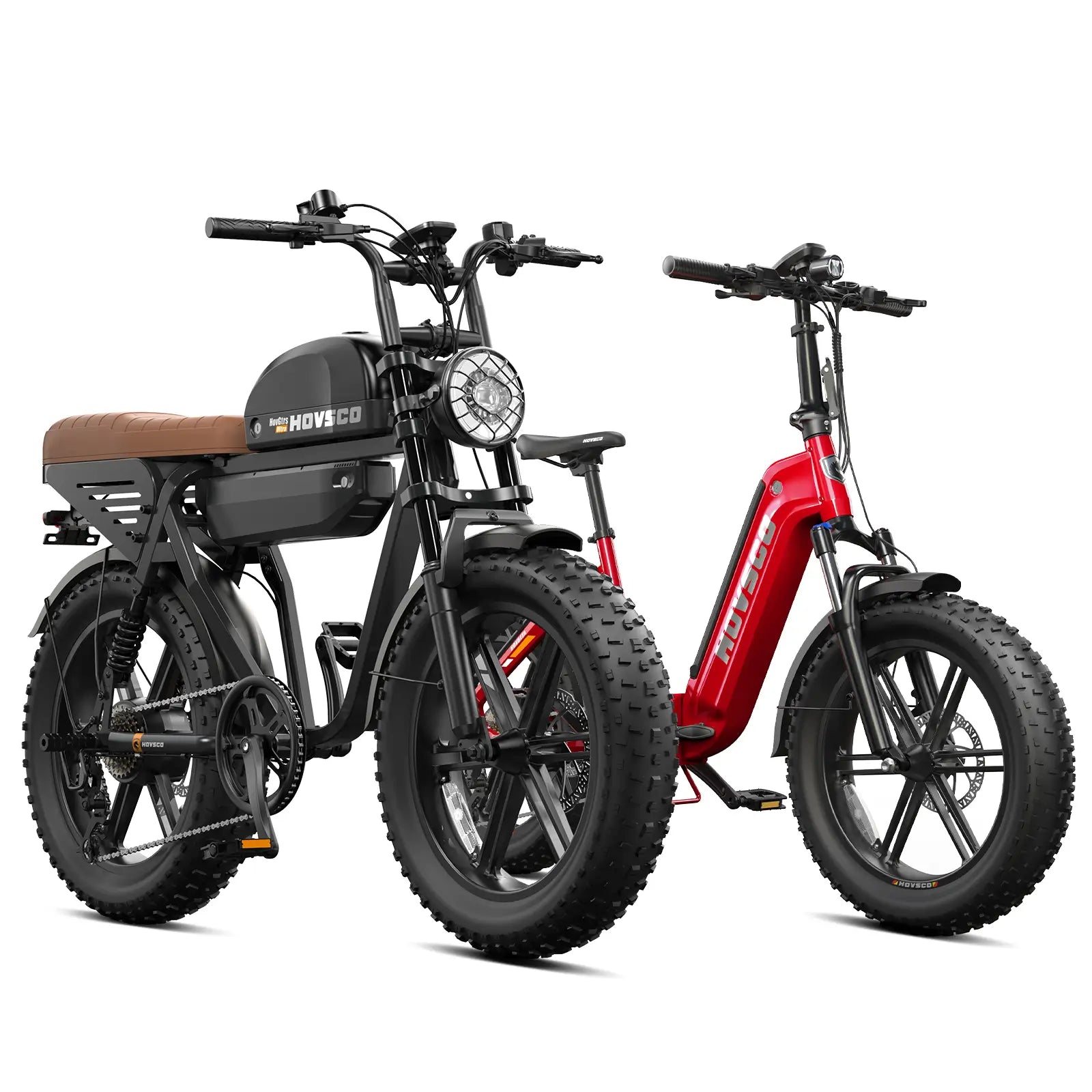
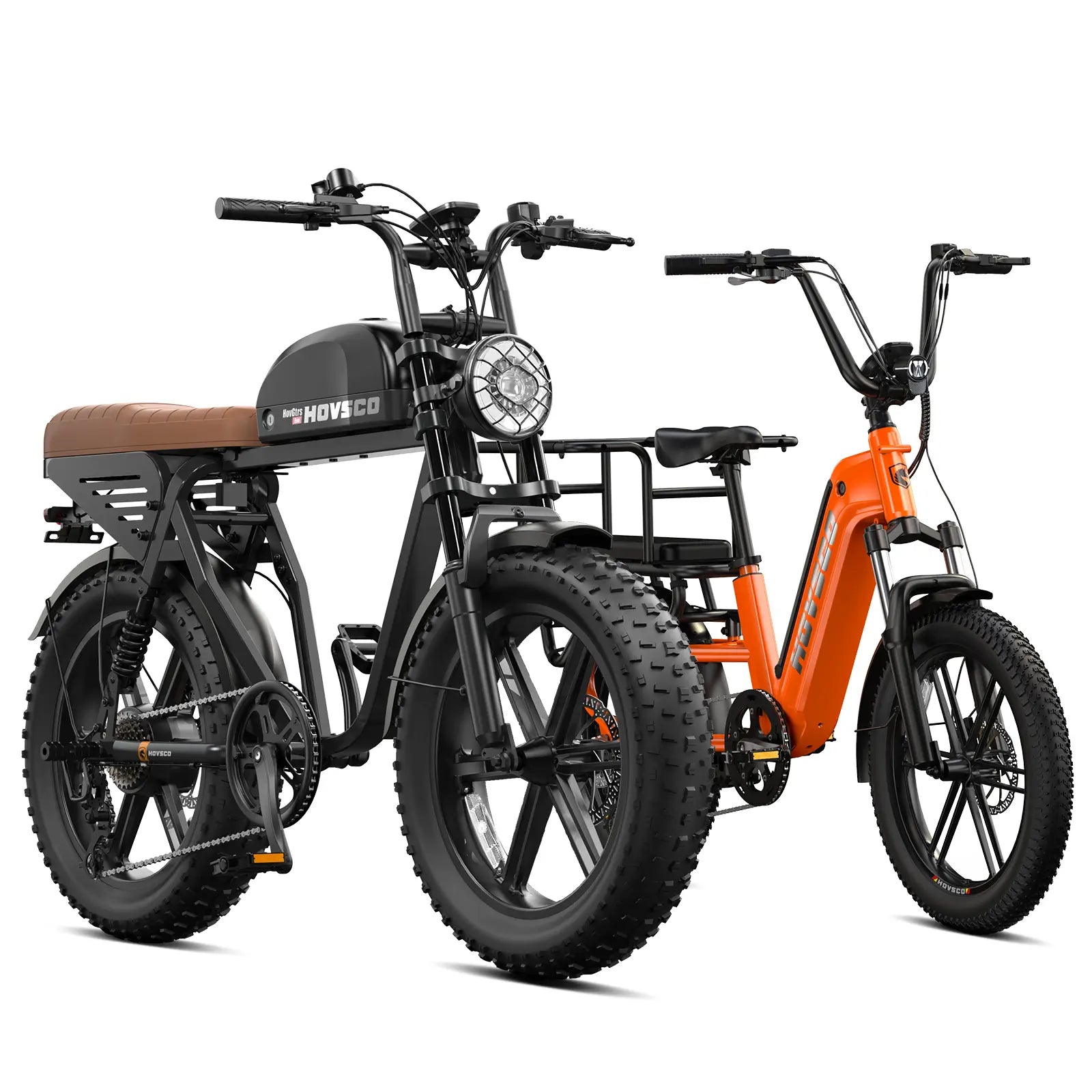
HOVSCO applies this logic to models like HovAlpha, specifying high-density Kevlar-reinforced layers tuned to e-bike loads. Instead of a thin strip, the belt is wide and integrated with the carcass, so it supports both impact dispersion and cut resistance over repeated abuse.
The multi-layer structure for puncture-resistant fat tires typically includes three key components: a thick tread, a Kevlar-reinforced protective belt, and a durable inner tube, often combined with a self-sealing fluid. Each layer plays a different role, and together they deliver far higher resistance than any single layer alone.
Here is a simplified “10× cutaway” perspective:
This blueprint means a thorn must defeat three defenses: cross the tread, pierce the Kevlar fibers, and then penetrate and unseal the tube. In real desert riding, that sequence rarely completes when the system is designed correctly.
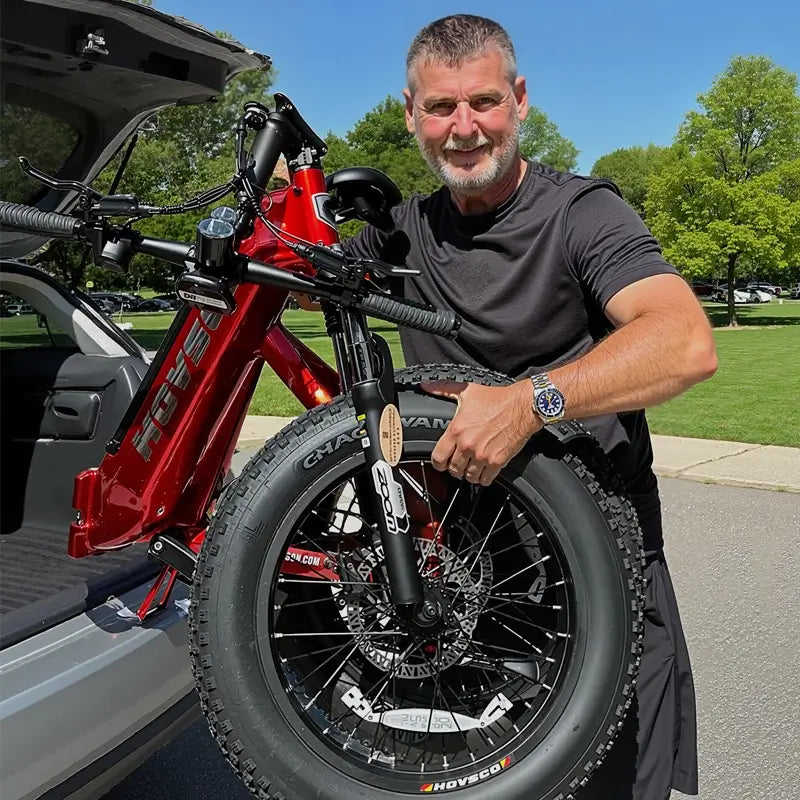
Heavy-duty fat tires outperform narrow tires because they offer more volume, thicker tread, and broader contact patches. Lower pressures spread the load across more area, reducing the force at the point of contact. Combined with reinforced casings, this makes puncture events less frequent and less catastrophic, especially on heavier e-bikes.
In my testing, a 4.0-inch fat tire with a Kevlar belt running at moderate pressure rolls over goathead fields with fewer penetrations than a 2.0-inch urban tire at higher pressure. The fat tire deforms around debris instead of driving it straight in. The high-volume construction also allows more space for the puncture-resistance blueprint—tread thickness plus reinforcement layers—without making the tire feel dead.
For desert riders, this is crucial. A HOVSCO fat-tire setup with Kevlar-reinforced casing and self-sealing inner tubes turns previously “no-go” zones into viable routes. Instead of tiptoeing around thorn patches, riders can roll more confidently.
An inner tube filled with self-sealing fluid—like the HOVSCO™ industrial-grade self-sealing inner tube fluid (20oz)—acts as the final line of defense in the puncture resistance blueprint. When a thorn or small rock fragment pierces the tire and tube, escaping air carries sealant to the hole, where particles clog the opening and bind with the rubber, rapidly slowing or stopping the leak.
From a technician’s standpoint, the Kevlar belt and sealant-rich tube form a complementary system. The belt reduces the number and size of penetrations; the sealant handles the few that remain. I’ve seen wheels with dozens of goatheads embedded in the tread that still hold pressure because each micro-leak was instantly plugged by sealant.
The 20oz capacity allows generous coverage in big-volume fat inner tubes. You don’t just get a thin film—you get a substantial reservoir of sealing material inside the tube. When combined with HOVSCO’s selected tube thickness, this approach dramatically reduces flats in rocky deserts and thorn-filled singletrack.
Puncture resistance is a system, but some components contribute more than others. For riders planning regular desert trips, focusing on the core blueprint delivers the biggest gains: reinforced tire casing, quality sealant, and correct pressure.
A practical prioritization looks like this:
If you nail the first three, puncture anxiety drops dramatically. That’s why HOVSCO packages fat tires, reinforcement layers, and industrial-grade sealant solutions together in their desert-ready setups.
Traditional puncture protection often relies on single solutions: thicker tubes, plastic liners, or basic tread thickness. While each helps, they lack the integrated design of a Kevlar-reinforced, multi-layer fat tire system. The modern blueprint treats the tire as a composite structure where each layer is tuned to work with the others.
Older plastic liners, for example, can slip or cut tubes under heavy loads. Extra-thick tubes resist puncture but add rotational weight and can still fail when debris punches through weak casings. By contrast, a purpose-built Kevlar belt bonded into a heavy-duty casing avoids hard edges and maintains structural integrity.
From my factory experience, the most reliable setups are those designed as systems from day one. HOVSCO doesn’t simply “add a liner”; instead, casing fabrics, Kevlar layers, and inner tube choices are specified together, tested over goathead and rock fields, and iterated until real-world failure rates drop to near-zero for normal use.
As a HOVSCO test engineer, I’ve watched riders go from carrying three spare tubes to carrying none once they switch to our fat tires with Kevlar-reinforced belts and industrial-grade self-sealing inner tubes. In one desert session, a wheel rolled through visible carpets of goatheads; post-ride inspection showed dozens of embedded thorns but only surface marks on the Kevlar layer and a fully inflated tube. That’s the puncture resistance blueprint doing its job.
Riders should maintain heavy-duty fat tires by regularly checking pressure, inspecting tread for embedded debris, and replenishing sealant. Running pressure too high increases point loading and penetration risk, while too low invites pinch flats. Removing deeply embedded objects prevents slow casing damage, and topping off sealant ensures the inner tube remains self-sealing over time.
In my workshop routine, I recommend a monthly desert check: pull out visible thorns, inspect sidewalls for cuts, and confirm pressure relative to load and terrain. Every six months—or sooner for heavy use—refresh sealant, especially in hot climates where fluids dry faster. For HOVSCO setups, following these simple steps keeps the Kevlar-reinforced layer and self-sealing tubes working at peak effectiveness.
E-bike riders should choose puncture-resistant fat tires for desert and rocky terrain because the higher weight and torque of e-bikes amplify the consequences of flats. A puncture miles from the trailhead with a 30kg bike is far more serious than on a light hardtail. Reinforced fat tires substantially cut flat frequency, protect rims from rock strikes, and maintain traction on loose surfaces.
From an engineering perspective, fat casings offer the structural volume needed to embed Kevlar belts and robust plies without creating a harsh ride. HOVSCO leverages this capacity on models like HovAlpha, pairing all-terrain fat tires with high-density puncture protection so riders can cross sand, gravel, and goathead zones with confidence.
If you ride deserts or rocky backcountry regularly, this blueprint isn’t a luxury; it’s an essential reliability upgrade that transforms how far and how aggressively you’re willing to explore.
Riders can build a puncture-resistance blueprint that truly defeats desert thorns by treating tires, tubes, and sealant as one integrated system. Start with heavy-duty fat tires featuring high-density Kevlar-reinforced layers and thick casings. Add industrial-grade self-sealing inner tubes or quality sealant like HOVSCO’s 20oz solution, then dial in terrain-appropriate pressures.
Next, adopt a maintenance routine: regular pressure checks, debris removal, and sealant refreshes. Combine this hardware and care with smart line choice—rolling smoothly over rock gardens instead of smashing square edges. With this approach, puncture anxiety gives way to confidence. Desert goatheads and sharp rocks become part of the scenery, not ride-ending threats, and your e-bike becomes a reliable partner for long, adventurous days in harsh terrain.
How do Kevlar-reinforced fat tires prevent flats in desert terrain?
Kevlar-reinforced fat tires place a dense protective belt under the tread that blunts thorns and sharp debris, preventing them from reaching the inner tube, even under heavy e-bike loads.
Which tire and tube setup is best for resisting goatheads?
A heavy-duty fat tire with a Kevlar-reinforced belt, thick casing, and an inner tube filled with self-sealing fluid—such as HOVSCO’s industrial-grade sealant—offers excellent resistance to goatheads.
Can self-sealing inner tube fluid really replace carrying spare tubes?
For typical small punctures from thorns and light rock cuts, quality self-sealing fluid can plug leaks fast enough that you stay rolling, greatly reducing the need for spare tubes on most rides.
Are heavy-duty fat tires slower or less efficient on hardpack?
They can be slightly slower than narrow tires, but correct pressure and modern tread design keep rolling resistance reasonable, and the added puncture security often outweighs minor speed trade-offs.
What HOVSCO features help reduce puncture anxiety for e-bike riders?
HOVSCO combines fat tires with high-density Kevlar-reinforced layers, robust casings, and industrial-grade self-sealing inner tube solutions, creating a multi-layer defense against desert thorns and sharp rocks.
Share:
Is HOVSCO HovAlpha or RadRover 6 Plus smoother off the line in 2026?
Why is an overbuilt bottom bracket essential for tall riders?