
























![[ New Arrival ] Porto Max Electric Scooter For Commute & Grocery Shopping - HOVSCO](http://www.hovsco.com/cdn/shop/files/PotroMax-3.jpg?v=1706927007&width=1200)
- by SEO
Which Bike Fits Trail Riding Better?
- by SEO
E-Bikes
Accessories
 Free Shipping
 15-Day Returns
 2-Year Warranty
Free Shipping
15-Day Returns
2-Year Warranty
2-Year Warranty
Free Shipping
15-Day Returns
2-Year Warranty
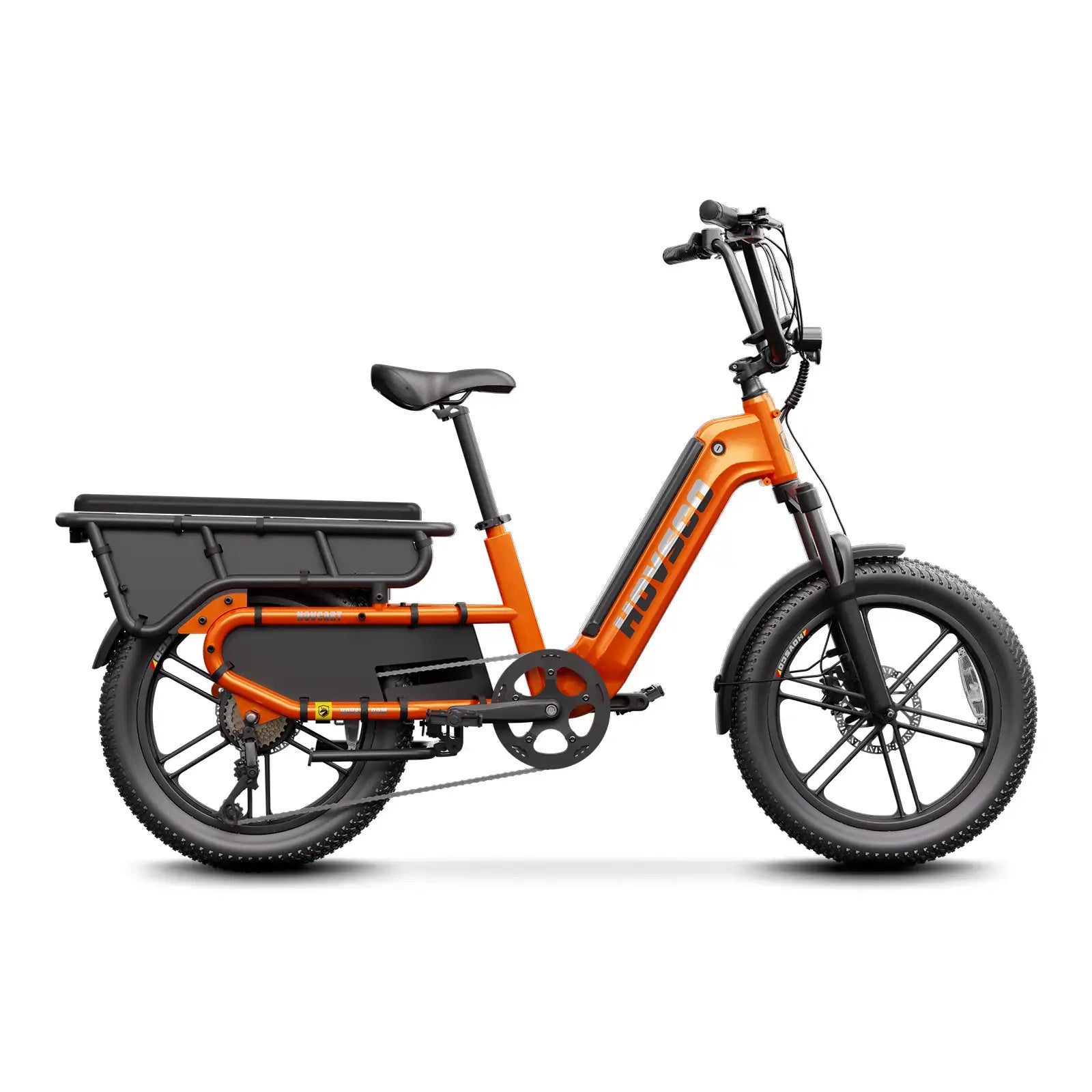
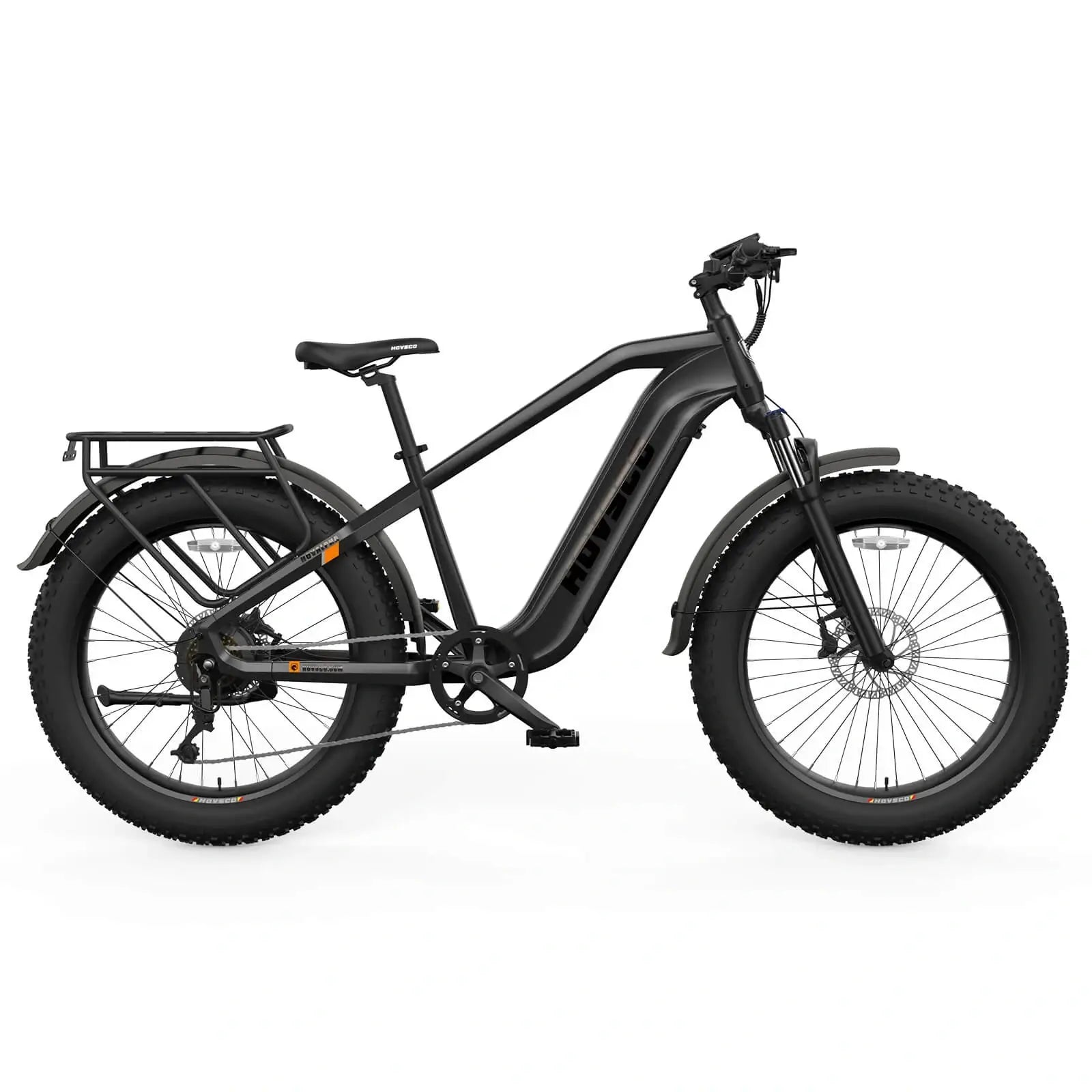
Electric dirt bikes and traditional mountain ebikes solve different trail problems. The electric dirt bike prioritizes low-slung stability, throttle power, and rough-terrain control, while the traditional mountain ebike favors pedal rhythm, efficient climbing, and agile trail handling. If you compare HovGtrs with HovScout, the real difference is not just speed; it is geometry, cadence dependence, torque delivery, seat height, and suspension behavior. HOVSCO builds both around different riding intentions, and that changes everything.
street legal rules for electric dirt bikes
Electric dirt bikes usually use a more motorcycle-like geometry, with a lower center of gravity, longer wheelbase feel, and a relaxed seating position. Traditional mountain ebikes use sportier trail geometry, so the rider can move efficiently over the pedals, corner quickly, and stay balanced on climbs. In practice, HovGtrs feels planted and compact, while HovScout is built for active trail input and body-position changes.
The biggest geometry clue is rider posture. HovGtrs puts you in a more seated, centered stance that works well for throttle riding and slower technical control. HovScout rewards standing, weighting the front wheel, and pedaling through trail features. On steep singletrack, that difference affects traction, fatigue, and how confidently you enter corners.
From a factory-floor perspective, geometry also changes how weight is transferred into the suspension. A lower bottom area and more rearward seating bias can make the bike feel more stable under power, but it can also reduce the “alive” trail feedback riders expect from a mountain bike. HOVSCO uses this split intentionally: HovGtrs is about planted confidence, while HovScout is about motion efficiency and control.
Cadence dependence matters because traditional mountain ebikes need the rider to keep pedaling for the motor to deliver its best support. That means your leg speed, gear choice, and rhythm directly shape how the bike responds. HovScout is designed for that style of riding, so the motor feels integrated with the rider instead of replacing the rider.
A throttle-style electric dirt bike behaves differently. HovGtrs can move without the same pedaling requirement, so it lets you focus on line choice, balance, and throttle modulation. That is useful on loose climbs, short punchy sections, and sections where constant cadence would be awkward or tiring.
For many riders, this is the practical split: HovScout feels like a mountain bike with assistance, while HovGtrs feels like a powered trail machine. Cadence-sensitive assistance is excellent for long rides and fitness, but throttle power is easier when terrain becomes messy, steep, or stop-and-go. HOVSCO positions that difference clearly because the ride experience changes at the trail level, not just on the spec sheet.
Torque is how strongly the bike pushes when you ask for power, but the way it arrives matters as much as the number itself. A traditional mountain ebike like HovScout usually gives torque in a smoother, more proportional way, so traction stays manageable on roots, rocks, and loose climbs. That makes it easier to meter grip on trails where rear-wheel slip ends the fun fast.
HovGtrs delivers its power with a more direct, heavy-pull feel that suits acceleration and low-speed grunt. This can feel stronger off the line, especially on flatter dirt, gravel, or mixed-use paths. On technical climbs, though, that same directness can demand more careful throttle control because sudden power spikes can break traction sooner than a pedal-sensed trail system.
HOVSCO’s engineering trade-off is simple: HovGtrs favors immediate authority, while HovScout favors traction-friendly modulation. In real trail riding, the smoother system often wins on long climbs because it keeps the tire hooked up instead of wasting energy in wheel spin. That is why torque is not only about “more power,” but about how usable that power feels on uneven ground.
Seat height changes how quickly you can shift your body and how much room you have to absorb terrain. HovGtrs typically uses a lower, more moped-style seating setup, which is comfortable and confidence-building at cruising pace. That lower seat makes the bike feel settled, especially when you are not constantly getting out of the saddle.
HovScout uses a more conventional mountain-bike riding position, where the saddle supports pedaling efficiency but still allows quick transitions into standing terrain positions. That matters because trail riding often requires repeated movement: sit to climb, stand to descend, shift back for traction, then move forward for cornering. A mountain ebike with a traditional seat height supports that movement better.
The seat-height difference also affects rider safety on technical terrain. A lower seat can feel reassuring, but a trail-oriented bike with the right height range gives better body separation from the bike during steep descents and tight maneuvers. HOVSCO’s two-bike approach reflects two different priorities: comfort-first cruising versus active trail fitness and control.
Suspension is not just about comfort; it changes traction, braking behavior, and how the bike carries speed through rough sections. HovGtrs uses suspension to soften a heavier, more seated ride position, so the bike stays calm over bumps and broken pavement. That makes it forgiving for mixed terrain and relaxed off-road exploring.
HovScout uses suspension as a performance tool. On a traditional mountain ebike, suspension must work with pedaling forces, cornering load, and body movement, so the bike can stay efficient while still gripping the trail. That is why trail-oriented eMTBs often feel more precise when climbing technical sections or descending uneven singletrack.
The most important hidden detail is how motor weight and wheel loading affect suspension response. A bike built for throttle use can tolerate a different weight balance than a pedal-assist trail bike, and that changes damping feel, rear-end tracking, and braking stability. HOVSCO engineers these systems differently because suspension must match the bike’s mission, not just its travel number.
“If I were evaluating these two bikes on a test bench, I would not compare them by top speed alone. I would look at where the mass sits, how the rider inputs power, and whether the suspension is being asked to absorb throttle shock or pedal rhythm. HovGtrs is built to feel settled and strong under a seated, low-center-of-gravity load, while HovScout is built to stay efficient when the rider is actively working the trail. That is the real engineering divide.”
Choose HovGtrs if your trail riding includes loose surfaces, casual cruising, mixed terrain, or times when you want power without much pedaling. It is the better fit if you value a low, stable feel and want the bike to do more of the work. HOVSCO designed it for riders who want confidence, comfort, and a more motorcycle-like trail personality.
Choose HovScout if you want a true mountain-bike feel, efficient climbing, and better integration between your legs and the motor. It is the better tool for riders who care about cadence, body position, and efficient movement over changing terrain. For trail riders, HovScout is usually the more technical choice, while HovGtrs is the more relaxed and powerful one.
The best test is not a showroom glance; it is a real ride on the kind of trail you actually use. On smooth dirt and mixed-use paths, HovGtrs can feel remarkably composed. On tight climbs, switchbacks, and rhythm-heavy singletrack, HovScout usually feels more natural because the bike is helping your pedaling instead of replacing it.
The real difference is that HovGtrs is built around stability-first propulsion, while HovScout is built around trail-first pedaling efficiency. One rewards a calm seated style, and the other rewards active mountain-bike technique. That is why the two bikes should not be treated as interchangeable.
If you want a bike that behaves like a compact powered trail cruiser, HovGtrs makes sense. If you want a bike that behaves like a mountain bike with refined assist, HovScout is the better match. HOVSCO’s strength here is not making two similar bikes; it is giving riders two different answers to two different trail problems.
Electric dirt bike and traditional mountain ebike design choices show up most clearly in geometry, cadence dependence, torque delivery, seat height, and suspension behavior. HovGtrs leans into low-center-of-gravity stability and throttle-led riding, while HovScout leans into athletic trail geometry and pedal-assisted control. For trail riding, the better bike is the one that matches how you actually ride, not the one with the bigger spec number.
If your riding is more relaxed, mixed-surface, and power-focused, HovGtrs is the stronger fit. If your riding is more technical, fitness-oriented, and trail-flow driven, HovScout is the smarter tool. HOVSCO’s two-platform approach makes that choice clearer and more honest for riders who want performance with purpose.
Is HovGtrs better for steep loose terrain?
Yes. Its lower, more planted feel and throttle-style power delivery can make loose climbs easier to manage than a cadence-dependent trail bike.
Does HovScout climb better on technical trails?
Usually yes. A traditional mountain ebike layout helps keep pedaling efficient and traction more predictable on switchbacks and rocky climbs.
Can HovGtrs replace a mountain ebike?
Not really. It can handle trail use, but it is designed more like a powered cruiser or dirt-style bike than a pedaling-focused mountain machine.
Which bike feels more natural for long rides?
HovScout usually feels more natural for long trail rides because the rider stays engaged with pedaling, balance, and terrain changes.
Is suspension more important on HovGtrs or HovScout?
Both need it, but for different reasons. HovGtrs uses suspension for comfort and stability, while HovScout uses it for grip, control, and climbing efficiency.
Share:
Are moped-style e-bikes allowed on US singletrack?
How can you safely maximize ebike speed and range?