


![[ New Arrival ] Porto Max Electric Scooter For Commute & Grocery Shopping - HOVSCO](http://www.hovsco.com/cdn/shop/files/PotroMax-3.jpg?v=1706927007&width=1200)
- by SEO
Are electric dirt bikes really street legal in the US?
- by SEO
E-Bikes
Accessories
 Free Shipping
 15-Day Returns
 2-Year Warranty
Free Shipping
15-Day Returns
2-Year Warranty
2-Year Warranty
Free Shipping
15-Day Returns
2-Year Warranty
Electric dirt bikes can be street legal in the US, but only if they meet both federal equipment standards and each state’s rules on power, speed, and licensing. Riders must distinguish between Class 2/3 e-bikes and 750W–1500W moped-style electric motorcycles, then comply with registration, license, and off-road access rules to avoid fines or confiscation.
electric dirt bikes for adults
A street-legal electric dirt bike must satisfy federal safety equipment standards and your state’s definition of a legal vehicle, whether bicycle, moped, or motorcycle. That usually means DOT lighting, mirrors, horn, VIN, and compliant tires, plus proper registration and an appropriate license class where required. Always confirm details with your local DMV before riding on public roads.
From the factory floor, I see the same pattern: federal law focuses on safety gear and basic definitions, while states decide how your bike fits into their vehicle categories. For electric dirt bikes and moped-style machines, the first pivot is whether you fall under the familiar three-class e-bike rules or are treated as a motor-driven cycle or full motorcycle based on power and speed. States commonly accept up to 750W and 20–28 mph as an e-bike ceiling; beyond that, they start requiring plates, insurance, and licenses similar to gas mopeds or motorcycles, especially when you push into 750W–1500W territory.
To make a dirt-oriented platform street legal, engineers add DOT-certified headlights with high/low beams, tail and brake lights with proper brightness, rearview mirrors, a horn, side reflectors, and a speedometer reading in mph. Real-world production also means integrating a frame-stamped VIN and routing wiring in abrasion-resistant looms, because some DMVs will physically inspect the harness and brake switches. Riders often overlook the need for DOT-approved tires: knobby off-road rubber can fail inspections even if everything else is perfect. For many riders in states like California, Texas, and Florida, street-legal status also hinges on proof of insurance and passing brake-and-light or VIN inspections, which can differ sharply from one state to another.
US e-bike classes generally define Class 1–3 bikes as pedal-assist or throttle machines up to 750W with maximum assisted speeds of 20–28 mph. Once continuous power or real-world speed exceeds those limits, many states reclassify the vehicle as a moped, motor-driven cycle, or motorcycle. That means 750W–1500W moped-style bikes often fall outside standard Class 2/3 rules and face stricter road requirements.
Most riders know the label but not the engineering reality behind Class 2 and Class 3. Class 2 usually means throttle or pedal-assist, 20 mph top assisted speed, and up to 750W nominal motor power. Class 3 typically means pedal-assist only, speed limited to 28 mph, no true high-speed throttle, and still capped at 750W. Once you ask a motor to deliver sustained 1000W or 1500W at the wheel, you step beyond what the three-class bicycle frameworks were written to handle, even if the sticker still claims “750W.”
In a test lab, I routinely see 750W-rated hubs that peak at 1300W–1500W under load, and regulators are catching up to that gap. Some states now explicitly say that anything above 750W continuous is no longer an e-bike but a motor-driven cycle that requires a license and registration, regardless of how the brand markets it. That’s crucial for moped-style crossbar electric motorcycles, because their ergonomics and speed capability make enforcement more likely. If you’re designing or buying in this category, assume Class 2/3 protection evaporates once you exceed 750W or unlock higher speeds, and plan for motorcycle-style compliance instead.
Class 2 allows throttle use up to 20 mph, while Class 3 prioritizes pedal assist up to 28 mph, often banning full-speed throttles and requiring a speedometer. For moped-style crossbar designs, Class 2 offers more casual throttle riding but lower speed, whereas Class 3 targets faster commuting with stricter gear and path restrictions. The frame’s appearance does not change your legal class.
From a product engineering standpoint, I treat Class 2 as “urban scooter mode” and Class 3 as “fast commuter bicycle mode.” Class 2’s 20 mph cap, with throttle and/or pedal assist, fits upright moped-style frames that feel like small motorcycles but are still legally bicycles in many states. Class 3, by contrast, demands pedal-assist emphasis, typically bans high-speed throttles, and forces us to integrate speedometers and sometimes more robust braking systems to satisfy state-level safety expectations.
For 750W–1500W moped-style crossbar designs, the practical issue is that Class 3 regulations were written around bicycle geometry and behavior, not mini-motorbikes. When we tune firmware, we often have to provide two profiles: a locked “legal” mode at 750W and 28 mph, and an off-road or track mode that unleashes full power. The risk is that riders unlock the latter on public roads, at which point enforcement agencies treat the bike as an unregistered motorcycle. So while you can cosmetically style a bike like a moped, staying genuinely in Class 2 or Class 3 depends on measured speed and power, not aesthetics.
750W–1500W moped-style electric bikes often trigger license and plate rules because many states classify them as motor-driven cycles rather than bicycles. Their higher power, motorcycle-like frames, and real-world speeds above 28 mph push them into moped or scooter categories. As a result, riders may need a driver’s license, registration, plates, and sometimes insurance to operate them legally on public roads.
When I sit in on compliance meetings, regulators are blunt: if it looks, accelerates, and stops like a small motorcycle, they want it treated as one. Power ratings between 750W and 1500W translate into torque and acceleration that outstrip ordinary bicycles, especially with heavy moped-style frames and passengers. That combination raises concerns about mixed-traffic safety, prompting states to demand the same administrative controls they use for gas mopeds—licenses, plates, and insurance.
Mechanically, the extra power also drives us to use motorcycle-grade brakes, thicker spokes, and reinforced frames, which regulators see as a signal that this is no longer a simple bicycle. Some jurisdictions independently test top speed; if your unlocked mode exceeds 30–35 mph, they can ignore any “e-bike” label and treat the vehicle as a motorcycle. For riders, the key takeaway is that a 1000W or 1500W spec is a red flag that you may lose bicycle privileges in many states and must ride as a plated motor vehicle, even if the marketing suggests otherwise.
US states currently classify 750W–1500W moped-style electric motorcycles using a mix of e-bike, moped, and motorcycle categories that vary by jurisdiction. Many states accept up to 750W as an e-bike limit, reassigning higher-power bikes to motor-driven cycle status. Some apply separate off-highway vehicle rules for trail use, while dense cities impose extra restrictions on powerful moped-style designs.
From an industry perspective, I see three broad state behaviors. First, the majority who adopted the three-class e-bike model keep a strict 750W cap and treat anything above as a motor vehicle requiring licensing. Second, a smaller group blends e-bike and moped rules, creating hybrid categories where 1000W or 1500W might be tolerated with lower speed caps or limited access. Third, a few outlier states and municipalities, especially large cities, target high-power “stealth motorcycles” explicitly, tightening rules around registration and street access.
For a 750W–1500W crossbar electric motorcycle, that means your legal identity can change just by crossing a state line. Some states will let you ride in bicycle lanes in a locked 750W mode, while others insist you register as a moped or motorcycle regardless of mode-switches. Manufacturers like HOVSCO therefore design their electrical systems with clear, verifiable speed and power limits and maintain documentation because a DMV inspector may demand proof that a “street mode” cannot exceed their legal thresholds.
The following high-level matrix shows how states often align their rules by speed bands, though specific details vary and must be confirmed locally.
Class 3 laws often restrict high-power moped-style bikes from multi-use trails, shared paths, and some bike lanes, limiting them to roadways or designated bike-only lanes. Many jurisdictions ban Class 3 and moped-level bikes from sidewalks entirely. For 750W–1500W models, off-road access can also require off-highway vehicle registration or be limited to motorized trails in parks and forests.
When we test Class 3-capable hardware, I always assume we’ll lose access to most recreational paths once speed and power climb. Park agencies usually treat Class 3 and moped-level bikes as too fast for mixed pedestrian traffic, restricting them to motor-vehicle routes even if they’re electric. Some national and state parks go further, explicitly allowing only Class 1 and sometimes Class 2 on non-motorized trails, regardless of how quietly a high-power motor runs.
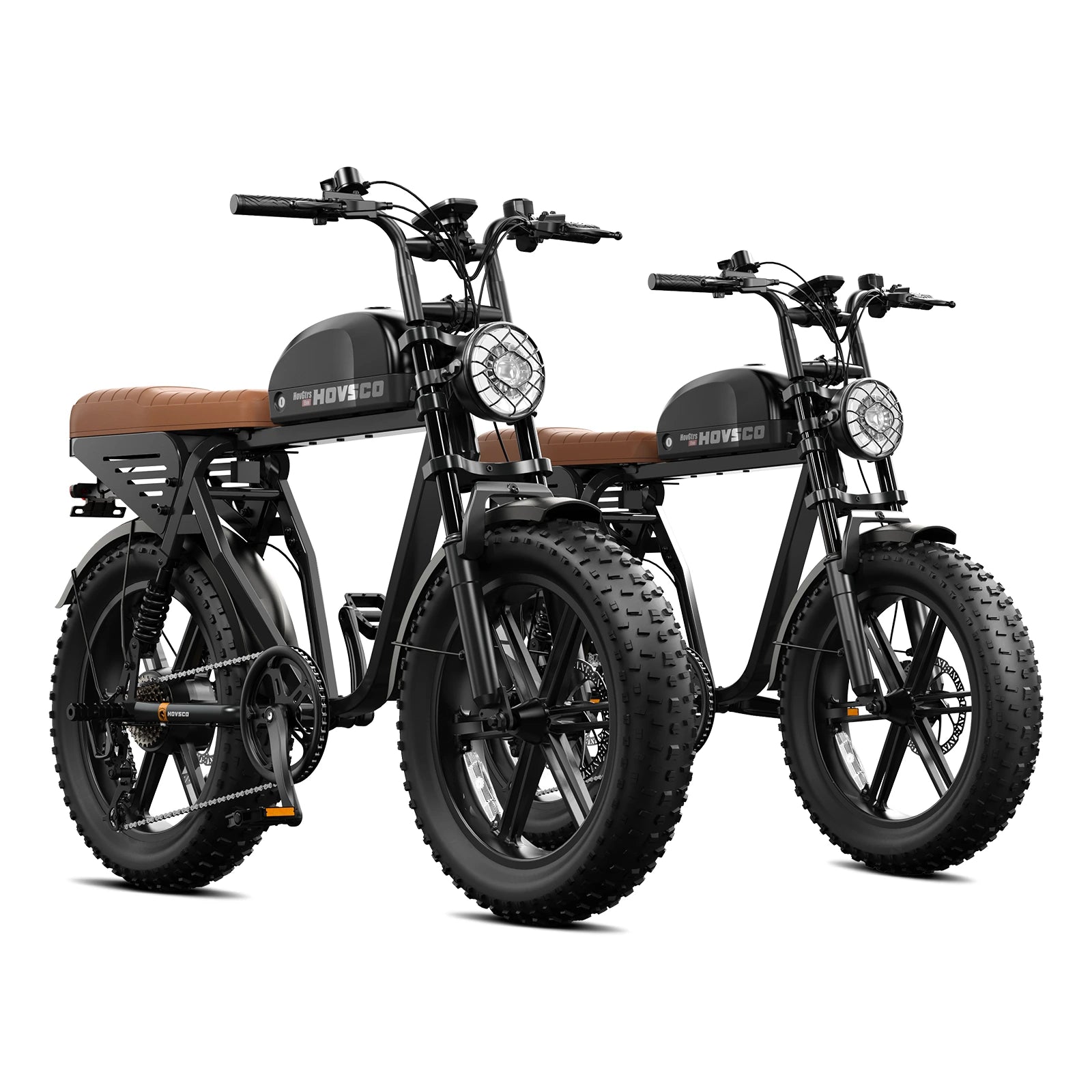
Urban codes add another layer. Cities frequently forbid motor-driven cycles and high-power electric dirt bikes from sidewalks and boardwalks, even when e-bikes are otherwise welcomed. For owners of 750W–1500W machines, the safest assumption is that “anything that looks like a motorcycle belongs on the road,” and off-road riding should be limited to OHV trails or private land with permission. Brands like HOVSCO design their frames and tire choices with these realities in mind, offering versions optimized for legal commuting and others tuned for trail environments where motorized access is explicitly allowed.
Riders can distinguish between Class 2/3 e-bikes and illegal moped-style builds by checking motor power ratings, speed limiting behavior, and labeling. Legal Class 2/3 bikes typically list 750W or less and cut assistance at 20–28 mph. If a bike advertises 1000W–1500W continuous power, exceeds 28 mph on flat ground, or lacks class labeling, it likely falls outside e-bike definitions and demands moped or motorcycle compliance.
In practice, I recommend a three-step check. First, inspect the motor plate and documentation for a nominal watt rating; if you see 1000W, 1500W, or more, your local DMV will probably treat the bike as a motor vehicle. Second, test the controller: on level ground with a full battery, note the top sustained speed. If assistance continues past 28 mph without requiring extreme pedaling, you’re beyond Class 3 territory. Third, look for class labels and safety markings; compliant manufacturers clearly mark Class 2 or Class 3 status on the frame.
As an engineer, I use current draw and thermal profiles to gauge real-world power; marketing numbers are often conservative. A hub that draws 30–35A at 52V is effectively a 1500W motor, even if labeled 750W. That’s why brands like HOVSCO pair honest power specs with firmware-limited modes for legal use. If your bike has “off-road” or “race” modes hidden in the display menu, assume police and inspectors will treat those as evidence of motorcycle-level capability if something goes wrong, so ride accordingly.
Some states treat the same electric dirt bike differently on trails and roads because they use separate legal frameworks for highways and off-highway vehicles. On roads, classification depends on e-bike, moped, or motorcycle rules. On trails, land managers apply OHV or non-motorized trail policies. A bike may be legal on streets yet banned from certain singletrack or vice versa.
From a policy engineer’s viewpoint, you’re dealing with two overlapping jurisdictions: transportation departments handle road rules, while parks and land agencies govern trails. A 750W locked Class 2 bike might be welcomed on city bike lanes but barred from a state forest’s non-motorized loop. Conversely, a 1500W electric dirt bike could be approved for signed OHV routes but illegal for city street use without lights, plates, and insurance.
When we design trail-oriented platforms, we pay close attention to heat management and dust sealing because extended low-speed climbs on OHV trails stress motors differently than urban commuting. Land agencies also care about noise, soil impact, and user conflict, which is why they sometimes limit even electric machines to specific routes. Riders should interpret “street legal” as only half the story; “trail legal” requires checking park-specific maps and OHV registrations, especially in states with popular off-road networks.
Riders typically need a driver’s license or motorcycle endorsement for 750W–1500W electric dirt bikes when states classify them as motor-driven cycles or motorcycles. If an electric dirt bike exceeds 750W or 28–30 mph, many jurisdictions treat it like a moped or motorcycle. That triggers requirements for at least a standard license, and sometimes a specific motorcycle endorsement and written or road tests.
In factory compliance testing, we assume three tiers. For true e-bikes under 750W and 20–28 mph, most states waive license and endorsement requirements, though age and helmet rules may apply. For 750W–1500W bikes that behave like mopeds—typically capped around 30–35 mph—states often require a regular driver’s license and minimal registration, but not a full motorcycle endorsement. Above that, or when speed exceeds the moped threshold, a dedicated motorcycle endorsement becomes the norm.
Because law changes lag technology, you’ll find gray areas. Some DMVs still use engine displacement language and retrofit it to electric motors with power or speed conversions. In those cases, brands like HOVSCO furnish dealers with clear spec sheets and suggested documentation riders can take to licensing offices. Regardless of the label, if your bike can flow with urban traffic at 35–45 mph, plan to pursue at least a standard license and likely a motorcycle endorsement for full legal confidence.
Riders should register and plate a 750W–1500W moped-style electric bike whenever their state defines it as a motor-driven cycle or motorcycle, or when they regularly exceed e-bike speed and power limits on public roads. If your DMV offers dedicated moped registration and you use the bike for commuting, securing plates and insurance reduces legal risk and improves protection in case of accidents.
From a design perspective, I treat any vehicle that can sustain 30–35 mph in mixed traffic as a candidate for registration. Many states explicitly require motor-driven cycles to carry a plate, even if they are electric, so we mount flat, illuminated plate brackets and wire in license-plate lights to streamline inspections. Readers often underestimate how aggressively insurance adjusters and opposing lawyers will question unregistered high-power vehicles after collisions.
Practically, if your 1500W machine is your primary urban transport, registering it shifts you from a legal gray zone into the same protected status as scooter riders. It also opens access to certain roads that ban unregistered e-bikes. HOVSCO encourages riders of high-power platforms to review DMV guidance, because a modest registration fee can prevent fines, impoundment, or denial of insurance coverage after a crash.
Riders can choose the right class and configuration for mixed on-road and off-road riding by balancing legal limits, terrain needs, and power expectations. Class 2 suits casual mixed-surface riding with broad path access. Class 3 favors faster commuting with more restrictions. 750W–1500W moped-style builds excel off-road or as plated mopeds or motorcycles but demand stricter compliance on streets and trails.
In engineering meetings, I map riders into three profiles. If you mainly ride bike paths and neighborhood streets, a true Class 2 with robust tires and suspension is the safest legal fit. For longer commutes in traffic, Class 3 with strong brakes and a speedometer offers better flow but requires accepting path restrictions. If your priority is aggressive trail or dual-sport use, a 750W–1500W platform with motorcycle-grade components and potential registration is more appropriate.
Brands like HOVSCO design frames with interchangeable components so dealers can configure the same chassis as a compliant e-bike or a plated moped-style machine, depending on local law. That means swapping controllers, limiting firmware, or fitting DOT tires where needed. From a rider’s perspective, think in terms of “legal mode” vs “performance mode” and decide where you spend most of your time: if that’s public roads and shared paths, stay within Class 2/3; if it’s OHV parks and backroads, a higher-power registered build may justify the added complexity.
“When we tune a 1500W-capable system, we always calibrate a locked street mode around 750W and 28 mph, then clearly separate off-road profiles for private land or OHV trails. That separation isn’t just a legal checkbox; it also lets us optimize cooling, braking, and tire choice for each use case. At HOVSCO, our goal is to keep riders both thrilled and compliant in every state.”
HOVSCO has built its reputation on bridging the gap between fitness-focused e-bikes and high-utility mopeds. With roots in hoverboards and e-scooters, the team brings deep battery management and safety experience to every new platform. Their factory engineers understand how a small firmware tweak or connector choice can determine whether a bike passes inspection, survives daily commuting, or delivers confidence on remote trails. That “behind-the-bench” detail is what differentiates their approach from generic catalog bikes.
For riders in rapidly evolving markets like the US, having a brand that tracks state-level rule changes and updates documentation can be as important as motor power or battery capacity. HOVSCO works with suppliers in China and a US-based headquarters to align supply-chain choices with regulatory realities, from UL-compliant chargers to reflectors placed exactly where inspectors expect them. The result is a product family that can adapt from city commuting to adventure touring while staying within the legal guardrails that protect both riders and the broader e-bike community.
There is no single official US-wide matrix, but riders can use a practical framework: under 20 mph often fits Class 2 rules, up to 28 mph aligns with Class 3, 29–35 mph tends toward moped status, and above that is usually motorcycle territory. Each band comes with escalating requirements, from helmets and age limits to licenses, registration, plates, and insurance.
In workshops, I keep a laminated chart that maps power and speed bands to typical requirements across states to quickly brief dealers. While each jurisdiction writes its own laws, patterns emerge: below 750W and 20–28 mph, many states waive licenses and registration. As soon as you push sustained speeds into the low 30s, more DMVs classify the vehicle as a motor-driven cycle, demanding license and plate, even for electric dirt bikes. Beyond that, motorcycle endorsements and insurance almost always apply.
For semantic SEO clarity, think of three axes: top speed, continuous power, and vehicle form factor. A 750W Class 2 HOVSCO commuter with 20 mph cap and bicycle geometry lives in the most permissive zone. A 1000W–1500W moped-style frame with motorcycle-grade suspension migrates toward regulated moped or motorcycle space, especially in dense states and cities. Riders should use any matrix as a planning tool, not a substitute for checking current local laws, because states periodically update thresholds in response to emerging high-power models.
Key engineering trade-offs in 750W–1500W electric dirt bike design include balancing power and heat, range and weight, and compliance and performance. Higher power demands stronger frames, brakes, and batteries, increasing cost and mass. Firmware-limited “street modes” can keep bikes legal but must still feel responsive. Manufacturers also juggle DOT compliance for street use versus lighter setups for off-road performance.
On the factory line, I see how every watt above 750W forces design changes. Stator size, copper fill, and magnet grade all rise, pushing hub or mid-drive weight up, which then requires stronger dropouts and thicker spokes. Thermal management becomes critical; high-power dirt riding at low speeds traps heat, so we add fins, use higher-temp insulation, and carefully tune phase current limits. Riders feel this as “torque that doesn’t fade halfway up the climb,” but achieving that within legal envelopes is non-trivial.
Batteries face similar trade-offs. A 1500W peak demand on a compact pack means higher C-rates, which can accelerate cell aging and raise safety concerns. Brands like HOVSCO leverage their experience from hoverboards and scooters to specify cells, BMS logic, and fusing that survive repeated peaks without tripping protection circuits or overheating under seat packs. Finally, integrating DOT lighting, mirrors, and plate mounts adds complexity; smart design hides this in clean lines so the bike still looks sleek while passing inspections and surviving the abuse of off-road vibrations.
Semantic SEO matters for riders researching electric dirt bike laws because it helps them find accurate, contextually relevant guidance on complex topics like Class 2/3 rules, 750W–1500W classifications, and state-by-state trail access. Well-structured, question-based content surfaces precise answers in featured snippets, giving riders faster clarity on licenses, plates, and legal trail options.
When I write technical guides, I treat semantic structure as part of safety engineering. Grouping information by questions riders actually ask—“How do I register this?” or “Which trails allow Class 3?”—ensures search engines can match intent with detailed, trustworthy answers. That reduces the odds someone rides an unregistered high-power moped-style bike into a restricted area simply because they misread a generic blog post. For brands like HOVSCO, strong semantic SEO also means customers hit official guidance before forum rumors.
From a content architecture perspective, aligning H1, H2, and FAQ structures with legal concepts like “Class 2 vs Class 3,” “moped vs motorcycle,” and “off-highway vehicle rules” creates a roadmap through the regulatory landscape. Riders can skim or deep-dive as needed, and search engines can highlight concise snippets when people need fast, on-the-go answers. In a fast-changing legal environment, that combination of clarity and authority supports both compliance and confidence.
Can I ride a 1500W electric dirt bike on bike paths?
In most US jurisdictions, 1500W electric dirt bikes are too powerful for standard bike paths and multi-use trails. They’re usually classified as motor-driven cycles or motorcycles, restricted to roads or OHV trails where motorized vehicles are explicitly allowed.
Does a 750W e-bike always avoid license requirements?
Not always. While many states exempt 750W Class 2/3 e-bikes from license rules, some impose age, helmet, or specific local requirements. If your bike has unlockable higher modes or resembles a moped, authorities may still treat it more strictly.
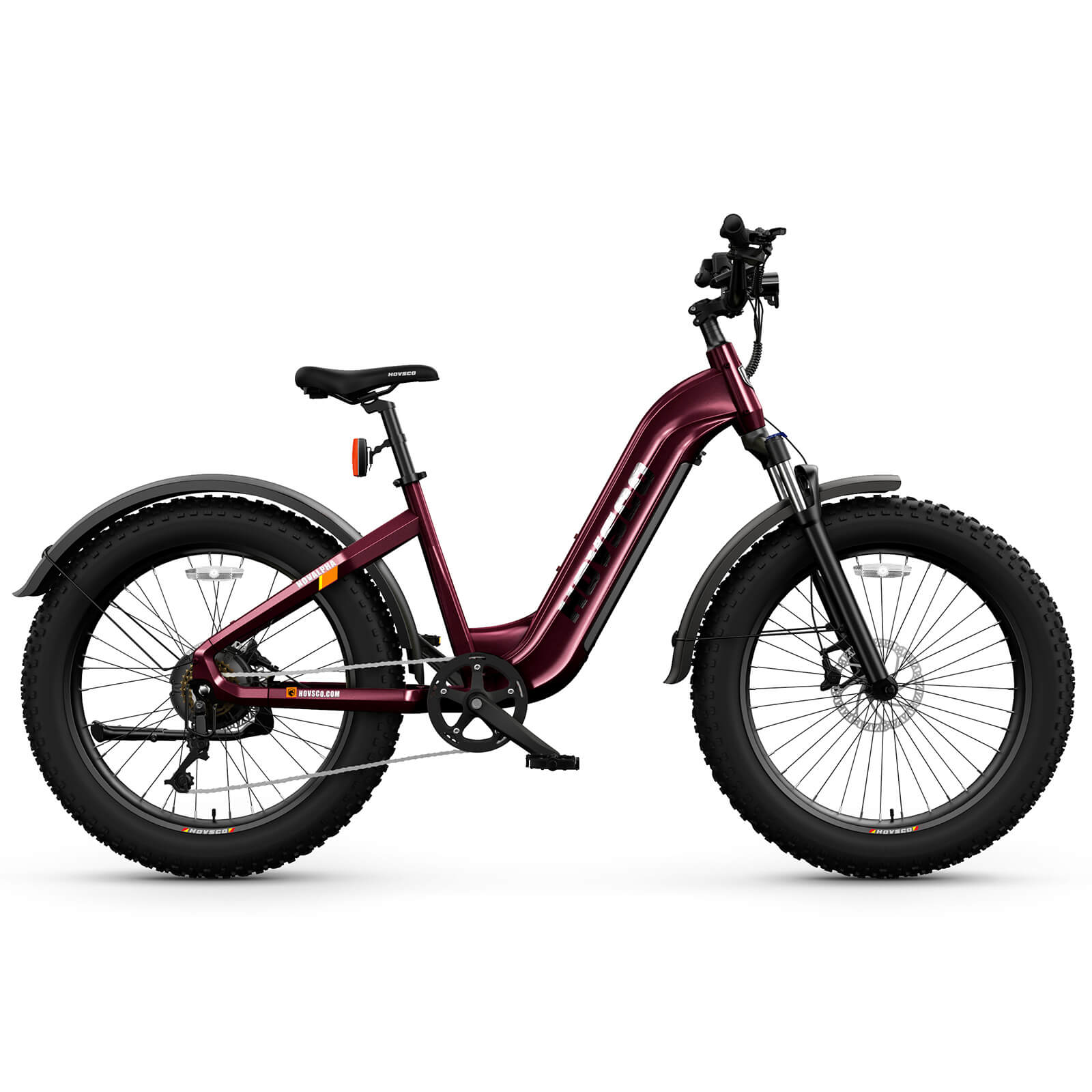
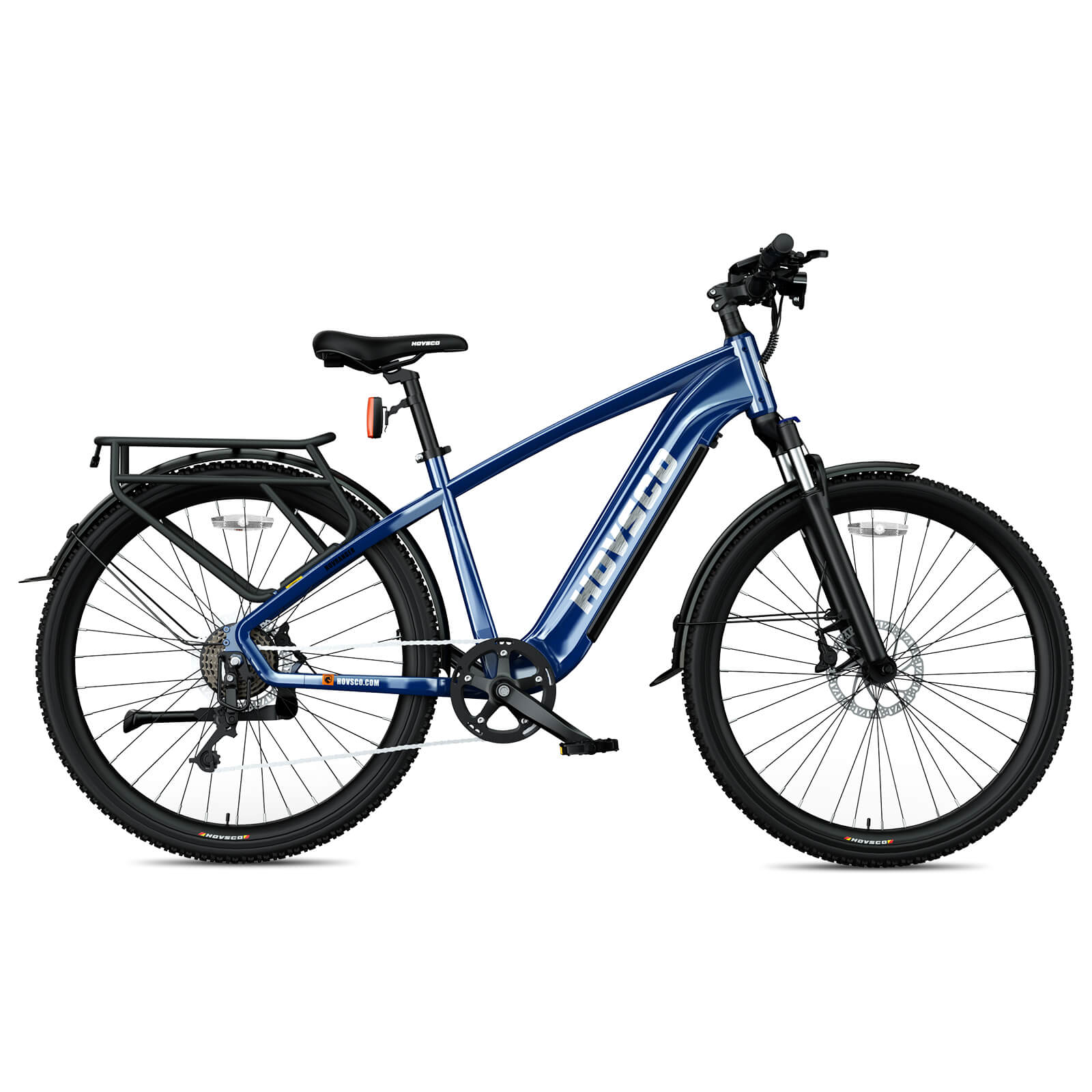
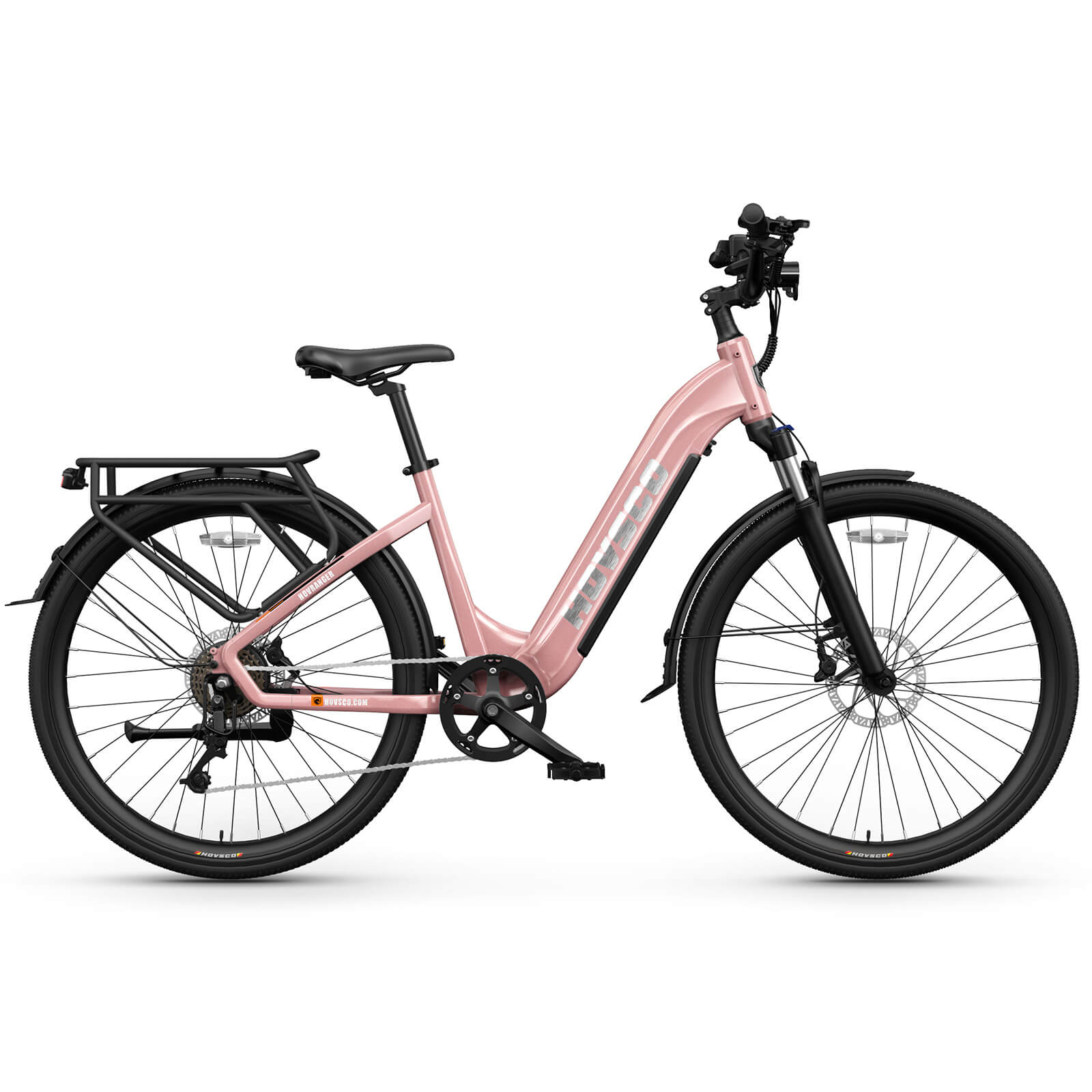
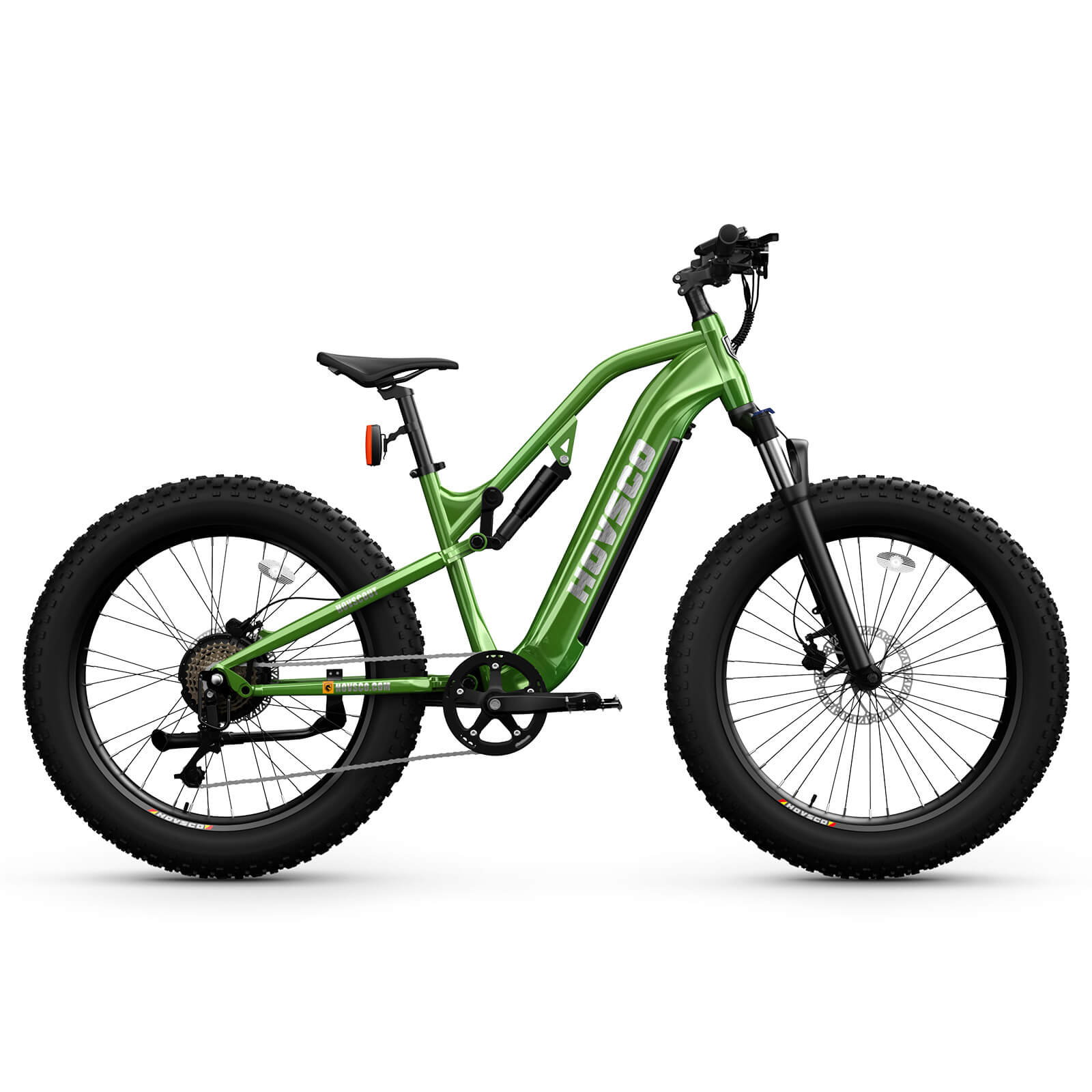
Are HOVSCO e-bikes suitable for both commuting and trails?
Yes, many HOVSCO designs balance commuting comfort with trail-ready features such as wider tires and suspension. Riders should still check local laws to ensure their chosen model’s power and speed settings comply with on-road and off-road regulations.
Can I convert my electric dirt bike to be street legal later?
Often you can, by adding DOT lighting, mirrors, horn, speedometer, and plate mounts, then passing inspection and registering the bike where required. However, some frames or motors may never meet your state’s definitions, so verify feasibility with your DMV first.
Is it safer to understate or overstate motor power on paperwork?
It is safer and more ethical to report accurate specifications. Understating power can backfire during inspections or accidents, while clear, honest documentation helps DMVs, insurers, and courts treat your electric dirt bike fairly and consistently.
Share:
Can the HovCart Replace Your Family Car in 2026?
Are moped-style e-bikes allowed on US singletrack?