


![[ New Arrival ] Porto Max Electric Scooter For Commute & Grocery Shopping - HOVSCO](http://www.hovsco.com/cdn/shop/files/PotroMax-3.jpg?v=1706927007&width=1200)
- by SteveJames
How Should You Set Tire Pressure for Sand, Mud, and Rocky Trails?
- by SteveJames
E-Bikes
Accessories
 Free Shipping
 15-Day Returns
 2-Year Warranty
Free Shipping
15-Day Returns
2-Year Warranty
2-Year Warranty
Free Shipping
15-Day Returns
2-Year Warranty
For 4.0-inch fat tires on ebikes, start with terrain-specific PSI: around 12 PSI for sand and snow to maximize float, roughly 18 PSI for rocky and loose trails to balance grip and protection, and close to 30 PSI for urban paved roads to reduce drag and sidewall squirm. Then fine-tune for rider weight, load, and rim strength.
off-road electric motorcycle maintenance tips
The ideal PSI range for 4.0 fat tires spans roughly 12 to 30 PSI depending on terrain and load. On soft sand or snow, drop near 12 PSI. On rocky trails, move around 18 PSI. On urban pavement, raise to about 30 PSI. These anchors give a safe starting grid that you then adjust for body weight, cargo, and riding style.
In real HOVSCO testing, we treat those three points like a tire-pressure compass. At 12 PSI, the footprint enlarges and the casing flexes enough to float rather than dig. Around 18 PSI, sidewalls stay supportive on uneven rock while still conforming to surfaces. Near 30 PSI, the tire behaves more like a fast rolling road setup without feeling excessively harsh on an ebike chassis.
As an ebike specialist, I think of these ranges in terms of contact patch physics. Lower PSI means a longer and wider footprint, spreading load and increasing mechanical keying into loose terrain. Higher PSI means a smaller footprint, reducing rolling resistance but demanding smoother surfaces to avoid impact damage. HOVSCO’s fat-tire platforms are designed with this envelope in mind.
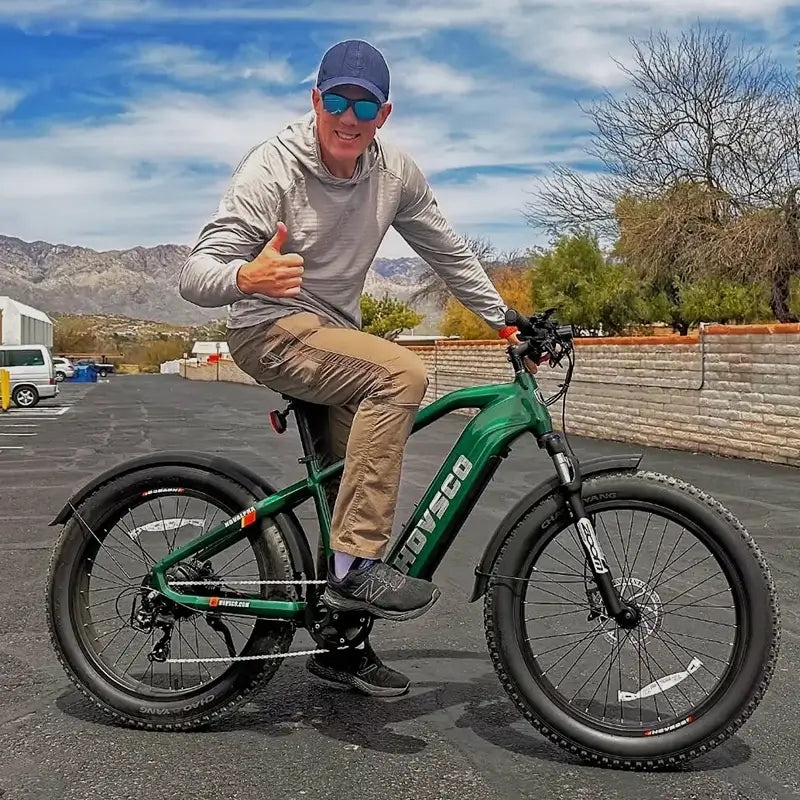
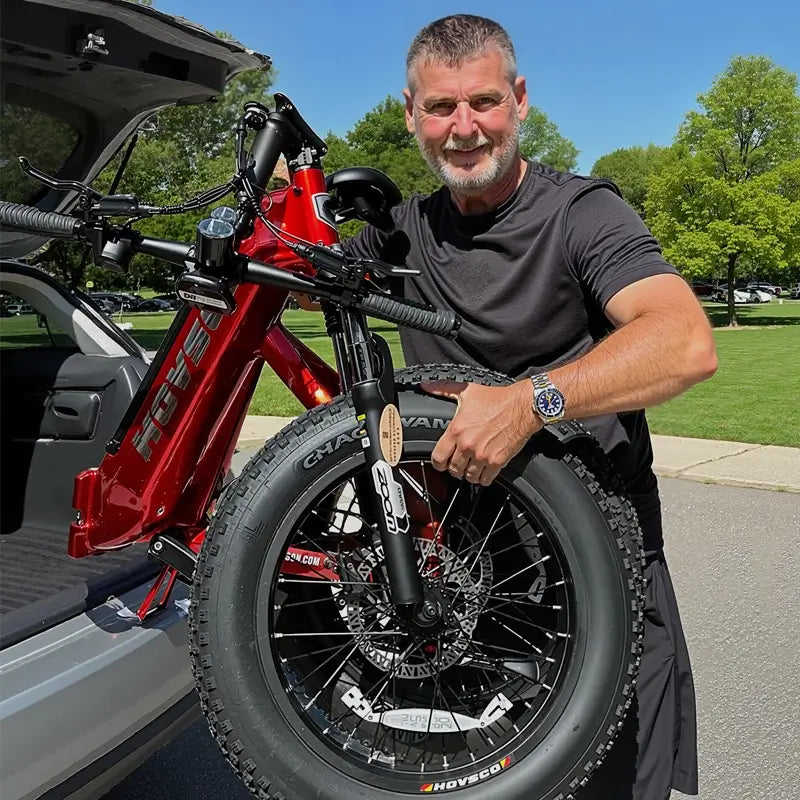
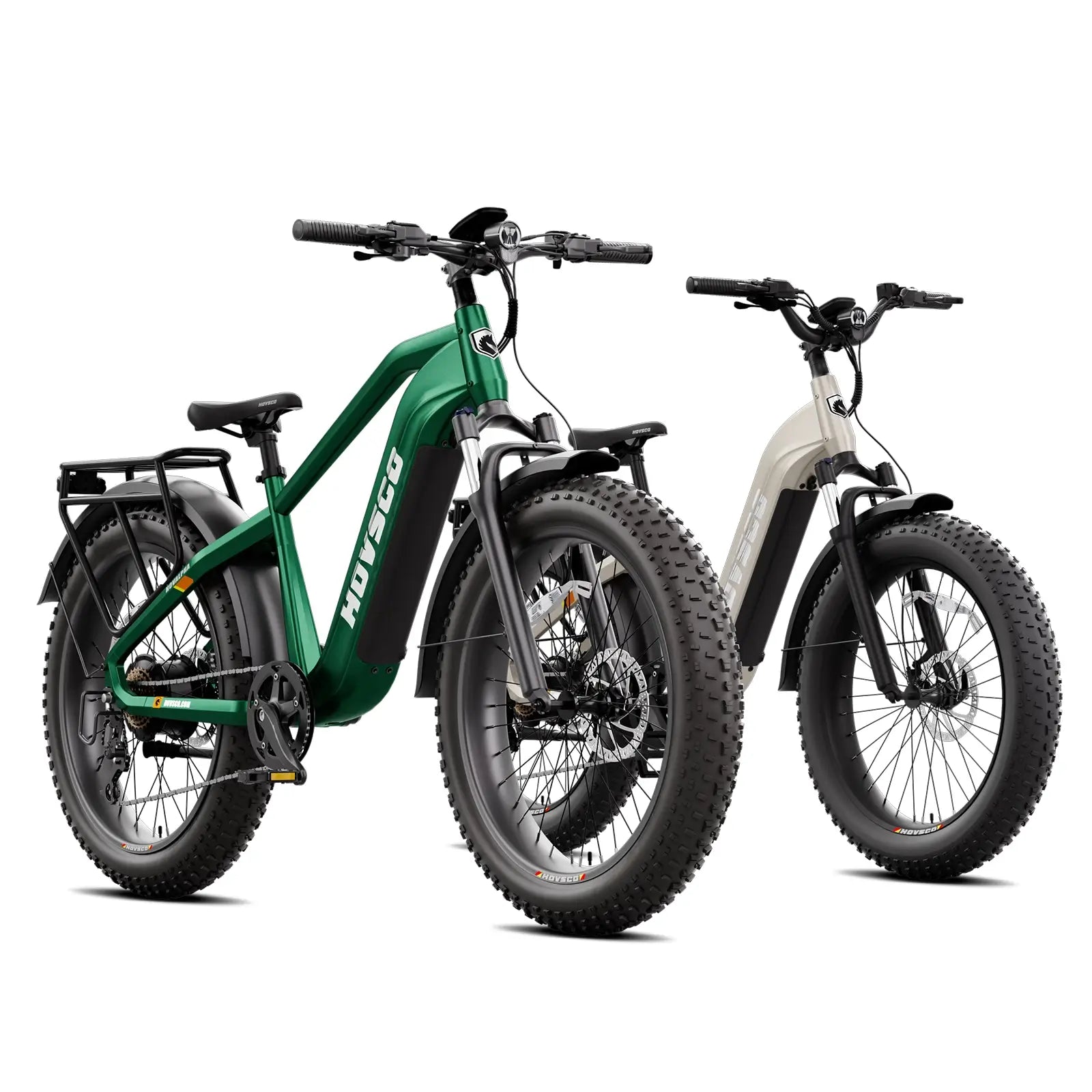
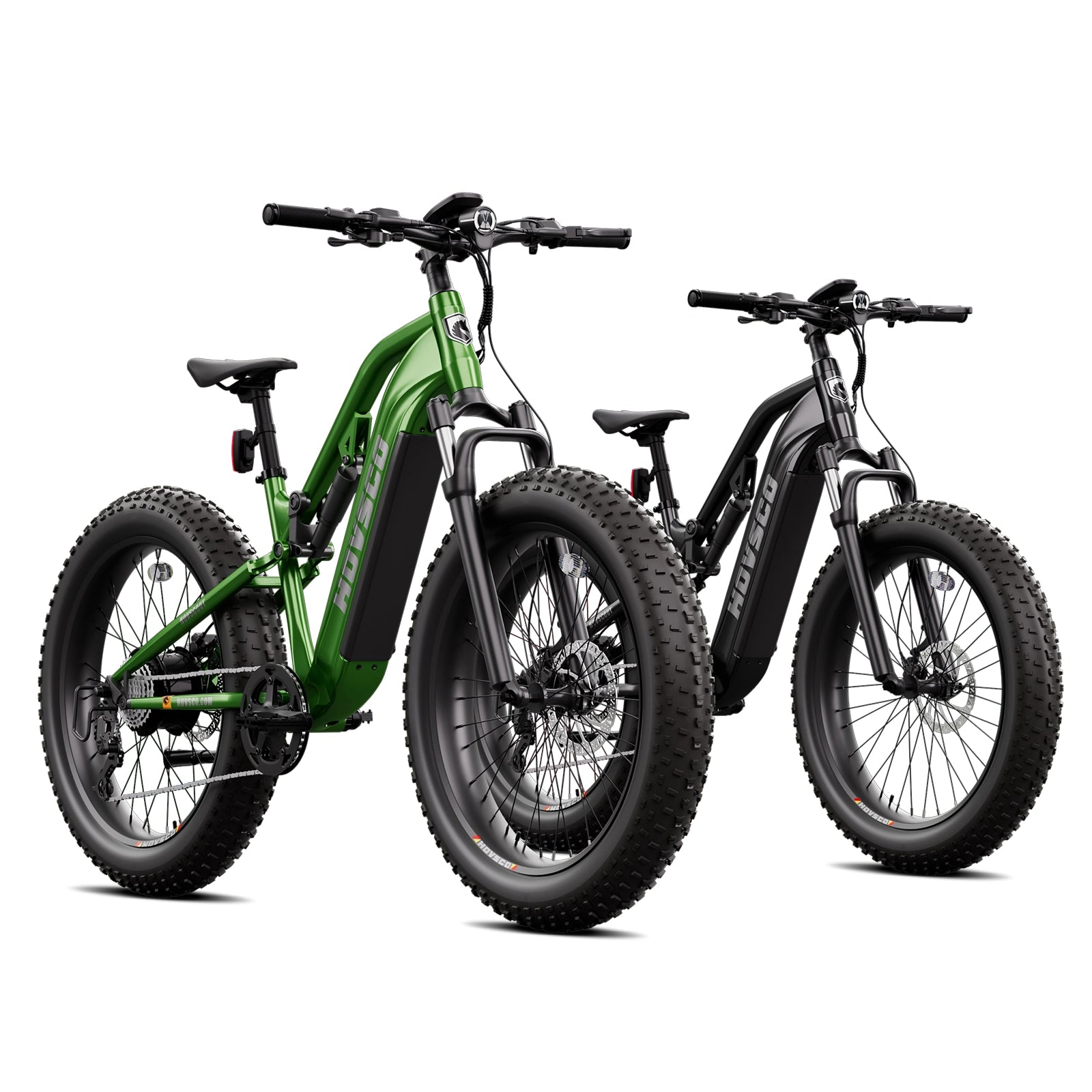
For sand and snow, tire pressure directly controls float. Around 12 PSI on a 4.0 fat tire, the carcass spreads, contact patch lengthens, and the tire rides on top of the surface more than digging in. That reduces trenching and keeps your HOVSCO ebike moving forward instead of bogging down with each pedal stroke.
From the factory floor perspective, I see riders over-inflate for fear of pinch flats, then complain that the bike “plows” and stalls in soft terrain. Dropping to 12 PSI is transformative: the tire “balloons” slightly, edges soften, and steering becomes more forgiving. On HOVSCO’s test beaches and snowy tracks, we rarely exceed 15 PSI unless the snow is firm and packed.
The trade-off is sidewall flex and heat. At very low PSI, you must keep speeds modest and avoid sharp rim impacts. That is why 12 PSI is a practical bottom for most standard rims on fat-tire ebikes rather than a challenge to go lower. Treat 12 PSI as your deep-soft benchmark, then only deviate if rim design and bead security allow it.
Twelve PSI is the sweet spot because it maximizes footprint without risking common failures for most riders and rims. On a 4.0 tire, the casing at 12 PSI still supports ebike weight and rider load but deforms enough to float over soft granules and powder.
In HOVSCO’s internal diagrams, the contact patch at 12 PSI is roughly 20–30% longer than at 30 PSI, depending on load. That extra length spreads force across more surface area, lowering ground pressure and allowing the tire to “surf” over sand rather than slice through it. Go much lower without beadlock rims, and you risk burping or unseating the tire on hard hits.
I also rely on rider feedback from snow and sand events. Users repeatedly report that the difference between 16 PSI and 12 PSI feels bigger than the numbers suggest: at 12 PSI, climbs become possible, tracks look shallower, and the bike feels far less nervous. That experiential threshold is why HOVSCO engineers reference 12 PSI in tuning guides for soft terrain.
For mud and soft forest trails, aim between 15 and 18 PSI on a 4.0 fat tire. At this range, the tire can deform enough to find mechanical grip in ruts and roots while retaining enough sidewall support to avoid squirm under ebike torque. It is a balance between traction and tire integrity.
Mud calls for a different footprint than sand. You want the tire to sink slightly into the top layer, bite, and then clear, rather than skim over the surface. At around 15–18 PSI, the knobs engage and the casing flexes, but the rim remains reasonably protected from hidden rocks or sharp roots.
In the workshop, I talk riders through the trade-off this way: if you drop much below 15 PSI in mud on standard rims, you risk the tire feeling too vague in high-speed turns and climbing out of deep ruts. If you run above 20 PSI, you may get harshness and unpredictable sliding as the tire fails to deform into the terrain. For HOVSCO fat-tire ebikes, our practical mud window clusters around that 15–18 PSI zone.
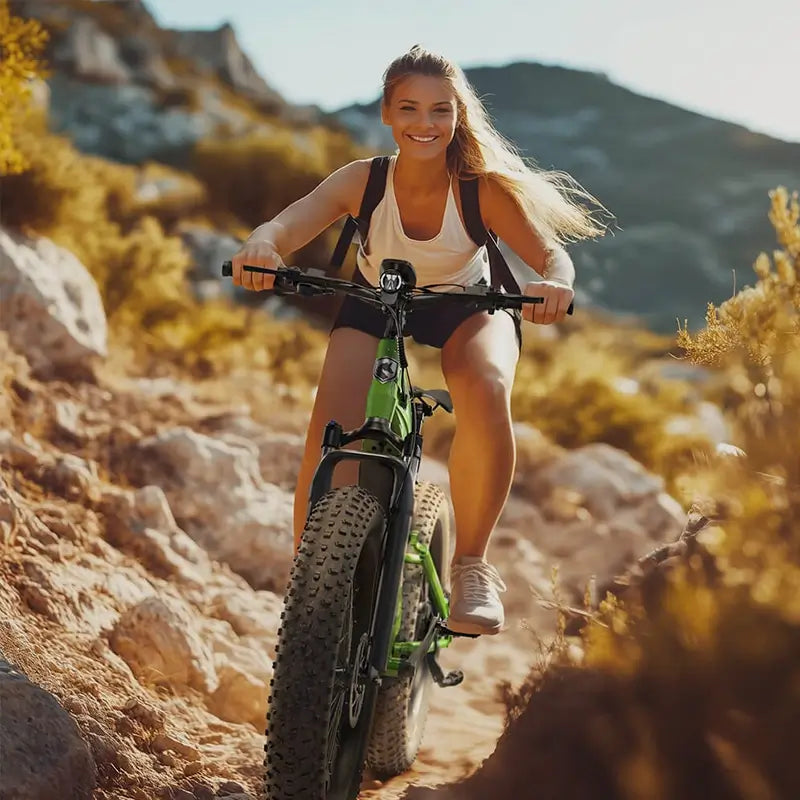
Eighteen PSI shines on rocky and technical trails because it lets the tire conform to irregular surfaces without sacrificing structural support. The casing at 18 PSI still bulges enough to wrap over edges, improving grip and puncture resistance, while maintaining shape under ebike weight and higher speeds.
Rocks punish tires through concentrated impacts. At full-pressure road settings—around 30 PSI—the tire rebounds sharply off obstacles and transmits more shock into rims and spokes. At about 18 PSI, impacts are spread over more rubber and time. The tire can “smear” slightly onto rock faces instead of bouncing, which is exactly what we see when we test HOVSCO bikes on local rocky singletrack.
Also, at 18 PSI the sidewall flex pattern is more controlled. It is soft enough to absorb chatter but stiff enough to prevent the bike feeling disconnected or vague. That matters for ebikes, where motor assistance can mask early warning signs of loss of grip. A tire that speaks clearly through the bars at 18 PSI is a safety feature, not just a comfort upgrade.
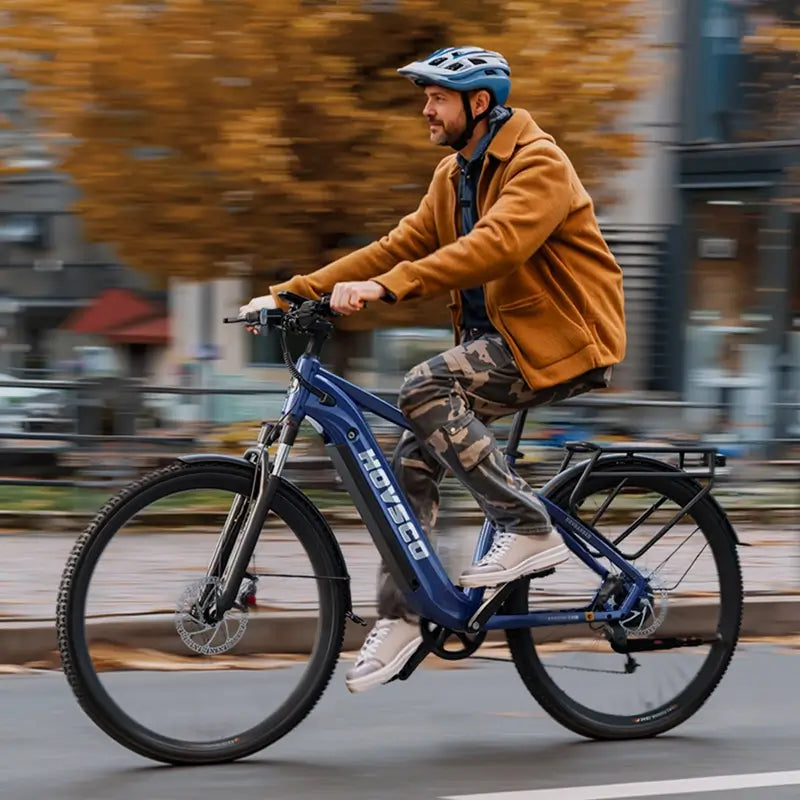
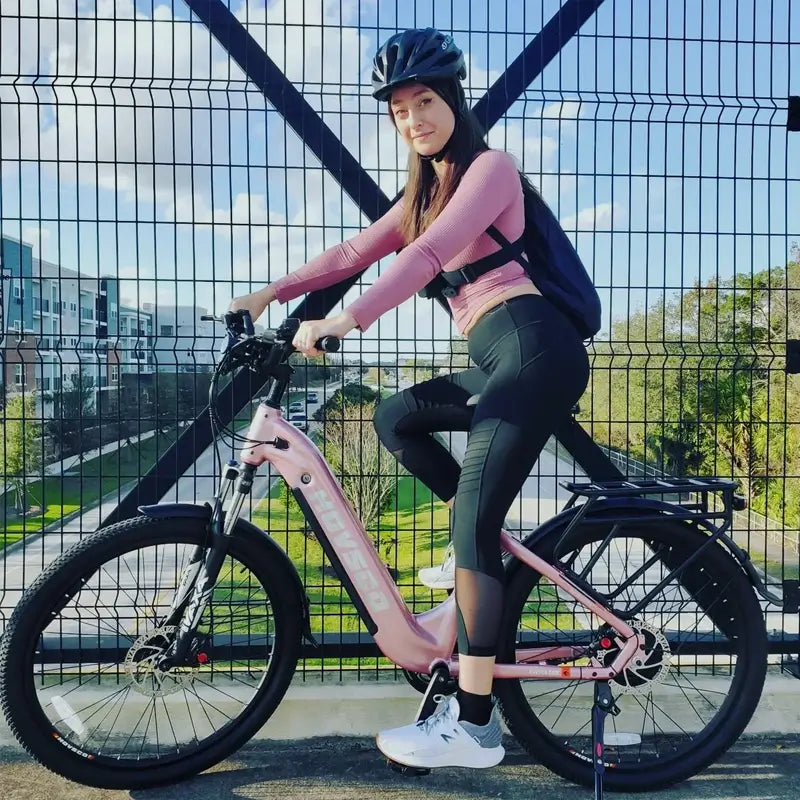
At around 30 PSI, 4.0 fat tires behave more like efficient touring tires on urban pavement. Higher pressure reduces carcass deformation, shrinking the contact patch and cutting rolling resistance. On HOVSCO’s urban ebikes, 30 PSI is our typical starting point for city-focused setups.
Rolling resistance on pavement is largely about hysteresis—the energy lost as the tire continually flexes. At 30 PSI, each wheel rotation demands less casing flex, so more motor and human power translates directly into forward movement. That improves range, speed stability, and steering precision.
However, fat tires at 30 PSI still bring some compliance thanks to their volume. They do not feel as rigid as narrow road tires at 80 PSI. In practice, this means you can use 30 PSI as your “daily commute” setting, then drop as needed when your HOVSCO ebike leaves pavement behind. The ability to swing between 12 and 30 PSI is the core advantage of 4.0 tire technology in all-terrain use.
Rider weight, cargo load, and rim design are critical in PSI decisions because they change how the tire deforms and where stress concentrates. A 60 kg rider on a lightly loaded HOVSCO ebike can safely use slightly lower PSI than a 100 kg rider carrying gear, even on the same terrain.
Heavier loads increase ground pressure for any given PSI. To avoid bottoming rims into rocks or pavement edges, I advise heavier riders to add 2–3 PSI above the terrain baseline. For example, a light rider might run 12 PSI on sand, while a heavier rider or cargo user might prefer 14 PSI for extra safety.
Rim width and bead profile also influence how low you can go. Wide rims with robust beads hold fat tires more securely at lower pressures. Narrow, non-reinforced rims may burp or roll the tire at extreme low PSI. In HOVSCO’s spec sheets, we match rim and tire to ensure the standard 12–30 PSI working range is safe across the full load rating.
A PSI dashboard concept means treating tire pressure like a mode selector rather than a fixed number. Think of three clear presets: “Soft Mode” at 12 PSI for sand and snow, “Trail Mode” near 18 PSI for rocks and mixed off-road, and “City Mode” at about 30 PSI for urban pavement. With a good gauge and pump, your HOVSCO ebike can move between these modes in minutes.
In my own tuning routine, I literally mark these three pressures on the workshop gauge with colored tape: blue for sand/snow, green for trail, red for city. Riders picking up fat-tire HOVSCO bikes see an instant visual reference of where to aim for each terrain.
The PSI dashboard also helps riders avoid unsafe compromises. Instead of trying to find one “universal” pressure, they learn that 12, 18, and 30 PSI are deliberate choices tied to physics and safety. Over time, they may develop personal micro-variants—like 14 PSI for dune climbs or 28 PSI for rough urban streets—but the dashboard remains the guiding framework.
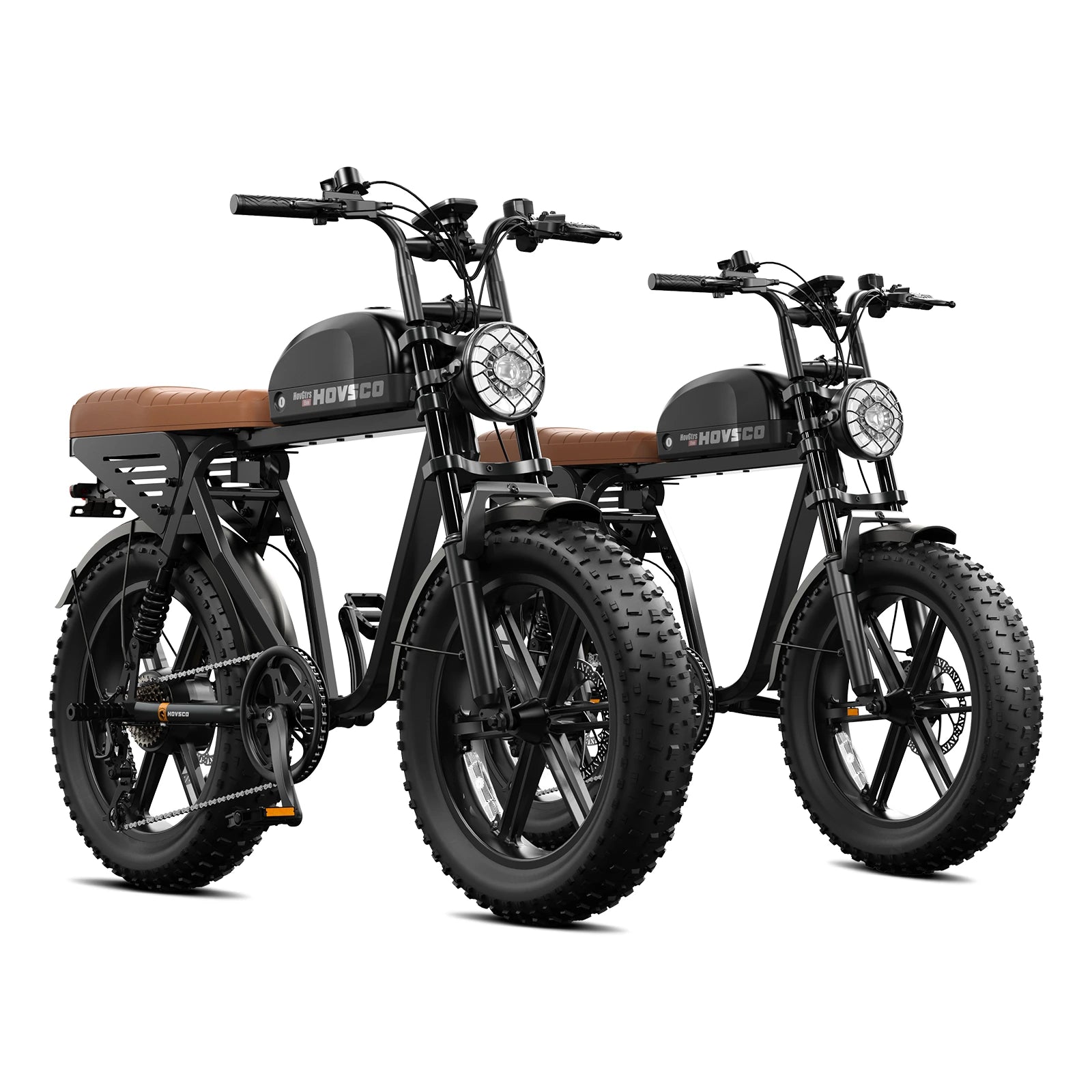
HOVSCO pays close attention to fat-tire PSI tuning because its ebike platforms are built for real adventure: beach riding, snowy paths, rocky trails, and urban jungles. If tire pressure is wrong, even the best motor, frame, and suspension can feel subpar or unsafe.
From our engineering and testing teams, we see tire pressure as the single cheapest performance upgrade a rider can make. It costs nothing but attention and a pump, yet it can change handling, comfort, and safety more than many expensive component swaps.
By baking 12–18–30 PSI guidance into manuals, content, and community education, HOVSCO helps riders unlock what the bike was actually designed to do. That aligns with the brand’s core philosophy: the point of technology is not just speed, but more confident, enjoyable riding across varied terrain.
“When we prototype fat-tire ebikes at HOVSCO, tire pressure is the first variable we touch on test days. I have seen riders transform the same bike simply by dropping from 30 PSI city pressure to 18 PSI trail pressure or 12 PSI beach pressure. The motor and frame haven’t changed, but the way the tire talks to the ground is completely different. We design around that reality: giving riders enough volume and rim strength so they can safely explore this PSI spectrum instead of being trapped in one compromise setting. In our view, mastering pressure is part of mastering the ride.”
To apply PSI tuning effectively, start by adopting the 12–18–30 PSI framework for 4.0 fat tires. Use around 12 PSI for sand and snow, near 18 PSI for rocky and mixed trails, and about 30 PSI for urban pavement. Then adjust for your weight, cargo, and rim strength, moving up a few PSI as loads increase.
Treat tire pressure as a tool, not a chore. With a quality gauge and pump on hand, your ebike becomes a multi-terrain machine instead of a single-condition compromise. HOVSCO’s fat-tire lineup is engineered to take advantage of this flexibility, so you can chase new terrain confidently, knowing the bike can be tuned to match.
The key takeaway is simple: stop thinking in terms of “one pressure fits all.” Think as a rider-engineer. Read the terrain, know your baselines, and use PSI as your dial to unlock grip, float, protection, and efficiency exactly where you need them.
Can I ride at 12 PSI on pavement with 4.0 fat tires?
You can, but it is not ideal. At 12 PSI on pavement, fat tires feel sluggish and can risk rim impacts. For regular urban riding, raise pressure closer to 30 PSI for efficiency and safety.
Do I need different PSI on front and rear tires?
Often yes. The rear tire carries more weight from the rider and motor, so it may need 1–3 PSI more than the front. Start equal, then add a little pressure to the rear if you feel excessive squirm or frequent rim contacts.
How often should I check tire pressure on my fat-tire ebike?
Check at least once a week if you ride regularly, and always before big trips or terrain changes. Fat tires lose pressure over time, and small changes can significantly affect handling and safety.
Is it safe to run below 12 PSI on a standard fat-tire ebike?
Generally no. Going much below 12 PSI without special rims increases the risk of burping or rolling the tire off the rim, especially under heavy loads or aggressive riding.
Can HOVSCO bikes handle frequent PSI changes without damage?
Yes. HOVSCO designs its fat-tire ebikes and rims to work across the typical 12–30 PSI range for 4.0 tires. Frequent adjustments within that window are part of how the bikes are meant to be used.
Share:
Why Are HOVSCO OEM Moped Ebikes Better Than Cheap Amazon No-Name Bikes?
Is an electric dirt bike cheaper to own than a 125cc gas moped?