


![[ New Arrival ] Porto Max Electric Scooter For Commute & Grocery Shopping - HOVSCO](http://www.hovsco.com/cdn/shop/files/PotroMax-3.jpg?v=1706927007&width=1200)
- by SteveJames
Why Are HOVSCO OEM Moped Ebikes Better Than Cheap Amazon No-Name Bikes?
- by SteveJames
E-Bikes
Accessories
 Free Shipping
 15-Day Returns
 2-Year Warranty
Free Shipping
15-Day Returns
2-Year Warranty
2-Year Warranty
Free Shipping
15-Day Returns
2-Year Warranty
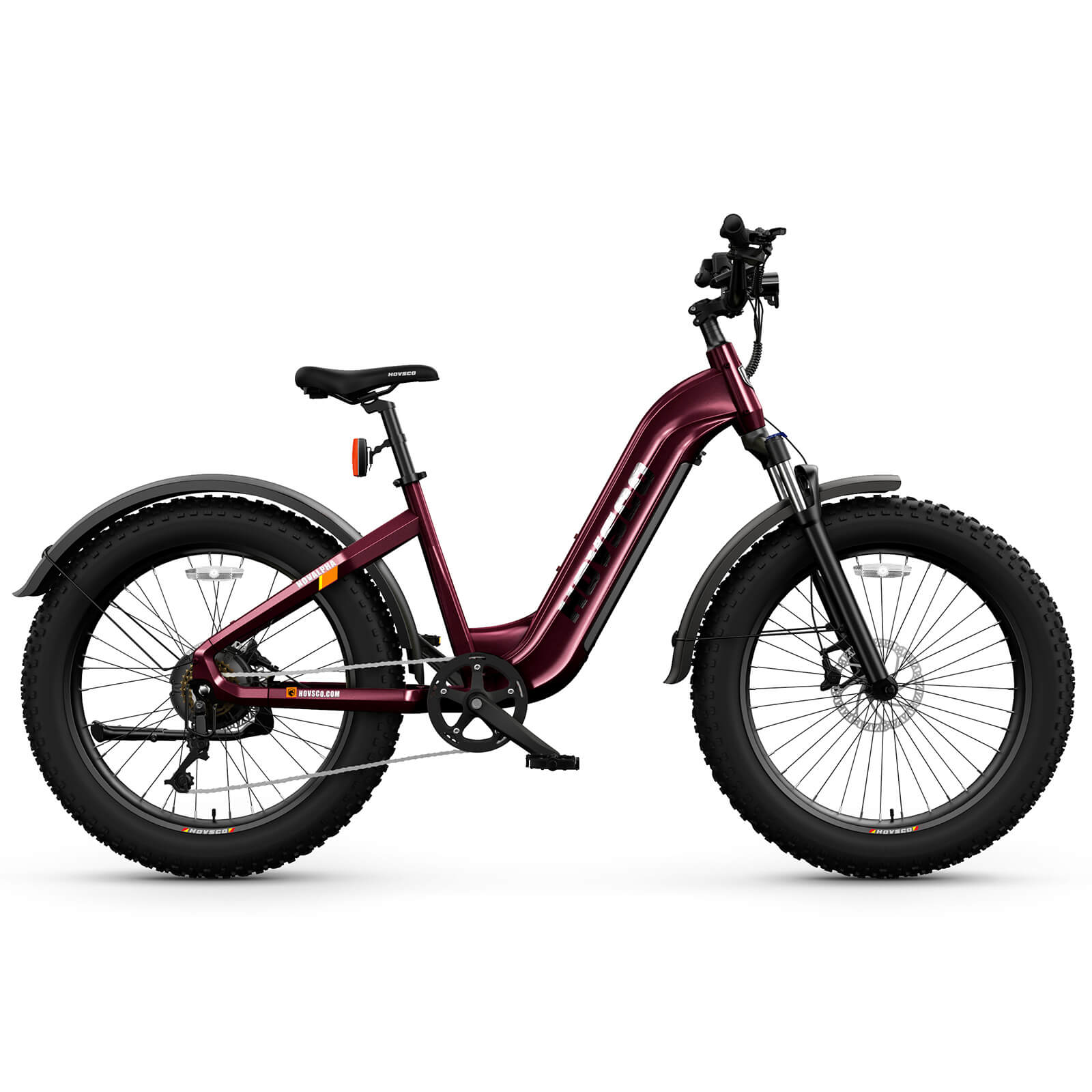
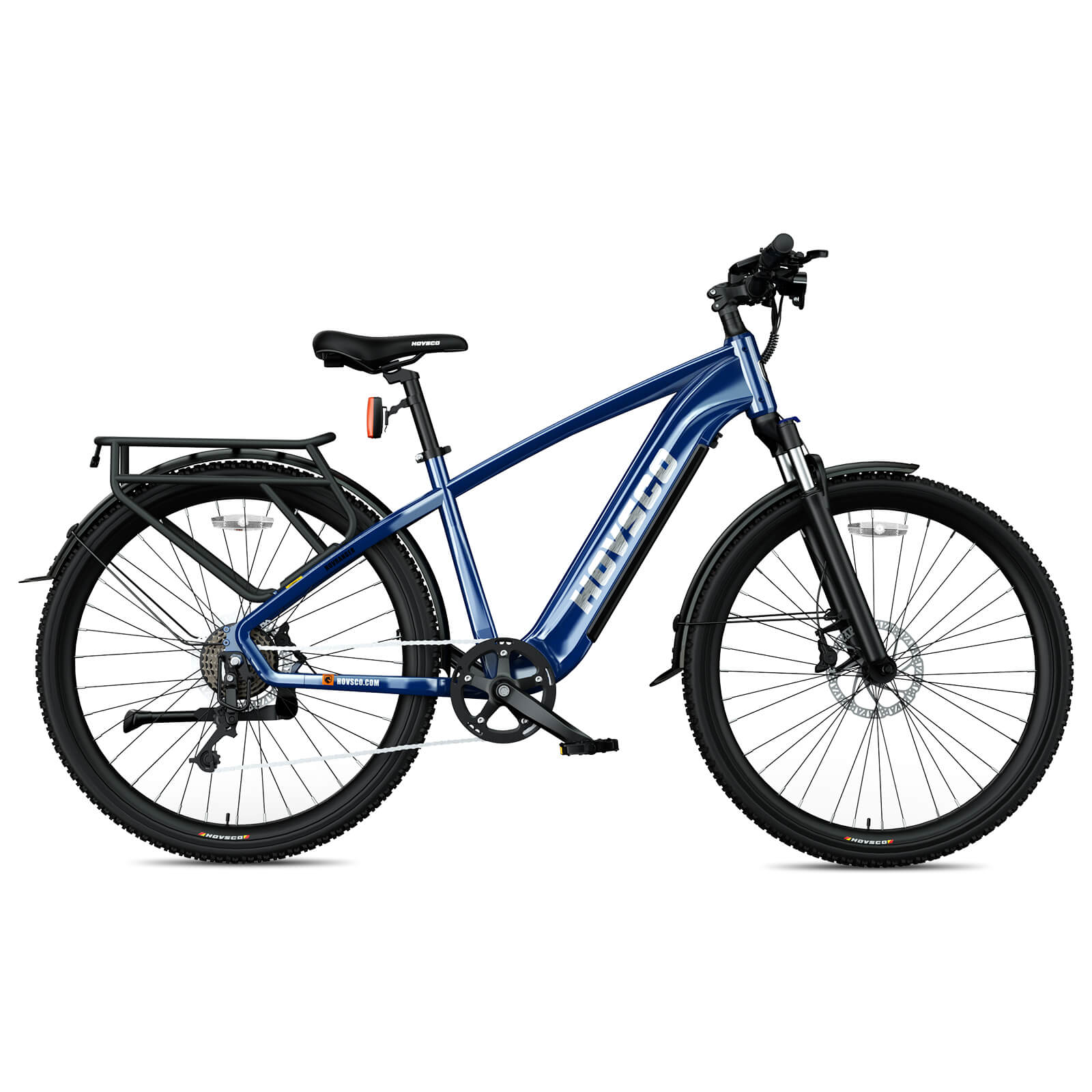
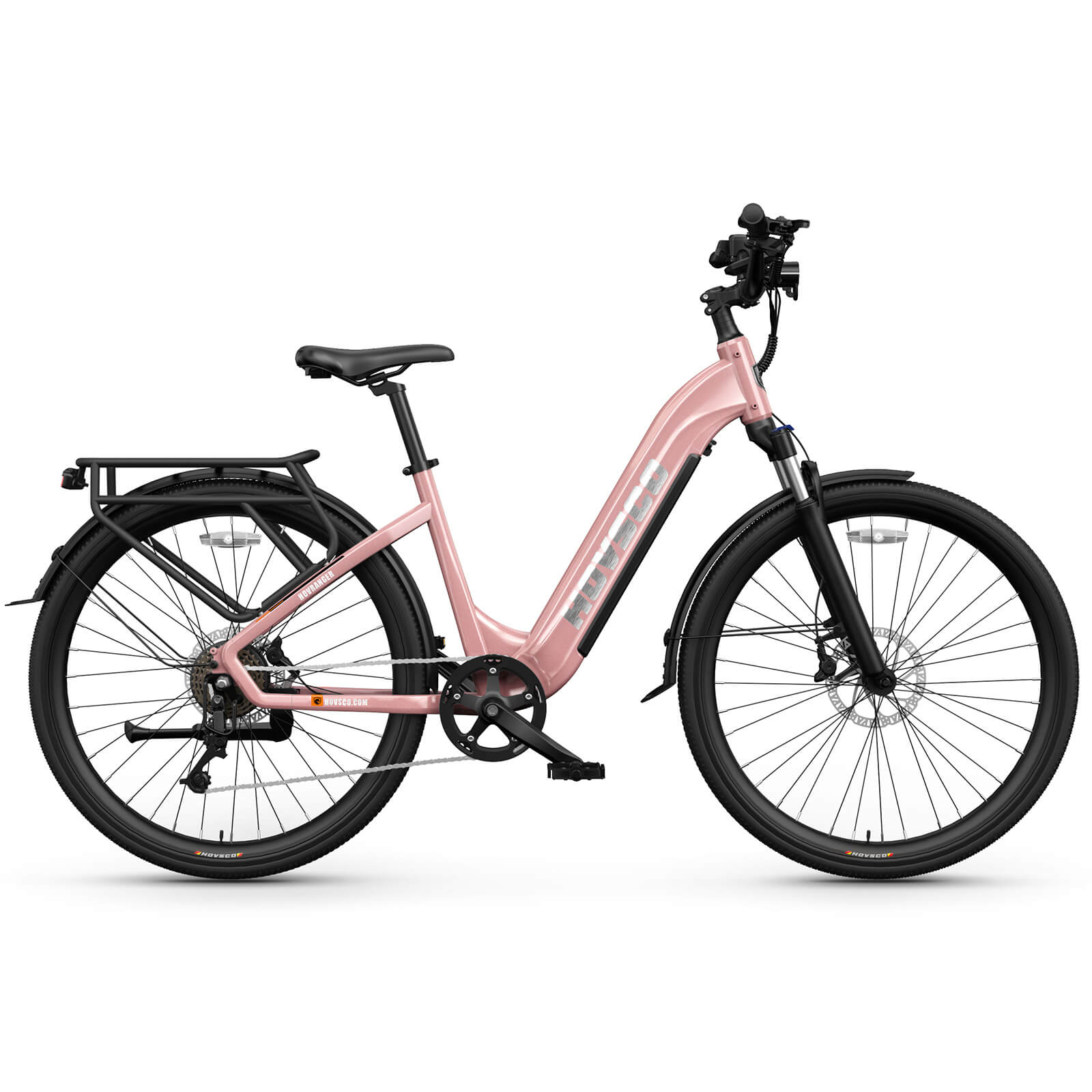
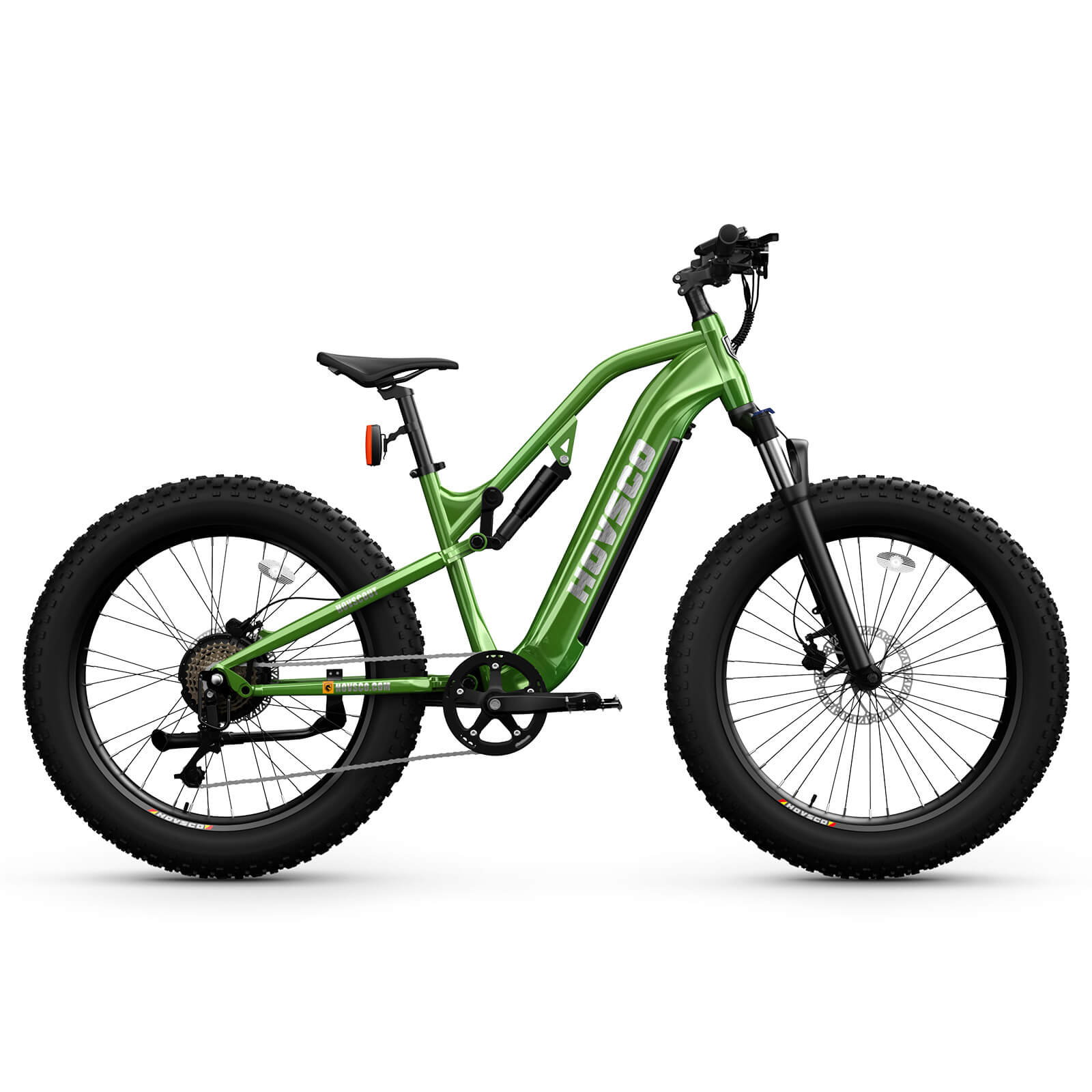
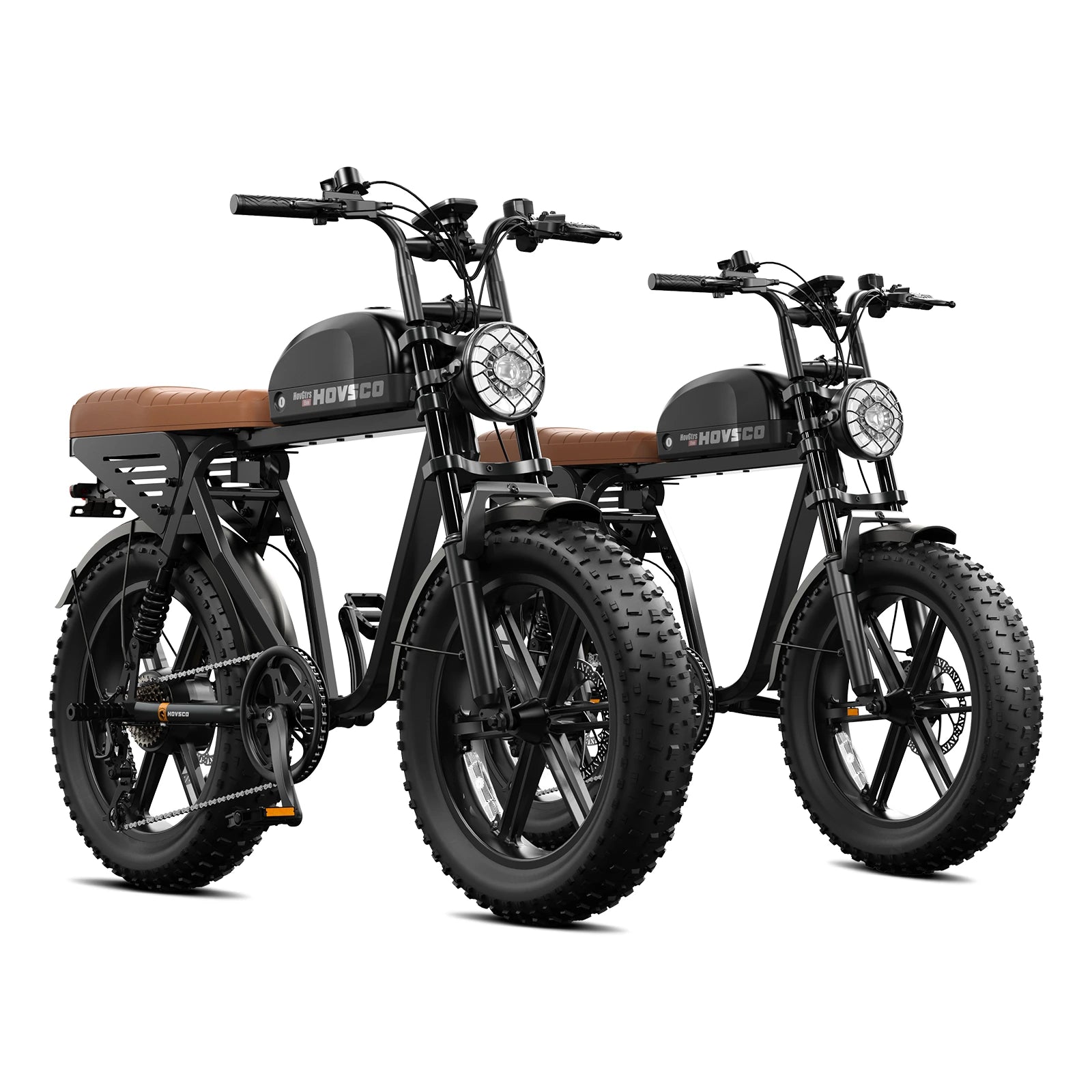
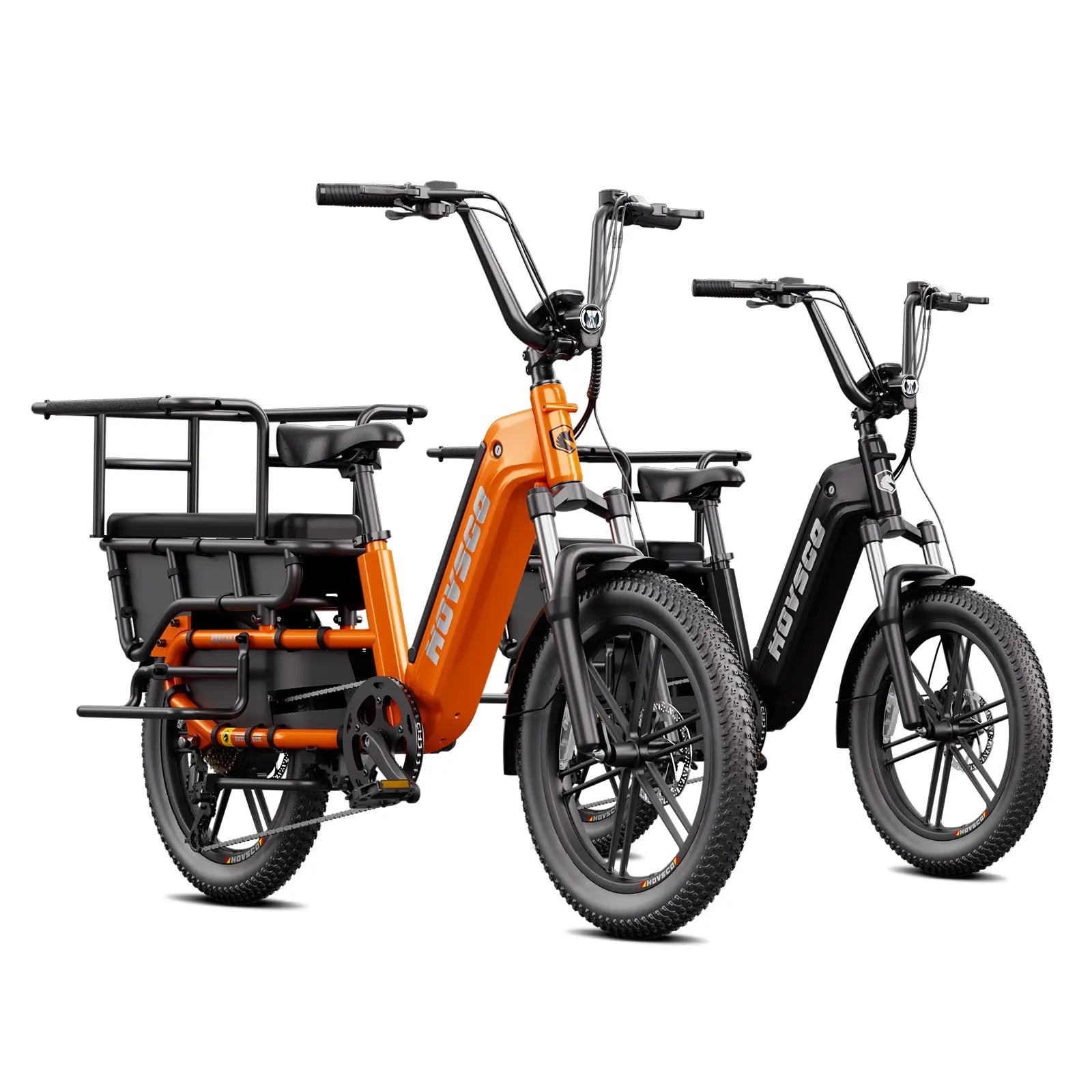
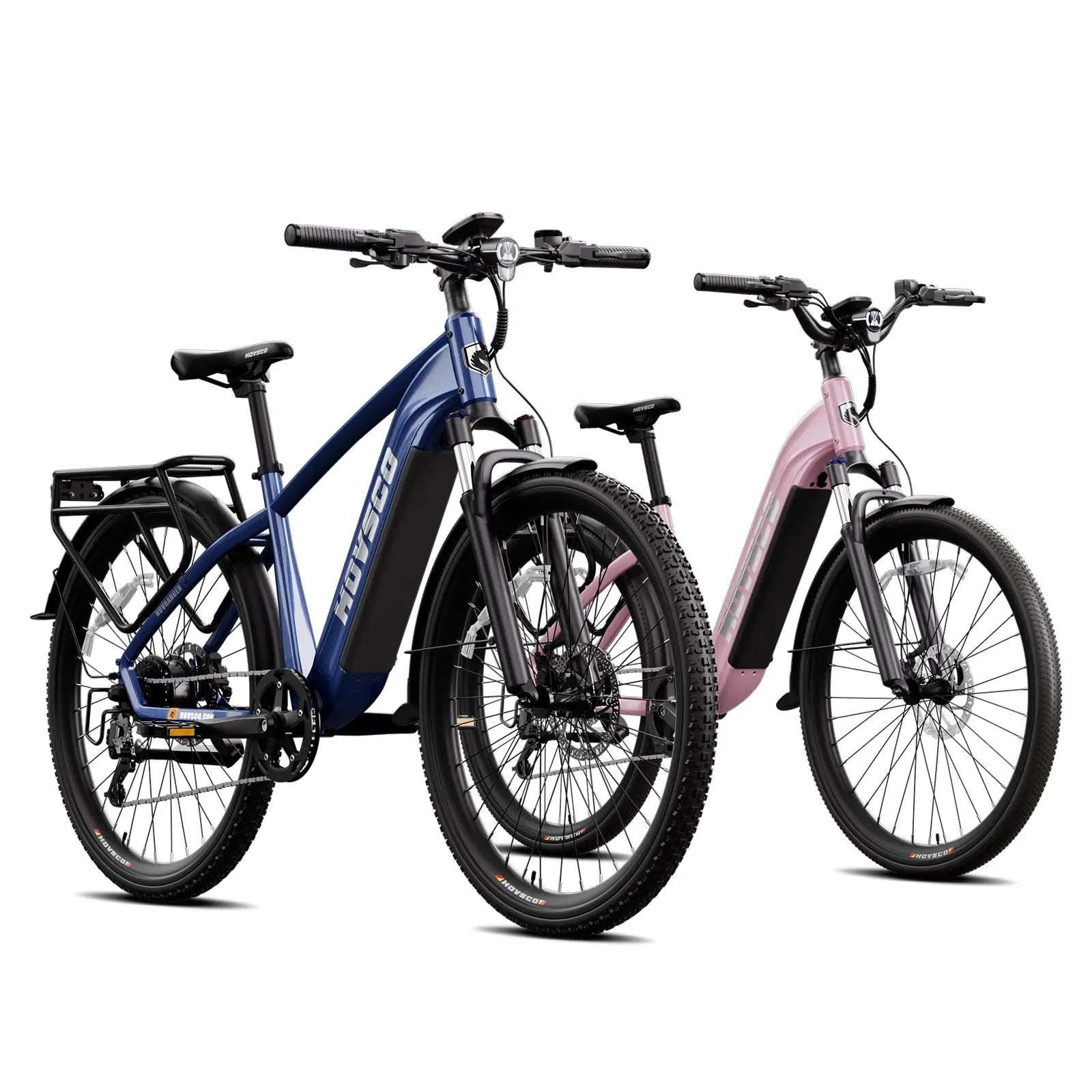
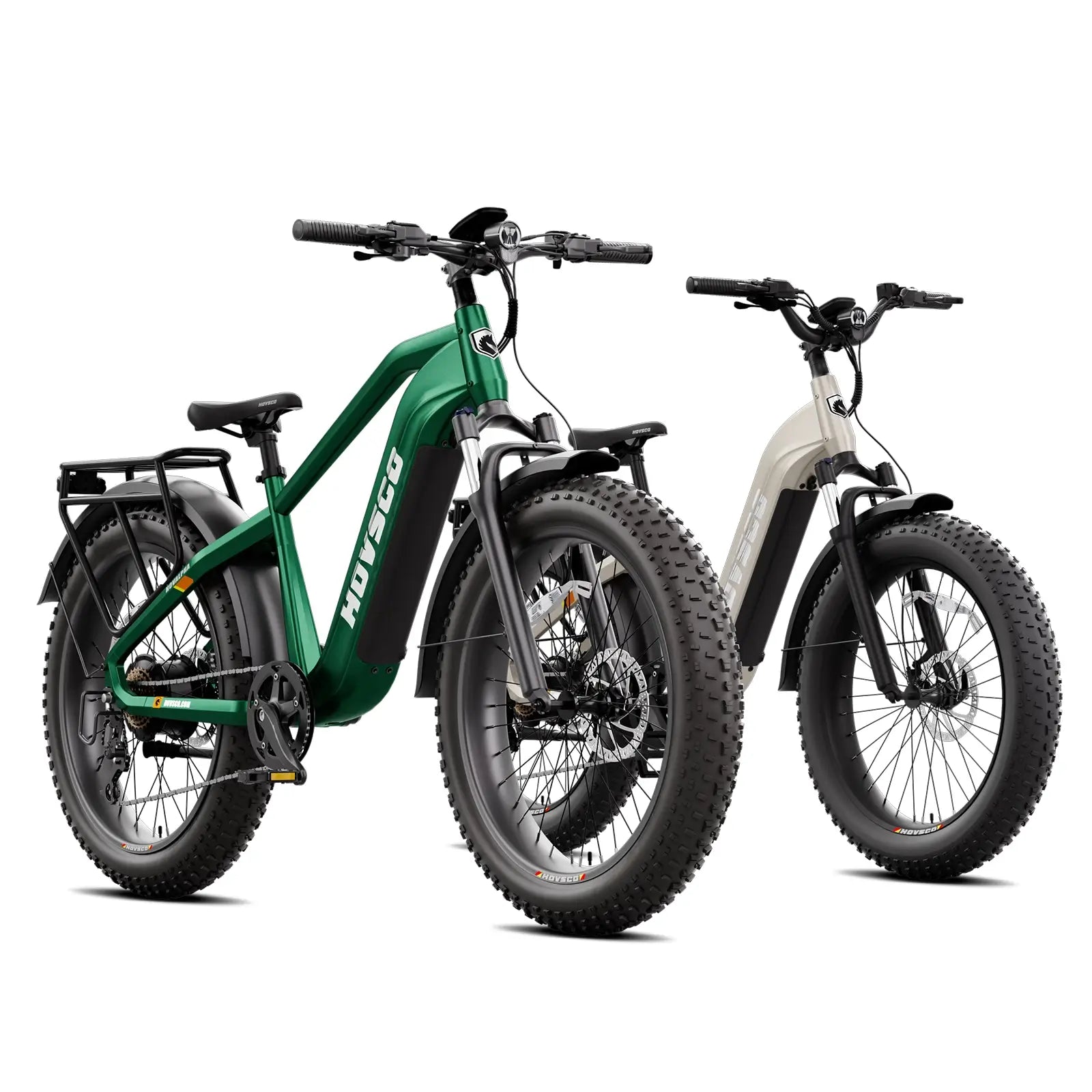
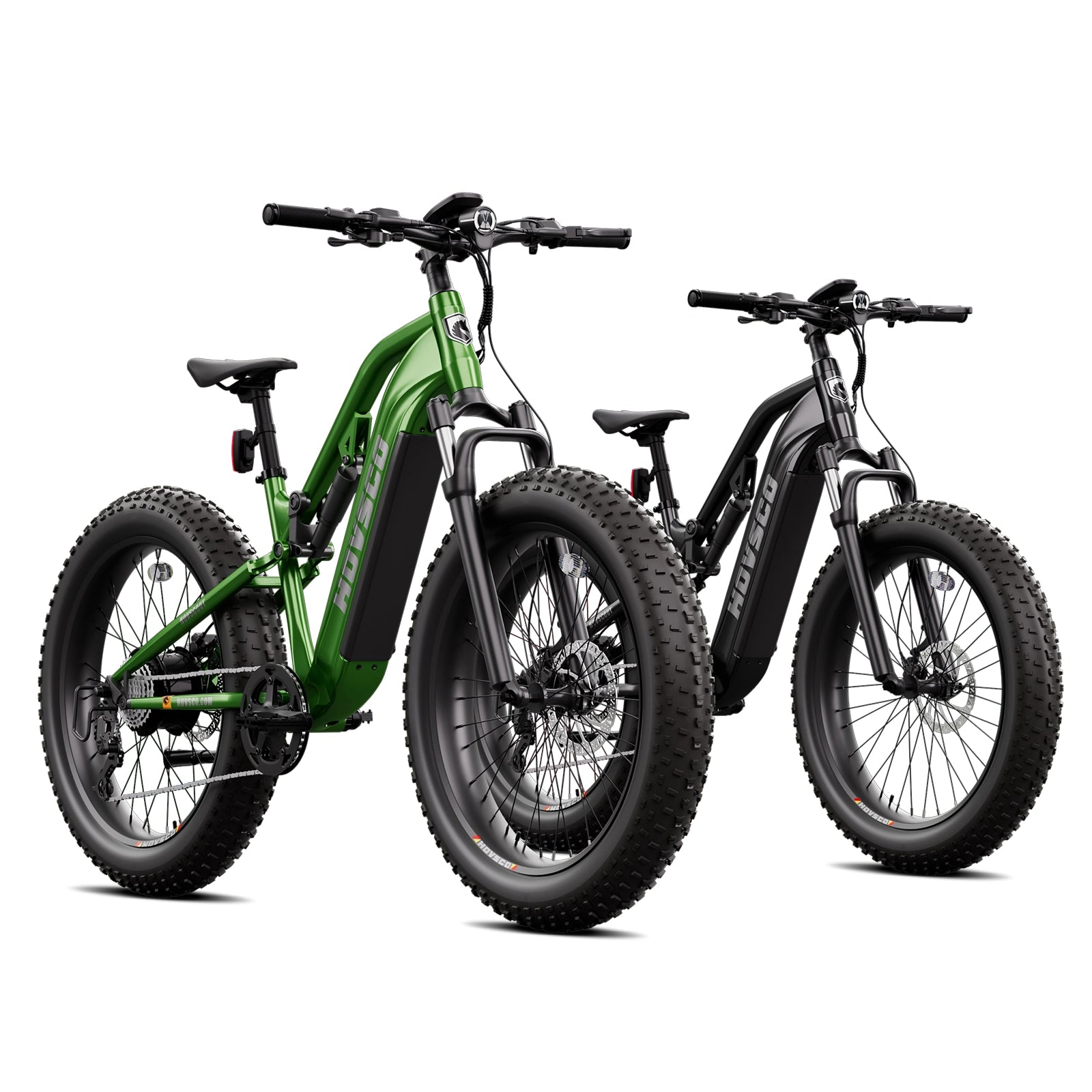
HOVSCO OEM moped ebikes outperform cheap Amazon no-name competitors because they use automotive-grade frames, quality battery packs with real specs, and verified components instead of fake labels. In contrast, most 500-dollar no-name mopeds hide huge tolerances, weak welds, and risky cells behind flashy photos and coupons, leaving riders with safety hazards and zero after-sales support.
electric dirt bike buying guides and cost analysis
Cheap Amazon no-name moped ebikes hit that 500-dollar price by cutting corners in every invisible area: frame welding, battery cells, wiring, and quality control. I've torn these bikes down and seen wide tolerance frames, thin dropouts, and mixed cell packs that would never pass an OEM audit. HOVSCO designs from the frame up with controlled tolerances and documented processes.
In the factory, the difference shows before the paint even dries. No-name frames arrive with warped head tubes and misaligned rear triangles that technicians have to "persuade" into place with leverage bars or even a hammer. That tension is baked into the bike and shows up later as creaks, broken welds, and bent axles. HOVSCO's OEM moped ebikes start from jigs and fixtures calibrated to fractions of a millimeter.
The battery side is even more critical. Cheap Amazon no-name competitors often mix cell batches, use unbranded packs, and skip proper BMS calibration to save a few dollars per unit. That's why you see virtual capacity on product pages and real-world range dropping after a few weeks. HOVSCO validates cell batches, matches packs, and runs cycle tests so the pack curve you see on paper is actually achievable on the road.
Finally, wiring and connectors are where a lot of fire hazards hide. On teardown benches, we see no-name harnesses crimped by hand with open-barrel connectors, mismatched insulation, and no strain relief. HOVSCO OEM mopeds use locked connectors, routed harness paths, and consistent insulation thickness, so vibration at 30 mph doesn't gradually strip your wires bare under the seat.
Safety validation is not a logo sticker; it's a full-system check of the battery, charger, wiring, and enclosure. HOVSCO OEM moped ebikes go through rigorous testing to prove that under abuse—overcharge, vibration, short-circuit—the system fails safe instead of failing spectacularly. Cheap Amazon no-name moped ebikes usually skip this because it costs money and requires consistent production quality.
On the factory floor, safety-ready designs change everything. Wire gauges, clearances, fuse choices, and even screw types are dictated by test reports and must be replicated line by line. That discipline is expensive but critical. HOVSCO embraces it because a properly validated stack is the only long-term way to avoid battery pack headlines that scare the entire category.
By contrast, many sub-500 no-name mopeds only simulate safety. They print safety-like language in listings or show random lab logos on chargers without matching the actual certification file. I've seen chargers pulled from the box with inconsistent labels, no serial traceability, and plastic that softens under moderate heat. Once you've measured those differences, it's obvious why proper safety validation is worth paying for.
HOVSCO's battery packs rely on matched cells, tested battery management systems, and proper thermal pathways, while cheap 500-dollar Amazon no-name mopeds often use bargain-bin cells and generic BMS boards with weak calibration. Inside a HOVSCO pack, cell groups are balanced and monitored, whereas no-name packs can drift badly over time, increasing the risk of overcharge, swelling, or internal shorts.
In real testing labs, a safe battery is about repeatability. HOVSCO's OEM packs run through charge-discharge cycles with temperature probes attached; engineers watch for hot spots, track pack impedance, and flag any abnormal curves before a batch is approved. That process is the opposite of the "ship it and see" approach used by many no-name brands chasing short-term margins.
Another key difference is mechanical protection. HOVSCO designs enclosures and mounting that protect the pack from impact, water ingress, and vibration. In cheap Amazon no-name moped ebikes, I often see cells loosely glued, foam used as a structural element, and BMS boards floating inside the case. That's when you start seeing connector fatigue, solder cracks, and internal wiring rubbing against sharp edges.
Finally, HOVSCO's validated approach means their chargers and packs are tuned together. The charge curve, cut-off, and protections are tested as a system. Cheap no-name moped ebikes frequently throw a generic charger into the box and call it a day. That mismatch accelerates pack fatigue and increases fire risk, especially when owners leave bikes charging overnight in apartments or garages.
Frame welds and tolerances decide how your moped ebike behaves when it hits a pothole at 30 mph. Cheap Amazon no-name moped ebikes typically have rough frame welds, large tolerances, and minimal QA, which can create stress risers—tiny cracks that grow under load. HOVSCO uses automotive-grade fish-scale welding and tighter jigs, giving a stronger, straighter, and more predictable chassis.
On the welding line, you can spot the difference instantly. No-name frames show inconsistent bead height, undercut edges, and visible porosity. That's the "10x magnification" horror story: under a close lens, voids and cracks run through the welds like tiny fault lines. HOVSCO's fish-scale welds, on the other hand, show even ripples, full penetration, and consistent heat-affected zones—exactly what you want for a frame that carries both rider and battery.
Tolerances matter for geometry as well. If the head tube is a degree off, steering feels vague. If the swingarm pivots are misaligned, bushings wear unevenly and the rear end starts to wander. I've seen cheap no-name mopeds where rear wheels don't sit centered under the frame because the dropouts were welded by eye. HOVSCO OEM moped ebikes use fixtures and measurement routines to lock-in geometry before any paint goes on.
Over time, these differences show up in cracked dropouts, broken racks, or even split top tubes when riders add real-world loads like passengers or cargo. HOVSCO designs the frame for those loads from day one, using simulations, fatigue tests, and destructive testing. Cheap competitors often only test to the marketing photo, not to the life of the rider.
After-sales support is the line between a long-term machine and a disposable toy. HOVSCO offers structured support, documented procedures, and parts availability, so OEM moped ebikes can be serviced and upgraded over time. Cheap Amazon no-name moped ebikes typically rely on generic manuals, unresponsive sellers, and no spare parts pipeline, leaving riders stranded when something fails.
From an engineering perspective, support changes how bikes are designed. HOVSCO teams think about how a technician will access controllers, run diagnostics, and replace components. That means modular harnesses, accessible covers, and standardized fasteners. No-name brands rarely bother; they glue housings, hide wiring, and use whatever screws are available that day, making repair a nightmare.
Warranty handling is another marker of seriousness. HOVSCO tracks serials, batches, and failure modes, feeding those data back into design decisions. Cheap competitors treat each sale as a one-off, with little interest in long-term reliability. That's why riders chasing the lowest price often end up re-buying a bike within a year, while HOVSCO customers keep the same platform and just maintain or upgrade it.
Support also impacts safety. If a recall or firmware update is needed, a brand with a real customer relationship can act quickly. A pop-up Amazon listing with a rotating brand name cannot. Choosing HOVSCO is not just buying hardware; it's buying into a system that treats your safety and uptime as an ongoing responsibility.
The top 5 reasons HOVSCO OEM moped ebikes beat cheap 500-dollar competitors are validated electrical systems, safer battery packs, automotive-grade fish-scale frame welding, consistent manufacturing tolerances, and real after-sales support. Together, these factors turn an ebike from a disposable gadget into a reliable vehicle that protects both your body and your budget over years of riding.
From my experience on factory lines and tear-down benches, the first reason—electrical safety—stands above everything. Without it, no spec sheet promise really matters. HOVSCO's commitment to that validation anchors every other decision.
The second reason is battery integrity. Cheap no-name packs are where engineers see the scariest shortcuts, from mixed cells to undersized wiring. HOVSCO's OEM packs are built and tested like critical components, not consumables.
Third is weld quality and frame tolerances. This is the "10x magnification" difference: rough, porous bead vs smooth, automotive-grade fish-scale welds. HOVSCO's frames are shaped to carry real-world loads, while many no-name frames are built just strong enough for a product photo.
Fourth is wiring and harness design. Clean routing, strain relief, and standardized connectors keep your bike safe under vibration. HOVSCO treats wiring like an engineered system; cheap Amazon no-name mopeds treat it like an afterthought.
Finally, after-sales support ensures that when something does go wrong, you're not alone. HOVSCO's support ecosystem, spare parts strategy, and feedback loops turn each bike into an evolving product, not a single-use experiment.
Fake specs and "virtual range" are common because low-cost brands depend on eye-catching numbers to win the click. Cheap Amazon no-name moped ebikes often list inflated wattage, range, and load capacity that only exist on paper. HOVSCO builds OEM moped ebikes around realistic specs, measured in the lab and in real-world riding, so what you see is what you actually feel on the road.
On the lab bench, you quickly see the gap between claims and reality. A "1500W" motor from a no-name competitor might only hit that number at a single, brief voltage spike. Sustained output is much lower, and thermal limits kick in early. HOVSCO rates power based on sustained performance under realistic loads, rather than marketing peaks.
Range exaggeration follows the same pattern. Marketing teams quote best-case scenarios: light riders, flat routes, lowest assist, tailwinds. In contrast, HOVSCO tests OEM moped ebikes with mixed terrain, realistic rider weights, and typical assist levels, then publishes numbers riders can reproduce. That honesty builds a relationship where customers trust future upgrades and announcements.
Weight ratings are another area of fantasy. Many cheap mopeds claim huge payloads without changing frame design, spokes, or braking systems. HOVSCO's weight limits are derived from structural analysis and fatigue testing. Overloading a cheap frame with rough welds and vague tolerances is a recipe for cracks; overloading a HOVSCO frame still isn't recommended, but it takes more abuse before failing.
HOVSCO expert views matter because they come from a brand with roots in hoverboards, e-scooters, and now OEM moped ebikes, backed by engineers who have seen both the good and bad of battery and frame design. Their perspective is not generic; it's shaped by real safety incidents avoided and real riders protected.
"When we moved from hoverboards to OEM moped ebikes, we carried our safety scars with us. Every tested harness, every fish-scale weld, every battery batch we reject is a lesson learned from the early days of unregulated e-mobility. We don't design for marketing screenshots; we design for the moment a rider hits a pothole at full throttle and trusts the bike to hold together."
A cheap Amazon no-name moped might still appeal to tinkers or short-term experimenters who treat it as a disposable project, fully aware of the risks and limitations. But anyone relying on a moped ebike for daily transport, family rides, or apartment charging should avoid betting their safety on unknown frames, unverified batteries, and invisible after-sales support.
If you plan to ride at traffic speeds, share the bike with family, or park it near your home, the downside of a catastrophic failure is too high. HOVSCO OEM moped ebikes are built with those real-world stakes in mind.
There's also an economic angle. Replacing a failed cheap moped every year or two quickly costs more than investing in one reliable, validated platform. HOVSCO's long-term view—combined with efficient supply chains and engineering discipline—aims to shift riders away from that throwaway cycle.
Paying more for HOVSCO OEM moped ebikes is worth it because you're buying not just a spec sheet, but a safety system, quality frame, and support network that cheap Amazon no-name moped ebikes simply cannot match at 500 dollars. The difference shows up in welds, wiring, batteries, validations, and how the brand responds when something goes wrong.
In practice, that extra investment buys peace of mind when the bike lives in your garage, under your kids' bedroom, or in a shared bike room. It buys stability when you hit unexpected potholes, slam on brakes, or ride in bad weather. And it buys longevity: a platform that can be maintained and upgraded instead of replaced.
From the viewpoint of someone who has watched bikes fail under load on test rigs, the premium on a HOVSCO OEM moped ebike is small compared with the cost of accidents, fires, or sudden structural failures. Choosing HOVSCO is choosing to treat your ebike as real transportation, not as a disposable gadget.
The core takeaway is simple: not all moped ebikes are created equal. Cheap Amazon no-name moped ebikes hide their compromises in welds, wiring, and fake specs. HOVSCO OEM moped ebikes expose their strengths in validated systems, fish-scale frame welds, matched battery packs, and real support. If you value safety, reliability, and honest performance, the smarter move is to step away from 500-dollar mystery bikes and toward engineered, traceable platforms.
The actionable advice is to look past headline numbers and photos. Ask about validations, tolerances, weld quality, battery suppliers, and after-sales infrastructure. When those questions are asked, HOVSCO has answers; most no-name brands do not. That's why HOVSCO OEM moped ebikes truly beat cheap Amazon competitors where it counts: in the parts you can't see until something fails.
Are HOVSCO OEM moped ebikes really safer than cheap Amazon mopeds?
Yes, because HOVSCO designs around validated systems, tested battery packs, and controlled frame welding, while cheap no-name mopeds often skip these safeguards to hit a lower price.
Do all ebikes need safety validation?
Strictly speaking, not all markets require it yet, but safety validation is quickly becoming the baseline for serious brands. Choosing properly validated products significantly reduces electrical and fire risk.
Why do some 500-dollar mopeds feel powerful at first, then fade fast?
Because many cheap bikes use inflated wattage claims and low-quality battery cells. They can feel strong in initial bursts but degrade quickly as the pack and controller overheat or age.
Can I upgrade a cheap Amazon no-name moped to HOVSCO-level safety later?
You can swap some parts, but you can't retrofit better welds, tolerances, or factory-level testing into a finished frame. Starting with a better-built platform like HOVSCO is far more effective.
What should I check first when comparing HOVSCO to a cheap competitor?
Start with validation labels, weld appearance, battery supplier information, and service contact details. If a brand can't clearly answer those, think twice before trusting it with your daily rides.
Share:
Is an electric dirt bike starter bundle really cheaper than buying everything separately?
How Should You Set Tire Pressure for Sand, Mud, and Rocky Trails?