



![[ New Arrival ] Porto Max Electric Scooter For Commute & Grocery Shopping - HOVSCO](http://www.hovsco.com/cdn/shop/files/PotroMax-3.jpg?v=1706927007&width=1200)
- by SteveJames
Is an electric dirt bike cheaper to own than a 125cc gas moped?
- by SteveJames
E-Bikes
Accessories
 Free Shipping
 15-Day Returns
 2-Year Warranty
Free Shipping
15-Day Returns
2-Year Warranty
2-Year Warranty
Free Shipping
15-Day Returns
2-Year Warranty
Owning an electric dirt bike is usually cheaper over 3–5 years because you avoid gasoline, oil changes, and much of the routine engine maintenance of a 125cc gas moped. In the U.S., a typical rider can save hundreds of dollars per year on fuel, oil, and registration by riding a zero‑emission electric machine instead of a small-displacement gas scooter.
electric dirt bike buying guides and cost analysis
Total cost of ownership (TCO) includes every dollar you spend from day one until you sell or retire the vehicle. It covers purchase price, taxes, licensing, insurance, fuel or electricity, maintenance, repairs, and depreciation. When you compare an electric dirt bike to a 125cc gas moped, you need at least a 3–5 year window to see the true savings.
In practice, I evaluate TCO like a mechanic and an accountant at the same time. I break down costs into “mileage‑driven” items (fuel, tires, brake pads) and “time‑driven” items (registration, oil changes, coolant). Then I add a realistic allowance for surprises such as punctures, small electrical issues, or a chain replacement. This reveals how a cheap gas moped can quietly become more expensive than a well-engineered electric platform.
A typical 125cc gas moped in the U.S. averages around 70–90 miles per gallon, depending on rider weight, traffic, and tune. For a commuter doing roughly 3,000 miles per year, that works out to about 35–45 gallons of gas annually. With modern fuel prices, this fuel bill quickly overtakes the electricity cost of an electric dirt bike.
Real-world workshop logs show that riders who think they “hardly ride” still burn more gas than they expect. Short trips where the engine never warms up fully are particularly wasteful. The carb or injector runs rich, the automatic choke stays on longer, and cold oil increases friction. These micro‑inefficiencies don’t show up in brochure MPG, but they do show up on your credit card statement.
For a 125cc four‑stroke moped used daily, engine oil should be changed every 1,000–2,000 miles or at least once per year. The oil filter or internal screen needs cleaning or replacement on the same schedule. Air filters need inspection every few months, and replacement at least yearly if you ride in dusty or hot conditions.
On the bench, I see “budget” mopeds that skipped even one oil interval come in with bluish, overheated oil and metallic glitter from worn bearings. The spec sheet might say 2,000 miles, but city heat cycles and stop‑and‑go riding justify shorter intervals if you want the engine to last. Every oil change means not just oil cost, but also gaskets, shop labor, and the risk of stripped drain plugs over time.
In the U.S., a 125cc gas moped usually requires a license plate, registration, and state fees that renew yearly. Depending on the state, you might also pay sales tax upfront and modest annual property or excise taxes. Some states classify 125cc scooters closer to motorcycles, which adds fees and sometimes mandatory inspection costs.
From a TCO perspective, these costs are “fixed overhead” that appear every year whether you ride or not. Riders often forget them when they compare sticker prices only. Over five years, the cumulative total of plates, inspection stickers, and minor DMV charges can equal several oil changes or a full set of quality tires—money that could instead support an electric platform with lower recurring government fees in some jurisdictions.
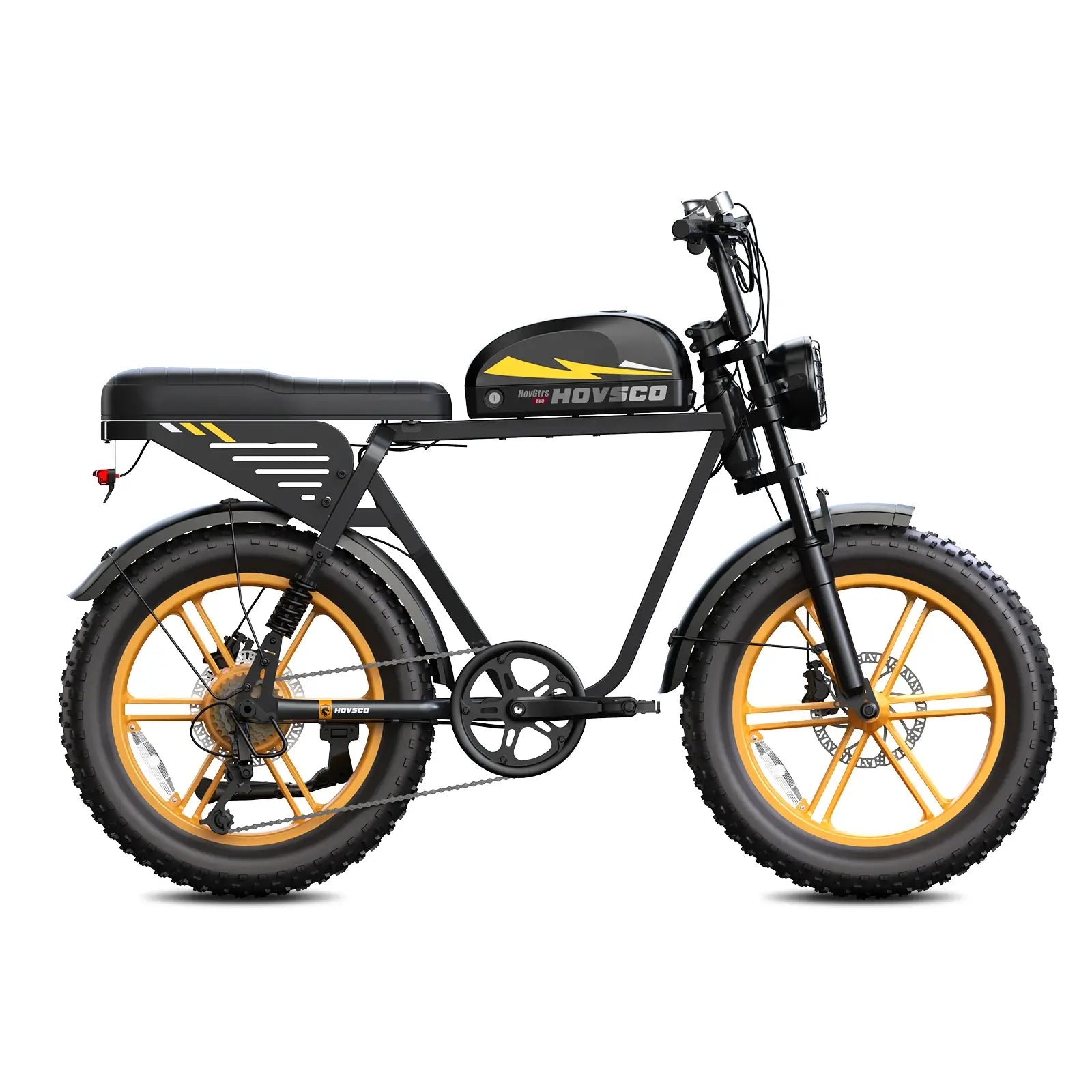
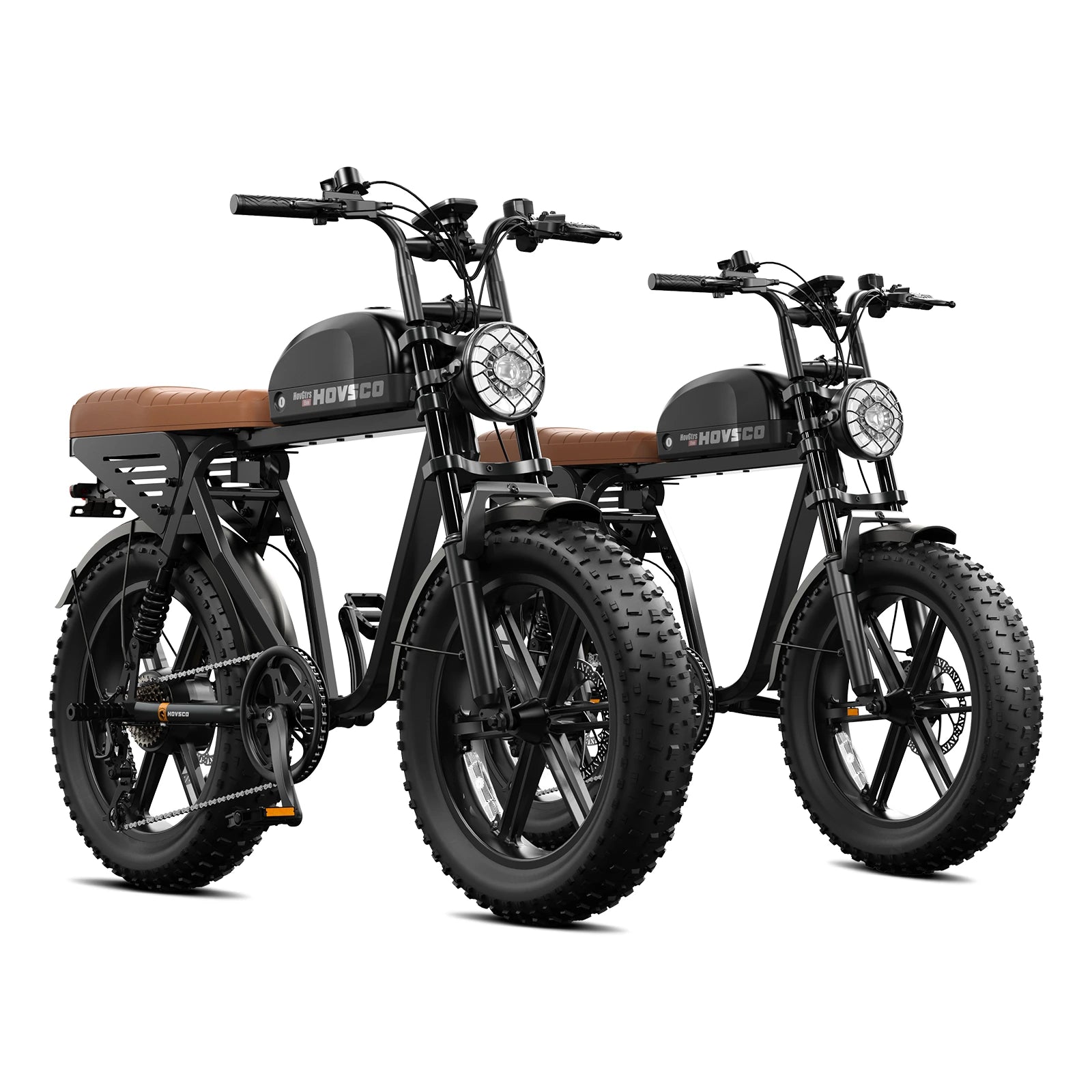
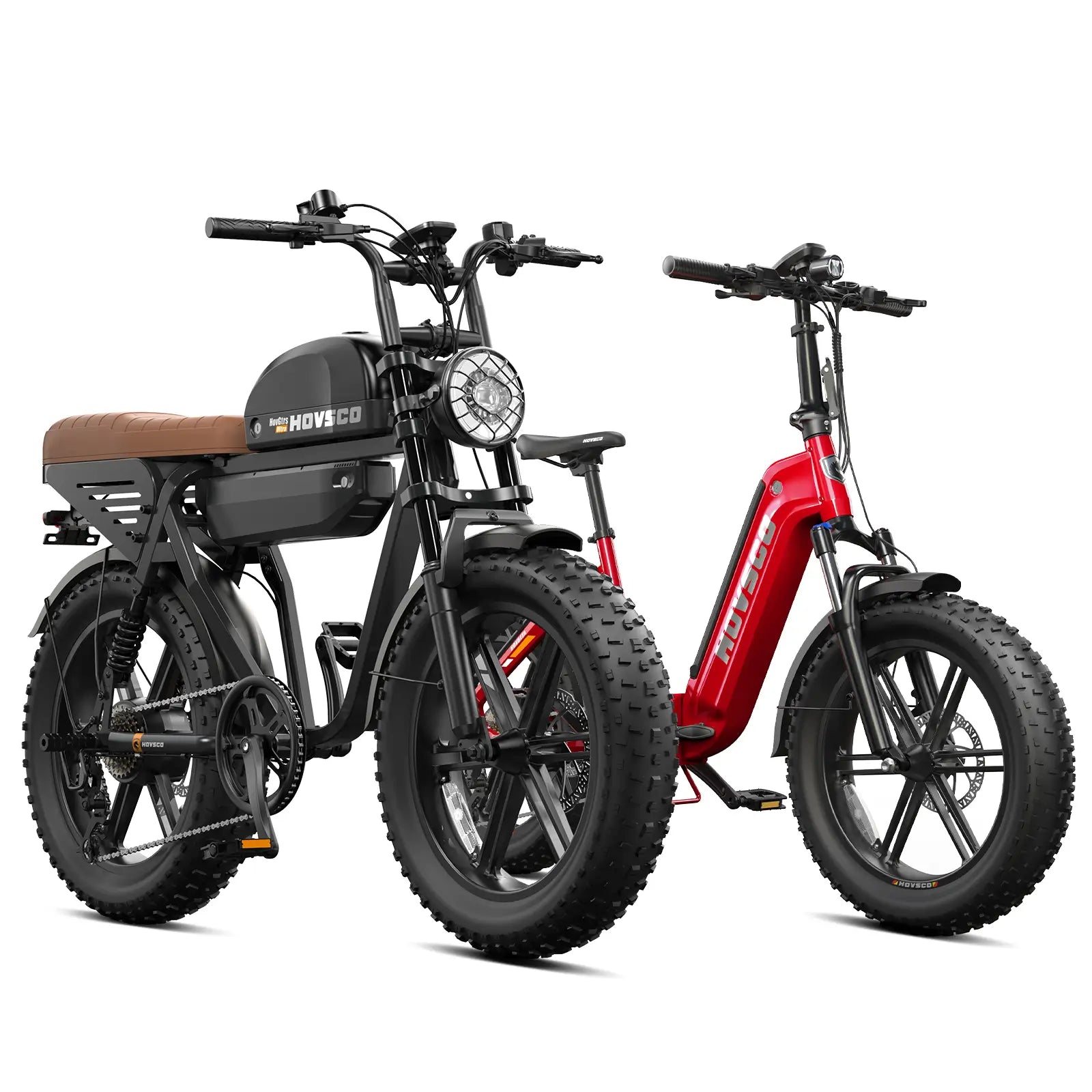
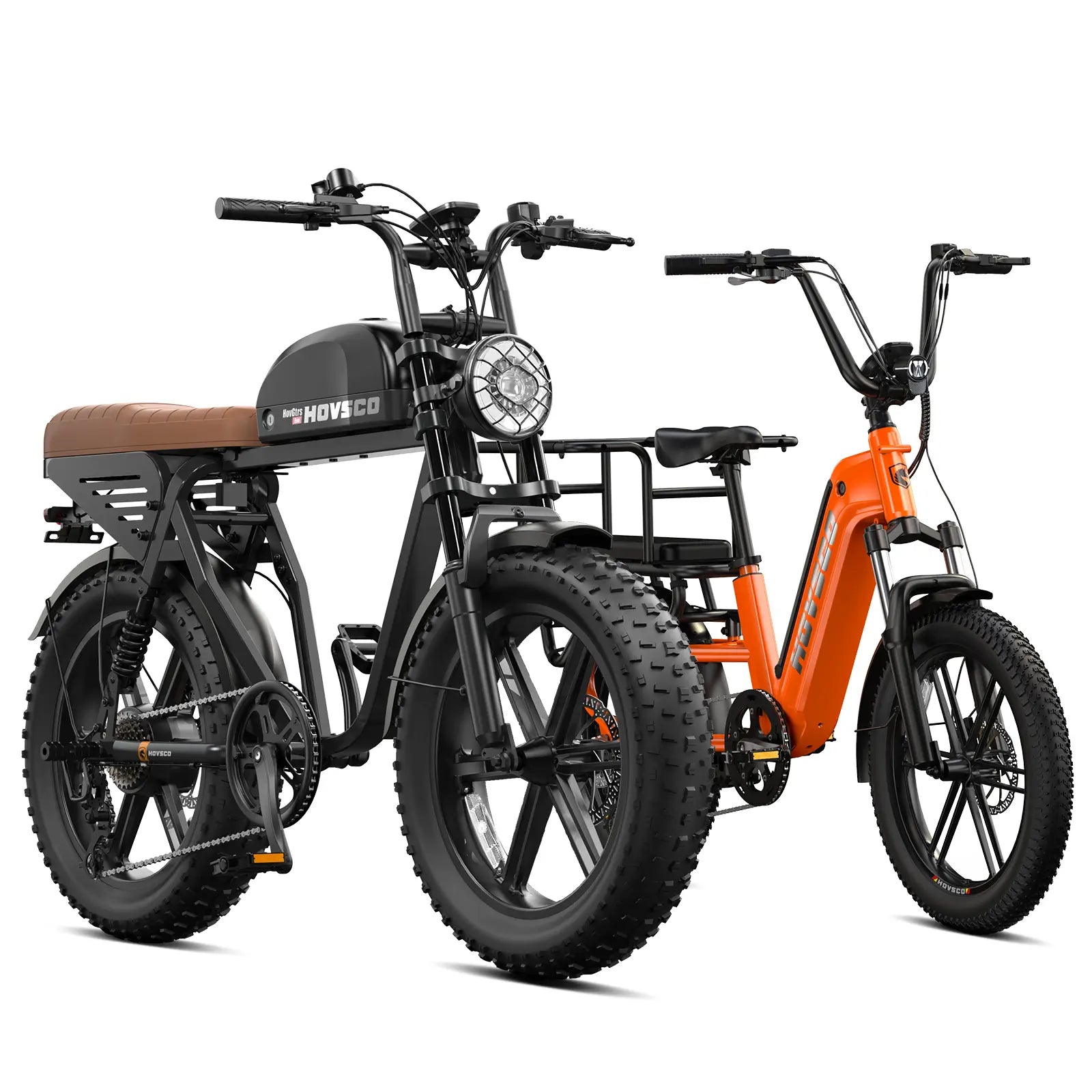
An electric dirt bike such as HovGtrs has virtually zero fuel cost, because it runs purely on electricity and doesn’t consume gasoline or engine oil. Charging from household power for a typical 3,000‑mile year often costs less than a single tank of gas for a 125cc moped. There are no oil changes, no spark plugs, and far fewer moving parts to wear out.
In the workshop, I treat electric dirt bikes like powered bicycles with a heavy‑duty drive system. Routine work is mainly chain or belt inspection, brake pad checks, and firmware updates. The absence of hot oil and vibration means fewer leaks, fewer gasket failures, and fewer stripped fasteners. Over time, that absence of small, messy jobs is where a lot of silent savings come from with HovGtrs and similar electric platforms.
Electric dirt bikes are cheaper to maintain because they eliminate the entire internal combustion system—no piston, valves, clutch pack, gearbox oil, carburetor, or exhaust. Fewer mechanical parts mean fewer wear points, fewer adjustments, and fewer opportunities for expensive failures. You mainly maintain the drivetrain, brakes, and suspension, just like on a high‑end mountain bike.
From a technician’s perspective, the most significant savings is not just parts, but labor time. Carburetor cleaning, valve lash adjustments, timing chain tension checks—none of these exist on an electric dirt bike. When a 125cc gas moped comes in for a 5,000‑mile service, the bill often includes at least one “while we’re in there” item, like a leaking gasket or cracked exhaust stud. Electric bikes rarely generate those incidental charges.
The biggest year‑to‑year differences are fuel, engine oil and filters, and engine‑related repair risk. HovGtrs riders avoid gas stations entirely and never buy engine oil. They also avoid costs tied to worn clutches, overheated pistons, or clogged carburetors. In contrast, 125cc gas moped owners must budget for regular oil changes, possible injector or carb cleaning, and fuel system issues.
You’ll also see divergence in consumables. Gas engines cook rubber and plastic near the cylinder and exhaust, leading to cracked hoses or brittle connectors after a few summers. Electric dirt bikes run cooler overall, so wiring looms, connectors, and plastics typically live longer. That’s a quiet but real line item on your annual ledger, especially once you pass the three‑year mark.
This simplified “balance sheet” style view explains why HovGtrs and similar electric bikes are increasingly attractive to riders who track real‑world costs, not just upfront pricing.
HOVSCO focuses on robust electric drivetrains and long‑life battery systems, which directly supports low total cost of ownership. By combining quality cells, reinforced frames, and proven electronics, HOVSCO reduces the chance of expensive failures that would wipe out years of fuel savings. The brand’s engineering philosophy is to maximize riding time and minimize workshop time.
Because HOVSCO grew out of the hoverboard and e‑scooter business, the company has years of field data on how components survive real urban abuse. That background translates into upgraded connectors, better waterproofing, and conservative controller settings that protect the battery and motor. When you buy from HOVSCO, you’re choosing an electric platform designed not just to ride well, but to stay out of the repair bay.
HOVSCO’s team comes from top universities and has already served millions of riders in personal electric transport, so they understand common failure modes deeply. Their prior success with hoverboards and e‑scooters taught them where cheap designs crack first—axle interfaces, harness strain reliefs, battery BMS logic. They systematically address these weak points in their e‑bikes.
That experience shows up in details most riders never notice but every technician appreciates: over‑spec’d MOSFETs in controllers, additional thermal paste on high‑load components, and cable routing that avoids sharp frame edges. Each small decision adds reliability. Fewer breakdowns mean fewer emergency repair bills and a more predictable TCO curve throughout your ownership of a HOVSCO machine.
Yes, gas mopeds carry several hidden costs that don’t show up in the purchase price. Ethanol‑blended fuel can gum up carbs or injectors if the bike sits, leading to cleaning or replacement costs. Heat and vibration also accelerate wear on mounts, fasteners, and rubber parts. Occasional fuel leaks or exhaust rust become more common as the vehicle ages.
From the shop floor, I see many “cheap” 125cc mopeds that became expensive because of neglect during seasonal storage. A simple mistake—leaving old gas in the tank, skipping a pre‑winter oil change, or ignoring a minor oil seep—turns into bigger repairs a year later. Electric dirt bikes like HovGtrs are not immune to misuse, but they have fewer fluids and perishable components, so storage errors are less punishing financially.
Creating an annual financial balance sheet for your two‑wheeler forces you to confront the real cost of each mile. You list line items such as fuel, electricity, oil, taxes, registration, insurance, maintenance, and accessories. When you do this honestly for both a 125cc gas moped and an electric dirt bike, the long‑term savings of electric become much clearer.
Many riders only compare “gas vs electricity” and ignore everything else. A proper balance sheet reveals that the real killer is cumulative small maintenance and small government fees. With an electric dirt bike like HovGtrs or a well‑built HOVSCO e‑bike, those lines stay small and predictable. This transparency helps you decide whether to put your next dollar into a fuel tank, or into a battery that delivers cheaper miles for years.
“When we design a new HOVSCO e‑bike, we start from lifetime cost, not just day‑one price. I want a rider to look back after 10,000 miles and realize they spent more on coffee stops than on repairs. That’s why we overbuild frames, protect electronics from water and dust, and tune controllers to keep batteries healthy for thousands of charge cycles.”
To make the smartest TCO choice, map out 3–5 years of realistic riding and assign costs to every item on your annual balance sheet. If you ride a few thousand miles per year, an electric dirt bike or a quality HOVSCO e‑bike will usually beat a 125cc gas moped on total ownership cost. Focus on fuel, oil, registration, and repair risk rather than sticker price alone.
If your state offers favorable registration categories for electric two‑wheelers, the savings become even stronger. The practical move is to test‑ride both options, then sit down with your numbers rather than your emotions. In most scenarios, the quiet torque and low maintenance of a HovGtrs‑type electric platform will not only save you money but also give you more riding time and fewer garage days.
Can a beginner rider handle an electric dirt bike safely?
Yes, many electric dirt bikes offer adjustable power modes, smooth throttle response, and strong but predictable brakes, making them easier for beginners to manage than peaky 125cc gas mopeds.
How long does an electric dirt bike battery typically last?
With proper care and moderate daily use, a quality lithium‑ion battery can deliver several hundred to a few thousand charge cycles, often translating into many years of commuting or weekend riding.
Do electric dirt bikes need regular servicing?
Yes, but service focuses on tires, brakes, chain, and firmware updates rather than oil changes or valve checks, so visits are less frequent and usually cheaper than for gas mopeds.
Is resale value better for electric or gas two‑wheelers?
Well‑known electric brands and strong batteries can hold value well, while low‑cost gas mopeds often depreciate faster due to visible wear, higher maintenance history, and more frequent mechanical issues.
Can I charge an electric dirt bike from a normal household outlet?
Most consumer electric dirt bikes and e‑bikes are designed to plug into standard household outlets, making daily charging as simple as charging a laptop or phone.
Share:
How Should You Set Tire Pressure for Sand, Mud, and Rocky Trails?