



























![[ New Arrival ] Porto Max Electric Scooter For Commute & Grocery Shopping - HOVSCO](http://www.hovsco.com/cdn/shop/files/PotroMax-3.jpg?v=1706927007&width=1200)
- by SteveJames
How Does Flat-Foot Safety Reduce E‑Bike Falls?
- by SteveJames
E-Bikes
Accessories
 Free Shipping
 15-Day Returns
 2-Year Warranty
Free Shipping
15-Day Returns
2-Year Warranty
2-Year Warranty
Free Shipping
15-Day Returns
2-Year Warranty
Flat-foot safety reduces e-bike falls by allowing riders to place both feet flat on the ground without leaving the saddle, improving balance and confidence at stops. A low standover height lowers the center of gravity, minimizes tipping risk, and helps beginners maintain stability at traffic lights or in sudden stops, especially in urban riding conditions.
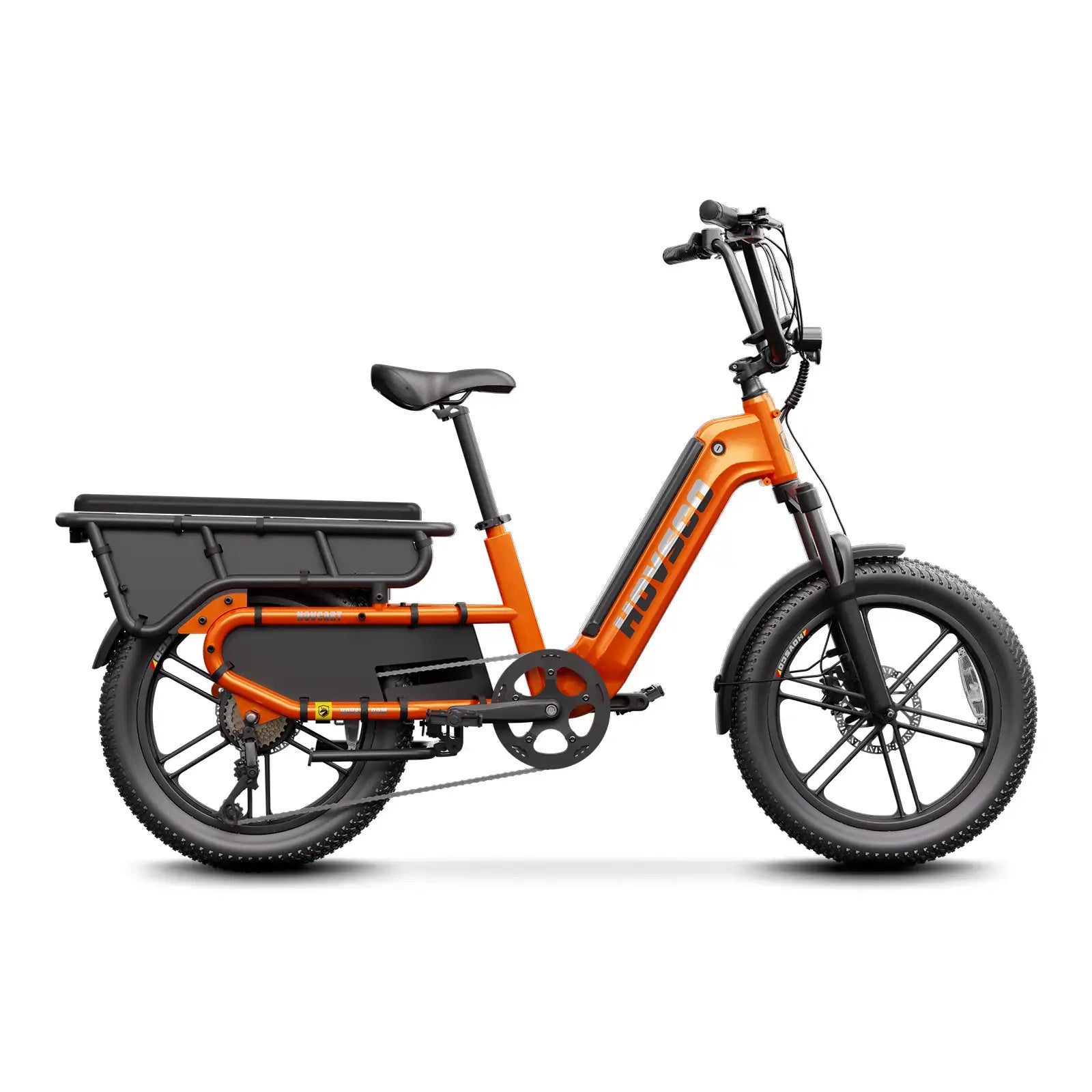
A low standover height allows riders to remain seated while placing both feet flat on the ground, reducing lateral wobble and tip-over risk. This principle—Flat-Foot Safety: How Low Standover Height Prevents Tips and Falls at Traffic Lights—directly enhances control during frequent stops.
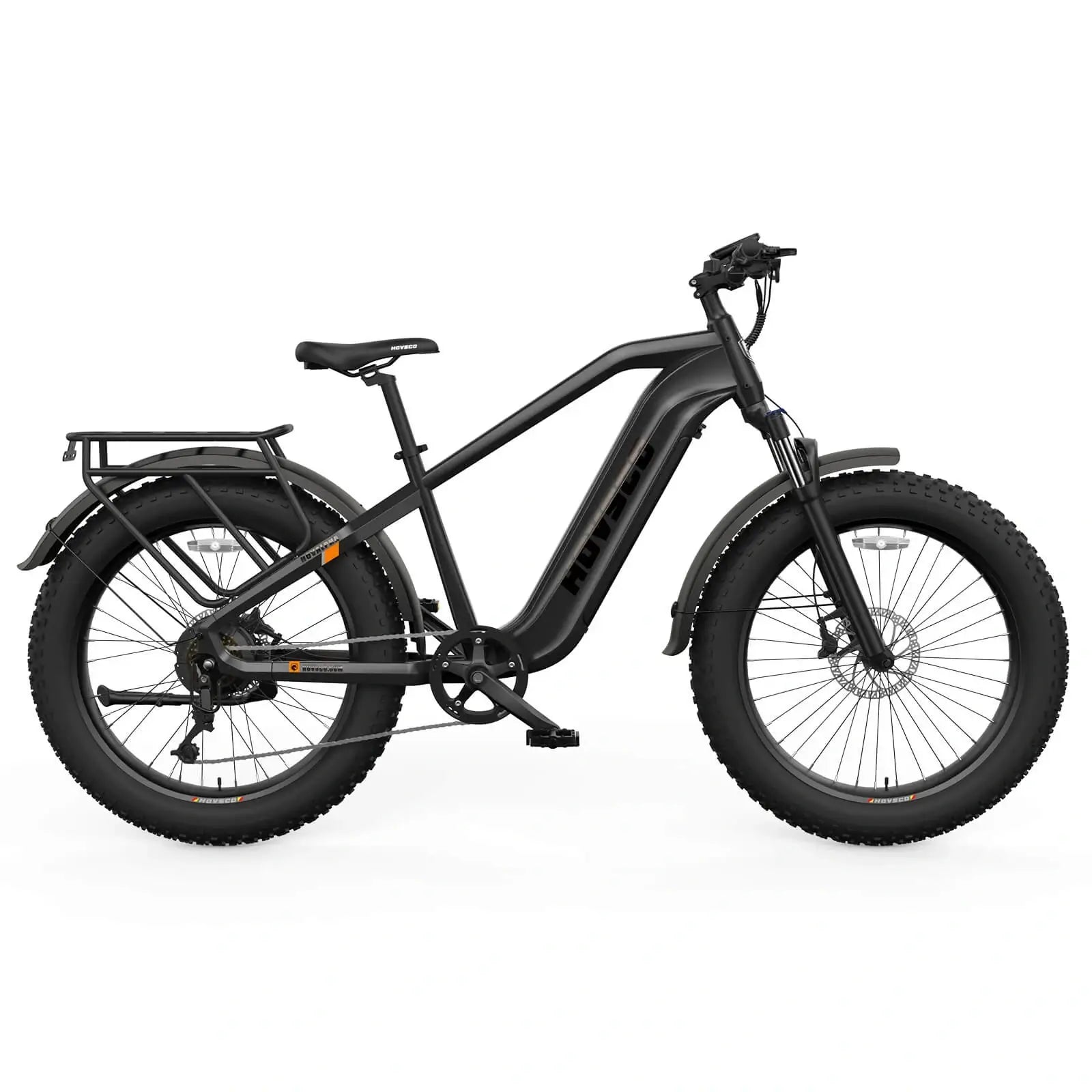
From a frame engineering perspective, lowering the top tube even slightly shifts weight distribution downward, making balance corrections more intuitive and immediate.
Flat-foot positioning means a rider can fully plant both feet on the ground while staying seated. This eliminates the need to lean the bike, which is a common cause of instability for new riders.
Beginners often struggle with balance during stops. Flat-foot geometry removes that uncertainty, allowing riders to focus on traffic awareness rather than body positioning.
Most e-bike falls occur at low speeds or full stops due to balance loss, delayed foot placement, or uneven ground. Traffic lights increase this risk because riders must stop quickly and stabilize immediately.
When riders can place both feet flat on the ground, they avoid the common “lean-and-tip” scenario, significantly reducing fall probability in urban environments.
Flat-foot geometry is ideal for beginners, shorter riders, commuters, and anyone navigating stop-and-go traffic. It is also beneficial for older riders who prioritize stability and ease of use.
In real-world product testing, riders transitioning from traditional frames to low standover designs consistently report improved confidence within the first ride.
Frame design directly influences the center of gravity by lowering the rider’s position relative to the ground. A lower center of gravity improves balance and reduces tipping risk.
From an engineering standpoint, optimizing frame geometry is one of the most effective ways to improve safety without adding complexity.
Yes, flat-foot safety significantly reduces panic by giving riders a stable and predictable stopping position. Knowing they can safely stop without dismounting lowers anxiety and improves decision-making.
This psychological benefit is often overlooked but is critical in helping new riders build long-term confidence.
Lighting systems improve visibility and communication at intersections. The HOVSCO™ speed-sensing high-intensity front and rear turn signal system enhances safety by automatically adjusting brightness and clearly indicating rider intentions.
Maintaining full handlebar control while signaling is especially important during stops, where balance and awareness are critical.
Riders should stay seated, keep both feet flat on the ground, and maintain a straight handlebar position. This posture ensures maximum stability and allows for a smooth restart.
Proper positioning reduces the risk of sudden imbalance and improves overall control in high-traffic situations.
Flat-foot design may slightly reduce maximum leg extension, but modern geometry minimizes efficiency loss. Most urban riders will not notice any significant difference.
Engineers often compensate by adjusting saddle angle and crank length, maintaining a balance between comfort and pedaling performance.
HOVSCO e-bikes are designed with low standover frames, ergonomic seating, and integrated safety systems. Combined with the HOVSCO™ speed-sensing high-intensity front and rear turn signal system, riders benefit from both stability and visibility.
Flat-Foot Safety: How Low Standover Height Prevents Tips and Falls at Traffic Lights is embedded into the design philosophy, ensuring a safer and more intuitive riding experience.
“As a specialist involved in frame geometry calibration, I can confirm that standover height is one of the most critical yet underestimated safety factors. Riders often focus on speed or battery capacity, but real-world safety starts with stability at zero speed. At HOVSCO, we fine-tune frame dimensions to ensure riders can naturally place both feet on the ground without shifting their center of mass. When combined with intelligent lighting systems, this creates a riding experience that feels controlled, predictable, and safe.”
Riders should prioritize flat-foot safety in urban environments, during daily commutes, or in areas with frequent stops. Performance-focused geometry is better suited for long-distance or high-speed riding.
In city conditions, stability and control consistently outweigh marginal gains in efficiency or speed.
Flat-foot safety is most beneficial in cities, intersections, and areas with heavy traffic. It is also useful on uneven terrain where stable footing is essential.
Frequent stops and unpredictable conditions make flat-foot positioning a key safety advantage in real-world riding scenarios.
Flat-foot safety represents a fundamental shift in e-bike design, focusing on real-world usability rather than theoretical performance. By lowering standover height, riders gain immediate stability, reduce fall risk, and improve confidence at every stop.
When combined with advanced features like the HOVSCO™ speed-sensing high-intensity front and rear turn signal system, the result is a safer, smarter, and more user-friendly riding experience. For urban riders and beginners alike, this design approach delivers measurable improvements in both safety and comfort.
What is flat-foot safety on an e-bike?
It allows riders to place both feet flat on the ground while seated, improving balance and reducing fall risk.
Is low standover height important for beginners?
Yes, it significantly improves stability and confidence, especially during stops.
Do all e-bikes support flat-foot positioning?
No, only models with specific low-frame geometry are designed for this feature.
Does flat-foot design affect performance?
It has minimal impact on performance and is optimized for comfort and safety.
Why are turn signals important on e-bikes?
They improve visibility and communication, reducing accident risk at intersections.
Share:
Is a step-thru ebike best for commuting in formal wear?
Is a Step-Thru Ebike as Stable?