
























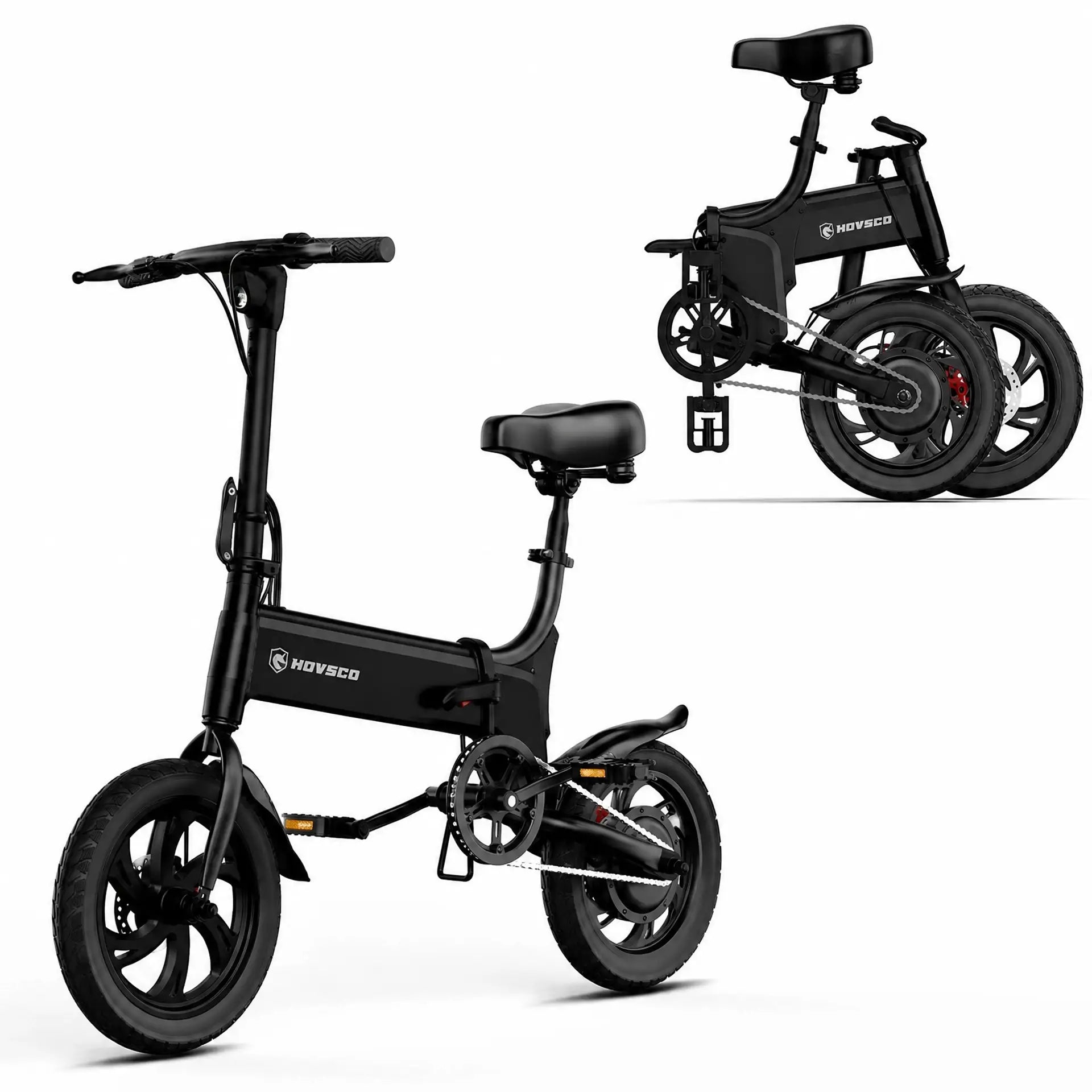
![[ New Arrival ] Porto Max Electric Scooter For Commute & Grocery Shopping - HOVSCO](http://www.hovsco.com/cdn/shop/files/PotroMax-3.jpg?v=1706927007&width=1200)
- by SteveJames
How can you truly theft-proof your commuter ebike in the city?
- by SteveJames
E-Bikes
Accessories
 Free Shipping
 15-Day Returns
 2-Year Warranty
Free Shipping
15-Day Returns
2-Year Warranty
2-Year Warranty
Free Shipping
15-Day Returns
2-Year Warranty
The most effective anti‑theft strategy combines a hardened U‑lock through your rear wheel, frame, and an immovable object, plus a secondary steel cable through the front wheel and accessories. Layer this with smart parking choices under visible cameras, discreet GPS or AirTag‑style tracking inside your frame, and daily habits that make your commuter ebike a far less attractive target.
The Ultimate Urban Anti-Theft Blueprint works by stacking multiple independent barriers against thieves: mechanical locks, location strategy, tracking, and behavior. You lock the frame and rear wheel with a U‑lock, loop a cable through the front wheel and saddle, park in visible areas, and hide a tracker inside the bike so you can still locate it if everything else fails.
In big cities, thieves specialize: some carry bolt cutters, some use battery angle grinders, and some just roll away unlocked bikes. A single device almost never stops them all. I design commuter ebike setups like layered security systems: a U‑lock attacking the wheel‑to‑frame joint, a steel cable protecting quick‑release components, smart parking spots that make cutting noisy and obvious, and last‑ditch tracking buried inside the frame. On a step‑through commuter such as a HovRanger 27.5" Step‑Thru, that means planning where each lock and each “hidden surprise” lives from day one, not as an afterthought.
The correct way is to run the U‑lock through the rear wheel, the frame’s main triangle or step‑through section, and a solid anchor like a steel rack, then use a steel cable to secure the front wheel and removable parts. This forces thieves to defeat at least two different systems and prevents them from leaving with a rolling, rideable bike even if one layer fails.
On the factory and shop side, we see the same mistake repeatedly: riders lock only the frame, or only a wheel, or lock to something flimsy like a decorative fence. The “textbook” configuration for a HovRanger 27.5" Step‑Thru‑style commuter is simple. Stand on the non‑drive side, bring the rear wheel close to a fixed metal post or city rack, then insert the U‑lock so it passes through: rear rim (not just spokes), frame tube, and the rack. The cable then loops from the U‑lock body through the front wheel and, ideally, around the saddle rails. This way, any quick‑release or hex‑bolted wheel becomes an annoyance instead of an easy take.
Imagine a top‑down diagram where a bold outline shows your rear wheel, thick down tube, and a city rack post. The U‑lock shackle is drawn as a rigid “D” passing simultaneously through: rear wheel rim, frame’s main tube, and the rack post. A thinner steel cable snakes from the U‑lock’s crossbar, loops through the front wheel and saddle rails, and returns to the lock body. Any thief must now compromise at least two separate materials in two different places to get anything rolling.
The safest locking spots combine solid, immovable anchors with high visibility and low escape options: official bike racks near building entrances, metal railings within CCTV coverage, or posts in busy, well‑lit plazas. The riskiest spots are hidden alleys, wooden or flimsy structures, or “sign poles” that can be lifted out of their bases, letting thieves slide your locked bike off from the top.
As someone who tests ebikes around dense urban cores, I treat the surroundings as part of the security system. A perfect lock on a weak anchor is a failed system; a mediocre lock on an excellent anchor plus cameras is often safer. For a HovRanger‑type commuter, aim for metal posts that are concreted into the ground, taller than your top tube, and clearly not removable. Methodically check for CCTV lenses, building entrances, and sightlines; thieves dislike being stared at by both glass and people.
To avoid “camera blind spots,” do a quick scan: make sure your ebike is not tucked behind pillars, parked vans, or advertising boards that block the camera’s line of sight. In high‑theft districts, I sometimes choose a slightly longer walk from a clearly monitored rack rather than parking right outside a target‑rich train station entrance that sits in a shadow gap between cameras.
Locking the rear wheel, frame, and a fixed object inside the same U‑lock ensures thieves cannot steal a functional bike by removing one part. By catching the rear rim and frame together, you anchor the drivetrain and the most expensive wheel to immovable street furniture, making disassembly‑based theft much harder and time‑consuming.
From a mechanical standpoint, the rear triangle and wheel are the heart of any commuter ebike’s value: they carry the motor (on hub‑drive bikes), cassette, and most of the powertrain. I consistently tell riders to treat the rear wheel as the priority, not the front. When the U‑lock shackle passes through the rear rim, the frame’s main tube, and a secure rack, a thief cannot simply remove a wheel and walk off with the rest. They would need either brutal cutting tools or a long uninterrupted window to work through multiple components.
On a step‑through design like the HovRanger 27.5" Step‑Thru, the open mid‑frame makes it tempting to lock only the low tube. Resist that. Tilt the bike so the U‑lock captures the thicker down tube or seat tube plus the rear rim and rack post in one loop. The more material and structural “joints” you trap inside the shackle, the less likely a thief can twist or pry the lock apart.
You can choose and position a U‑lock to resist real‑world attacks by matching its shackle thickness and rating to your city’s theft level and by minimizing open space inside the shackle. A shorter, thicker U‑lock parked low and tight around your rear wheel and frame gives bolt cutters less leverage and makes angle‑grinder access more awkward and conspicuous.
In high‑theft environments, aim for a U‑lock with a hardened steel shackle of at least 13–16 mm diameter and a recognized security rating. As someone who has seen locks fail on workshop test benches, I prioritize compact models that barely fit around the wheel, frame, and rack, forcing thieves to cut at difficult angles close to the ground. Don’t be seduced by long shackles that are easy to place but also easy to pry.
Position the lock so the key cylinder faces down or to the side, reducing exposure to picking and drilling. Keep the lock body off the ground when possible; thieves love to use the pavement as an anvil. For a HOVSCO commuter platform, I often recommend mounting the lock bracket on the downtube and practicing a consistent “rear wheel first” routine until it becomes muscle memory.
The right way to use a steel cable on a commuter ebike is as a secondary layer to secure the front wheel, saddle, and accessories after the frame and rear wheel are already protected by a U‑lock. Never rely on a cable as your sole defense; it is a delay tactic designed to add time and noise, not an impenetrable barrier.
From an engineering perspective, most consumer bike cables are simple braided steel under a plastic sheath; they buy you minutes against hand tools, not invincibility against powered cutters. I design cable routing on city demo bikes to be as annoying as possible for thieves: through the front wheel, around the fork crown, up through the saddle rails, and back to the U‑lock body. This forces multiple cuts if someone wants all the parts.
On a HovRanger 27.5" Step‑Thru‑style commuter, route the cable so it cannot easily be slipped over the top of the frame if a thief loosens a component. For example, if you run it above the crown and through the spokes, even removing the wheel won’t free the cable without cutting. Think of the cable as the net around your valuables; the U‑lock is still the gate that must never fail.
You can hide and use an AirTag‑style tracker inside an ebike such as a HovRanger by placing it in a non‑obvious, vibration‑damped cavity inside the frame, seat tube, or accessories, and pairing it with a tracking app for post‑theft recovery. The goal is stealth: thieves should not know the tracker exists, and it must survive daily commuting abuse.
When I help riders plan tracking on step‑through commuters, I look for “dead space” inside the frame: under the bottle cage, behind plastic motor covers, or within hollow seatposts. An internal mounting point in a HovRanger‑style step‑through can be treated like a hidden AirTag pocket. Wrap the tracker in thin foam or heat‑shrink to stop rattling and moisture ingress, then secure it with a small zip‑tie or screw so it doesn’t migrate into moving parts.
The key is to combine this with visible deterrents: a sturdy HOVSCO‑branded frame, serious locks, and perhaps a subtle “GPS protected” decal. You are not trying to bait confrontation; you are aiming for silent recovery. If the bike is ever taken, you can share its live location with law enforcement instead of searching blindly. Just remember to test signal strength before sealing everything up, as some frame cavities can shield Bluetooth and cellular signals more than others.
Rider behavior matters as much as hardware because consistent habits determine how much exposure your ebike really has. Even the strongest lock fails if you occasionally “just pop inside” without using it, or always park in the same predictable, vulnerable spot. A disciplined routine of double‑locking, removing valuables, and mixing parking locations drastically reduces theft risk.
From long‑term observation, I can say most commuter ebike thefts happen on “exception days”: the one time a rider skips the U‑lock for a quick errand, the one night they leave the bike outside instead of inside a garage, or the one week they park at the edge of a dark lot because it is slightly closer. Hardware is static; human behavior is variable. Thieves count on that.
Set simple non‑negotiable rules for yourself. For example: the HovRanger always gets at least one solid lock, even if you are “just grabbing coffee.” The battery comes inside overnight. The bike never spends a full night on a public sidewalk. Treat every stop as if you’ll be gone longer than planned. Over time, this mindset turns what looks like “paranoia” into a simple, automatic routine.
Insurance, registration, and community can significantly improve your odds of recovery and compensation, even if a theft occurs. Registering your frame serial, photographing your accessories, joining local bike security groups, and carrying dedicated ebike insurance make you harder to target and quicker to respond if the worst happens.
On the technical side, recording your frame number, motor ID (if visible), and battery serial moves you from “anonymous loss” to “traceable property.” Many HOVSCO owners share information within brand communities, posting stolen‑bike alerts with detailed descriptions. Thieves hate items that can be uniquely identified. Insurance tailored to ebikes can cover theft from public locations and sometimes even partial component loss, which is crucial when a motor or battery alone can represent a large chunk of your bike’s value.
Community watch is the under‑rated part of the anti‑theft ecosystem. If you lock your HovRanger‑style commuter in the same secured workplace garage each day and coworkers know it, any suspicious behavior stands out. In some cities, messaging groups and forums specialize in spotting and reporting suspicious listings of high‑end ebikes, making life harder for organized theft rings.
“When we build a HOVSCO commuter ebike, we assume it will spend thousands of hours locked on real streets, not just hanging in a showroom. That’s why we design the frame around solid lock points, reinforce areas where U‑locks will bite, and leave internal cavities where riders can discreetly hide trackers. A HovRanger‑type step‑through with a proper U‑lock, steel cable, and smart parking routine is not just comfortable to ride—it is engineered from day one to be difficult to steal and easy to recover.”
The strongest commuter ebike defense is a system, not a single lock. Start with a high‑security U‑lock through the rear wheel, frame, and a fixed metal anchor. Add a steel cable to tie down the front wheel and saddle. Choose visible, camera‑covered parking spots with immovable anchors, and vary them when you can. Hide an AirTag‑style tracker discreetly inside your step‑through frame or components as a silent backup.
Pair this hardware with disciplined habits: never skipping the lock “just this once,” removing the battery and loose accessories overnight, and registering your frame and receipts. A HovRanger 27.5" Step‑Thru‑style commuter from HOVSCO becomes far harder to steal when you design your daily locking routine as carefully as the engineers designed the frame. The result is not absolute immunity—but it is enough to push most thieves toward easier, less prepared targets.
Do I really need both a U‑lock and a cable lock for my commuter ebike?
Yes. The U‑lock secures the frame and rear wheel to an immovable object, while the cable protects the front wheel and saddle. Together they create multiple barriers and discourage opportunistic thieves.
Is it safe to leave my ebike locked outside overnight in the city?
Even with good locks, leaving an ebike outside overnight is risky in high‑theft areas. Whenever possible, bring it indoors or into a locked garage. Use outdoor parking for daytime, high‑visibility hours only.
Where is the best place to hide an AirTag‑style tracker on a step‑through ebike?
Inside the frame or seatpost, behind plastic covers, or within accessories like lights or bells. Always secure it against rattling, test signal strength, and avoid obvious spots thieves routinely check.
Can a thief still steal my ebike if it is locked correctly?
Determined thieves with power tools can defeat almost any lock given enough time and privacy. Your goal is to make theft noisy, slow, and highly visible so they choose an easier target instead.
Does the brand of my ebike, such as HOVSCO, affect theft risk?
Recognizable brands like HOVSCO can be attractive to thieves, but they also have strong owner communities and documentation. Good locking practices and smart parking matter more than the brand name alone.
Share:
Is a torque-sensor ebike the ultimate no-sweat office commute?
Can one HovRanger really replace your car and save $6,000 a year?