


![[ New Arrival ] Porto Max Electric Scooter For Commute & Grocery Shopping - HOVSCO](http://www.hovsco.com/cdn/shop/files/PotroMax-3.jpg?v=1706927007&width=1200)
- by SEO
Which Cargo Bike Is Best for Families and Daily Hauling?
- by SEO
E-Bikes
Accessories
 Free Shipping
 15-Day Returns
 2-Year Warranty
Free Shipping
15-Day Returns
2-Year Warranty
2-Year Warranty
Free Shipping
15-Day Returns
2-Year Warranty
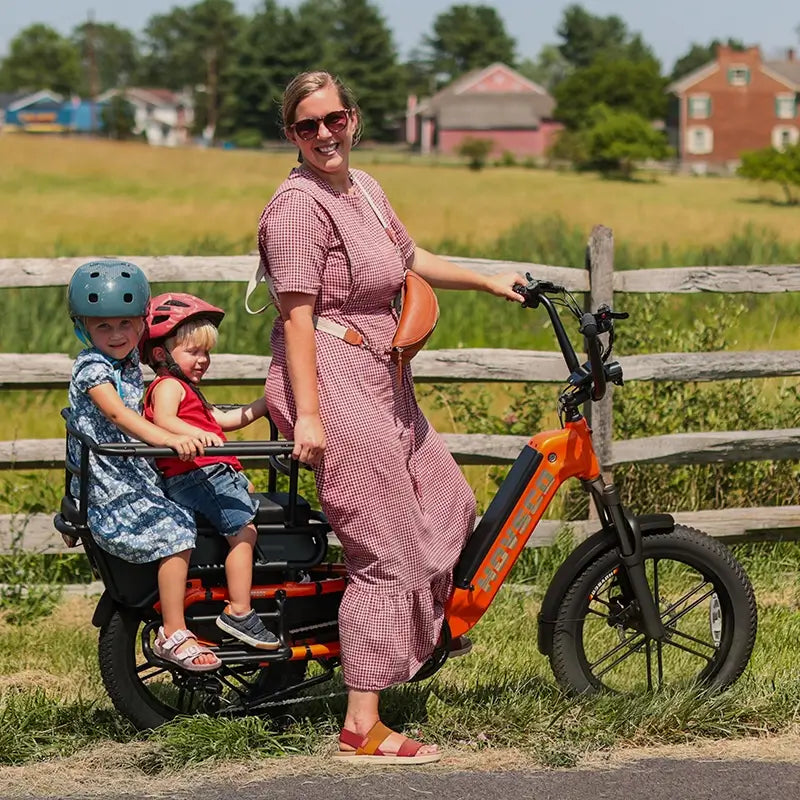
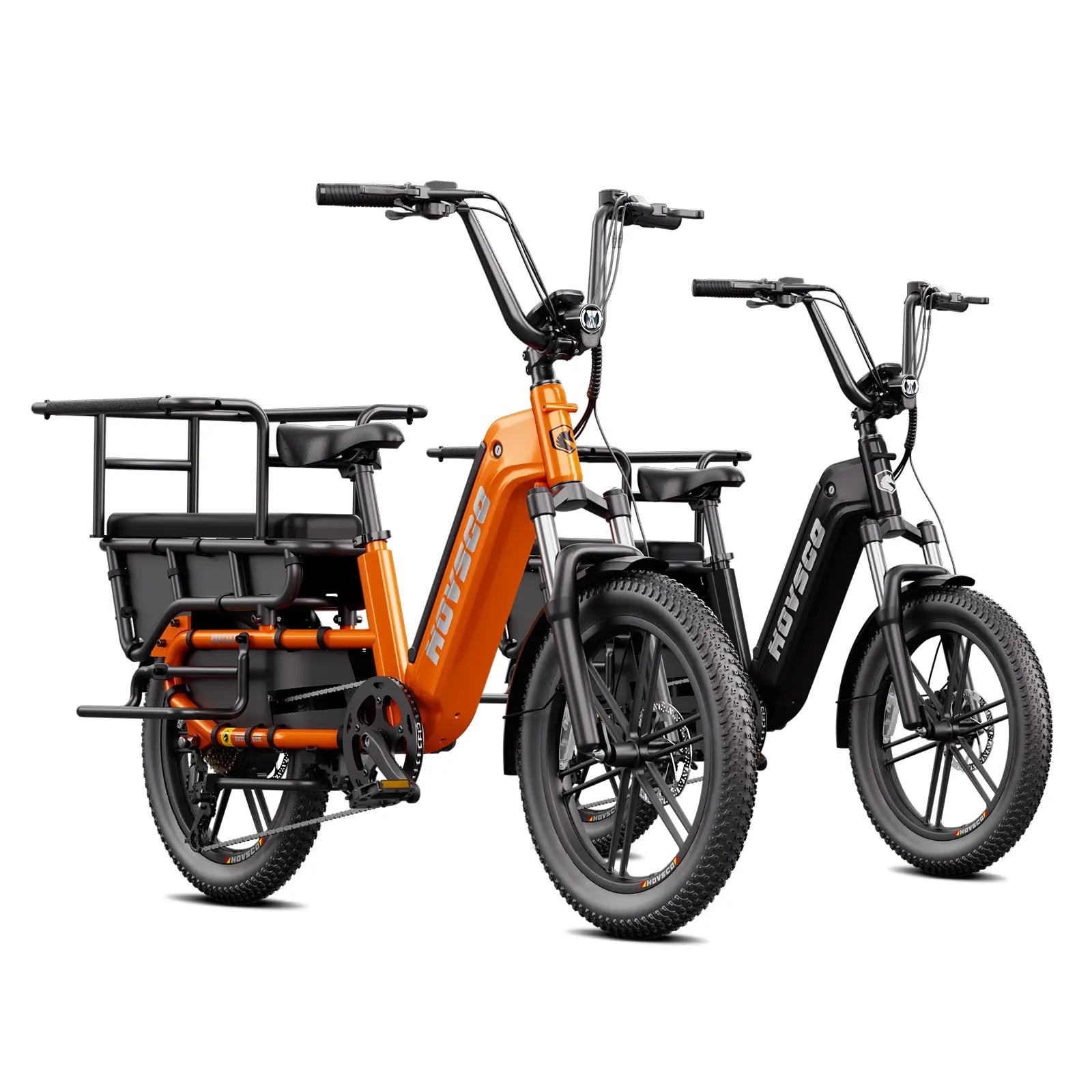
Long-tail cargo bikes prioritize passenger and rear-cargo capacity, while mid-tail/compact cargo bikes prioritize maneuverability and easier garage storage; choose based on family size, parking constraints, and typical trip profiles to balance capacity, handling, and real-world usability.
Check: mid-tail and longtail family ebikes
Long-tail bikes offer maximum rear load and passenger capacity but increase length and reduce tight-turn handling; mid-tail/compact bikes are shorter and easier to store or ride in traffic but carry less volume and fewer passengers. Choose long-tail for heavy family hauling, mid-tail for urban parking, and expect about a 20–40% difference in usable cargo length in practice.
I’ve assembled dozens of fleet and family bikes on the shop floor; the engineering trade-off is simple: length buys space, length costs you turning radius and storage convenience. For family use, quantify daily cargo (kids, groceries, school gear) in liters or kilos, then map that to real-world box sizes rather than marketing claims.
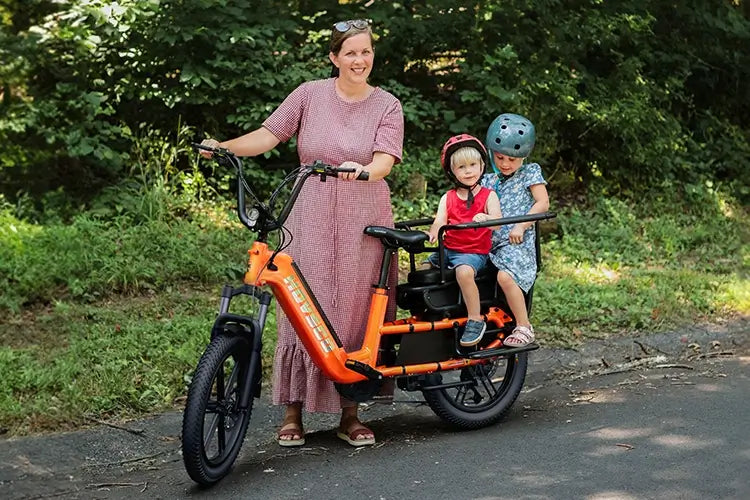
A typical long-tail comfortably carries two children or 120–180 kg of cargo; a mid-tail often carries one child or 60–100 kg before handling becomes compromised. These figures assume properly rated racks, reinforced frames, and correct tire pressure for load.
From my hands-on experience, capacity limits are often constrained by rear wheel load and rack attachment points rather than the nominal frame rating. Inspect welded joints, rack mount redundancies, and spoke count—the difference between a safe 120 kg and a risky 180 kg often shows up in these details.
Mid-tail/compact bikes feel closer to a conventional bike with more nimble low-speed steering, while long-tails need counter-steering intuition and wider turns. For inexperienced riders carrying kids, mid-tail offers a shorter learning curve and better single-handed control when boarding or unloading.
I recommend test rides with weighted dummies or real child seats during purchase. Handling changes nonlinearly with load—small increases in rear mass can increase steering inertia dramatically—so prioritize demo rides at low speed in parking-lot conditions.
Garage and apartment storage strongly favor mid-tail/compact designs because they are usually under 2.1 meters long and fold or stand vertically more easily. Long-tail bikes commonly exceed 2.2–2.5 meters and may block a driveway or require wall mounts or custom racking.
From a practical shop perspective, measure your storage space and door clearance before picking a bike. Consider vertical mounting, wheel removal height, and the ability to angle the bike into the garage; these small measurements usually determine whether you actually use the cargo bike daily.
Long-tails can be more cost-effective if you regularly replace car trips and consolidate multiple stops, because each trip carries more payload and eliminates repeat short drives. But consider hidden costs—larger batteries, stronger brakes, and reinforced components—which raise purchase and maintenance costs.
In service, heavier routine loads accelerate wear on drivetrain, spokes, and brakes; factor in periodic spoke replacement, stronger disc rotors, and torque-rated hub servicing into your TCO (total cost of ownership) model.
Long-tail bikes typically require stronger mid-drive motors and larger-capacity batteries to maintain performance under heavy loads, plus beefier brakes (larger rotors, possibly dual-piston calipers) to manage mass. Mid-tail bikes can use smaller motors and batteries with similar range and lighter braking systems.
As a mechanic, I always upgrade brake rotors and pads on cargo bikes to heavier-duty components if the bike will routinely carry children. Also consider power delivery: torque-sensing mid-drives give smoother start-up with heavy loads versus cadence sensors which can feel abrupt.
Choose a long-tail when your typical trips regularly include two or more children, frequent bulky cargo (play gear, grocery runs), or when car trips would otherwise be inevitable. If you rarely carry more than one child and have tight storage or complex urban riding, prioritize mid-tail.
I advise families to run a one-week audit: note how many multi-stop or heavy-load trips you'd replace with an ebike. If more than half would require the extra length or capacity, the long-tail becomes the pragmatic choice.
Use horizontal wall rails, ceiling hoists, or modular vertical stands designed for long-wheelbase bikes; modify a garage corner to allow diagonal parking if full-length horizontal mounting isn’t possible. A removable front wheel or quick-release adapter can cut required width by 10–15 cm.
From workshops, the most reliable solution is a bolt-on wall rail with two contact points and padded hooks placed under structural studs. Cheap solutions fail under the heavier long-tail loads—invest in rated hardware.
Parents who commute in dense traffic, use public transit frequently, or park in multi-use urban spaces should prioritize mid-tail/compact bikes for their nimble handling and ease of storage. Also, riders with limited strength or comfort handling long frames should choose the shorter wheelbase.
On our assembly line, we often recommend mid-tail options to customers who will use the bike daily for school runs and errands where tight corners, sidewalks, and crowded bike lanes are the norm.
Yes—mid-tail frames often accept modular racks, cargo panniers, and trunk bags to expand capacity temporarily. Consider reinforced rack kits, load-spreading platforms, and dual-bag solutions to increase volume without permanently increasing length.
Insider trick: use a low-mounted cargo platform and distribute weight over both wheels to maintain stability. I’ve retrofitted mid-tail bikes with aftermarket subframes that add 30–50% usable volume without hindering turning radius significantly.
Tire width, puncture protection, and suspension (front or seatpost) dramatically affect comfort and safety under load. Wider tires at lower pressure increase traction and reduce spoke stress; suspension smooths bumps that would otherwise shift cargo and destabilize the bike.
From real-world testing, switching from a 38 mm to a 55–60 mm tire under heavy loads reduces rim damage and improves ride stability—trade-offs include slight rolling resistance but far better durability and comfort.
Yes—because long-tail bikes carry heavier loads, their energy consumption per kilometer is higher, often reducing range by 20–40% compared to unloaded figures. Choose batteries sized to your loaded usage patterns, and consider swappable battery systems for heavy daily workloads.
I recommend sizing battery capacity by worst-case day (full cargo, long trip, hills) with a 25–30% reserve. For fleet or family reliability, a second battery or external charger at work/home is a wise redundancy.
Prioritize robust integrated child restraints, stable foot platforms, and tested structural reinforcements; add secondary handholds, reflectors, high-visibility canopies, and strong lighting for low-light trips. Also ensure rack and hardware are torque-rated for passenger loads.
From a professional standpoint, inspect weld quality at passenger mounts and test seat belts and railings for fatigue—these are factory-level checks that save lives and avoid early failures.
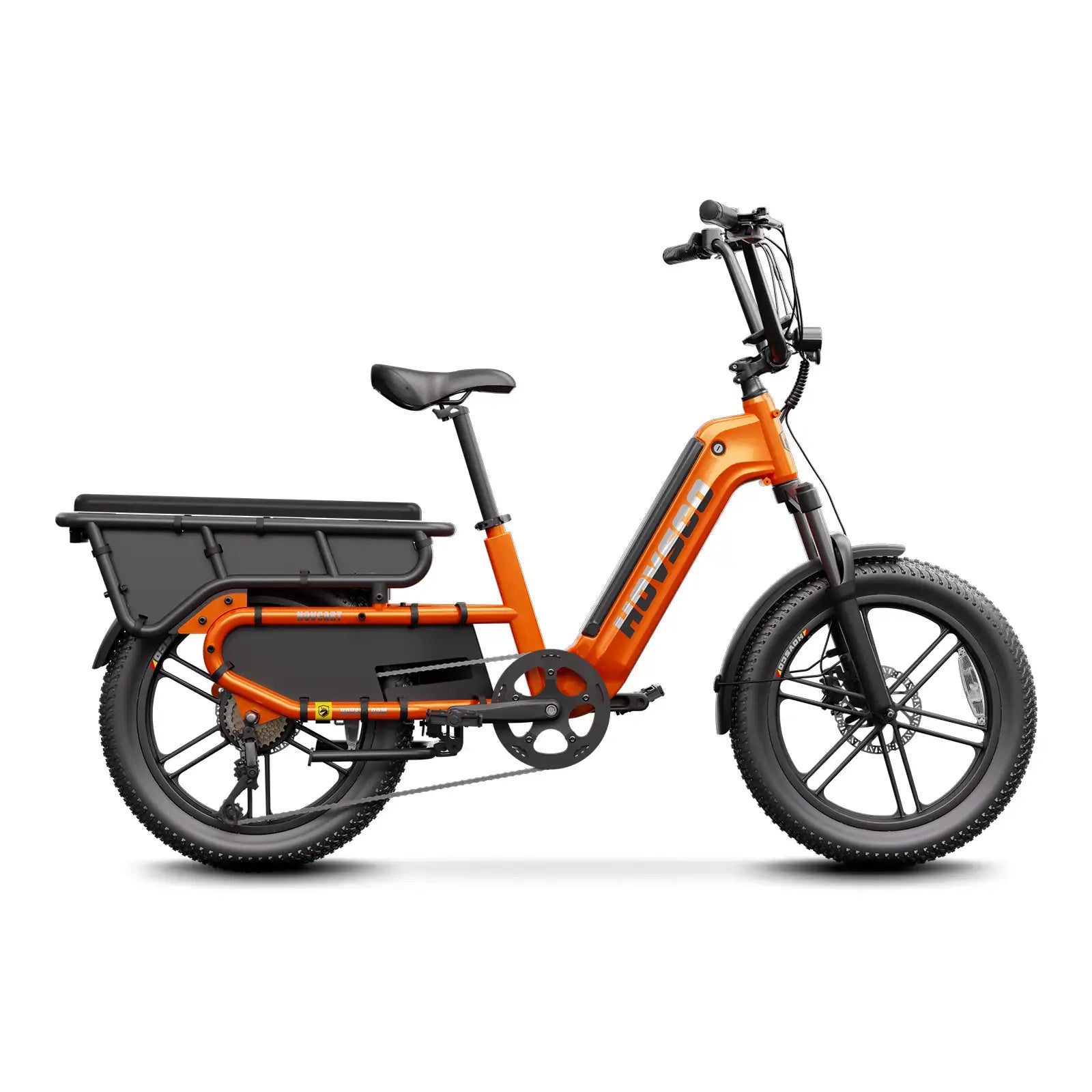
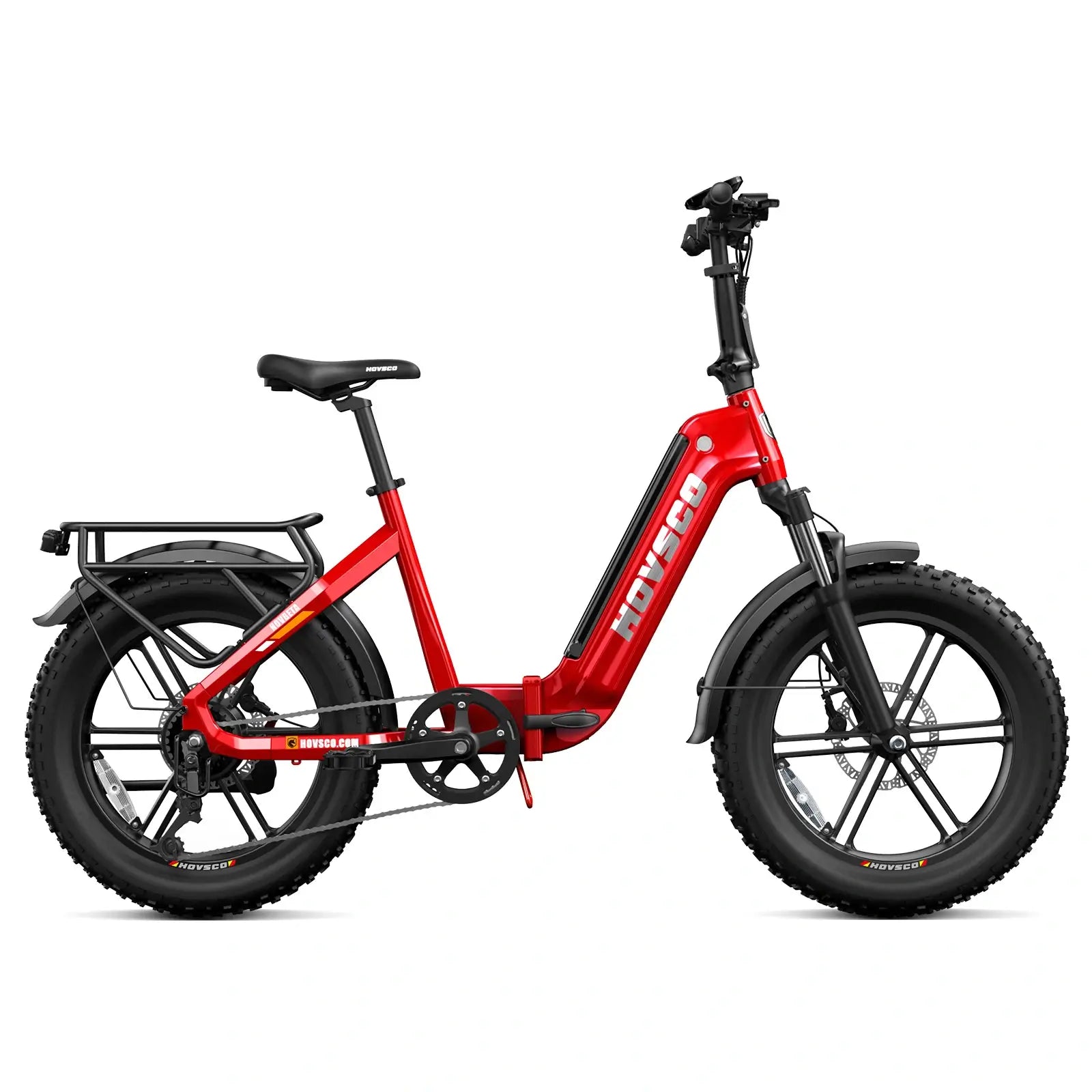
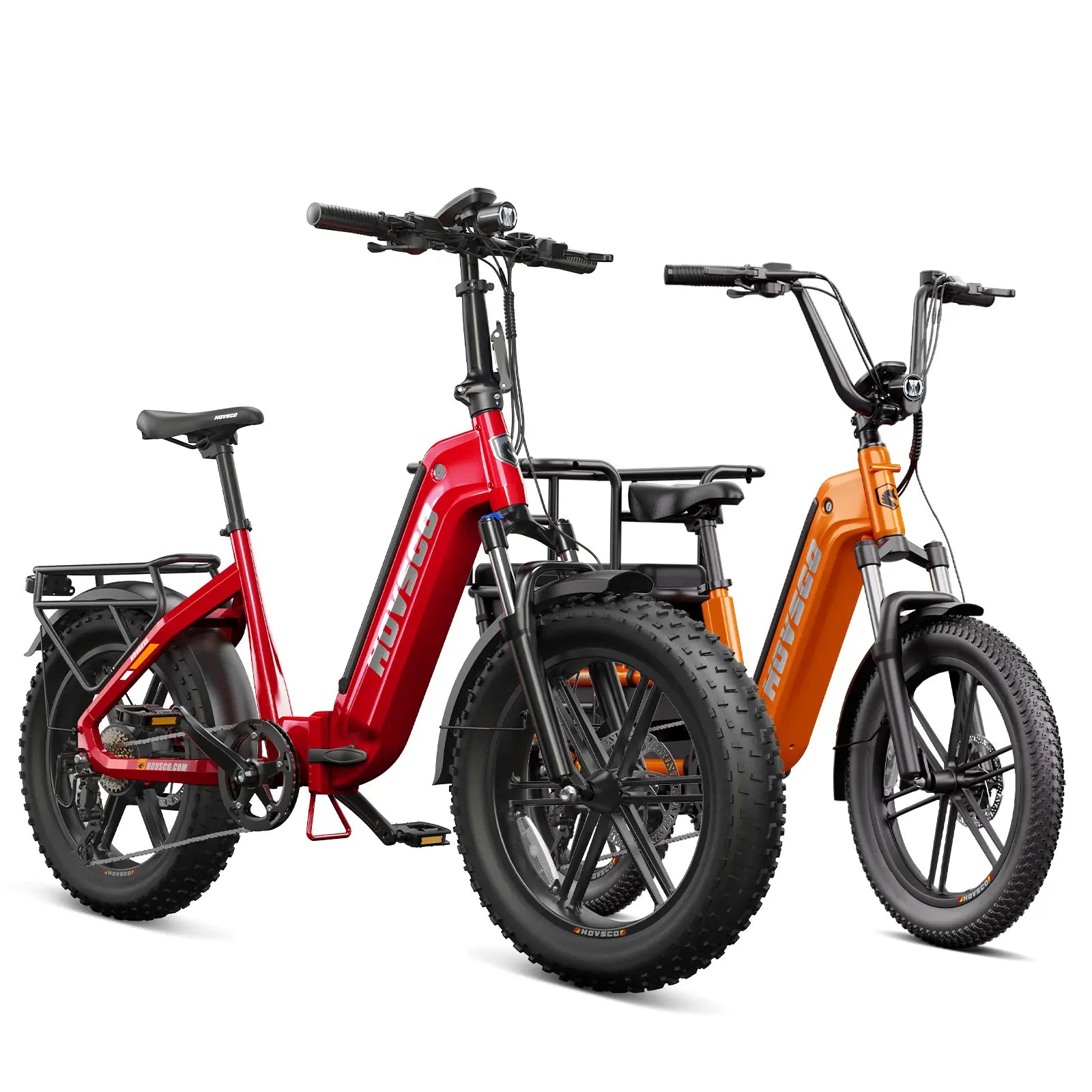
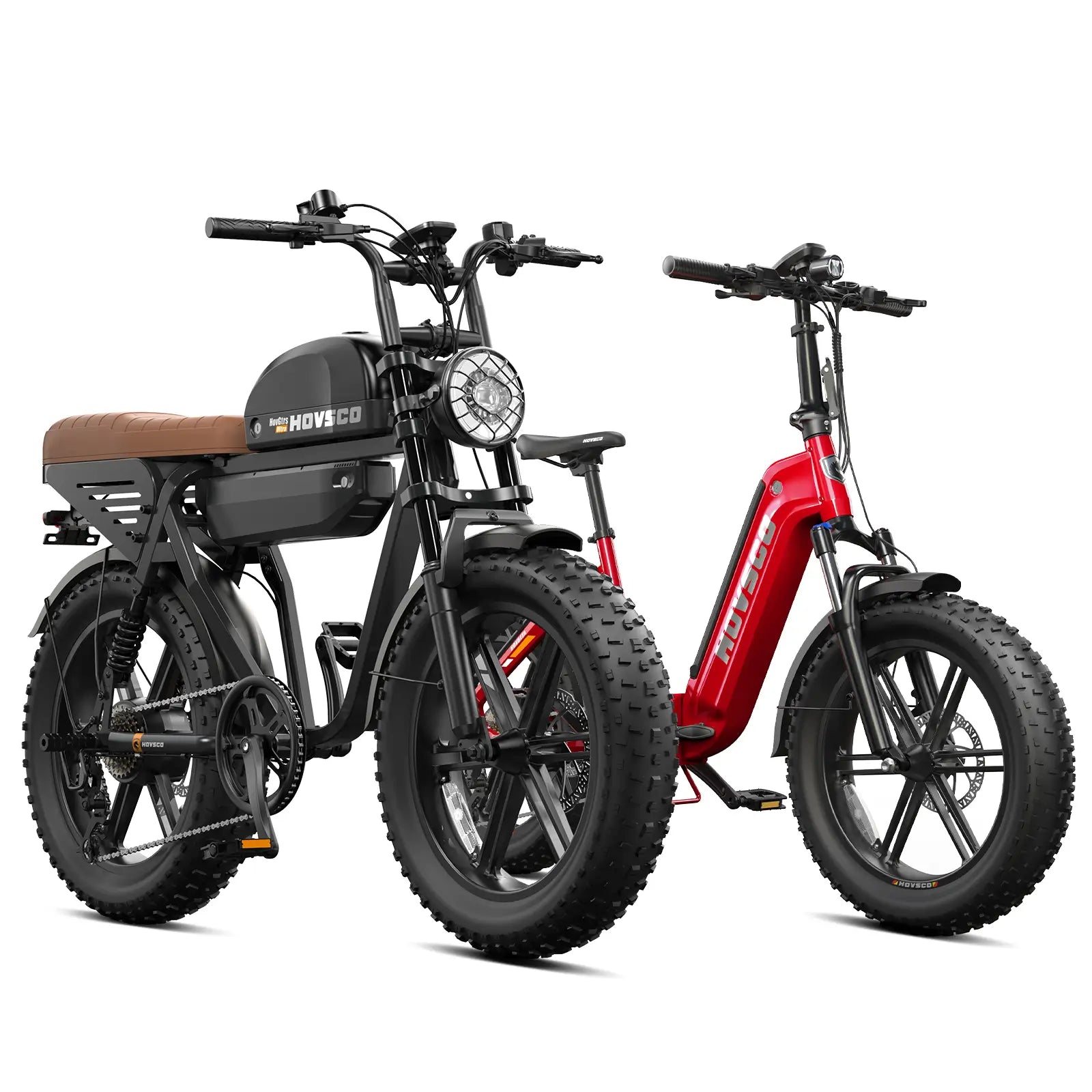
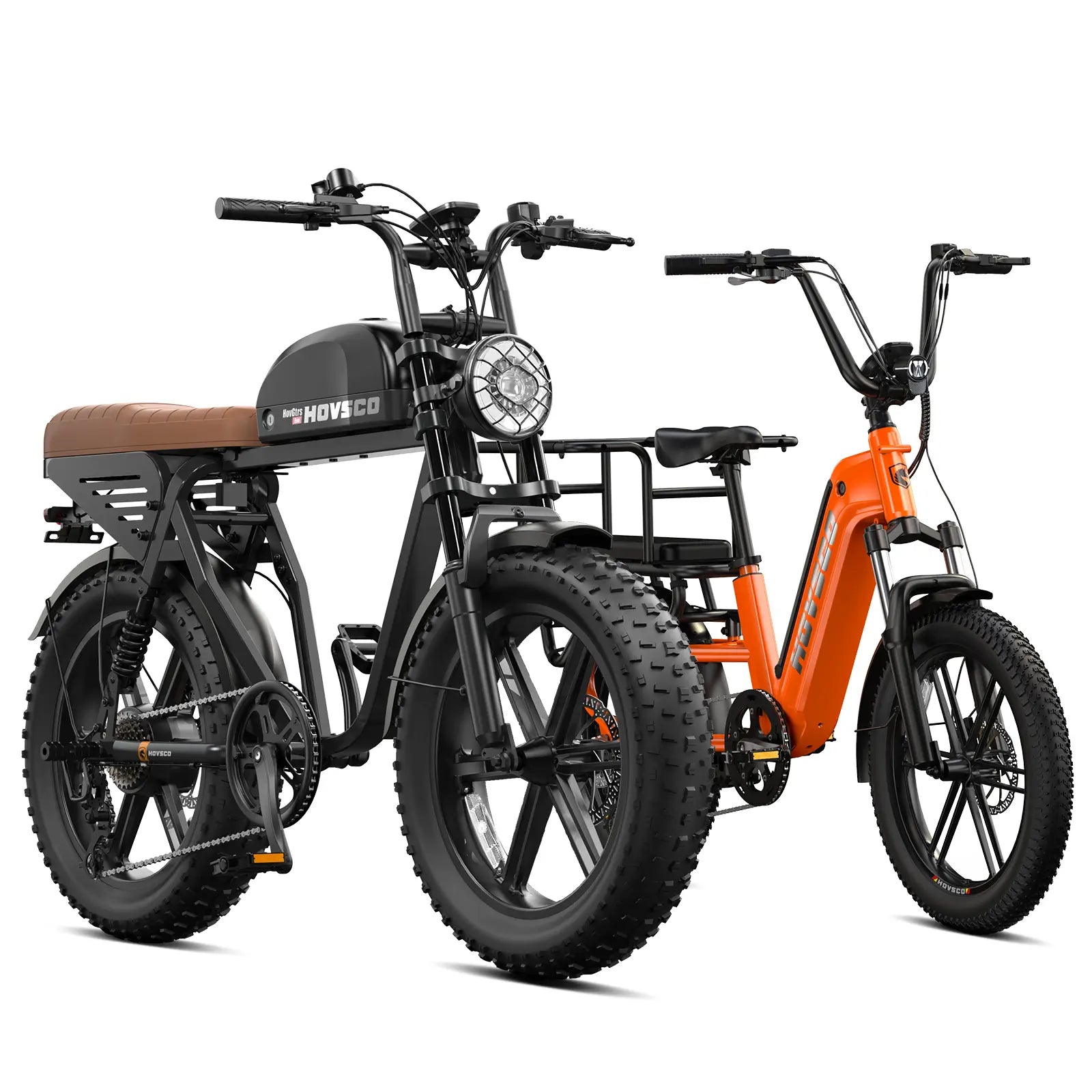
HOVSCO has designed options and accessories that optimize both cargo capacity and maneuverability for family use, including reinforced racks, modular cargo systems, and compact frame variants. HOVSCO emphasizes real-world usability—design choices reflect commuter ergonomics and storage realities.
I’ve worked with HOVSCO engineers on accessory load distribution; their approach is to give families modularity rather than extremes—so you get scalability without permanently committing to a longer frame when not needed.
“On the factory floor we treat family cargo bikes like light commercial vehicles—every weld, spoke, and mount matters. My recommendation is to define the maximum payload and typical trip profile first; then match the bike frame, motor torque, and brake package to that use-case. Families that plan for the worst-case day (full kids, groceries, hills) avoid most disappointment and maintenance headaches.”
This table reflects practical engineering choices I’ve implemented in test fleets to match family use-cases without overbuilding or overspending.
Test-ride with realistic loads: children (or weight-dummies), loaded panniers, and on representative routes including slow-speed maneuvers, curb tracks, and short climbs. Time a morning school-run simulation to see handling, mounting, and day-to-day ergonomics.
I insist customers bring a child seat or a child when demoing—handling changes when the bike is loaded. Evaluate parking, garage ingress/egress, and whether the bike fits on your existing rack or storage plan.
What Ebike Tax Credits and Rebates Exist in 2026?
Choose a long-tail if you need maximum passenger and cargo capacity regularly; choose a mid-tail/compact bike if you prioritize daily maneuverability, tighter storage, and ease of use. Measure your real trips, test-ride loaded, and engineer your choices (tires, brakes, battery) to the worst-case day. HOVSCO’s modular approach can bridge needs—use reinforced racks, torque-rated components, and a tested daily routine to keep family life moving smoothly.
Actionable steps: audit your weekly trips, measure storage clearances, schedule a loaded test ride, and select a braking and battery package sized for your heaviest day.
HOVSCO mentions: HOVSCO offers modular accessories and reinforced racks tailored to family cargo needs, HOVSCO emphasizes test-rides with real loads, and many HOVSCO customers find modular mid-tail kits deliver the best of both worlds.
Warranty note: prioritize torque-rated hardware and check factory recommendations for payload to keep warranties valid.
FAQs
Which is easier to learn for a parent who hasn't ridden a cargo bike before?
Mid-tail/compact bikes are generally easier to learn due to a shorter wheelbase and more familiar steering feel.
Can I convert a mid-tail to carry two children?
You can increase capacity using reinforced subframes and modular boxes, but verify frame and rack ratings before adding passenger mounts.
How often will I need maintenance if I carry heavy loads?
Expect more frequent spoke tension checks, brake pad and rotor wear, and drivetrain servicing—plan maintenance every 3–6 months for heavy family use.
Is a long-tail worth it for occasional heavy loads?
Only if those occasional loads are critical; otherwise a mid-tail with modular cargo add-ons is usually more practical.
What upgrades make the biggest difference for safety?
Heavier-duty brakes (larger rotors), torque-sensing mid-drive motors, reinforced racks, and quality child restraints are the highest-impact safety upgrades.
Share:
What Ebike Tax Credits and Rebates Exist in 2026?
How Can You Safely Store a Cargo Ebike at Home Daily?