



![[ New Arrival ] Porto Max Electric Scooter For Commute & Grocery Shopping - HOVSCO](http://www.hovsco.com/cdn/shop/files/PotroMax-3.jpg?v=1706927007&width=1200)
- by SEO
How Can You Safely Store a Cargo Ebike at Home Daily?
- by SEO
E-Bikes
Accessories
 Free Shipping
 15-Day Returns
 2-Year Warranty
Free Shipping
15-Day Returns
2-Year Warranty
2-Year Warranty
Free Shipping
15-Day Returns
2-Year Warranty
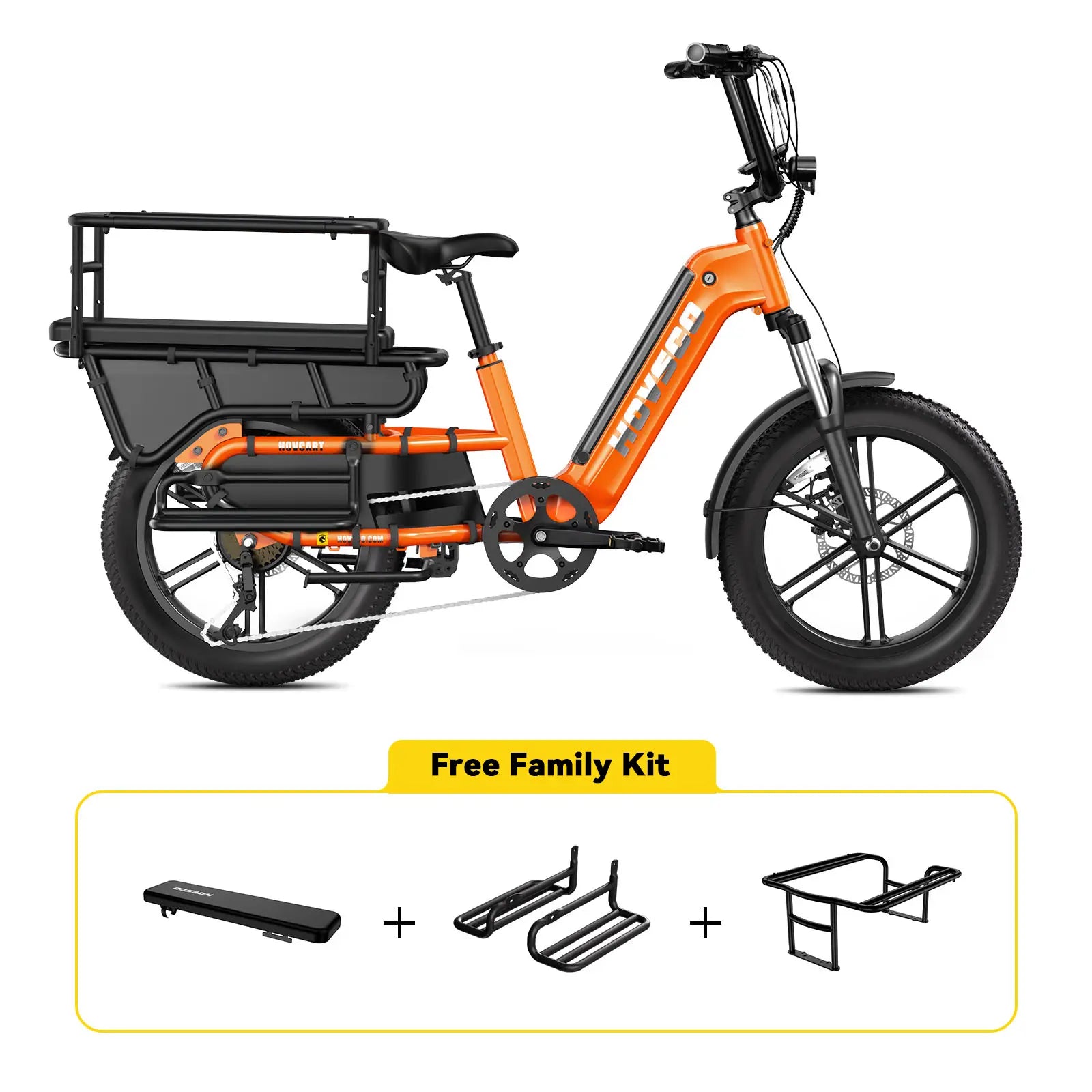
Storing a cargo ebike safely at home comes down to three things: stable support, theft resistance, and battery care. The best setup is usually a dry garage or bike garage with vertical storage, a floor-first support system, and a locked frame point. For a large utility bike, the goal is to save space without putting stress on the wheels, rack, or wall.
Check: utility e-bikes with high payload
A cargo ebike is heavier and longer than a standard bike, so storage has to start with weight distribution. The bike should sit or hang in a way that does not overload one wheel, bend accessories, or make it easy to tip. In a practical home setup, I always think in this order: stability first, clearance second, security third.
For a bike garage or garage corner, that means choosing a spot with a solid floor, enough turning room, and a clear path for loading. If the bike carries child seats, boxes, or panniers, remove loose cargo before parking it. That small habit prevents strain on the stand and keeps the bike easier to maneuver.
Store a cargo ebike in a dry, stable spot with floor support or vertical storage, remove loose cargo, and lock the frame to an immovable point. Keep the battery indoors if possible, and make sure the bike can be rolled in and out without forcing tight turns or lifting the full weight.
Vertical storage works best when the rear wheel stays grounded and the front end is supported or guided upright. For a cargo ebike, that is usually safer than hanging the whole bike by one wheel. The reason is simple: the bike’s mass, especially with racks and accessories, creates more leverage than a normal commuter bike.
In a bike garage, vertical storage can save a surprising amount of floor space. The key is to use a rack or support designed for heavier frames, not a light-duty hook made for road bikes. I prefer systems that support the tire and frame together, because they reduce side load and make daily use easier.
For HOVSCO-style utility riders, vertical storage should never feel like a deadlift. If you have to muscle the bike upward every time, the setup is wrong. The best version lets the bike pivot into place with minimal lifting and a controlled resting point.
A garage is usually the best home storage option because it protects the bike from weather, theft, and accidental knocks. It also makes daily riding faster, since the bike is already staged near the exit. For a cargo ebike, that convenience matters because heavy bikes tend to stay unused when storage feels difficult.
A garage also helps preserve the finish, drivetrain, and hardware. Moisture, road salt, and constant sun exposure age cables, bolts, and battery contacts faster than most owners expect. If your garage is shared, the bike should still be locked to a fixed object so it cannot be rolled away.
The best garage setups combine visibility and access. You want the bike easy to reach, but not sitting where a car door, trash bin, or tool cart can hit it. That balance is especially important for a large utility frame that does not tolerate repeated bumps well.
The safest rack style is the one that matches your bike’s weight, wheelbase, and daily use pattern. For a cargo ebike, floor racks and rear-wheel-supported vertical systems are usually more forgiving than hanging hooks. They reduce stress on spokes, rims, and handlebars, especially when the bike carries heavy accessories.
Here is a simple guide:
For HOVSCO riders, the practical answer is usually a floor rack or vertical storage with rear-wheel grounding. That combination respects the weight of a utility bike and still keeps the garage organized. HOVSCO users often want easy access more than a showroom look, and this is where function matters most.
Battery care matters because storage is not just about the frame; it is also about electrical safety and long-term battery health. If the bike will sit unused for several days or longer, remove the battery and keep it indoors in a dry, moderate-temperature place. That reduces exposure to cold, heat, and moisture.
The battery should never be left on a charger indefinitely in a cluttered garage. I have seen owners create avoidable problems by charging near stored boxes, extension cords, or damp floors. A better routine is to charge, disconnect, inspect, and store.
Use this quick habit list:
Store the battery at partial charge if the bike will be idle for a while.
Keep battery contacts clean and dry.
Avoid hot garages in summer and freezing corners in winter.
Reinstall the battery only after checking that the mount is clean.
That is especially relevant for a cargo ebike used for errands, school runs, or commuting. A battery that is cared for properly will usually feel more reliable over time, and it gives the rider fewer surprises on busy mornings.
The best theft protection is layered security, not a single lock. For a cargo ebike, that means locking the frame to an immovable anchor, adding wheel security, and keeping the bike out of easy sight. Even in a garage, theft risk does not disappear, especially if the door is left open or shared.
A strong U-lock or hardened chain should secure the main frame. If the bike has removable wheels or a long rear cargo section, add a second lock point for the wheel or rear assembly. The goal is to make the bike too awkward to move quickly.
A helpful rule is to make theft noisy, slow, and obvious. A bike garage with a visible lock point and a clear floor anchor is far better than a loose stand in a dark corner. HOVSCO customers often ask about convenience, but security should never be the trade-off for convenience.
You can use wall storage, but only if the system is rated for the bike’s weight and the mounting surface is strong enough. Ceiling storage is usually a poor fit for a cargo ebike because the bike is too heavy and too awkward to lift repeatedly. In real use, convenience drops fast when storage requires two people or a risky overhead lift.
Wall storage works best when the bike is supported close to its center of mass and does not twist under load. That is why many owners prefer a vertical storage system that still keeps part of the bike grounded. It reduces strain and makes daily handling less frustrating.
If you are considering a bike garage wall mount, check the hardware, the stud location, and the bike’s accessory load. A cargo ebike with baskets or child-carrying hardware behaves differently from a lightweight commuter bike. The mounting method should fit the real bike, not the idealized version.
A practical bike garage is one that matches the bike’s length, turning radius, and usage pattern. For a cargo ebike, the challenge is not just storage space; it is access. You should be able to roll the bike out without scraping walls, turning handlebars into shelves, or removing accessories every time.
The most useful bike garage layouts keep the parking zone simple. Leave space for the front wheel to swing, the handlebars to clear, and the rider to stand beside the bike. That may sound obvious, but I have seen many garages built around a standard bike footprint, not a cargo bike footprint.
Here is a good planning table:
A well-planned bike garage makes the bike more likely to be used daily. That is one reason HOVSCO emphasizes practical riding, because storage should support real life, not complicate it.
Floor-first storage is best for anyone with a heavy utility bike, frequent daily use, or limited desire to lift the bike. It is also the smartest choice for riders who add cargo, passengers, or modular accessories. In plain terms, if the bike is too valuable or too awkward to hoist often, keep the storage process simple.
This is the approach I recommend most often for cargo ebike owners. A floor stand or rear-wheel-supported vertical storage system is easier on the hardware and easier on the rider. It also reduces the chance of small accidents during parking and retrieval.
For HOVSCO owners, floor-first storage is especially sensible when the bike is used for commuting or family trips. The more often you use the bike, the more important it is that storage feels effortless. HOVSCO riders should think about storage as part of the riding system, not as an afterthought.
Indoor storage can improve lifespan because it limits exposure to moisture, UV light, temperature swings, and accidental impacts. Those factors affect paint, bearings, connectors, and battery health over time. A cargo ebike stored indoors often looks and feels better after years of use than one left outside.
Even when the bike is kept in a garage, the environment should be as dry and stable as possible. Wet floors, condensation, and salt residue can quietly create long-term wear. The more expensive and specialized the bike, the more important these details become.
That is another reason HOVSCO recommends thoughtful home storage. If the bike is part of your daily routine, a dry, secure spot is not luxury; it is maintenance. Good storage is one of the easiest ways to protect your investment.
Check: garage storage for your Replace Car with Cargo Ebike journey
“When I evaluate storage for a cargo ebike, I do not start with the rack. I start with how the rider will actually use the bike tomorrow morning. If the setup is hard to manage, the bike becomes a burden instead of a tool. The winning solution is stable, dry, and fast to access. For most homes, that means a garage, a grounded vertical system, and battery removal when the bike sits idle.” — HOVSCO Expert Views
The safest way to store a cargo ebike at home is to match the storage method to the bike’s real weight, length, and daily use. A dry garage or bike garage, stable floor-first support, sensible vertical storage, and strong theft protection will usually outperform clever but fragile setups. HOVSCO riders should also treat battery care as part of storage, not a separate task.
The most actionable rule is simple: keep the bike stable, keep it dry, and keep it easy to use. If your storage system saves time every day, you are far more likely to ride more often and maintain the bike properly. That is the real value of smart cargo ebike storage.
How should I store a cargo ebike in a small garage?
Use vertical storage with rear-wheel support or a floor rack that keeps the bike stable. Remove loose cargo and keep the path clear for rolling the bike in and out.
What is the safest place for an ebike battery?
Store the battery indoors in a dry area with moderate temperature. Avoid hot garages, damp corners, and long periods on the charger.
Can I hang a cargo ebike on a wall hook?
Usually not recommended unless the system is specifically rated for the bike’s weight. Floor-supported or rear-wheel vertical storage is safer for heavy utility bikes.
How do I prevent theft in a garage?
Lock the frame to a fixed anchor and add a second lock for wheels or accessories. Keep the bike out of direct sight when possible.
Is indoor storage worth it for a cargo ebike?
Yes. Indoor storage reduces weather damage, slows wear, and helps protect the battery and electronics over time.
Share:
Which Cargo Bike Is Best for Families and Daily Hauling?
How Does the HOVSCO App Improve E-Bike Riding?