


![[ New Arrival ] Porto Max Electric Scooter For Commute & Grocery Shopping - HOVSCO](http://www.hovsco.com/cdn/shop/files/PotroMax-3.jpg?v=1706927007&width=1200)
- by SEO
What Ebike Tax Credits and Rebates Exist in 2026?
- by SEO
E-Bikes
Accessories
 Free Shipping
 15-Day Returns
 2-Year Warranty
Free Shipping
15-Day Returns
2-Year Warranty
2-Year Warranty
Free Shipping
15-Day Returns
2-Year Warranty
Ebike tax credits in 2026 are a mix of proposed federal savings, active state rebates, and local voucher programs. The biggest opportunity is often not a single nationwide credit, but stacking eligible incentives correctly. Families can lower the real purchase price by checking income rules, bike class limits, and local program timing before buying.
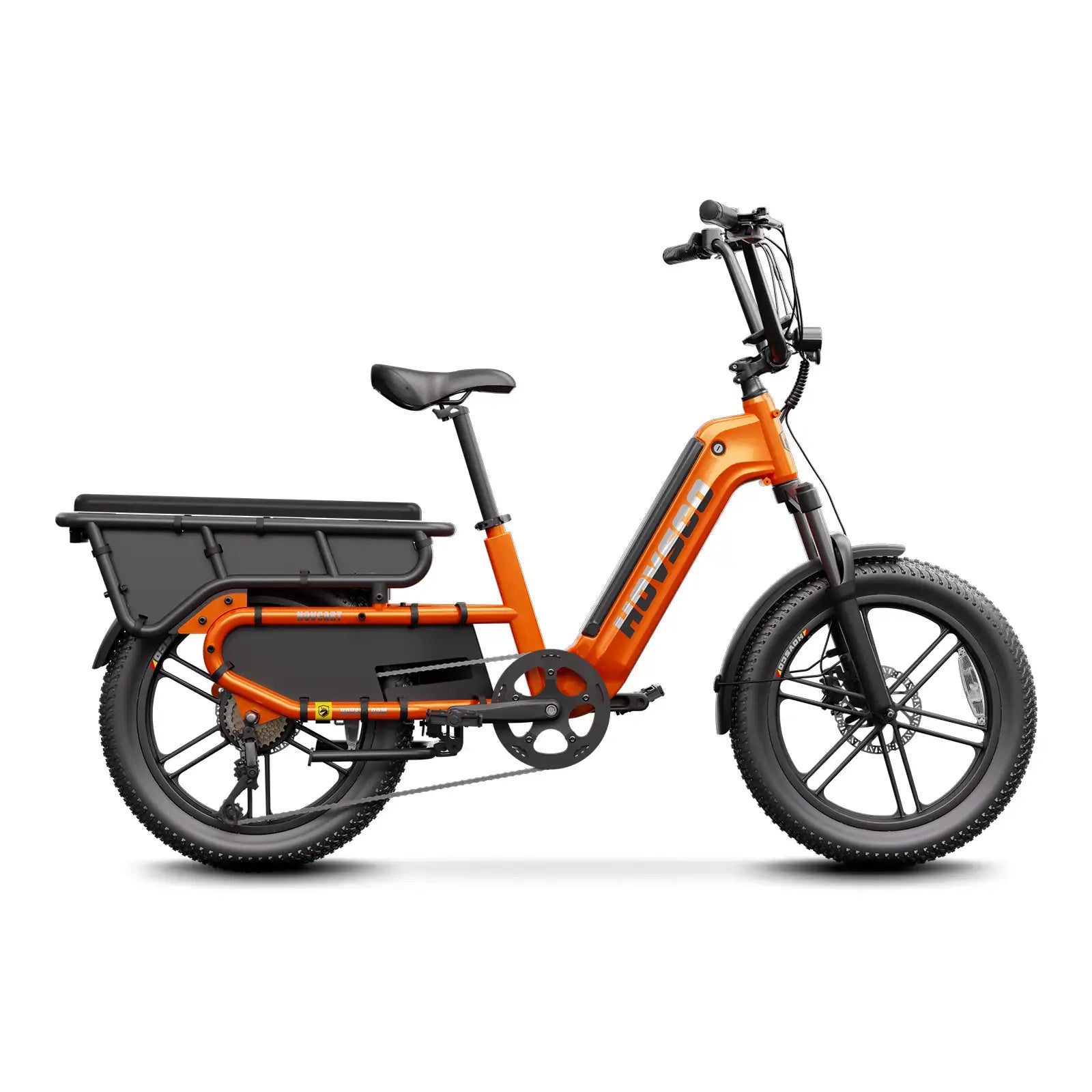
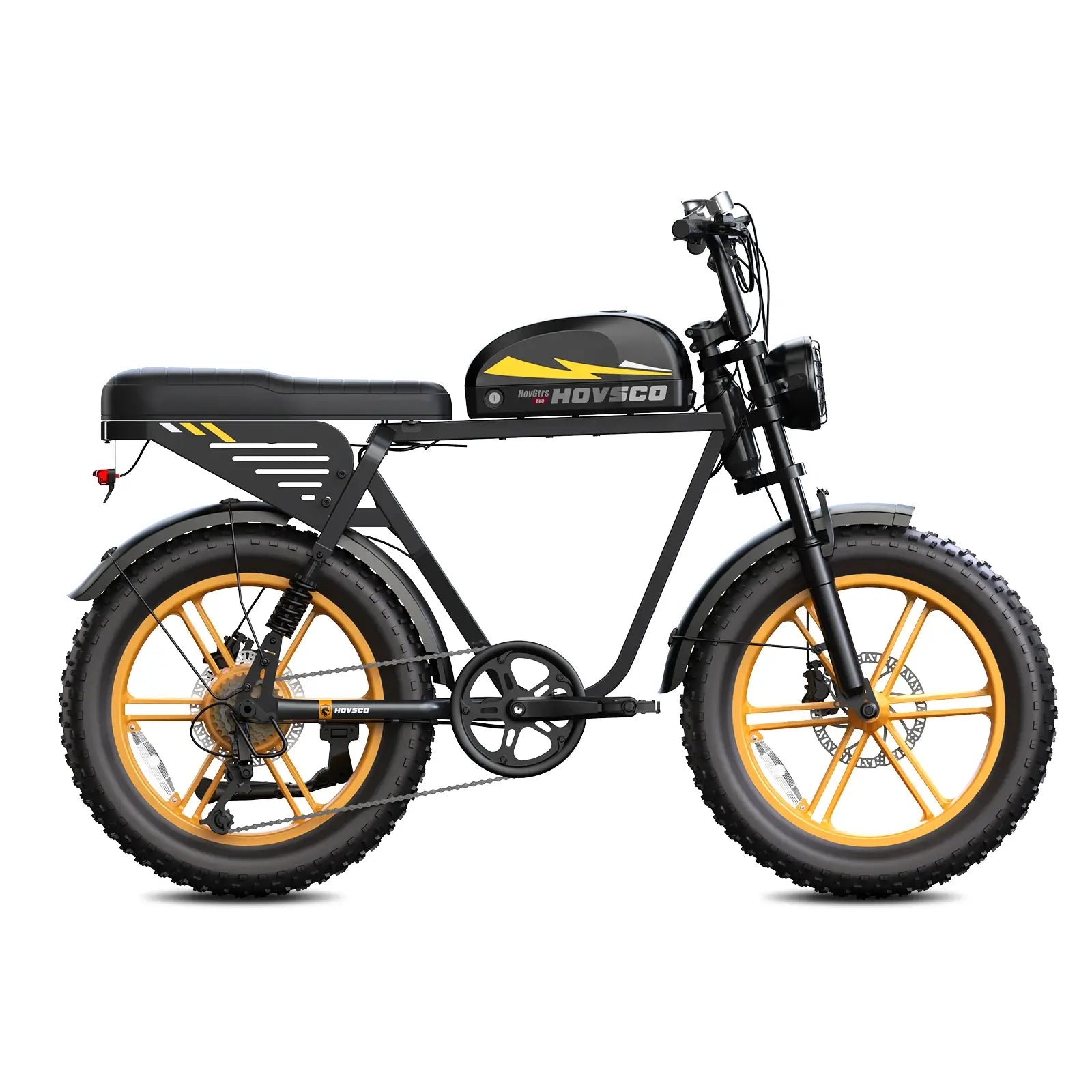
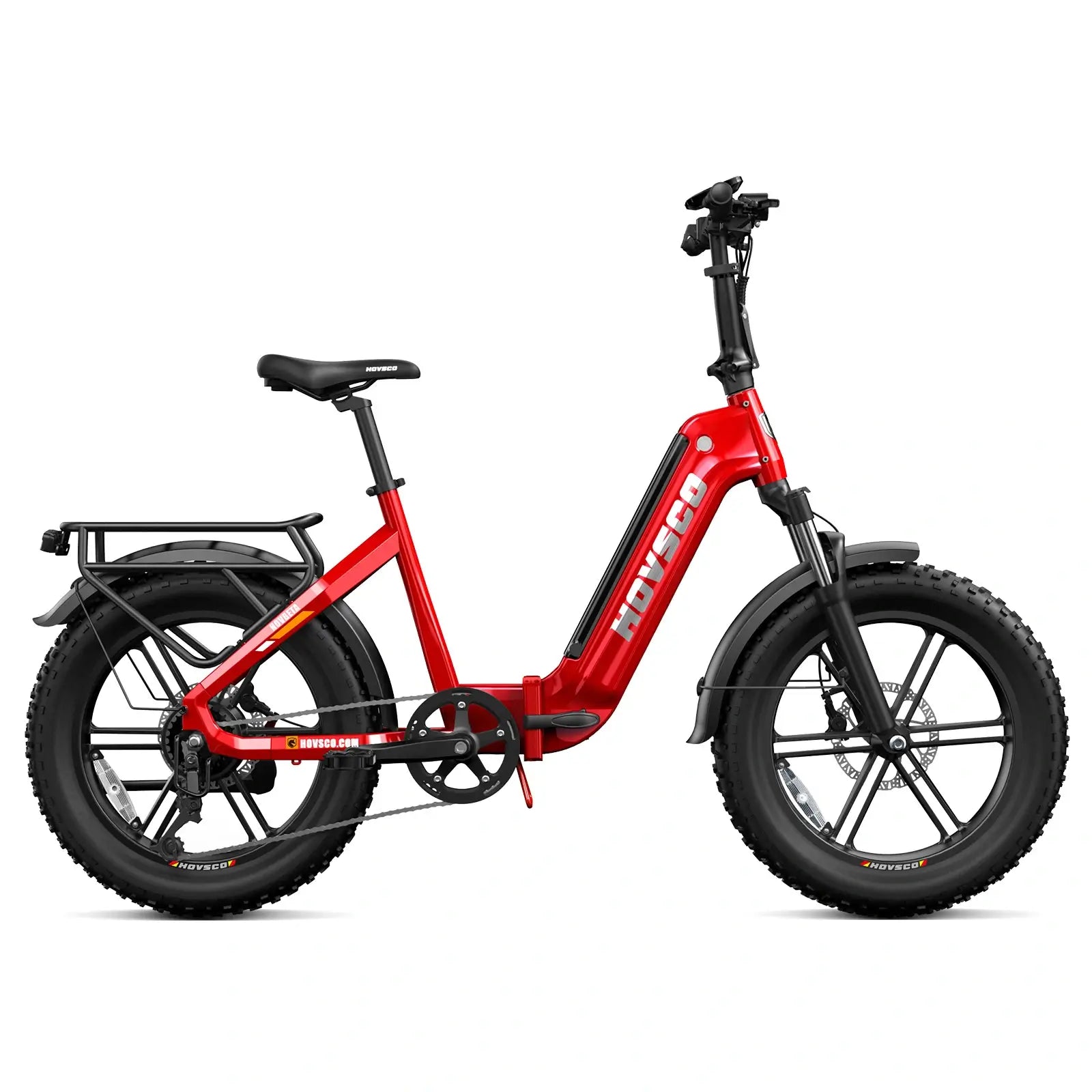
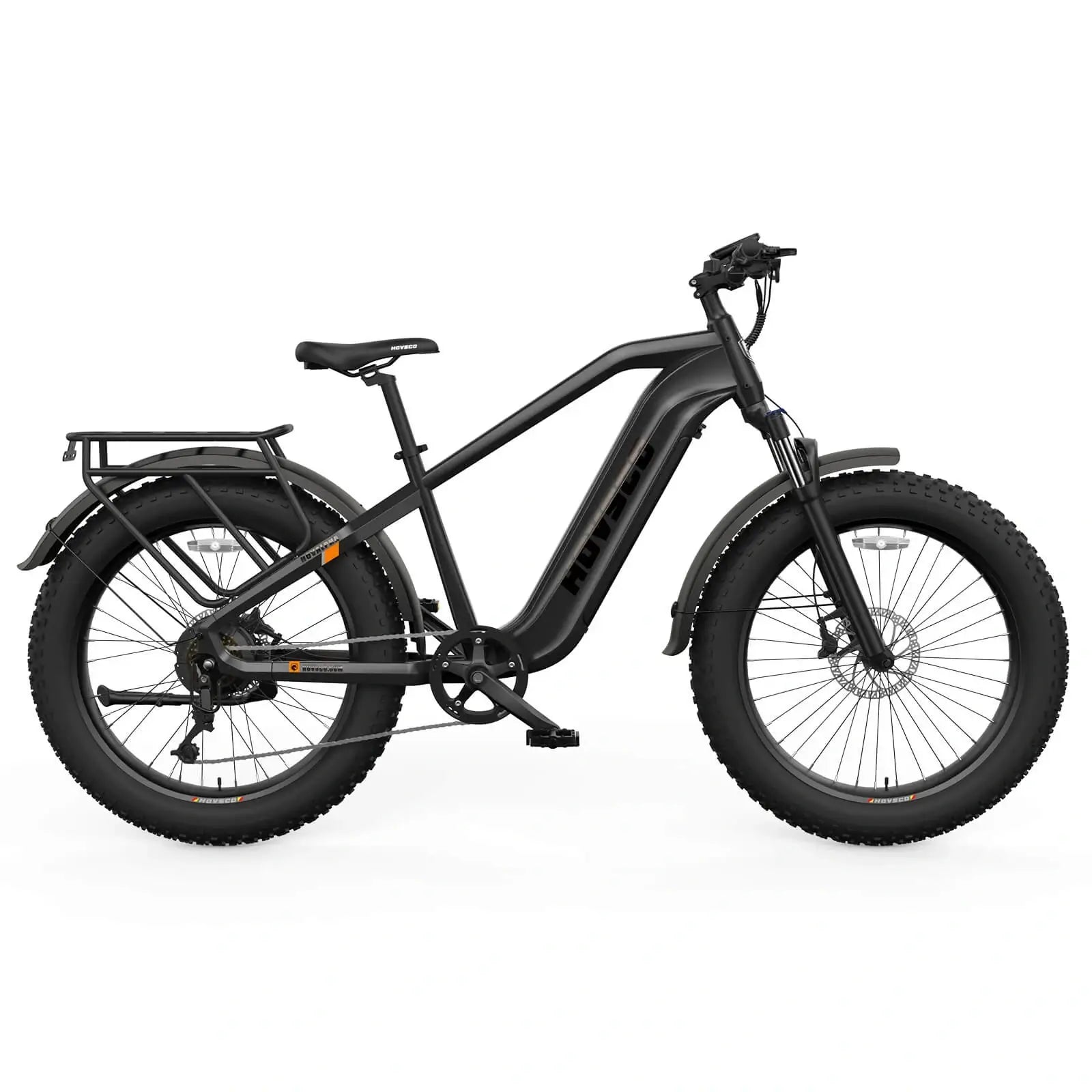
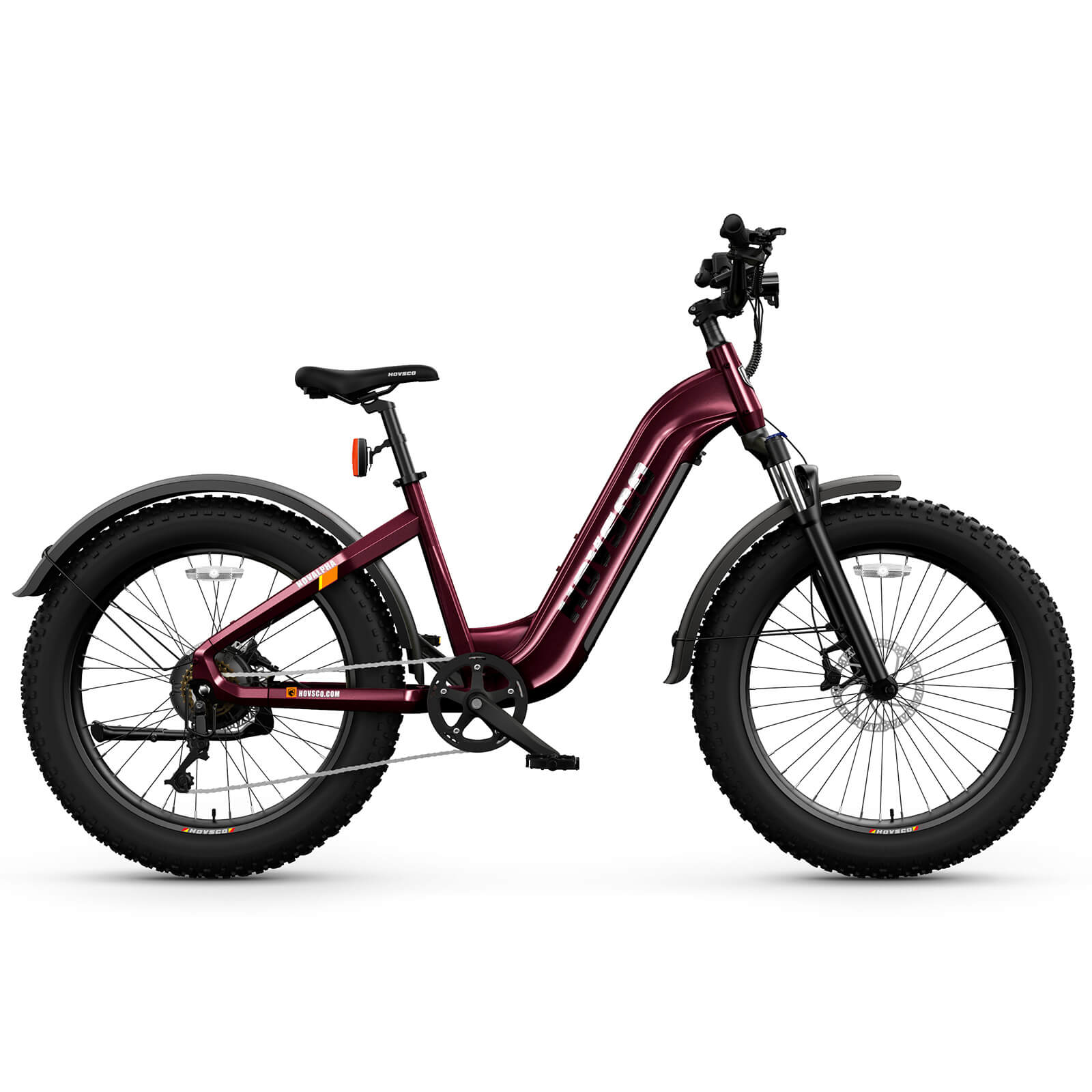
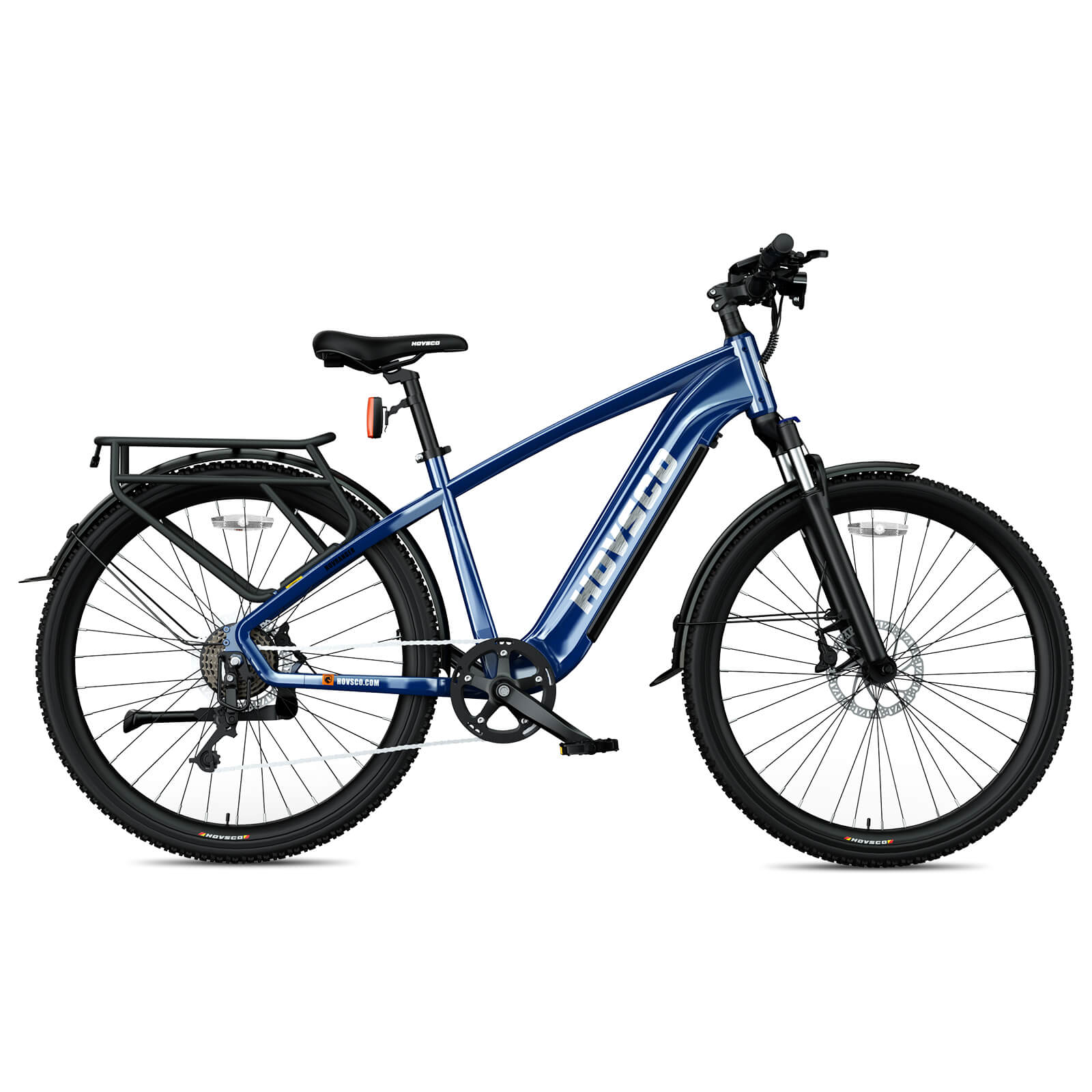
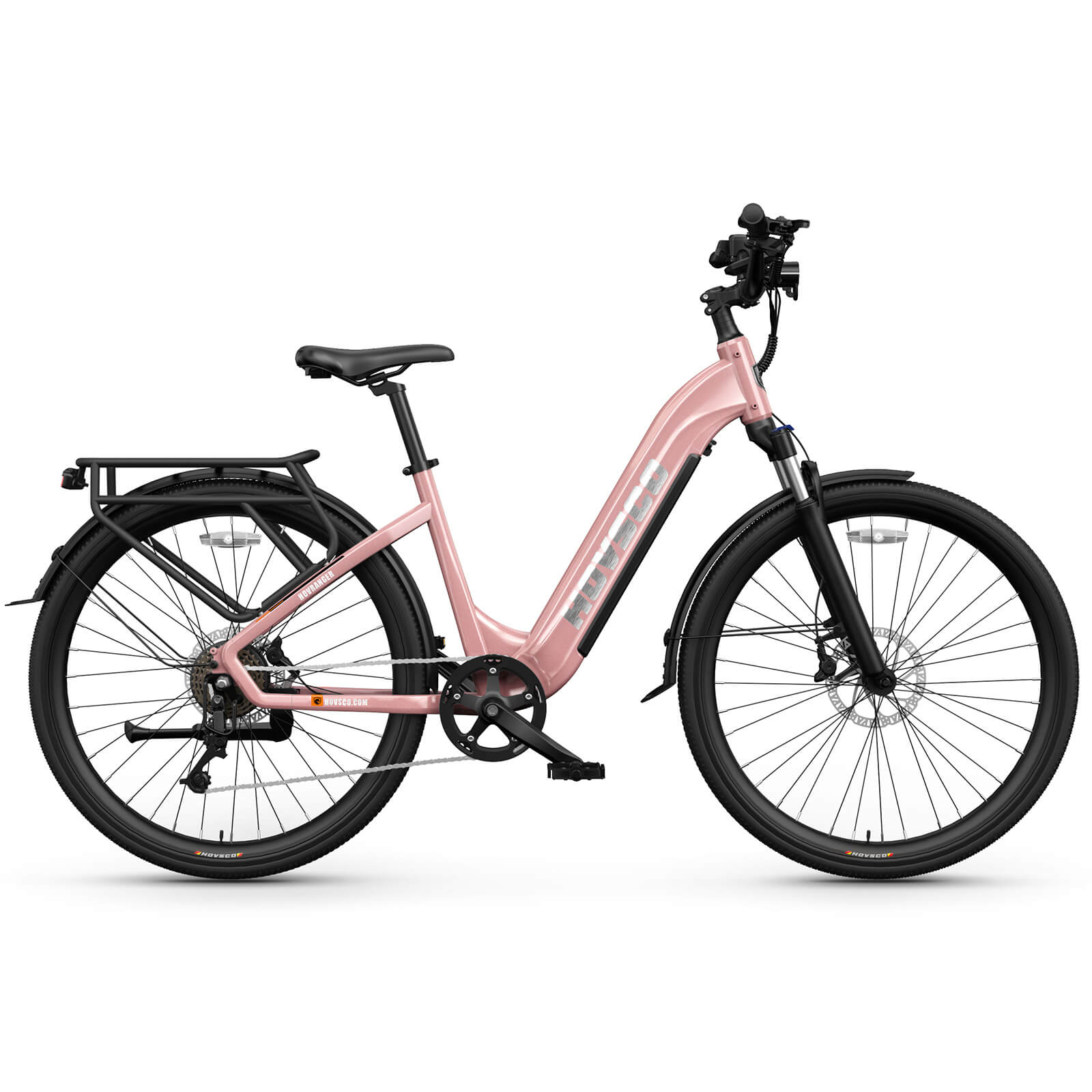
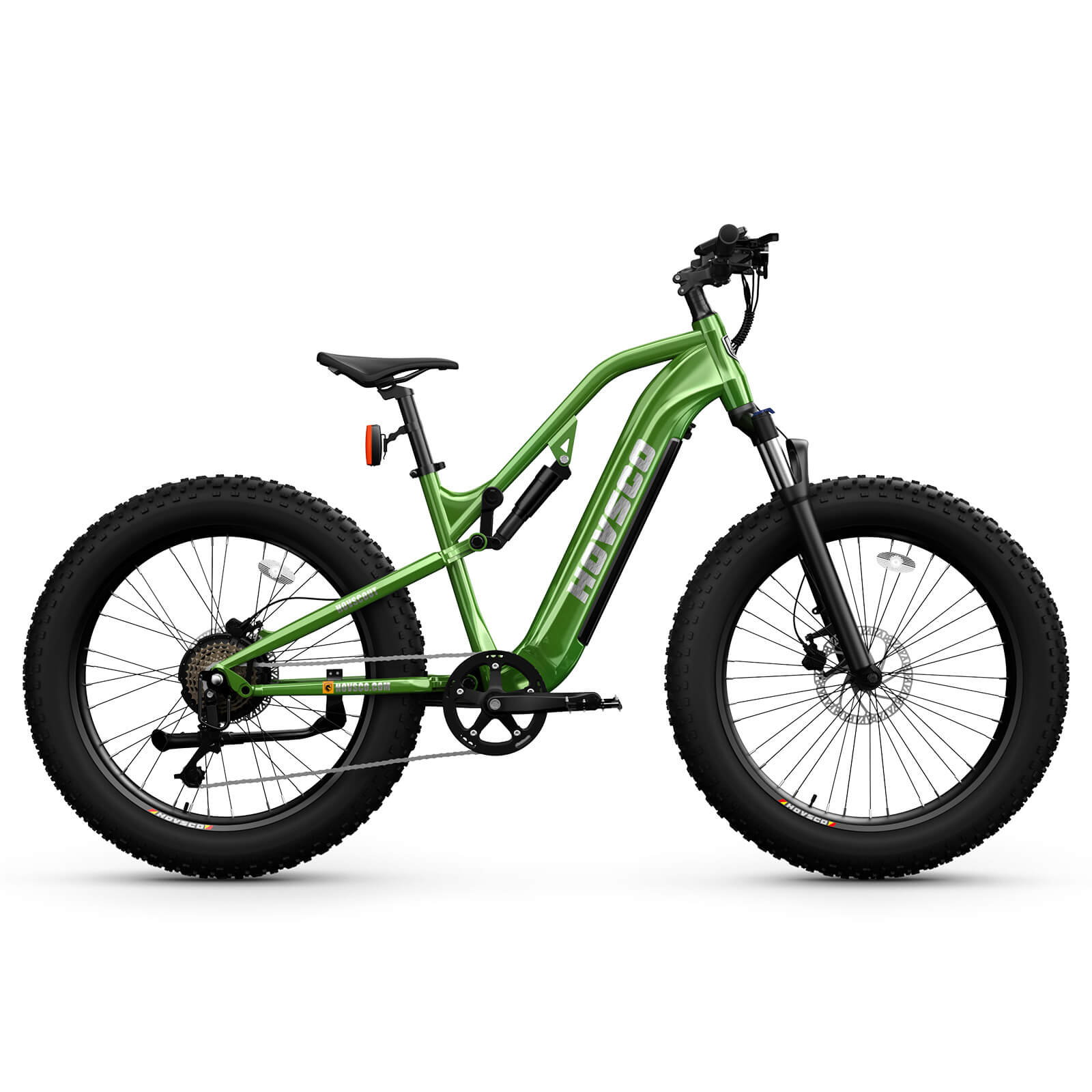
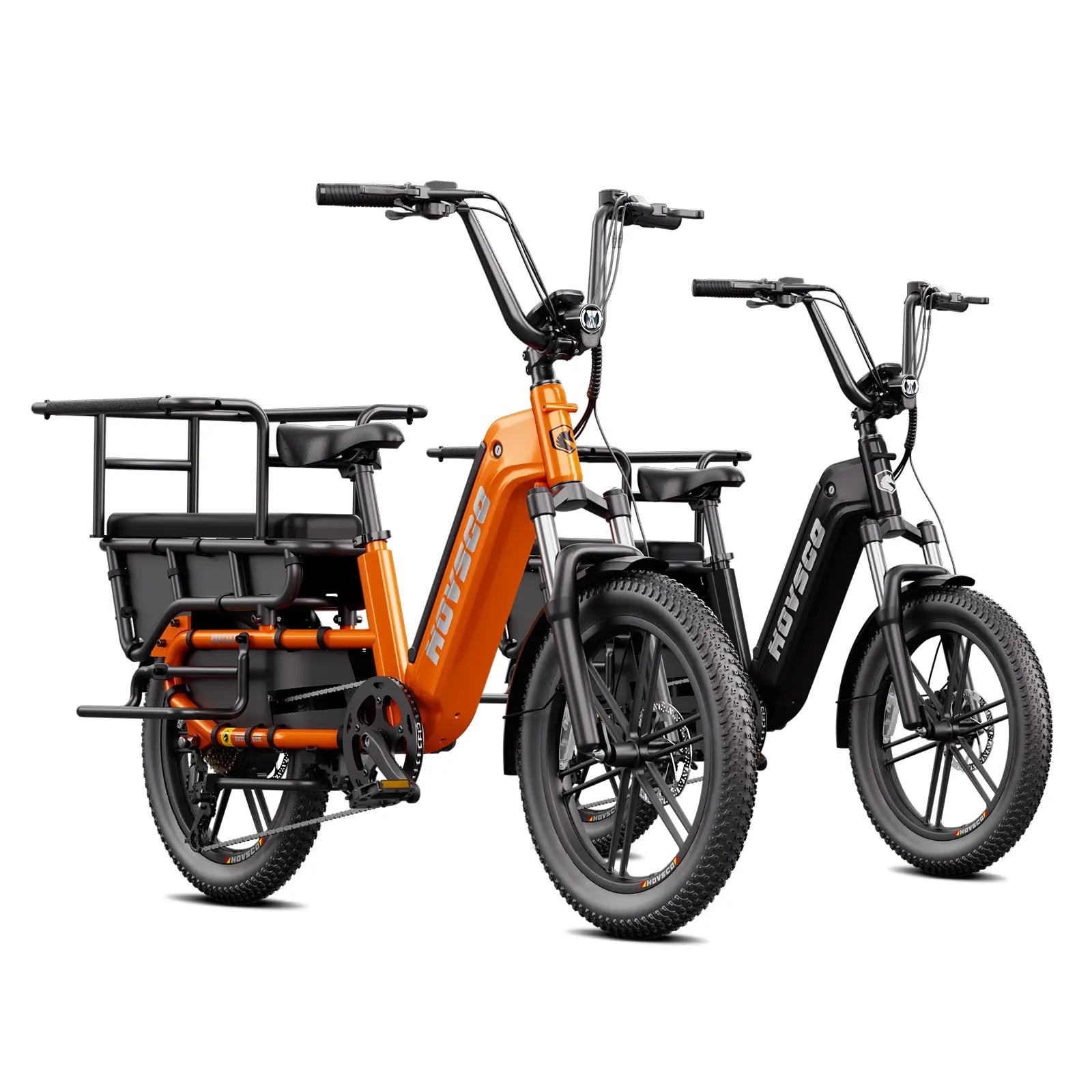
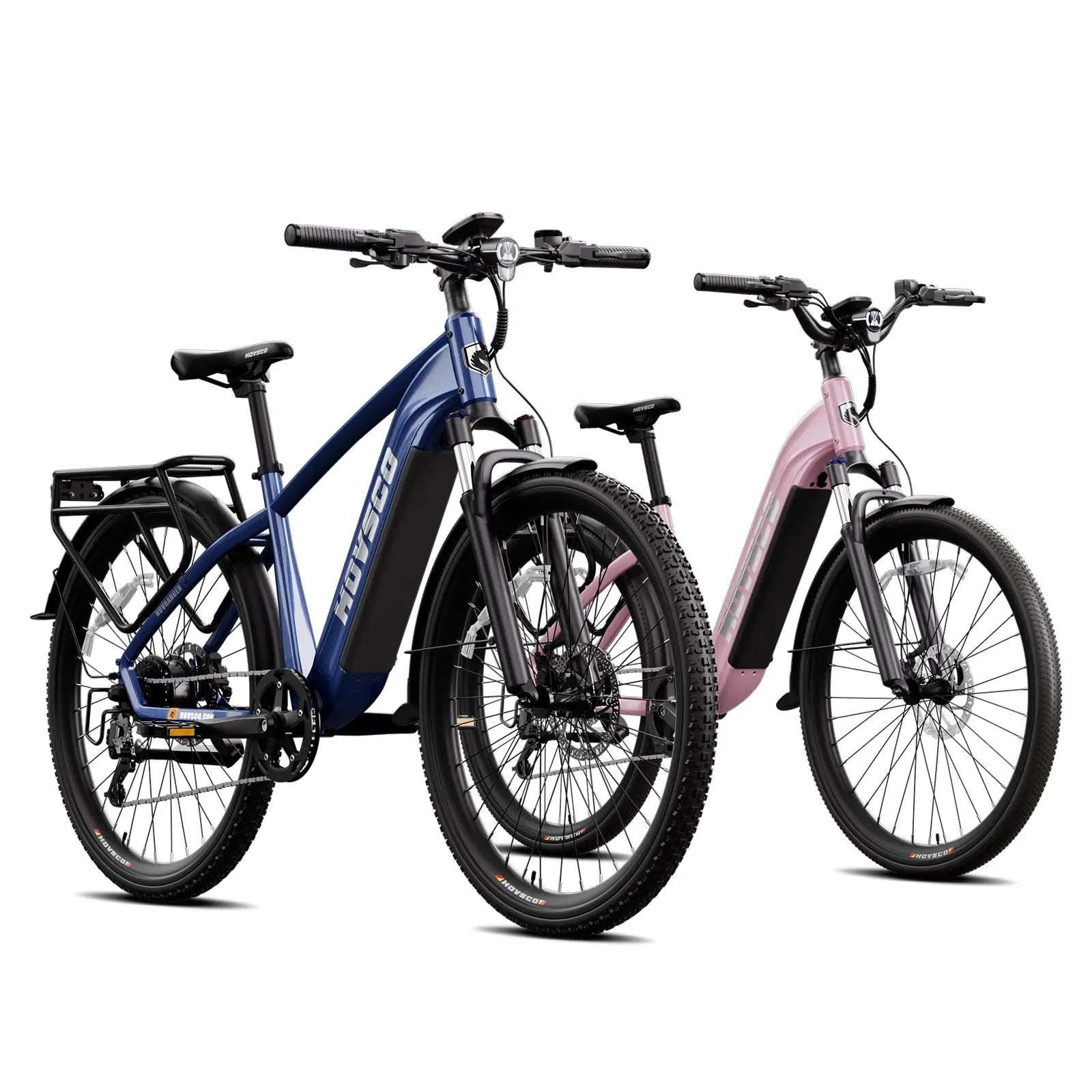
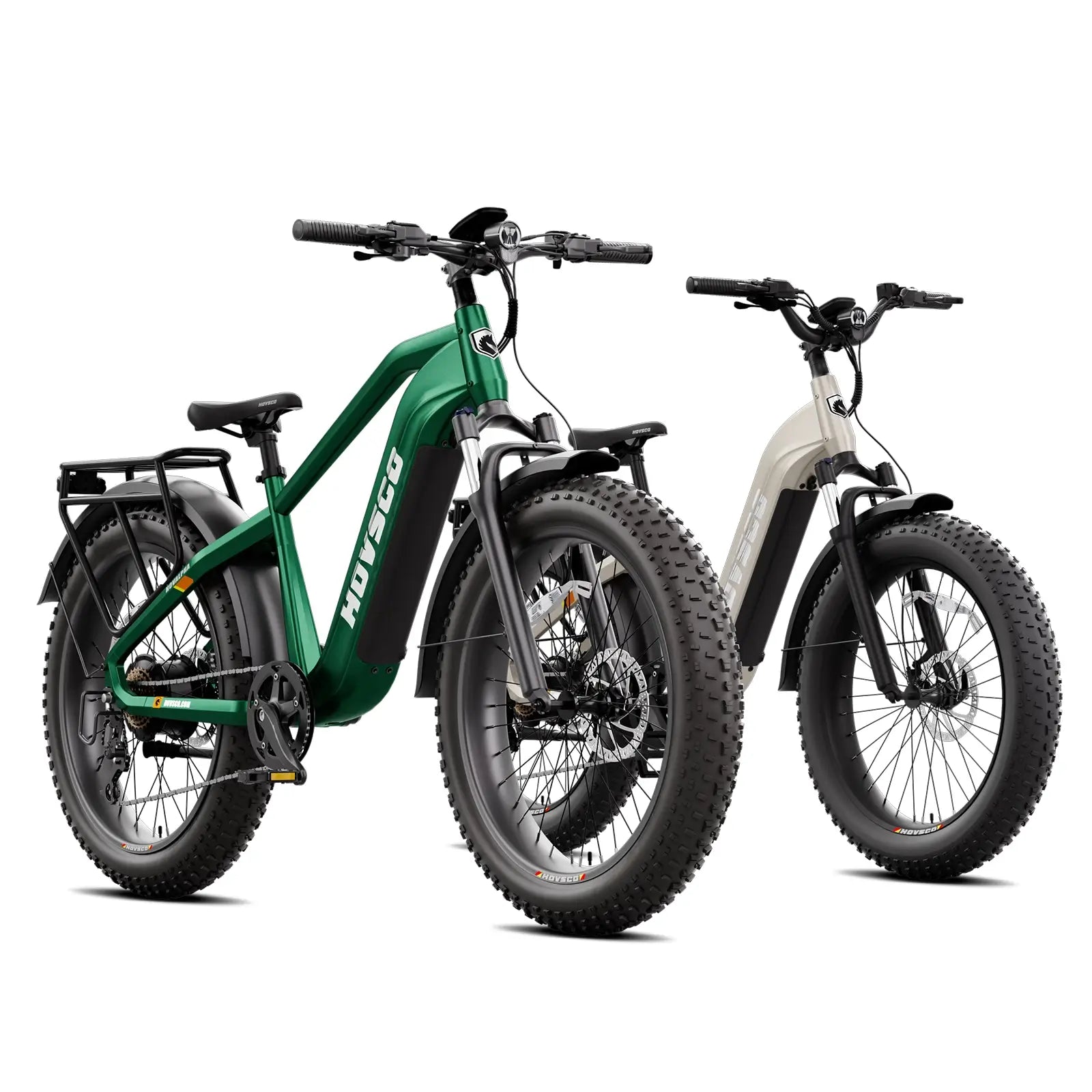
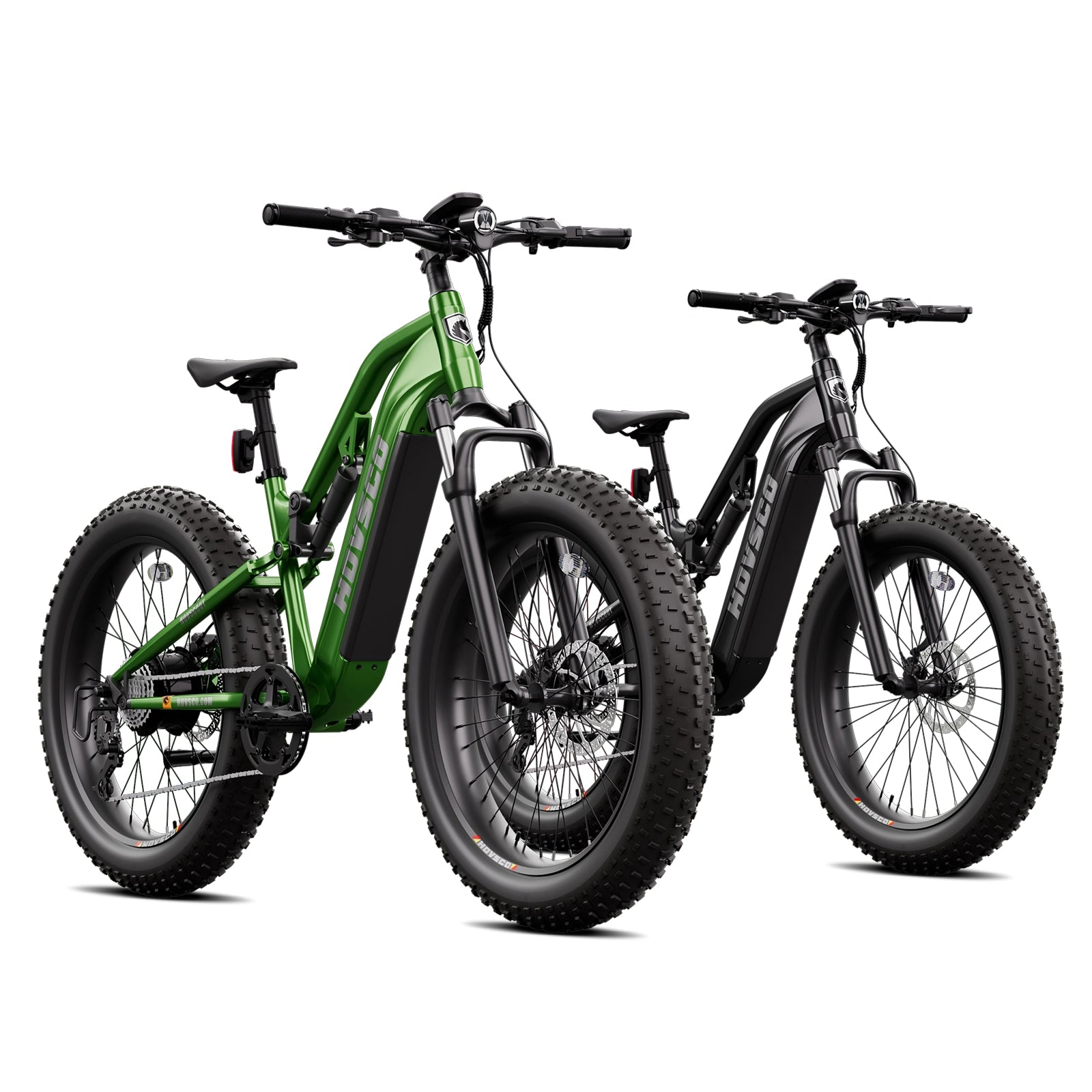
Check: rebate-eligible family electric bikes
An ebike tax credit in 2026 is a government incentive that lowers what you owe in taxes or reduces your out-of-pocket cost at purchase. In practical terms, it may come as a refund, a point-of-sale discount, or a voucher. The exact structure depends on whether the program is federal, state, or city based.
For buyers, the important detail is this: not every incentive works the same way. Some programs reward you after tax filing, while others reduce the price immediately. HOVSCO recommends reading the rules before you shop, because bike price caps, income limits, and class restrictions can change the savings fast.
The most talked-about federal option in 2026 is the proposed E-BIKE Act, which would create a 30% credit with a maximum benefit around $1,500 for qualifying purchases. As of the latest available information, this is still proposed legislation, not a guaranteed nationwide credit. That means buyers should treat it as possible future savings, not automatic savings.
If passed, the federal structure would likely favor new bikes under a set price threshold and may include eligibility rules for bike class and motor power. For family buyers, the takeaway is simple: a family ebike purchase could become much cheaper if the credit becomes law. HOVSCO families should keep receipts and product documentation ready in case the rules move quickly.
Local ebike incentives save money by reducing the price before or after purchase through city, county, or state programs. These programs are often more concrete than federal proposals because many are already active. In some regions, rebates can reach hundreds or even thousands of dollars, especially for lower-income households or family transportation needs.
The best strategy is to compare local programs first, because they can stack with retailer offers or employer commuting benefits. A rider in one city may get an immediate rebate, while another rider elsewhere may have to wait for tax filing. HOVSCO buyers should also check whether the program requires in-state purchase, local pickup, or approved retailers.
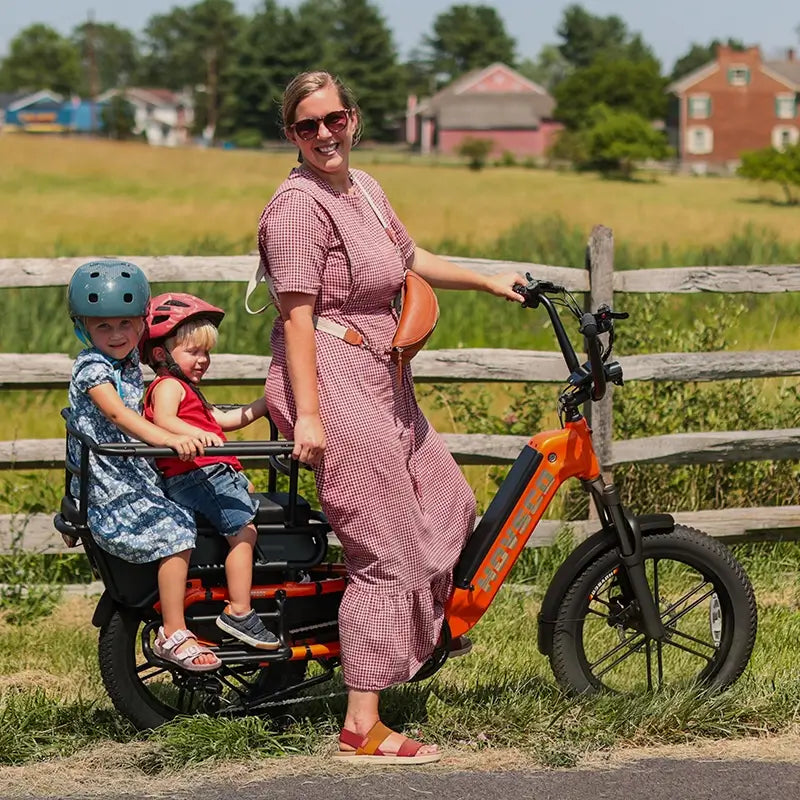
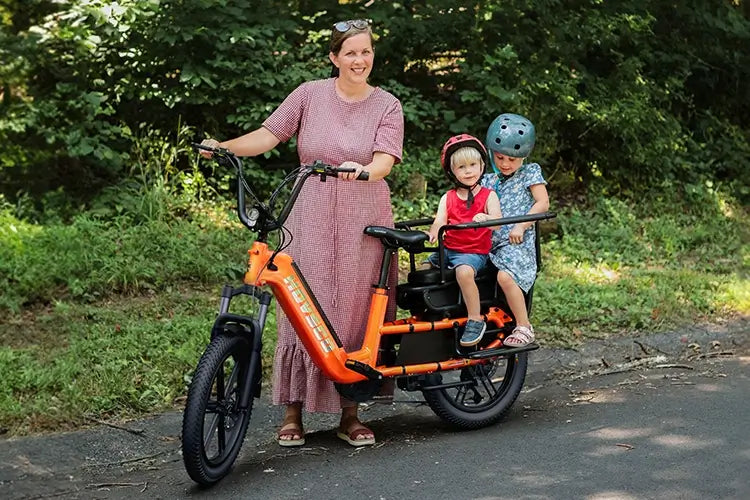
Family ebikes often qualify for bigger savings because programs are designed to replace car trips, reduce emissions, and support practical transportation. Cargo-style or child-carrying ebikes usually strengthen the case for incentive programs, especially when the family uses the bike for school runs, errands, or commuting. That utility factor matters more than appearance.
In many cases, incentive agencies want the highest public impact per dollar spent. A family ebike can replace short car trips every day, which gives it a strong value story. HOVSCO sees that many families care less about “sport” and more about dependable mobility, and that matches how many rebate programs are written.
You can buy an ebike and save money by matching the bike to the incentive rules before you pay. Start with the program cap, then confirm the bike class, motor rating, and total purchase price. If the program is income-based, gather the documents first so you do not miss an application deadline.
A smart buying process looks like this:
Check whether your state or city has an active rebate.
Confirm eligibility for your household income and residency.
Choose a qualifying ebike class and price range.
Save the sales receipt, serial number, and proof of purchase.
Apply on time and keep copies of everything.
That sequence matters because many buyers lose savings by choosing the bike first and the program second. HOVSCO recommends shopping with the incentive in mind, not after the fact.
Qualification usually depends on residency, income, bike type, and whether the program is first-come or lottery-based. Some programs focus on low- and moderate-income households, while others are open to more buyers but offer smaller benefits. A few programs also favor commuters, parents, and people trading in old vehicles.
The key is to read the fine print on household size and income ceilings. If a family is close to the threshold, a program may still allow eligibility depending on filing status or local adjustments. HOVSCO buyers should verify the household rules early, because one missing document can delay or cancel an award.
Ebike features affect eligibility when a program limits class, speed, motor output, or purchase price. Many incentive programs favor Class 1, Class 2, or Class 3 ebikes with pedal assistance and motor power limits. If a bike looks more like a moped or exceeds the price cap, it may not qualify.
This is where buyers should think like engineers, not just shoppers. A higher-capacity battery, heavy-duty frame, or premium display can push the bike above the maximum price, even if the core riding experience is the same. HOVSCO designs around real-world utility, but for incentive buyers, the smartest move is to balance features with eligibility.
You should document a rebate claim with the same care you would use for a warranty claim. Save the receipt, invoice, serial number, bike class details, and any certification paperwork. If the program asks for a screenshot, barcode, or retailer verification, keep that too.
Good documentation also protects you if the program is audited or delayed. The most common mistake is losing proof of the exact purchase date or buying through a retailer that cannot provide the required paperwork later. HOVSCO recommends keeping both digital and paper copies until the benefit is fully received.
“The real savings in 2026 are found in program timing and compliance, not just the headline number. I always tell riders to treat an ebike rebate like a technical spec: if the bike misses one rule, the value disappears. At HOVSCO, we design for practical family use, but buyers still need to verify class, price, and residency before checkout.”
The best time to apply is before inventory gets tight and before a program’s funding cycle closes. Many local incentives run on limited budgets, so waiting can mean losing the rebate even if you are otherwise eligible. If a federal credit becomes available, timing will matter again because tax-year rules and filing deadlines will control when the benefit is realized.
For families, timing also affects model availability. Popular ebikes can sell out when rebates are announced, which may force you into a less ideal size or battery option. HOVSCO customers often do best when they reserve the bike after confirming program eligibility but before the rebate window gets crowded.
Yes, ebike tax credits can sometimes stack with retailer discounts, employer commuter benefits, or local voucher programs. The exact answer depends on the program rules, because some incentives are based on pre-discount price while others are based on final sale price. That difference can change your savings by a meaningful amount.
The best approach is to ask how each discount is calculated before checking out. For example, a store discount may reduce the taxable base, while a rebate may still depend on the original invoice amount. HOVSCO advises checking whether a voucher can be combined with sale pricing so you do not accidentally reduce an incentive.
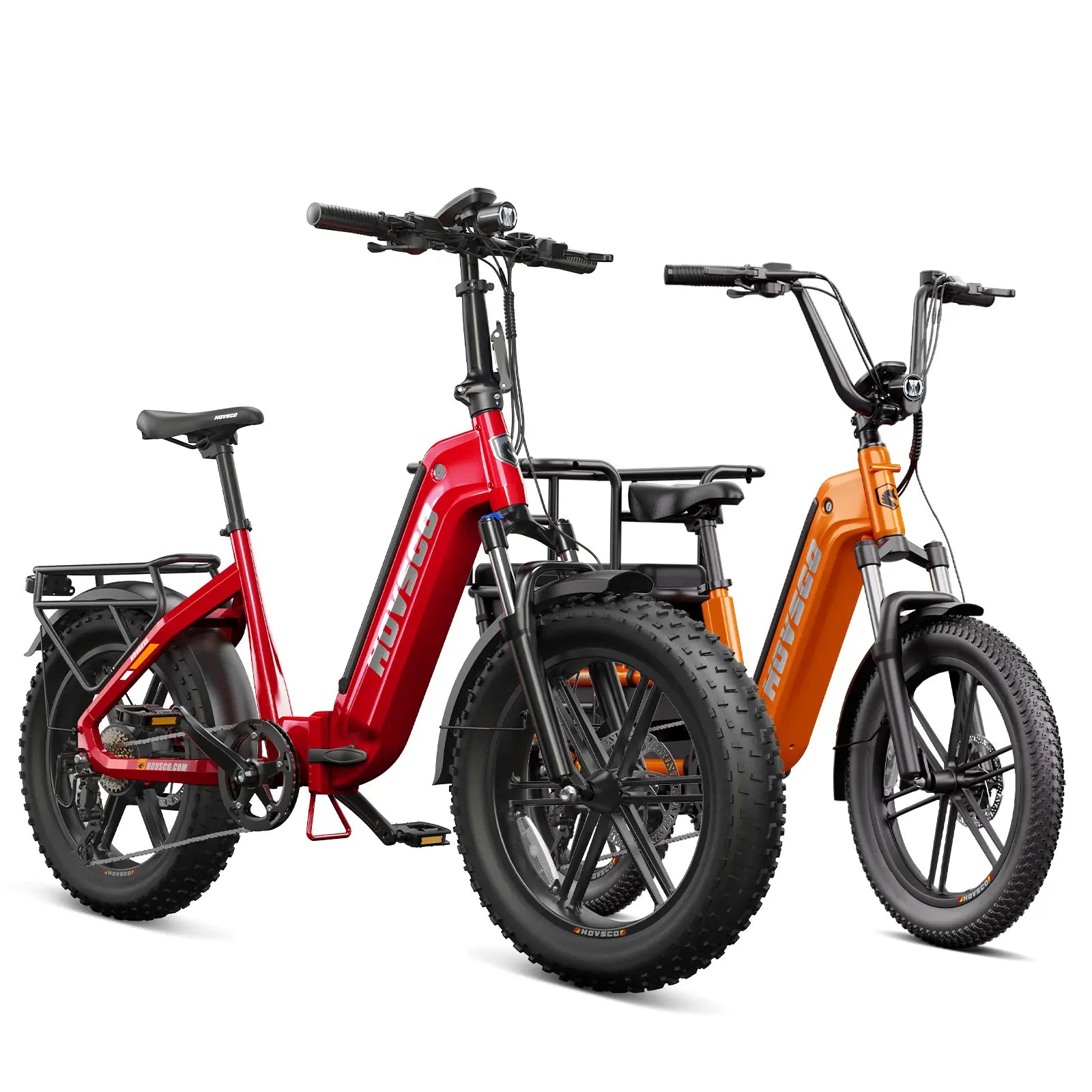
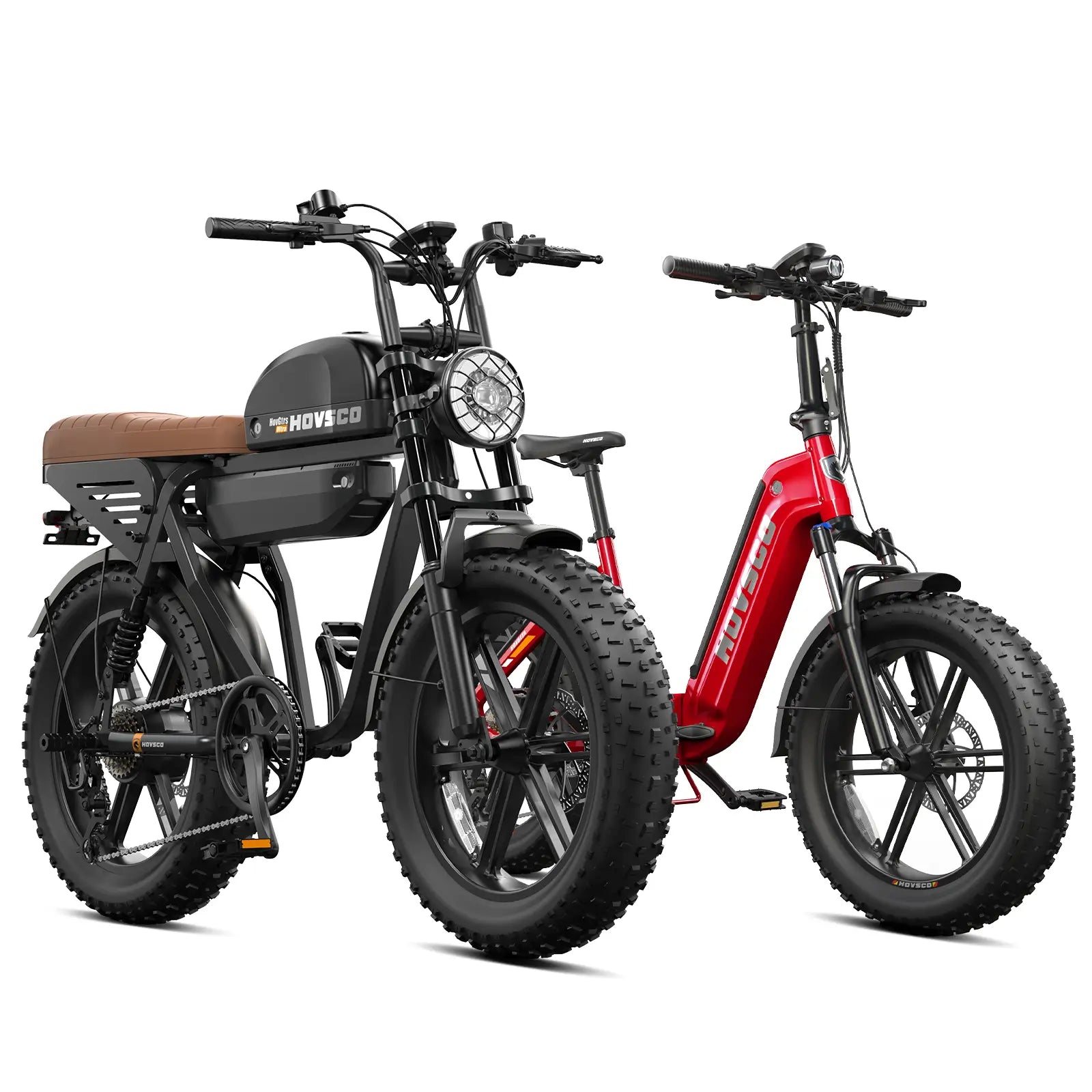
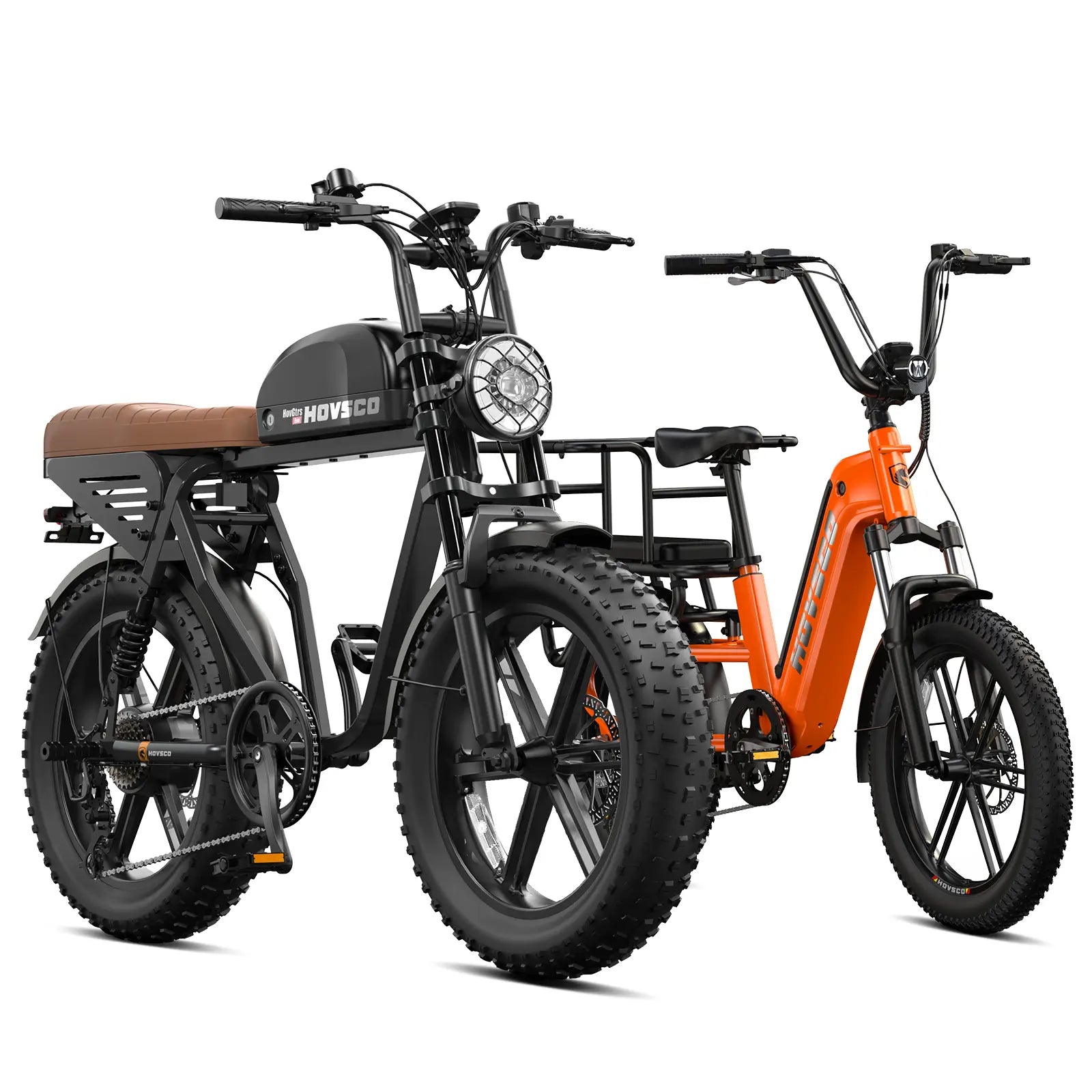
Yes, HOVSCO offers ebike options that are well suited for families, commuting, and daily transportation, which is exactly the kind of use many incentive programs support. The most important thing for buyers is to match the bike to the program rules and the rider’s real needs. That includes frame style, motor class, cargo capability, and price alignment.
A family buyer should think beyond the sticker price and look at total value over time. If the bike replaces car rides, parking, fuel, and short rideshares, the savings can be much larger than the rebate itself. HOVSCO focuses on practical ebike ownership, and that makes incentive planning easier.
Check: rebate-eligible models among the Best Family Ebikes 2026
Ebike tax credits in 2026 are best understood as a savings system, not a single national guarantee. The biggest opportunities usually come from local ebike incentives, state rebates, and careful timing around buy ebike save money promotions. Families can benefit most when they verify eligibility first, document everything, and choose a bike that fits the rules instead of trying to force the rules around the bike.
For buyers, the most actionable advice is straightforward: check your location, confirm your program, compare the rebate structure, and keep your paperwork organized. If you do that, HOVSCO and other family-friendly ebike options can become far more affordable without surprises at filing time.
Can I claim an ebike tax credit and a local rebate together?
Sometimes yes, but it depends on whether the program allows stacking and how the purchase price is calculated.
Do family ebikes qualify better than regular ebikes?
Often yes, because programs favor transportation that replaces car trips, and family ebikes can have stronger practical-use claims.
Is the federal ebike tax credit guaranteed in 2026?
No. It has been proposed, but buyers should treat it as possible future savings unless new law confirms it.
What documents should I keep for a rebate?
Keep the receipt, invoice, serial number, bike specification sheet, and any residency or income verification.
Can HOVSCO bikes qualify for incentives?
Many HOVSCO ebikes may fit common program rules, but eligibility always depends on the specific local or federal requirements.
Share:
Is a 20-Inch Fat Tire Cargo Ebike Stable?
Which Cargo Bike Is Best for Families and Daily Hauling?