


![[ New Arrival ] Porto Max Electric Scooter For Commute & Grocery Shopping - HOVSCO](http://www.hovsco.com/cdn/shop/files/PotroMax-3.jpg?v=1706927007&width=1200)
- by SEO
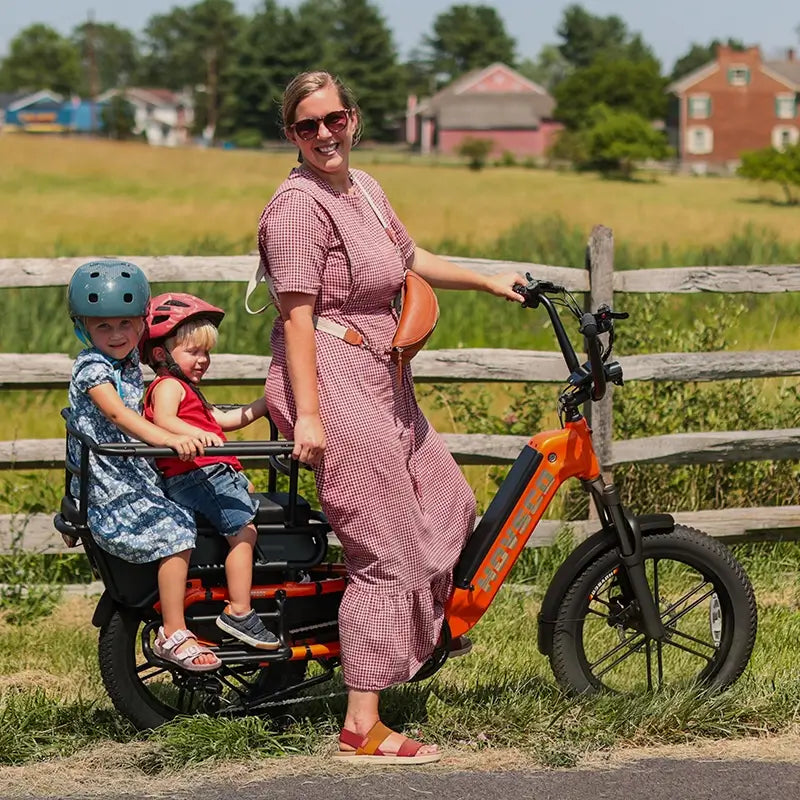
Is a 20-Inch Fat Tire Cargo Ebike Stable?
- by SEO
E-Bikes
Accessories
 Free Shipping
 15-Day Returns
 2-Year Warranty
Free Shipping
15-Day Returns
2-Year Warranty
2-Year Warranty
Free Shipping
15-Day Returns
2-Year Warranty
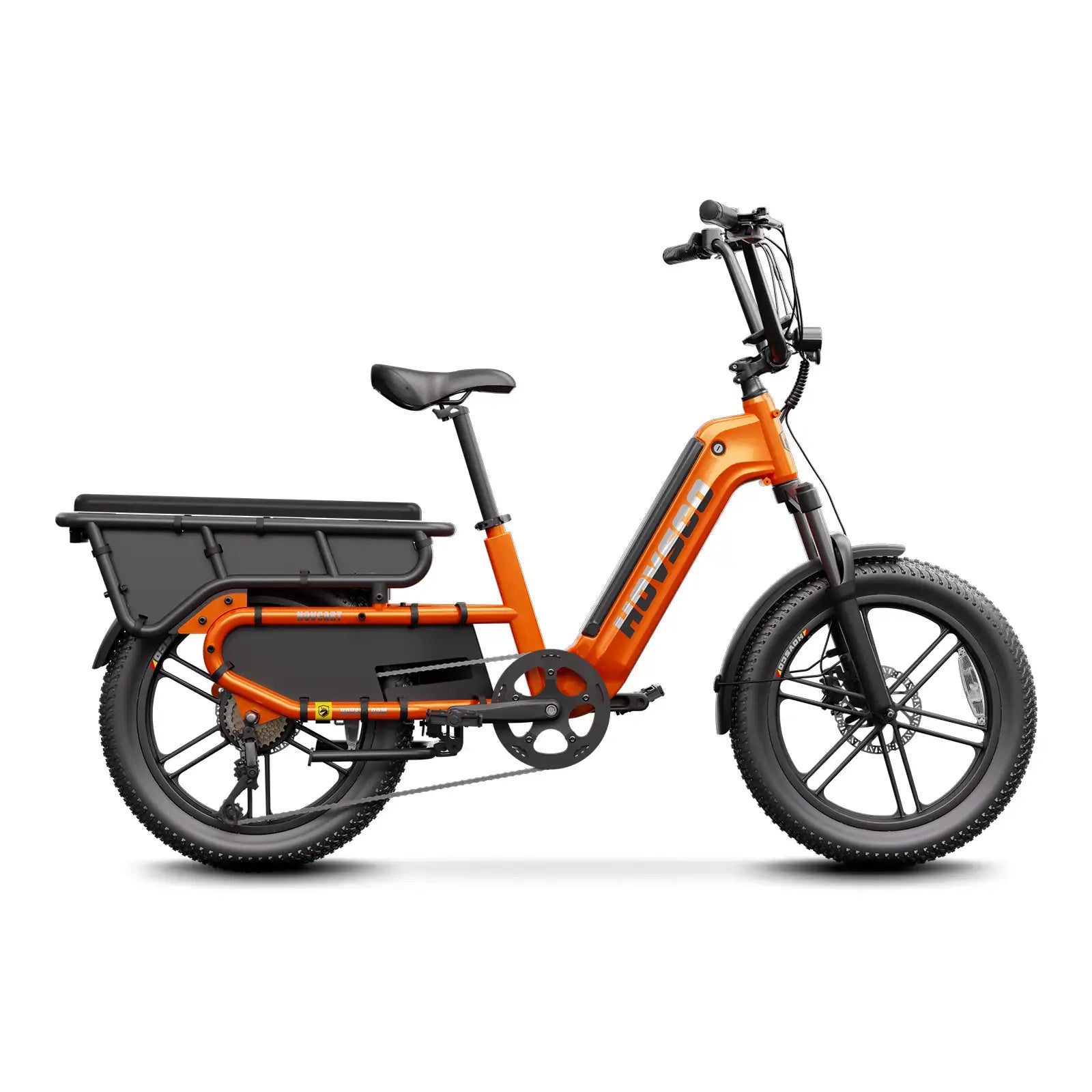
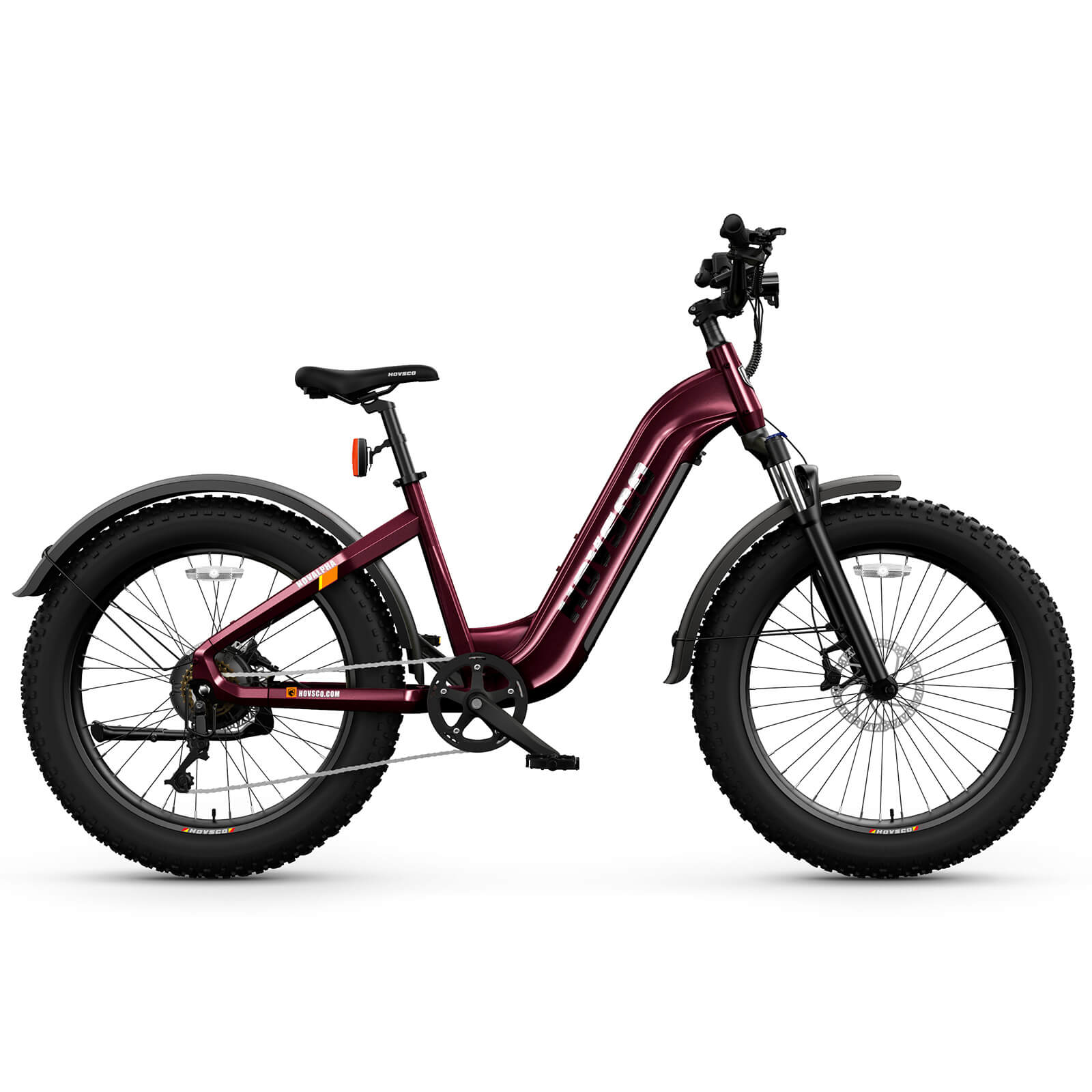
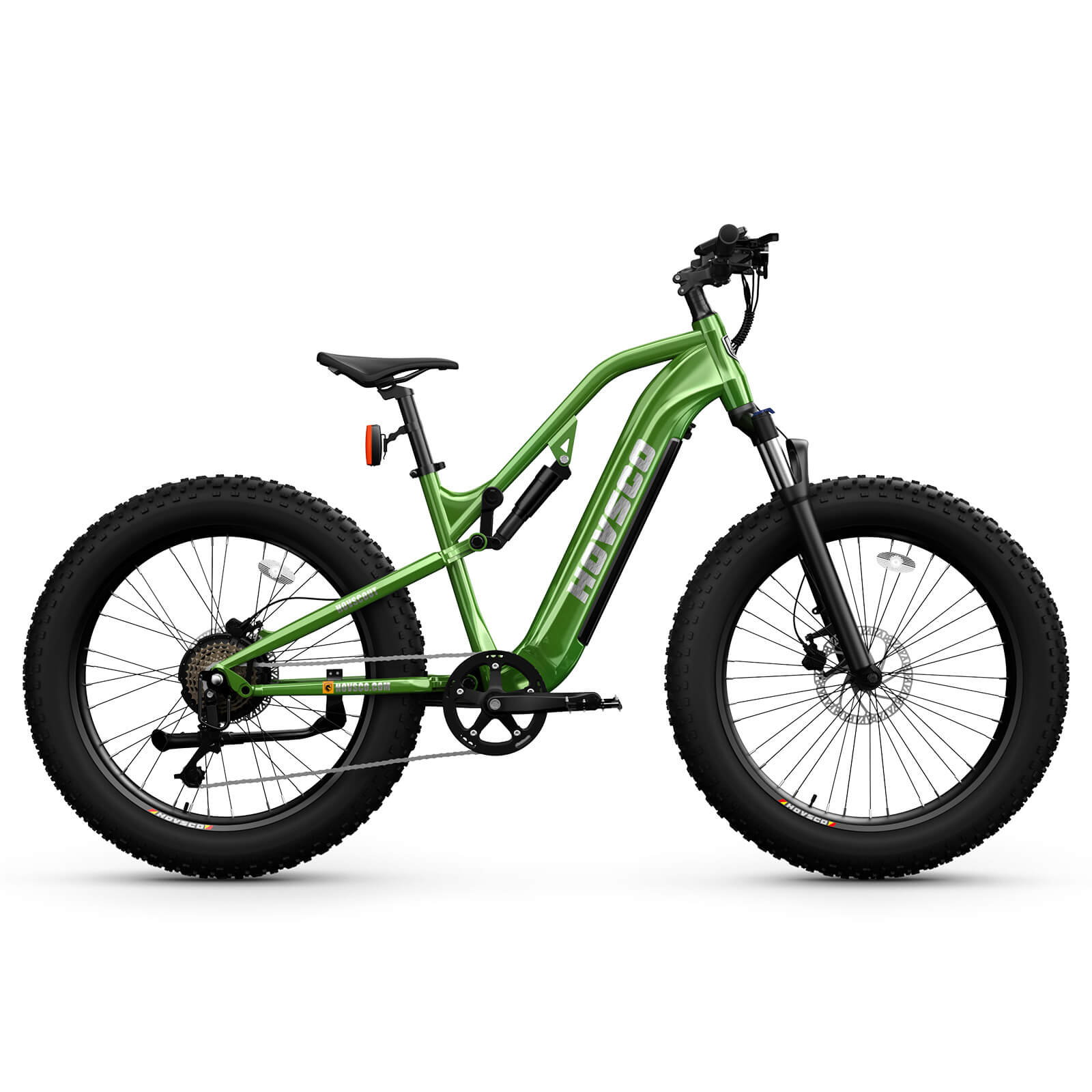
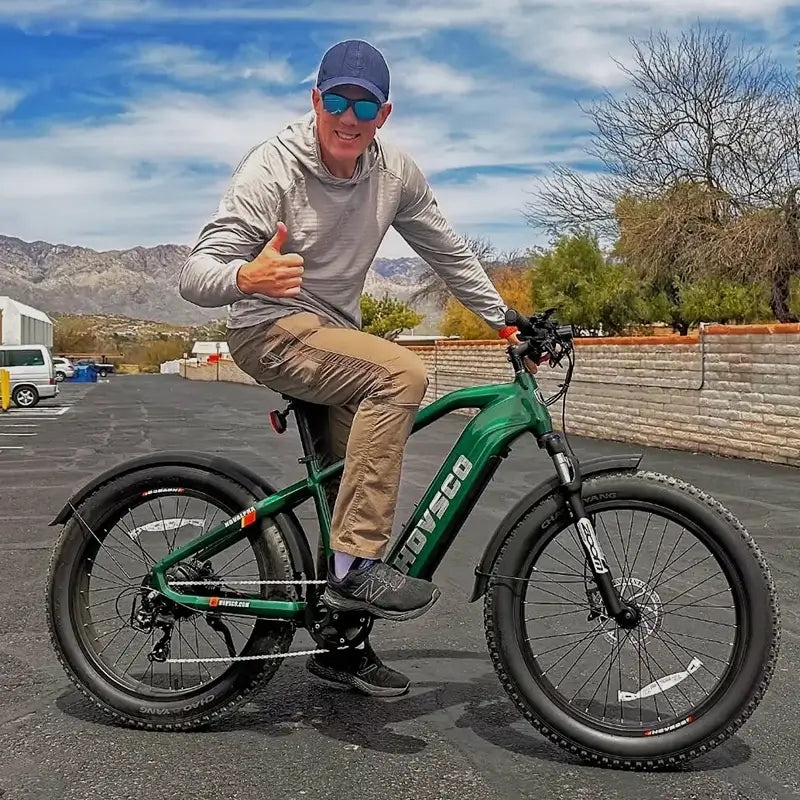
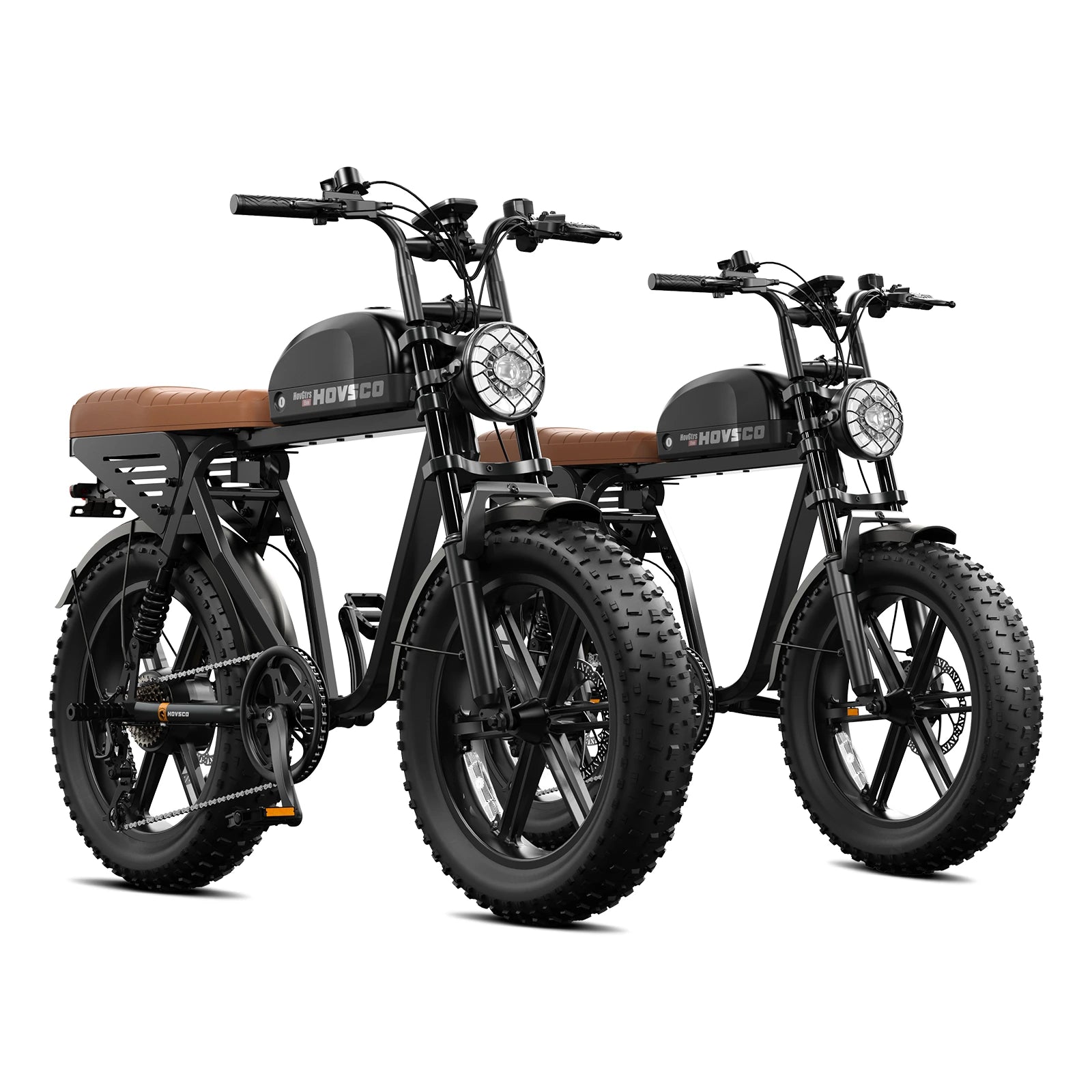
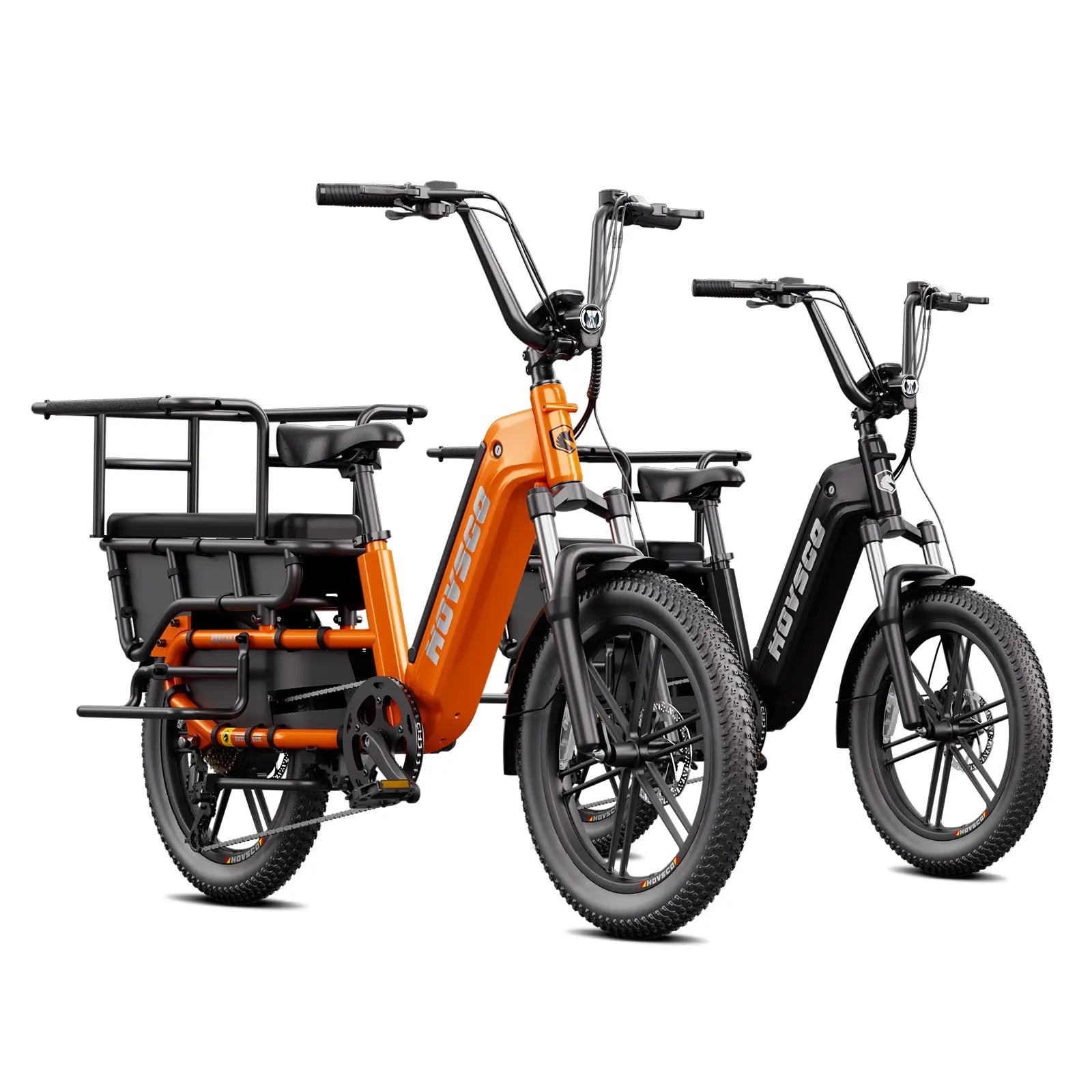
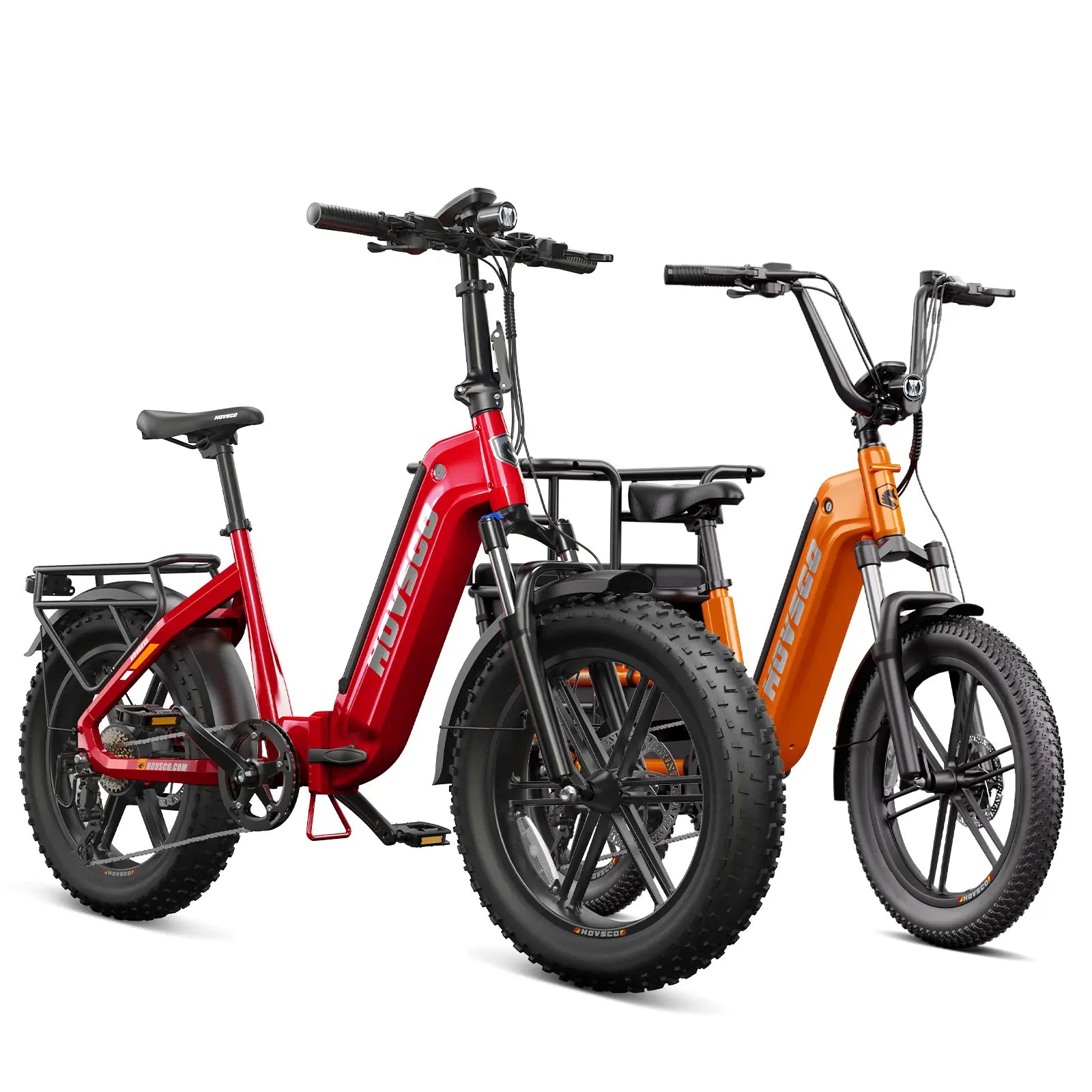
A fat tire cargo ebike with 20-inch wheels offers exceptional stability for carrying precious cargo due to its lower center of gravity and wide contact patch. The smaller wheel diameter drops the payload closer to the ground, minimizing frame flex, while 3-inch or 4-inch wide tires absorb heavy road vibrations and maximize traction under load.
Check: fat tire cargo electric bikes
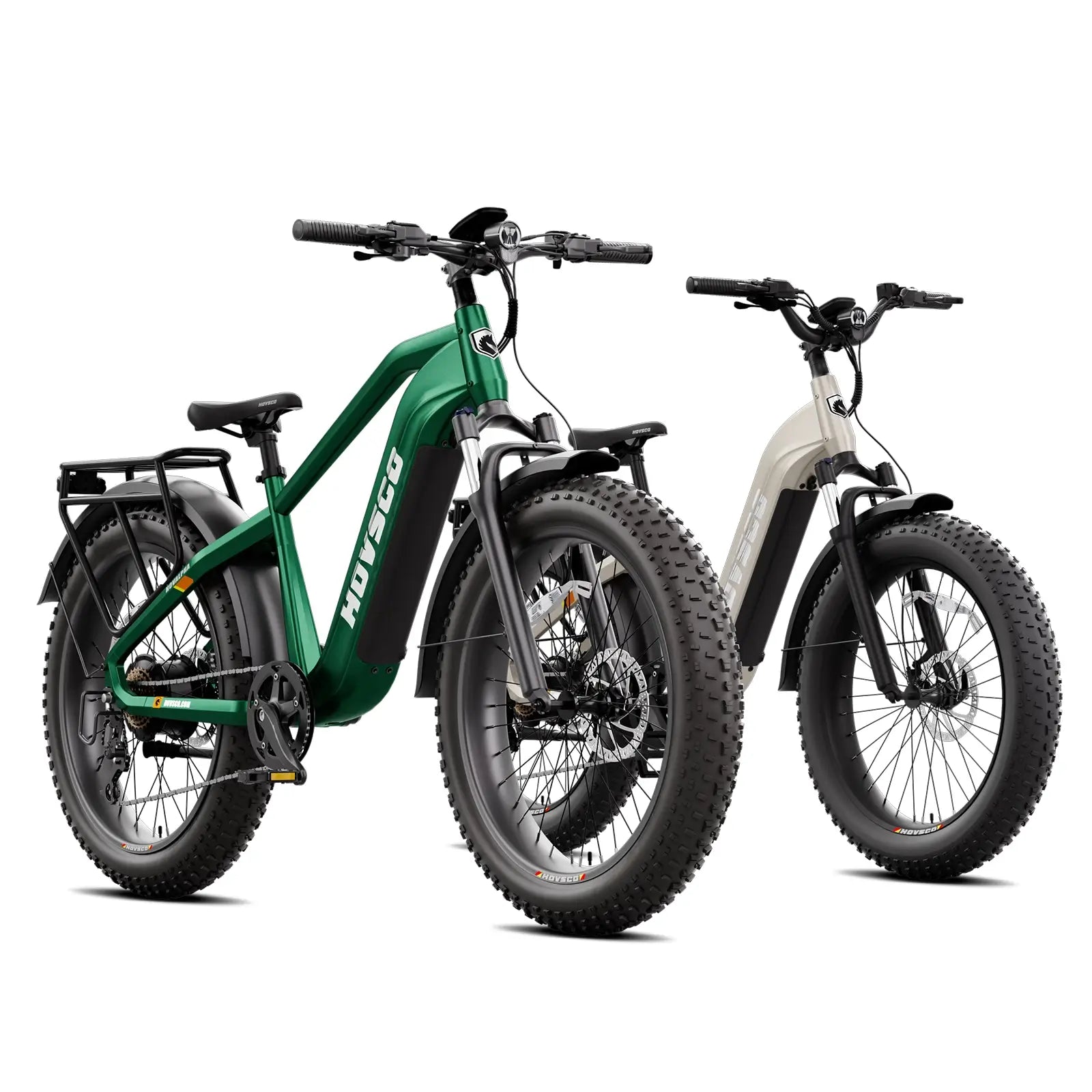
3-inch or 4-inch tires are crucial for carrying precious cargo because they increase the contact patch, significantly improving traction and stability. They allow for lower tire pressures, creating a pneumatic suspension effect that absorbs harsh road vibrations, protects delicate payloads or children from sudden jolts, and prevents dangerous rim pinch flats.
In my years managing quality control on the assembly line, I’ve seen how standard 1.75-inch tires flex and squirm dangerously when loaded with 150 pounds of rear cargo. When you are transporting precious cargo—whether that is a week's worth of fragile groceries or your own children—the mechanical lateral stability of your rubber is non-negotiable.
A 4-inch wide tire inflated to a lower pressure (around 20 to 25 PSI) distributes the payload's downward force over a massive surface area. This wide footprint acts as a natural dampening system, mitigating high-frequency road vibrations before they reach the frame welds or the passenger seat. Additionally, the extra air volume inherently protects against pinch flats caused by hitting potholes at high speeds. When analyzing a heavy-duty cargo setup, the structural volume of the tire is just as critical as the frame itself for a safe, stable bike ride.
A 20-inch wheel diameter is ideal for cargo transport because it lowers the bicycle's center of gravity, making heavy loads significantly easier to balance. Smaller wheels are inherently stiffer and stronger than larger 26-inch wheels, resisting lateral spoke deformation under high payloads and providing higher mechanical torque for easier accelerating.
When a customer asks me why we don’t use traditional 26-inch wheels on a fat tire cargo ebike, I point directly to physics and structural engineering. A 20-inch wheel drops the rear cargo deck by several inches compared to standard sizes. This structural change radically alters the tip-over axis of the bike, creating a remarkably stable bike ride even when a child moves around in the back seat.
From a manufacturing standpoint, smaller wheels utilize shorter spokes. Shorter spokes experience less flex and are far less likely to snap under a combined rider and payload weight of 400+ pounds. Furthermore, a smaller diameter wheel acts as a natural torque multiplier. Your motor doesn't have to work as hard to rotate the wheel from a dead stop, reducing thermal stress on the controller and battery cells.
| Feature | 20-Inch Wheel Cargo Ebike | 26-Inch Wheel Cargo Ebike |
| Center of Gravity | Low (High Stability) | High (More Tip Prone) |
| Spoke Flex Resistance | High (Short, Stiff Spokes) | Moderate (Longer Spokes) |
| Dead-Stop Torque Output | Excellent (Mechanical Advantage) | Standard |
| Tire Air Volume (at 4") | Optimal for Compact Frame | High but Adds Massive Weight |
A fat tire cargo ebike improves rider balance by maximizing the tire's tracking footprint and decreasing lateral frame roll. The wide 3-inch or 4-inch tires create gyroscopic stability at low speeds, while the compact 20-inch wheel design keeps the cargo mass close to the pavement, preventing top-heavy swaying during tight turns.
Balancing a heavy electric bike can be daunting, especially when stopping at traffic lights. During my track testing sessions, I’ve noted that standard narrow tires require constant, micro-steering corrections from the rider to remain upright at speeds below 5 mph. A fat tire cargo ebike eliminates this issue by providing a wide base that resists tipping.
The massive air volume inside 3-inch or 4-inch tires provides a self-correcting damping effect. When you load a bike heavily, any slight lean can quickly turn into a spill if the frame and tires can’t handle the weight distribution. Brands like HOVSCO counteract this by pairing robust frame geometry with these wide tire footprints. The result is an incredibly predictable steering response, allowing riders of all skill levels to maintain perfect balance without straining their arms or core.
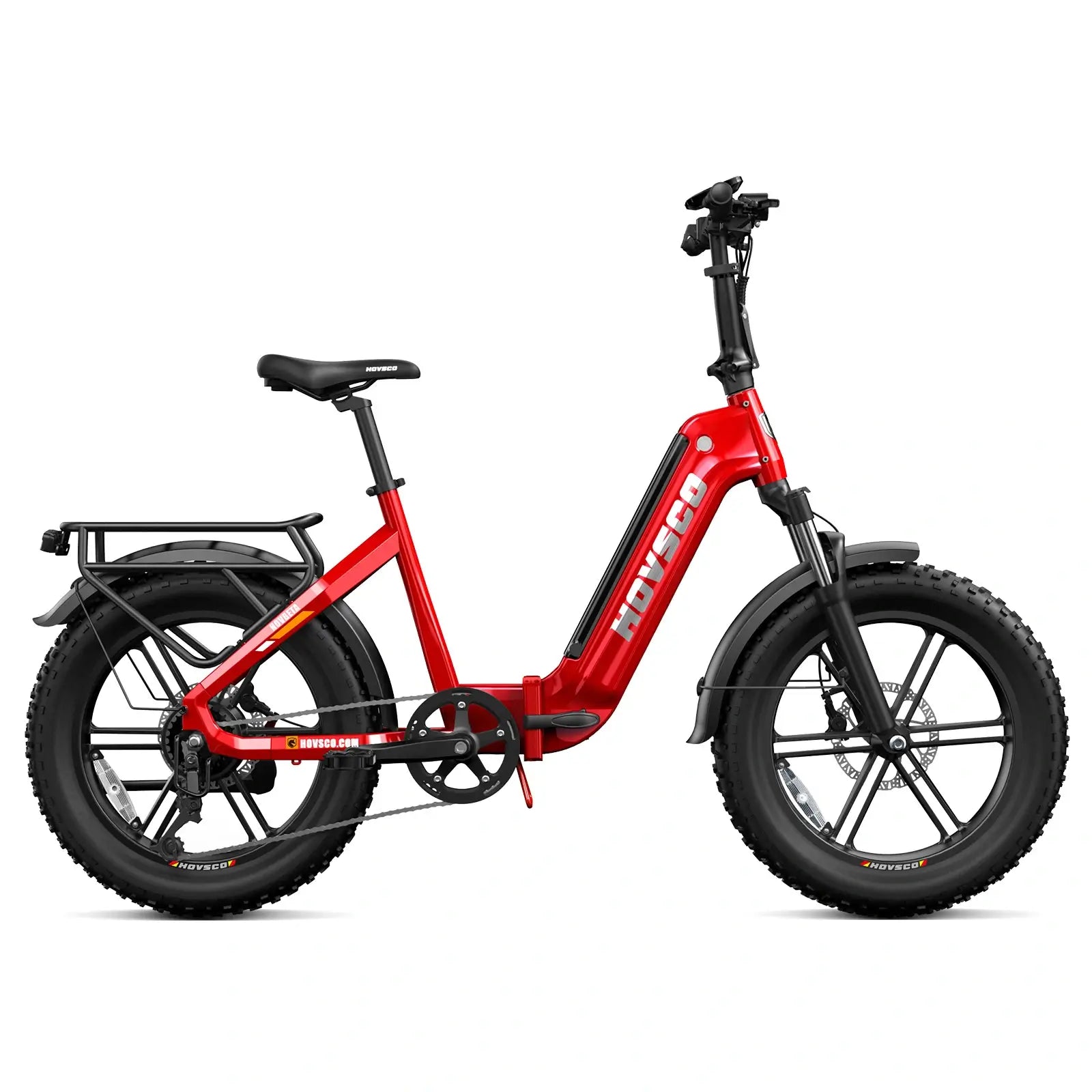
A stable bike ride on a cargo ebike is achieved through heavy-duty step-through frames made from 6061 aluminum with reinforced gussets. Thick tubing (at least 2.5mm), integrated rear structures instead of bolted-on racks, and an extended wheelbase ensure the chassis does not twist or flex under heavy cargo demands.
You can put the widest tires in the world on a bike, but if the frame behaves like a wet noodle, your ride will feel terrifyingly unstable. On the factory floor, we analyze frame torsion by simulating high-load cornering forces. Budget cargo options often use thin-walled tubing that twists when a rider stands up to pedal.
To achieve a genuinely stable bike ride, top-tier manufacturers utilize an elongated wheelbase coupled with a low-step frame profile. The down tube must be double-butted and structurally reinforced near the bottom bracket to manage the motor’s torque alongside the cargo weight. Look for seamless, robotic TIG welds. An integrated rear rack that is directly welded to the main frame—rather than bolted on via eyelets—ensures that the payload moves in perfect harmony with the front wheel, avoiding dangerous speed wobbles.
Yes, tire pressure significantly affects stability when hauling precious cargo. Running 3-inch or 4-inch tires too high (over 35 PSI) causes bouncing and reduces traction, while running them too low (under 15 PSI) causes tire sidewall squirm during turns. An optimal 20 to 25 PSI balances payload support and shock absorption.
Managing tire pressure is a critical operational factor that many riders overlook. When you are carrying precious cargo, your tire inflation strategy must shift based on the total payload. In our test facility, we discovered that over-inflating fat tires turns them into rigid basketballs; they bounce off rocks and pavement imperfections, which temporarily destabilizes the bike's tracking line.
Conversely, under-inflation is equally hazardous for a fat tire cargo ebike. If you drop the pressure below 15 PSI while carrying a 150-pound passenger, the tire sidewalls will deform and roll over the rim during a sharp turn, creating a sudden, unsettling lurch. Finding the sweet spot—typically between 20 and 25 PSI depending on total load—gives you the perfect blend of structural stiffness for balancing and pneumatic compliance for a smooth ride.
Industrial quality standards, like DIN 79010 cargo certifications and UL 2849 system listings, prevent component failures by subjecting ebikes to rigorous stress tests. These standards ensure frames handle 100,000+ vibration cycles and electronics manage heavy power draws without thermal runaway, guaranteeing long-term operational reliability under load.
[Factory Stress Test]
       │
       ▼
(100,000 Frame Vibrations) ──► [Zero Structural Cracks]
       │
       ▼
(Continuous 80Nm Motor Load) ──► [Thermal Cut-off Safety Verification]
True product reliability cannot be faked with fancy paint or marketing jargon. It requires deep industrial knowledge derived from years of vehicle manufacturing. When engineering a fat tire cargo ebike, every component faces exponential stress compared to a standard commuter bike. For example, the spoke nipples, axle threads, and brake caliper mounts must be built to industrial specifications to avoid catastrophic shear failure.
By adhering to international heavy-duty testing standards, factories simulate years of intense road abuse in a matter of weeks. This includes testing hydraulic brake lines against extreme fluid pressures and ensuring the battery management system (BMS) can safely discharge high continuous currents when climbing steep hills with maximum payload. This meticulous approach ensures that critical components will not fail when you need them most.
Choose 3-inch tires if your cargo routes consist primarily of paved urban pavement and you want lower rolling resistance and nimbler handling. Choose 4-inch tires if you regularly encounter loose gravel, sand, snow, potholes, or frequently carry maximum payloads that require ultimate shock absorption and stability.
Deciding between 3-inch and 4-inch wide rubber comes down to an engineering trade-off between rolling efficiency and maximum terrain compliance. A 3-inch tire is technically a "mid-fat" tire. It rolls faster on smooth asphalt, requires slightly less battery power to sustain speeds, and gives the bike a more agile, traditional handling characteristic.
However, if your daily route involves traversing broken city streets, light trail detours, or beach boardwalks, 4-inch tires are unmatched. The wider variant provides an uncompromising layer of safety for your precious cargo by creating an unyielding grip on slick surfaces. HOVSCO strategically utilizes high-volume tires across its product lineup because our extensive data proves that maximizing rubber volume directly correlates with a reduction in real-world accidents and user error.
Motor torque management is critical because hauling heavy cargo on smaller wheels requires smooth, immediate power delivery to prevent drivetrain snapping. High torque (80+ Nm) paired with a responsive torque sensor ensures the ebike accelerates predictably from a complete stop without jerking or losing traction on slick inclines.
Many riders focus purely on top-tier wattage numbers, but torque (measured in Newton-meters) is what actually moves a heavy load. When balancing a loaded fat tire cargo ebike on an incline, a sudden, unmanaged surge of power from a cheap cadence sensor can spin the rear tire or lift the front wheel off the ground, causing an immediate loss of control.
Advanced motor controllers solve this by utilizing sophisticated algorithmic power curves. By reading how hard the rider is pushing on the pedals up to 1,000 times per second, the system smoothly ramps up the motor's power. This precise distribution of torque protects the internal planetary gears from stripping, extends chain life, and ensures that accelerating with precious cargo feels completely natural and safe.
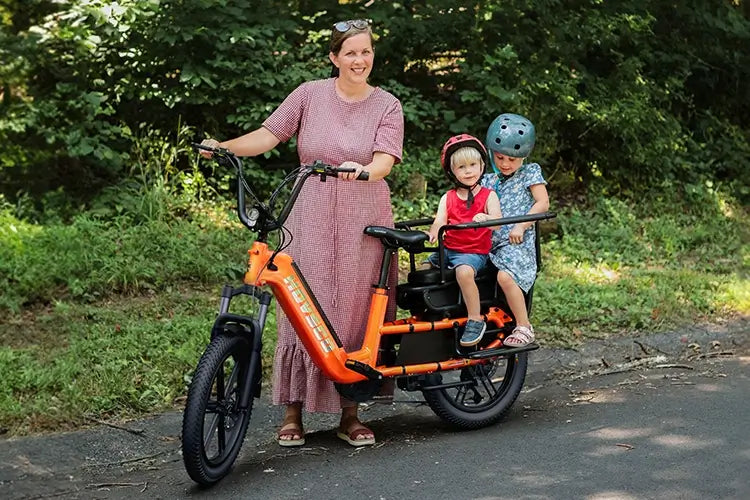
Why Is a Low-Step Cargo Ebike Vital for Moms?
"When we transitioned our engineering focus into the heavy-duty ebike sector, we brought along an invaluable foundation of industrial knowledge and a strict safety belief developed from manufacturing millions of micro-mobility vehicles. We recognized early on that a fat tire cargo ebike demands a completely different structural philosophy than a standard bicycle.
For our cargo designs, we mandate reinforced 6061 aluminum tubing with a wall thickness exceeding 2.5mm and spec heavy-duty wheelsets featuring 12-gauge spokes. Pairing 20-inch wheels with wide 3-inch or 4-inch tires isn't an aesthetic choice; it is a calculated safety decision to drop the payload height, optimize motor torque, and ensure a stable bike ride. We want every parent, delivery rider, and adventurer to feel completely anchored to the road. Our uncompromising build standards mean we choose structural integrity over shaving a few ounces, allowing our community to experience the pure 'ebike smile' with absolute peace of mind."
— HOVSCO Engineering Team
Investing in a 20-inch fat tire cargo ebike is one of the smartest decisions you can make for practical, everyday utility. To ensure you maintain maximum safety and efficiency on every trip, keep these factory-tested tips in mind:
Prioritize Low Centers of Gravity: Always place your heaviest items at the bottom of your cargo bags or closest to the rear deck to maintain a stable bike ride.
Maintain Dynamic Tire Pressures: Check your tires weekly. Aim for 20 PSI for maximum cushioning with heavy cargo, and bump up to 25–28 PSI if you are riding solo on smooth pavement.
Inspect Spokes and Fasteners: Heavy payloads place immense stress on your wheels. Do a quick visual check every month to ensure no spokes are loose and your cargo racks are bolted tightly to the frame.
Embrace the Safety Standards: Never compromise on battery or frame safety. Opt for trusted brands like HOVSCO that prioritize third-party certifications over cheap components.
By understanding the engineering behind your ride, you can confidently navigate any urban or off-road landscape while keeping your cargo entirely secure.
Yes. Because 20-inch wheels have a smaller outer diameter, they give the motor a mechanical advantage, producing higher torque at lower speeds. When paired with a motor delivering 80+ Nm of torque, these ebikes can easily scale 15% to 20% grades with a full payload without overheating.
You should structurally check your spokes every 200 to 300 miles. Carrying heavy loads causes rapid wheel settling, which can loosen spokes over time. Tap them with a screwdriver; a loose spoke will make a dull thud instead of a crisp, high-pitched ring.
Pedaling a 4-inch wide tire cargo bike without electronic assistance is challenging due to the heavy frame weight and increased rolling resistance. However, the multi-gear drivetrain helps mitigate this, allowing you to slowly limp home in a low gear if necessary.
Share:
Essential Guide on How to Ride a Family Ebike in the Rain
What Ebike Tax Credits and Rebates Exist in 2026?