



- by SEO
How Can You Safely Unlock a Class 3 Cargo Ebike Speed?
- by SEO
E-Bikes
 Free Shipping
 15-Day Returns
 2-Year Warranty
Shop By Models
Shop By Style
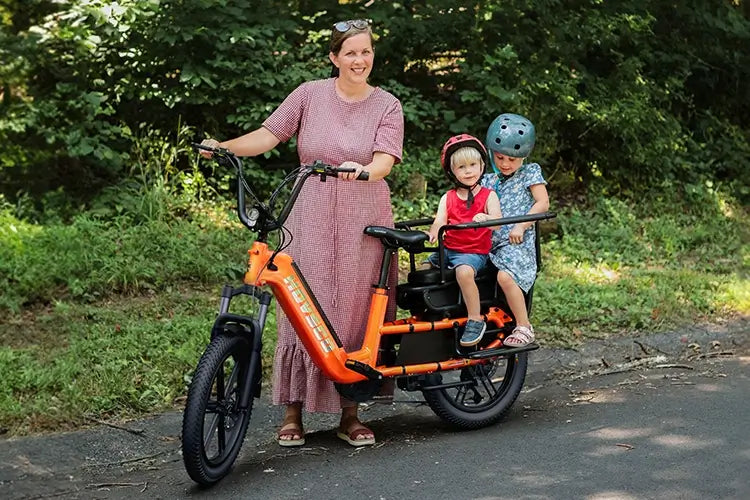
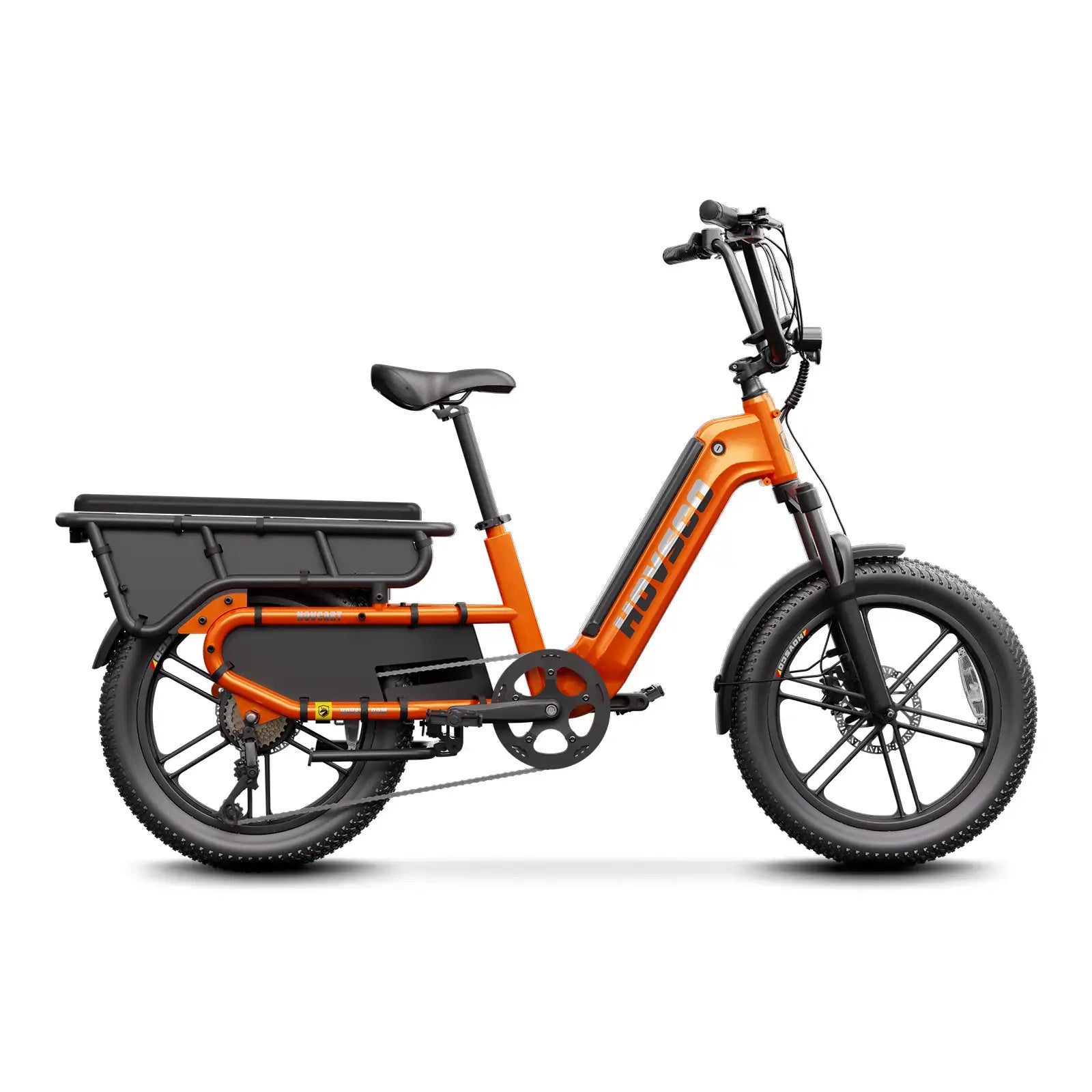
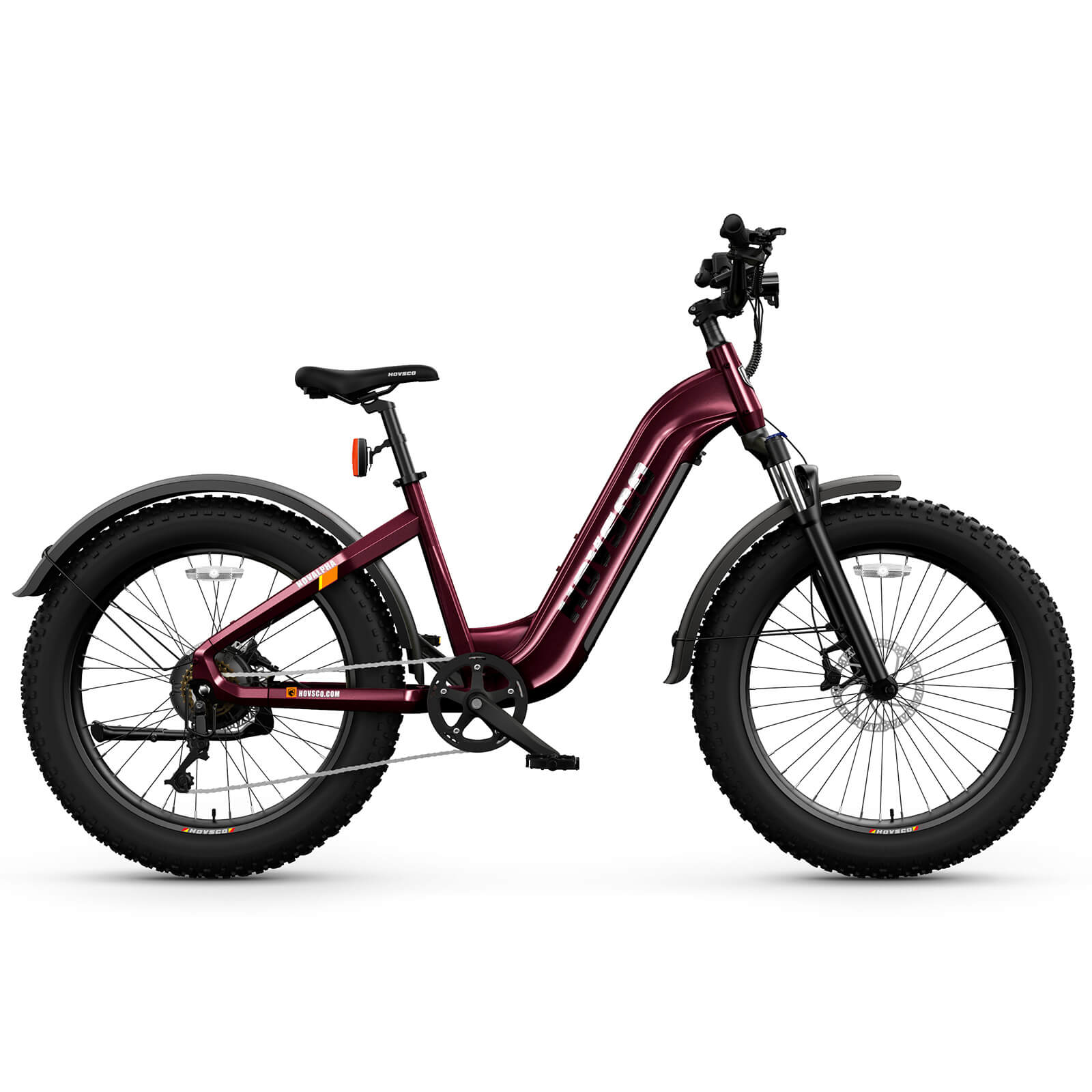
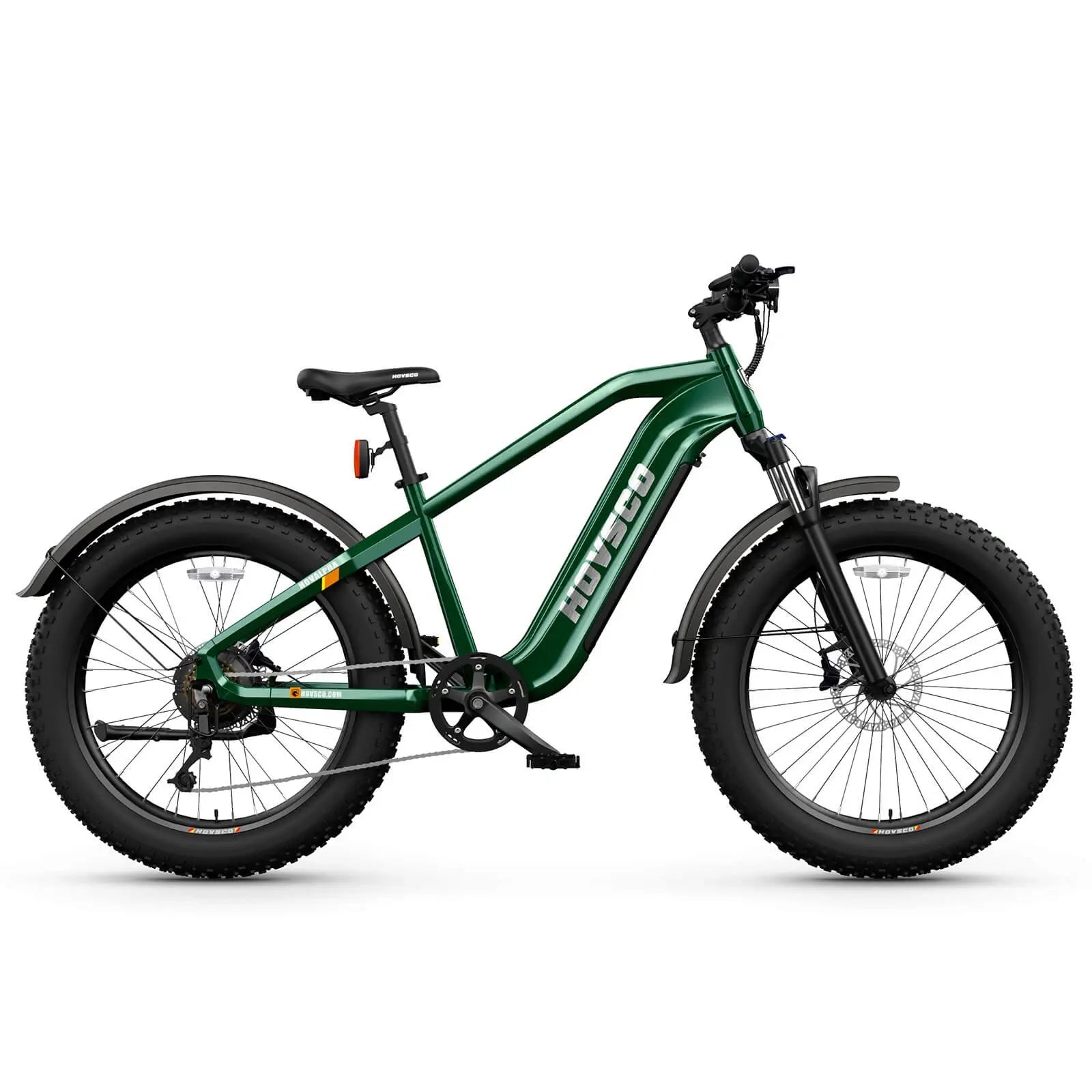
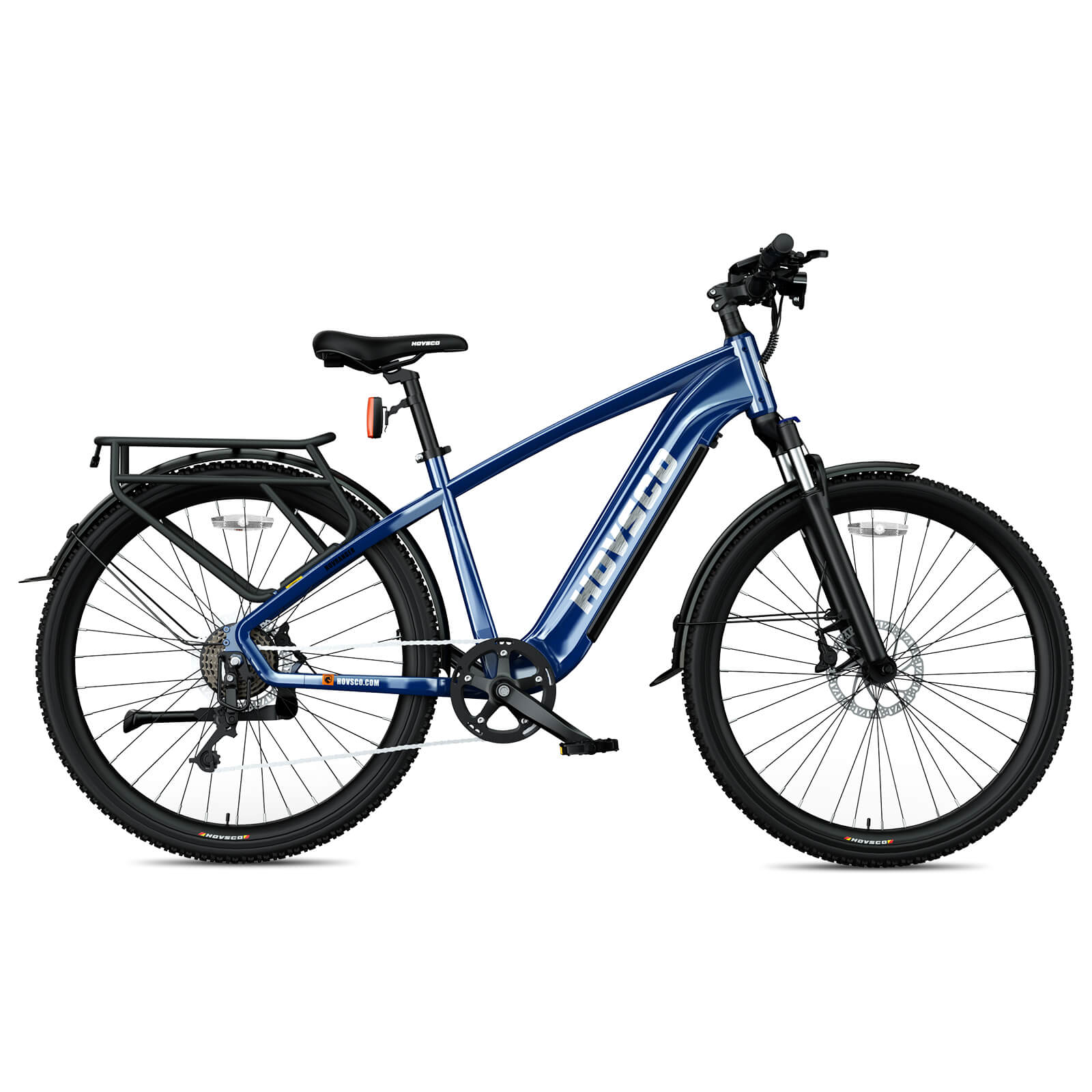
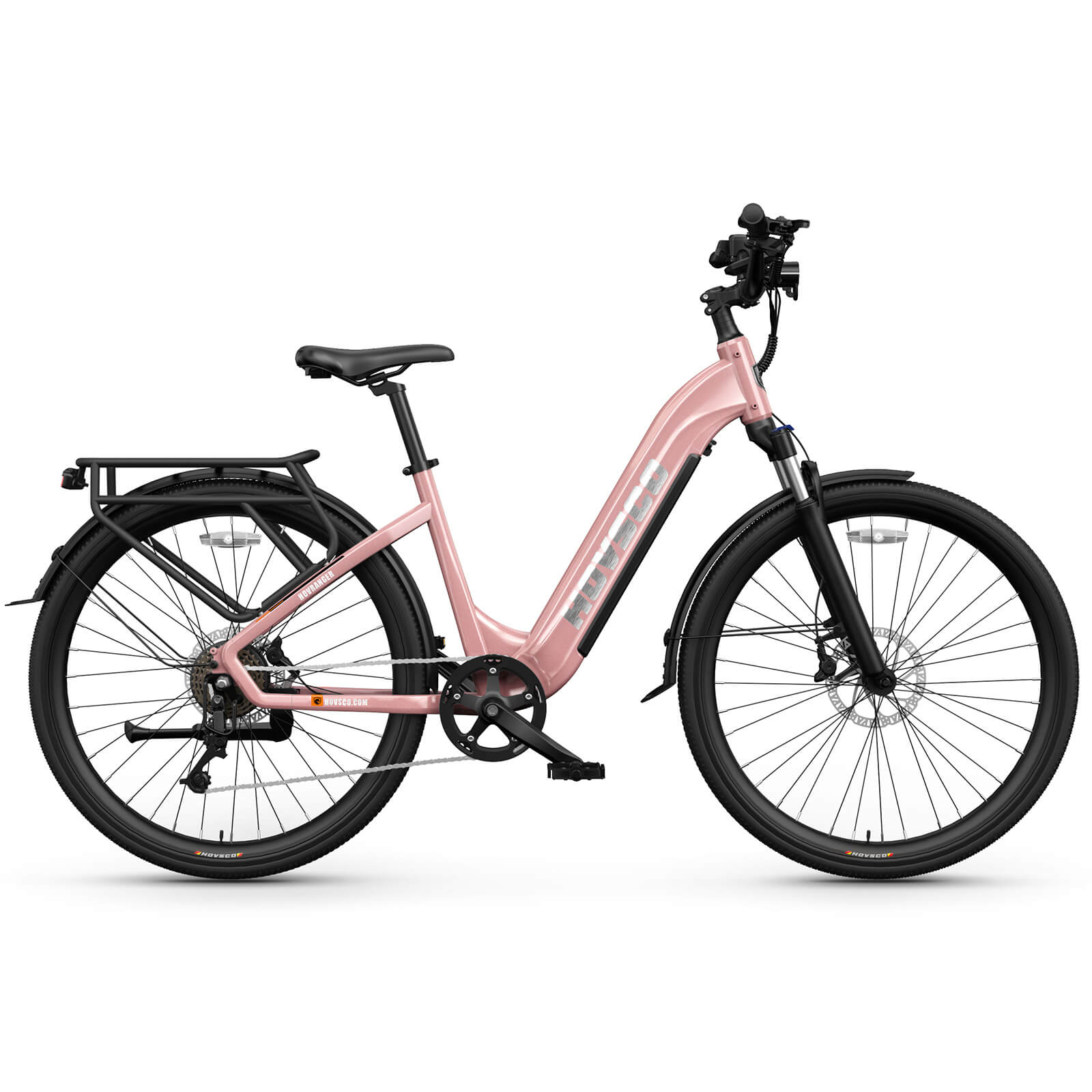
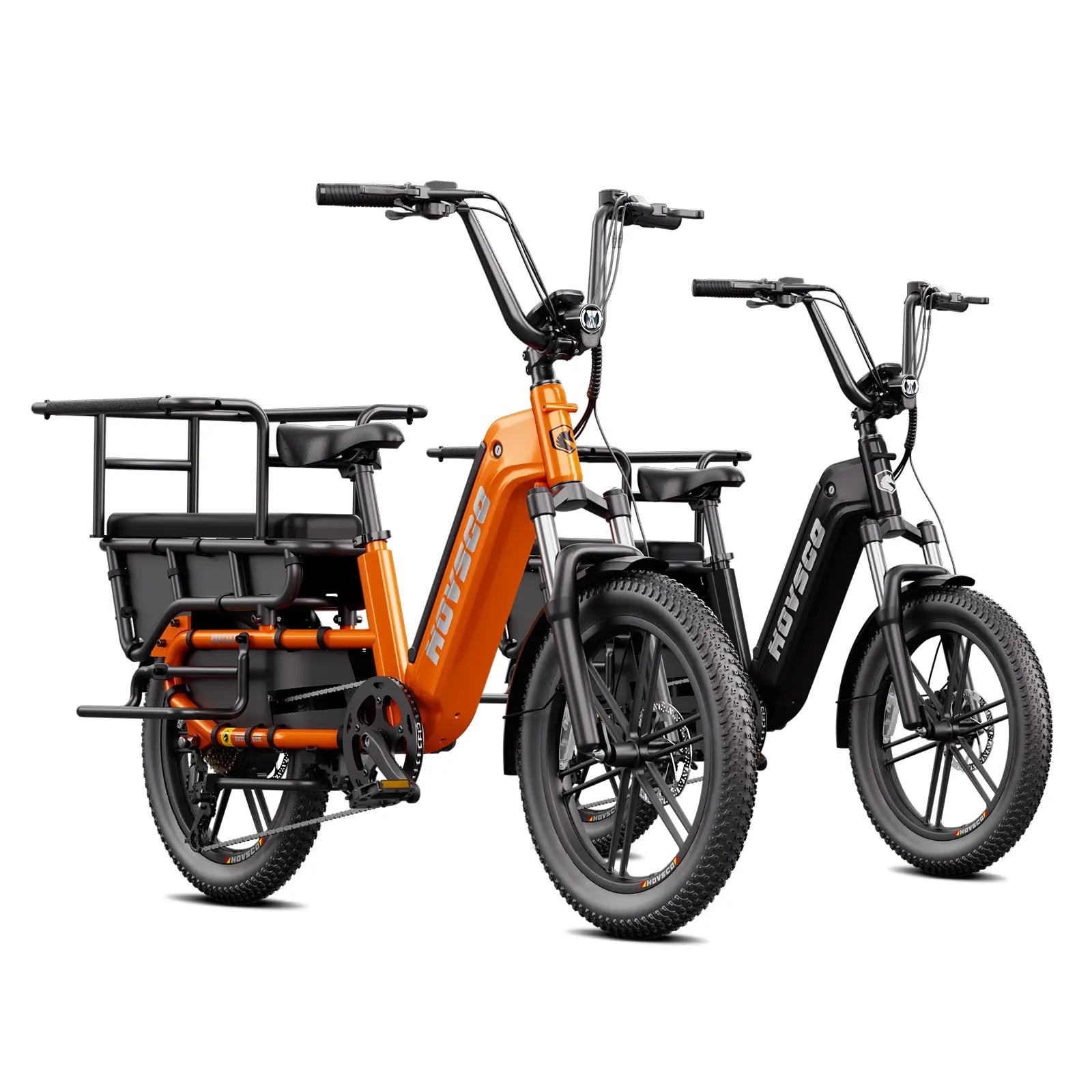
A class 3 cargo ebike can make urban commuting faster, smoother, and more practical when it is used within the right legal and mechanical limits. The safest way to unlock a HovCart’s speed is to confirm local ebike speed laws, adjust only the manufacturer-approved settings, and keep braking, tires, and cadence in balance. That protects range, handling, and rider safety while preserving the bike’s cargo-hauling strengths.
Check: Class 3 cargo e-bikes
A class 3 cargo ebike is commonly defined by pedal assist up to 28 mph, not by unlimited power. In practical riding, that means the motor helps you reach and hold commuting speed more easily, but it stops assisting at the legal cutoff. You can still pedal faster on your own, but the electric support ends at the class limit.
For a HovCart setup, the real question is not “How fast can it go?” but “How fast can it safely and legally help me go in traffic?” That distinction matters because cargo bikes carry more mass, so higher speed changes stopping distance, steering feel, and cornering stability. The extra load also makes torque delivery and brake tuning more important than on a light city ebike.
Ebike speed laws vary by state and local jurisdiction, but the common U.S. three-class system is the starting point for most riders. Class 1 and Class 2 models generally cap motor assistance at 20 mph, while class 3 ebikes can assist up to 28 mph. Some local areas add trail, sidewalk, age, helmet, or lane restrictions even when the bike itself is legally class 3.
For urban commuting, that means you should treat the HovCart’s display setting as only one part of compliance. The path, street, and bike lane rules in your city can matter as much as the motor setting. If your commute includes mixed-use paths, the legal answer may change block by block.
The safest way to unlock the HovCart’s speed is to use only the bike’s built-in settings, if the manufacturer supports them, and make one change at a time. Start by checking the current assist class, wheel size, and speed limit settings in the display or app. Then test the result in a low-traffic area before using it on a commute.
Do not modify wiring, bypass sensors, or push settings beyond what the controller and brake system were designed to handle. A cargo ebike has more momentum, so a speed increase should be matched with brake pad condition, rotor size, tire pressure, and rack load discipline. In practice, “safe unlocking” is less about maximum speed and more about controlled, predictable power delivery.
The settings that matter most are the speed cap, wheel size calibration, and assist response curve. A wrong wheel-size value can make the display inaccurate, which can trick riders into thinking the bike is slower or faster than it really is. Assist ramp-up also changes how abruptly the bike launches, which affects comfort when starting at intersections.
On a cargo ebike, a smoother start is often better than an aggressive launch. Heavy loads can shift weight rearward and make the front wheel feel light if power comes on too suddenly. The HovCart should feel planted, not twitchy, especially when carrying groceries, work gear, or a child seat.
Urban commuting needs a different setup because traffic is stop-and-go, not steady and open like a long bike path. Repeated starts, curb cuts, potholes, parked cars, and turning vehicles all punish unstable tuning. A higher-speed class 3 ebike can help you keep pace with traffic, but only if the bike remains easy to control at low speed too.
This is where cargo-specific design matters. More weight means more brake heat, more tire load, and more consequences from sloppy loading. In my experience, the fastest bike on paper is not always the best commuter; the best commuter is the one that brakes straight, corners calmly, and feels consistent when the bike is fully loaded.
Yes, but every extra mile per hour usually costs range because aerodynamic drag rises quickly. That trade-off matters more once a bike is already moving at city traffic speeds. On a class 3 cargo ebike, using top assist all the time can drain the battery faster than riders expect, especially with hills, headwinds, and cargo weight.
A practical commute strategy is to use higher assist only when it saves time, such as merges, bridge climbs, or short gaps in traffic. Then return to a lower assist mode once the road opens up. That approach protects range, reduces heat, and keeps the drivetrain under less stress.
Brakes and tires should be treated as part of the speed unlock, not as afterthoughts. If the bike is going to assist closer to 28 mph, the stopping system must be ready for repeated hard braking with cargo onboard. Strong pads, true rotors, and correct lever setup often make a bigger real-world difference than extra motor tuning.
Tires should match the bike’s intended load and pavement use. Wider tires can improve comfort and grip, but too-soft pressure increases rolling resistance and heat. The right setup is a compromise: enough pressure for rolling efficiency, enough compliance for potholes, and enough sidewall support to stay stable when braking hard.
HOVSCO stands out because the brand’s background is rooted in practical mobility, not just styling. That matters when you are dealing with a class 3 cargo ebike, because the details that affect safety are often hidden in controller behavior, frame stiffness, and component selection. HOVSCO has also built credibility around everyday riding use, where reliability matters as much as headline speed.
For riders who want a HovCart-style commuter, the value is in balancing utility, safety, and ride feel. A commuter bike should not only reach the legal assist ceiling; it should stay composed when loaded, wet, or rushed. HOVSCO’s approach is strongest when performance is treated as a system, not a single number.
“When we tune a cargo ebike for city use, we never chase speed alone. We look at launch smoothness, brake confidence, and load balance first. A rider should feel the bike is helping, not pushing them into a mistake. That is the difference between a fast ride and a trustworthy commuter.”
— HOVSCO Expert Views
Test the bike in three stages: unloaded, lightly loaded, and fully loaded. Start with short rides at low traffic, then check how the bike accelerates, holds speed, and stops. If the front end feels light, the brakes pulse, or the motor surges too sharply, the setup needs refinement before daily use.
You should also watch for ghost pedaling at higher speeds, especially if cadence support is tuned too aggressively. When the assist cutoff arrives, the transition should feel natural rather than abrupt. A good commuter setup makes the cutoff almost invisible.
You should stop tuning as soon as the bike feels unstable, the legal status becomes unclear, or the component limits are exceeded. If the display asks for unsupported changes, or if any modification would involve bypassing built-in safeties, that is a sign to stop. The goal is not to make the HovCart behave like a motorcycle.
The best city setup is often one that respects the legal class while optimizing real comfort. In many cases, the smartest upgrade is not more speed but better braking, stronger lights, and cleaner load management. That keeps the ride fast enough for commuting and calm enough for daily use.
This matters because HOVSCO riders often use ebikes as daily transport, not weekend toys. A class 3 cargo ebike may be carrying school bags, groceries, or work equipment, so safety margins matter more than bragging rights. The HOVSCO mindset is to make the bike fit real life, where traffic, weather, and cargo all show up at once.
If you are considering a HovCart for urban use, the best outcome is a bike that feels quick, legal, and dependable. HOVSCO’s design philosophy fits that goal when the rider focuses on system balance: speed, braking, traction, and legal compliance working together.
Check: Class 3 models in the Best Cargo Ebikes 2026
What is a class 3 cargo ebike?
A class 3 cargo ebike is a pedal-assist ebike that can provide motor help up to 28 mph. It is designed for faster commuting and heavier utility use than a basic city ebike.
Is 28 mph legal everywhere?
No. Ebike speed laws vary by state and local area, and some paths or streets restrict class 3 ebikes. Always check the rules for the exact route you ride.
Can I unlock my HovCart speed safely?
Yes, if you only use manufacturer-approved settings and keep the braking and tire setup aligned with the higher speed. Avoid hardware bypasses or unsupported changes.
Does higher speed reduce battery range?
Usually yes. Riding near the top assist level more often increases power use, especially with cargo, hills, and wind. Lower assist modes usually extend range.
What matters most after unlocking speed?
Brakes, tire pressure, load balance, and smooth assist response matter most. Those factors determine whether the bike still feels safe and predictable in city traffic.
What Should You Remember?
The smartest way to unlock a class 3 cargo ebike is to think in systems, not shortcuts. A HovCart can be quick enough for urban commuting while still staying legal, stable, and efficient if you tune it carefully and respect ebike speed laws. HOVSCO’s best value comes from helping riders move faster without sacrificing control, and that is the standard that matters most in the city.
Share:
Is a 20-Inch Fat Tire Cargo Ebike Stable?
What Ebike Tax Credits and Rebates Exist in 2026?