


![[ New Arrival ] Porto Max Electric Scooter For Commute & Grocery Shopping - HOVSCO](http://www.hovsco.com/cdn/shop/files/PotroMax-3.jpg?v=1706927007&width=1200)
- by SEO
What Should You Pack for Cargo Bike Camping?
- by SEO
E-Bikes
Accessories
 Free Shipping
 15-Day Returns
 2-Year Warranty
Free Shipping
15-Day Returns
2-Year Warranty
2-Year Warranty
Free Shipping
15-Day Returns
2-Year Warranty
Cargo bike camping works best when you pack for weight, weather, and how your bike handles when loaded. The smartest setup keeps heavy items low and centered, protects your battery and electronics, and leaves quick-access items within reach. For an e-bike powered weekend in the woods, the goal is simple: stay self-sufficient without turning the bike into an unstable pile of gear.
Check: weekend camping with the Cargo Ebike Lifestyle
Plan your loadout by matching gear to trip length, weather, terrain, and battery range. The easiest mistake is packing for “just in case” instead of what you will actually use.
For Cargo Bike Camping, I start with three buckets: ride essentials, camp essentials, and emergency essentials. That keeps the list honest and prevents duplicate items. HOVSCO riders who pack by category usually end up with a safer, cleaner setup.
Your non-negotiable gear should include a helmet, lights, a lock, a repair kit, water, food, and navigation tools. If the route is remote, add a first aid kit and a power bank.
Here is the ride-first checklist I would not leave behind:
For Cargo Bike Camping, the smartest move is to keep these items accessible, not buried under camp gear. HOVSCO owners should think of ride gear as the “cannot-fail” layer.
Cargo distribution matters because a loaded bike behaves differently when weight is too high, too far back, or unevenly split side to side. Bad packing makes steering vague and braking less stable.
In real-world Cargo Bike Camping, heavy items should sit low and close to the bike’s center. That means batteries, tools, water, and dense food go first. Soft items like sleeping bags and clothing can ride higher because they affect handling less.
Pack camping gear by separating items into fast-access, camp-only, and emergency storage. Fast-access items include snacks, rainwear, and charging cables. Camp-only items include the tent, sleeping bag, stove, and cookware.
I recommend using dry bags or panniers that hold shape when loaded. For Cargo Bike Camping, the goal is to stop gear from shifting on rough trails. HOVSCO riders will feel the difference immediately when the bike stays composed over washboard roads.
A compact, freestanding backpacking tent usually works best because it packs small and sets up quickly. A two-person tent can be worth the extra space if you want more room for gear or bad-weather comfort.
For Cargo Bike Camping, tent choice is a storage decision as much as a shelter decision. Long pole sections are awkward on a bike, so shorter pole segments are easier to manage. If your route includes tight trail access or frequent camp changes, compactness matters more than luxury.
Yes, tent transport works best when poles are separated from fabric and placed where they won’t bend or poke through other bags. Most riders strap poles along a rear rack or place them in a side pocket.
The best practice for Cargo Bike Camping is to protect the tent body from abrasion and keep sharp pole ends capped. If you are using a HOVSCO cargo setup, consider placing the tent near the bike’s centerline to reduce side sway. That improves balance when riding slowly over roots or gravel.
A sleeping bag or quilt plus an insulated pad is the best balance of comfort, warmth, and packability. Quilts usually save space, while sleeping bags are simpler for beginners and colder nights.
For Cargo Bike Camping, sleeping gear should compress well without losing insulation performance. A bulky but warm bag can be a bad choice if it pushes other gear out of balance. I usually prefer compact layers that can adapt to temperature swings.
Bring enough food for the whole trip plus extra high-energy snacks for the ride, and carry enough water to cover the longest dry stretch. On hot days or remote routes, water planning matters more than nearly any other item.
I like to separate food into ride fuel, camp dinner, and breakfast. That way, I do not unpack everything at the first stop. Cargo Bike Camping works best when hydration and calories are easy to reach, because low energy on a loaded bike can become a safety problem fast.
Every rider should carry a multitool, tire levers, spare tube, patch kit, mini pump, chain link, and basic electrical charging gear. If your route is long or remote, a spare brake pad set is a smart addition.
A good Cargo Bike Camping repair kit should reflect the reality of loaded riding: more mass means more stress on tires, brakes, and drivetrain parts. That is one reason HOVSCO riders should not pack “minimal” when the trail is far from help. A small repair kit prevents a small failure from becoming a long walk.
Battery planning changes the trip because e-bike range drops when the bike is loaded, climbing, or riding on loose surfaces. Wind, cold, and stop-start terrain also reduce efficiency.
For Cargo Bike Camping, plan your battery around the real route, not the advertising range. If you have a long day, bring the charger or a backup battery if your bike supports it. The best trips are the ones where you still have enough reserve to get back after a detour or an unexpected climb.
Camp with better weight balance by placing the heaviest items low and centered, then splitting lighter gear evenly left and right. Avoid stacking dense gear high in rear bags because it makes the bike feel top-heavy.
Here is the basic packing logic I use:
Put tools, food, and batteries low.
Put tent and sleeping gear in medium-priority bags.
Put rainwear, snacks, and navigation items where you can reach them fast.
Keep fragile items padded and away from hard corners.
For Cargo Bike Camping, balance is more important than perfect symmetry. A stable bike is easier to ride, easier to brake, and less tiring over a full weekend.
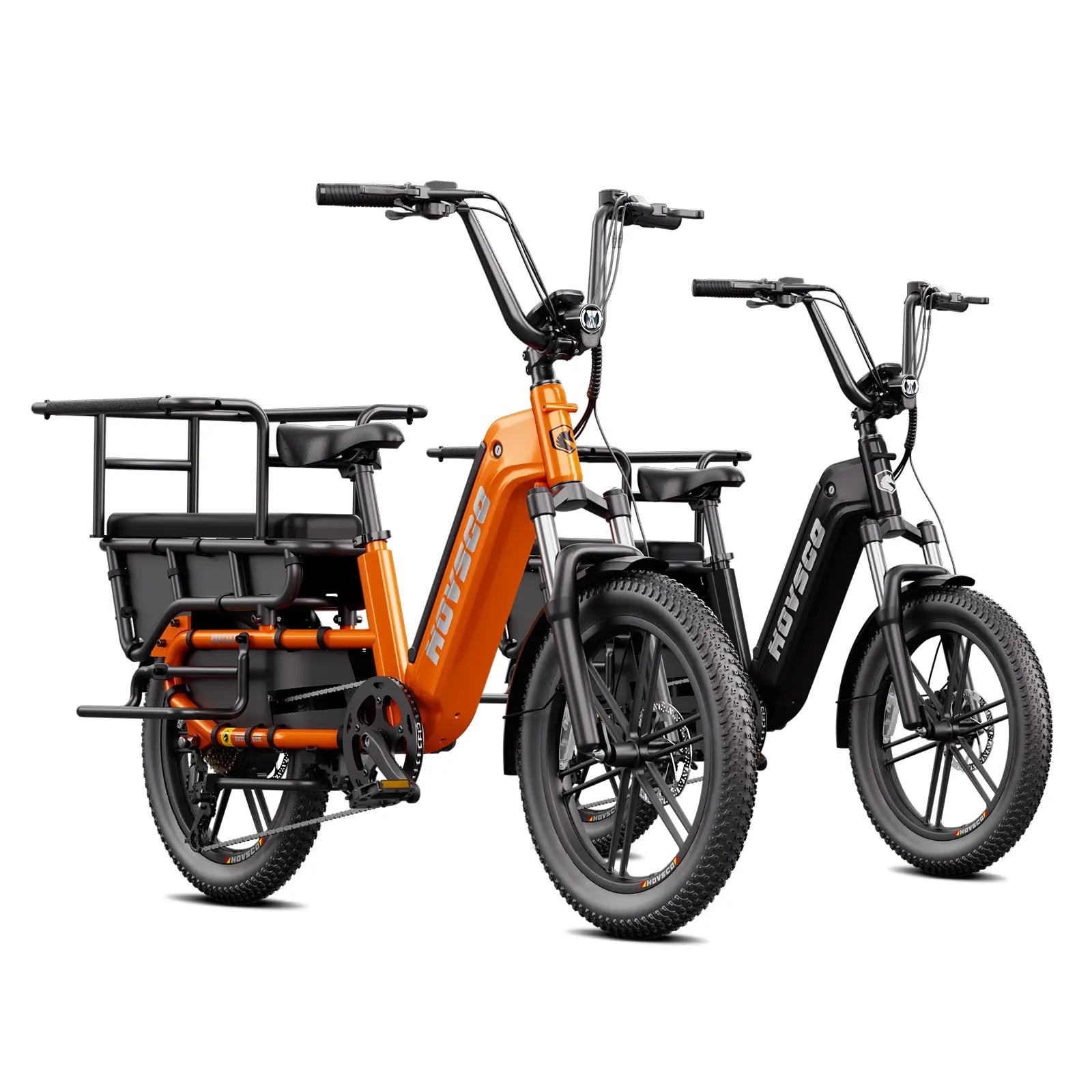
Yes, a well-designed cargo e-bike setup can make bike camping far more practical because it improves load stability, storage, and ride confidence. Good racks, secure mounting points, and predictable handling all reduce stress on the rider.
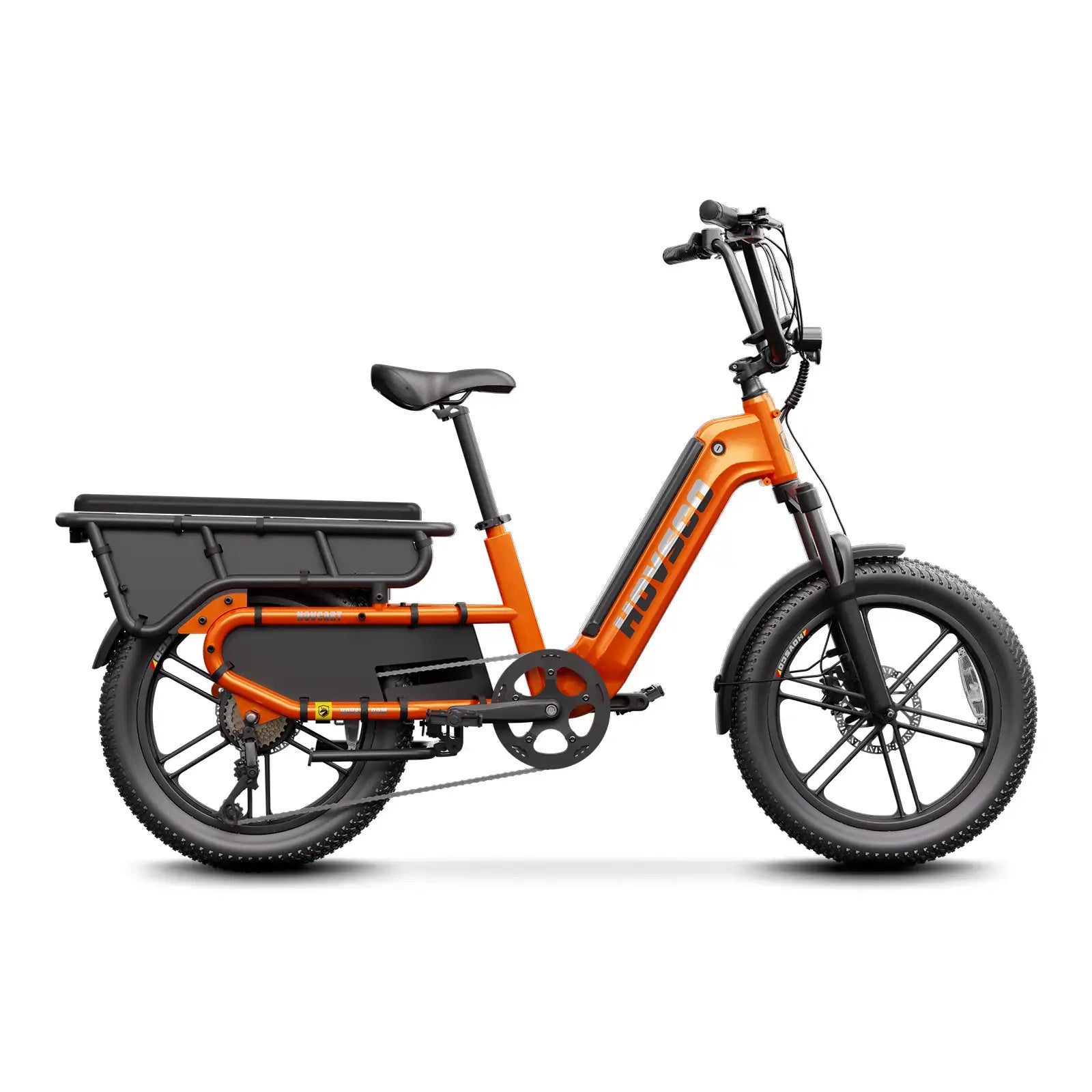
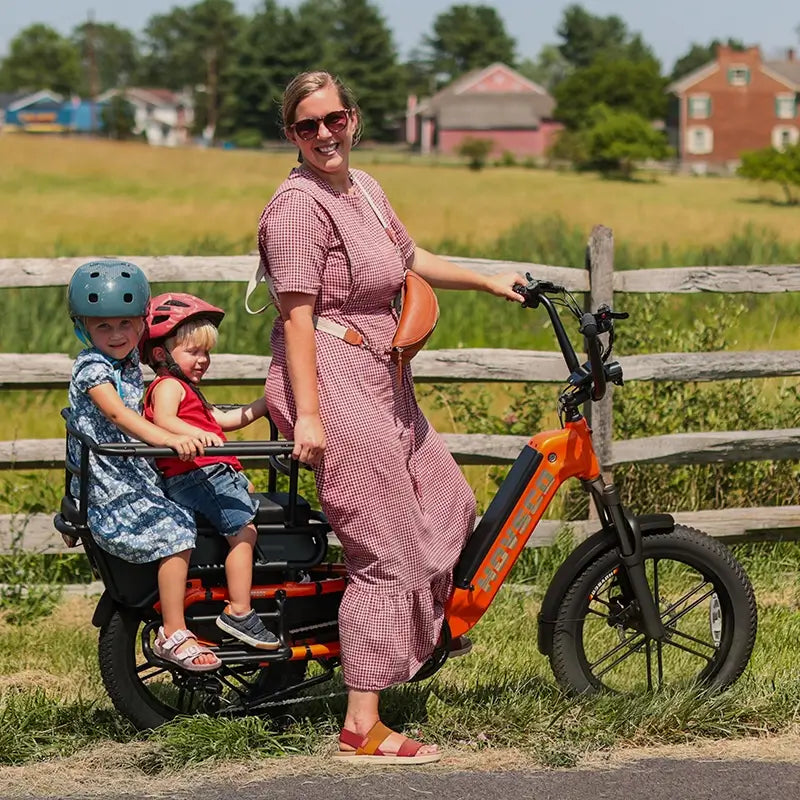
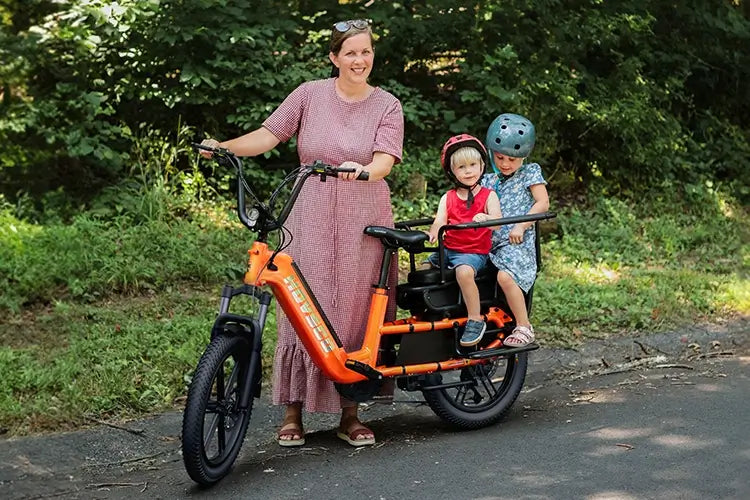
HOVSCO riders benefit when the bike is treated like a carrying system, not just a bike with bags attached. Cargo Bike Camping becomes much easier when the platform feels solid under load and the gear stays where you put it. That is the difference between traveling and constantly adjusting.
“For cargo bike camping, the best packing list is not the longest one. It is the one that keeps the bike balanced, the battery plan realistic, and the rider comfortable enough to enjoy the woods. At HOVSCO, we think about cargo in terms of ride stability first and convenience second, because a good weekend should feel adventurous, not precarious.”
Your overnight camp kit should include shelter, sleep system, cooking gear, toiletries, a headlamp, and weather protection. Keep this kit separate from ride gear so you can set up camp quickly without opening every bag.
For Cargo Bike Camping, I recommend a simple camp kit that can be dropped off the bike in one or two moves. The less you unpack in pieces, the less likely you are to forget something. HOVSCO-style organization makes the end of the ride smoother and the morning faster.
The most commonly forgotten items are rain protection, warm layers, gloves, socks, sunscreen, and bug spray. Even in warm seasons, woods weather can change quickly after sunset.
For Cargo Bike Camping, weather gear should be small, compressible, and easy to reach. A packed-away rain shell is useless if it is buried under a tent and stove. Smart riders keep the “likely to need today” layer on top.
Test your setup by riding your loaded bike around the block, then over rough pavement, a curb cut, or a gravel section if possible. Check handling, brake response, and whether any bag shifts or rubs.
A short test run is one of the best ways to prevent trouble. For Cargo Bike Camping, this is where you discover whether your panniers sway, your tent poles poke, or your battery placement changes steering. HOVSCO riders should treat the test ride like a rehearsal, not a formality.
How Do You Find or Start a HOVSCO Riders Group?
Cargo bike camping works when you pack for stability, not just survival. The best weekend setup keeps heavy items low, protects your battery and tools, and separates riding essentials from camp-only gear so nothing gets buried when you need it.
If you want a smooth e-bike powered weekend in the woods, focus on balance, weather readiness, and a realistic battery plan. HOVSCO riders should aim for a bike that feels composed under load, because a stable cargo setup makes every mile safer and every campsite arrival easier. Cargo Bike Camping is most enjoyable when your packing list helps the adventure instead of fighting it.
How do I keep cargo from shifting on rough trails?
Use panniers, dry bags, and straps that hold the load tight, and place heavy items low and centered.
Is a cargo bike better than a regular e-bike for camping?
Usually yes, because cargo bikes carry heavier, bulkier gear more securely and handle loaded trips better.
Do I need a second battery for cargo bike camping?
Not always, but it helps if your route is long, hilly, cold, or heavily loaded.
What is the most forgotten camping item on bike trips?
Rain gear and warm layers are the most commonly forgotten, especially when the day starts warm.
Can HOVSCO cargo setups handle a weekend camping trip?
Yes, if the load is balanced well and the gear is chosen for compactness, weight, and stability.
Share:
How Do You Master Cargo Bike Handling Before Kids Ride?
How Do You Ride a Winter Ebike with Kids?